
How to Spot a Honey Pot Scam: Safety Guide
Honey pot scams are one of the most insidious threats in the crypto world. They lure victims with the promise of easy profits, only to trap their funds forever. This guide will teach you how to identify and avoid these scams, keeping your assets safe.
Key Concepts
- What is a Honey Pot Scam? A smart contract designed to let you deposit tokens but prevent you from withdrawing them. The scammer often creates a fake liquidity pool or token that appears profitable.
- How It Works: The scammer deploys a contract with hidden code that blocks sell or transfer functions after a certain condition is met (e.g., a specific address interacts).
- Common Signs: Unusually high APY, no verified source code, anonymous team, and social media hype with no real product.
Pro Tips
- Always verify the smart contract on a block explorer like Etherscan. Look for functions like
transferorsellthat are restricted. - Use tools like Honeypot.is or Token Sniffer to analyze a token before investing.
- Start with a tiny test transaction to see if you can sell back.
- Never connect your wallet to unknown dApps without checking permissions.
FAQ Section
Q: Can I get my money back from a honey pot scam?
A: Almost never. Once funds are trapped in a malicious contract, they are usually unrecoverable. Prevention is the only cure.
Q: Are honey pot scams only on Ethereum?
A: No, they exist on any blockchain that supports smart contracts, including BSC, Solana, and Polygon.
Q: How do scammers promote honey pots?
A: Through fake airdrops, pump groups on Telegram, and paid influencers. Always be skeptical of “guaranteed” returns.
For more details on this, check out our guide on How Stablecoin Compliance Works: A Beginner’s Guide to Coinbax’s Programmable Escrow.
You might also be interested in reading about Ethereum vs Solana Ratio Trading: The Smart Way to Play the Rivalry.
Conclusion
Honey pot scams prey on greed and inexperience. By understanding how they work and using the right tools, you can protect yourself. Always do your own research, test with small amounts, and never trust a token that looks too good to be true. Stay safe out there.
Warsh’s Fed Holds Rates at 3.5%-3.75% as Energy Prices Push CPI to 4.2%
June 17, 2026 — The Federal Reserve voted unanimously Wednesday to hold interest rates steady at 3.5%-3.75%, with Chair Kevin Warsh delivering a blunt message that inflation remains the central bank’s top priority despite cooling core price pressures.
Immediate Details & Direct Quotes
Want to trade this news? Bitget offers professional charting tools and deep liquidity.
The Federal Open Market Committee’s 12-0 vote on June 17 marked a historic moment for the Warsh-led Fed, but the decision itself brought no policy easing. “The Committee will deliver price stability,” the official statement read, emphasizing the Fed’s commitment to its 2% inflation target.
The latest Consumer Price Index data explains why policymakers chose caution. CPI rose 0.5% in May after a 0.6% increase in April, pushing annual inflation to 4.2% — the highest year-over-year reading since April 2023. Energy prices led the surge, climbing 3.9% in May and accounting for more than 60% of the monthly headline increase. Gasoline prices jumped approximately 7% month over month and more than 40% year over year in recent readings.
The Fed acknowledged that elevated uncertainty stems partly from geopolitical tensions tied to Iran and the broader Middle East conflict. Despite this, the statement noted that economic activity is expanding at a solid pace, with productivity growth and capital investment remaining strong.
Market Context & Reaction
Core CPI, which excludes food and energy, offered a slightly cooler reading at 0.2% monthly and 2.9% annually — up from 2.8% in April. Shelter costs rose 0.3% monthly and 3.4% year over year, showing persistent household cost pressures.
Markets reacted negatively to the no-cut message. As of June 17, the Nasdaq Composite fell 106.88 points, the Dow Jones Industrial Average dropped 54.33 points, and the S&P 500 declined 30.32 points. Bitcoin also sold off on Bitstamp, sliding from the $66,000 area toward the low-$65,000 range as traders digested the hotter CPI data and the Fed’s refusal to signal near-term rate cuts.
The New York Fed’s Open Market Desk was directed to conduct overnight repurchase agreement operations at 3.75% and reverse repurchase agreement operations at 3.5%, with a per-counterparty limit of $160 billion per day. The Fed also indicated it may increase System Open Market Account holdings through Treasury bill purchases to maintain ample reserves, signaling that liquidity management remains active even as policy stays restrictive.
Background & Historical Context
Earlier in 2026, headline inflation had cooled to about 2.4% year over year in February, close enough to the Fed’s target to spark rate-cut optimism. April pushed inflation to 3.8%, up from 3.3% in March, before May’s reading accelerated further to 4.2%.
Energy index prices surged 23.5% year over year in May, driven by ongoing geopolitical tensions in the Middle East. The Fed’s implementation note kept the interest rate paid on reserve balances at 3.65% and the primary credit rate at 3.75%, effective June 18.
What This Means
The Warsh Fed has delivered a clear message: rate cuts require cooler inflation data, not wishful thinking. The next CPI report, covering June, is scheduled for mid-July 2026 and will be the key data point determining whether the central bank can consider easing later this year.
For traders, the hold decision reinforces that the Fed is willing to maintain tight policy even as growth remains solid. Energy price dynamics and geopolitical risks will remain in focus, particularly as the Middle East conflict continues to pressure supply chains and household costs.
As of this report, all eyes turn to Warsh’s first press conference as Fed Chairman for further signals on the policy outlook.
—
How to Master the VWAP Day Trading Strategy (Even as a Beginner)
Have you ever watched a stock or crypto asset rally all day, only to crash back down in the last hour—and wondered why? The answer often lies in a single, powerful metric: Volume Weighted Average Price (VWAP).
VWAP is the holy grail for intraday traders. It tells you the true average price of an asset, factoring in both price and volume. Think of it as the market’s “fair value” for the day. When price is above VWAP, bulls are in control. When it dips below, bears take charge. In this guide, I’ll show you how to use VWAP to spot entries, exits, and ride the momentum like a pro.
How It Works
VWAP is calculated by taking the total dollar value of all trades (price x volume) and dividing it by the total volume for the day. The result is a line that updates with every tick. Unlike moving averages that look back at past data, VWAP resets at the start of each trading session. That makes it perfect for day trading.
Why it matters: Institutions (banks, hedge funds, whales) use VWAP to execute large orders without moving the market. When you follow VWAP, you’re essentially trading alongside the smart money.
The Setup
You don’t need fancy indicators. Just add VWAP to your chart (available on TradingView, Binance, and most platforms). Set your chart to a 1-minute or 5-minute timeframe for day trading. That’s it.
Bullish Setup (Buy)
- Condition: Price crosses above VWAP with strong volume.
- Entry: Buy on the retest. Wait for price to pull back to VWAP (the line) and bounce.
- Target: Look for a move to the previous day’s high or a key resistance level.
- Stop Loss: Below the recent swing low or below VWAP by 1–2%.
Bearish Setup (Sell/Short)
- Condition: Price crosses below VWAP with heavy volume.
- Entry: Short on the retest. Wait for price to rally back to VWAP and get rejected.
- Target: Previous day’s low or a support zone.
- Stop Loss: Above the recent swing high or above VWAP by 1–2%.
Risk Management
VWAP is powerful, but no strategy works without discipline. Here’s how to protect your capital:
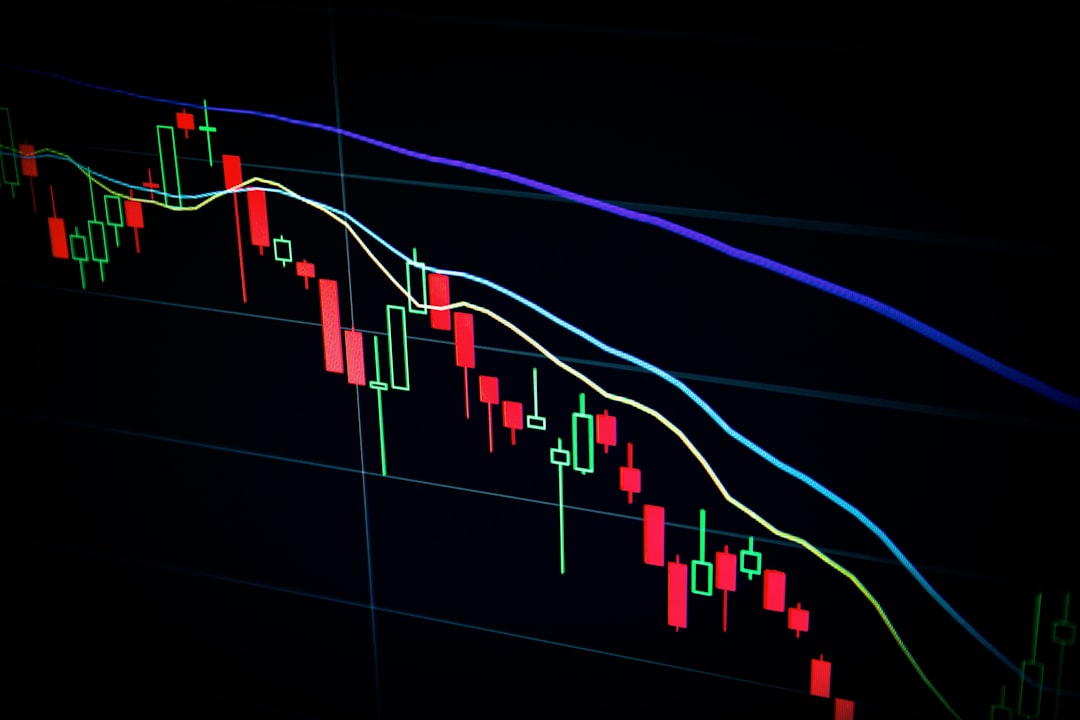
1. Risk 1% per trade. Never risk more than 1% of your account on a single trade. If your stop loss is 5% away, only use 20% of your capital.
2. Volume confirms everything. A VWAP breakout on low volume is a trap. Wait for volume spikes (use the volume indicator) before entering.
3. Be aware of the time. VWAP is most effective in the first 2–3 hours of the session. After lunch, volume dries up and VWAP becomes less reliable.
4. Don’t chase. If price is 3% away from VWAP, don’t buy. Wait for it to come back. Patience pays.
Conclusion
VWAP is not a magic bullet, but it’s one of the few tools that gives you an edge in the chaotic world of day trading. By combining price action, volume, and VWAP, you can trade with the flow of institutional money—not against it.
Start practicing on a demo account. Mark your charts, watch how price reacts at VWAP, and soon you’ll see patterns you never noticed before. Remember: the goal is not to be right all the time, but to manage risk and let probabilities work in your favor.
Now go ahead—add VWAP to your chart and take the first step toward trading with confidence.
Tokenized Real Estate: How to Invest with $50
Tokenized real estate is a form of Real World Asset (RWA) tokenization that allows investors to buy fractional ownership in physical properties through blockchain-based tokens. Unlike traditional real estate, which requires large capital outlays and illiquid holding periods, tokenized real estate enables you to start investing with as little as $50. The key difference between off-chain and on-chain real estate is that off-chain ownership involves paper deeds and intermediaries, while on-chain ownership uses smart contracts and digital tokens that represent legal title or beneficial interest in a Special Purpose Vehicle (SPV).
How It Works: The Technical Process
The tokenization of real estate follows a structured process that bridges the physical asset with blockchain technology:
- Asset Selection & SPV Formation: A property is identified, and a Special Purpose Vehicle (SPV) is created to hold legal title. The SPV isolates the asset from the sponsor’s balance sheet.
- Tokenization: The SPV issues digital tokens on a blockchain (e.g., Ethereum, Polygon) that represent fractional ownership. Each token corresponds to a specific percentage of the property’s equity or cash flows.
- Oracles & Data Feeds: Off-chain data—such as property valuations, rental income, and occupancy rates—is fed onto the blockchain via decentralized oracles (e.g., Chainlink) to ensure transparency and accuracy.
- Secondary Market Trading: Tokens can be traded on decentralized exchanges (DEXs) or specialized RWA platforms, providing 24/7 liquidity that traditional real estate lacks.
Investment Analysis: Pros, Cons, and Risks
Tokenized real estate offers compelling advantages but also carries distinct risks that every investor should understand.
Pros
- Low Minimum Investment: With $50, you can own a fraction of a commercial or residential property, democratizing access to real estate.
- Liquidity: Tokens can be traded on secondary markets, allowing you to exit positions faster than selling a physical property.
- Transparency: All transactions and ownership records are immutable on the blockchain, reducing fraud and administrative costs.
- Global Access: Investors from any jurisdiction can participate, subject to local regulations.
Cons & Risks
- Regulatory Uncertainty: Tokenized real estate sits at the intersection of securities law and property law. Jurisdictions like the U.S. SEC may classify tokens as securities, imposing compliance burdens. Reports from BlackRock and data from RWA.xyz indicate that regulatory clarity is still evolving.
- Smart Contract Risk: Bugs or vulnerabilities in the token contract could lead to loss of funds. Audits by firms like Trail of Bits or CertiK are essential but not foolproof.
- Illiquidity in Downturns: While tokens are tradeable, during market stress the bid-ask spread can widen significantly, making it hard to sell at fair value.
- Property Performance Risk: The underlying asset may decline in value or generate lower rental yields than projected, directly impacting token value.
For a broader market view, check out our analysis on Understanding Gas Fees: How to Save Money on Ethereum. Investors often compare this to Cold Storage vs Hot Wallets: Which Should You Choose? A Complete Guide for 2025.
Tool Recommendation
To track tokenized real estate prices, yields, and trading volumes, you need reliable charting tools. For the best charting tools to spot this pattern, try Bitget. Bitget offers advanced order books, real-time RWA token data, and margin trading features that help you analyze market trends effectively.
FAQ Section
Question: Is tokenized real estate legal?
Answer: Yes, but it depends on the jurisdiction. Most tokenized real estate offerings use an SPV structure to comply with securities laws. Always verify that the platform is registered with relevant regulators (e.g., SEC in the U.S., FCA in the U.K.).
Question: Can I lose more than my $50 investment?
Answer: No. Tokenized real estate typically represents equity in an SPV, so your liability is limited to the amount you invested. However, if the property’s value drops to zero, your tokens become worthless.
Question: How do I earn returns from tokenized real estate?
Answer: Returns come from two sources: rental income distributed as dividends (often paid in stablecoins or fiat) and capital appreciation when the property is sold. Some tokens also offer yield through staking or liquidity pools.
Conclusion
Tokenized real estate is a transformative asset class that lowers barriers to entry and introduces liquidity to a traditionally illiquid market. With just $50, you can gain exposure to institutional-grade properties while benefiting from blockchain transparency. However, regulatory risks and smart contract vulnerabilities remain significant. For most retail investors, starting with a small allocation—and using platforms like Bitget for analysis—is a prudent approach. As the RWA sector matures, tokenized real estate is likely to become a staple in diversified portfolios.
How to Participate in Governance Proposals (DAOs): A Complete Guide
Decentralized Autonomous Organizations (DAOs) are reshaping how communities make decisions. By holding governance tokens, you can vote on proposals that determine a protocol’s future—from fee structures to treasury allocations. This guide walks you through everything you need to know to participate effectively.
Key Concepts
- Governance Tokens: Tokens (e.g., UNI, COMP, MKR) that grant voting power. The more you hold, the more influence you have.
- Proposals: Formal suggestions for changes, submitted by community members. They often require a minimum token threshold to create.
- Voting Mechanisms: Common methods include token-weighted voting (one token = one vote), quadratic voting, and delegation.
- Quorum: The minimum participation required for a vote to be valid. Without quorum, proposals fail.
- Snapshot: A popular off-chain voting tool that uses signed messages (no gas fees) to tally votes.
Pro Tips
- Do Your Research: Read proposal discussions on forums like Discourse or Discord before voting. Understand the pros and cons.
- Delegate Your Vote: If you lack time or expertise, delegate your voting power to a trusted community member or delegate platform.
- Watch for Gas Costs: On-chain voting can be expensive. Use off-chain tools like Snapshot when possible.
- Stay Informed: Follow official DAO channels and governance calendars to never miss a vote.
- Start Small: Participate in low-stakes proposals first to learn the process before voting on major changes.
FAQ Section
What is a DAO governance proposal?
A governance proposal is a formal request for change submitted to a DAO. It can cover anything from protocol upgrades to treasury spending. Community members vote on it using governance tokens.
How do I vote on a proposal?
You typically need to hold or delegate governance tokens. Then connect your wallet to the DAO’s voting platform (e.g., Snapshot, Tally) and cast your vote. Some votes are on-chain (require gas), others are off-chain (free).
Do I need to pay gas fees to vote?
It depends. Off-chain voting via Snapshot is gas-free. On-chain voting (e.g., on Ethereum mainnet) requires gas fees, which can be high during network congestion.
Can I participate without holding many tokens?
Yes. You can delegate your voting power to someone with more tokens or join a voting syndicate. Some DAOs also allow you to participate in discussions even without tokens.
What happens if a proposal passes?
If a proposal meets quorum and receives enough votes, it is executed. Execution may involve smart contract upgrades, fund transfers, or other on-chain actions, often after a timelock delay.
Conclusion
Participating in DAO governance is a powerful way to shape the projects you believe in. Start by acquiring governance tokens, research proposals thoroughly, and use low-fee platforms like MEXC to manage your assets. For more details on this, check out our guide on Master the Dip: How to Use the Stochastic Oscillator for High-Probability Entries. You might also be interested in reading about The Bollinger Band Squeeze: Spotting Explosive Moves Before They Happen.
Airdrop Farming: The Ultimate Beginner’s Guide to Free Crypto Tokens
Imagine getting paid in free tokens just for using a new crypto protocol. That’s the magic of airdrop farming. Every month, projects worth millions of dollars distribute tokens to early users. The trick? You need to know the right strategies to qualify. In this guide, I’ll show you exactly how to farm airdrops safely and efficiently—even if you’re just starting out.
How It Works
Airdrop farming is the process of completing on-chain tasks to become eligible for a future token distribution. Projects use airdrops to reward early adopters and bootstrap liquidity. Common tasks include:
- Swapping tokens on a new DEX
- Providing liquidity to a pool
- Bridging assets across chains
- Minting NFTs or using new dApps
The more ‘genuine’ your activity looks, the higher your chances of qualifying.
Looking for altcoin opportunities and smooth trading? Try KuCoin.
The Setup
To start farming, you’ll need:
1. A wallet: MetaMask, Phantom, or Rabby (depending on the chain).
2. Gas fees: Small amounts of ETH, SOL, or BNB for transactions.
3. A list of potential airdrops: Follow Twitter accounts like @AirdropAlert or @DeFiLlama for leads.
4. A tracking tool: Use platforms like Dune Analytics or Layer3 to find active quests.
Pro tip: Focus on projects that have raised venture capital (check Crunchbase) and haven’t launched a token yet. Examples from 2024 include zkSync, LayerZero, and StarkNet.
Risk Management
Airdrop farming isn’t risk-free. Here’s how to protect yourself:
- Never connect your wallet to unknown sites. Scammers create fake airdrop pages daily. Always double-check URLs.
- Use a separate wallet for farming. Keep your main holdings safe in a cold wallet.
- Avoid overpaying gas. Time your transactions during low network activity (check gas trackers).
- Don’t farm with money you can’t lose. Some tasks require capital (e.g., providing liquidity), and impermanent loss is real.
- Stay diversified. Don’t put all your effort into one project—spread across 3–5 potential airdrops.
Conclusion
Airdrop farming is one of the most rewarding activities in crypto when done right. Start small, stay organized, and never rush into unknown protocols. With patience and a bit of research, you could be holding the next big token before it hits exchanges. Ready to claim your first airdrop? Begin with a reliable project like zkSync and track your progress on a spreadsheet. Happy farming!
Bitcoin Layer 2s: Stacks, Lightning, and Runes Guide – Scaling Bitcoin for DeFi and Payments
Introduction
Bitcoin, the world’s first cryptocurrency, has long been hailed as a store of value. However, its limited transaction throughput and lack of native smart contract functionality have hindered its use in decentralized finance (DeFi) and everyday payments. Enter Bitcoin Layer 2 solutions: protocols built on top of Bitcoin that enhance scalability, programmability, and utility without compromising security. This guide explores three major Layer 2 innovations: Stacks, Lightning Network, and Runes. Whether you’re a developer, investor, or crypto enthusiast, understanding these technologies is key to unlocking Bitcoin’s full potential.
Key Concepts
1. Stacks (STX)
Stacks is a Layer 2 blockchain that brings smart contracts and decentralized applications (dApps) to Bitcoin. It uses a unique consensus mechanism called Proof of Transfer (PoX), which anchors transactions to the Bitcoin blockchain. Stacks enables DeFi, NFTs, and tokenization while inheriting Bitcoin’s security. The native token, STX, is used for gas fees and stacking (earning Bitcoin rewards).
2. Lightning Network
The Lightning Network is a payment protocol built on top of Bitcoin that enables instant, low-cost transactions. It creates off-chain payment channels between users, allowing for thousands of transactions per second. Lightning is ideal for micropayments, remittances, and everyday purchases, making Bitcoin viable as a medium of exchange.
3. Runes
Runes is a newer protocol that allows for the creation and transfer of fungible tokens directly on the Bitcoin blockchain. Unlike BRC-20 tokens (which use Ordinals), Runes is designed to be more efficient and less cluttering. It leverages Bitcoin’s UTXO model, enabling seamless token issuance and trading without requiring a separate Layer 1 chain. Runes aims to bring DeFi-like functionality to Bitcoin while maintaining its core principles.
Pro Tips
- Start Small: When experimenting with Stacks or Lightning, begin with small amounts to understand the mechanics and fees.
- Use Non-Custodial Wallets: For Lightning, wallets like Phoenix or Breez give you full control. For Stacks, use Hiro Wallet.
- Monitor Network Congestion: Bitcoin fees can spike during high activity. Time your transactions accordingly.
- Diversify Your Exposure: Consider holding STX for Stacks ecosystem growth, and explore Runes tokens for early opportunities.
- Stay Updated: Layer 2 tech evolves fast. Follow official channels and reputable crypto news sources.
FAQ Section
Q: What is the main difference between Stacks and Lightning Network?
A: Stacks focuses on enabling smart contracts and dApps on Bitcoin, while Lightning Network is designed for fast and cheap payments. Both are complementary Layer 2 solutions.
Q: Are Runes tokens safe to trade?
A: Runes tokens are built on Bitcoin, inheriting its security. However, like any new protocol, risks include smart contract bugs and market volatility. Always do your own research.
Q: Do I need to own Bitcoin to use these Layer 2s?
A: Yes, Bitcoin is the base asset. For Stacks, you need STX for fees. For Lightning, you need BTC to open channels. Runes tokens are created and traded using BTC.
Q: Can I earn passive income with Stacks?
A: Yes, through stacking (locking STX to secure the network), you earn Bitcoin rewards. This is similar to staking on other blockchains.
Q: How do I get started with Lightning Network?
A: Download a Lightning wallet like Phoenix or Breez, fund it with BTC, and open a payment channel. You can then send and receive payments instantly.
Conclusion
Bitcoin Layer 2 solutions like Stacks, Lightning Network, and Runes are revolutionizing how we use Bitcoin. They unlock DeFi, instant payments, and tokenization while preserving Bitcoin’s unmatched security. As the ecosystem matures, these technologies will likely drive mass adoption and new financial primitives. For more details on this, check out our guide on Risks of Investing in Real World Assets: A Candid Guide. You might also be interested in reading about Bitcoin Layer 2s: Stacks, Lightning, and Runes Guide – Scaling Bitcoin for DeFi and Payments.
BlackRock BUIDL: Institutional Crypto Entry Guide
BlackRock’s BUIDL fund marks a pivotal moment for Real World Assets (RWAs) on blockchain. This guide explains how institutional money is entering crypto through tokenized money market funds, bridging TradFi and DeFi with fractional ownership, 24/7 liquidity, and on-chain transparency.
What Are Real World Assets (RWAs)?
RWAs are tangible or intangible assets—such as real estate, bonds, commodities, or credit—that are tokenized on a blockchain. The key difference between off-chain and on-chain assets is that off-chain assets rely on traditional intermediaries for settlement and custody, while on-chain assets use smart contracts for automated, transparent, and near-instantaneous transactions. Tokenization enables fractional ownership, allowing investors to buy small portions of high-value assets, and provides liquidity in markets that are typically illiquid.
How BlackRock’s BUIDL Works
BlackRock’s BUIDL (BlackRock USD Institutional Digital Liquidity Fund) is a tokenized money market fund built on the Ethereum blockchain. The technical process involves:
- Tokenization: The fund issues tokens (e.g., BUIDL) representing shares in the underlying money market portfolio, which holds U.S. Treasury bills, repurchase agreements, and cash.
- SPV (Special Purpose Vehicle): A legal entity holds the real-world assets, isolating them from BlackRock’s balance sheet and ensuring investor protection.
- Oracles: Chainlink oracles provide real-time pricing and NAV (Net Asset Value) data to the blockchain, ensuring the token price reflects the underlying asset value.
- Blockchain: Smart contracts on Ethereum handle issuance, redemption, and transfer of tokens, enabling 24/7 trading and instant settlement.
Reports from BlackRock confirm that BUIDL has already attracted over $500 million in assets under management, signaling strong institutional demand.
Investment Analysis: Pros, Cons, and Risks
Pros
- Fractional Ownership: Investors can buy tokens representing small fractions of the fund, lowering the entry barrier.
- 24/7 Liquidity: Unlike traditional money market funds that only settle during business hours, BUIDL tokens can be traded or redeemed at any time.
- Transparency: On-chain data allows investors to verify holdings and transactions in real time.
- Yield: The fund targets a competitive yield (currently around 5% APY) from short-term U.S. government securities.
Cons
- Regulatory Uncertainty: Tokenized assets face evolving regulations across jurisdictions, which could impact operations or tax treatment.
- Smart Contract Risk: Bugs or exploits in the underlying smart contracts could lead to loss of funds.
- Counterparty Risk: The fund relies on BlackRock as the asset manager and the SPV as the legal entity; any failure there could affect token value.
Risks
- Market Risk: The NAV of the underlying money market instruments can fluctuate, though it is generally stable.
- Liquidity Risk: In extreme market conditions, redemption may be delayed or restricted.
- Operational Risk: Dependence on oracles and blockchain infrastructure introduces potential points of failure.
For a broader market view, check out our analysis on Cold Storage vs Hot Wallets: Which Should You Choose?. Investors often compare this to Tokenized Real Estate: How to Invest with $50.
Tool Recommendation
To trade or invest in tokenized RWAs like BUIDL, you need a platform that offers low fees and high liquidity. We recommend MEXC for its competitive trading fees and support for a wide range of tokenized assets. Low fees are crucial for this strategy, especially when dealing with frequent trades or small positions. Start your journey at MEXC.
FAQ
What is BlackRock BUIDL?
BlackRock BUIDL (BlackRock USD Institutional Digital Liquidity Fund) is a tokenized money market fund on Ethereum that invests in U.S. Treasury bills, repurchase agreements, and cash. It offers institutional investors 24/7 liquidity and on-chain transparency.
How does BUIDL generate yield?
The fund generates yield by holding short-term U.S. government securities and repurchase agreements. The yield is distributed to token holders proportionally, typically around 5% APY, and is updated daily via on-chain oracles.
What are the risks of investing in tokenized money market funds?
Key risks include regulatory uncertainty, smart contract vulnerabilities, counterparty risk from the asset manager, and potential liquidity constraints during market stress. However, the underlying assets are low-risk government securities.
Conclusion
BlackRock’s BUIDL represents a watershed moment for RWAs, proving that institutional capital can flow into crypto through regulated, yield-bearing tokenized products. While risks remain—particularly around regulation and smart contracts—the benefits of fractional ownership, 24/7 liquidity, and transparency are compelling. For investors seeking exposure to this asset class, platforms like MEXC offer low-cost access. Data from RWA.xyz shows that the total value locked in tokenized RWAs has surpassed $10 billion, and BUIDL is a key driver. This is not hype; it’s the future of finance.
Ethereum Glamsterdam Upgrade Explained: A Complete Guide to the 200M Gas Limit
Did you know Ethereum could soon process 10,000 transactions per second? That’s roughly 10 times what the network handles today, and it’s all thanks to an upgrade called Glamsterdam.
Ethereum developers have moved the Glamsterdam upgrade into its final testing phase, running multi-client test networks loaded with every planned change. According to Ethereum Foundation core developer Parithosh Jayanthi, this is “probably the largest fork we’ve had since the Merge.” This transformation could reshape how you interact with Ethereum—lowering fees, increasing speed, and making the network more secure for everyday users. If you’ve ever wondered why Ethereum gas fees spike or how upgrades like this affect your wallet, this guide breaks everything down in plain language.
What you’ll learn: What Glamsterdam actually changes, how ePBS and Block-Level Access Lists work, and what the 200 million gas limit means for your transactions. We’ll also cover the risks, real-world use cases, and what comes next for Ethereum.
Read time: 10-12 minutes
Understanding the Glamsterdam Upgrade for Beginners
Glamsterdam is Ethereum’s upcoming network upgrade that bundles two major changes—the Amsterdam upgrade on Ethereum’s execution layer (where transactions happen) and the Gloas upgrade on its consensus layer (where validators confirm transactions). Think of it like upgrading both your car’s engine and its transmission at the same time, rather than doing one at a time.
Why was this created? Ethereum’s current system has a problem: some users can manipulate transaction ordering to extract value from others (known as maximal extractable value or MEV). This creates an unfair playing field where sophisticated traders profit at regular users’ expense. Also, the network’s 30 million gas limit means blocks fill up quickly, driving up fees during busy periods.
A real-world example: Imagine waiting in line at a store, and someone with special privileges cuts ahead of you to buy the last item on sale. That’s essentially what MEV extraction does on Ethereum right now. Glamsterdam aims to eliminate this by making the system fair for everyone.
The Technical Details: How Glamsterdam Actually Works
Glamsterdam introduces three major technical changes that work together:
1. Enshrined Proposer-Builder Separation (ePBS)
Currently, block proposers (validators who create blocks) can see pending transactions and choose which ones to include and in what order. This creates MEV opportunities. ePBS separates the roles:
- Block builders assemble transactions into blocks
- Proposers simply choose which built block to add to the chain
This separation means proposers can’t manipulate transaction ordering. Think of it like separating the chef who prepares your meal from the waiter who brings it to your table. The waiter can’t change what’s on your plate.
Key benefit: Fairer transaction processing and reduced centralization risk from offchain relays.
2. Block-Level Access Lists (EIP-7928)
This innovation allows each block to declare in advance which accounts and contract data it will touch. Client software can then preload this information and process transactions in parallel.
Key benefit: Faster block execution and more predictable performance.
3. Gas Limit Increase to 200 Million
The gas limit jumps from 30 million to 200 million per block. Combined with other optimizations, this opens the door for up to 10,000 TPS.
Flow diagram suggestion: A visual showing how transactions move from users → mempool → block builder → proposer → finalized block, with ePBS separating builder and proposer roles.
Current Market Context: Why This Matters Now
As of June 2026, Ethereum’s network is processing roughly 1,000-1,500 TPS, with gas fees fluctuating between $0.50 and $5 for simple transfers during normal activity. The Glamsterdam upgrade promises to slash these costs by approximately 78.6% according to developers’ projections.
This timing is significant for several reasons:
- Ethereum staking has reached 40 million ETH, with 96,000 new validators joining in 2026 alone. The network needs better throughput to handle increased activity.
- Layer 2 rollups like Arbitrum and Optimism have grown to handle over $50 billion in total value locked. They settle their data on Ethereum, meaning cheaper Ethereum blockspace directly reduces L2 fees.
- Competing networks like Solana and Avalanche have been pushing higher throughput narratives. This upgrade positions Ethereum to compete more effectively.
The upgrade follows December 2025’s Fusaka hard fork, which expanded data capacity for rollups. Ethereum’s development roadmap is accelerating at a pace not seen since the Merge in 2022.
Competitive Landscape: How Ethereum Compares After Glamsterdam
| Feature | Ethereum (Post-Glamsterdam) | Solana (Current) | Avalanche (Current) |
|---|---|---|---|
| Max TPS | ~10,000 (target) | ~2,000-3,000 (real-world) | ~4,500 (theoretical) |
| Gas/Fee Model | Revised pricing, 78.6% fee reduction projected | Fixed fee per transaction | Variable based on subnet demand |
| MEV Protection | Built-in ePBS (protocol-level) | No native MEV protection | Partial through subnet customization |
| Decentralization | ~1 million validators | ~1,900 validators | ~1,200 validators |
| Ecosystem Size | Largest DeFi, NFT, and L2 ecosystem | Growing DeFi and NFT ecosystem | DeFi and gaming focused |
Why this matters: Ethereum’s massive validator network (over 40 million ETH staked) provides superior security. The upgrade maintains this decentralization while dramatically improving performance. Competing networks may offer faster speeds today, but Ethereum’s approach prioritizes security and fairness at the protocol level.
Practical Applications: Real-World Use Cases
After Glamsterdam launches, here’s how different users benefit:
- DeFi Traders: Lower fees for swapping tokens on Uniswap or lending on Aave. Instead of paying $5-20 for a simple swap, expect fees closer to $0.50-2.00 during normal conditions.
- NFT Collectors: Minting and trading NFTs becomes more affordable. Projects can offer cheaper mints without worrying about gas wars.
- Regular Users Sending ETH: Simple transfers could cost pennies instead of dollars. This makes Ethereum more practical for everyday payments.
- L2 Rollup Operators: Cheaper L1 settlement means L2 networks can offer even lower fees to their users. This strengthens the entire Ethereum ecosystem.
- Stakers and Validators: ePBS ensures fair compensation for proposing blocks, even when separate builders assemble them. This levels the playing field for smaller validators.
Risk Analysis: Expert Perspective
Primary Risks:
1. Technical Risk (Implementation Bugs): Glamsterdam is complex, merging two upgrades into one. Bugs in production could cause temporary network disruptions or security vulnerabilities. Ethereum developers have extensive testing history (the Merge went smoothly), but the scale here is unprecedented.
2. Coordination Risk: All major clients must implement changes correctly. If a client bug appears after mainnet deployment, coordination to fix and force an upgrade could be challenging.
3. Gas Limit Uncertainty: Jumping from 30 million to 200 million gas could create unexpected network dynamics. While tests show positive results, real-world behavior may differ.
Mitigation Strategies:
- Extensive multi-client devnet testing (currently ongoing)
- Phased deployment: devnets → testnets → mainnet
- Emergency upgrade mechanisms if issues arise
Expert Consensus: Most developers are cautiously optimistic. The timeline was already pushed from H1 2026 to H2 2026 to accommodate the scale of changes—a sign of responsible development, not panic.
Beginner’s Corner: Quick Start Guide
What you should do to prepare for Glamsterdam:
1. Keep your wallet updated – Ensure you’re running the latest version of MetaMask, Ledger, or any wallet you use. Updates typically include support for network upgrades.
2. Don’t do anything special – For most users, Glamsterdam will happen automatically. You don’t need to move funds or take action unless your wallet provider specifically asks.
3. Watch for announcements – Follow Ethereum Foundation social channels or your wallet provider’s updates for when testnet and mainnet dates are confirmed.
4. Learn about ePBS – Understanding how ePBS protects you from MEV will help you appreciate the upgrade’s benefits.
Common mistakes to avoid:
- Don’t fall for “upgrade scams” asking you to connect your wallet to “claim tokens” related to the fork
- Don’t panic if you see temporary price volatility around the upgrade date
- Don’t make large transactions during the actual activation window (typically a few hours)
Future Outlook: What’s Next
After Glamsterdam, developers have already named the next upgrade: Hegota. This signals an accelerating development roadmap.
What to expect in the coming years:
1. Continued scaling: Glamsterdam sets the foundation for even more ambitious upgrades. Hegota likely continues the trend of increasing throughput and reducing costs.
2. Zero-knowledge proving integration: The gas repricing in Glamsterdam explicitly paves the way for ZK-proof verification. This could eventually enable near-instant block verification.
3. Layer 2 convergence: With cheaper L1 settlement, expect L2 ecosystems to consolidate around Ethereum’s base layer, creating a unified scaling ecosystem.
4. Institutional adoption: Higher throughput and lower fees make Ethereum more attractive for enterprise applications and traditional finance integration.
The upgrade is scheduled for mainnet activation in H2 2026, with no firm date locked in yet. The current testnet phase will determine the final timeline.
Key Takeaways
- Glamsterdam is Ethereum’s biggest upgrade since the Merge, combining execution layer and consensus layer changes to increase throughput 10x to 10,000 TPS.
- The gas limit jumps from 30 million to 200 million, with projected fee reductions of 78.6% across transfers and smart contract calls.
- Enshrined Proposer-Builder Separation (ePBS) makes transaction ordering fairer and reduces MEV exploitation, benefiting all users.
- Block-Level Access Lists enable parallel transaction processing, making execution faster and more predictable.
- Mainnet activation is expected in H2 2026, with Hegota already named as the next upgrade target.
,
“datePublished”: “2026-06-17T05:30:00Z”,
“dateModified”: “2026-06-17T06:01:03.411-04:00”,
“mainEntity”: {
“@type”: “Thing”,
“name”: “Ethereum Glamsterdam Upgrade”
}
}

How to Stop Revenge Trading and Win Your Mind Back
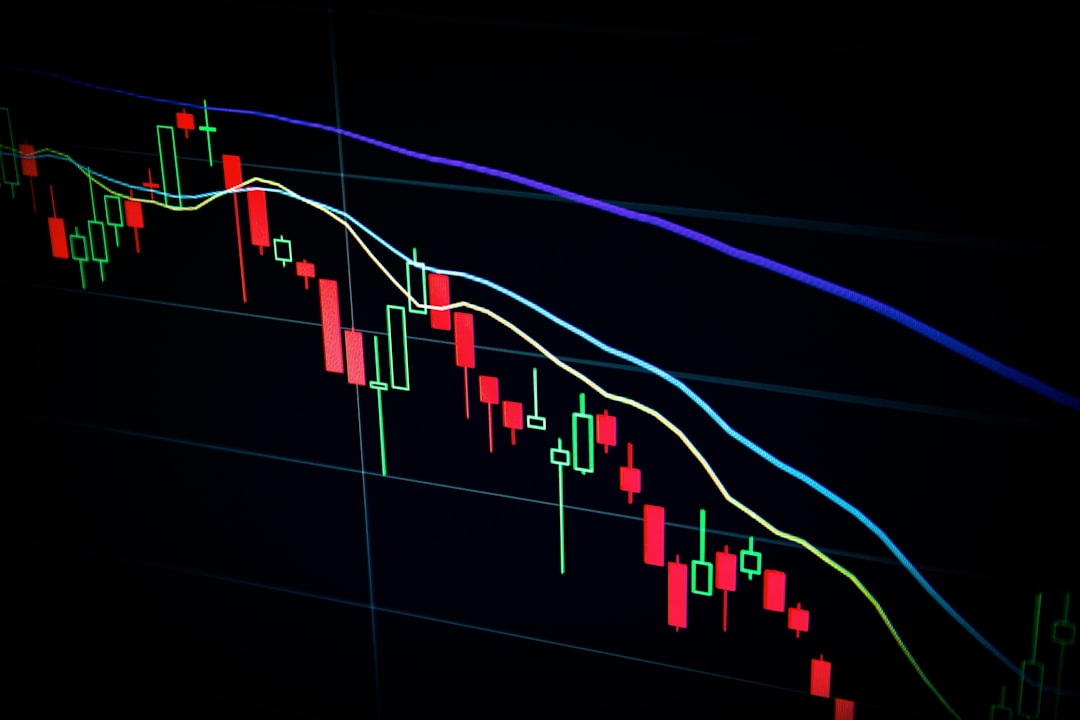
You just took a bad loss. Maybe it was a sudden reversal, a bad entry, or a stop-loss that got hit by a whisker. Your heart is pounding, your screen is glowing, and you feel an overwhelming urge to ‘get it back’ right now. That urge is revenge trading, and it’s one of the fastest ways to blow up your account.
Revenge trading isn’t a strategy; it’s an emotional reaction. It happens when you let frustration, anger, or ego drive your next trade instead of your usual plan. The result? Larger positions, tighter stops, more risk, and usually another loss. Let’s break down how to recognize it, stop it, and trade with a clear head again.
How It Works
Revenge trading works in a predictable cycle. You lose a trade, feel a spike of emotion (anger, embarrassment, or desperation), and immediately look for the next trade to ‘win it back.’ You skip your normal analysis, ignore your risk rules, and often take a trade that doesn’t meet your criteria. The market doesn’t care about your feelings—it will punish you for acting out of impulse.
The Setup
The setup for revenge trading is actually in your mind, not on the chart. The trigger is always an unexpected loss or a string of losses. To prevent it, you need a pre-trade routine. Before you click ‘buy’ or ‘sell,’ ask yourself:
- Am I taking this trade because of a setup I planned, or because I’m angry about a previous loss?
- Is my position size the same as usual, or am I trying to ‘scale up’ to recover faster?
- Would I take this exact trade if I had just won the last three trades?
If the answer reveals emotion, step away. Close your laptop. Take a walk. Revenge trading only ends when you stop trading for a while.
Risk Management
Your best defense against revenge trading is a strict risk management system that you cannot override. Here’s a simple rule: Never risk more than 1-2% of your account on a single trade. When you feel the urge to revenge trade, force yourself to trade the smallest possible size (even a micro lot) or don’t trade at all. Also, set a daily loss limit—for example, if you lose 3% of your account in a day, you stop trading completely. No exceptions. This forces you to live to trade another day.
Another powerful tool is the ’10-minute rule.’ After a loss, wait 10 minutes before placing your next trade. Use that time to step away from the screen, breathe, and check your emotions. If you still feel hot, wait another 10 minutes. The market will always be there tomorrow.
Conclusion
Revenge trading is a psychological trap, not a trading strategy. The moment you trade out of anger or frustration, you’ve already lost control. Remember: the goal of trading is not to win every trade, but to survive and compound your edge over time. Discipline beats adrenaline every time. Next time you feel that urge, close the charts, take a break, and come back when your mind is clear. Your account will thank you.