
Ethereum Glamsterdam Upgrade Explained: A Complete Guide to the 200M Gas Limit
Did you know Ethereum could soon process 10,000 transactions per second? That’s roughly 10 times what the network handles today, and it’s all thanks to an upgrade called Glamsterdam.
Ethereum developers have moved the Glamsterdam upgrade into its final testing phase, running multi-client test networks loaded with every planned change. According to Ethereum Foundation core developer Parithosh Jayanthi, this is “probably the largest fork we’ve had since the Merge.” This transformation could reshape how you interact with Ethereum—lowering fees, increasing speed, and making the network more secure for everyday users. If you’ve ever wondered why Ethereum gas fees spike or how upgrades like this affect your wallet, this guide breaks everything down in plain language.
What you’ll learn: What Glamsterdam actually changes, how ePBS and Block-Level Access Lists work, and what the 200 million gas limit means for your transactions. We’ll also cover the risks, real-world use cases, and what comes next for Ethereum.
Read time: 10-12 minutes
Understanding the Glamsterdam Upgrade for Beginners
Glamsterdam is Ethereum’s upcoming network upgrade that bundles two major changes—the Amsterdam upgrade on Ethereum’s execution layer (where transactions happen) and the Gloas upgrade on its consensus layer (where validators confirm transactions). Think of it like upgrading both your car’s engine and its transmission at the same time, rather than doing one at a time.
Why was this created? Ethereum’s current system has a problem: some users can manipulate transaction ordering to extract value from others (known as maximal extractable value or MEV). This creates an unfair playing field where sophisticated traders profit at regular users’ expense. Also, the network’s 30 million gas limit means blocks fill up quickly, driving up fees during busy periods.
A real-world example: Imagine waiting in line at a store, and someone with special privileges cuts ahead of you to buy the last item on sale. That’s essentially what MEV extraction does on Ethereum right now. Glamsterdam aims to eliminate this by making the system fair for everyone.
The Technical Details: How Glamsterdam Actually Works
Glamsterdam introduces three major technical changes that work together:
1. Enshrined Proposer-Builder Separation (ePBS)
Currently, block proposers (validators who create blocks) can see pending transactions and choose which ones to include and in what order. This creates MEV opportunities. ePBS separates the roles:
- Block builders assemble transactions into blocks
- Proposers simply choose which built block to add to the chain
This separation means proposers can’t manipulate transaction ordering. Think of it like separating the chef who prepares your meal from the waiter who brings it to your table. The waiter can’t change what’s on your plate.
Key benefit: Fairer transaction processing and reduced centralization risk from offchain relays.
2. Block-Level Access Lists (EIP-7928)
This innovation allows each block to declare in advance which accounts and contract data it will touch. Client software can then preload this information and process transactions in parallel.
Key benefit: Faster block execution and more predictable performance.
3. Gas Limit Increase to 200 Million
The gas limit jumps from 30 million to 200 million per block. Combined with other optimizations, this opens the door for up to 10,000 TPS.
Flow diagram suggestion: A visual showing how transactions move from users → mempool → block builder → proposer → finalized block, with ePBS separating builder and proposer roles.
Current Market Context: Why This Matters Now
As of June 2026, Ethereum’s network is processing roughly 1,000-1,500 TPS, with gas fees fluctuating between $0.50 and $5 for simple transfers during normal activity. The Glamsterdam upgrade promises to slash these costs by approximately 78.6% according to developers’ projections.
This timing is significant for several reasons:
- Ethereum staking has reached 40 million ETH, with 96,000 new validators joining in 2026 alone. The network needs better throughput to handle increased activity.
- Layer 2 rollups like Arbitrum and Optimism have grown to handle over $50 billion in total value locked. They settle their data on Ethereum, meaning cheaper Ethereum blockspace directly reduces L2 fees.
- Competing networks like Solana and Avalanche have been pushing higher throughput narratives. This upgrade positions Ethereum to compete more effectively.
The upgrade follows December 2025’s Fusaka hard fork, which expanded data capacity for rollups. Ethereum’s development roadmap is accelerating at a pace not seen since the Merge in 2022.
Competitive Landscape: How Ethereum Compares After Glamsterdam
| Feature | Ethereum (Post-Glamsterdam) | Solana (Current) | Avalanche (Current) |
|---|---|---|---|
| Max TPS | ~10,000 (target) | ~2,000-3,000 (real-world) | ~4,500 (theoretical) |
| Gas/Fee Model | Revised pricing, 78.6% fee reduction projected | Fixed fee per transaction | Variable based on subnet demand |
| MEV Protection | Built-in ePBS (protocol-level) | No native MEV protection | Partial through subnet customization |
| Decentralization | ~1 million validators | ~1,900 validators | ~1,200 validators |
| Ecosystem Size | Largest DeFi, NFT, and L2 ecosystem | Growing DeFi and NFT ecosystem | DeFi and gaming focused |
Why this matters: Ethereum’s massive validator network (over 40 million ETH staked) provides superior security. The upgrade maintains this decentralization while dramatically improving performance. Competing networks may offer faster speeds today, but Ethereum’s approach prioritizes security and fairness at the protocol level.
Practical Applications: Real-World Use Cases
After Glamsterdam launches, here’s how different users benefit:
- DeFi Traders: Lower fees for swapping tokens on Uniswap or lending on Aave. Instead of paying $5-20 for a simple swap, expect fees closer to $0.50-2.00 during normal conditions.
- NFT Collectors: Minting and trading NFTs becomes more affordable. Projects can offer cheaper mints without worrying about gas wars.
- Regular Users Sending ETH: Simple transfers could cost pennies instead of dollars. This makes Ethereum more practical for everyday payments.
- L2 Rollup Operators: Cheaper L1 settlement means L2 networks can offer even lower fees to their users. This strengthens the entire Ethereum ecosystem.
- Stakers and Validators: ePBS ensures fair compensation for proposing blocks, even when separate builders assemble them. This levels the playing field for smaller validators.
Risk Analysis: Expert Perspective
Primary Risks:
1. Technical Risk (Implementation Bugs): Glamsterdam is complex, merging two upgrades into one. Bugs in production could cause temporary network disruptions or security vulnerabilities. Ethereum developers have extensive testing history (the Merge went smoothly), but the scale here is unprecedented.
2. Coordination Risk: All major clients must implement changes correctly. If a client bug appears after mainnet deployment, coordination to fix and force an upgrade could be challenging.
3. Gas Limit Uncertainty: Jumping from 30 million to 200 million gas could create unexpected network dynamics. While tests show positive results, real-world behavior may differ.
Mitigation Strategies:
- Extensive multi-client devnet testing (currently ongoing)
- Phased deployment: devnets → testnets → mainnet
- Emergency upgrade mechanisms if issues arise
Expert Consensus: Most developers are cautiously optimistic. The timeline was already pushed from H1 2026 to H2 2026 to accommodate the scale of changes—a sign of responsible development, not panic.
Beginner’s Corner: Quick Start Guide
What you should do to prepare for Glamsterdam:
1. Keep your wallet updated – Ensure you’re running the latest version of MetaMask, Ledger, or any wallet you use. Updates typically include support for network upgrades.
2. Don’t do anything special – For most users, Glamsterdam will happen automatically. You don’t need to move funds or take action unless your wallet provider specifically asks.
3. Watch for announcements – Follow Ethereum Foundation social channels or your wallet provider’s updates for when testnet and mainnet dates are confirmed.
4. Learn about ePBS – Understanding how ePBS protects you from MEV will help you appreciate the upgrade’s benefits.
Common mistakes to avoid:
- Don’t fall for “upgrade scams” asking you to connect your wallet to “claim tokens” related to the fork
- Don’t panic if you see temporary price volatility around the upgrade date
- Don’t make large transactions during the actual activation window (typically a few hours)
Future Outlook: What’s Next
After Glamsterdam, developers have already named the next upgrade: Hegota. This signals an accelerating development roadmap.
What to expect in the coming years:
1. Continued scaling: Glamsterdam sets the foundation for even more ambitious upgrades. Hegota likely continues the trend of increasing throughput and reducing costs.
2. Zero-knowledge proving integration: The gas repricing in Glamsterdam explicitly paves the way for ZK-proof verification. This could eventually enable near-instant block verification.
3. Layer 2 convergence: With cheaper L1 settlement, expect L2 ecosystems to consolidate around Ethereum’s base layer, creating a unified scaling ecosystem.
4. Institutional adoption: Higher throughput and lower fees make Ethereum more attractive for enterprise applications and traditional finance integration.
The upgrade is scheduled for mainnet activation in H2 2026, with no firm date locked in yet. The current testnet phase will determine the final timeline.
Key Takeaways
- Glamsterdam is Ethereum’s biggest upgrade since the Merge, combining execution layer and consensus layer changes to increase throughput 10x to 10,000 TPS.
- The gas limit jumps from 30 million to 200 million, with projected fee reductions of 78.6% across transfers and smart contract calls.
- Enshrined Proposer-Builder Separation (ePBS) makes transaction ordering fairer and reduces MEV exploitation, benefiting all users.
- Block-Level Access Lists enable parallel transaction processing, making execution faster and more predictable.
- Mainnet activation is expected in H2 2026, with Hegota already named as the next upgrade target.
,
“datePublished”: “2026-06-17T05:30:00Z”,
“dateModified”: “2026-06-17T06:01:03.411-04:00”,
“mainEntity”: {
“@type”: “Thing”,
“name”: “Ethereum Glamsterdam Upgrade”
}
}

How to Stop Revenge Trading and Win Your Mind Back
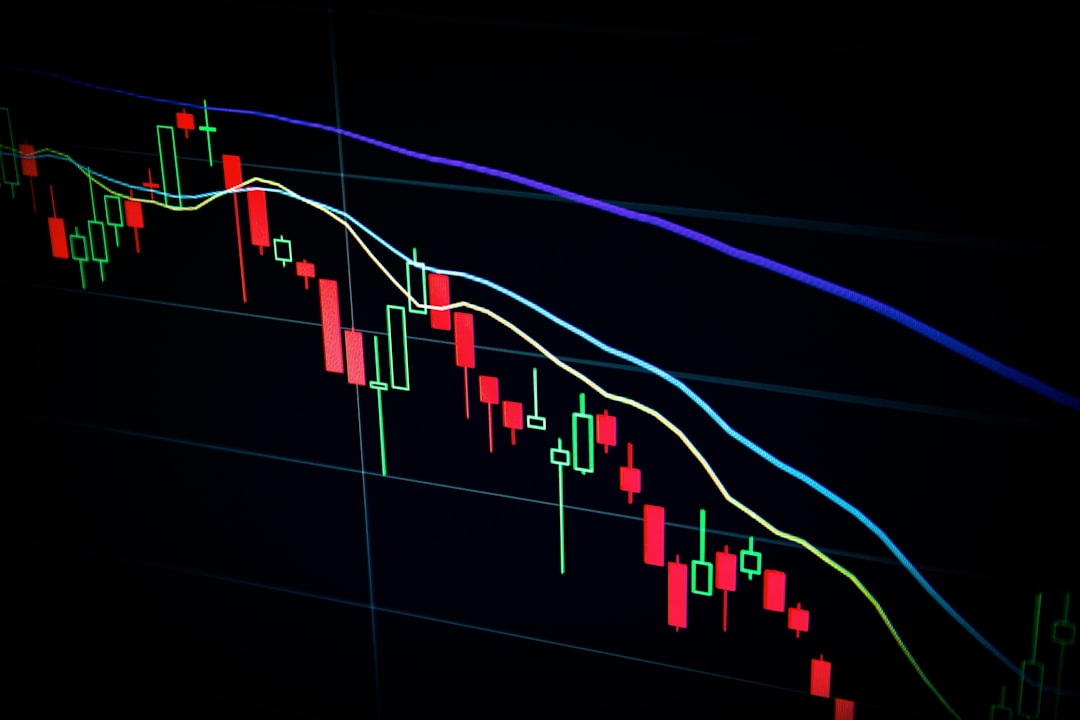
You just took a bad loss. Maybe it was a sudden reversal, a bad entry, or a stop-loss that got hit by a whisker. Your heart is pounding, your screen is glowing, and you feel an overwhelming urge to ‘get it back’ right now. That urge is revenge trading, and it’s one of the fastest ways to blow up your account.
Revenge trading isn’t a strategy; it’s an emotional reaction. It happens when you let frustration, anger, or ego drive your next trade instead of your usual plan. The result? Larger positions, tighter stops, more risk, and usually another loss. Let’s break down how to recognize it, stop it, and trade with a clear head again.
How It Works
Revenge trading works in a predictable cycle. You lose a trade, feel a spike of emotion (anger, embarrassment, or desperation), and immediately look for the next trade to ‘win it back.’ You skip your normal analysis, ignore your risk rules, and often take a trade that doesn’t meet your criteria. The market doesn’t care about your feelings—it will punish you for acting out of impulse.
The Setup
The setup for revenge trading is actually in your mind, not on the chart. The trigger is always an unexpected loss or a string of losses. To prevent it, you need a pre-trade routine. Before you click ‘buy’ or ‘sell,’ ask yourself:
- Am I taking this trade because of a setup I planned, or because I’m angry about a previous loss?
- Is my position size the same as usual, or am I trying to ‘scale up’ to recover faster?
- Would I take this exact trade if I had just won the last three trades?
If the answer reveals emotion, step away. Close your laptop. Take a walk. Revenge trading only ends when you stop trading for a while.
Risk Management
Your best defense against revenge trading is a strict risk management system that you cannot override. Here’s a simple rule: Never risk more than 1-2% of your account on a single trade. When you feel the urge to revenge trade, force yourself to trade the smallest possible size (even a micro lot) or don’t trade at all. Also, set a daily loss limit—for example, if you lose 3% of your account in a day, you stop trading completely. No exceptions. This forces you to live to trade another day.
Another powerful tool is the ’10-minute rule.’ After a loss, wait 10 minutes before placing your next trade. Use that time to step away from the screen, breathe, and check your emotions. If you still feel hot, wait another 10 minutes. The market will always be there tomorrow.
Conclusion
Revenge trading is a psychological trap, not a trading strategy. The moment you trade out of anger or frustration, you’ve already lost control. Remember: the goal of trading is not to win every trade, but to survive and compound your edge over time. Discipline beats adrenaline every time. Next time you feel that urge, close the charts, take a break, and come back when your mind is clear. Your account will thank you.
Restaking Explained: EigenLayer and Beyond – The Ultimate Guide to Crypto Restaking
Introduction
Restaking is one of the most transformative innovations in decentralized finance (DeFi) and blockchain security. By allowing users to reuse staked ETH (or other assets) to secure multiple protocols simultaneously, restaking unlocks new capital efficiency and strengthens the entire ecosystem. EigenLayer pioneered this concept, and now a wave of projects is building on top of it. This guide explains what restaking is, how EigenLayer works, and what lies beyond.
Key Concepts
- What is Restaking? Restaking is the process of taking assets that are already staked (e.g., stETH) and using them as collateral to secure additional networks or services. This allows validators to earn extra rewards without unstaking their original position.
- EigenLayer – The first and largest restaking protocol on Ethereum. It introduces a marketplace for “cryptoeconomic security,” where restakers can opt-in to validate new modules (AVSs) in exchange for fees.
- Actively Validated Services (AVSs) – Any system that requires trust, such as bridges, oracles, sidechains, or data availability layers. EigenLayer lets these services tap into Ethereum’s security without launching their own validator set.
- Liquid Restaking Tokens (LRTs) – Tokens like ezETH, rETH, or stETH that represent a restaked position. They can be used in DeFi while still earning restaking rewards.
- Slashing Conditions – Restakers face penalties if they misbehave on any AVS they secure. This aligns incentives and ensures honest validation.
- Beyond EigenLayer – New protocols like Symbiotic, Karak, and Renzo are building alternative restaking layers, often with different risk profiles, asset support, or cross-chain capabilities.
Pro Tips
- Understand the risks – Restaking introduces slashing risk across multiple protocols. Diversify your restaked assets and avoid over-concentrating on a single AVS.
- Use liquid restaking tokens wisely – LRTs can be farmed for yield, but they may depeg under stress. Monitor liquidity and redemption mechanisms.
- Start small – If you’re new to restaking, begin with a small amount on EigenLayer or a reputable LRT protocol before scaling up.
- Keep an eye on governance – Restaking protocols evolve quickly. Participate in governance to stay ahead of parameter changes or new AVS listings.
- Track your positions – Use dashboards like EigenLayer’s official app or third-party tools to monitor your restaked assets and potential slashing events.
FAQ Section
What is restaking in simple terms?
Restaking means taking crypto you’ve already staked (locked up to secure a blockchain) and using it again to secure other services. You earn extra rewards but also take on extra risk.
Is EigenLayer safe?
EigenLayer has undergone multiple audits and has a strong team, but restaking is still experimental. Slashing risks and smart contract bugs are possible. Only restake what you can afford to lose.
Can I restake any crypto?
Currently, EigenLayer supports ETH and liquid staking tokens like stETH, rETH, and cbETH. Other protocols may support different assets (e.g., Symbiotic supports wstETH and USDC).
How do I start restaking?
Go to the EigenLayer app, connect your wallet, deposit supported tokens, and choose which AVSs to secure. Alternatively, buy liquid restaking tokens (LRTs) on a DEX and hold them.
What happens if an AVS gets slashed?
If you restaked to that AVS, a portion of your staked assets may be forfeited. The exact penalty depends on the AVS’s rules and the severity of the misbehavior.
What’s the difference between EigenLayer and LRTs?
EigenLayer is the base protocol where you deposit assets. LRTs are tokens issued by third-party protocols (like Renzo or Ether.fi) that represent your restaked position and can be traded or used in DeFi.
For more details on this, check out our guide on Trump Warns Iran Will ‘Pay the Price’ as Inflation Hits 4.2% on Energy Spike.
You might also be interested in reading about South Korea Proposes 5% Crypto Cap for Corporations.
Conclusion
Restaking is reshaping how blockchain security works. EigenLayer has opened the door to a modular, capital-efficient future where one stake can secure many services. As the ecosystem matures, expect more AVSs, better risk management tools, and cross-chain restaking solutions. Whether you’re a validator, a DeFi power user, or a casual staker, restaking offers new ways to earn — but always remember to do your own research and manage risk carefully.
CLARITY Act Explained: What the Crypto Ethics Showdown Means for You
Did you know that a single piece of legislation could reshape how the U.S. government oversees the entire cryptocurrency market? The Digital Asset Market Clarity Act (CLARITY Act) is on the verge of a Senate vote, but a dispute over ethics rules for government officials is threatening to delay it. David Nage, a managing director at Arca, believes the bill could reach the Senate floor by mid-to-late July if lawmakers can resolve these provisions. For crypto users, this matters because the bill includes $150 million for crypto crime enforcement, protections for blockchain developers, and rules that could affect how digital assets are regulated for years. This guide breaks down the CLARITY Act without the political noise, explains the core dispute over conflict-of-interest restrictions, and shows how it could impact your investments and the broader market.
Read time: 10-12 minutes
Understanding the CLARITY Act for Beginners
The CLARITY Act (Digital Asset Market Clarity Act) is a proposed U.S. law that aims to create a clear federal framework for regulating cryptocurrencies, stablecoins, and blockchain businesses. Think of it like a traffic code for the crypto highway—it sets basic rules for who can drive, how fast they can go, and what happens if there’s an accident. Right now, crypto regulation is a patchwork of state laws and conflicting federal agency guidance, which creates confusion for investors and companies alike.
Why was this created? The crypto industry has grown to over $2 trillion in market cap, but legal uncertainty remains a major barrier. The SEC and CFTC have fought over who regulates digital assets, leaving businesses unsure whether they’re securities, commodities, or something else entirely. The CLARITY Act was introduced to end this “regulation by enforcement” era by giving clear statutory definitions and roles. A real-world example: under current rules, a stablecoin issuer might need 50 different state money transmitter licenses. The CLARITY Act would create a federal framework that preempts many of these state requirements, reducing compliance costs.
The Technical Details: How the CLARITY Act Actually Works
The bill is complex, but its core mechanisms break down into four key components:
1. Market Structure Clarity: Defines which digital assets are securities (under SEC jurisdiction) versus commodities (under CFTC jurisdiction). It uses the “Howey Test” as a baseline but adds specific carve-outs for decentralized networks and utility tokens.
2. Stablecoin Regulatory Framework: Establishes federal standards for stablecoin issuers, including reserve requirements (e.g., 1:1 backing with U.S. dollars or Treasury bonds), disclosure obligations, and audit requirements. This aims to prevent the kind of collapse seen with TerraUSD in 2022.
3. Anti-Money Laundering (AML) & Enforcement: Allocates $150 million to law enforcement for crypto fraud investigations. It also requires exchanges and stablecoin issuers to implement Bank Secrecy Act programs, including Suspicious Activity Reports (SARs) and transaction freezing capabilities.
4. Developer Protections (Blockchain Regulatory Certainty Act): Clarifies that blockchain developers, node operators, and validators who do not custody customer funds are not money transmitters. This is crucial for open-source software—if a developer writes code for a decentralized exchange, they shouldn’t need a money transmitter license.
Why this structure matters for you: The bill’s primary goal is to reduce legal uncertainty. If you’re a crypto investor, clearer rules mean fewer surprise enforcement actions. If you’re a developer, the protections could allow you to build without fear of regulatory backlash.
Current Market Context: Why the Ethics Dispute Matters Now
The current debate has narrowed dramatically. According to David Nage, stablecoin yield provisions—once a major point of contention—are now considered “largely settled.” Even Jamie Dimon’s vocal opposition at JPMorgan hasn’t moved Senate offices, who view the issue as resolved.
Instead, the sticking point is conflict-of-interest rules for government officials. The question: Should the President, Vice President, members of Congress, and executive branch officials be allowed to hold or trade crypto while in office? Lawmakers agree such restrictions should exist, but they’re fighting over how to enforce them. Nage describes this as a “political challenge centered on implementation and public perception” rather than a fundamental policy disagreement.
The timeline is tight. Congress returns from recess on July 13. If the ethics language isn’t resolved before then, the bill could miss its window. Senator Cynthia Lummis has warned that failure to pass the CLARITY Act this session could delay action until 2030—a stark reminder of how quickly legislative windows can close.
Competitive Landscape: How the CLARITY Act Compares to Other Efforts
The U.S. is not alone in pursuing crypto regulation. Here’s how the CLARITY Act stacks up against global frameworks:
| Feature | CLARITY Act (U.S.) | MiCA (EU) | Singapore’s Payment Services Act |
|---|---|---|---|
| Scope | Comprehensive: market structure, stablecoins, enforcement, developer protections | Comprehensive: stablecoin classes (EMTs, ARTs), CASP licensing, market abuse rules | Narrower: focuses on payment services and digital payment tokens |
| Stablecoin Rules | Federal reserve requirements, 1:1 backing, audits | Tripartite classification: EMTs (e-money) vs ARTs (algorithmic) with strict capital and reserve rules | Must be fully backed by cash or equivalent, regular audits |
| Developer Protections | Explicit: blockchain developers not money transmitters if no custody | Implicit: focus on service providers; DApps and developers have lighter touch | Not explicitly addressed for non-custodial developers |
| Enforcement Funding | $150 million for crypto crime investigations | No specific funding; relies on existing regulatory budgets | No dedicated funding; police and MAS handle cases |
| Implementation Timeline | Q3 2025 (if passed) | Phased: stablecoin rules June 2024, full CASP rules December 2024 (already in effect) | Fully operational since 2020 |
Why this matters: The CLARITY Act positions the U.S. as a mid-to-late mover. Europe’s MiCA is already in force, and Singapore’s framework has been active for years. If the CLARITY Act is delayed until 2030, the U.S. risks falling further behind in attracting crypto businesses and innovation.
Practical Applications: Real-World Use Cases
Who benefits from the CLARITY Act, and how?
- Crypto Exchanges & Custodians: Clear federal licensing reduces the need for 50-state money transmitter approvals, lowering compliance costs and enabling faster expansion.
- Stablecoin Users & Issuers: Federal reserve standards create consumer confidence. You’ll know that a regulated stablecoin is backed 1:1 with reserves, reducing the risk of a de-pegging event.
- Blockchain Developers & Node Operators: The developer protection clause removes legal uncertainty for those building open-source infrastructure. You can run a validator or contribute to code without needing a money transmitter license.
- Law Enforcement Agencies: The $150 million funding enables dedicated crypto crime units, improving the ability to trace illicit funds from ransomware attacks or fraud schemes.
- Retail Investors: Clear rules mean you’re less likely to accidentally violate securities laws. You’ll also have stronger consumer protections when using regulated exchanges.
Risk Analysis: Expert Perspective
Primary Risks:
1. Regulatory Overreach: Some critics argue the bill gives the SEC and CFTC too much power, potentially stifling innovation. The “Howey Test” definitions might inadvertently classify legitimate utility tokens as securities.
2. Implementation Challenges: Even if passed, the CFTC and SEC would need to write hundreds of pages of detailed rules. This process could take years, delaying the promised clarity.
3. Political Gridlock: The ethics dispute is a symptom of deeper partisan divides. If the bill fails, the existing patchwork of state and federal enforcement actions would continue, creating more legal chaos.
Historical Precedent: Look at the EU’s MiCA. It was proposed in 2020, finalized in 2023, and is only now fully in effect. The CLARITY Act faces similar regulatory inertia. Past U.S. crypto bills, like the 2022 Lummis-Gillibrand Responsible Financial Innovation Act, also stalled due to political disagreements.
Mitigation Strategies:
- Industry Advocacy: Trade groups like the Blockchain Association continue to lobby for the developer protections and stablecoin clarity.
- Compromise: Nage’s suggestion of a uniform prohibition on crypto business activity for all government officials (no exemptions) is a pragmatic middle ground that could break the deadlock.
Expert Consensus: Nage’s “80–85%” alignment figure suggests the bill is substantively ready. The remaining gap is political, not technical. Most experts agree that passing some version of the CLARITY Act is better than the current regulatory vacuum.
Beginner’s Corner: Quick Start Guide
How to stay informed about the CLARITY Act:
1. Step 1: Follow the Senate Calendar. The bill will be scheduled for a floor vote after July 13. Check sources like GovTrack.us for real-time updates.
2. Step 2: Understand the Key Provisions. Focus on stablecoin reserves (1:1 backing), developer protections (no custody = no money transmitter), and enforcement funding ($150 million).
3. Step 3: Read the Full Text. The bill is publicly available. Don’t just read headlines—understand the definitions, because “security” vs. “commodity” classification will affect many tokens.
4. Step 4: Watch for Amendments. The ethics dispute could lead to last-minute changes. Follow industry analysts on X (Twitter) for rapid analysis.
5. Step 5: Prepare for Impact. If passed, regulated exchanges will increase compliance requirements. You may need to complete KYC (Know Your Customer) verification to access certain assets.
Common Mistake to Avoid: Don’t assume the bill will pass exactly as written. Amendments are likely. Stay flexible in your portfolio strategy until the final version is law.
Future Outlook: What’s Next
Likely Timeline (Base Case per Nage):
- Mid-to-Late July 2025: Senate floor vote after ethics provisions are resolved.
- Late 2025: Conference committee reconciles Senate and House versions (if the House passes a companion bill).
- 2026: Regulatory implementation begins (CFTC and SEC rulemaking).
Planned Developments:
- Uniform Ethics Rule: Nage’s proposed “no exemptions” prohibition on crypto trading by government officials is a likely compromise.
- Enforcement Infrastructure: The $150 million will fund dedicated crypto crime units at the FBI and DOJ.
Speculation Boundary: It’s plausible that a failure to pass the bill this session could lead to a new, more restrictive bill in 2027 if a different political party controls Congress. The current window is unique because of bipartisan support and industry alignment.
Key Takeaways
- The CLARITY Act aims to create a clear federal regulatory framework for crypto, resolving the SEC vs. CFTC turf war and reducing legal uncertainty for businesses and investors.
- The core dispute is now over ethics rules for government officials, not stablecoin policy or market structure, which are largely agreed upon.
- If passed, the bill would allocate $150 million for crypto crime enforcement and protect blockchain developers from being classified as money transmitters.
- The legislative window is narrow: a failure to pass before the July recess could delay action until 2030, according to Senator Lummis.
,
“datePublished”: “2025-06-17”,
“dateModified”: “2025-06-17”,
“mainEntity”: {
“@type”: “Thing”,
“name”: “CLARITY Act”
}
}
How to Secure Your Crypto Wallet: A Step-by-Step Guide
Introduction
In the world of cryptocurrency, security is paramount. With billions of dollars lost to hacks, scams, and user errors each year, knowing how to properly secure your crypto wallet is not optional—it’s essential. Whether you’re a beginner with a small portfolio or a seasoned trader, this step-by-step guide will walk you through the best practices to protect your digital assets from threats.
Key Concepts
- Private Keys vs. Seed Phrases: Your private key is the password to your funds; your seed phrase (12–24 words) is the master key to recover your wallet. Never share either.
- Hot Wallets vs. Cold Wallets: Hot wallets (e.g., MetaMask, Trust Wallet) are connected to the internet for convenience. Cold wallets (e.g., Ledger, Trezor) are offline hardware devices offering maximum security.
- Multi-Factor Authentication (MFA): Adds an extra layer of security beyond just a password. Use authenticator apps (like Google Authenticator) instead of SMS when possible.
- Phishing Attacks: Fake websites, emails, or messages that trick you into revealing your credentials. Always double-check URLs and never click suspicious links.
- Smart Contract Risks: When using DeFi or dApps, malicious smart contracts can drain your wallet. Only interact with audited and reputable protocols.
Pro Tips
- Use a Hardware Wallet for Long-Term Storage: For any significant amount of crypto, invest in a hardware wallet like Ledger or Trezor. Keep it offline except when transacting.
- Backup Your Seed Phrase Offline: Write your seed phrase on paper or metal and store it in a safe, fireproof location. Never store it digitally (no screenshots, no cloud).
- Enable Whitelisting on Exchanges: Many exchanges allow you to whitelist withdrawal addresses. This prevents funds from being sent to any address not on your list.
- Use a Separate Browser for Crypto: Dedicate a browser (or a browser profile) exclusively for crypto transactions to reduce exposure to malware and tracking.
- Regularly Revoke Token Approvals: Use tools like Etherscan’s Token Approval Checker or Revoke.cash to remove permissions you no longer need.
FAQ Section
What is the safest type of crypto wallet?
Hardware wallets (cold wallets) are considered the safest because they keep your private keys offline. Popular options include Ledger and Trezor.
Can I recover my wallet if I lose my phone?
Yes, if you have your seed phrase. Simply download the same wallet app on a new device and use the seed phrase to restore access.
Is it safe to store crypto on an exchange?
Exchanges are convenient but riskier than self-custody. Only keep small amounts for trading; store the majority in a wallet you control.
What should I do if I think my wallet is compromised?
Immediately transfer your funds to a new wallet with a new seed phrase. Revoke any token approvals and change all related passwords.
Conclusion
Securing your crypto wallet is an ongoing process, not a one-time setup. By following the steps in this guide—using cold storage, safeguarding your seed phrase, enabling MFA, and staying vigilant against phishing—you can dramatically reduce your risk of loss. For more details on this, check out our guide on Bitcoin Layer 2s: Stacks, Lightning, and Runes Guide – Scaling Bitcoin for DeFi and Payments. You might also be interested in reading about Understanding Gas Fees: How to Save Money on Ethereum. Remember: in crypto, you are your own bank. Take security seriously.
Oracles in RWA: Chainlink CCIP & Tokenized Assets Guide
Real World Assets (RWAs) are tangible or intangible assets—such as real estate, bonds, commodities, and private credit—that are tokenized on a blockchain. This process bridges the gap between Traditional Finance (TradFi) and Decentralized Finance (DeFi), enabling fractional ownership, 24/7 liquidity, and transparent on-chain record-keeping. However, a critical challenge remains: how do smart contracts access and verify data from the off-chain world? This is where oracles, specifically Chainlink CCIP (Cross-Chain Interoperability Protocol), play a pivotal role.
Off-Chain vs On-Chain: The Data Gap
Blockchains are deterministic, closed systems. They cannot natively access external data like asset prices, interest rates, or property valuations. For RWAs to function, accurate, tamper-proof data must flow from the real world (off-chain) onto the blockchain (on-chain). Oracles serve as the middleware that fetches, verifies, and delivers this data to smart contracts.
How It Works: The Technical Process
The tokenization of an RWA involves several steps, with oracles ensuring data integrity at each stage:
- Tokenization & SPV: The asset (e.g., a commercial real estate property) is legally held by a Special Purpose Vehicle (SPV). The SPV issues tokens representing fractional ownership.
- Oracle Integration: Chainlink CCIP oracles pull verified data—such as property appraisal updates, rental income distributions, or bond coupon payments—from trusted off-chain APIs and data providers.
- On-Chain Execution: The oracle delivers the data to the smart contract, which then automatically updates token values, distributes yields, or triggers margin calls on collateralized loans.
- Cross-Chain Interoperability: CCIP enables RWAs to move seamlessly across different blockchains (e.g., Ethereum, Polygon, Avalanche), expanding liquidity pools and investor access.
Investment Analysis: Pros, Cons, and Risks
Pros:
- Fractional ownership lowers minimum investment barriers.
- 24/7 secondary market liquidity for traditionally illiquid assets.
- Transparent, auditable on-chain records reduce counterparty risk.
Cons & Risks:
- Regulation: The legal status of tokenized assets varies by jurisdiction. Securities laws may apply.
- Smart Contract Risk: Bugs in oracle or token contracts can lead to loss of funds.
- Oracle Manipulation: If the oracle data feed is compromised, the entire RWA valuation can be skewed.
For a broader market view, check out our analysis on Private Credit on Blockchain: Earning High Yields.
Investors often compare this to Carbon Credits: How Tokenization is Fixing the Market.
Tool Recommendation
To trade tokenized RWAs efficiently, choose an exchange with low fees and high liquidity. Low fees are crucial for this strategy. We recommend MEXC. Start trading on MEXC.
FAQ
Q: What is the primary function of Chainlink CCIP in RWA tokenization?
A: Chainlink CCIP securely delivers verified off-chain data (e.g., asset prices, interest rates) to on-chain smart contracts and enables cross-chain interoperability for tokenized assets.
Q: How do oracles prevent data manipulation?
A: Chainlink uses a decentralized network of independent node operators, multiple data sources, and cryptographic proofs (e.g., DECO) to ensure data integrity and resist manipulation.
Q: Are tokenized RWAs regulated?
A: Regulation varies by asset type and jurisdiction. Many tokenized securities must comply with existing securities laws, such as the SEC in the U.S. or ESMA in Europe.
Conclusion
Oracles, particularly Chainlink CCIP, are the backbone of the RWA ecosystem. They solve the fundamental off-chain/on-chain data gap, enabling trustless, automated management of tokenized real-world assets. While regulatory and smart contract risks remain, the potential for increased liquidity, transparency, and fractional ownership makes this one of the most promising developments in modern finance.
How to Bridge Assets Across Blockchains Safely: A Step-by-Step Guide for 2025
Introduction
Bridging assets across blockchains is an essential skill for any crypto user who wants to move tokens between networks like Ethereum, Solana, Arbitrum, or Polygon. However, bridging carries risks—from smart contract bugs to phishing attacks. This guide explains how to bridge assets safely, covering key concepts, pro tips, and the best tools to use.
Key Concepts
- Cross-Chain Bridge: A protocol that locks tokens on one chain and mints equivalent tokens on another.
- Trustless vs. Custodial Bridges: Trustless bridges rely on smart contracts and validators; custodial bridges use a central entity.
- Slippage & Fees: Always account for gas fees on both chains and potential price impact during swaps.
- Bridge Security: Look for audited, battle-tested bridges with a strong track record.
Pro Tips
- Always double-check the bridge URL – Phishing sites are common. Bookmark official links.
- Start with a small test transaction to confirm the bridge works before moving larger amounts.
- Use a hardware wallet (e.g., Ledger or Trezor) for extra security.
- Monitor the bridge’s liquidity – Low liquidity can lead to failed transactions or high slippage.
- Check the bridge’s security history – Avoid bridges that have been exploited in the past.
FAQ Section
What is a blockchain bridge?
A blockchain bridge is a protocol that allows you to transfer tokens or data from one blockchain to another. It works by locking the original asset and minting a wrapped version on the destination chain.
Are bridges safe?
Bridges can be safe if you use well-audited, reputable protocols. However, they are a common target for hacks. Always do your own research and use bridges with a proven track record.
How long does a bridge transaction take?
It depends on the bridge and the chains involved. Some bridges complete in minutes (e.g., Arbitrum to Ethereum), while others may take 15–30 minutes or longer during network congestion.
What fees are involved in bridging?
You’ll pay gas fees on both the source and destination chains, plus a bridge fee (often a small percentage of the transaction). Always check the estimated fees before confirming.
Can I bridge any token?
Not all tokens are supported by every bridge. Check the bridge’s supported assets list before starting. Popular bridges like Stargate, Across, and Hop support many major tokens.
Conclusion
Bridging assets across blockchains is a powerful way to access different DeFi ecosystems, but it requires caution. Always use trusted bridges, verify URLs, start with small amounts, and keep your private keys secure. For more details on this, check out our guide on Ethereum ETF Outflows Explained: What $4.95M Daily Losses Mean for Investors. You might also be interested in reading about Stablecoin Yield Strategies: Low Risk Farming Guide for 2025.
Strategy’s STRC Preferred Stock Slides as Rival SATA Gains Favor
Jun 16, 2026 — Strategy’s bitcoin-backed preferred stock has crashed to near-historic lows as investors rotate toward a competing product offering higher yields and a debt-free structure. STRC closed at $91.79 on Tuesday, marking its third-lowest close since launch and trading nearly 8% below its intended $100 par value.
Immediate Details & Direct Quotes
Want to trade this news? Bitget offers professional charting tools and deep liquidity.
The dividend-paying preferred security, issued by Strategy (MSTR), has struggled to regain its $100 par value since May 15, when it last traded at that level. According to the report, STRC has not reached par even ahead of its ex-dividend date this month, breaking from its historical pattern of recovering toward par value after dividend payouts.
“STRC was designed to trade as close as possible to its $100 par value,” the article states. However, the security has remained persistently below that threshold, with only two lower closes occurring since trading began in July 2025 — when it fell to $88.60.
The weakness comes as investors increasingly favor Strive’s SATA, a competing bitcoin-backed preferred security. SATA continues trading near $99.99, offering a 13% annualized yield compared to STRC’s 11.5%. The spread between the two securities has widened to roughly $8.20, the largest gap on record.
Market Context & Reaction
Bitcoin’s price pressure has contributed significantly to STRC’s decline. As of the report date, bitcoin hovers around $65,000, approximately 50% below its October all-time high. STRC has historically traded in tandem with bitcoin, and the cryptocurrency’s prolonged slump has weighed heavily on the security.
Dividend coverage concerns add to investor anxiety. Strategy currently has approximately seven months of dividend payout remaining after using part of its cash reserves to repay $1.5 billion of convertible debt. Prior to that repayment, the company had enough cash to cover dividends for up to 24 months.
The contrast with Strive’s offering is stark. SATA pays daily dividends rather than bi-monthly distributions and sits at the top of the capital structure “because Strive doesn’t have any debt outstanding,” according to the report. This debt-free structure means SATA holders face no obligations to convertible debt holders, making it particularly attractive to income-focused investors.
Background & Historical Context
STRC launched in July 2025 at approximately $90 per share. The security was structured to trade near its $100 par value, historically recovering toward that level after ex-dividend dates when it typically declined by roughly the dividend amount. This pattern failed to materialize in June.
Strategy’s decision to repay $1.5 billion of convertible debt from cash reserves has reduced the company’s dividend coverage capacity significantly. The market may be signaling that STRC’s dividend rate needs to increase by about 100 basis points to restore demand. Based on current dividend rate and market price, STRC’s annualized yield stands at approximately 12.53%.
What This Means
The widening gap between STRC and SATA suggests investors are voting with their capital, favoring Strive’s debt-free structure and higher yields. Income-focused investors should monitor whether Strategy adjusts its dividend rate to remain competitive.
Short-term, STRC may continue facing pressure if bitcoin prices remain subdued and dividend coverage concerns persist. Long-term, Strategy may need to consider restructuring its capital allocation to restore confidence in STRC’s sustainability. For now, SATA appears to have captured the momentum in bitcoin-backed preferred securities, and the competitive dynamics between these two products will likely intensify as investor scrutiny grows over dividend coverage and capital structure risk.
—

The Gap Fill Strategy: How to Profit from Market Inefficiencies
Have you ever looked at a chart and noticed a sudden jump or drop in price with no trading in between? That’s a gap. In traditional finance, gaps are common, but in crypto, they’re rare yet powerful when they occur. The Gap Fill Strategy is a classic trading technique that exploits the tendency of markets to ‘fill’ these voids over time. Let’s break it down so you can add this tool to your trading toolkit.
How it Works
A gap forms when the price opens significantly higher or lower than the previous close, leaving a blank space on the chart. This often happens due to news, exchange outages, or sudden shifts in sentiment. The core idea is that price tends to return to the gap area to ‘fill’ it, meaning it will revisit the level where no trading occurred. This isn’t a guarantee, but historically, many gaps do get filled, especially in less volatile conditions.
The Setup
To trade this strategy, follow these steps:
Looking for altcoin opportunities and smooth trading? Try KuCoin.
1. Identify the Gap: Look for a clear gap on your chart (1-hour or 4-hour timeframes work well). Mark the high and low of the gap zone.

2. Wait for Confirmation: Don’t jump in immediately. Let the price move away from the gap and show signs of reversal (e.g., a bullish or bearish candlestick pattern near the gap’s edge).
3. Enter the Trade: Place a limit order at the edge of the gap zone. For a bullish gap fill (price dropped, then rises to fill), buy near the gap’s low. For a bearish gap fill (price jumped, then falls to fill), sell near the gap’s high.
4. Set Targets: Your target is the opposite side of the gap. If you buy at the low, aim for the high. If you sell at the high, aim for the low. This gives a clear risk-to-reward ratio.
Risk Management
Gaps can be unpredictable. Always use a stop-loss just beyond the gap zone (e.g., 1-2% below the low for a buy). Position size should be small—no more than 2% of your account per trade. Also, avoid trading gaps during major news events, as volatility can cause gaps to widen rather than fill. If the price doesn’t move toward the gap within a few candles, exit the trade to avoid being trapped.
Conclusion
The Gap Fill Strategy is a simple yet effective way to capitalize on market inefficiencies. It works best in calm markets with clear support and resistance. Remember, not all gaps fill, so always manage risk and stay patient. Start by spotting gaps on your favorite crypto pairs and paper trade them first. With practice, you’ll develop a feel for when the fill is likely to happen. Happy trading!
Coinbase Everything Exchange: A Beginner’s Guide to AI Trading and New Markets
What if you could manage your entire investment portfolio—stocks, crypto, and everything in between—just by speaking to an AI assistant in plain English? That’s the vision Coinbase unveiled at its recent System Update event. The exchange announced an SEC-registered AI investment advisor, plans for stock and crypto options trading, 24/7 stock index products, and even pre-IPO exposure to companies like OpenAI and Anthropic. For crypto users in 2025, this matters because it signals a major shift: crypto exchanges are no longer just about Bitcoin and Ethereum. They’re evolving into “everything exchanges” that combine traditional finance with digital assets. This guide explains Coinbase’s new products without the jargon, breaks down how AI-managed portfolios actually work, and shows you what these developments mean for your own trading strategy.
Read time: 10-12 minutes
Understanding AI Investment Advisors for Beginners
An AI investment advisor is a software tool that uses artificial intelligence to help you manage your investment portfolio. Think of it like having a financial advisor who never sleeps, never charges hourly fees, and can process millions of data points in seconds—but who also needs clear instructions from you to operate correctly.
Why was this created? Traditional investing requires time, knowledge, and emotional discipline. Many beginners struggle with knowing when to buy, sell, or rebalance their portfolios. AI advisors automate these decisions based on rules you set, removing emotional trading and making professional-grade portfolio management accessible to everyday users.
A real-world example: Instead of manually checking Bitcoin’s price every hour and deciding whether to sell, you could tell Coinbase Advisor, “If Bitcoin drops below $80,000, buy $500 worth.” The AI would monitor the market continuously and execute that trade automatically when conditions are met.
“The tool will have access to your portfolio information and account history,” said Coinbase CEO Brian Armstrong, “allowing you to speak to it in plain English to take action on your account.”
The Technical Details: How Coinbase Advisor Actually Works
Coinbase’s AI advisor is registered with the SEC, which means it must meet specific regulatory standards for investor protection. Here’s how the system operates:
1. Natural Language Interface: You communicate with the advisor using everyday language, not complex trading codes. Example: “What’s my current crypto exposure?” or “Rebalance my portfolio to 60% crypto and 40% stocks.”
2. Portfolio Data Access: The AI connects to your Coinbase account, analyzing your holdings, transaction history, and risk profile. This allows it to provide personalized recommendations based on your actual situation.
3. Automated Execution: Once you approve a strategy, the AI can execute trades automatically according to pre-set rules. It monitors markets 24/7 and acts when conditions match your parameters.
4. Agent Integration: Beyond the advisor itself, Coinbase now allows AI agents from systems like ChatGPT or Claude to connect directly to the platform. This means you can create sophisticated trading rules and let AI handle execution.
Why this structure matters for you: The key benefit is convenience and emotional discipline. However, you must understand that the AI follows your rules—it can’t predict the future or guarantee profits. Setting clear, realistic parameters is essential.
Current Market Context: Why This Matters Now
Coinbase’s announcement comes at a pivotal moment for crypto exchanges. As of mid-2025, the company is aggressively expanding beyond digital assets into traditional financial products. This strategy, which CEO Brian Armstrong calls the “Everything Exchange” vision, positions Coinbase to compete directly with platforms like Robinhood, Charles Schwab, and Interactive Brokers.
Recent data shows the scale of this ambition:
- Coinbase shares rose to approximately $170 following the announcements, according to Yahoo Finance data
- The exchange previously announced plans to launch tokenized stocks backed one-for-one by underlying shares
- Robinhood recently introduced similar AI-powered account management tools, showing the competitive landscape is heating up
The timing also reflects broader market trends. Prediction markets, derivatives, and 24/7 trading—features long associated with crypto—are increasingly being applied to traditional assets. Coinbase’s move to offer perpetual-style stock index products that trade around the clock mirrors the non-stop nature of cryptocurrency markets.
Competitive Landscape: How Coinbase Compares
Coinbase isn’t alone in pursuing an “everything exchange” model. Here’s how it stacks up against key competitors:
| Feature | Coinbase | Robinhood | Traditional Brokers (e.g., Schwab) |
|---|---|---|---|
| AI Advisor | SEC-registered AI advisor with natural language interface | AI-powered account management tools introduced this week | Limited robo-advisors, less conversational |
| Crypto Trading | Full suite (spot, derivatives, options) | Crypto trading available | Limited or no crypto exposure |
| Stock Options | Planned for summer 2025 | Available | Full options offering |
| 24/7 Trading | Crypto native; stock index perps planned | Limited equity hours | Standard market hours only |
| Pre-IPO Access | SpaceX, OpenAI, Anthropic (planned) | Not available | Available via private placements |
| Tokenized Stocks | 1:1 backed by underlying shares | Not currently offered | Not applicable |
Why this matters: Coinbase’s advantage lies in combining crypto-native features (24/7 trading, AI agents) with traditional finance products (stock options, pre-IPO access). Its challenge is convincing traditional investors that a crypto exchange can handle their entire portfolio securely.
Practical Applications: Real-World Use Cases
How would an everyday user actually benefit from these new tools?
- Automated Portfolio Rebalancing: Set your target allocation (e.g., 70% crypto, 30% stocks) and let the AI advisor adjust your holdings automatically when markets shift. Best for: passive investors who want to maintain a specific risk profile.
- Stop-Loss Protection for Beginners: Tell the advisor, “If my Ethereum position falls 15%, convert it to USDC.” This protects against major losses without you needing to watch prices constantly. Best for: new traders learning market dynamics.
- Dollar-Cost Averaging on Autopilot: “Buy $100 of Bitcoin every Monday.” The AI executes this weekly purchase regardless of price, averaging your entry point over time. Best for: long-term accumulators.
- AI Agent Trading Strategies: Advanced users can connect ChatGPT or Claude to set complex rules: “If Bitcoin dominance drops below 40% and Ethereum volume spikes, allocate 20% to ETH.” Best for: experienced traders who want algorithmic execution.
- Pre-IPO Speculation: Get early exposure to companies like OpenAI or Anthropic before their public listings, using Coinbase’s perpetual contracts. Best for: investors wanting private market access with crypto-like liquidity.
Risk Analysis: Expert Perspective
Primary Risks:
1. AI Hallucination Risk: AI advisors can make mistakes or misinterpret commands. If you tell the system “sell if it goes down,” it might act on a temporary dip rather than a genuine trend.
2. Security Concerns: Granting AI agents direct access to your trading account creates new attack vectors. A compromised AI agent could execute unauthorized trades.
3. Regulatory Uncertainty: While Coinbase’s advisor is SEC-registered, the regulatory framework for AI-powered financial advice is still evolving. Future rules could restrict how these tools operate.
4. Market Risk: AI advisors follow rules—they can’t predict black swan events or sudden market crashes. Over-relying on automation without understanding underlying markets is dangerous.
Mitigation Strategies:
- Start Small: Test the AI advisor with a minimal amount before giving it control over your full portfolio
- Set Limits: Always define maximum trade sizes and stop-loss parameters
- Monitor Regularly: Review AI activity daily, especially during volatile periods
- Keep a Manual Override: Ensure you can disable automated trading instantly
Expert Consensus: AI trading tools are powerful aids, not replacements for human judgment. They work best for executing predefined strategies, not for making complex strategic decisions.
Beginner’s Corner: Quick Start Guide
New to AI-assisted trading? Here’s how to get started responsibly:
1. Create an Account: Sign up for Coinbase if you haven’t already. Complete identity verification (KYC) to access all features.
2. Fund Your Account: Deposit fiat currency or transfer crypto. Start with an amount you’re comfortable losing entirely.
3. Access Coinbase Advisor: Navigate to the advisor feature in your account dashboard. Read the terms carefully.
4. Define Your First Rule: Start simple. Example: “Buy $20 of ETH every Friday at 10 AM.”
5. Set Safety Limits: Configure maximum trade size, daily loss limits, and notification preferences.
6. Monitor & Adjust: Check the advisor’s activity after 48 hours. Does it match your expectations? Tweak as needed.
Common mistakes to avoid:
- Granting full access before testing with small amounts
- Setting rules that are too vague (e.g., “trade wisely”)
- Forgetting to cancel rules when market conditions change
- Ignoring security: Use two-factor authentication (2FA) and a hardware wallet for long-term holdings
Future Outlook: What’s Next
Coinbase’s roadmap suggests rapid expansion in 2025 and beyond:
1. Stock Options Launch (Summer 2025): Users will be able to trade options on major stocks directly through Coinbase, competing with traditional brokers.
2. Crypto Options (Late 2025): Options on Bitcoin, Ethereum, and other major cryptocurrencies will add sophisticated hedging tools for advanced traders.
3. 24/7 Stock Index Perpetuals: These products will allow round-the-clock trading on stock indices like the S&P 500, bringing crypto’s non-stop market to traditional assets.
4. Pre-IPO Expansion: Following SpaceX, OpenAI and Anthropic pre-IPO perpetuals are expected. This could democratize access to private companies typically reserved for institutional investors.
5. Tokenized Stock Ecosystem: The 1:1 backed tokenized stocks could bridge traditional finance with DeFi, allowing stocks to be used in decentralized applications.
“The exchange plans to launch stock options, crypto options, prediction markets, and 24/7 stock index perps,” according to the announcement. This suggests Coinbase is positioning itself as a one-stop-shop for all trading needs.
Key Takeaways
- Coinbase’s AI advisor simplifies portfolio management by letting you use natural language commands, but requires careful rule-setting and monitoring
- The “Everything Exchange” model blends crypto and traditional finance, offering stocks, options, prediction markets, and pre-IPO access on one platform
- AI agents can now execute trades automatically, but beginners should start with small amounts and strict safety limits
- Coinbase’s expansion signals growing convergence between crypto and traditional markets, with 24/7 trading becoming a standard expectation
,
“datePublished”: “2025-12-21”,
“dateModified”: “2025-12-21”,
“mainEntity”: {
“@type”: “Thing”,
“name”: “Coinbase AI Trading Platform”
}
}