
How to Participate in Governance Proposals (DAOs): A Complete Guide for 2025
Introduction
Decentralized Autonomous Organizations (DAOs) are reshaping how communities make decisions in the crypto space. By holding governance tokens, you can vote on proposals that determine a protocol’s future—from fee structures to treasury allocations. This guide walks you through every step of participating in DAO governance, from acquiring tokens to casting your vote, with best practices to maximize your impact.
Key Concepts
- Governance Tokens: Tokens (e.g., UNI, COMP, MKR) that grant voting power. The more you hold or delegate, the greater your influence.
- Proposals: Formal suggestions for changes, often requiring a minimum token threshold to submit. They range from technical upgrades to community fund allocations.
- Voting Mechanisms: Common models include token-weighted voting (1 token = 1 vote), quadratic voting, and conviction voting. Most DAOs use snapshot.org for off-chain voting to save gas fees.
- Delegation: If you don’t have time to vote, you can delegate your voting power to a trusted community member or expert.
- Quorum: The minimum participation required for a vote to be valid. Without quorum, proposals may fail even if they have majority support.
Pro Tips
- Research before voting: Read proposal discussions on forums like Discourse or Discord. Understand the trade-offs and potential impacts on token value.
- Use a dedicated wallet: Keep governance tokens in a wallet like MetaMask or Ledger. For more on security, see our guide on Cold Storage vs Hot Wallets: Which Should You Choose? A Complete Guide for 2025.
- Stay active: Join the DAO’s governance channels to engage with other voters and proposal authors. Early participation can shape outcomes.
- Beware of gas costs: On-chain voting can be expensive. Use off-chain tools like Snapshot when possible.
FAQ Section
What is a DAO governance proposal?
A governance proposal is a formal request for change submitted by a token holder. It can cover anything from protocol upgrades to community fund spending.
How do I get governance tokens?
You can buy them on exchanges (e.g., Uniswap, Coinbase) or earn them through liquidity mining, airdrops, or contributing to the DAO.
Can I vote without holding tokens?
Some DAOs allow delegation, meaning you can receive voting power from someone who holds tokens. You can also participate in discussions without voting.
What happens if I don’t vote?
Your voting power may be unused, or if you delegate, your delegate votes on your behalf. In some DAOs, inactive tokens may be penalized.
Are DAO votes legally binding?
Not in a traditional legal sense, but they are binding on-chain. Smart contracts execute the outcome automatically if the proposal passes.
Conclusion
Participating in DAO governance is a powerful way to influence the projects you believe in. Start by acquiring tokens, researching proposals, and casting informed votes. Remember to secure your assets properly—Cold Storage vs Hot Wallets: Which Should You Choose? A Complete Guide for 2025 can help. You might also be interested in reading about Bitcoin Mining Difficulty Sees Last Adjustment Increase in 2025. With the right approach, your voice can shape the decentralized future.
FOMO in Trading: How to Spot It, Stop It, and Profit From It
You’ve seen it happen: a coin pumps 20% in an hour, Twitter is on fire, and you feel your heart race. ‘If I don’t buy now, I’ll miss the moon shot.’ That’s FOMO – the Fear Of Missing Out. And it’s one of the most expensive emotions in trading.
But here’s the truth: FOMO isn’t your enemy. It’s a signal. Once you learn to recognize it, you can flip it from a losing impulse into a strategic advantage.
How It Works
FOMO is a psychological trigger. When prices rise fast, our brain’s reward system floods with dopamine. We imagine the profits we could have made, and we panic-buy at the top. The result? We buy high, the price corrects, and we sell low – the classic beginner’s trap.
The key is to separate emotion from analysis. FOMO tells you the market is moving. Your job is to ask: ‘Is this move sustainable, or is it a trap?’
The Setup
To trade FOMO instead of falling for it, use this three-step setup:
1. Wait for the pullback. Never buy a straight vertical move. Wait for the first red candle or a consolidation pattern. If the trend is real, it will give you a second entry.
2. Check volume. A pump without high volume is often a fakeout. Look for rising volume on the breakout and steady volume on the pullback.
3. Set a trigger. Use a limit order at a support level (like the 20 EMA or a previous resistance-turned-support). If price fills your order, you’re in with a plan. If it doesn’t, you saved yourself from a bad trade.
Risk Management
FOMO trades are high-risk by nature. Protect yourself with these rules:
- Position size: Never risk more than 1-2% of your account on a FOMO-inspired play.
- Stop-loss: Place it just below the pullback low. If the move was a trap, you’re out with a small loss.
- Take-profit: Use a 1:2 or 1:3 risk-reward ratio. FOMO moves often reverse hard, so take profits early.
- No chasing: If you miss the entry, let it go. There will be another setup tomorrow.
Conclusion
FOMO is natural. Every trader feels it. But the best traders don’t react to it – they observe it. When you feel that urge to buy, pause. Write down what you see. Then follow your setup. Over time, you’ll train your brain to treat FOMO as a checklist, not a command.
Remember: The market rewards patience, not panic. Trade the plan, not the emotion.
How SPVs Protect RWA Investors: A Complete Guide
Real World Assets (RWAs) represent a transformative asset class that bridges traditional finance (TradFi) and decentralized finance (DeFi) by tokenizing tangible or intangible assets—such as real estate, bonds, commodities, and credit—on a blockchain. This process enables fractional ownership, 24/7 liquidity, and enhanced transparency. However, a critical question arises: how do investors protect their claims on these off-chain assets? The answer lies in the Special Purpose Vehicle (SPV).
Off-Chain vs On-Chain: The Core Challenge
RWAs exist in two layers: the off-chain legal asset (e.g., a building title) and the on-chain token representing ownership. Without a legal wrapper, a token holder has no direct claim if the issuer defaults. SPVs solve this by acting as a bankruptcy-remote legal entity that holds the underlying asset, with tokens representing equity or debt in the SPV. This structure ensures that token holders are legally protected, even if the issuer faces insolvency.
How It Works: Tokenization Through an SPV
The technical process follows a clear chain:
- Asset Sourcing: The asset (e.g., a commercial property) is acquired by an SPV, which is a separate legal entity with its own balance sheet.
- Tokenization: The SPV issues digital tokens on a blockchain (e.g., Ethereum or a permissioned ledger) that represent fractional ownership or debt claims.
- Oracle Integration: Oracles (e.g., Chainlink) feed off-chain data—such as property valuations or rental income—onto the blockchain to maintain transparency and trigger smart contract actions (e.g., dividend distributions).
- Investor Onboarding: Investors purchase tokens through regulated platforms, with KYC/AML checks enforced at the SPV level to comply with securities laws.
This structure isolates the asset from the issuer’s bankruptcy risk, ensuring that token holders retain their claim even if the originator fails. Reports from BlackRock and data from RWA.xyz confirm that SPVs are the industry standard for institutional-grade RWA issuance.
Investment Analysis: Pros, Cons, and Risks
For a broader market view, check out our analysis on How SPVs Protect RWA Investors: A Complete Guide. Investors often compare this to Trump Backs CFTC Authority Over Prediction Markets in State Clash.
Pros
- Legal Protection: SPVs provide a bankruptcy-remote structure, safeguarding investor claims from issuer insolvency.
- Fractional Ownership: Lowers minimum investment thresholds, enabling retail access to institutional-grade assets.
- Liquidity: Tokenization on secondary markets (e.g., decentralized exchanges) offers 24/7 trading, unlike traditional private placements.
- Transparency: On-chain records of ownership and cash flows reduce information asymmetry.
Cons
- Regulatory Uncertainty: Securities laws vary by jurisdiction; SPVs must comply with local regulations, which can be costly.
- Smart Contract Risk: Bugs or exploits in token contracts could lead to loss of funds, though audits mitigate this.
- Oracle Dependency: Incorrect off-chain data can trigger erroneous smart contract actions.
- Limited Secondary Market Depth: Many RWA tokens still have low liquidity compared to traditional assets.
Risks to Monitor
- Regulation: The SEC or ESMA may classify tokens as securities, imposing additional compliance burdens.
- Custody: The SPV’s legal ownership of the asset must be verifiable; poor documentation can void protection.
- Market Risk: Underlying asset values (e.g., real estate prices) can decline, impacting token value.
Tool Recommendation: Practice on Binance
For those new to RWA investing, Binance offers a secure environment to explore tokenized assets and understand SPV structures. You can practice this setup safely on Binance by using its spot trading and staking features for real-world asset tokens. Sign up here to start with a demo account and learn how SPVs protect your investments.
FAQ Section
Question: What happens if the SPV issuer goes bankrupt?
Answer: The SPV is a separate legal entity, so its assets are not part of the issuer’s bankruptcy estate. Token holders retain their claim on the underlying asset, which is distributed according to the SPV’s governing documents.
Question: Are RWA tokens considered securities?
Answer: In most jurisdictions, yes—if the token represents an investment contract or equity in an SPV. Issuers must comply with securities laws, including registration or exemptions (e.g., Regulation D in the U.S.).
Question: How do oracles ensure data accuracy for SPV-backed tokens?
Answer: Oracles aggregate data from multiple trusted sources (e.g., appraisers, bank feeds) and use consensus mechanisms to prevent manipulation. Leading providers like Chainlink also offer decentralized oracle networks to reduce single points of failure.
Conclusion
SPVs are the backbone of secure RWA investing, providing a legal and operational framework that protects token holders from issuer risk while enabling the benefits of blockchain—fractional ownership, liquidity, and transparency. As the market matures, regulatory clarity and improved oracle infrastructure will further strengthen this asset class. For investors, understanding SPV mechanics is essential to navigating the RWA landscape with confidence.
Ripple Invests in Flutterwave: What RLUSD and XRP Ledger Mean for African Payments
Did you know that stablecoins, digital dollars, now process over $300 billion in transactions globally? While most people associate crypto with volatile trading, stablecoins are quietly revolutionizing how money moves across borders—especially in regions where access to traditional banking is limited. Ripple’s recent investment in Flutterwave, an African payments company valued at $3.2 billion, marks a major step in bringing stablecoin technology to the continent’s payments infrastructure. This partnership will integrate Ripple’s RLUSD stablecoin and the XRP Ledger network into Flutterwave’s existing platform, potentially making cross-border payments faster and cheaper for businesses across Africa. In this guide, we’ll break down what this deal means, how stablecoins work in real-world payments, and why this matters for anyone interested in the future of global finance.
Read time: 10-12 minutes
Understanding Stablecoins for Beginners
A stablecoin is a type of cryptocurrency designed to maintain a stable value, typically pegged 1:1 to a traditional currency like the U.S. dollar. Think of it as a digital dollar that lives on the blockchain. Unlike Bitcoin, which can swing 10% in a day, a stablecoin like RLUSD should always be worth $1. This price stability makes it useful for payments, savings, and moving money across borders without worrying about crypto volatility.
Why were stablecoins created? Traditional cross-border payments are slow and expensive. A bank transfer from Nigeria to the UK might take 3-5 business days and cost 5-10% in fees. Stablecoins solve this by allowing instant, low-cost transfers on blockchain networks. For example, a business in Kenya can send RLUSD to a supplier in South Africa in seconds, with fees measured in cents rather than dollars. The money arrives as digital dollars, which can then be converted to local currency through exchanges or payment partners.
The Technical Details: How RLUSD and XRP Ledger Work Together
This partnership involves two key technologies working in harmony. Here’s how they fit together:
1. RLUSD Stablecoin Issuance: Ripple issues RLUSD, a U.S. dollar-backed stablecoin. For every RLUSD in circulation, Ripple holds $1 in reserve assets (like U.S. Treasury bills or cash). This ensures the stablecoin maintains its peg.
2. Flutterwave’s Integration: Flutterwave will integrate RLUSD into its payment infrastructure. This means businesses using Flutterwave can choose to settle transactions in RLUSD instead of waiting for traditional bank transfers.
3. XRP Ledger Processing: The actual transactions will be processed on the XRP Ledger (XRPL), a decentralized blockchain network. The XRPL can handle thousands of transactions per second at a fraction of a cent per transaction, making it ideal for high-volume payments.
4. Ripple Payments Network: Flutterwave will also connect to Ripple Payments, Ripple’s existing global payment network that uses the XRPL. This provides a bridge between traditional financial systems and the blockchain.
Flow diagram suggestion: A visual showing the transaction path from a business in Nigeria → Flutterwave interface → XRP Ledger → RLUSD settlement → receiving business in Ghana.
Why this structure matters: For users, this means faster settlement times (seconds vs. days), lower costs (cents vs. dollars), and the ability to hold and transfer U.S. dollar value without needing a traditional bank account.
Current Market Context: Why This Matters Now
The stablecoin market has exploded in 2025 and 2026. Global stablecoin supply recently hit $300 billion, with major issuers like Tether, Circle, and Paxos dominating. RLUSD currently has a supply of $1.6 billion, growing over 20% in the past year but still far behind its competitors.
Africa represents a massive opportunity for stablecoin adoption. The continent receives over $100 billion in remittances annually, and cross-border trade is growing rapidly. However, high banking fees, limited access to U.S. dollars, and slow settlement times create significant friction. According to the World Bank, sending $200 to Sub-Saharan Africa costs an average of 8% in fees.
Ripple’s investment in Flutterwave signals a strategic push into this underserved market. Flutterwave is already one of Africa’s leading payment processors, handling payments for major companies like Uber, Booking.com, and Alibaba. By integrating RLUSD and the XRP Ledger, Flutterwave can offer its existing merchant base a faster, cheaper way to handle international transactions.
Competitive Landscape: How Ripple’s Approach Compares
Ripple isn’t the only company targeting stablecoin payments in emerging markets. Here’s how the major players compare:
| Feature | Ripple (RLUSD + XRPL) | Circle (USDC) | Tether (USDT) |
|---|---|---|---|
| Stablecoin Supply | $1.6 billion | $40+ billion | $120+ billion |
| Underlying Blockchain | XRP Ledger (proprietary) | Multiple (Ethereum, Solana, etc.) | Multiple (Ethereum, Tron, etc.) |
| Regional Focus | Africa (via Flutterwave), Latin America | Global, strong US regulatory compliance | Global, emerging markets focus |
| Payment Network | Ripple Payments (proprietary) | Cross-chain via bridges | Direct on various blockchains |
| Key Advantage | Dedicated payment network + blockchain integration | Regulatory clarity (US regulated) | Largest liquidity, widest adoption |
| Key Weakness | Smaller network effect, regulatory uncertainty | Relies on third-party blockchains for speed | Past transparency concerns |
Why this matters: Ripple’s differentiated approach combines a regulated stablecoin (RLUSD) with a dedicated payment network (Ripple Payments) and native blockchain (XRPL). This vertical integration could offer better speed and cost efficiency for specific payment corridors, particularly in Africa where Ripple is building direct partnerships.
Practical Applications: Real-World Use Cases
How will this partnership actually help businesses and individuals?
- Cross-Border B2B Payments: A Kenyan coffee exporter can accept RLUSD from a European buyer, settle instantly on the XRPL, and convert to Kenyan shillings through Flutterwave’s network. This eliminates 3-5 day bank transfer delays and high fees.
- Remittance Services: African workers in Europe or the Middle East can send RLUSD to family members back home. Recipients can withdraw local currency through Flutterwave’s network of agents or mobile money services. This reduces remittance costs from 8% to potentially under 1%.
- E-Commerce Payments: Online merchants using Flutterwave can accept U.S. dollar payments from international customers without needing a U.S. bank account. This opens up global e-commerce to African businesses.
- Digital Dollar Savings: Businesses and individuals can hold RLUSD as a stable store of value, protecting against local currency inflation. In countries with volatile currencies (like Nigeria, Ghana, or Zimbabwe), this provides a safe haven.
- Supply Chain Finance: Importers and exporters can use RLUSD for trade finance, with faster settlement reducing working capital requirements. The XRP Ledger’s programmability could enable smart contract-based escrow and payment triggers.
Risk Analysis: Expert Perspective
Primary Risks:
1. Regulatory Uncertainty: Stablecoin regulation is still evolving globally. The EU’s MiCA framework now provides clarity, but other regions, including parts of Africa, lack clear rules. A change in regulatory stance could impact RLUSD availability.
2. Peg Stability Risk: While RLUSD is designed to be 1:1 backed by U.S. dollar reserves, any technical failure, reserve mismanagement, or liquidity crisis could cause it to depeg. This happened with other stablecoins in the past (e.g., TerraUSD’s collapse in 2022).
3. Adoption Risk: RLUSD’s small supply ($1.6 billion) means limited liquidity. If adoption grows slowly, users may find it difficult to convert between RLUSD and local currencies, reducing its usefulness.
4. Technology Risk: The XRP Ledger has operated reliably for years, but no blockchain is immune to bugs, network congestion, or security vulnerabilities.
Mitigation Strategies:
- Ripple holds RLUSD reserves in conservatively managed assets (U.S. Treasuries, cash)
- The XRP Ledger’s consensus mechanism is designed for high throughput and low cost
- Flutterwave’s existing user base provides a ready market for RLUSD adoption
Expert Consensus: The partnership addresses a genuine need (faster, cheaper cross-border payments in Africa) and leverages proven technology. However, the extent of RLUSD adoption will depend on regulatory clarity, liquidity growth, and user education.
Beginner’s Corner: Quick Start Guide
Want to understand how you might use RLUSD in the future? Here’s a simplified walkthrough:
Step 1: Create a Flutterwave Account (if eligible)
- Action: Visit Flutterwave’s website and sign up as a business or individual user
- Why: This is the platform where RLUSD will be available
Step 2: Fund Your Account with Traditional Currency
- Action: Deposit local currency (e.g., Nigerian Naira, Kenyan Shilling) through bank transfer or mobile money
- Why: This provides the funds you’ll convert to RLUSD
Step 3: Convert to RLUSD
- Action: Use Flutterwave’s interface to convert your local currency to RLUSD
- Why: RLUSD is the digital dollar you’ll use for cross-border transactions
Step 4: Send RLUSD
- Action: Enter the recipient’s wallet address or Flutterwave account and send RLUSD
- Why: The transaction settles in seconds on the XRP Ledger
Step 5: Receive and Convert Back
- Action: The recipient receives RLUSD and can convert to their local currency through Flutterwave
- Why: This completes the cross-border transfer with minimal fees
Common Mistakes to Avoid:
- Never send RLUSD to an unsupported address (verify compatibility)
- Always check exchange rates before converting (they can vary)
- Keep your account credentials and wallet keys secure
Security Best Practice: Use two-factor authentication on your Flutterwave account and never share private keys or seed phrases with anyone.
Future Outlook: What’s Next
The Ripple-Flutterwave partnership is expected to roll out in phases over the coming months. Here’s what to watch for:
1. Q3 2026 – Pilot Launch: Initial integration with select Flutterwave merchants for B2B payments. This will test the technical infrastructure and user experience.
2. Late 2026 – Expanded Access: Broader availability across Flutterwave’s merchant network, potentially including remittance services and individual accounts.
3. 2027 – Regional Expansion: Potential expansion to other African markets beyond Flutterwave’s current footprint, including West and Central Africa.
4. Cross-Border Corridors: Ripple may establish specific payment corridors between African countries and major trading partners (EU, UK, UAE, China).
Regulatory Watch: The African Union and individual countries are developing digital asset frameworks. Clear regulations would accelerate adoption, while restrictive policies could slow it.
Competitive Response: Expect Tether and Circle to announce similar partnerships in Africa, potentially lowering costs further and benefiting end users.
Key Takeaways
- Ripple’s investment in Flutterwave brings stablecoin payments to Africa, integrating RLUSD and the XRP Ledger into one of the continent’s largest payment networks, potentially reducing cross-border transfer costs from 8% to under 1%.
- Stablecoins like RLUSD offer a practical solution for real-world payments by providing digital dollar access without the volatility of Bitcoin or Ethereum, enabling instant, low-cost international transactions.
- The partnership addresses a genuine market need in Africa, where $100 billion in annual remittances and growing cross-border trade create demand for faster, cheaper payment infrastructure.
- RLUSD faces strong competition from Tether and Circle but differentiates through vertical integration with the XRP Ledger and Ripple Payments network, offering a dedicated payment solution rather than just a stablecoin.
,
“datePublished”: “2026-06-16”,
“dateModified”: “2026-06-16”,
“mainEntity”: {
“@type”: “Thing”,
“name”: “Ripple Flutterwave RLUSD stablecoin African payments”
}
}
Cold Storage vs Hot Wallets: Which Should You Choose? A Complete Crypto Security Guide
When it comes to securing your cryptocurrency, one of the most important decisions you’ll make is choosing between cold storage and hot wallets. Both serve the same fundamental purpose—storing your private keys—but they differ dramatically in security, convenience, and use cases. In this comprehensive guide, we break down everything you need to know to make an informed choice.
Key Concepts
What is a Hot Wallet?
A hot wallet is any cryptocurrency wallet that is connected to the internet. Examples include mobile wallets (like Trust Wallet or MetaMask), desktop wallets, and exchange wallets. Hot wallets are designed for frequent transactions and easy access. However, because they are online, they are more vulnerable to hacks, phishing attacks, and malware.
What is Cold Storage?
Cold storage refers to wallets that are kept completely offline. This includes hardware wallets (like Ledger or Trezor), paper wallets, and even offline computers. Cold storage is the gold standard for long-term holding and large amounts of crypto because it is immune to online attacks. The trade-off is that transactions are slower and less convenient.
Key Differences at a Glance
- Security: Cold storage wins hands-down. Hot wallets are only as secure as the device and network they run on.
- Convenience: Hot wallets are far more convenient for daily use, trading, and DeFi interactions.
- Cost: Hot wallets are usually free; cold storage hardware wallets cost $50–$200.
- Recovery: Both rely on seed phrases, but cold storage requires more careful backup procedures.
Pro Tips
- Use a hybrid approach: Keep a small amount in a hot wallet for daily spending and trading, and store the majority of your portfolio in cold storage.
- Never store your seed phrase digitally: Write it down on paper and store it in a safe or safety deposit box. Avoid screenshots or cloud storage.
- Enable 2FA on exchange wallets: Even if you use cold storage, any exchange account you use should have strong two-factor authentication.
- Test your recovery process: Before moving large funds to cold storage, do a test transaction and verify you can restore your wallet from the seed phrase.
💡 Pro Tip
Looking for altcoin opportunities and smooth trading? Try KuCoin.
FAQ Section
1. Can I use both hot and cold wallets at the same time?
Absolutely. In fact, this is the recommended approach. Use a hot wallet for active trading and small balances, and a cold wallet for long-term holdings and large amounts.
2. Is a hardware wallet 100% safe?
No wallet is 100% safe, but hardware wallets are extremely secure when used correctly. The main risks are physical loss, damage, or social engineering attacks targeting your seed phrase.
3. Which is better for beginners?
Beginners often start with a hot wallet because it’s free and easy. However, as soon as you accumulate a meaningful amount of crypto, you should invest in a hardware wallet for cold storage.
4. Do I need a cold wallet if I use a reputable exchange?
Yes. Exchanges are custodial, meaning they control your private keys. History shows that exchanges can be hacked or go bankrupt. Not your keys, not your coins.
5. How do I transfer from a hot wallet to cold storage?
You simply send crypto from your hot wallet address to your cold wallet address. Always double-check the address and do a small test transaction first.
Conclusion
Choosing between cold storage and hot wallets isn’t about picking one over the other—it’s about understanding your own needs. If you trade frequently or use DeFi, a hot wallet is essential. If you’re holding for the long term or have significant value at stake, cold storage is non-negotiable. The smartest strategy is to combine both: use a hot wallet for active use and a cold wallet for your savings.
For more details on this, check out our guide on Using Etherscan: Tracking Whales and Verifying Transactions – The Ultimate Guide.
You might also be interested in reading about Rare Bitcoin Coin Worth $1.78M Cashed In After 12 Years: What This Means for Collectors.
Unlocking Bitcoin’s Next Frontier: A Beginner’s Guide to Layer-2 Trading
Bitcoin isn’t just digital gold anymore—it’s becoming a programmable network. With the rise of Bitcoin Layer-2 (L2) solutions like the Lightning Network, Stacks, and Rootstock, traders now have new opportunities to earn, scale, and diversify beyond simply holding BTC. In this guide, we’ll break down how these ecosystems work and how you can start trading them with confidence.
How It Works
Layer-2 protocols are built on top of Bitcoin’s base layer to solve its biggest limitations: slow transaction speeds and high fees. They process transactions off the main chain, then settle the final result back to Bitcoin. This creates a faster, cheaper, and more scalable environment—perfect for DeFi, NFTs, and micropayments. For traders, this means access to new assets (like sBTC, STX, or RIF) that are directly tied to Bitcoin’s security.
The Setup
To trade Bitcoin L2 ecosystems, you’ll need:
- A wallet that supports the specific L2 (e.g., a Lightning wallet for BTC, or a Hiro wallet for Stacks).
- A small amount of BTC to bridge onto the L2 network.
- An exchange or DEX that lists L2 tokens (e.g., Binance, KuCoin, or ALEX).
Start by researching the top L2 projects. For example, Stacks enables smart contracts using Bitcoin as collateral. Lightning Network allows instant, low-cost BTC transfers. Rootstock brings Ethereum-compatible DeFi to Bitcoin. Look for tokens that have strong development activity, partnerships, and real use cases.
Trading Strategies
1. The Yield Play: Many L2s offer yield farming or staking. Bridge your BTC to a L2 like Stacks and stake it for STX rewards. This is a low-frequency strategy—hold and earn.
2. The Momentum Swing: Watch for news like a major upgrade or exchange listing. L2 tokens can spike 20-50% in a day. Use a 1-hour chart with RSI (relative strength index) to identify oversold entries (RSI below 30) and overbought exits (RSI above 70).
3. The Arbitrage Opportunity: BTC on Lightning can be cheaper and faster to move than on-chain. If you spot a price difference between a Lightning-based BTC pair and a regular BTC pair, you can quickly profit—but this requires fast execution.
Risk Management
L2 ecosystems are still young and experimental. Here’s how to protect yourself:
- Never invest more than 5% of your portfolio in any single L2 token.
- Use stop-losses at 8-10% below entry for swing trades.
- Beware of bridge risks—smart contract bugs can lock your funds. Only use well-audited bridges.
- Stay liquid—keep some BTC in your main wallet to avoid being stuck on an L2 during a crash.
Conclusion
Bitcoin Layer-2 ecosystems are unlocking a new era of scalability and utility for the world’s oldest cryptocurrency. For traders, they offer unique opportunities to earn yield, catch momentum, and diversify without leaving the Bitcoin ecosystem. Start small, stay curious, and always prioritize security. The next wave of crypto innovation is here—and you’re early.
Bitcoin Layer 2s: Stacks, Lightning, and Runes Guide
Bitcoin, the world’s first cryptocurrency, has long been celebrated for its security and decentralization. However, its base layer has limitations in scalability and programmability. Enter Bitcoin Layer 2s—innovative solutions that build on top of Bitcoin to enhance its functionality. This guide explores three key Layer 2 technologies: Stacks, Lightning Network, and Runes. Whether you’re a developer, investor, or enthusiast, understanding these layers is crucial for navigating the evolving Bitcoin ecosystem.
Key Concepts
Stacks (STX): Stacks is a Layer 2 blockchain that enables smart contracts and decentralized applications (dApps) on Bitcoin. It uses a unique consensus mechanism called Proof of Transfer (PoX), which anchors transactions to Bitcoin’s security. Stacks allows developers to build apps that leverage Bitcoin’s state, opening doors for DeFi, NFTs, and more. For more details on this, check out our guide on Polymarket UMA Exploit: What Happened and Are User Funds Safe?.
Lightning Network: The Lightning Network is a payment protocol built on top of Bitcoin, designed for fast, low-cost transactions. It creates off-chain payment channels that settle on the Bitcoin blockchain only when needed. This makes microtransactions and everyday payments feasible, addressing Bitcoin’s scalability issues. Lightning is ideal for instant payments, remittances, and streaming money.
Runes: Runes is a newer protocol that allows for the creation of fungible tokens on Bitcoin, similar to Ethereum’s ERC-20 standard. It leverages Bitcoin’s UTXO model and is designed to be efficient and minimalistic. Runes can be used for tokenized assets, stablecoins, and community currencies, all secured by Bitcoin’s network.
Pro Tips
- Start Small with Lightning: If you’re new to Layer 2s, begin with the Lightning Network. Use wallets like Phoenix or Breez to experience instant payments without high fees.
- Explore Stacks dApps: For developers, Stacks offers a growing ecosystem. Try building a simple dApp using Clarity, its smart contract language, to understand how it anchors to Bitcoin.
- Monitor Runes Adoption: Runes is still emerging. Keep an eye on projects like Bitmap and Ordinals for early use cases. You might also be interested in reading about The Golden Cross: Your Guide to This Bullish Signal.
- Security First: Always use reputable wallets and services. Layer 2s inherit Bitcoin’s security but may have their own risks—audit smart contracts and verify channel states.
FAQ Section
What is the difference between Stacks and Lightning Network?
Stacks focuses on enabling smart contracts and dApps on Bitcoin, while Lightning Network is optimized for fast, low-cost payments. Stacks uses PoX to anchor to Bitcoin, whereas Lightning uses off-chain payment channels.
Are Bitcoin Layer 2s secure?
Yes, they inherit Bitcoin’s security to varying degrees. Stacks finalizes transactions on Bitcoin, Lightning relies on cryptographic channels, and Runes uses Bitcoin’s UTXO model. However, each has its own attack vectors—always use trusted implementations.
Can I use Runes for DeFi?
Currently, Runes is primarily for token creation. DeFi applications are still in development, but the potential exists for lending, borrowing, and DEXs built on Runes tokens.
Do I need to hold Bitcoin to use Layer 2s?
Yes, most Layer 2s require Bitcoin for fees or as collateral. For example, Lightning channels need Bitcoin to open, and Stacks uses Bitcoin in its PoX mechanism.
Conclusion
Bitcoin Layer 2s like Stacks, Lightning Network, and Runes are unlocking new possibilities for the world’s most secure blockchain. From instant payments to programmable assets, these technologies are expanding Bitcoin’s utility without compromising its core principles. As the ecosystem matures, staying informed and experimenting with these layers will be key to leveraging Bitcoin’s full potential. For more insights, explore our guides on related topics and start your Layer 2 journey today.
Risks of Investing in Real World Assets: A Candid Guide
Real World Assets (RWAs) represent a transformative asset class that bridges traditional finance (TradFi) with decentralized finance (DeFi). By tokenizing tangible and intangible assets—such as real estate, bonds, commodities, and credit—on a blockchain, RWAs enable fractional ownership, 24/7 liquidity, and enhanced transparency. However, the off-chain nature of these assets introduces unique risks that every investor must understand. This guide provides a candid, data-driven analysis of the risks involved, helping you navigate this emerging market with confidence.
How RWA Tokenization Works
The process of bringing a real-world asset onto a blockchain involves several critical steps:
- Asset Selection & Valuation: A physical or financial asset (e.g., a commercial building or a corporate bond) is identified and professionally appraised.
- Special Purpose Vehicle (SPV): The asset is legally transferred into an SPV, a separate legal entity that holds the asset on behalf of token holders. This structure isolates the asset from the issuer’s bankruptcy risk.
- Tokenization: The SPV issues digital tokens (often ERC-20 or similar) representing fractional ownership. Each token corresponds to a proportional claim on the underlying asset’s cash flows or value.
- Oracle Integration: Oracles (such as Chainlink or Band Protocol) feed off-chain data—like property appraisals, interest rates, or commodity prices—onto the blockchain to trigger smart contract actions (e.g., distributing rental yields).
- Secondary Market Trading: Tokens are listed on decentralized or centralized exchanges, allowing investors to trade fractions of the asset 24/7.
Investment Analysis: Pros, Cons, and Key Risks
Pros of RWA Investing
- Fractional Ownership: Low minimum investment thresholds allow retail investors to access institutional-grade assets (e.g., a $10 million office tower).
- Enhanced Liquidity: Tokenization enables trading on global exchanges, reducing the traditional illiquidity of assets like real estate or private credit.
- Transparency & Efficiency: Blockchain-based records reduce administrative costs and provide real-time audit trails.
Cons and Risks
- Regulatory Uncertainty: Jurisdictions vary widely. The U.S. SEC may classify certain tokens as securities, while the EU’s MiCA framework imposes strict compliance. A sudden regulatory change can freeze trading or impose retroactive taxes.
- Smart Contract Risk: Bugs or exploits in tokenization protocols can lead to loss of funds. For example, a vulnerability in the SPV’s smart contract could allow unauthorized minting or redemption of tokens.
- Oracle Manipulation: If an oracle provides incorrect price data (e.g., a manipulated appraisal), the smart contract may execute flawed distributions or liquidations.
- Counterparty Risk: The SPV or asset manager may mismanage the underlying asset, default on obligations, or commit fraud. Unlike DeFi-native assets, RWAs rely on legal recourse, which can be slow and expensive.
- Liquidity Fragmentation: While tokenization improves liquidity, secondary markets for niche RWAs can be thin, leading to wide bid-ask spreads and difficulty exiting positions.
For a broader market view, check out our analysis on Top RWA Projects to Watch in 2026: Tokenized Real-World Assets Guide.
Investors often compare this to Arbitrum DAO Faces Court Freeze on $71M ETH: A Complete Guide.
Tool Recommendation: Start Your RWA Journey Safely
If you are new to tokenized assets, it is crucial to practice with a trusted platform that offers robust security and regulatory compliance. Binance provides a user-friendly interface for trading tokenized real-world assets, with features like staking, lending, and yield farming. You can practice this setup safely on Binance. Register here to explore RWA opportunities with confidence.
Frequently Asked Questions
What happens if the underlying asset loses value?
Token holders bear the economic risk of the underlying asset. If the real estate market declines or a bond issuer defaults, the token price will fall accordingly. Unlike DeFi-native stablecoins, there is no algorithmic mechanism to maintain a peg—value is directly tied to the off-chain asset’s performance.
Are RWA tokens considered securities?
In many jurisdictions, yes. The U.S. SEC applies the Howey Test, and most RWA tokens that represent profit-sharing or passive income are classified as securities. This means issuers must comply with registration and disclosure requirements. Always verify the legal status of a token before investing.
How can I verify the authenticity of a tokenized asset?
Reputable projects provide third-party audits of the SPV structure, legal opinions, and on-chain attestations. Look for platforms that use verified oracles (e.g., Chainlink) and publish regular asset valuations from independent appraisers. Avoid projects that lack transparent documentation or have anonymous teams.
Conclusion
Real World Assets offer a compelling blend of traditional stability and blockchain efficiency, but they are not without significant risks. Regulatory shifts, smart contract vulnerabilities, and reliance on off-chain intermediaries demand rigorous due diligence. For most investors, starting with well-established platforms and diversified token pools is the prudent path. As the ecosystem matures, RWAs could become a cornerstone of modern portfolios—but only for those who approach them with eyes wide open.
The Bollinger Band Squeeze: How to Predict Explosive Moves Before They Happen
If you’ve ever watched a crypto chart and felt like the market was holding its breath — price moving sideways, volatility dropping to a whisper — you’ve witnessed the calm before the storm. That quiet period often signals an impending breakout, and one of the best tools to catch it is the Bollinger Band Squeeze.
This isn’t just another indicator. It’s a volatility-based strategy that can help you spot explosive moves early, whether you’re trading Bitcoin, Ethereum, or altcoins. Let’s break it down step-by-step.
How It Works
Bollinger Bands consist of three lines:
- A middle band (usually a 20-period Simple Moving Average)
- An upper band (2 standard deviations above the middle)
- A lower band (2 standard deviations below the middle)
When volatility is high, the bands widen. When volatility is low, the bands contract — that’s the squeeze. The squeeze itself doesn’t tell you direction (up or down), but it signals that a big move is coming. The longer the squeeze lasts, the more explosive the breakout tends to be.
The Setup
Here’s how to trade the Bollinger Band Squeeze:
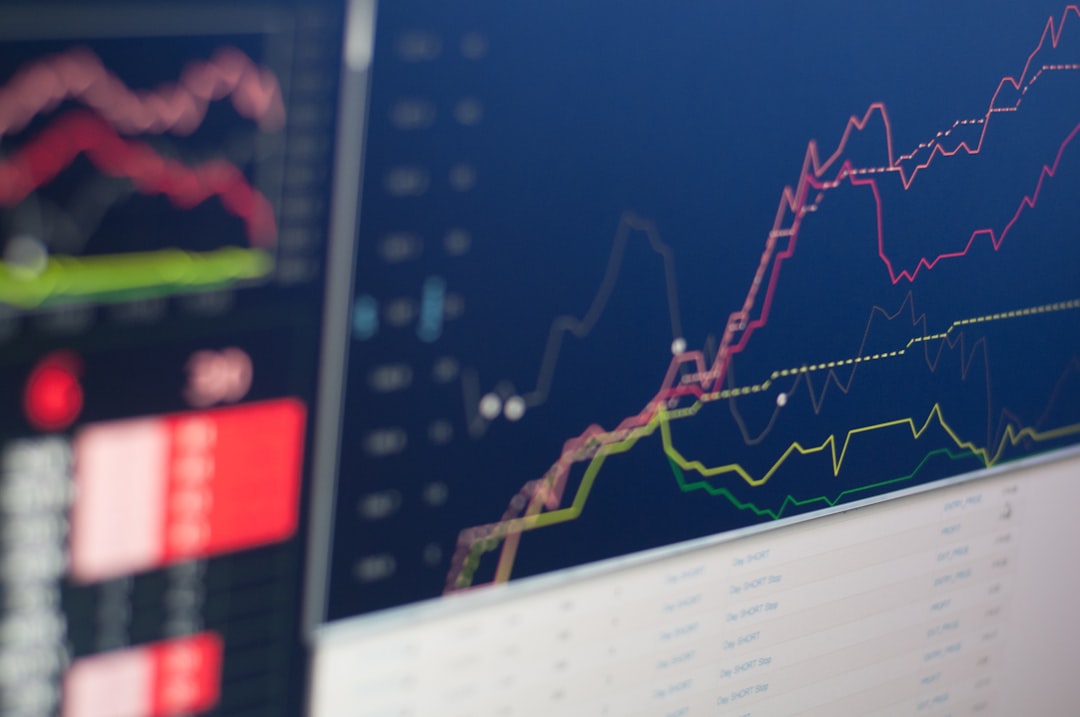
1. Identify the squeeze: Look for the bands to narrow significantly — they should be nearly parallel and close together. This often happens after a period of consolidation.
2. Wait for a catalyst: The squeeze alone isn’t enough. You need a price breakout above the upper band or below the lower band with increasing volume. Volume confirms the move is real.
3. Enter the trade:
- Long: If price breaks above the upper band with strong volume, go long. Place a stop-loss just below the nearest support (often the middle band or recent low).
- Short: If price breaks below the lower band with strong volume, go short. Stop-loss above the nearest resistance.
4. Set a target: A common technique is to measure the width of the bands at the start of the squeeze and project that distance from the breakout point. For example, if the bands were 5% wide, target a 5% move in the breakout direction.
Pro tip: Combine the squeeze with other confirmation tools like RSI or MACD. For instance, if RSI is above 50 during a squeeze, it adds bullish bias.
Risk Management
No strategy is perfect, and false breakouts happen. Protect your capital:
- Position size: Never risk more than 1-2% of your account on a single trade.
- Stop-loss: Always set a stop. For a long trade, place it below the middle band or the recent swing low. For a short, above the middle band or swing high.
- Take-profit: Use a 1:2 risk-to-reward ratio as a baseline. If you risk 2%, aim for 4% profit. Adjust based on market conditions.
- Avoid trading during low liquidity: The squeeze works best on higher timeframes (1-hour, 4-hour, daily) and during active trading hours. Avoid news events that can cause whipsaws.
Conclusion
The Bollinger Band Squeeze is a powerful tool for catching big moves early, but it’s not a crystal ball. Use it as part of a complete trading plan — with proper risk management and confirmation. Start by practicing on a demo account or with small size. As you gain confidence, you’ll learn to read the squeeze like a pro.
Remember: patience is key. The best trades often come after the longest squeezes. Stay disciplined, and the market will reward you.
How to Read a Smart Contract Audit Report: A Complete Guide for Crypto Investors
Smart contract audits are essential for verifying the security and reliability of blockchain projects. However, audit reports can be dense and technical. This guide breaks down how to read a smart contract audit report so you can make informed investment decisions.
Key Concepts
1. Audit Scope and Methodology
Every audit report begins with a scope section that lists the contracts audited, the compiler version, and the testing methodology. Look for manual code review, automated analysis, and formal verification. A thorough audit covers all critical functions.
2. Vulnerability Severity Levels
Auditors classify findings by severity: Critical (exploitable, loss of funds), Major (significant risk), Medium (moderate risk), Minor (low risk), and Informational (best practices). Focus on critical and major issues — if any remain unresolved, proceed with caution.
3. Findings and Recommendations
Each finding includes a description, impact, and recommendation. Check the status: Fixed, Acknowledged, or Unresolved. Projects that fix all critical issues demonstrate good security hygiene.
4. Code Coverage and Test Results
Audit reports often include test coverage percentages and simulation results. High coverage (90%+) reduces the chance of hidden bugs. Look for edge-case tests and stress tests.
5. Auditor Reputation
Not all auditors are equal. Reputable firms include Trail of Bits, ConsenSys Diligence, OpenZeppelin, and Certik. Check if the auditor is independent and has a track record of finding real exploits.
Pro Tips
- Don’t rely on a single audit. Multiple audits from different firms provide stronger assurance.
- Check the date. An audit from six months ago may be outdated if the code changed.
- Read the footnotes. Auditors often add disclaimers about scope limitations or assumptions.
- Look for re-audits. If the project fixed issues, a re-audit confirms the fixes are correct.
- Beware of paid-for-favorable-reports. Some auditors offer “audit badges” without deep analysis. Stick with well-known firms.
💡 Pro Tip
Looking for altcoin opportunities and smooth trading? Try KuCoin.
FAQ Section
What is the most important part of a smart contract audit report?
The vulnerability findings section, especially critical and major issues. If any critical issues are unresolved, the contract is likely unsafe.
Can a smart contract audit guarantee 100% security?
No. Audits reduce risk but cannot catch every bug, especially complex logical flaws or zero-day exploits. Always combine audits with other security measures like bug bounties and formal verification.
How long does a typical audit take?
Most audits take 2–6 weeks depending on code complexity. Rushed audits (under a week) may be superficial.
Should I invest in a project with unresolved medium-severity issues?
It depends. Medium issues may not be exploitable but could indicate sloppy development. Evaluate the project’s overall security posture and team responsiveness.
What is the difference between a manual audit and an automated audit?
Manual audits involve human experts reviewing code logic, while automated audits use tools to detect known vulnerability patterns. The best audits combine both.
Conclusion
Reading a smart contract audit report is a critical skill for any crypto investor. Focus on the severity of findings, the auditor’s reputation, and whether issues were fixed. Remember that an audit is just one piece of the security puzzle — always do your own research. For more details on this, check out our guide on Geopolitical Tensions Escalate as Second US Warplane Hit Over Iran. You might also be interested in reading about Bitcoin Price Forecast Explained: Why Standard Chartered Still Sees $100,000.