
Unlocking Bitcoin’s Next Frontier: A Beginner’s Guide to Layer-2 Trading

Bitcoin isn’t just digital gold anymore—it’s becoming a programmable network. With the rise of Bitcoin Layer-2 (L2) solutions like the Lightning Network, Stacks, and Rootstock, traders now have new opportunities to earn, scale, and diversify beyond simply holding BTC. In this guide, we’ll break down how these ecosystems work and how you can start trading them with confidence.
How It Works
Layer-2 protocols are built on top of Bitcoin’s base layer to solve its biggest limitations: slow transaction speeds and high fees. They process transactions off the main chain, then settle the final result back to Bitcoin. This creates a faster, cheaper, and more scalable environment—perfect for DeFi, NFTs, and micropayments. For traders, this means access to new assets (like sBTC, STX, or RIF) that are directly tied to Bitcoin’s security.
The Setup
To trade Bitcoin L2 ecosystems, you’ll need:
- A wallet that supports the specific L2 (e.g., a Lightning wallet for BTC, or a Hiro wallet for Stacks).
- A small amount of BTC to bridge onto the L2 network.
- An exchange or DEX that lists L2 tokens (e.g., Binance, KuCoin, or ALEX).
Start by researching the top L2 projects. For example, Stacks enables smart contracts using Bitcoin as collateral. Lightning Network allows instant, low-cost BTC transfers. Rootstock brings Ethereum-compatible DeFi to Bitcoin. Look for tokens that have strong development activity, partnerships, and real use cases.
Trading Strategies
1. The Yield Play: Many L2s offer yield farming or staking. Bridge your BTC to a L2 like Stacks and stake it for STX rewards. This is a low-frequency strategy—hold and earn.
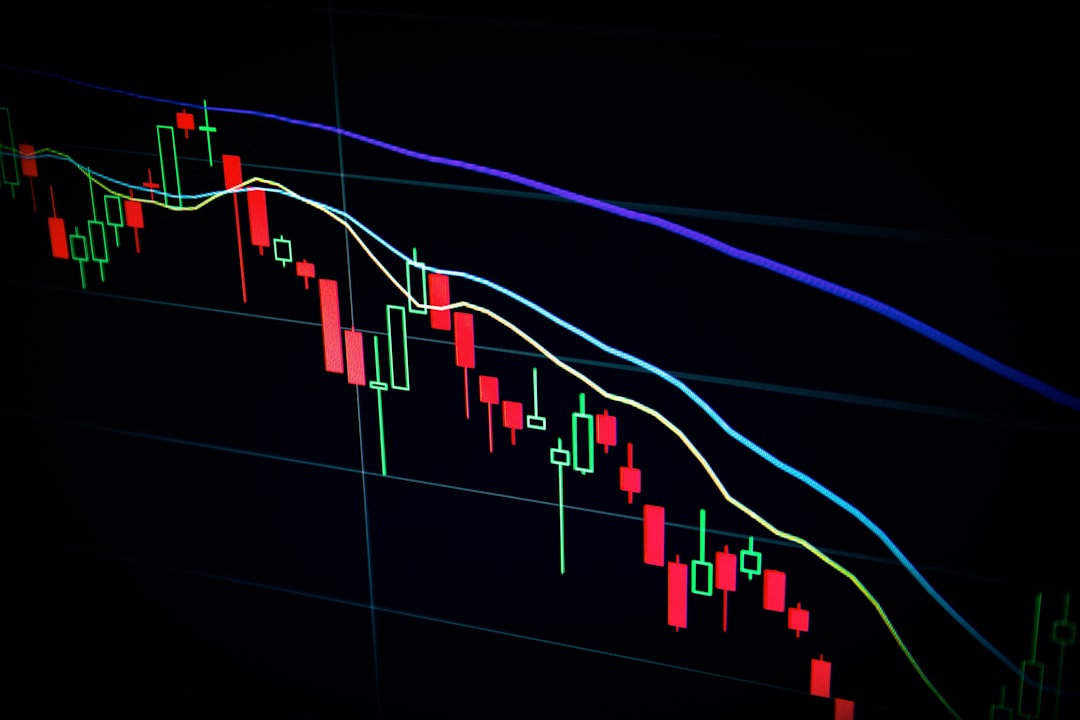
2. The Momentum Swing: Watch for news like a major upgrade or exchange listing. L2 tokens can spike 20-50% in a day. Use a 1-hour chart with RSI (relative strength index) to identify oversold entries (RSI below 30) and overbought exits (RSI above 70).
3. The Arbitrage Opportunity: BTC on Lightning can be cheaper and faster to move than on-chain. If you spot a price difference between a Lightning-based BTC pair and a regular BTC pair, you can quickly profit—but this requires fast execution.
Risk Management
L2 ecosystems are still young and experimental. Here’s how to protect yourself:
- Never invest more than 5% of your portfolio in any single L2 token.
- Use stop-losses at 8-10% below entry for swing trades.
- Beware of bridge risks—smart contract bugs can lock your funds. Only use well-audited bridges.
- Stay liquid—keep some BTC in your main wallet to avoid being stuck on an L2 during a crash.
Conclusion
Bitcoin Layer-2 ecosystems are unlocking a new era of scalability and utility for the world’s oldest cryptocurrency. For traders, they offer unique opportunities to earn yield, catch momentum, and diversify without leaving the Bitcoin ecosystem. Start small, stay curious, and always prioritize security. The next wave of crypto innovation is here—and you’re early.