
FOMO in Trading: How to Spot It, Stop It, and Profit From It
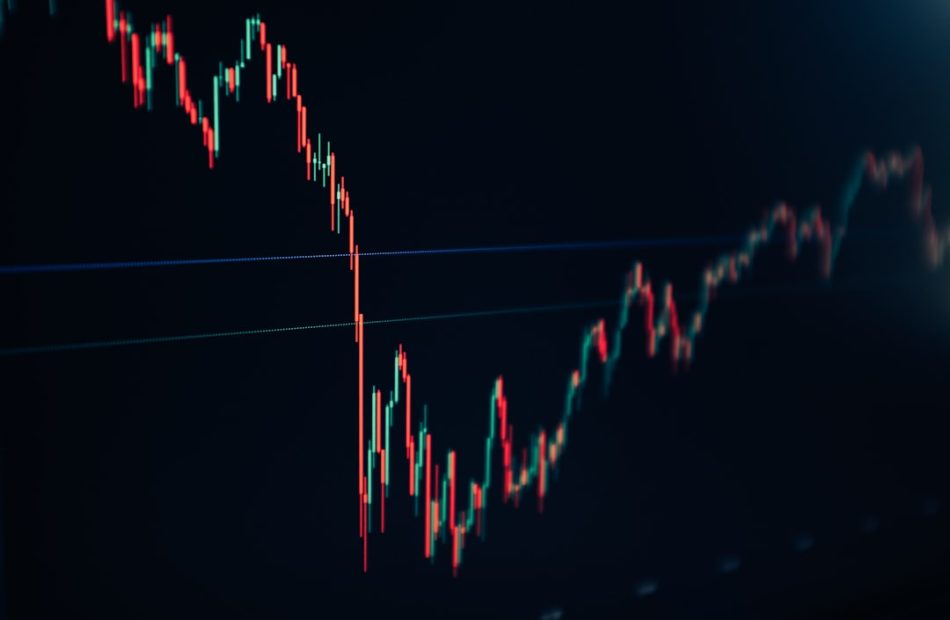
You’ve seen it happen: a coin pumps 20% in an hour, Twitter is on fire, and you feel your heart race. ‘If I don’t buy now, I’ll miss the moon shot.’ That’s FOMO – the Fear Of Missing Out. And it’s one of the most expensive emotions in trading.
But here’s the truth: FOMO isn’t your enemy. It’s a signal. Once you learn to recognize it, you can flip it from a losing impulse into a strategic advantage.
How It Works
FOMO is a psychological trigger. When prices rise fast, our brain’s reward system floods with dopamine. We imagine the profits we could have made, and we panic-buy at the top. The result? We buy high, the price corrects, and we sell low – the classic beginner’s trap.
The key is to separate emotion from analysis. FOMO tells you the market is moving. Your job is to ask: ‘Is this move sustainable, or is it a trap?’
The Setup
To trade FOMO instead of falling for it, use this three-step setup:
1. Wait for the pullback. Never buy a straight vertical move. Wait for the first red candle or a consolidation pattern. If the trend is real, it will give you a second entry.
2. Check volume. A pump without high volume is often a fakeout. Look for rising volume on the breakout and steady volume on the pullback.
3. Set a trigger. Use a limit order at a support level (like the 20 EMA or a previous resistance-turned-support). If price fills your order, you’re in with a plan. If it doesn’t, you saved yourself from a bad trade.
Risk Management
FOMO trades are high-risk by nature. Protect yourself with these rules:
- Position size: Never risk more than 1-2% of your account on a FOMO-inspired play.
- Stop-loss: Place it just below the pullback low. If the move was a trap, you’re out with a small loss.
- Take-profit: Use a 1:2 or 1:3 risk-reward ratio. FOMO moves often reverse hard, so take profits early.
- No chasing: If you miss the entry, let it go. There will be another setup tomorrow.
Conclusion
FOMO is natural. Every trader feels it. But the best traders don’t react to it – they observe it. When you feel that urge to buy, pause. Write down what you see. Then follow your setup. Over time, you’ll train your brain to treat FOMO as a checklist, not a command.
Remember: The market rewards patience, not panic. Trade the plan, not the emotion.