
How to Participate in Governance Proposals (DAOs): A Beginner’s Guide to Voting in Decentralized Communities
Decentralized Autonomous Organizations (DAOs) are reshaping how communities make decisions — from treasury management to protocol upgrades. But participating in governance proposals can feel intimidating if you’re new. This guide walks you through everything you need to know to vote, propose, and influence the future of your favorite DAO.
Key Concepts
What is a DAO Governance Proposal?
A governance proposal is a formal suggestion put forward by a community member (or core team) to change something within the DAO — like adjusting a fee, funding a project, or upgrading smart contracts. Proposals are voted on by token holders, and the outcome is executed automatically via smart contracts.
Voting Power & Token Weight
In most DAOs, voting power is proportional to the number of governance tokens you hold or have delegated. For example, 100 UNI tokens give you 100 votes on Uniswap proposals. Some DAOs use quadratic voting or reputation-based systems to prevent whales from dominating.
On-Chain vs. Off-Chain Voting
On-chain voting records every vote on the blockchain (e.g., Compound, MakerDAO). Off-chain voting uses platforms like Snapshot, where votes are signed off-chain to save gas fees. Both are valid, but on-chain votes are more binding.
Delegation
If you don’t have time to research every proposal, you can delegate your voting power to a trusted community member or delegate. This is common in DAOs like ENS and Uniswap.
Pro Tips
- Always read the full proposal before voting. Skimming can lead to unintended consequences. Look for “rationale” and “implementation details” sections.
- Use Snapshot for gas-free voting. Most DAOs use Snapshot for off-chain signaling votes. You just need to connect your wallet and sign a message.
- Check quorum requirements. A proposal passes only if a minimum number of votes (quorum) is reached. If quorum isn’t met, the proposal fails regardless of approval percentage.
- Join the DAO’s Discord or Forum. Proposals often have lively discussions before they go to vote. Engaging early helps you understand nuances.
- Start small. Vote on a few low-stakes proposals first to get comfortable with the interface and process.
FAQ Section
Do I need to pay gas fees to vote?
It depends. On-chain voting (e.g., Compound, Aave) requires gas fees. Off-chain voting via Snapshot is free — you only sign a message.
Can I create my own proposal?
Yes, but most DAOs require a minimum number of tokens to submit a proposal (e.g., 1% of total supply). You also need to follow a formal template and often get feedback in the forum first.
What happens if I delegate my votes?
Your voting power is transferred to the delegate you choose. They can vote on your behalf. You can undelegate or change delegates at any time.
How do I find active proposals?
Check the DAO’s governance portal (e.g., vote.uniswap.org, vote.makerdao.com) or use aggregators like DeepDAO or Tally.
Conclusion
Participating in DAO governance is one of the most empowering aspects of decentralized finance. By understanding voting mechanics, delegation, and proposal lifecycles, you can actively shape the protocols you believe in. Start by voting on a few proposals, join the community discussions, and gradually become a more engaged stakeholder.
For more details on this, check out our guide on Ripple and Solana Join Forces? A Beginner’s Guide to Blockchain Privacy and Protocol Names.
You might also be interested in reading about Understanding Gas Fees: How to Save Money on Ethereum – The Ultimate 2025 Guide.

How to Value GameFi Tokens: From P/E Ratios to Player Economics
If you’ve been watching the crypto space lately, you’ve probably seen GameFi tokens explode in popularity—and then crash just as fast. One day a play-to-earn game is the next big thing, the next day its token is down 80%. Why? Because most traders are guessing. They don’t have a framework. But what if you could value GameFi tokens the same way you’d value a traditional stock—but adapted for on-chain data? Let’s break down the models that actually work.
The Strategy Explained
GameFi is a hybrid. It’s part gaming company, part DeFi protocol, and part speculative asset. That means traditional valuation metrics (like P/E ratios) need to be tweaked. The core idea is to measure real economic activity inside the game, not just price action.
How it Works
There are three main valuation models for GameFi:
Looking for altcoin opportunities and smooth trading? Try KuCoin.
1. The P/E (Price-to-Earnings) Model – Adapted for GameFi, “earnings” become protocol revenue from in-game fees, NFT minting, and token burns. You take the token’s market cap and divide it by the annualized revenue generated by the game’s smart contracts. A ratio under 10 is often considered undervalued for established games.

2. The P/S (Price-to-Sales) Model – Here, “sales” are the total volume of in-game transactions (buying items, upgrading characters, etc.). This is useful for early-stage games that aren’t profitable yet. A low P/S relative to peers can signal a bargain.
3. The Player-Based Model – This values the token based on the number of active players and their average spend. Think of it like a subscription business: Monthly Active Users (MAU) × Average Revenue Per User (ARPU) = projected revenue. Compare that to the token’s market cap.
The Setup
To apply these models, you need on-chain data. Here’s a simple workflow:
- Step 1: Go to a dashboard like Dune Analytics or TokenTerminal and find the game’s protocol revenue and transaction volume.
- Step 2: Calculate the annualized revenue (if daily revenue is $10k, annualized is $3.65M).
- Step 3: Divide the token’s fully diluted market cap by that number to get your P/E or P/S ratio.
- Step 4: Compare that ratio to other GameFi projects (e.g., Axie Infinity, The Sandbox, Gala). If it’s significantly lower, it might be undervalued.
Pro Tip: Always check if the revenue is sustainable. A game that pays out more in rewards than it earns in fees is a Ponzi in disguise—avoid it.
Risk Management
GameFi is still a high-risk sector. Even the best valuation model won’t save you if the game’s community dies or a newer game steals its players. Here’s how to protect yourself:
- Diversify across games – Don’t put all your capital into one token. Spread it across 3-5 projects with different models.
- Watch the treasury – A game that holds a large reserve of its own token can manipulate the price. Look for games with transparent treasuries and diversified holdings.
- Set a hard stop-loss – If the token drops 30% from your entry, exit. GameFi tokens can gap down 50% overnight.
- Monitor player counts weekly – A declining player base is the #1 red flag. Use sites like DappRadar to track MAU.
Conclusion
GameFi doesn’t have to be a guessing game. By applying adapted P/E and P/S models—and keeping an eye on player economics—you can separate hype from real value. Start small, track the data, and remember: the best trades come from understanding the business behind the blockchain. Now go find your next undervalued gem.
Gold-Backed Cryptos vs Physical Gold: Pros and Cons
Introduction: Off-Chain vs On-Chain Gold
Gold has been a store of value for millennia. Today, investors can choose between physical gold (bars, coins, ETFs) and tokenized gold-backed cryptocurrencies (e.g., PAXG, XAUT). The key difference lies in off-chain vs on-chain representation. Physical gold is tangible but illiquid and costly to store. Gold-backed cryptos are digital tokens redeemable for physical gold, combining the stability of gold with blockchain efficiency. This guide compares both asset classes from an RWA perspective.
How Gold Tokenization Works
Tokenized gold follows a structured process:
- Tokenization: A custodian (e.g., Paxos, Tether) holds physical gold in a vault.
- SPV (Special Purpose Vehicle): The gold is owned by a legal entity that issues tokens representing fractional ownership.
- Oracle: Price feeds (e.g., Chainlink) ensure on-chain prices match spot gold.
- Blockchain: Tokens are minted on Ethereum, BNB Chain, or other networks, enabling 24/7 trading and DeFi integration.
Investment Analysis: Pros and Cons
Pros of Gold-Backed Cryptos
- Fractional Ownership: Buy as little as $1 worth of gold.
- 24/7 Liquidity: Trade anytime on exchanges like MEXC.
- Transparency: Audits and on-chain proof of reserves.
- DeFi Yield: Lend or stake tokens for APY.
Cons and Risks
- Regulation: Varies by jurisdiction; SEC may classify tokens as securities.
- Smart Contract Risk: Bugs or hacks can lead to loss.
- Custodial Risk: You rely on the issuer to hold physical gold.
- Counterparty Risk: If the issuer goes bankrupt, redemption may fail.
For a broader market view, check out our analysis on Tax Loss Harvesting in Crypto: A Guide for Traders. Investors often compare this to How to Secure Your Crypto Wallet: A Step-by-Step Guide.
Pros of Physical Gold
- Tangible Asset: No counterparty risk if held personally.
- No Tech Risk: Immune to hacks or network failures.
- Universal Acceptance: Accepted globally as wealth.
Cons of Physical Gold
- Storage & Insurance Costs: Vault fees eat into returns.
- Illiquidity: Selling requires assay, shipping, or dealer spreads.
- No Passive Income: Gold does not yield interest.
Tool Recommendation
For trading gold-backed tokens like PAXG or XAUT, low fees are crucial. We recommend MEXC for its competitive maker/taker fees and deep liquidity. Start trading at MEXC.
FAQ
Are gold-backed cryptos safe?
They are as safe as the custodian and smart contract. Always verify audits and regulatory compliance. Data from RWA.xyz shows top tokens have over 100% collateralization.
Can I redeem gold-backed tokens for physical gold?
Yes, most issuers allow redemption for physical gold or cash equivalent, subject to minimum amounts (e.g., 1 oz for PAXG). Check terms before buying.
Which is better for long-term holding?
For pure wealth preservation, physical gold is safer. For active trading, yield generation, or small allocations, gold-backed tokens are more practical.
Conclusion
Gold-backed cryptos bridge TradFi and DeFi, offering liquidity and fractional ownership that physical gold cannot match. However, they introduce custodial and smart contract risks. For investors seeking a modern, flexible gold exposure, tokenized gold is compelling. For those prioritizing absolute safety, physical gold remains the benchmark. Always diversify and understand the underlying mechanics.
Tokenized Stocks Explained: What Exodus and Ondo’s Partnership Means for Crypto Investors
Did you know the market for tokenized stocks and ETFs has surged to over $5.5 billion in just a few months? Exodus Movement and Ondo Finance just made it possible to trade more than 200 of these assets directly from a self-custodial wallet on the Solana blockchain. For crypto users, this marks a major step in bridging traditional finance with decentralized technology. This guide explains what tokenized stocks are, how this partnership works, and what it means for your investment options. You’ll learn the mechanics, the risks, and how this fits into the broader trend of real-world assets moving on-chain.
Read time: 10-12 minutes
Understanding Tokenized Stocks for Beginners
Tokenized stocks are digital representations of traditional company shares or exchange-traded funds (ETFs) that exist on a blockchain. Think of them like a digital receipt that proves you own a slice of Apple or Tesla stock, but instead of a paper certificate in a brokerage account, you hold a token in your crypto wallet.
Why were they created? Tokenized stocks solve several problems. They allow global access to US equities without needing a traditional brokerage account. They enable 24/7 trading, unlike stock markets that close at 4 PM Eastern. And they can be transferred or used within decentralized finance (DeFi) protocols for lending or trading.
A real-world example: Exodus itself tokenized its own stock (ticker: EXOD) back in 2021, becoming the first publicly traded company to do so. Now, through this new partnership, users can buy and sell those same tokenized EXOD shares alongside other tokenized assets directly from their Exodus wallet. The key difference: these tokens represent ownership exposure, but they don’t grant the same shareholder voting rights as traditional shares.
The Technical Details: How Tokenized Stock Trading Actually Works
The partnership between Exodus and Ondo Finance creates a new feature called “Exodus Markets.” Here’s how it functions step by step:
1. Ondo Finance issues the tokens: Ondo creates digital tokens that represent underlying traditional stocks and ETFs. Each token is backed 1:1 by real securities held in custody.
2. Integration into Exodus wallet: Exodus, a self-custodial wallet, adds a trading interface that connects to Ondo’s tokenized asset infrastructure.
3. User buys through the wallet: Eligible users in supported jurisdictions can select a tokenized stock or ETF, pay with crypto or fiat, and receive Ondo-issued tokens in their self-custodial wallet.
4. Solana blockchain settlement: All transactions happen on Solana, which provides fast and low-cost settlement compared to traditional stock exchanges.
Flow diagram: User Wallet → Exodus Markets Interface → Ondo Tokenization Protocol → Solana Blockchain → Custody of Real Assets
Why this structure matters for you: Self-custody means you control your private keys, not a brokerage. This gives you direct ownership of the tokenized asset without a middleman holding your funds. However, the underlying assets are still held by a third-party custodian, creating a different trust model than pure crypto.
Current Market Context: Why This Matters Now
The timing of this launch is significant for several reasons:
Market growth: According to RWA.xyz, tokenized equities reached $5.5 billion in market capitalization as of June 2025, up 147% from $2.23 billion at the start of the year. This makes tokenized equities one of the fastest-growing categories in the real-world asset (RWA) market.
Regulatory attention: Regulators globally are taking notice. South Korea’s Ministry of Economy and Finance recently stated that tokenized stocks should be treated as securities under existing taxation rules. Meanwhile, the U.S. Securities and Exchange Commission (SEC) has proposed removing rules that could affect how tokenized stock trading is structured.
Institutional momentum: Ondo Finance just hired John Hoffman, a former executive from Invesco (a major traditional asset manager with $1.6 trillion in assets), to lead product development. This signals that tokenized asset companies are attracting serious talent from traditional finance.
Why this timing matters: The convergence of growing market size, regulatory clarity efforts, and institutional involvement suggests tokenized stocks are moving from experimental to mainstream.
Competitive Landscape: How Exodus and Ondo Compare
| Feature | Exodus + Ondo (Self-Custody Wallet) | Robinhood (Traditional Brokerage) | Uniswap (DeFi Exchange) |
|---|---|---|---|
| Asset Types | 200+ tokenized stocks & ETFs | Stocks, ETFs, crypto | Crypto tokens only |
| Custody Model | Self-custody (you control keys) | Broker custody (they hold assets) | Self-custody |
| Blockchain | Solana | N/A (traditional rails) | Ethereum, Arbitrum, etc. |
| Trading Hours | 24/7 | Market hours only | 24/7 |
| Shareholder Rights | No voting rights | Full shareholder rights | N/A |
| Geographic Access | Limited jurisdictions | US only | Global (permitted) |
Exodus’s differentiator: As the first publicly traded company to tokenize its own stock, Exodus has demonstrated a commitment to the model. JP Richardson, Exodus CEO, stated that the company aims to become “the front door to every asset you hold, without compromising on trust and control.”
Practical Applications: Real-World Use Cases
- Global access to US equities: Investors outside the US can gain exposure to American stocks without needing a US bank account or brokerage, using only a crypto wallet.
- 24/7 portfolio management: You can buy or sell tokenized stocks on weekends, holidays, or overnight—times when traditional markets are closed.
- Using stocks in DeFi: In the future, tokenized stocks could be used as collateral in lending protocols, allowing you to borrow against your stock holdings without selling them.
- Fractional ownership: Buy a fraction of a high-priced stock like Berkshire Hathaway (over $600,000 per share) for just a few dollars worth of crypto.
- Simplified tax tracking: All transactions happen on-chain, creating an automatic ledger that simplifies reporting for tax purposes in some jurisdictions.
Risk Analysis: Expert Perspective
Primary risks to understand:
1. No shareholder rights: The most critical caveat—Exodus explicitly states that tokenized assets “are not the same as owning the underlying securities and do not provide shareholder rights.” You cannot vote on company decisions or receive dividends directly.
2. Custody risk: While your wallet is self-custodial, the underlying securities are held by a third party. If that custodian fails or is hacked, your token might lose its backing.
3. Regulatory uncertainty: Tokenized stocks exist in a gray area globally. South Korea is moving to regulate them as securities, and the SEC’s position remains unclear. Future regulations could restrict or ban these products.
4. Counterparty risk: Your trust rests on Ondo Finance properly managing the backing assets. If Ondo faces legal or operational issues, token holders could be affected.
5. Liquidity concerns: The secondary market for tokenized stocks is still developing. You might not always find a buyer when you want to sell.
Mitigation strategies:
- Use only for amounts you’re comfortable with, not your entire portfolio
- Research the custody arrangements of any tokenized asset provider
- Stay informed about regulatory changes in your jurisdiction
- Consider diversifying across different asset types and platforms
Expert consensus: Tokenized real-world assets represent a promising but still maturing sector. Most analysts recommend treating them as a small portion of a diversified portfolio until regulatory frameworks solidify.
Future Outlook: What’s Next
Planned developments:
- More tokenized assets are expected as Ondo and Exodus expand their offerings
- Other wallets and platforms may integrate similar features, increasing competition and user choice
Regulatory trends:
- The SEC’s proposed rule changes could provide clearer guidelines for tokenized securities
- The EU’s Markets in Crypto-Assets (MiCA) regulation may set standards for tokenized assets, potentially creating a template for other regions
Potential impact:
- If regulatory clarity emerges, expect significant institutional capital to enter the space
- The line between traditional and decentralized finance will continue to blur
- Users may eventually see tokenized stocks integrated into DeFi protocols for lending, derivatives, and more
Timeframe clarity: Full regulatory frameworks are expected to develop over 1-3 years. The market is in its “early adopter” phase, offering opportunities but also higher risks.
Key Takeaways
- Tokenized stocks allow you to trade traditional equities 24/7 from a self-custodial crypto wallet, but without shareholder voting rights or dividend guarantees.
- Exodus and Ondo’s partnership brings over 200 tokenized stocks and ETFs to Solana, marking one of the largest such integrations in a mainstream wallet.
- The market for tokenized equities has grown to $5.5 billion, but regulatory clarity is still developing globally, creating both opportunity and uncertainty.
- You maintain control of your private keys, but the underlying assets are held by a third-party custodian, creating a different trust model than pure cryptocurrency.
,
“datePublished”: “2025-06-12T12:00:57.884-04:00”,
“dateModified”: “2025-06-12T12:00:57.884-04:00”,
“mainEntity”: {
“@type”: “Thing”,
“name”: “Tokenized Stocks”
}
}
How to Bridge Assets Across Blockchains Safely: A Step-by-Step Guide
Bridging assets across blockchains is a fundamental skill for any crypto user who wants to move tokens between networks like Ethereum, Binance Smart Chain, Polygon, or Solana. However, bridges are also prime targets for hacks and user errors. This guide will walk you through the safest ways to bridge assets, covering key concepts, pro tips, and a recommended tool to streamline your experience.
Key Concepts
Before you bridge, understand these core ideas:
- Bridge Types: Centralized bridges (e.g., Binance Bridge) rely on a custodian; decentralized bridges (e.g., Multichain, Synapse) use smart contracts and validators. Decentralized bridges offer more control but carry smart contract risk.
- Lock-and-Mint vs. Burn-and-Mint: Most bridges lock your original token on the source chain and mint a wrapped version on the destination chain. When you bridge back, the wrapped token is burned and the original is unlocked.
- Liquidity Pools: Some bridges use liquidity pools to swap tokens directly. This can be faster but may involve slippage and fees.
- Security Risks: Smart contract bugs, validator collusion, and phishing attacks are common. Always verify the bridge’s audit history and community trust.
Pro Tips
Follow these best practices to bridge safely:
- Start Small: Always test with a small amount first to confirm the bridge works and you understand the process.
- Check the Destination Address: Double-check that you are sending to the correct address on the target chain. A wrong address can result in permanent loss.
- Verify the Bridge URL: Use only official links from the project’s website or trusted aggregators like DeFi Llama. Phishing sites are common.
- Monitor Gas Fees: Bridging often requires gas on both chains. High congestion can make fees unpredictable.
- Use a Hardware Wallet: For large amounts, connect your hardware wallet (e.g., Ledger, Trezor) to the bridge interface for an extra layer of security.
💡 Pro Tip
Looking for altcoin opportunities and smooth trading? Try KuCoin.
FAQ Section
What is a blockchain bridge?
A blockchain bridge is a protocol that allows you to transfer tokens or data from one blockchain to another. It creates a connection between two independent networks, enabling interoperability.
How long does bridging take?
It varies. Centralized bridges can be instant, while decentralized bridges may take from a few minutes to over an hour, depending on network congestion and the bridge’s validation mechanism.
Are bridges safe?
Bridges carry inherent risks, including smart contract vulnerabilities and potential hacks. To minimize risk, use well-audited bridges, start with small amounts, and never share your private keys.
What happens if I send the wrong token to a bridge?
Most bridges only accept specific tokens. Sending an unsupported token may result in permanent loss. Always check the bridge’s supported assets list before initiating a transfer.
Can I bridge NFTs?
Yes, some bridges support NFTs, but the process is more complex and less common. Ensure the bridge explicitly states NFT support before attempting.
Conclusion
Bridging assets across blockchains is a powerful tool for accessing diverse DeFi ecosystems, but it requires caution. By understanding the key concepts, following pro tips, and using reputable tools, you can move your assets safely. For more details on this, check out our guide on How to Read a Smart Contract Audit Report: A Complete Guide for Crypto Investors. You might also be interested in reading about Gold-Backed Cryptos vs Physical Gold: Pros and Cons.
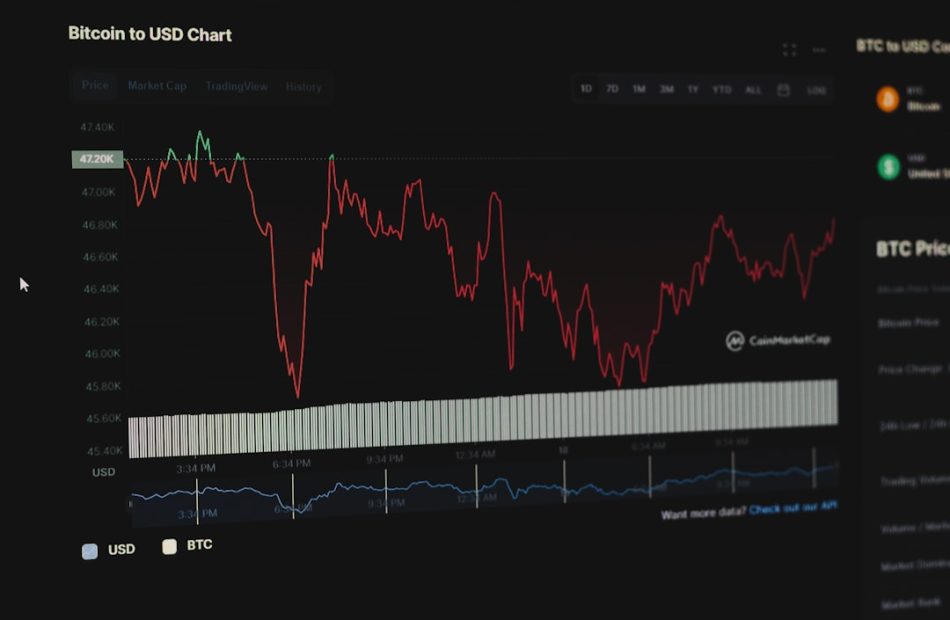
Ethereum vs Solana Ratio Trading: How to Profit from the Layer-1 Battle
If you’ve been watching the crypto markets lately, you’ve seen it: Ethereum and Solana are locked in a tug-of-war for dominance. One week ETH is surging on ETF news, the next SOL is breaking out on DeFi activity. As a trader, you don’t have to pick a winner—you can trade the relationship between them. Welcome to ratio trading.
How it Works
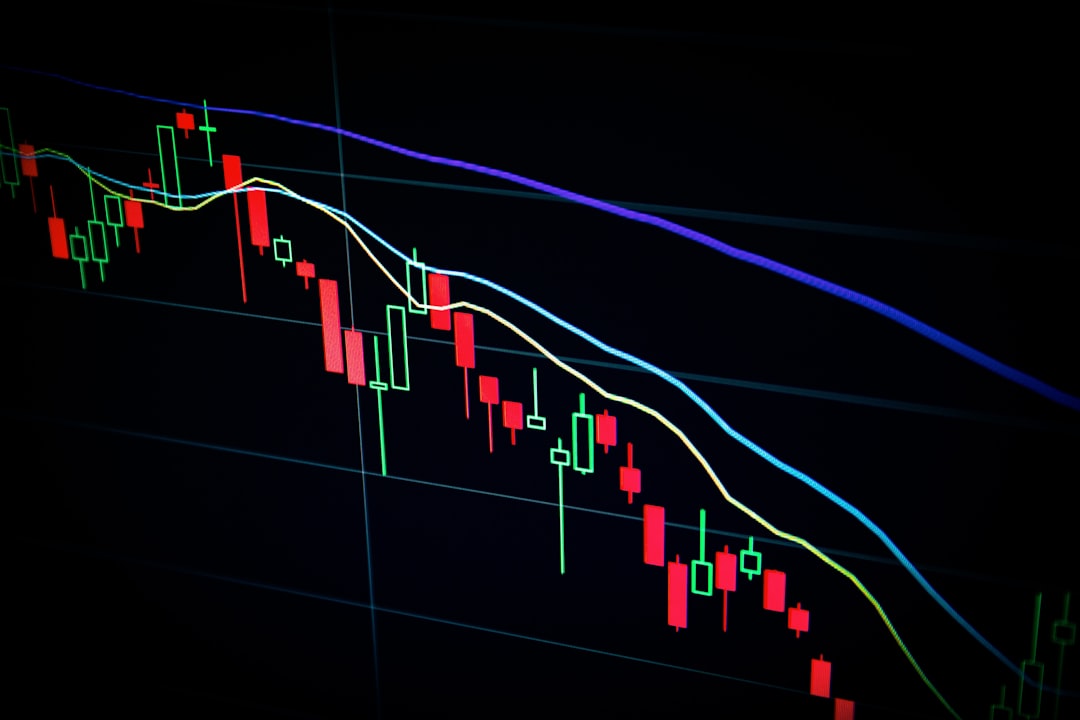
Ratio trading (also called pair trading) is simple: instead of buying one asset, you trade one against the other. You create a synthetic pair, like ETH/SOL, and profit from the relative movement. When ETH outperforms SOL, the ratio goes up—you can go long. When SOL outperforms, the ratio goes down—you can go short.
Looking for altcoin opportunities and smooth trading? Try KuCoin.
The Setup
You’ll need a chart of the ETH/SOL ratio. Most exchanges don’t list it directly, but you can calculate it manually: divide the price of ETH by the price of SOL. Plot that on a line chart. Look for:
- Support and Resistance levels on the ratio itself.
- Divergences with the broader market (e.g., ratio dropping while both coins rise).
- Key events like network upgrades or regulatory news affecting one chain more than the other.
When the ratio hits a clear support level and shows bullish divergence, consider going long ETH and short SOL (or just buy the ratio via a synthetic product). When it hits resistance, reverse the trade.
Risk Management
Ratio trading isn’t risk-free. The biggest danger is a trend change in the ratio that you didn’t anticipate. Always use stop-losses on the ratio level itself, not just on the individual coins. Position size matters—don’t allocate more than 5-10% of your trading capital to a single ratio trade. And remember, this is a mean-reversion strategy in the short term, but a trend-following one in the long term. Know your timeframe.
Conclusion
The ETH vs SOL ratio is one of the most active and liquid pair trades in crypto. It captures the narrative battle between the two leading smart contract platforms. By mastering this simple strategy, you can profit from volatility without betting on a single coin. Start small, keep a trading journal, and let the ratio guide you.
KYC vs No-KYC Exchanges: Privacy Guide 2026
Introduction
In the ever-evolving world of cryptocurrency, the debate between Know Your Customer (KYC) and no-KYC exchanges has become a central privacy concern for traders and investors. As regulatory frameworks tighten globally, understanding the trade-offs between identity verification and anonymity is crucial for safeguarding your financial freedom. This comprehensive guide for 2026 explores the nuances of KYC and no-KYC exchanges, helping you make informed decisions about where and how to trade while balancing privacy, security, and compliance.
Key Concepts
What is KYC?
KYC, or Know Your Customer, is a standard process used by financial institutions and cryptocurrency exchanges to verify the identity of their users. This typically involves submitting government-issued IDs, proof of address, and sometimes a selfie or video verification. KYC is mandated by anti-money laundering (AML) regulations in most jurisdictions, aiming to prevent fraud, money laundering, and terrorist financing.
What are No-KYC Exchanges?
No-KYC exchanges, also known as non-custodial or decentralized exchanges (DEXs), allow users to trade cryptocurrencies without submitting personal identification. These platforms prioritize user privacy and often operate on blockchain-based smart contracts, enabling peer-to-peer transactions. Examples include Uniswap, PancakeSwap, and some centralized exchanges that offer limited no-KYC tiers.
Privacy vs. Security Trade-offs
KYC exchanges offer enhanced security features, such as account recovery, fraud protection, and regulatory compliance, but at the cost of personal data exposure. No-KYC exchanges provide anonymity but may lack customer support, insurance, and protection against hacks or scams. In 2026, the landscape is further complicated by evolving data privacy laws and advanced surveillance technologies.
Pro Tips
- Use a VPN: When accessing no-KYC exchanges, always use a reliable VPN to mask your IP address and enhance privacy.
- Separate Wallets: Maintain separate wallets for KYC and no-KYC activities to avoid linking your identity to anonymous transactions.
- Check Regulatory Status: Before using any exchange, verify its compliance with local laws in your jurisdiction to avoid legal pitfalls.
- Beware of Phishing: No-KYC platforms are common targets for phishing attacks. Always double-check URLs and use hardware wallets for large holdings.
- Monitor Data Breaches: KYC exchanges are prime targets for hackers. Use services like Have I Been Pwned to track if your data has been compromised.
FAQ Section
1. Is it legal to use no-KYC exchanges?
In most countries, using no-KYC exchanges is legal, but it may violate local AML regulations if used for large transactions. Always consult with a legal expert in your jurisdiction.
2. Can I lose my funds on a no-KYC exchange?
Yes, no-KYC exchanges, especially DEXs, are susceptible to smart contract bugs, rug pulls, and liquidity issues. Always audit the platform and use reputable ones.
3. Do KYC exchanges share my data with governments?
Yes, KYC exchanges are required to share user data with regulatory authorities in cases of suspicious activity or legal requests. This is part of AML compliance.
4. What is the best no-KYC exchange in 2026?
Popular options include Uniswap, PancakeSwap, and Bisq. However, the best choice depends on your specific needs for privacy, liquidity, and supported assets.
5. How can I protect my identity when using KYC exchanges?
Use strong, unique passwords, enable two-factor authentication (2FA), and consider using a dedicated email address for crypto activities. Avoid reusing personal information across platforms.
Conclusion
Choosing between KYC and no-KYC exchanges in 2026 is a personal decision that hinges on your privacy priorities, risk tolerance, and regulatory environment. KYC exchanges offer security and compliance but compromise anonymity, while no-KYC platforms provide privacy but come with higher risks. By following the pro tips in this guide and staying informed about evolving regulations, you can navigate the crypto landscape with confidence. For more details on this, check out our guide on Missouri AG Sues Coinflip, Alleges 21.9% Hidden Fees on Bitcoin ATMs. You might also be interested in reading about Restaking Explained: EigenLayer and Beyond – The Ultimate Guide to Crypto Restaking.
RWA vs Pure DeFi Yields: Which is Safer?
In the evolving landscape of decentralized finance, investors increasingly face a critical choice: pursue yields from Real World Assets (RWAs) or stick with pure DeFi protocols. RWAs—tokenized versions of tangible assets like real estate, bonds, commodities, and credit—bridge the gap between Traditional Finance (TradFi) and blockchain. This guide provides a comprehensive, data-driven comparison to help you assess safety, risk, and return potential.
What Are Real World Assets (RWAs)?
RWAs are physical or financial assets that exist off-chain but are represented on a blockchain via tokenization. This process enables fractional ownership, 24/7 liquidity, and transparent record-keeping. Unlike pure DeFi assets (e.g., governance tokens, liquidity pool shares), RWAs derive their value from real-world economic activity—rent payments, bond coupons, or commodity prices. The key difference is off-chain vs on-chain: RWA yields depend on external, regulated markets, while pure DeFi yields are generated entirely within smart contract ecosystems.
How RWA Tokenization Works
The technical process involves several layers:
- Asset Origination: A real-world asset (e.g., a commercial property) is identified and legally structured.
- Special Purpose Vehicle (SPV): An SPV holds legal title to the asset, isolating it from the issuer’s bankruptcy risk.
- Tokenization: The SPV issues digital tokens representing fractional ownership, recorded on a blockchain (e.g., Ethereum, Polygon).
- Oracle Integration: Oracles (e.g., Chainlink) feed off-chain data—such as property valuations or interest rates—onto the blockchain to trigger smart contract actions.
- Secondary Market: Tokens trade on decentralized exchanges (DEXs) or specialized RWA platforms, providing liquidity.
Investment Analysis: Pros, Cons, and Risks
Pros of RWA Yields
- Stability: Backed by tangible assets, RWA yields are less volatile than pure DeFi yields, which can fluctuate wildly with token prices.
- Regulatory Clarity: Many RWA projects comply with securities laws, reducing legal uncertainty for institutional investors.
- Diversification: Exposure to real estate, credit, or commodities provides uncorrelated returns relative to crypto-native assets.
Cons and Risks
- Regulatory Risk: Jurisdictional differences can affect token legality; a regulatory crackdown could freeze assets.
- Smart Contract Risk: Bugs in tokenization or oracle contracts can lead to loss of funds.
- Counterparty Risk: The SPV or asset manager may default, mismanage the asset, or commit fraud.
- Liquidity Risk: Secondary markets for RWA tokens may be thin, making it hard to exit positions quickly.
For a broader market view, check out our analysis on Understanding Gas Fees: How to Save Money on Ethereum. Investors often compare this to Security Tokens: Utility vs Security Tokens Explained.
Pure DeFi Yields: The Alternative
Pure DeFi yields come from lending protocols (e.g., Aave), liquidity mining, or yield aggregators. They offer higher potential returns but carry significant risks: impermanent loss, oracle manipulation, protocol hacks, and extreme volatility. Unlike RWAs, pure DeFi yields are entirely on-chain and unregulated, making them more susceptible to market sentiment and technical failures.
Which Is Safer?
Safety depends on your risk tolerance and investment horizon. RWAs generally offer lower but more predictable returns with regulatory oversight—suitable for conservative investors. Pure DeFi yields can generate outsized gains but require active management and a higher appetite for risk. A balanced portfolio might allocate a portion to RWAs for stability and another to DeFi for growth.
Tool Recommendation
For the best charting tools to spot this pattern, try Bitget. Their advanced analytics help you track RWA token performance and compare yields across protocols.
FAQ Section
Are RWA yields regulated?
Many RWA projects comply with securities regulations (e.g., SEC in the US, ESMA in Europe), but the level of oversight varies by jurisdiction. Always verify the legal structure and licensing of the issuer.
Can I lose my investment in RWAs?
Yes. Risks include smart contract bugs, asset mismanagement, regulatory changes, and market downturns. Unlike bank deposits, RWA tokens are not FDIC-insured.
How do RWA yields compare to traditional bonds?
RWA yields often exceed traditional bond yields due to the illiquidity premium and higher risk. However, they lack the same track record and credit ratings. Data from RWA.xyz shows average RWA yields of 5–12% APY, versus 2–5% for investment-grade bonds.
Conclusion
Both RWA and pure DeFi yields offer unique opportunities, but safety is not binary. RWAs provide a regulated, asset-backed alternative with lower volatility, while pure DeFi offers higher potential returns at the cost of greater risk. Your choice should align with your financial goals, regulatory comfort, and technical expertise. As the tokenization market matures—with reports from BlackRock and others signaling institutional interest—RWAs are likely to become a staple in diversified crypto portfolios.
Bitget Enters Argentina’s Regulated Crypto Market: What This Means for Latin American Users
Did you know nearly 20% of Argentina’s population now uses cryptocurrencies? That’s roughly 9 million people—and the number keeps growing. As the country tightens its rules around digital assets, exchanges like Bitget are racing to obtain official licenses.
Bitget recently secured registration as a Virtual Asset Service Provider (VASP) with Argentina’s National Securities Commission (CNV). This approval allows the exchange to operate legally within the country’s regulatory framework, which includes strict anti-money laundering (AML) and counter-terrorism financing (CTF) rules.
Why should you care? For crypto users in Latin America, this signals a shift toward safer, more compliant trading environments. You’ll deal with fewer risks from unregulated platforms and enjoy better consumer protections.
This guide explains what VASP registration means, why Argentina matters for crypto adoption, and how Bitget’s expansion affects your trading options. We’ll break down the technical details without the jargon.
Read time: 10-12 minutes
Understanding Virtual Asset Service Provider (VASP) Registration for Beginners
A Virtual Asset Service Provider (VASP) is any business that offers cryptocurrency exchange, transfer, or custody services under official government oversight. Think of it like a bank license, but for crypto. Just as traditional banks must follow strict rules to protect your money, VASPs must comply with regulations to operate legally.
Why was this created? Before VASP rules existed, crypto exchanges operated in a legal gray area. Users had little protection if platforms failed, got hacked, or engaged in fraud. Argentina’s CNV (Comisión Nacional de Valores) created this registry to bring order to the growing crypto market.
A real-world example: If you trade on an unregistered exchange in Argentina and your funds disappear, you have limited legal recourse. But on a registered VASP like Bitget, the exchange must follow reporting requirements, submit to audits, and cooperate with Argentina’s Financial Information Unit (UIF). These protections reduce your risk significantly.
The Technical Details: How Crypto Exchange Registration Actually Works
Getting registered as a VASP isn’t simple. Here’s what exchanges must do:
1. Application Submission: The exchange provides detailed documentation about its ownership, business model, security measures, and compliance procedures to the CNV.
2. AML/CTF Program Approval: The exchange must prove it has systems to detect and prevent money laundering and terrorist financing. This includes Know Your Customer (KYC) checks—verifying user identities before allowing trading.
3. Reporting Infrastructure Setup: Exchanges must connect with Argentina’s Financial Information Unit to report suspicious transactions above certain thresholds. This requires specialized software and compliance teams.
4. Ongoing Compliance Obligations: Registration isn’t one-and-done. Exchanges must submit regular reports, undergo audits, and update their systems as regulations evolve.
5. Coordination with Regulators: Registered VASPs must maintain open communication with the CNV and UIF, including responding to inquiries and implementing policy changes quickly.
Why this matters for you: Registered exchanges are safer because they face real consequences for non-compliance. If a registered exchange violates rules, regulators can revoke its license, fine it heavily, or pursue legal action. This accountability protects your funds.
Current Market Context: Why Argentina Matters Now
Argentina has become one of Latin America’s most active crypto markets. Here’s what the numbers show:
- Nearly 20% adoption rate: Company data indicates roughly 9 million Argentines use digital assets regularly. That’s higher than many developed nations.
- 15,000+ businesses accept crypto: From cafes to real estate agencies, merchants across Argentina now accept Bitcoin, stablecoins, and other digital assets.
- Inflation-driven adoption: Argentina faces persistent inflation (over 100% annually in recent years). Many citizens use stablecoins like USDT to preserve purchasing power, making crypto a practical necessity rather than just speculation.
This creates a “regulatory paradox.” As adoption grows, so does the need for clear rules. Policymakers across Latin America are now building formal frameworks, and Argentina is leading the charge.
Bitget’s registration follows similar progress in Mexico, where the exchange also secured regulatory approval. The company is strategically positioning itself across markets where crypto adoption and regulatory development advance together.
Why timing matters: As of late 2025, more Latin American countries are expected to implement VASP-style regulations. Early registrants like Bitget gain a competitive advantage by establishing compliant operations before competitors catch up.
Competitive Landscape: How Bitget Compares in Latin America
Here’s how major exchanges stack up in the region:
| Feature | Bitget | Binance | Mercado Bitcoin |
|---|---|---|---|
| Argentina VASP Registration | ✅ Registered (June 2025) | In process | ✅ Registered (Brazil) |
| Mexico Approval | ✅ Registered | In process | ❌ Not active |
| Tokenized Asset Products | ✅ 300+ products, $30B volume since 2025 | Selective offerings | Limited |
| User Focus | Derivatives + tokenized assets | Full-service exchange | Brazilian market leader |
| Regulatory Approach | Proactive compliance worldwide | Mixed (facing regulatory challenges in some markets) | Brazil-focused |
Strengths of Bitget:
- Early regulatory mover in multiple Latin American markets
- Strong tokenized asset infrastructure (stocks, ETFs, commodities)
- Unified Trading Account system for flexible collateral use
Weaknesses:
- Smaller user base than Binance in Latin America
- Less brand recognition among casual users
- Focus on derivatives may intimidate beginners
Why this matters for users: Your choice of exchange depends on your needs. If you want tokenized stocks or advanced trading features, Bitget offers unique products. If you prefer a simple spot exchange, Binance or local options might suit you better.
Practical Applications: Real-World Use Cases
How does this regulatory news affect your crypto experience?
- Safer Trading Environment: Registered exchanges must follow strict rules. Your funds have better protection against fraud, hacking, or sudden platform shutdowns.
- Easier Bank On-Ramps: Regulated exchanges can partner with local banks more easily. This means smoother deposits and withdrawals in Argentine pesos.
- Access to Tokenized Assets: Bitget offers 300+ tokenized products, including stocks (Apple, Nvidia, Tesla) and commodities. You can trade these without leaving your crypto wallet.
- Cross-Border Compliance: If you travel or move within Latin America, using a compliant exchange like Bitget ensures you’re not accidentally breaking local laws.
- Tax Reporting Simplified: Registered exchanges typically provide transaction histories and tax reports, making it easier to file your crypto taxes correctly.
Who benefits most: Argentine residents, Latin American traders, and anyone concerned about regulatory safety will find registered exchanges more reliable.
Risk Analysis: Expert Perspective
Primary Risks:
1. Regulatory Change Risk: Argentina’s crypto rules may tighten further. Future regulations could limit trading options or impose new taxes.
2. Compliance Costs: Registered exchanges pass compliance costs to users through fees. Expect slightly higher spreads or withdrawal fees on regulated platforms.
3. Limited Access: Smaller exchanges may struggle with registration costs, reducing competition over time.
Mitigation Strategies:
- Diversify Platforms: Don’t keep all funds on one exchange. Use registered platforms for active trading and hardware wallets for long-term storage.
- Stay Informed: Follow Argentina’s CNV announcements. Regulatory changes happen quickly, and early awareness helps you adapt.
- Verify Registration: Check the CNV’s official VASP registry before using any exchange claiming to be registered. Scams may falsely claim compliance.
Historical Context: Countries like Japan and Singapore implemented similar VASP rules after major exchange hacks (Mt. Gox in 2014, Coincheck in 2018). In both cases, registered exchanges proved more resilient and compensated affected users faster than unregistered ones.
Expert Consensus: Most compliance analysts agree that Latin America’s regulatory push is positive for long-term adoption. Short-term friction from new rules is worth the increased security and institutional legitimacy.
Beginner’s Corner: Quick Start Guide
How to verify an exchange is registered in Argentina:
1. Visit the CNV website: Go to the Comisión Nacional de Valores official site and find the “Registro de Proveedores de Servicios de Activos Virtuales” (VASP Registry).
2. Search for the exchange: Type the exchange name (e.g., “Bitget”) into the search tool.
3. Confirm registration details: Check the registration number, date, and listed services match what the exchange claims.
4. Check the exchange’s “About” page: Most registered exchanges display their VASP number and regulatory status prominently.
5. Contact support if unsure: Legitimate exchanges will readily confirm their registration status via customer support.
Common mistakes to avoid:
- Don’t assume a big name means registered—always verify
- Don’t share your KYC documents with unregistered platforms
- Don’t ignore compliance emails from your exchange (they may require action)
Future Outlook: What’s Next
Bitget’s Argentina registration opens several potential developments:
1. More Latin American registrations: Expect Bitget to pursue approvals in Colombia, Chile, and Peru next.
2. Expanded tokenized asset offerings: With regulatory clearance, Bitget can introduce more real-world asset products tailored to Latin American users.
3. Competitor responses: Binance, OKX, and other major exchanges will accelerate their own registration processes to avoid losing market share.
4. Regulatory harmonization: Latin American countries may coordinate VASP standards, similar to Europe’s MiCA framework, simplifying cross-border operations.
Scheduled developments: Bitget recently enabled 15 tokenized stocks (including Apple, Nvidia, Tesla) as collateral for futures trading. Their wallet now supports direct trading of tokenized real-world assets through DEX Aggregator API integration with Ondo Finance and xStocks.
What remains uncertain: Whether Argentina will extend VASP requirements to DeFi platforms or non-custodial wallets. This could significantly impact how you use decentralized applications.
Key Takeaways
- Bitget’s VASP registration in Argentina means safer, regulated crypto trading for users in one of Latin America’s most active markets.
- Nearly 20% of Argentines use crypto due to inflation and merchant adoption, making regulatory clarity essential for protecting consumers.
- Registered exchanges must follow strict AML/CTF rules and report to financial authorities, reducing fraud and security risks.
- Bitget offers unique tokenized asset products (300+ stocks, commodities) that require regulatory approval to operate legally.
- Future Latin American registrations are likely as more countries implement crypto regulations inspired by Argentina’s framework.
The Revenge Trading Trap: Why You’re Angry at the Market (and How to Escape)
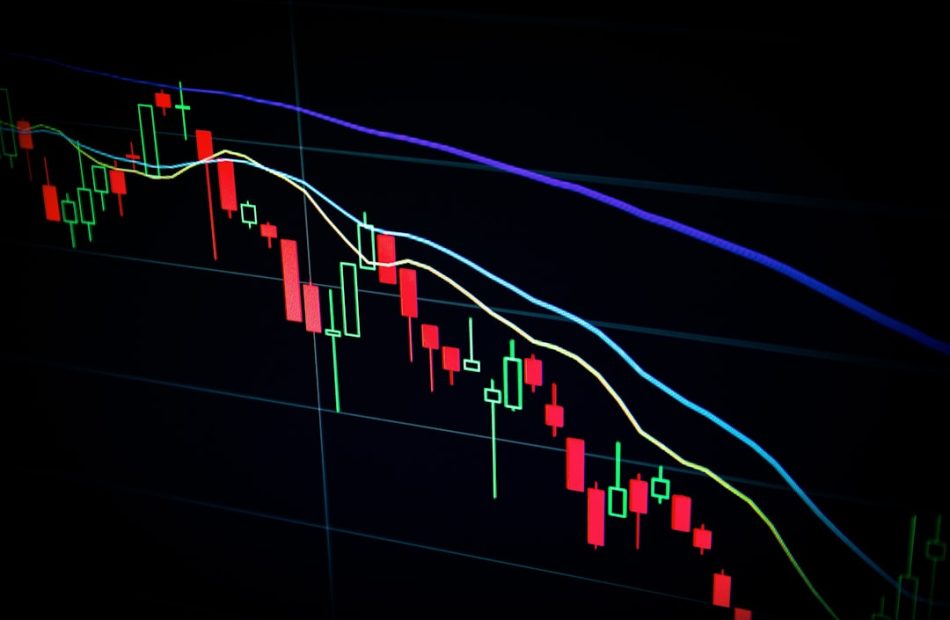
You just took a painful loss. Maybe you were stopped out on a trade that should have worked. Or you missed a massive move because you hesitated. Now, your palms are sweating. You feel a burning need to ‘get it back’—to make the market pay for what it did to you. That’s revenge trading. And if left unchecked, it will destroy your account faster than any bad setup ever could.
Before we dive into the psychology, let’s get one thing straight: the market doesn’t care about your feelings. It’s a chaotic, emotionless machine. When you trade out of anger or frustration, you’re not trading a strategy—you’re trading your ego. And that’s a losing game.
How It Works
Revenge trading usually follows a predictable pattern:
1. The Trigger: You take a loss (or a series of small losses).
2. The Emotional Spike: You feel anger, frustration, or a sense of injustice.
3. The Impulsive Re-entry: You immediately place a new trade—often larger than your normal size—to ‘win back’ the lost money.
4. The Consequence: You ignore your rules. You skip your usual confirmation signals. You enter without a clear stop-loss or take-profit plan.
5. The Outcome: The trade either fails again (deepening the hole) or works by pure luck, which reinforces the dangerous habit.

The Setup (The Mental Trap)
The ‘setup’ for revenge trading isn’t a chart pattern—it’s a mindset. You’ll know you’re falling into the trap when you hear yourself thinking:
- ‘I need to make that back right now.’
- ‘The market owes me for that last one.’
- ‘I’ll just double down and win it all back in one trade.’
These thoughts are red flags. They signal that your prefrontal cortex (the rational part of your brain) has been hijacked by your amygdala (the emotional, fight-or-flight center). Once that happens, your trading plan goes out the window.
How to Break the Cycle
Here’s your step-by-step escape plan:
1. Step Away Immediately: After any loss, physically move away from your screen. Stand up. Walk around for 5–10 minutes. Let your heart rate come down.
2. Journal the Emotion: Write down exactly how you feel. ‘I’m angry because I missed the breakout.’ Naming the emotion reduces its power.
3. Revisit Your Rules: Read your trading plan out loud. Remind yourself that one trade does not define your success. Your edge comes from following the process over hundreds of trades.
4. Reduce Position Size (or Stop Trading): For the next 3–5 trades, cut your normal position size in half. If you can’t follow your plan with half size, you’re not ready to trade full size.
5. Set a ‘Cool-Off’ Rule: Make a hard rule: after any losing trade, you must wait at least 30 minutes before placing another trade. No exceptions.
Risk Management
Risk management isn’t just about stop-losses and position sizing—it’s about managing your emotional risk. Revenge trading is a risk management failure before you even click ‘buy’ or ‘sell.’
Here’s how to protect yourself:
- Pre-Trade Ritual: Before every trade, take three deep breaths. Ask yourself: ‘Am I entering this trade because of my strategy, or because of my last loss?’
- Daily Loss Limit: Set a hard maximum loss per day (e.g., 2% of your account). Once you hit it, you’re done for the day. No exceptions.
- Accountability Partner: Share your trades with a trusted mentor or fellow trader. Tell them: ‘If I try to revenge trade, call me out.’
Remember: the market will always be here tomorrow. Your capital won’t if you keep trying to get even. The best traders don’t avoid losses—they accept them as the cost of doing business, and they move on without letting their emotions take the wheel.
Conclusion
Revenge trading is the fastest way to turn a small loss into a blown account. It’s not a strategy—it’s a psychological hijack. The next time you feel that hot surge of anger after a loss, pause. Take a walk. Breathe. Your future self (and your P&L) will thank you.
Trade the plan, not the emotion. You’ve got this.