
Carbon Credits: How Tokenization is Fixing the Market
Carbon credits have long been a cornerstone of global climate finance, allowing companies and individuals to offset emissions by funding verified environmental projects. Yet the traditional carbon market is plagued by opacity, double counting, and illiquidity. Tokenization—the process of representing real-world assets on a blockchain—is emerging as a powerful solution to these problems. By bridging the gap between off-chain environmental projects and on-chain digital tokens, tokenized carbon credits offer transparency, fractional ownership, and 24/7 liquidity. This guide explores how this innovation works, its investment potential, and the risks involved.
Off-Chain vs. On-Chain: The Core Difference
In the traditional (off-chain) carbon market, credits are issued by registries such as Verra or Gold Standard. Each credit represents one metric ton of CO₂ equivalent reduced or removed. These credits are tracked in centralized databases, making verification slow and prone to fraud. On-chain tokenization takes these verified credits and mints a corresponding digital token—often an ERC-20 or similar standard—on a blockchain. The token is backed by the underlying credit held in a Special Purpose Vehicle (SPV) or a custodian. Oracles (e.g., Chainlink) provide real-time data on credit retirement and pricing, ensuring the on-chain supply matches the off-chain reality. This creates a transparent, immutable record of ownership and retirement, eliminating double counting and enabling instant trading.
How Tokenization Works: Technical Process
1. Project Verification & Credit Issuance
A carbon project (e.g., reforestation, renewable energy) is certified by a standard like Verra. Credits are issued and registered in the off-chain registry.
2. Special Purpose Vehicle (SPV) Setup
An SPV legally holds the credits in trust. This entity ensures that each token is fully backed by a real credit, reducing counterparty risk.
3. Token Minting
The SPV authorizes a smart contract to mint tokens (e.g., 1 token = 1 credit). The token contract is audited and deployed on a blockchain like Ethereum or Polygon.
4. Oracle Integration
Oracles feed data—such as credit retirement events and market prices—into the smart contract. This keeps the on-chain representation accurate and trustworthy.
5. Trading & Retirement
Tokens can be traded on decentralized exchanges (DEXs) or specialized marketplaces. When a buyer wants to offset emissions, they can ‘retire’ the token by sending it to a burn address, permanently removing it from circulation. The retirement is recorded on-chain and linked to the off-chain registry.
Investment Analysis: Pros, Cons, and Risks
Pros
- Transparency: Every transaction and retirement is visible on the blockchain, reducing fraud.
- Liquidity: Fractional ownership and 24/7 trading make it easier to enter and exit positions.
- Accessibility: Retail investors can buy small fractions of high-quality credits that were previously only available to institutions.
- Programmability: Smart contracts can automate retirement, compliance, and even create carbon-backed stablecoins.
Cons
- Regulatory Uncertainty: Carbon credits are not uniformly regulated across jurisdictions. Tokenized versions may face securities or commodity laws.
- Smart Contract Risk: Bugs or exploits in the minting or retirement contracts could lead to loss of funds.
- Verification Dependency: The quality of the token depends entirely on the underlying off-chain credit. If the project is fraudulent, the token is worthless.
- Market Volatility: Carbon credit prices can fluctuate based on policy changes, demand, and project performance.
For a broader market view, check out our analysis on Zcash Orchard Exploit Explained: What the ZEC Counterfeiting Bug Means for Privacy Coins. Investors often compare this to Art and Collectibles: Fractional Ownership Explained.
Tool Recommendation
To analyze tokenized carbon credit markets and track price trends, reliable charting tools are essential. For the best charting tools to spot this pattern, try Bitget. Bitget offers advanced charting, real-time data, and a user-friendly interface for both spot and derivatives trading. It is a trusted platform for monitoring RWA tokens and carbon credit pairs.
FAQ Section
What is a tokenized carbon credit?
A tokenized carbon credit is a digital token on a blockchain that represents ownership of one verified carbon credit (1 metric ton of CO₂ reduction). The token is backed by a credit held in a legal SPV and can be traded or retired on-chain.
How do I retire a tokenized carbon credit?
Retirement is done by sending the token to a designated burn address or using a smart contract function that permanently removes the token from circulation. The retirement event is recorded on-chain and linked to the off-chain registry, ensuring the credit cannot be reused.
What are the main risks of investing in tokenized carbon credits?
The main risks include regulatory uncertainty (the token may be classified as a security), smart contract vulnerabilities, reliance on the integrity of the underlying carbon project, and market price volatility. Always verify the project’s certification and the token’s audit history.
Conclusion
Tokenization is not a cure-all for the carbon market’s challenges, but it offers a compelling path toward transparency, liquidity, and democratization. By combining blockchain’s immutable ledger with rigorous off-chain verification, tokenized carbon credits can restore trust and attract new capital to climate solutions. However, investors must remain vigilant about regulatory developments and project quality. As the ecosystem matures, tokenized carbon credits could become a mainstream asset class for both impact investors and speculators. The key is to start small, use reputable platforms, and always verify the underlying asset.
Bitcoin Price Forecast Explained: Why Standard Chartered Still Sees $100,000
Did you know Bitcoin briefly fell below $60,000 in mid-2025, only to rebound within days? For many crypto users, such sharp drops raise a critical question: is this the end of the bull run or just a temporary dip? When Standard Chartered’s head of digital assets research, Geoffrey Kendrick, called Bitcoin’s drop to $59,000 the “likely low” for the current cycle, it sent a clear signal to the market. Despite the selloff, the bank maintained its year-end targets of $100,000 for Bitcoin and $4,000 for Ethereum. This guide explains the reasoning behind institutional price forecasts, what forced selling means for retail investors, and how to interpret analyst predictions without getting caught in market noise. You’ll learn the key factors that drive professional price targets and how to evaluate them for your own strategy.
Read time: 10-12 minutes
Understanding Institutional Price Targets for Beginners
An institutional price target is a financial forecast made by a major bank or investment firm predicting where an asset’s price will be at a specific future date. Think of it like a weather forecast for the crypto market—it’s an educated prediction based on current data, historical patterns, and expected future conditions, not a guaranteed outcome.
Why do institutions like Standard Chartered create these targets? They serve several purposes: guiding client investment strategies, signaling market confidence, and providing a framework for risk assessment. In the crypto world, where volatility is high and retail sentiment can swing wildly, institutional targets offer a professional benchmark. A real-world example is when Standard Chartered maintained its $100,000 Bitcoin target after the selloff to $59,000. This wasn’t a random number—it was based on analysis of ETF flows, institutional demand, and historical cycle patterns.
The Technical Details: What Drives Institutional Bitcoin Price Forecasts
Analysts like Geoffrey Kendrick don’t pull price targets out of thin air. They use a structured framework based on several key components:
1. ETF Flow Analysis: Spot Bitcoin ETF inflows and outflows are a primary indicator. Consistent inflows suggest strong institutional buying pressure. During the recent selloff, U.S. funds saw heavy outflows, which Kendrick identified as a temporary stress factor.
2. Liquidity Conditions: Forced selling—when investors must sell assets to meet margin calls or raise cash—can create artificial price drops. Kendrick linked the selloff to liquidity stress, including cash demand around major events like the SpaceX IPO.
3. On-Chain Metrics: Data from the blockchain itself, such as wallet activity, exchange balances, and transaction volumes, helps analysts gauge market health. For example, a drop in exchange balances often signals holders are moving coins to cold storage (a bullish sign).
4. Macroeconomic Context: Broader economic factors (interest rates, inflation, regulatory news) influence risk appetite. The note also considered institutional demand from companies like MicroStrategy.
Why this structure matters for you: Understanding these drivers helps you separate genuine market signals from noise. When an analyst makes a bold prediction, you can ask: “What data supports this?”
Current Market Context: Why This Matters Now
As of mid-2025, the crypto market is navigating a complex landscape. After Bitcoin’s sharp decline toward $59,000, Standard Chartered’s decision to hold its $100,000 target was a notable vote of confidence. Here’s the context:
- Bitcoin’s Price Action: BTC fell from higher levels to near $59,000 before rebounding to roughly $63,500. Ethereum traded near $1,665, well below its $4,000 target.
- ETF Flows: U.S. Spot Bitcoin ETFs experienced heavy outflows during the selloff, which weakened the institutional bid that had previously supported prices.
- Liquidity Events: The SpaceX IPO window created cash demand across risk assets, including crypto. Synthetic SpaceX-linked markets also drew trading volume during this period.
- Institutional Demand: Market participants closely watched whether Michael Saylor’s company (MicroStrategy) would continue absorbing Bitcoin supply, as its purchases have been a significant demand factor.
Why the timing matters: The selloff tested the resilience of institutional conviction. Kendrick’s decision to maintain targets suggests he views the drop as a cyclical low—not the start of a prolonged downtrend. This distinction is crucial for investors trying to decide whether to buy the dip or wait for further declines.
Competitive Landscape: How Standard Chartered’s Forecast Compares
Standard Chartered isn’t the only institution with a price target. Here’s how its forecast stacks up against others:
| Feature | Standard Chartered | Average Analyst Consensus | Retail Sentiment (e.g., CoinMarketCap) |
|---|---|---|---|
| Bitcoin Year-End Target | $100,000 | $80,000 – $120,000 | $95,000 |
| Ethereum Year-End Target | $4,000 | $3,500 – $5,000 | $3,800 |
| Primary Bull Case | ETF inflows, institutional demand | Halving cycle, regulatory clarity | Social media hype, “number go up” |
| Primary Bear Case | Liquidity stress, weak ETF flows | Regulatory crackdown, recession | Fear of a crypto winter |
| Time Horizon | Short-term (end of year) | Mixed | Very short-term (days/weeks) |
| Methodology | Fundamental + flow analysis | Technical + fundamental | Sentiment-based, often emotional |
Key Differentiator: Standard Chartered’s call is notably bullish relative to the recent selloff. While many analysts might downgrade after a drop, Kendrick doubled down, arguing the bottom is in. This makes the forecast a “contrarian” bet that will be validated or invalidated by future ETF flows and institutional demand.
Practical Applications: Real-World Use Cases of Price Targets
Understanding institutional price targets can help you in several concrete ways:
- Portfolio Strategy: If a target aligns with your own research, it can reinforce your conviction to hold during dips. Conversely, if a target seems unrealistic, it might signal excessive optimism to avoid.
- Risk Management: Targets provide a framework for setting profit-taking levels. For example, if an analyst sees $100,000, you might plan to sell a portion at $90,000 to reduce risk.
- Timing Decisions: Analysts often tie targets to specific catalysts (e.g., ETF flows returning). You can watch for those same catalysts to inform your own entry or exit timing.
- Education: Learning why an analyst makes a call teaches you about market mechanics. You can use the same frameworks (ETF flows, on-chain data) for your own analysis.
Beneficiaries: Long-term investors, swing traders, and anyone trying to navigate crypto volatility.
Risk Analysis: Expert Perspective
While institutional price targets are useful, they come with significant risks and limitations.
Primary Risks:
1. Over-Reliance on Forecasts: No analyst can predict the future. Markets can be irrational much longer than predicted. Relying solely on a $100,000 target could lead to holding through a deeper crash.
2. Conflict of Interest: Banks may have incentive to talk up assets they hold or want clients to buy. Always consider the source’s potential bias.
3. Rapidly Changing Conditions: The analysis is based on current data. A sudden regulatory change, macro shock, or black swan event can invalidate any forecast overnight.
Mitigation Strategies:
- Use Targets as Inputs, Not Outcomes: Combine analyst forecasts with your own research and risk tolerance.
- Diversify: Don’t bet everything on one asset or one timeframe.
- Set Stop-Losses: Protect yourself from downside, regardless of what analysts say.
Expert Consensus: Most financial professionals recommend treating price targets as one of many data points, not as a guarantee. The most successful investors focus on process (understanding the market) rather than outcome (hoping for a specific price).
Future Outlook: What’s Next
Kendrick listed several markers that would confirm his recovery thesis:
- Bitcoin holding above $59,000 (i.e., no lower low)
- ETF inflows returning to positive territory
- Institutional demand from companies like MicroStrategy stabilizing
- Ethereum regaining relative strength against Bitcoin (ETH/BTC ratio increasing)
Planned Catalysts: The next key test will be whether Spot Bitcoin ETF flows recover in coming weeks. If they do, it would support the “cycle bottom” narrative. Conversely, continued outflows would weaken the case.
Speculation vs. Confirmation: It’s important to distinguish between what is confirmed (the analyst’s opinion) and what is speculative (whether he is right). The actual price outcome will depend on factors no one can fully predict: regulatory decisions, macroeconomic shifts, and market psychology.
Key Takeaways
- Institutional price targets like Standard Chartered’s $100,000 Bitcoin forecast are based on specific data points (ETF flows, liquidity conditions, institutional demand), not just optimism.
- The recent selloff was attributed to temporary forced selling and weak ETF flows, which the analyst believes marked the cycle low.
- Ethereum’s $4,000 target depends on factors like stablecoin adoption and on-chain activity, alongside broader market recovery.
- Price targets should be used for context, not as guarantees—always combine with your own research and risk management strategy.
,
“datePublished”: “2026-06-13T06:02:29.665-04:00”,
“dateModified”: “2026-06-13T06:02:29.665-04:00”,
“mainEntity”: {
“@type”: “Thing”,
“name”: “Institutional Bitcoin Price Forecast”
}
}

Master the Clouds: A Beginner’s Guide to the Ichimoku Cloud Strategy
Imagine having a single chart indicator that tells you where support and resistance lie, what the trend is, and when momentum is shifting — all at a glance. That’s the power of the Ichimoku Cloud. It might look intimidating at first with its five lines and colored cloud, but once you break it down, it becomes one of the most versatile tools in your trading toolkit. In this guide, we’ll walk through how to read the cloud, set up your trades, and manage risk like a pro.
How It Works
The Ichimoku Cloud (or Ichimoku Kinko Hyo) is a comprehensive technical indicator developed by Japanese journalist Goichi Hosoda. It consists of five components:
- Tenkan-sen (Conversion Line): (9-period high + 9-period low) / 2. Think of it as a short-term moving average.
- Kijun-sen (Base Line): (26-period high + 26-period low) / 2. This is the medium-term trend line.
- Senkou Span A (Leading Span A): (Tenkan-sen + Kijun-sen) / 2, plotted 26 periods ahead.
- Senkou Span B (Leading Span B): (52-period high + 52-period low) / 2, plotted 26 periods ahead.
- Chikou Span (Lagging Span): Current closing price plotted 26 periods behind.
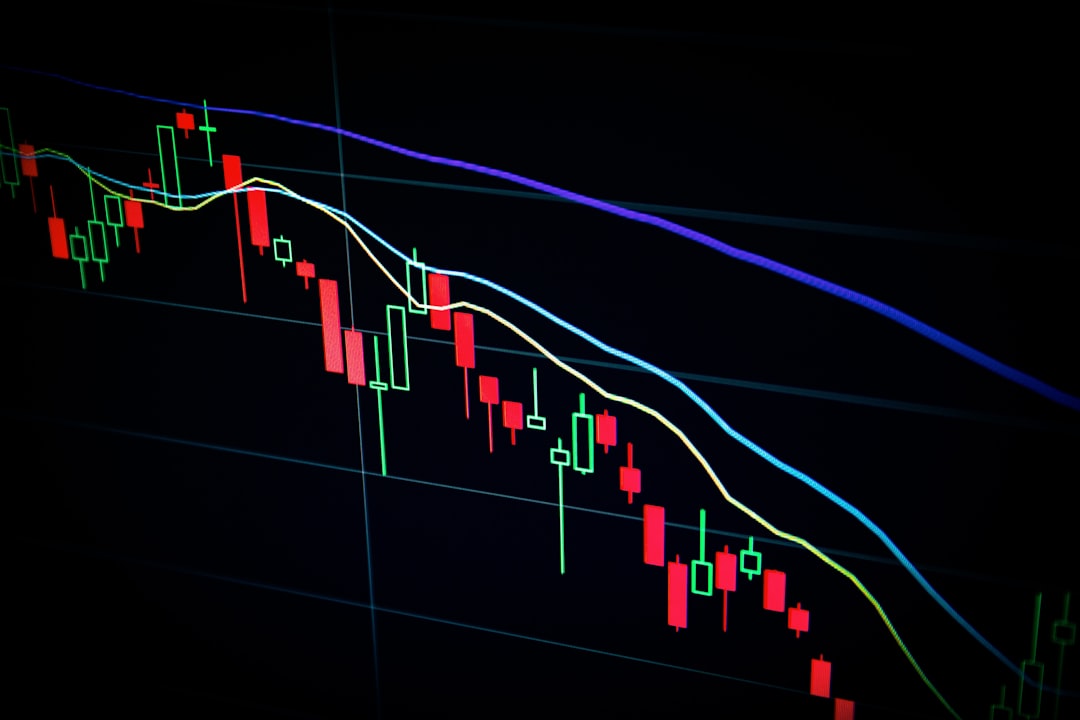
The area between Senkou Span A and Senkou Span B forms the cloud (Kumo). When Span A is above Span B, the cloud is bullish (green/blue). When Span A is below Span B, the cloud is bearish (red/pink).
The Setup: A Simple Bullish Trade
Let’s use a long trade example on a daily chart:
1. Check the Cloud Color: Look for a green cloud (bullish). This tells you the larger trend is up.
2. Price Above the Cloud: Wait for price to be trading above the cloud. This confirms bullish momentum.
3. Conversion Line Cross: The Tenkan-sen should cross above the Kijun-sen. This is a short-term bullish signal.
4. Lagging Span Confirmation: The Chikou Span should be above the price action from 26 periods ago. This confirms the strength of the move.
5. Entry: Enter on the next candle close after all conditions are met.
For a bearish trade, reverse these conditions: red cloud, price below the cloud, Tenkan-sen below Kijun-sen, and Chikou Span below price.
Risk Management
No strategy is complete without protecting your capital. Here’s how to manage risk with the Ichimoku Cloud:
- Stop Loss: Place your stop loss just below the cloud (for longs) or just above the cloud (for shorts). The cloud acts as dynamic support or resistance.
- Position Sizing: Never risk more than 1-2% of your account on a single trade. Calculate your position size based on the distance from entry to stop loss.
- Trailing Stops: As the trade moves in your favor, trail your stop along the cloud’s edge. If the cloud starts to flatten or change color, tighten your stop.
- Avoid Trading in Thin Cloud: When the cloud is very narrow (flat market), wait for it to expand. A narrow cloud often signals a range-bound market with low directional conviction.
Conclusion
The Ichimoku Cloud is a complete trading system in one glance. It removes the guesswork by combining trend, momentum, and support/resistance into a single visual. Start by practicing on a demo account — focus on the cloud color and price position first. Once you’re comfortable, add the cross signals. Remember, patience is key: wait for all components to align before pulling the trigger. Master the clouds, and you’ll see the market with new clarity.
Using Etherscan: Tracking Whales and Verifying Transactions – The Ultimate Guide
Introduction
Etherscan is the leading blockchain explorer for Ethereum, offering a transparent window into on-chain activity. Whether you’re a retail investor trying to follow whale movements or a developer verifying a transaction, Etherscan provides the tools you need. This guide will walk you through the essential features for tracking large holders (whales) and verifying transactions, helping you make informed decisions in the crypto space.
Key Concepts
1. What is Etherscan?
Etherscan is a block explorer and analytics platform for the Ethereum blockchain. It allows users to search for transactions, addresses, tokens, and smart contracts. It’s free to use and provides real-time data on the Ethereum network.
2. Tracking Whales
Whales are individuals or entities holding large amounts of cryptocurrency. On Etherscan, you can track whale activity by:
- Top Token Holders: Go to the token’s page and click on “Holders” to see the largest wallets.
- Whale Alerts: Use third-party tools or Etherscan’s own watchlist feature to monitor large transactions.
- Transaction Analysis: Look for transactions with high ETH or token values, often flagged by Etherscan’s “Whale Alert” label.
3. Verifying Transactions
To verify a transaction on Etherscan:
- Enter the transaction hash (TXID) in the search bar.
- Check the status (Success, Pending, or Failed).
- Review the sender, receiver, amount, and gas fees.
- Confirm the block number and timestamp for accuracy.
Pro Tips
- Use the Watchlist: Add wallet addresses to your Etherscan watchlist to get email alerts for incoming/outgoing transactions.
- Check Internal Transactions: Some whale movements occur via smart contracts. Use the “Internal Txns” tab to see them.
- Analyze Token Approvals: Use Etherscan’s “Token Approvals” feature to see if a whale has approved a contract to spend tokens, which can signal upcoming activity.
- Cross-Reference with DEX Data: Combine Etherscan data with decentralized exchange (DEX) charts to spot accumulation or distribution patterns.
FAQ Section
Q: Is Etherscan free to use?
A: Yes, Etherscan is free for basic use. Advanced features like API access and custom alerts may require a paid plan.
Q: How can I find whale wallets?
A: Use the “Holders” tab on any token page, or search for known whale addresses on platforms like WhaleStats.
Q: Can I verify a transaction before sending funds?
A: Yes, you can check the recipient’s address history and transaction count on Etherscan to ensure it’s legitimate.
Q: What does a failed transaction mean?
A: A failed transaction means the transaction did not execute successfully, often due to insufficient gas, slippage, or contract errors. You can still see the details on Etherscan.
Conclusion
Etherscan is an indispensable tool for anyone involved in Ethereum. By mastering whale tracking and transaction verification, you can gain valuable insights into market sentiment and protect yourself from scams. Start exploring Etherscan today and take control of your on-chain research.
For more details on this, check out our guide on What is Impermanent Loss? Liquidity Providing Explained.
You might also be interested in reading about How to Read a Smart Contract Audit Report: A Complete Guide for Crypto Investors.
How to Participate in Governance Proposals (DAOs): A Complete Guide
Decentralized Autonomous Organizations (DAOs) are reshaping how communities make decisions in the crypto space. By holding governance tokens, you gain the power to vote on proposals that determine a project’s future — from treasury allocations to protocol upgrades. This guide walks you through everything you need to know to participate effectively in DAO governance.
Key Concepts
- Governance Tokens: Tokens (e.g., UNI, COMP, MKR) that grant voting rights in a DAO. The more you hold or stake, the more influence you have.
- Proposals: Formal suggestions for changes, such as adjusting fees, funding grants, or upgrading smart contracts. Proposals often require a minimum token threshold to submit.
- Voting Mechanisms: Common methods include token-weighted voting (one token = one vote), quadratic voting (to reduce whale dominance), and delegation (assigning votes to a trusted party).
- Quorum: The minimum percentage of total voting power that must participate for a vote to be valid. Without quorum, proposals fail.
- On-Chain vs. Off-Chain Voting: On-chain votes are recorded on the blockchain (e.g., via Snapshot with a follow-up execution), while off-chain votes (e.g., Snapshot without on-chain execution) are used for signaling.
Pro Tips
- Start small: Join a DAO with low barriers to entry, like Uniswap or Aave, to practice voting on non-critical proposals.
- Use delegation: If you lack time to research every proposal, delegate your voting power to a trusted community member or a delegation platform like Agora or Boardroom.
- Monitor gas fees: On Ethereum, voting can be expensive during congestion. Consider DAOs on Layer 2 solutions (e.g., Arbitrum, Optimism) for cheaper participation.
- Read proposal discussions: Before voting, review forums (e.g., Discourse) and Discord channels to understand the rationale and potential impact.
- Stay active: Some DAOs reward active voters with airdrops or bonus tokens. Participation can also build your reputation in the community.
FAQ Section
Do I need to hold tokens to vote?
Yes, in most DAOs you need to hold governance tokens in your wallet. Some DAOs also allow delegation without holding tokens directly.
Can I lose money by voting?
Voting itself doesn’t cost money beyond gas fees, but poor governance decisions can reduce the value of your tokens. Always research proposals thoroughly.
What is a governance attack?
A governance attack occurs when a malicious actor accumulates enough tokens to pass harmful proposals, such as draining the treasury. Many DAOs have safeguards like timelocks and veto power.
How do I find active proposals?
Use platforms like Snapshot.org, Tally.xyz, or Boardroom.io to browse proposals across hundreds of DAOs.
Conclusion
Participating in DAO governance is a powerful way to shape the future of decentralized projects. By understanding key concepts, following pro tips, and using the right tools, you can become an informed and influential voter. For more details on this, check out our guide on Ethereum vs Solana Ratio Trading: How to Profit from the Layer-1 Battle. You might also be interested in reading about Tax Loss Harvesting in Crypto: A Guide for Traders. Start small, stay engaged, and help build the decentralized economy.
Tokenized Real Estate: How to Invest with $50
Tokenized real estate is a groundbreaking application of Real World Assets (RWAs) that allows investors to buy fractional ownership in income-producing properties through blockchain-based tokens. Unlike traditional real estate, which requires large capital outlays and offers limited liquidity, tokenized real estate enables you to start with as little as $50. This guide explains the off-chain vs. on-chain difference, how the technology works, the risks and rewards, and where to trade these tokens efficiently.
What Is Tokenized Real Estate?
Tokenized real estate represents a property’s value as digital tokens on a blockchain. Each token corresponds to a fractional share of the underlying asset, entitling the holder to a proportional share of rental income, appreciation, and voting rights. The key distinction is the off-chain vs. on-chain difference: the physical property (off-chain) is held by a Special Purpose Vehicle (SPV) or trust, while the tokens (on-chain) represent ownership rights. Oracles feed real-world data—such as property valuations and rental yields—onto the blockchain to ensure transparency and accuracy.
How It Works: The Technical Process
The process involves several steps to bridge traditional real estate with decentralized finance (DeFi):
- Tokenization: A property is selected, and its legal ownership is transferred to an SPV. The SPV issues a fixed number of tokens (e.g., 1,000,000 tokens for a $1,000,000 property).
- Smart Contracts: Tokens are minted on a blockchain (often Ethereum or a layer-2 solution) using ERC-20 or similar standards. Smart contracts automate dividend distribution, voting, and secondary market trading.
- Oracles: Decentralized oracles (e.g., Chainlink) provide verified data on property appraisals, rental income, and market conditions to the smart contract.
- Secondary Trading: Investors can buy or sell tokens on compliant exchanges, providing 24/7 liquidity—a stark contrast to traditional real estate’s illiquidity.
Investment Analysis: Pros, Cons, and Risks
Tokenized real estate offers compelling advantages but also carries unique risks. Here’s a balanced view:
Pros
- Low Entry Barrier: Start with $50 instead of tens of thousands of dollars.
- Liquidity: Trade tokens 24/7 on secondary markets, unlike traditional property sales that take months.
- Diversification: Spread capital across multiple properties, geographies, and asset classes.
- Transparency: All transactions and ownership records are immutable on the blockchain.
Cons
- Regulatory Uncertainty: Securities laws vary by jurisdiction; tokens may be classified as securities, requiring compliance.
- Smart Contract Risk: Bugs or exploits in the token contract could lead to loss of funds.
- Valuation Challenges: Off-chain property valuations rely on oracles, which can be manipulated or delayed.
- Limited Track Record: The asset class is still nascent; data from RWA.xyz shows total RWA market cap is under $15 billion as of early 2025.
Key Risks
- Regulation: The SEC and other regulators are actively scrutinizing tokenized securities. Non-compliance could halt trading.
- Market Risk: Real estate values can decline, and rental yields may fall short of projections.
- Counterparty Risk: The SPV or property manager may default or act negligently.
For a broader market view, check out our analysis on Protecting Satoshi’s Bitcoin: How Quantum-Resistant Crypto Works.
Investors often compare this to Ethereum vs Solana Ratio Trading: The Smart Way to Play the Rivalry.
Tool Recommendation: Where to Trade Tokenized Real Estate
To invest with $50, you need a platform with low fees and access to tokenized real estate tokens. MEXC offers a wide range of RWA tokens, including real estate-backed assets, with competitive trading fees. Low fees are crucial for this strategy, as high costs can erode small investment returns. We recommend MEXC for its user-friendly interface, strong liquidity, and support for fractional real estate tokens. Start trading on MEXC today.
FAQ
Can I really invest in real estate with only $50?
Yes. Tokenized real estate platforms issue tokens representing fractional ownership, so you can buy a small number of tokens for as little as $50. Your share entitles you to proportional rental income and appreciation.
What are the main regulatory risks for tokenized real estate?
The primary risk is that tokens may be classified as securities, requiring registration with regulators like the SEC. Non-compliance can lead to trading halts, fines, or legal action. Always verify the platform’s compliance status.
How do I earn yield from tokenized real estate?
Yield comes from rental income distributed via smart contracts (often as stablecoins or the native token) and from capital appreciation when you sell tokens at a higher price. Some platforms also offer staking or liquidity mining rewards.
Conclusion
Tokenized real estate democratizes access to one of the oldest asset classes, allowing investors to start with just $50 while enjoying liquidity and transparency. However, it is not without risks—regulatory uncertainty, smart contract vulnerabilities, and market fluctuations require careful due diligence. For those willing to navigate these challenges, the RWA sector offers a compelling bridge between TradFi and DeFi. Start small, diversify, and choose a reliable platform like MEXC to minimize costs and maximize opportunities.
Bitcoin Hits Bottom at $59,000 as Crypto Winter Ends, Standard Chartered Analyst Says
June 12, 2026 — Bitcoin has likely reached its cycle bottom at approximately $59,000, marking the conclusion of the latest cryptocurrency downturn, according to Standard Chartered senior market analyst Geoffrey Kendrick. The analyst identified two key catalysts driving the market turnaround: the SpaceX IPO and a potential U.S.-Iran peace deal.
Immediate Details & Direct Quotes
Want to trade this news? Bitget offers professional charting tools and deep liquidity.
Bitcoin touched as low as $59,375 on June 5, representing a 53% decline from its October 6 all-time high of $126,000. As of writing, Bitcoin trades near $64,000.
“Winter is over. Welcome back to crypto Spring,” Kendrick said in a Friday note. The analyst maintains year-end price targets of $100,000 for Bitcoin and $4,000 for Ethereum.
The recent selloff was largely driven by heavy spot Bitcoin ETF redemptions, which exceeded $5.72 billion since the second week of May. Kendrick noted that ETF holders have been liquidating positions to free up cash for the SpaceX IPO.
SpaceX shares began trading on Nasdaq at around $150 Friday and are now approximately 26% above their IPO price. The demand has appeared on digital asset exchanges like Hyperliquid, where SpaceX’s crypto contracts traded with high volume and valuations up to $2.4 trillion.
Market Context & Reaction
The SpaceX IPO launch this Friday may end the specific selling pressure that weighed on Bitcoin markets, Kendrick explained.
A second catalyst involves a potential G7-related peace deal between the U.S. and Iran, which could cap oil prices. Lower oil prices would cool rising U.S. Treasury yields, easing macro pressure on crypto markets. Brent crude fell to about $87 per barrel, while West Texas Intermediate traded around $85 per barrel as President Donald Trump spoke of a likely deal.
However, Trump later reversed course on Truth Social, stating the deal made public was not what had been agreed and warning Tehran’s officials to “get their act together.”
To confirm a durable market floor, Kendrick is monitoring three metrics: an announcement Monday showing Michael Saylor’s Strategy (MSTR) purchased more Bitcoin this week, a return to net-positive daily inflows for U.S. spot Bitcoin ETFs this Friday, and continued declines in international oil prices.
Background & Historical Context
The crypto downturn began after Bitcoin reached its $126,000 all-time high in October 2025, followed by a sustained period of selling pressure. The $59,000 price point represents a correction of over 50% from peak to trough.
Spot Bitcoin ETF outflows accelerated in recent weeks, with total redemptions surpassing $5.7 billion since mid-May. Kendrick characterized this selling as partly tactical—investors liquidating crypto positions to participate in what became one of the year’s most anticipated public offerings.
The SpaceX listing marks a milestone for corporate crypto exposure, as Elon Musk’s company has been closely associated with digital assets through Tesla’s previous Bitcoin holdings and Musk’s public commentary on cryptocurrencies.
What This Means
Kendrick expects Ethereum to outperform Bitcoin in the coming months, supported by renewed corporate treasury buying and positive ETF inflows. The analyst’s $100,000 Bitcoin target suggests significant upside from current levels.
For investors, the key signals to watch include:
– Strategy’s weekly Bitcoin purchases, which would indicate continued corporate adoption
– A sustained return to positive ETF inflows, signaling institutional confidence
– Geopolitical developments affecting oil prices and macro conditions
If these confirmation signals materialize, the $59,000 level could represent a generational buying opportunity. However, investors should conduct their own research and consider market risks, including potential regulatory changes and macroeconomic headwinds.
—
Real World Assets (RWA): How Tokenization Changes Investing
Imagine owning a piece of a Manhattan skyscraper, a rare Picasso painting, or a barrel of premium whiskey — all from your smartphone, with instant liquidity and without needing millions of dollars. This is the promise of Real World Assets (RWA) tokenization. By bridging traditional finance with blockchain technology, tokenization is democratizing access to assets that were once reserved for institutions and ultra-high-net-worth individuals. In this comprehensive guide, we’ll explore what RWAs are, how tokenization works, and why it’s reshaping the investment landscape.
Key Concepts
What Are Real World Assets (RWAs)?
Real World Assets are tangible or intangible assets that exist in the physical world, such as real estate, commodities (gold, oil), art, intellectual property, or even invoices. Tokenization converts the ownership rights of these assets into digital tokens on a blockchain. Each token represents a fractional share of the underlying asset, enabling fractional ownership, easier transferability, and global access.
How Tokenization Works
The process typically involves:
- Asset Selection & Valuation: An asset is identified, legally structured, and professionally appraised.
- Legal Wrapper: A Special Purpose Vehicle (SPV) or legal entity is created to hold the asset, ensuring compliance with securities laws.
- Token Issuance: Digital tokens are minted on a blockchain (e.g., Ethereum, Polygon, or a regulated chain) representing ownership or revenue rights.
- Secondary Trading: Tokens can be traded on decentralized or regulated exchanges, providing liquidity.
Benefits of RWA Tokenization
- Fractional Ownership: Invest in high-value assets with as little as $10.
- Liquidity: Trade tokens 24/7 on global markets, unlike traditional assets that may take months to sell.
- Transparency: All transactions are recorded on an immutable ledger, reducing fraud.
- Global Access: Anyone with an internet connection can invest, bypassing geographical barriers.
- Programmable Compliance: Smart contracts can automate dividends, voting, and regulatory checks.
Pro Tips
- Always verify the legal structure: Ensure the token is backed by a real-world legal claim. Look for audited proof of reserves and SPV documentation.
- Check the oracle mechanism: Reliable price feeds (e.g., Chainlink) are crucial for accurate asset valuation and liquidation events.
- Start with regulated platforms: Use platforms that comply with securities laws in your jurisdiction to avoid legal pitfalls.
- Diversify across asset types: Don’t put all your capital into one tokenized building or commodity. Spread risk across real estate, art, and commodities.
- Understand the exit strategy: Some tokens have lock-up periods or limited secondary markets. Always check liquidity depth before investing.
FAQ Section
What types of assets can be tokenized?
Virtually any asset with clear ownership rights: real estate, fine art, precious metals (gold, silver), commodities (oil, wheat), intellectual property, invoices, bonds, and even carbon credits.
Is RWA tokenization legal?
Yes, but it must comply with securities laws in each jurisdiction. Most legitimate projects use regulated SPVs and adhere to KYC/AML requirements. Always consult a legal professional before investing.
How do I buy tokenized RWAs?
You can buy them on specialized RWA marketplaces (e.g., RealT, Ondo Finance, Maple Finance) or on decentralized exchanges if the tokens are listed. You’ll typically need a crypto wallet and to complete identity verification.
What are the risks?
Key risks include: regulatory uncertainty, smart contract bugs, illiquidity in secondary markets, asset valuation disputes, and counterparty risk if the legal structure is weak.
Can I trade RWAs 24/7?
Yes, if the tokens are listed on a blockchain-based exchange. However, the underlying asset (e.g., a building) still operates in traditional time zones, so price discovery may be limited during off-hours.
Conclusion
Tokenization of Real World Assets is more than a trend — it’s a paradigm shift that merges the stability of traditional investments with the efficiency and accessibility of blockchain. While the space is still maturing, early adopters can benefit from fractional ownership, global liquidity, and transparent governance. As with any emerging market, due diligence is essential: verify legal wrappers, understand the technology, and start small. The future of investing is fractional, borderless, and tokenized — and it’s already here.
For more details on this, check out our guide on Gold-Backed Cryptos vs Physical Gold: Pros and Cons.
You might also be interested in reading about VWAP Day Trading: The Smart Money’s Favorite Tool (Made Simple).
Bitcoin Halving Cycles: The Blueprint for Your Next Big Move
If you’ve been in crypto for more than a few weeks, you’ve heard the term “Bitcoin halving” thrown around like a magic spell. But here’s the truth: it’s not magic—it’s math, history, and a repeatable pattern that has shaped every major bull run since Bitcoin’s inception. And if you learn to read the cycle, you can position yourself ahead of the crowd.
Let’s break down the Bitcoin halving historical cycles in a way that actually helps you trade, not just hype you up.
How It Works
Bitcoin halving is an event programmed into the Bitcoin protocol that cuts the block reward miners receive in half, roughly every four years. This reduces the rate at which new Bitcoin enters circulation. Less supply + steady or rising demand = upward price pressure over time. Historically, halvings have acted as a catalyst for massive price appreciation, though not immediately—the real fireworks usually start months later.
The Setup
Each halving cycle tends to follow a similar rhythm:
1. Pre-Halving Rally (6–12 months before): Speculation builds. Price often rises as traders anticipate the event.

2. The Halving Day: Usually a non-event price-wise. No immediate moon shot.
3. The Accumulation Phase (3–6 months after): Price consolidates or drifts sideways. This is where smart money accumulates while retail loses interest.
4. The Parabolic Phase (12–18 months after halving): Price explodes to new all-time highs, often exceeding the previous cycle’s peak by 3x–10x.
5. The Peak & Bear Market: Euphoria peaks, then a long downtrend begins until the next halving approaches.
For example, the 2012 halving saw Bitcoin go from ~$12 to over $1,100 within a year. The 2016 halving took it from ~$650 to nearly $20,000. The 2020 halving launched the run to $69,000. Each cycle, the percentage gains have diminished, but the pattern remains intact.
Risk Management
Trading halving cycles isn’t a guaranteed path to riches. Here’s how to stay safe:
- Don’t go all-in at the peak of hype. The biggest gains come during the accumulation phase, not when everyone is screaming “halving!”
- Use position sizing. Never risk more than 1–2% of your portfolio on a single trade idea.
- Set stop-losses. Even in a bull cycle, Bitcoin can drop 30–40% during corrections. Protect your capital.
- Take profits along the way. Don’t wait for the exact top. Scale out in chunks as price reaches new highs.
- Ignore the noise. You’ll see countless predictions. Trust the data, not the hype.
Conclusion
The Bitcoin halving cycle is one of the most reliable macro patterns in all of finance. It’s not a crystal ball, but it gives you a framework to plan entries, manage risk, and exit with discipline. The next halving is already on the horizon—study the past, prepare your strategy, and trade the cycle, not the emotion.
Remember: history doesn’t repeat exactly, but it often rhymes. Use that rhyme to your advantage.
CLARITY Act Explained: What New Crypto Rules Mean for Regulation
How do new US crypto laws affect your digital assets? It’s a question on every crypto user’s mind as lawmakers push forward with a major piece of legislation called the CLARITY Act. Senate Banking Committee Chairman Tim Scott recently announced renewed support for this bill, tying it directly to the strength of the US dollar. According to Scott, clear crypto rules could actually increase the global demand for US dollars and Treasuries. For everyday crypto users and investors, understanding this proposed law is crucial—it could determine how you trade, what protections you have, and whether digital asset innovation stays in America. This guide explains the CLARITY Act without the political jargon, shows how stablecoins connect to dollar dominance, and clarifies what’s at stake for your portfolio.
Read time: 8-10 minutes
Understanding the CLARITY Act for Beginners
The CLARITY Act is a proposed US federal law designed to create clear rules for cryptocurrency markets, digital assets, and blockchain-based financial services. Think of it like traffic lights for crypto—right now, different states and agencies have conflicting rules, creating confusion for everyone involved. This bill aims to establish one clear, national set of guidelines.
Why was this created? Digital asset markets have grown from a niche interest to a trillion-dollar ecosystem, but lacking clear federal rules has left investors uncertain about their protections and companies unsure about compliance. Senator Scott argues that clear regulation doesn’t just protect consumers—it also keeps financial innovation within the United States rather than driving it overseas.
A real-world example: today, a stablecoin issuer might face different rules from the SEC, CFTC, and multiple state regulators. The CLARITY Act would streamline this, creating one primary federal framework that answers questions like: “Is this token a security or a commodity?” and “What reserves must stablecoin issuers hold?”
The Technical Details: How the CLARITY Act Actually Works
The legislative process for passing a bill like the CLARITY Act involves several concrete steps:
1. House Passage: The House of Representatives already approved its version of the CLARITY Act in 2025, showing bipartisan support for crypto regulation.
2. Senate Committee Advancement: The Senate Banking Committee advanced its version on June 10, 2026. Chairman Scott is now pushing for full Senate consideration.
3. Full Senate Vote: The bill must pass the entire Senate—a major hurdle requiring 60 votes to overcome potential procedural blocks.
4. Reconciliation: If both chambers pass different versions, they must reconcile differences into identical text through a conference committee.
5. Presidential Signature: The final unified bill goes to the President’s desk for approval or veto.
Flow diagram of the legislative process would be useful here
Why this structure matters for you: This isn’t a quick process. Even with momentum, final enactment could take months or longer. During this time, the crypto market operates under existing rules—meaning continued uncertainty until the bill actually becomes law.
Current Market Context: Why This Matters Now
As of June 2026, the CLARITY Act push comes amid several critical developments. Senator Scott’s announcement specifically linked stablecoin regulation to US dollar strength, stating: “What we’ve already seen with stablecoins is that our dollar dominance is actually increasing.”
The market context is telling. Global stablecoin market capitalization exceeds $150 billion according to recent CoinGecko data, with the largest issuers (Tether’s USDT and Circle’s USDC) holding significant Treasury reserves. Scott noted that stablecoins “require dollars or U.S. Treasuries to back every single penny,” creating natural demand for US financial instruments.
The timing matters for three reasons:
- Regulatory competition: The European Union’s MiCA regulation takes full effect, potentially attracting crypto businesses if the US doesn’t create its own clear framework.
- Consumer protection gaps: Without federal rules, scams and poorly managed projects can operate in regulatory gray areas.
- Innovation pressure: US companies may relocate if rules remain unclear, potentially costing jobs and tax revenue.
Competitive Landscape: How the US Crypto Regulation Compares
The US approach to crypto regulation under the CLARITY Act stacks up against other major jurisdictions:
| Feature | CLARITY Act (US) | MiCA (European Union) | Crypto-Friendly Jurisdictions (e.g., Singapore) |
|---|---|---|---|
| Regulatory Scope | Comprehensive digital asset markets, stablecoins, consumer protections | Stablecoins (EMT/ART classification), crypto asset service providers | Payment services, asset tokenization, exchange licenses |
| Stablecoin Requirements | Mandatory 1:1 reserves in USD or Treasuries | Requires reserves, but allows some flexibility | Varies by license type; typically requires backing |
| Regulatory Body | Primary federal regulator (likely CFTC-led with SEC input) | Coordinated by ESMA and national regulators | Monetary Authority of Singapore (MAS) with clear guidelines |
| Enforcement Status | Proposed (not yet law) | Effective 2024-2025 | Already operational |
| Innovation Approach | Encourages innovation within clear rules | Similar balanced approach | Proactive licensing with sandbox programs |
Why this matters: Investors and businesses are watching which jurisdiction provides the clearest rules with the least friction. The CLARITY Act aims to create a US framework that competes globally while protecting consumers and maintaining dollar dominance.
Practical Applications: Real-World Use Cases
How would the CLARITY Act affect you directly?
- Consumer protection: If passed, the act would require crypto exchanges and wallet providers to meet minimum security standards. You’d have clearer recourse if a platform mishandles your funds.
- Stablecoin transparency: Issuers would need to regularly prove they hold the reserves they claim. This could reduce the risk of stablecoins “breaking the peg”—like the 2023 USDC depeg during the Silicon Valley Bank crisis.
- Tax simplification: Clearer asset classifications could simplify how you report crypto transactions on taxes.
- Market access: Legitimate projects with clear rules could more easily launch and operate in the US, potentially giving you more trustworthy investment options.
Risk Analysis: Expert Perspective
Primary Risks:
1. Regulatory overreach: Some critics worry the CLARITY Act could be too restrictive, potentially crushing innovation for smaller projects that can’t afford compliance costs.
2. Implementation delays: Even if passed, full implementation takes time. Expect a phase-in period for existing businesses to comply.
3. International coordination gap: US rules might not align with other countries, creating friction for global crypto companies.
Mitigation Strategies:
- The bill includes comment periods and rulemaking processes that allow industry input
- Transition periods will help existing businesses adapt gradually
- Bilateral agreements could address international consistency over time
Expert Consensus: Most crypto policy analysts agree that some federal regulation is inevitable and likely beneficial for long-term market stability. The key debate is about the specific details—which agency oversees what, how strict stablecoin rules should be, and whether decentralized applications need the same rules as centralized exchanges.
Future Outlook: What’s Next
The legislative path for the CLARITY Act involves several upcoming milestones:
1. Senate floor vote: Expected in mid-to-late 2026, likely requiring bipartisan support
2. House-Senate reconciliation: If both chambers pass versions, a conference committee merges them (potentially Q3-Q4 2026)
3. Final passage and enactment: Could become law by late 2026 or early 2027 if political momentum holds
Senator Scott has signaled that AI oversight in financial services is also on the Banking Committee’s agenda, suggesting this is part of a broader regulatory push covering both crypto and emerging technologies.
Key Takeaways
- The CLARITY Act aims to create one clear federal framework for crypto regulation, replacing the current patchwork of state and agency rules.
- Stablecoin regulation is a central focus, with the bill requiring dollar or Treasury backing for every stablecoin unit—potentially strengthening US dollar demand.
- The legislative journey still has several hurdles, including full Senate passage, reconciliation with the House version, and presidential approval.
- Consumer protections and market access are key benefits if the bill passes, though implementation will take time and coordination.
,
“datePublished”: “2026-06-12”,
“dateModified”: “2026-06-12”,
“mainEntity”: {
“@type”: “Thing”,
“name”: “CLARITY Act”
}
}