
Ethereum ETF Outflows Explained: What $4.95M Daily Losses Mean for Investors
Did you know that U.S. spot Ethereum ETFs lost nearly $5 million in a single day last week? On June 12, 2025, these investment products recorded $4.95 million in daily net outflows, led by BlackRock’s ETHA fund which saw $4.53 million leave its doors. For crypto investors, this matters because ETF flows are often seen as a barometer of institutional sentiment and market direction. When money flows out, it can signal caution or profit-taking among larger investors.
This guide breaks down what Ethereum ETFs are, why these outflows happened, and what they mean for your portfolio. You’ll learn the mechanics of crypto ETFs, how to interpret flow data, and whether you should be concerned about these recent numbers.
Read time: 8-10 minutes
Understanding Ethereum ETFs for Beginners
An Ethereum ETF (Exchange-Traded Fund) is a financial product that tracks the price of Ethereum without requiring you to buy, store, or manage the cryptocurrency directly. Think of it like a pre-made basket of Ethereum that you can buy and sell on a stock exchange, just like Apple or Amazon shares.
Why were these created? Traditional investors wanted exposure to cryptocurrency without dealing with private keys, exchange hacks, or complex wallet setups. ETFs solve this by offering a regulated, familiar investment vehicle. The U.S. Securities and Exchange Commission (SEC) approved spot Ethereum ETFs in 2024 after years of debate, opening the door for mainstream investors.
A real-world example: Instead of creating a crypto exchange account, buying ETH, and storing it in a hardware wallet, you can simply buy shares of an Ethereum ETF through your existing brokerage account (like Fidelity or Charles Schwab). The ETF provider handles the actual crypto custody and security.
The Technical Details: How Spot Ethereum ETFs Actually Work
Understanding how these funds operate helps you interpret flow data correctly. Here are the key components:
1. Authorized Participants (APs): These are large financial institutions (like Goldman Sachs or Jane Street) that create and redeem ETF shares. They buy or sell large amounts of Ethereum to keep the ETF’s share price closely aligned with ETH’s market price.
2. Creation/Redemption Mechanism: When demand for the ETF is high, APs create new shares by depositing ETH with the fund. When demand drops, they redeem shares for the underlying ETH. This is what causes “inflows” and “outflows.”
3. Custody: The ETF provider (like BlackRock or Fidelity) partners with a crypto custodian (like Coinbase Custody) to securely store the actual Ethereum backing the fund.
4. Sponsor Fee: Each fund charges an annual fee (ranging from 0.15% for Grayscale’s ETH to 2.50% for Grayscale’s ETHE) to cover management, custody, and operational costs.
Why this structure matters: When you see “net outflows,” it means APs redeemed more shares than they created, effectively selling Ethereum back to the market. This creates selling pressure on ETH’s price.
Current Market Context: Why This Matters Now
As of mid-June 2025, Ethereum ETFs have been facing persistent headwinds. The $4.95 million outflow on June 12 continued a trend of negative flows that began earlier in the month. Here’s what the data shows:
| Fund | Net Assets | Daily Flow | Price Change |
|---|---|---|---|
| BlackRock ETHA | $4.75B | -$4.53M | -1.02% |
| Fidelity FETH | $799.31M | -$415K | -1.01% |
| Grayscale ETH | $1.46B | $0 | -0.94% |
| Grayscale ETHE | $1.30B | $0 | -0.96% |
| Bitwise ETHB | $523.40M | $0 | -1.02% |
| 21Shares ETHW | $181.06M | $0 | -1.08% |
Total trading value reached $483.85 million, and net assets across all funds stood at $9.16 billion, representing 4.56% of Ethereum’s total market capitalization.
The timing is notable because Ethereum has been underperforming Bitcoin in recent months. While Bitcoin hit new all-time highs in early 2025, Ethereum has struggled to break above $4,000. This underperformance may be driving some institutional investors to reduce their ETH exposure.
Competitive Landscape: How Ethereum ETFs Compare
The Ethereum ETF market has several key players, each with different strategies:
| Feature | BlackRock ETHA | Fidelity FETH | Grayscale ETHE |
|---|---|---|---|
| Net Assets | $4.75B | $799M | $1.30B |
| Sponsor Fee | ~0.25% | ~0.25% | 2.50% |
| Trading Volume | $355M/day | $30M/day | $30M/day |
| Liquidity | Highest | Moderate | Moderate |
| Best For | Institutional investors | Long-term holders | Existing Grayscale holders |
BlackRock’s ETHA dominates with 52% of total net assets and 73% of daily trading volume. Its low fee and BlackRock’s reputation make it the go-to choice for institutional investors. Fidelity’s FETH offers similar features with slightly less adoption.
Grayscale’s ETHE charges a significantly higher 2.50% fee, which has led to persistent outflows since its conversion from a trust to an ETF in 2024. Most investors prefer lower-cost alternatives.
Why this matters for users: If you’re considering buying an Ethereum ETF, fee structure and liquidity should be your primary considerations. Lower fees mean more of your investment stays invested.
Practical Applications: Real-World Use Cases
How can you use Ethereum ETFs in your portfolio?
- Portfolio Diversification: Add Ethereum exposure without managing a crypto wallet. Ideal for retirement accounts (IRAs, 401(k)s) that can’t hold crypto directly.
- Tax Efficiency: ETFs are traded on traditional exchanges, making tax reporting simpler than direct crypto holdings. Capital gains/losses are reported on standard 1099 forms.
- Institutional Access: If you’re a financial advisor managing client assets, ETFs provide a compliant way to offer crypto exposure.
- Hedging: Use ETF short positions or options (when available) to hedge against Ethereum price declines in your direct holdings.
- Dollar-Cost Averaging: Buy ETF shares regularly (weekly or monthly) to average your entry price without worrying about wallet management.
Security Note: ETF custody is handled by regulated custodians, reducing your risk of losing funds to exchange hacks or personal wallet errors.
Risk Analysis: Expert Perspective
Primary Risks:
1. Tracking Error: The ETF’s price may not perfectly match Ethereum’s price due to fees, creation/redemption lags, or market inefficiencies.
2. Regulatory Risk: The SEC could change ETF rules or custody requirements, potentially impacting fund operations. Under the Howey Test, ETFs are classified as securities, adding regulatory complexity.
3. Fee Drag: High fees (like Grayscale’s 2.50%) significantly reduce returns over time. A $10,000 investment in ETHE loses $250 annually to fees alone.
4. Market Risk: ETF flows reflect sentiment but can amplify price moves. Large outflows can create selling pressure that depresses ETH prices further.
Mitigation Strategies:
- Choose low-fee funds (0.15-0.25%) to minimize drag
- Understand that outflows don’t always predict continued weakness
- Diversify between ETFs and direct holdings if you want full control
Expert Consensus: The current outflows are likely profit-taking and rebalancing rather than a fundamental rejection of Ethereum. However, persistent outflows could signal institutional caution about ETH’s near-term price prospects.
Future Outlook: What’s Next
Looking ahead, several developments could shift Ethereum ETF dynamics:
1. Staking Inclusion: The SEC is reviewing proposals to allow ETF providers to stake underlying ETH for yield. This could attract income-seeking investors and reduce outflows.
2. Options Trading: Approved options on Ethereum ETFs would allow more sophisticated trading strategies, potentially increasing institutional participation.
3. Ethereum Upgrade Impact: The upcoming Pectra upgrade (expected late 2025) could improve Ethereum’s scalability and attract renewed investor interest.
4. Macro Factors: Federal Reserve interest rate decisions and broader market sentiment continue to influence all crypto ETFs.
Speculation Boundary: While analyst predictions vary, most expect Ethereum ETF flows to stabilize once markets digest current uncertainties. Long-term adoption trends remain positive, with total net assets growing from $8B at launch to $9.16B today.
Key Takeaways
- Ethereum ETFs provide regulated, simple exposure to ETH without requiring direct crypto management, making them ideal for retirement accounts and institutional investors.
- Recent $4.95M daily outflows are modest compared to total net assets of $9.16B (just 0.05%), suggesting short-term profit-taking rather than structural issues.
- Fee structures vary dramatically from 0.15% to 2.50%, making fund selection critical for long-term returns.
- BlackRock’s ETHA dominates the market with 52% of net assets and the highest trading liquidity, making it the preferred choice for institutional investors.
,
“datePublished”: “2025-06-13”,
“dateModified”: “2025-06-13”,
“mainEntity”: {
“@type”: “Thing”,
“name”: “Ethereum ETFs”
}
}
Stablecoin Yield Strategies: Low Risk Farming – A Comprehensive Guide
In the volatile world of cryptocurrency, stablecoins offer a safe harbor. But did you know you can earn consistent, low-risk yields on your stablecoins without exposing yourself to the wild price swings of altcoins? This guide explores the best stablecoin yield strategies for low-risk farming, helping you generate passive income while keeping your capital safe.
Key Concepts
1. What Are Stablecoins?
Stablecoins are cryptocurrencies pegged to a stable asset, like the US dollar (USDT, USDC, DAI) or gold (PAXG). They minimize price volatility, making them ideal for yield farming.
2. Yield Farming vs. Staking vs. Lending
Yield farming involves providing liquidity to decentralized finance (DeFi) protocols in exchange for rewards. Staking locks tokens to support a blockchain network. Lending lets you earn interest by supplying stablecoins to borrowers. For low-risk strategies, lending and liquidity provision on established platforms are preferred.
3. Impermanent Loss
When providing liquidity to automated market makers (AMMs), price changes in the paired asset can cause impermanent loss. Using stablecoin-only pools (e.g., USDC/USDT) eliminates this risk.
4. Annual Percentage Yield (APY) vs. Annual Percentage Rate (APR)
APY includes compounding effects, while APR does not. For stablecoin farming, APY is often quoted, but always check the underlying mechanics.
Pro Tips
- Diversify across platforms: Spread your stablecoins across multiple protocols (Aave, Compound, Curve, Yearn) to reduce platform-specific risk.
- Audit and track: Use tools like DeBank or Zapper to monitor your positions and yields in real time.
- Start with blue-chip protocols: Stick to well-audited, battle-tested platforms with large total value locked (TVL).
- Watch for gas fees: On Ethereum, high gas fees can eat into small yields. Consider L2 solutions like Arbitrum or Optimism.
- Reinvest regularly: Compound your yields manually or use auto-compounding vaults to maximize returns.
FAQ Section
Q: What is the safest stablecoin yield strategy?
A: Lending stablecoins on Aave or Compound is considered one of the safest, as these protocols have been audited multiple times and have large liquidity reserves. Yields typically range from 2% to 8% APY.
Q: Can I lose money with stablecoin farming?
A: While the risk is low, it’s not zero. Risks include smart contract bugs, protocol hacks, stablecoin de-pegging, and regulatory changes. Always do your own research and never invest more than you can afford to lose.
Q: How do I start stablecoin farming?
A: First, acquire stablecoins (USDC, USDT, DAI) on a centralized exchange like Binance or Coinbase. Then, transfer them to a non-custodial wallet (MetaMask, Trust Wallet). Finally, connect to a DeFi protocol and choose a lending or liquidity pool.
Q: What are the best platforms for low-risk stablecoin yields?
A: Top platforms include Aave, Compound, Curve Finance (stablecoin pools), Yearn Finance (auto-compounding vaults), and Convex Finance (for boosted CRV rewards).
Q: Are stablecoin yields taxable?
A: In most jurisdictions, yes. Yield farming rewards are considered income or capital gains. Consult a tax professional to understand your obligations.
Conclusion
Stablecoin yield strategies offer a compelling way to earn passive income with minimal risk. By focusing on established protocols, diversifying your positions, and staying informed, you can generate consistent returns while preserving your capital. Remember, no investment is entirely risk-free, but stablecoin farming is one of the safest ways to put your crypto to work.
For more details on this, check out our guide on Bitcoin Layer 2s: Stacks, Lightning, and Runes Guide – Scaling Bitcoin for the Future.
You might also be interested in reading about How to Value DePIN Projects: A Trader’s Guide to the Physical Internet.
Ripple Launches AI Agent Payment Tools for XRP, RLUSD
March 18, 2025 — Ripple has released a developer toolkit enabling artificial intelligence agents to process payments using XRP and RLUSD, entering a machine-payment market where USDC currently dominates with over 120 million cumulative transactions and $41 million in settled volume.
Immediate Details & Direct Quotes
Low fees are crucial when trading breaking news. We recommend MEXC for tight spreads and fast execution.
Ripple announced the XRPL AI Starter Kit this week, a developer toolkit designed to let software agents send, receive, and manage payments on the XRP Ledger with limited human intervention. The launch adds support for x402 payments using XRP and Ripple USD (RLUSD), positioning Ripple in a sector where stablecoin-based transactions account for most activity.
The initial release includes the XRPL Docs MCP Server, allowing AI applications such as Claude Code, Claude Desktop, Cursor, and custom agent frameworks to retrieve XRP Ledger documentation when needed. Ripple also introduced wallet and payment tools for Claude that support wallet creation, balance checks, transaction tracking, and payments.
According to Ripple, AI agents are already being used to pay for computing resources, settle invoices, and complete transactions. The company argued that existing payment systems were built around human approvals and reconciliation processes, making them less suitable for autonomous software that needs transactions to settle automatically.
Market Context & Reaction
Ripple’s announcement highlights the challenge facing XRP and RLUSD as they enter the emerging machine-payment sector. The x402 protocol, originally developed by Coinbase and now maintained by the Linux Foundation’s x402 Foundation, uses the HTTP 402 “Payment Required” response code to allow software agents to make blockchain payments directly within standard web requests.
A Chainalysis report published in early June reveals x402 activity on Base increased from near zero in mid-2025 to more than 100 million cumulative transactions during the first quarter of 2026. Chainalysis noted that part of the sharp increase recorded in late 2025 was linked to PING, a pay-to-mint meme coin project that generated speculative transaction activity.
Additional figures from Web3 Trackers show more than 120 million cumulative x402 transactions and over $41 million in settled USDC volume. Base accounts for roughly 70 million transactions and $21.5 million in volume, while Solana has processed about 45 million transactions worth $16.4 million. The dashboard also reports an average payment size of approximately five cents.
Ripple is promoting the XRP Ledger’s three-to-five-second settlement times, predictable transaction costs, native escrow features, multisignature support, and built-in decentralized exchange as advantages for automated payments. However, Ripple did not disclose any production-scale deployments, transaction volumes, or named customers using XRP or RLUSD for AI-agent payments.
Background & Historical Context
Alongside the AI-focused rollout, Ripple has continued adding payment infrastructure tied to RLUSD and the XRP Ledger. Mastercard recently launched an AI payments network backed by more than 30 companies, including Ripple, Coinbase, and the Solana Foundation. Mastercard also added RLUSD to its stablecoin settlement infrastructure, which supports settlements across networks including Ethereum, Solana, Polygon, Base, Arbitrum, Canton, Tempo, and the XRP Ledger.
Ripple has also integrated Bitso’s Mexican peso-backed stablecoin MXNB into its enterprise payments network. According to Ripple, MXNB and RLUSD will support liquidity and settlement for regulated transactions between the United States and Mexico using blockchain-based payment rails.
Academic researchers have warned that x402 introduces additional risks around payment authorization, proof validation, and synchronization between web services and blockchain transactions, creating technical hurdles that developers must address as machine-to-machine payments expand.
What This Means
Ripple’s entry into AI agent payments signals a strategic push to capture a share of the growing machine-payment market, currently dominated by USDC on Base and Solana. The XRP Ledger’s fast settlement times and built-in features could appeal to developers building autonomous payment systems.
Success will depend on adoption metrics that Ripple has not yet disclosed. The company must demonstrate real-world use cases beyond the initial toolkit release to compete with established x402 infrastructure on competing networks.
Traders and developers should monitor x402 transaction volumes on XRP Ledger in coming months as a measure of adoption. Regulatory developments around stablecoins and machine payments could also influence market dynamics. As always, conduct your own research before making investment decisions based on these developments.
—
Master the VWAP Day Trading Strategy: A Beginner’s Guide to Precision Entries
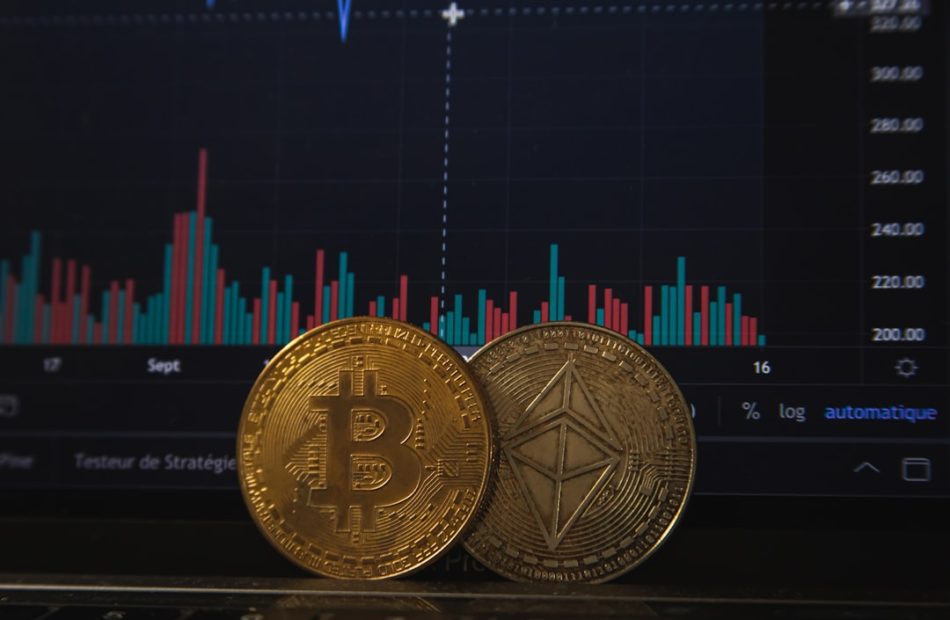
If you’ve ever watched a crypto chart and wondered why price seems to bounce off a certain line like it’s magnetic, you’ve probably seen the VWAP indicator in action. VWAP, or Volume-Weighted Average Price, is one of the most powerful tools in a day trader’s arsenal. It’s not just a line on a chart—it’s a real-time measure of where the market really values an asset, factoring in both price and volume. For beginner to intermediate traders, mastering VWAP can transform your entries and exits from guesswork into a disciplined, data-driven process. In this guide, we’ll break down exactly how to use VWAP for day trading crypto, with clear rules and risk management tips to keep you on the right side of the trade.
How It Works
VWAP is calculated by taking the cumulative total of price multiplied by volume, divided by cumulative volume, for a given period (usually a single trading day). In simple terms: it tells you the average price an asset has traded at, weighted by how much was traded at each price level. Institutions and algorithmic traders use VWAP to execute large orders without moving the market too much. For retail traders, VWAP acts as a dynamic support and resistance level. When price is above VWAP, the market is considered “bullish” (buyers are in control). When price is below VWAP, it’s “bearish” (sellers are in control).
The Setup
To start trading with VWAP, you’ll need a charting platform that includes the indicator (most do—TradingView, Binance, and others have it built-in). Set your chart to a lower timeframe—5-minute or 15-minute works well for day trading. The setup is simple:
1. Identify the trend: If price is consistently above VWAP with rising volume, look for long entries. If price is below VWAP with falling volume, look for short entries.

2. Wait for a retest: Don’t chase price. Wait for price to pull back and touch the VWAP line. This is your potential entry zone.
3. Confirm with volume: Look for a spike in volume as price touches VWAP. This confirms that institutional money is stepping in at that level.
4. Enter the trade: For a long, enter when price bounces off VWAP with a bullish candlestick close. For a short, enter when price rejects VWAP with a bearish close.
Example: Bitcoin is trading at $60,000, and VWAP is at $59,800. Price dips to $59,800, volume surges, and a green candle closes above VWAP. You enter long with a target of $60,200 (a typical 1:2 risk-reward).
Risk Management
No strategy works without solid risk management. Here’s how to protect your capital:
- Stop Loss: Place your stop just below the VWAP line for long trades (or above for shorts). A common rule is 0.5% to 1% below VWAP, depending on volatility. If price closes below VWAP, the bullish bias is invalidated.
- Position Size: Never risk more than 1-2% of your trading account on a single trade. VWAP setups can fail if a major news event hits, so keep size small.
- Profit Targets: Use a 1:2 or 1:3 risk-reward ratio. For example, if your stop is $200 away, aim for a $400 or $600 profit. You can also use the previous day’s high or low as a target.
- Avoid Overtrading: VWAP works best in trending markets. In choppy, sideways action, price can cross VWAP repeatedly—stay out until you see a clear trend.
Conclusion
VWAP is more than just a fancy line—it’s a reflection of where the smart money is trading. By combining VWAP with volume confirmation and disciplined risk management, you can take day trading from emotional to systematic. Start by practicing on a demo account or with small size. Watch how price reacts to VWAP over several sessions. Soon, you’ll see the market in a whole new light—one where every bounce and rejection becomes a potential opportunity. Trade smart, stay patient, and let VWAP guide your decisions.
Art and Collectibles: Fractional Ownership Explained
Art and collectibles have long been the domain of the ultra-wealthy, with masterpieces by Picasso or rare vintage cars trading for millions. But tokenization is changing that. By converting physical assets into digital tokens on a blockchain, fractional ownership allows multiple investors to own a piece of a high-value item. This guide explains how it works, the risks and rewards, and where to start.
What Is Fractional Ownership of Art and Collectibles?
Fractional ownership means dividing a single asset—like a painting, sculpture, or rare watch—into smaller, tradable shares. Traditionally, this was done through private syndicates or investment funds, but blockchain technology makes it transparent, liquid, and accessible to retail investors.
Off-chain vs On-chain: In the traditional (off-chain) model, ownership is recorded in legal contracts and paper certificates. On-chain, the asset is represented by a digital token (often an ERC-20 or ERC-721 standard) that lives on a blockchain like Ethereum. The physical asset is held by a custodian or Special Purpose Vehicle (SPV), and the token gives the holder economic rights—such as a share of future sale proceeds or rental income.
How It Works: The Technical Process
The tokenization of art and collectibles follows a structured process to ensure legal and technical integrity:
- Asset Selection & Valuation: A reputable appraiser values the artwork or collectible. This valuation is used to determine the total token supply.
- Special Purpose Vehicle (SPV): A legal entity (often an LLC or trust) is created to hold the physical asset. This SPV isolates the asset from the platform’s bankruptcy risk.
- Tokenization: Smart contracts on a blockchain mint tokens representing fractional ownership. Each token corresponds to a specific percentage of the SPV’s equity.
- Oracle Integration: Oracles (e.g., Chainlink) provide real-world data—such as insurance status, storage conditions, or auction results—to the smart contract, ensuring transparency.
- Secondary Market Trading: Tokens can be traded on decentralized exchanges (DEXs) or specialized platforms, providing 24/7 liquidity.
Investment Analysis: Pros, Cons, and Risks
Pros
- Accessibility: Invest in a $10 million painting for as little as $50.
- Liquidity: Unlike traditional art, which can take months to sell, tokens can be traded instantly.
- Transparency: All ownership records and transaction history are on-chain and auditable.
- Diversification: Build a portfolio of multiple high-value assets without tying up large capital.
Cons
- Illiquidity Risk: While tokens are tradable, the market for fractional art is still thin. You may not find a buyer at your desired price.
- Valuation Uncertainty: Art is subjective. Appraisals can vary, and market trends can shift rapidly.
- Regulatory Gray Area: In many jurisdictions, fractional tokens may be classified as securities, subjecting them to SEC or equivalent regulations.
Risks
- Smart Contract Risk: Bugs in the token contract could lead to loss of funds. Always audit the platform’s code.
- Custody Risk: The physical asset must be stored securely. If the custodian fails or the asset is damaged, token value may drop to zero.
- Regulatory Risk: Future laws could restrict trading or impose taxes. For a broader market view, check out our analysis on Identity on Chain: KYC and Compliance in DeFi.
Investors often compare this to DePIN Explained: Earning Passive Income with Infrastructure.
Tool Recommendation
If you are looking for altcoin opportunities and smooth trading, try KuCoin. KuCoin offers a wide range of tokenized asset pairs, including emerging RWA tokens, with low fees and strong liquidity. Start trading on KuCoin here.
FAQ
Question: Is fractional ownership of art legal?
Answer: Yes, but it depends on jurisdiction. In the US, tokens representing ownership in an SPV are often considered securities and must comply with SEC regulations. Platforms typically use Reg D or Reg A+ exemptions for accredited or retail investors.
Question: How do I earn returns from fractional art?
Answer: Returns come from two sources: capital appreciation when the asset is sold, and potential rental income (e.g., if the artwork is loaned to museums or galleries). Some platforms also offer staking rewards on the tokens.
Question: What happens if the physical asset is stolen or destroyed?
Answer: The SPV is required to hold insurance. In the event of loss, the insurance payout is distributed to token holders proportionally. Smart contracts can automate this process via oracles.
Conclusion
Fractional ownership of art and collectibles via tokenization is a promising bridge between the traditional art world and decentralized finance. It democratizes access to assets that were once reserved for the elite, while offering transparency and liquidity. However, investors must carefully evaluate platform credibility, legal structures, and market depth. As the RWA ecosystem matures, this asset class could become a staple in diversified portfolios.
Corporate Bitcoin Holdings Explained: What Saylor’s Mag8 Statement Means
Did you know that one in four of the world’s most valuable tech companies now holds Bitcoin on their balance sheets? According to Michael Saylor, Executive Chairman of Strategy (formerly MicroStrategy), 25% of the “Mag8″—a group of the eight largest technology companies—now owns Bitcoin as a corporate treasury asset. This milestone follows SpaceX’s historic IPO, which made Elon Musk the world’s first trillionaire and placed SpaceX among the elite group. For crypto users and investors, this signals a major shift in how major corporations view Bitcoin. This guide explains what corporate Bitcoin holdings are, why companies are adding BTC to their treasuries, and what this trend means for the broader market.
Read time: 8-10 minutes
Understanding Corporate Bitcoin Holdings for Beginners
Corporate Bitcoin holdings refer to Bitcoin that companies own on their official balance sheets as a treasury asset—similar to how a company might hold cash, gold, or government bonds. Think of it like a business deciding to keep some of its savings in gold instead of a bank account. The company buys Bitcoin with its spare cash and holds it as a long-term investment.
Why do companies do this? They’re solving a problem: traditional corporate treasuries often lose value over time due to inflation. Cash sitting in a bank account might earn minimal interest while the purchasing power erodes. Some companies believe Bitcoin offers a better store of value that could appreciate over time.
A real-world example is Strategy (MSTR), which holds 845,256 BTC—making it the largest corporate Bitcoin holder in the world. The company has funded these purchases through debt offerings and stock sales, essentially betting that Bitcoin’s long-term growth will outperform the cost of borrowing.
The Technical Details: How Corporate Bitcoin Treasury Strategies Work
Corporate Bitcoin strategies typically follow a structured approach:
1. Board Approval: The company’s leadership must approve Bitcoin as a treasury asset, often after extensive research and risk assessment.
2. Purchase Method: Companies buy Bitcoin through exchanges (like Coinbase), OTC (over-the-counter) desks, or direct purchases.
3. Custody Solution: Bitcoin must be stored securely—often through dedicated custodians (like Coinbase Custody or BitGo) that provide institutional-grade security.
4. Balance Sheet Accounting: Bitcoin is recorded as an “intangible asset” under US GAAP accounting, meaning its value is written down if prices fall but not marked up until sold.
5. Monitoring & Strategy: Companies may have policies about when to buy more (dollar-cost averaging) or when to sell (if ever).
Why this structure matters: For investors, understanding a company’s Bitcoin strategy helps you evaluate its risk profile. Some companies (like Strategy) are heavily leveraged, while others (like Tesla) hold smaller positions. The custody solution also matters—if a custodian is hacked or files for bankruptcy, the company’s Bitcoin could be at risk.
Current Market Context: Why This Matters Now
As of June 2026, corporate Bitcoin adoption has reached a critical tipping point. The “Mag8″—which includes Alphabet, Amazon, Apple, Meta, Microsoft, Nvidia, Tesla, and now SpaceX—represents some of the most valuable companies in the world. Saylor’s statement that 25% now holds Bitcoin means two of these eight giants are holding BTC.
The catalyst was SpaceX’s historic IPO on June 13, 2026. The space company’s public listing drew over $350 billion in demand against a $75 billion offering, valuing it at approximately $2.1 trillion. SpaceX holds 18,712 BTC (worth roughly $1.2 billion), while Tesla holds 11,509 BTC.
This matters because major tech companies influence market sentiment. When giants like SpaceX and Tesla hold Bitcoin, it signals institutional confidence and can encourage other companies to follow suit. The total corporate Bitcoin holdings across the top 100 treasuries now stands at 1,258,090 BTC—worth tens of billions of dollars.
However, there are concerns. Some analysts warn that companies are “levering up at record rates” to buy Bitcoin, creating potential risk if prices fall. Grayscale has warned that Strategy may face constraints on future purchases if market conditions weaken.
Competitive Landscape: How Corporate Bitcoin Holders Compare
Here’s how the major corporate Bitcoin holders stack up:
| Feature | Strategy (MSTR) | Tesla | SpaceX | Coinbase |
|---|---|---|---|---|
| BTC Holdings | 845,256 BTC | 11,509 BTC | 18,712 BTC | ~9,000 BTC (estimated) |
| Funding Source | Debt, equity, preferred stock | Corporate cash | Corporate cash | Revenue and treasury |
| Strategy Type | Aggressive, leveraged | Conservative, small allocation | Conservative, small allocation | Core business integration |
| Risk Profile | High (leveraged) | Low (small percentage of cash) | Low (small percentage of cash) | Moderate |
| Notable Factor | Largest corporate holder; uses Bitcoin as primary treasury | Bought and sold BTC; accepted payments briefly | Private until recent IPO | Public exchange; holds for operations and investment |
Why this matters: Strategy is the outlier—no other company has bet so heavily on Bitcoin. Most companies (like Tesla and SpaceX) treat it as a small allocation. This suggests most corporations remain cautious, but the fact that two Mag8 members hold any Bitcoin at all signals growing acceptance.
Practical Applications: Real-World Use Cases for Corporate Bitcoin
Why do companies actually hold Bitcoin?
- Inflation Hedge: Companies with large cash reserves (like Tesla) use Bitcoin to protect against fiat currency devaluation. Instead of holding dollars losing 3-5% annually to inflation, they hold an asset with potentially higher returns.
- Treasury Diversification: Just as companies diversify investments across stocks, bonds, and real estate, Bitcoin offers a new, uncorrelated asset class.
- Strategic Bet on Adoption: Some companies (like Strategy) believe Bitcoin will become a global reserve asset and want to position themselves accordingly.
- Customer & Investor Appeal: Holding Bitcoin can attract crypto-savvy customers and investors who view it as progressive and forward-thinking.
- Payment Integration: Some companies (like Tesla temporarily) accept Bitcoin as payment, making it operationally useful.
User segment benefits: Investors benefit by understanding which companies have Bitcoin exposure—this affects stock valuation and risk. Crypto enthusiasts benefit because corporate adoption drives demand and legitimacy.
Risk Analysis: Expert Perspective
Primary Risks:
1. Price Volatility: Bitcoin’s price can swing 20-30% in a month. A company holding large amounts could see its treasury value drop significantly, potentially affecting stock price and investor confidence.
2. Leverage Risk: Strategy has borrowed billions to buy Bitcoin. If Bitcoin’s price falls enough, the company could face margin calls or inability to service debt.
3. Regulatory Risk: Governments could impose restrictions on corporate Bitcoin holdings, particularly if they view it as a threat to monetary sovereignty.
4. Custody Risk: If a custodian is hacked or goes bankrupt, the company could lose its Bitcoin. This is why institutional-grade custody is critical.
Mitigation Strategies:
- Most companies hold Bitcoin through regulated custodians with insurance.
- Companies like Tesla keep Bitcoin as a small percentage of total cash reserves (under 5%).
- Strategy uses long-term debt with no margin calls, avoiding forced liquidation risk.
Expert Consensus: Most financial analysts view corporate Bitcoin holdings as a high-risk strategy. However, proponents like Saylor argue that over a 10+ year horizon, Bitcoin’s appreciation will far exceed the risks.
Beginner’s Corner: Quick Start Guide to Understanding Corporate BTC Holdings
1. Check a company’s balance sheet for “digital assets” or “cryptocurrency” line items (usually in SEC filings or annual reports).
2. Understand the company’s strategy: Is it a small allocation (like Tesla) or a core strategy (like Strategy)?
3. Assess leverage risk: Look for debt used to buy Bitcoin. High debt = higher risk.
4. Monitor crypto market trends: Corporate holdings often correlate with Bitcoin’s price. When Bitcoin rallies, corporate holders benefit.
5. Diversify your research: Don’t invest in a company solely because it holds Bitcoin. Evaluate the business fundamentals first.
Common mistakes to avoid:
- Assuming all corporate Bitcoin holders are equally risky (Strategy is not Tesla).
- Ignoring custody arrangements (custodian risk is real).
- Buying a stock just because the CEO likes Bitcoin.
Where to learn more: Check CryptoSimplified’s guide to reading crypto balance sheets.
Future Outlook: What’s Next
The trend toward corporate Bitcoin adoption is expected to accelerate. As more major companies go public and allocate to Bitcoin, the “network effect” grows—each new holder validates the asset for others.
- More Mag8 Members: Saylor has hinted that he expects more mega-cap tech companies to add Bitcoin to their treasuries. If even one more Mag8 company joins, it would push the percentage to 37.5%.
- Institutional Infrastructure: Custody solutions are improving, making it easier for companies to hold Bitcoin securely. Expect more regulated ETFs and custodians.
- Regulatory Clarity: As more companies hold Bitcoin, regulators may develop clearer guidelines, reducing uncertainty and encouraging further adoption.
- Potential Risks: The biggest risk is a major Bitcoin price crash that forces a leveraged company to sell. This could trigger a cascade effect.
The timeline for broader adoption remains uncertain, but the SpaceX IPO signals that the era of corporate Bitcoin is no longer experimental—it’s becoming mainstream.
Key Takeaways
- 25% of the Mag8 now holds Bitcoin on corporate balance sheets, with SpaceX and Tesla leading the way after SpaceX’s historic IPO.
- Corporate Bitcoin holdings serve as an inflation hedge and treasury diversification tool, but come with significant price volatility and leverage risks.
- Strategy remains the largest corporate Bitcoin holder (845,256 BTC), but its aggressive, leveraged approach differs from more conservative allocations by Tesla and SpaceX.
- Understanding a company’s Bitcoin strategy helps investors evaluate risk, including leverage, custody, and regulatory exposure.
,
“datePublished”: “2026-06-13T11:20:00-04:00”,
“dateModified”: “2026-06-13T12:03:25.983-04:00”,
“mainEntity”: {
“@type”: “Thing”,
“name”: “Corporate Bitcoin Treasury Strategy”
}
}
What Is Impermanent Loss? Liquidity Providing Explained
Impermanent loss is one of the most misunderstood risks in decentralized finance (DeFi). It occurs when you provide liquidity to an automated market maker (AMM) pool and the price of your deposited assets changes compared to when you deposited them. The loss is called “impermanent” because it can disappear if prices return to their original levels — but if you withdraw while prices are different, the loss becomes permanent. This guide breaks down how impermanent loss works, how to calculate it, and how to minimize its impact on your yields.
Key Concepts
- Automated Market Makers (AMMs): Protocols like Uniswap, PancakeSwap, and SushiSwap use mathematical formulas (e.g., x*y=k) to determine asset prices. Liquidity providers deposit two tokens in a fixed ratio to facilitate trading.
- Price Divergence: When the market price of one token rises or falls relative to the other, the AMM rebalances the pool. You end up with more of the depreciated asset and less of the appreciated asset — causing a loss compared to simply holding both tokens.
- Impermanent vs. Permanent: The loss is unrealized until you withdraw. If prices return to your deposit ratio, the loss disappears. If you withdraw at a different ratio, the loss becomes permanent.
- Fees vs. Loss: Trading fees earned from the pool can offset impermanent loss. If fees exceed the loss, you still profit overall.
Pro Tips
- Choose stablecoin pairs (e.g., USDC/DAI) to virtually eliminate impermanent loss.
- Deposit into pools with high trading volume and low volatility to maximize fee income relative to price changes.
- Use impermanent loss calculators (e.g., from DailyDefi or APY.vision) before committing funds.
- Consider concentrated liquidity strategies on platforms like Uniswap v3 to control price ranges and reduce exposure.
FAQ Section
What exactly causes impermanent loss?
It is caused by the AMM’s constant product formula. When external market prices change, arbitrageurs trade against the pool to bring it back in line, shifting the ratio of your deposited tokens.
Can impermanent loss be negative?
No — impermanent loss is always a loss relative to holding. However, trading fees can make your net return positive even with impermanent loss.
How do I calculate impermanent loss?
Use the formula: IL = (2 * sqrt(price_ratio) / (1 + price_ratio)) – 1. For a 2x price change, impermanent loss is about 5.7%; for a 5x change, it’s about 25.5%.
Is impermanent loss the only risk in liquidity providing?
No. Other risks include smart contract bugs, impermanent loss from high volatility, and low trading volume leading to insufficient fee income.
Conclusion
Impermanent loss is a critical concept for anyone providing liquidity in DeFi. While it can eat into your returns, understanding how it works and choosing the right pools — especially stablecoin pairs or high-volume pairs — can help you mitigate the risk. Always calculate potential losses before depositing and monitor your positions regularly. For more details on this, check out our guide on How Diverse Voices in Crypto Change Product, Policy, and Hiring Outcomes. You might also be interested in reading about The Stochastic Dip-Buying Edge: Catch Bounces Before They Explode.
Binance Captures 60% of SpaceX Derivatives Market With $5.6B Daily Volume
June 13, 2026 — Binance now controls over 60% of all SpaceX derivatives trading across centralized and decentralized exchanges, the company announced Friday after recording $5.6 billion in SPCXUSDT volume within a single 24-hour period. The milestone positions SpaceX perpetual futures as Binance’s second-largest traded product by volume, trailing only Bitcoin perpetuals.
Immediate Details & Direct Quotes
Want to trade this news? Bitget offers professional charting tools and deep liquidity.
Binance reported over $9 billion in accumulated SPCXUSDT trading volume spanning both the Pre-IPO period and post-listing activity. The exchange’s market share dominance covers all centralized and decentralized venues for SpaceX derivatives as of June 13.
“SpaceX derivatives have become Binance’s second-largest traded product, capturing more than 60% market share across CEX and DEX venues,” said Shunyet Jan, Head of Spot and Derivatives Business at Binance. “Better accessibility unlocks latent demand.”
The exchange handled the transition from a Pre-IPO perpetual contract to a standard TradFi perpetual after SpaceX’s Nasdaq listing. When SpaceX’s S-1/A filing disclosed a higher share count than earlier filings, Binance rebased its Pre-IPO contract to protect users from dilution. The exchange stated it was the only platform to execute that adjustment.
Market Context & Reaction
As of June 13 at 9:00 AM UTC, Binance held $167.22 million in one-sided open interest for SPCXUSDT, placing it ahead of all competing centralized and decentralized exchange venues, according to data from Coinglass and CoinMarketCap. This market share position makes Binance the dominant liquidity venue for SpaceX exposure in the crypto derivatives space.
SpaceX closed its first trading day as the seventh-largest company by market cap globally, with the listing pushing Elon Musk’s net worth to levels positioning him as the world’s first trillionaire. The $5.6 billion daily volume figure indicates substantial demand from the moment the listing went live.
Binance now lists over 7,000 stocks and ETFs alongside its digital asset offerings. The SpaceX volume figures add to a pattern where major public-market events drive significant crypto-native trading activity through tokenized instruments and derivatives.
Background & Historical Context
Price discovery during the Pre-IPO to listing transition was anchored to publicly available valuation signals, share-count data, and market expectations. Binance ran its Pre-IPO perpetual contract before SpaceX went public and transitioned it after the Nasdaq listing.
Beyond perpetual futures, Binance offers traders SPCXUSDT perpetual futures, SpaceX tokenized stock, and SpaceX bStock tokenized securities. This combination of instruments allows traders to take positions on price direction, hold synthetic equity exposure, or hedge across market cycles without holding shares directly.
For traders without access to U.S. equity markets, platforms like Binance have become the primary route to SpaceX price exposure. The ranking reflects the depth of global demand tied to SpaceX’s Nasdaq listing.
What This Means
Binance’s dominance in SpaceX derivatives signals growing convergence between traditional finance and crypto trading infrastructure. The exchange’s ability to handle complex Pre-IPO to listing transitions may set a precedent for future major company listings.
Traders should monitor how Binance’s 60% market share affects liquidity and pricing across competing platforms. The $9 billion accumulated volume since trading began suggests sustained interest in tokenized equity exposure.
The rebasing adjustment following SpaceX’s S-1/A share count disclosure demonstrates how crypto derivatives platforms must adapt to traditional market mechanics. Users holding positions should verify their contract terms as more companies pursue similar tokenized offerings.
—

The Bollinger Band Squeeze: How to Catch the Next Big Move Before It Happens
Have you ever watched a market go completely quiet, only to explode into a massive trend moments later? That quiet period is not boredom—it’s preparation. And the Bollinger Band Squeeze is your best tool to spot it.
In this guide, you’ll learn how to identify when volatility is about to return, how to set up your trades, and—most importantly—how to manage risk when the breakout comes.
How It Works
Bollinger Bands consist of a simple moving average (usually 20 periods) and two standard deviation lines above and below it. When the market is calm, the bands contract. When volatility spikes, they expand.
Looking for altcoin opportunities and smooth trading? Try KuCoin.
The Squeeze occurs when the bands narrow to an extreme level, indicating that price is coiling up like a spring. The longer the squeeze, the more explosive the eventual breakout.
The Setup
1. Find a tight squeeze – Look for Bollinger Bands that are roughly parallel and very close together. The width should be near its 6-month low.

2. Wait for the breakout – Do not guess the direction. Wait for a strong candle to close outside the bands (above the upper band for long, below the lower band for short).
3. Confirm with volume – Ideally, the breakout candle comes with higher-than-average volume. This confirms real momentum, not a fakeout.
4. Enter the trade – Place your entry just beyond the breakout candle’s high (for longs) or low (for shorts).
Risk Management
No strategy works 100% of the time. Here’s how to protect yourself:
- Stop Loss – Place it on the opposite side of the squeeze zone. For a long, set it below the recent swing low or the lower Bollinger Band.
- Take Profit – A common target is the height of the squeeze (the range from the widest part to the narrowest) projected upward or downward. Alternatively, take profit when the bands start to widen again and price touches the opposite band.
- Position Size – Risk no more than 1–2% of your account on any single squeeze trade. Volatility can be sharp, so keep your size small.
- False Breakouts – If price quickly reverses and closes back inside the bands, exit immediately. The squeeze may need more time.
Conclusion
The Bollinger Band Squeeze is one of the most reliable setups for catching explosive moves in crypto, stocks, or forex. It turns quiet, boring charts into your biggest opportunities.
Remember: patience is key. Wait for the setup, confirm with volume, and always respect your stop loss. Over time, this simple strategy can transform your trading.
Now go look at your charts—find those tight bands—and get ready for the next big squeeze.
What Is Impermanent Loss? Liquidity Providing Explained (2025 Guide)
If you’ve ever provided liquidity to a decentralized exchange (DEX) like Uniswap, PancakeSwap, or SushiSwap, you’ve likely heard the term impermanent loss. It’s one of the most misunderstood risks in DeFi — and one that can quietly eat into your returns if you’re not careful.
In this guide, we’ll break down exactly what impermanent loss is, how it works, when it becomes permanent, and how you can minimize it. Whether you’re a beginner or an experienced liquidity provider, understanding this concept is essential to protecting your capital.
Key Concepts
What Is Impermanent Loss?
Impermanent loss (IL) is the temporary loss in value that liquidity providers experience when the price of tokens in a liquidity pool changes compared to when they were deposited. The loss is “impermanent” because it only becomes real (permanent) when you withdraw your liquidity. If the price returns to the original ratio, the loss disappears.
How Does It Happen?
Automated market makers (AMMs) use a constant product formula (x * y = k) to maintain a balanced pool. When the price of one token changes externally, arbitrage traders buy or sell from the pool to bring it back in line with the market. This process leaves the liquidity provider with a different proportion of tokens than they originally deposited — often with less total value than if they had simply held the tokens.
Example of Impermanent Loss
Imagine you deposit 1 ETH and 100 USDC into a 50/50 pool when ETH is $100. The pool has 10 ETH and 1,000 USDC total. Your share is 10%. If ETH rises to $200, arbitrageurs will buy ETH from the pool until the ratio adjusts. When you withdraw, you’ll have less ETH and more USDC than you started with. The total value of your position may be lower than simply holding 1 ETH and 100 USDC — that difference is impermanent loss.
When Does Impermanent Loss Become Permanent?
Impermanent loss becomes permanent the moment you withdraw your liquidity. If you never withdraw, the loss remains theoretical — but you also can’t access your funds. Most liquidity providers eventually withdraw, so in practice, IL is often a real cost.
Pro Tips
- Choose stablecoin pairs: Pools like USDC/USDT or DAI/USDC have minimal price divergence, so IL is near zero.
- Look for high fee volume: Pools with high trading volume generate enough fees to offset IL over time.
- Use concentrated liquidity carefully: On Uniswap V3, you can set a price range. This amplifies returns but also magnifies IL if the price exits your range.
- Monitor correlation: Pairs with highly correlated assets (e.g., ETH/stETH) experience less IL than uncorrelated pairs (e.g., ETH/DOGE).
- Consider IL insurance: Some protocols like Bancor and Shield offer protection against impermanent loss, but they come with trade-offs.
💡 Pro Tip
Looking for altcoin opportunities and smooth trading? Try KuCoin.
FAQ Section
1. Is impermanent loss guaranteed?
No. If the price of the two tokens returns to the original ratio, the loss disappears. But if you withdraw while prices are still divergent, the loss becomes real.
2. Can I avoid impermanent loss completely?
Only by providing liquidity to single-asset pools, stablecoin pairs, or using protocols that offer IL protection. Otherwise, some level of IL is always possible.
3. How is impermanent loss calculated?
There are online calculators (e.g., from DailyDefi or CoinGecko) that let you input deposit amounts, price changes, and pool fees to estimate IL. The formula involves comparing the value of your LP position vs. holding the tokens outright.
4. Does impermanent loss apply to all DEXs?
Most AMM-based DEXs (Uniswap, SushiSwap, PancakeSwap, Balancer) are susceptible. Order-book DEXs (like dYdX) do not have IL because they don’t use liquidity pools.
5. Can fees offset impermanent loss?
Yes. If the trading fees earned from the pool exceed the IL, your net position is positive. This is why high-volume pools are more attractive.
Conclusion
Impermanent loss is an unavoidable reality for most liquidity providers, but it doesn’t have to be a dealbreaker. By understanding how it works, choosing the right pools, and factoring in trading fees, you can make informed decisions that protect your capital. Always simulate scenarios before depositing, and never invest more than you’re willing to lose.
For more details on this, check out our guide on Trading the AI Agent Narrative in Crypto.
You might also be interested in reading about The Bollinger Band Squeeze: How to Catch Explosive Breakouts Before They Happen.