

The Support and Resistance Flip: Your Secret Weapon for Trend Trading
Have you ever watched a level that was rock-solid resistance suddenly become a perfect launchpad for price to bounce higher? That’s not magic—it’s a support and resistance flip, one of the most powerful concepts in technical analysis. When a level that once stopped price from rising starts to hold it as support, it signals a major shift in market sentiment. This simple yet effective strategy can help you enter strong trends early and avoid buying at the top.
How it Works
In a trending market, old resistance often becomes new support (and vice versa). This happens because the traders who were previously selling at that level are now trapped or have changed their minds, while new buyers step in. The flip confirms that the bulls (in an uptrend) have taken control. The more times a level is tested as resistance before breaking, the stronger it often becomes as support afterward.
The Setup
1. Identify a strong resistance level on any timeframe (daily or 4-hour works well for swing trades). Look for at least two touches where price rejected the level.
2. Wait for a decisive breakout above that resistance. A clean daily close or a strong 4-hour candle above the level is ideal.

3. Watch for a retest of that same level from above. This is the “flip” moment. Price should touch or come very close to the old resistance (now support) and bounce.
4. Enter the trade on the bounce candle close (e.g., a bullish engulfing or a hammer at the flipped level).
5. Set a stop loss just below the flipped level (typically 1-2% below).
6. Take profit at the next logical resistance level or use a trailing stop to ride the trend.
Risk Management
- Never trade a flip that hasn’t been retested. A breakout that runs away without a retest often fails.
- Use a 2:1 risk-to-reward ratio minimum. If your stop is 2% below entry, aim for at least 4% profit.
- Watch for volume. A flip that happens on low volume is less reliable. Look for increasing volume on the retest bounce.
- Avoid flipping levels on very short timeframes (like 1-minute or 5-minute) unless you are a scalper—false flips are more common there.
- If price breaks back below the flipped level after your entry, exit immediately. The flip has failed.
Conclusion
The support and resistance flip is a timeless strategy that works across all markets—crypto, stocks, forex, or commodities. It helps you trade with the trend instead of against it, and it gives you a clear, objective entry point with a logical stop. Start by practicing on a demo chart: mark a few obvious resistance levels, wait for a breakout, and watch for the retest. Once you see it happen a few times, you’ll gain the confidence to use it in real trading. Remember, patience is key—the best flips are the ones you wait for.
Happy trading, and see you at CryptoSimplified.net!
Tax Loss Harvesting in Crypto: A Guide for Traders
Introduction
Tax loss harvesting is a powerful strategy that allows crypto traders to offset capital gains by selling assets at a loss. In the volatile world of cryptocurrency, price swings create frequent opportunities to reduce your tax liability. This guide explains how to implement tax loss harvesting effectively, stay compliant with IRS and other tax authorities, and maximize your after-tax returns.
Key Concepts
- Capital Loss Offset: You can use realized losses to offset realized gains, reducing your taxable income. If losses exceed gains, you can deduct up to $3,000 per year against ordinary income (in the US), with excess losses carried forward.
- Wash Sale Rule: In traditional markets, the wash sale rule prevents you from claiming a loss if you repurchase the same or substantially identical asset within 30 days. Currently, the IRS has not officially applied this rule to crypto, but it may in the future. Many traders still avoid repurchasing the same asset within 30 days to be safe.
- Specific Identification Method: When selling crypto, you can choose which specific lots (purchases) to sell. Selling lots with the highest cost basis first maximizes your realized loss.
- Realization Event: A loss is only realized when you sell or exchange crypto for fiat, another crypto, or goods/services. Simply holding a losing position does not create a tax benefit.
- Tax-Loss Harvesting Window: The end of the tax year (December 31 for most) is the deadline to realize losses for that year’s taxes. However, you can harvest losses year-round.
Pro Tips
- Track cost basis meticulously: Use crypto tax software like CoinTracker, Koinly, or TaxBit to automatically calculate gains/losses and identify harvest opportunities.
- Harvest losses before year-end: Review your portfolio in November and December to identify positions with unrealized losses that could offset gains from profitable trades.
- Consider the wash sale risk: Even though crypto wash sale rules are unclear, avoid repurchasing the same asset within 30 days. Instead, buy a correlated asset (e.g., sell ETH, buy a similar DeFi token) to maintain market exposure.
- Don’t let tax strategy drive bad investments: Only sell assets you are comfortable exiting. If you believe a coin will recover, you may prefer to hold rather than harvest a small tax benefit.
- Consult a tax professional: Crypto tax laws vary by jurisdiction and are evolving. A CPA with crypto expertise can help you optimize your strategy and avoid audits.
💡 Pro Tip
Looking for altcoin opportunities and smooth trading? Try KuCoin.
FAQ Section
What is tax loss harvesting in crypto?
Tax loss harvesting is the practice of selling crypto assets at a loss to offset capital gains from other trades, reducing your overall tax liability. The losses can also be used to offset up to $3,000 of ordinary income per year (in the US), with remaining losses carried forward to future years.
Does the wash sale rule apply to crypto?
As of 2025, the IRS has not officially applied the wash sale rule to cryptocurrencies. However, the IRS has indicated it may do so in the future. Many traders voluntarily avoid repurchasing the same asset within 30 days to stay conservative.
When should I harvest crypto losses?
The most common time is before the end of the tax year (December 31) to reduce that year’s tax bill. However, you can harvest losses at any time. It’s especially useful after a market downturn when many positions are in the red.
Can I harvest losses on NFTs or DeFi tokens?
Yes, tax loss harvesting applies to all crypto assets, including NFTs, DeFi tokens, and stablecoins (if sold at a loss due to de-pegging). The same rules for realizing losses apply.
Do I need to report tax loss harvesting on my tax return?
Yes, you must report all capital gains and losses on your tax return. In the US, this is done using Form 8949 and Schedule D. Accurate record-keeping of each trade is essential.
Conclusion
Tax loss harvesting is an essential tool for crypto traders to minimize taxes and maximize net returns. By understanding the key concepts—realization events, cost basis methods, and wash sale risks—you can strategically sell losing positions to offset gains. Always keep detailed records, consider using crypto tax software, and consult a professional to navigate complex rules. For more details on this, check out our guide on Bitcoin ETF Inflows Explained: Why $1.7 Billion Matters for Crypto Investors. You might also be interested in reading about Kraken Custody Lawsuit Explained: What the Etana $25m Fraud Case Means for You.
Oracles in RWA: Chainlink CCIP Guide for Investors
Real World Assets (RWAs) are tangible or intangible assets—such as real estate, bonds, commodities, and credit—that are tokenized on a blockchain. This process enables fractional ownership, 24/7 liquidity, and enhanced transparency, effectively bridging the gap between Traditional Finance (TradFi) and Decentralized Finance (DeFi). However, the critical challenge lies in connecting off-chain asset data (e.g., property valuations, interest rates, corporate actions) with on-chain smart contracts. This is where oracles, specifically Chainlink CCIP (Cross-Chain Interoperability Protocol), play a pivotal role.
What Are Oracles and Why Do RWAs Need Them?
Oracles are third-party services that feed verified, real-world data into blockchain networks. For RWAs, oracles ensure that tokenized assets reflect accurate, up-to-date information from the off-chain world. Without oracles, a tokenized bond would not know its current yield, and a tokenized real estate asset could not adjust its valuation based on a new appraisal. Chainlink CCIP goes a step further by enabling secure cross-chain communication, allowing RWA data to flow seamlessly between different blockchains (e.g., Ethereum, Polygon, Avalanche) and traditional financial systems.
How It Works: The Technical Process
The tokenization of an RWA using oracles follows a structured process:
- Asset Origination: The asset (e.g., a commercial real estate property) is legally held by a Special Purpose Vehicle (SPV) or trust.
- Tokenization: The SPV issues digital tokens representing fractional ownership on a blockchain (e.g., ERC-20 tokens).
- Oracle Integration: Chainlink CCIP nodes pull off-chain data—such as property appraisals, rental income, or bond coupon payments—and deliver it on-chain.
- Smart Contract Execution: The on-chain smart contract uses this data to automatically distribute yields, update collateral values, or trigger margin calls.
- Cross-Chain Settlement: CCIP enables the RWA token to be used across multiple blockchains, expanding liquidity and investor access.
Investment Analysis: Pros, Cons, and Risks
Pros
- Fractional Ownership: Investors can buy small portions of high-value assets like real estate or fine art, lowering entry barriers.
- 24/7 Liquidity: Tokenized assets can trade on decentralized exchanges, providing continuous market access.
- Transparency: All data—from asset valuations to yield distributions—is verifiable on-chain via oracle feeds.
- Programmable Compliance: Smart contracts can enforce regulatory rules (e.g., KYC/AML checks) automatically.
Cons and Risks
- Regulatory Uncertainty: Many jurisdictions still lack clear frameworks for tokenized assets, creating legal risks for investors.
- Smart Contract Risk: Bugs in the token contract or oracle integration can lead to loss of funds.
- Oracle Manipulation: If an oracle feed is compromised, the RWA’s price or yield data can be falsified, causing cascading failures.
- Liquidity Fragmentation: Despite cross-chain capabilities, some RWA tokens may still suffer from thin order books.
For a broader market view, check out our analysis on How to Bridge Assets Across Blockchains Safely: A Step-by-Step Guide. Investors often compare this to SpaceX IPO Pushes Bitcoin Into 25% of Mag 8, Saylor Says.
Tool Recommendation
To trade tokenized RWAs efficiently, choose an exchange with low fees and strong liquidity. Low fees are crucial for this strategy. We recommend MEXC. Start trading on MEXC today.
FAQ Section
What is the difference between an oracle and a bridge?
An oracle brings off-chain data onto a blockchain (e.g., asset prices), while a bridge transfers tokens or data between different blockchains. Chainlink CCIP combines both functionalities, acting as both an oracle network and a cross-chain bridge for RWAs.
How does Chainlink CCIP ensure data accuracy for RWAs?
CCIP uses a decentralized network of independent node operators that aggregate data from multiple sources. It employs cryptographic signatures and reputation systems to prevent tampering. Additionally, CCIP’s “Programmable Token Transfers” allow smart contracts to verify data integrity before executing any action.
What are the main regulatory risks for RWA investors?
Regulatory risks include unclear classification of tokenized assets (e.g., security vs. commodity), cross-border compliance issues, and potential enforcement actions from bodies like the SEC or ESMA. Investors should consult legal experts and only use platforms that adhere to local regulations.
Conclusion
Oracles, particularly Chainlink CCIP, are the backbone of the RWA ecosystem, enabling trustless and accurate data flow between off-chain assets and on-chain protocols. While the investment thesis for tokenized real-world assets is compelling—offering fractional ownership, liquidity, and transparency—investors must remain vigilant about regulatory, smart contract, and oracle risks. As the infrastructure matures, RWAs are poised to become a cornerstone of modern finance, merging the stability of traditional assets with the efficiency of blockchain technology.

Why Revenge Trading is Your Worst Enemy (And How to Stop It)
You just took a bad loss. Maybe the market flipped on a dime, or you broke your own rules. Now your account is red, and your ego is bruised. The immediate urge? Jump back in, double your size, and win it all back. That’s revenge trading, and it’s one of the fastest ways to blow up an account. Let’s break down why it happens and, more importantly, how to stop it.
The Psychology Behind It
Revenge trading isn’t about strategy—it’s about emotion. After a loss, your brain floods with frustration, anger, and a desperate need to ‘get even.’ You stop thinking like a trader and start acting like a gambler. Your risk tolerance disappears, your rules get thrown out, and suddenly you’re chasing price action with no plan. The market doesn’t care about your feelings. It will punish you again, harder this time.
How to Break the Cycle
Step 1: Walk Away
The moment you feel the urge to revenge trade, physically step away from your screen. Go for a walk, drink water, or do anything that resets your mental state. A 15-minute break can save you weeks of recovery.
Step 2: Journal the Loss
Write down exactly what happened: why you entered, why you exited, and what you felt. This turns an emotional event into a learning opportunity. Over time, you’ll spot patterns in your behavior.
Step 3: Set a Daily Loss Limit
Before you start trading, decide on a maximum loss you’re willing to take in a single day. Once you hit that number, you’re done. No exceptions. This rule protects you from your own impulses.
Step 4: Size Down
If you must trade after a loss, cut your position size by at least 50%. This reduces the emotional weight and lets you focus on process over profit.
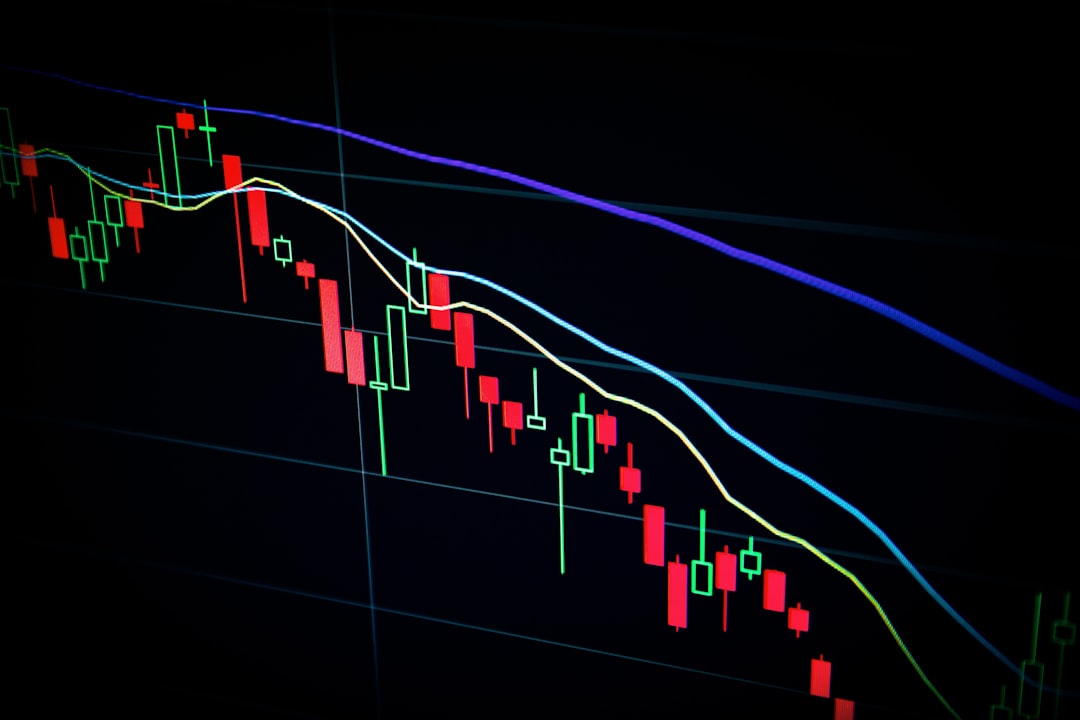
The Setup for Recovery
Revenge trading happens when you’re attached to outcomes instead of process. The fix? Create a pre-trade checklist. Before every entry, ask yourself:
- Does this setup meet my criteria?
- Am I trading because of a signal or because of anger?
- What’s my stop loss and target?
If the answer to question two is anything other than ‘a clear signal,’ close the chart and walk away.
Risk Management Rules
1. Never risk more than 1-2% of your account on a single trade. This ensures one loss doesn’t trigger revenge.
2. Use hard stop losses. No mental stops—they disappear when emotions run high.
3. Track your emotional state. Rate your mood (1-10) before each trade. If you’re above 7 or below 4, don’t trade.
4. Reward discipline, not wins. Celebrate when you follow your rules, even if you lose. That’s the habit that compounds.
Final Thoughts
Revenge trading is a tax on emotional immaturity. The market will always offer another opportunity tomorrow. The only thing you lose by walking away today is the chance to make a bad trade worse. Master your emotions, and you master the market.
Trade smart. Stay disciplined. Your future self will thank you.
Using Etherscan: Tracking Whales and Verifying Transactions – The Ultimate Guide
Introduction
Etherscan is the leading blockchain explorer for Ethereum, offering a transparent window into every transaction, smart contract, and wallet address on the network. For crypto traders and investors, mastering Etherscan is essential for two critical tasks: tracking whale movements (large holders who can move markets) and verifying transactions (confirming that a transfer is legitimate, confirmed, and not a scam). This guide will walk you through the key concepts, pro tips, and tools you need to use Etherscan like a pro.
Key Concepts
- Transaction Hash (TxHash): A unique identifier for every transaction. You can paste this into Etherscan to see status, gas fees, block number, and more.
- Wallet Address: A public key (e.g., 0x1234…) that you can search to view all incoming/outgoing transactions, token balances, and interactions.
- Whale Alert: Large transactions (often >$100k) that can indicate accumulation, distribution, or exchange movements. Etherscan’s Top Accounts and Whale Watcher tools help identify these.
- Gas Tracker: Shows current gas prices (Low, Average, High) so you can estimate transaction fees and confirm if a transaction is pending or stuck.
- Token Approvals: A dangerous but common feature – you can check if a contract has permission to spend your tokens. Use Etherscan’s Token Approvals tool to revoke suspicious ones.
- Contract Verification: Smart contracts can be verified on Etherscan to show their source code. Always verify a contract before interacting with it to avoid rug pulls.
Pro Tips
- Use the “Advanced” Filter: When searching for whale transactions, filter by token, value (e.g., >100 ETH), and time range to spot accumulation patterns.
- Set Up Alerts: Use Etherscan’s free email alerts for specific addresses or transaction types. This lets you react instantly when a whale moves funds.
- Check Internal Transactions: Some whale movements happen via smart contracts (e.g., DEX swaps). Click the “Internal Txns” tab to see the full flow.
- Verify Before You Send: Always double-check the recipient address on Etherscan before sending funds. Scammers often use fake addresses that look similar.
- Use the “Read Contract” Tab: For DeFi projects, this tab shows key parameters like total supply, owner, and fees – critical for due diligence.
FAQ Section
1. How do I track a whale on Etherscan?
Search for the whale’s wallet address (often shared on Twitter or Telegram). Click the “Transactions” tab and filter by “Value” to see large transfers. You can also use Etherscan’s “Top Accounts” page to find the richest wallets.
2. Can I verify if a transaction is confirmed?
Yes. Paste the transaction hash into Etherscan. Look for the “Status” field – it will show “Success” (green) or “Fail” (red). The number of “Block Confirmations” indicates how many blocks have been added after it (more confirmations = more secure).
3. What does “Pending” mean on Etherscan?
It means the transaction has been broadcast to the network but not yet included in a block. This is usually due to low gas fees. You can speed it up by using Etherscan’s “Replace Transaction” feature (if supported by your wallet).
4. How do I spot a fake token or scam contract?
Check if the contract is verified (blue checkmark). Read the source code if available. Look for red flags like hidden mint functions, high tax rates, or an owner address that can drain liquidity. Use the “Token Approvals” tool to see if you’ve given permission to suspicious contracts.
5. Is Etherscan free to use?
Yes, the basic features are free. Etherscan also offers a paid API for developers and advanced users who need higher rate limits.
Conclusion
Etherscan is an indispensable tool for anyone serious about crypto. By mastering how to track whale movements and verify transactions, you can make smarter trading decisions, avoid scams, and stay ahead of market trends. Start by exploring the Top Accounts page, setting up alerts, and always double-checking contract addresses before interacting. For more details on this, check out our guide on Cold Storage vs Hot Wallets: Which Should You Choose? A Complete Guide for 2025. You might also be interested in reading about DePIN Explained: Earning Passive Income with Infrastructure.
Cold Storage vs Hot Wallets: Which Should You Choose? A Complete Guide for 2026
Introduction
In the world of cryptocurrency, securing your digital assets is paramount. Two primary methods dominate the landscape: cold storage (offline wallets) and hot wallets (online wallets). Each offers distinct trade-offs between security and convenience. This comprehensive guide breaks down the differences, helps you assess your risk tolerance, and provides actionable advice for choosing the right wallet strategy in 2026.
Key Concepts
What is a Hot Wallet?
A hot wallet is a cryptocurrency wallet that is connected to the internet. Examples include mobile apps like MetaMask, exchange wallets (e.g., Binance, KuCoin), and browser extensions. Hot wallets are convenient for frequent trading, small balances, and daily transactions. However, they are vulnerable to hacks, phishing attacks, and malware because private keys are stored online.
What is Cold Storage?
Cold storage refers to wallets that are entirely offline. This includes hardware wallets (e.g., Ledger, Trezor), paper wallets, and air-gapped computers. Cold storage is considered the gold standard for long-term holding and large amounts of crypto. Since private keys never touch the internet, they are immune to online attacks. The trade-off is reduced convenience—transactions require manual steps to sign and broadcast.
Key Differences at a Glance
- Security: Cold storage wins for long-term safety; hot wallets are riskier but more accessible.
- Convenience: Hot wallets allow instant transactions; cold storage requires extra steps.
- Use Case: Use hot wallets for active trading and small amounts; use cold storage for savings and large holdings.
- Recovery: Both rely on seed phrases; losing your seed phrase means losing access forever.
Pro Tips
- Never store all your crypto in one place. Use a combination: keep a small amount in a hot wallet for daily use, and store the majority in cold storage.
- Always back up your seed phrase offline. Write it on paper and store it in a safe or safety deposit box. Never take a photo or store it digitally.
- Use a hardware wallet for DeFi and staking. Many hardware wallets now support smart contracts and staking, giving you security without sacrificing yield.
- Enable 2FA on all exchange accounts. Even if you use cold storage, your exchange account should have strong authentication.
- Test small amounts first. When moving funds between wallets, always send a tiny test transaction to confirm the address is correct.
💡 Pro Tip
Looking for altcoin opportunities and smooth trading? Try KuCoin.
FAQ Section
1. Is a hot wallet safe for large amounts?
Generally, no. Hot wallets are best for small amounts you need to access frequently. For large holdings, cold storage is strongly recommended to minimize hacking risk.
2. Can I use both cold storage and a hot wallet together?
Absolutely. This is called a hybrid strategy. Use a hot wallet for active trading and small expenses, and a cold wallet for long-term savings. Many users also keep a small balance on a trusted exchange for quick trades.
3. What happens if I lose my hardware wallet?
If you have your seed phrase backed up, you can recover your funds on any compatible wallet. Without the seed phrase, the funds are lost forever. Always store your seed phrase securely offline.
4. Are exchange wallets considered hot wallets?
Yes. Exchange wallets (like those on Binance, Coinbase, or KuCoin) are hot wallets because they are connected to the internet. While exchanges implement security measures, they are still vulnerable to hacks and regulatory risks.
5. Which is better for DeFi and staking?
For DeFi, hot wallets like MetaMask are more convenient. However, hardware wallets now support DeFi interactions through browser extensions (e.g., Ledger Live with MetaMask). For staking, cold storage can be used if the wallet supports the protocol.
Conclusion
Choosing between cold storage and hot wallets ultimately depends on your needs. If you are a trader who needs quick access, a hot wallet is essential. If you are a long-term investor, cold storage is non-negotiable. For most users, a hybrid approach offers the best of both worlds: security for your savings and convenience for your spending. Remember to always prioritize security—use strong passwords, enable 2FA, and keep your seed phrases offline.
For more details on this, check out our guide on Real World Assets (RWA) Tokenization: The Bridge Between Traditional Finance and DeFi.
You might also be interested in reading about Top RWA Projects to Watch in 2026.
BlackRock BUIDL: Institutional Crypto Entry Guide
BlackRock’s BUIDL fund represents a watershed moment for Real World Assets (RWAs) in crypto. As the world’s largest asset manager with over $10 trillion in AUM, BlackRock is signaling that institutional-grade tokenization is no longer experimental—it’s the future of capital markets. This guide breaks down how BUIDL works, its investment implications, and what it means for the bridge between TradFi and DeFi.
What Are Real World Assets (RWAs) and Why Does BUIDL Matter?
Real World Assets are tangible or intangible assets—such as U.S. Treasury bonds, real estate, commodities, or private credit—that are represented as digital tokens on a blockchain. The key difference between off-chain and on-chain assets is liquidity and accessibility. Off-chain assets (like a traditional bond) trade during market hours, require intermediaries, and often have high minimum investments. On-chain tokenized assets, like BlackRock’s BUIDL, enable fractional ownership, 24/7 trading, and programmable compliance through smart contracts.
BUIDL specifically tokenizes short-term U.S. Treasury bills and repurchase agreements. Each token represents a share in the underlying fund, which is held by a Special Purpose Vehicle (SPV) and verified by independent custodians. Data from RWA.xyz shows that tokenized U.S. Treasury products have surpassed $1.5 billion in market cap, with BUIDL leading the charge.
How BlackRock BUIDL Works: Technical Process
The tokenization process for BUIDL follows a proven institutional framework:
- Asset Selection: BlackRock selects short-duration U.S. government securities (T-bills) and repurchase agreements.
- SPV Creation: A Special Purpose Vehicle is established to legally isolate the assets from BlackRock’s balance sheet.
- Tokenization: The SPV issues ERC-20 tokens on the Ethereum blockchain, each representing a proportional claim on the underlying assets.
- Oracle Integration: Price feeds from Chainlink or other oracles provide real-time net asset value (NAV) data on-chain.
- Redemption & Minting: Authorized participants can mint new tokens by depositing fiat, or redeem tokens for cash, typically within 24 hours.
This structure ensures that the on-chain token always reflects the off-chain value, while maintaining regulatory compliance through KYC/AML checks at the SPV level.
Investment Analysis: Pros, Cons, and Risks
Pros
- Institutional Grade: Backed by BlackRock’s credit risk management and SEC-registered structure.
- 24/7 Liquidity: Unlike traditional bond markets, BUIDL tokens can be traded or used as collateral in DeFi protocols at any time.
- Transparency: On-chain verification of holdings via public blockchain explorers and periodic attestations.
- Fractional Ownership: Minimum investment is far lower than typical institutional T-bill funds.
Cons
- Regulatory Uncertainty: Tokenized securities face evolving rules from the SEC, ESMA, and other regulators.
- Smart Contract Risk: The Ethereum smart contract holding the tokens could be exploited, though BlackRock uses audited code.
- Limited Yield: T-bill yields are currently around 5% APY, which is lower than many DeFi lending protocols.
- KYC Friction: Only accredited investors and institutions can mint/redeem directly, limiting retail access.
Key Risks
- Regulation: Future SEC rulings could classify BUIDL as a security, affecting secondary trading.
- Counterparty Risk: If BlackRock or the SPV custodian fails, token holders may face delays in redemption.
- Oracle Manipulation: If the NAV oracle is compromised, token prices could deviate from the underlying asset.
For a broader market view, check out our analysis on BlackRock BUIDL: Institutional Crypto Entry Guide.
Investors often compare this to How Stablecoin Compliance Works: A Beginner’s Guide to Coinbax’s Programmable Escrow.
Tool Recommendation: Where to Trade Tokenized Assets
If you’re looking for altcoin opportunities and smooth trading, try KuCoin. KuCoin offers a wide range of tokenized RWA projects, including BUIDL-related tokens and other yield-bearing assets. With low fees, high liquidity, and a user-friendly interface, it’s an excellent platform for both institutional and retail investors exploring the RWA space. Start trading on KuCoin today.
Frequently Asked Questions
What is the minimum investment for BlackRock BUIDL?
The minimum investment for BUIDL is typically $100,000 for institutional investors, though some secondary platforms may offer fractional exposure with lower minimums. Always verify with your broker or the fund’s prospectus.
Is BUIDL available to retail investors?
Direct minting and redemption are restricted to accredited investors and qualified institutions. However, retail investors can gain exposure through secondary markets on exchanges like KuCoin, or through DeFi protocols that accept BUIDL as collateral.
How does BUIDL compare to USDC or USDT?
BUIDL is a yield-bearing tokenized fund, not a stablecoin. While USDC and USDT maintain a fixed $1 peg through fiat reserves, BUIDL’s value fluctuates slightly with the NAV of its T-bill holdings. BUIDL offers yield (currently ~5% APY) but is not designed for payments or as a stable store of value.
Conclusion: The Institutional RWA Revolution Has Begun
BlackRock’s BUIDL fund is a clear signal that tokenized Real World Assets are moving from niche experiments to mainstream institutional products. By combining the safety of U.S. Treasuries with the efficiency of blockchain, BUIDL offers a compelling bridge between TradFi and DeFi. However, investors must weigh the regulatory risks, smart contract vulnerabilities, and limited retail access. For those ready to participate, platforms like KuCoin provide a gateway to this emerging asset class. As more asset managers follow BlackRock’s lead, RWAs are poised to become a cornerstone of the digital asset ecosystem.
Restaking Explained: EigenLayer and Beyond – The Ultimate Guide to Crypto Restaking
Introduction
Restaking is one of the most transformative innovations in decentralized finance (DeFi) since the advent of liquid staking. By allowing staked assets (like ETH) to be reused to secure multiple protocols simultaneously, restaking unlocks new layers of capital efficiency and security for the crypto ecosystem. This guide explains what restaking is, how EigenLayer pioneered the concept, and what lies beyond.
Key Concepts
What Is Restaking?
Restaking is the process of taking already-staked tokens (e.g., stETH or native ETH) and reusing them to provide economic security to additional networks or services, known as Actively Validated Services (AVSs). Instead of keeping your staked assets idle, restaking lets them work across multiple protocols, earning extra rewards.
How EigenLayer Works
EigenLayer is a protocol built on Ethereum that enables restaking. Users deposit their staked ETH (or liquid staking tokens like stETH) into EigenLayer smart contracts. These deposits are then used to secure third-party networks (AVSs) in exchange for additional yield. Key components include:
- Stakers: Users who deposit staked assets into EigenLayer.
- Operators: Entities that run software to validate AVSs using the restaked capital.
- AVSs: Any service (e.g., oracle networks, sidechains, data availability layers) that needs economic security.
Beyond EigenLayer: The Restaking Ecosystem
While EigenLayer is the pioneer, other protocols are building on the restaking concept:
- Liquid Restaking Tokens (LRTs): Tokens like ezETH and rsETH represent restaked positions and can be used in DeFi.
- Cross-Chain Restaking: Projects like Renzo and Kelp DAO are expanding restaking to multiple blockchains.
- Modular Restaking: Future innovations may allow restaking for modular blockchain components (e.g., execution, consensus, data availability).
Pro Tips
- Start Small: Restaking introduces slashing risks. Begin with a small amount to understand the mechanics.
- Choose Reputable Operators: Operators can be slashed for misbehavior. Research their track record and uptime.
- Diversify AVSs: Don’t put all your restaked capital into one AVS. Spread risk across multiple services.
- Monitor Gas Costs: Restaking involves multiple transactions (deposit, delegation, withdrawal). Be mindful of Ethereum gas fees.
💡 Pro Tip
Looking for altcoin opportunities and smooth trading? Try KuCoin.
FAQ Section
What is the difference between staking and restaking?
Staking locks tokens to secure a single blockchain (e.g., Ethereum). Restaking takes those already-staked tokens and uses them to secure additional protocols, earning extra rewards.
Is restaking safe?
Restaking carries slashing risk—if the operator or AVS misbehaves, you can lose part of your staked capital. It also introduces smart contract risk. Always do your own research.
Can I restake any token?
Currently, restaking is primarily available for ETH and liquid staking tokens (stETH, rETH, etc.). Some protocols are expanding to other assets like MATIC or SOL.
How do I start restaking on EigenLayer?
Visit the EigenLayer app, connect your wallet, deposit your staked ETH or LRT, and delegate to an operator. You can then earn rewards from AVSs.
Conclusion
Restaking represents a paradigm shift in how capital is used in crypto. By enabling staked assets to secure multiple networks, EigenLayer and its successors are creating a more capital-efficient and interconnected ecosystem. However, with higher yields come higher risks—slashing, smart contract bugs, and operator reliability are all factors to consider. As the restaking landscape evolves, staying informed and cautious will be key to maximizing rewards while minimizing downside.
For more details on this, check out our guide on What is Impermanent Loss? Liquidity Providing Explained.
You might also be interested in reading about Security Tokens vs Utility Tokens: RWA Guide.
SpaceX IPO Pushes Bitcoin Into 25% of Mag 8, Saylor Says
June 14, 2024 — Michael Saylor declared that SpaceX’s public listing has pushed Bitcoin onto the balance sheets of 25% of the so-called Mag 8 technology companies, marking a milestone for corporate crypto adoption. The Strategy chairman congratulated Elon Musk and SpaceX following the company’s June 13 stock market debut, noting that both SpaceX and Tesla now hold Bitcoin as treasury assets.
Immediate Details & Direct Quotes
Want to trade this news? Bitget offers professional charting tools and deep liquidity.
“Congratulations Elon Musk and SPCX on a historic IPO. Thanks to you, 25% of the Mag8 now holds Bitcoin on the balance sheet,” Saylor posted on X following SpaceX’s market debut.
According to BitcoinTreasuries data, SpaceX currently holds 18,712 BTC, while Tesla owns 11,509 BTC. Combined, the two Musk-linked companies control 30,221 Bitcoin, giving weight to Saylor’s argument that Bitcoin has secured a foothold among the world’s most influential technology firms.
SpaceX’s highly anticipated IPO saw shares surge as much as 31% intraday to a high of $176.52 before closing at $160.95 — still up 19% from its $135 offering price. The strong debut briefly pushed the aerospace company’s market capitalization above $2 trillion, underscoring investor enthusiasm for one of the most anticipated listings in recent years.
Market Context & Reaction
Bitcoin (BTC) was trading near $61,242 at press time, according to data from crypto.news. The world’s leading cryptocurrency has fallen 3.1% in the past 24 hours and 8% over the last week. BTC remains roughly 51.4% below its all-time high of $126,080 as investors continue reacting to macroeconomic uncertainty, elevated Treasury yields, and expectations that the Federal Reserve could maintain higher interest rates for longer.
SpaceX’s position among the largest corporate Bitcoin owners places it ahead of several well-known crypto-related firms. BitcoinTreasuries ranks the company eighth among public Bitcoin treasury holders, trailing firms including Strategy, Twenty One Capital, Metaplanet, MARA Holdings, Bitcoin Standard Treasury Company, Bullish, and Strive.
The broader trend of corporate Bitcoin adoption continues accelerating. Public companies collectively hold approximately 1.26 million BTC worth roughly $80.56 billion across 199 firms, according to BitcoinTreasuries data. Aggregate corporate holdings have increased about 3% over the past 30 days.
Background & Historical Context
Saylor has spent years promoting Bitcoin as a corporate treasury asset through Strategy, which remains the world’s largest public Bitcoin holder with 845,256 BTC — far ahead of every other corporate holder, according to BitcoinTreasuries.
The trend of companies adopting Bitcoin treasury strategies has accelerated in recent months. Twenty One Capital currently holds 43,514 BTC, while Metaplanet owns 40,177 BTC and MARA Holdings controls 35,303 BTC.
While most members of the Mag 8 have yet to add Bitcoin to their balance sheets, SpaceX’s public listing highlights how corporate adoption has expanded beyond a handful of early adopters. With SpaceX now trading publicly while holding nearly 19,000 BTC, Bitcoin’s presence among major technology companies appears more visible than ever.
Saylor’s comments come as corporate Bitcoin adoption continues expanding. Data from BitcoinTreasuries shows the number of public companies holding Bitcoin has climbed to 199 firms.
What This Means
SpaceX’s IPO with its Bitcoin holdings creates a new precedent for major technology companies entering public markets. The move could encourage other firms to consider Bitcoin treasury strategies before going public, knowing that major institutional investors have already accepted the practice.
For the Mag 8 — which includes Apple, Amazon, Alphabet, Meta, Microsoft, Nvidia, Tesla, and now SpaceX — the percentage holding Bitcoin could increase if other members follow Tesla and SpaceX’s lead. However, most have not disclosed any Bitcoin holdings to date.
Short-term, the attention from SpaceX’s IPO may renew interest in Bitcoin as a corporate treasury asset, particularly among technology companies preparing for public listings. Long-term, the growing number of public companies holding Bitcoin — now at 199 firms — suggests the trend could continue expanding into traditional sectors beyond technology.
This article does not represent investment advice. The content and materials featured on this page are for educational purposes only. Readers should conduct their own research before making any investment decisions.
—

The DeFi Yield Farm Tango: How to Dance with Risk and Reward
Imagine a world where your crypto doesn’t just sit there—it works for you, earning yields that traditional banks can only dream of. That’s the promise of DeFi yield farming, a strategy that has turned heads and wallets across the crypto space. But here’s the twist: those high yields come with hidden traps that can turn a profitable farm into a financial dust bowl overnight. Let’s pull back the curtain on DeFi yield farming risks so you can farm smarter, not harder.
How it Works
Yield farming is like being a liquidity provider in a decentralized exchange (DEX) or lending protocol. You deposit your tokens into a ‘liquidity pool,’ and in return, you earn fees, governance tokens, or both. Think of it as renting out your crypto to traders who need it, and they pay you interest. Popular platforms like Uniswap, Aave, and Curve are the dance floors where this happens.
The Setup
To start, you’ll typically need a Web3 wallet (like MetaMask), some Ethereum or BNB for gas fees, and a pair of tokens to deposit. For example, you might provide equal value of ETH and USDC into a Uniswap pool. The protocol then issues you a ‘LP token’ that represents your share. You can stake that LP token elsewhere to earn extra rewards—this stacking is where yields get juicy, but also where risks multiply.
Risk Management
Now for the sobering part. DeFi yield farming is not a magic money printer. Here are the key risks to watch:

1. Impermanent Loss (IL): This is the silent killer. When the price of your deposited tokens changes relative to each other, your pool share might be worth less than if you just held them. The bigger the price swing, the bigger the IL. Stablecoin pairs minimize this, but volatile pairs amplify it.
2. Smart Contract Risk: DeFi protocols are code, and code can have bugs. A single exploit can drain the entire pool. Always check if the protocol has been audited by reputable firms like Trail of Bits or Certik, but remember—audits aren’t guarantees.
3. Rug Pulls and Scams: Some ‘farms’ are designed to steal your deposit. If the team is anonymous, the code is unaudited, or the yields look too good to be true (e.g., 10,000% APY), run. Legitimate farms have transparent teams and locked liquidity.
4. Gas Fees and Slippage: On Ethereum, high network congestion can eat your profits. A simple deposit and stake might cost $50 in gas. If you’re farming small amounts, fees can outweigh rewards.
5. Oracle Attacks: Many protocols rely on price oracles (like Chainlink) to value assets. If an oracle is manipulated, liquidations can happen instantly, wiping out your position.
Pro Tip: Never deposit more than you’re willing to lose. Start small, use stablecoin pools to learn IL dynamics, and diversify across different protocols. Set stop-losses if your platform allows, and keep an eye on the protocol’s social channels for red flags.
Conclusion
DeFi yield farming is a powerful tool for generating passive income, but it’s not for the faint of heart. The risks are real—from impermanent loss to smart contract exploits. Approach it like a seasoned dancer: learn the steps, watch your feet, and never bet the house. Start with small amounts, prioritize audited protocols, and always question yields that seem supernatural. Farm on, but farm wisely.