
US Treasury Bills on Blockchain: The Risk-Free Rate On-Chain
US Treasury Bills (T-Bills) are short-term government debt instruments backed by the full faith and credit of the United States. Traditionally, they are traded over-the-counter or on exchanges during market hours. However, tokenization brings T-Bills onto blockchain networks, enabling 24/7 trading, fractional ownership, and programmability. This guide explains how the risk-free rate moves on-chain, the investment implications, and the tools you need to participate.
What Are Tokenized US Treasury Bills?
Tokenized T-Bills are digital representations of US government debt issued on a blockchain. Each token represents a fractional ownership in an underlying pool of T-Bills held by a Special Purpose Vehicle (SPV). Unlike off-chain T-Bills, which settle in T+1 or T+2 days, on-chain tokens can be traded instantly, any day of the week. This bridges the gap between TradFi’s stability and DeFi’s liquidity.
How It Works: The Technical Process
1. Tokenization
An issuer (e.g., Ondo Finance, Matrixdock) creates a smart contract that mints tokens representing shares in an SPV. The SPV holds actual T-Bills in a custodial account with a regulated custodian.
2. SPV Structure
The SPV isolates the T-Bill assets from the issuer’s balance sheet, ensuring token holders have a direct claim on the underlying securities. This structure is audited and compliant with securities laws.
3. Oracle Integration
Price oracles (e.g., Chainlink) feed the net asset value (NAV) of the T-Bill pool onto the blockchain. This allows smart contracts to calculate yields and facilitate redemptions.
4. Blockchain Settlement
Tokens are issued on Ethereum, Polygon, or Solana. Investors can buy, sell, or use them as collateral in DeFi protocols. Redemptions are processed via the SPV, typically within 1-2 business days.
Investment Analysis: Pros, Cons, and Risks
Pros
- 24/7 Liquidity: Trade T-Bill tokens anytime, unlike traditional markets.
- Fractional Ownership: Buy as little as $1 worth of T-Bills, lowering the barrier to entry.
- Transparency: All transactions and holdings are recorded on-chain, auditable by anyone.
- Programmability: Use tokens as collateral in DeFi lending or yield farming.
Cons
- Regulatory Uncertainty: Tokenized securities may face evolving SEC or MiCA rules.
- Smart Contract Risk: Bugs in the token contract could lead to loss of funds.
- Custodial Risk: The SPV’s custodian must be trusted to hold the underlying T-Bills.
- Lower Yields: On-chain yields are often slightly lower than direct T-Bill yields due to fees.
Risks to Consider
- Regulation: The SEC has signaled that many tokenized securities are subject to federal securities laws. Issuers must comply with KYC/AML requirements.
- Smart Contract Risk: Audits by firms like Trail of Bits or Certik mitigate but do not eliminate this risk.
- Market Risk: While T-Bills are low-risk, the token price can deviate from NAV due to liquidity or oracle issues.
For a broader market view, check out our analysis on Calamos Bets Protected Bitcoin ETFs Can Survive Market Volatility.
Investors often compare this to Bitcoin Layer 2s: Stacks, Lightning, and Runes Guide.
Tool Recommendation: Best Platform for Charting and Trading
To analyze tokenized T-Bill tokens and spot yield trends, you need reliable charting tools. For the best charting tools to spot this pattern, try Bitget. Bitget offers real-time data, advanced indicators, and a user-friendly interface for tracking on-chain yields and token prices.
FAQ Section
How do tokenized T-Bills maintain their peg to the underlying asset?
Tokenized T-Bills maintain their peg through a combination of arbitrage mechanisms and regular NAV updates via oracles. If the token price deviates from NAV, arbitrageurs can mint or redeem tokens at NAV, bringing the price back in line. Most issuers also provide daily NAV reports audited by third parties.
What are the tax implications of holding tokenized T-Bills?
Tax treatment varies by jurisdiction. In the US, tokenized T-Bills are generally treated as securities, meaning interest income is taxable as ordinary income. Capital gains from trading tokens may be subject to short-term or long-term capital gains rates. Consult a tax professional for your specific situation.
Can I use tokenized T-Bills as collateral in DeFi?
Yes, many DeFi protocols accept tokenized T-Bills as collateral. For example, Ondo Finance’s OUSG token can be used on platforms like Flux Finance. However, collateral factors and liquidation risks apply, so always check the protocol’s parameters before depositing.
Conclusion
Tokenized US Treasury Bills represent a significant step in merging TradFi stability with DeFi innovation. They offer 24/7 liquidity, fractional ownership, and transparency, but come with regulatory and smart contract risks. As the RWA sector matures, on-chain T-Bills could become a cornerstone of DeFi’s risk-free rate. For investors seeking a low-risk on-chain yield, they are a compelling option—provided you use reliable platforms like Bitget for analysis and trading.
SEC Approves T. Rowe Price Multi-Asset Crypto ETF
June 14, 2026 — The U.S. Securities and Exchange Commission has approved NYSE Arca’s proposal to list and trade shares of the T. Rowe Price Active Crypto ETF, a fund that may hold Bitcoin, Ethereum, XRP, Solana, and meme coins including Dogecoin and Shiba Inu. The approval, dated June 12, clears the exchange listing rule under NYSE Arca Rule 8.201-E for commodity-based trust shares, though trading details depend on the issuer’s launch process.
Immediate Details & Direct Quotes
Want to trade this news? Bitget offers professional charting tools and deep liquidity.
The actively managed ETF seeks long-term capital growth by investing in a basket of eligible crypto assets selected by the sponsor. According to the SEC order, the fund will use the FTSE Crypto US Listed Index as a benchmark but intends to “outperform the Index” through an active management strategy.
Under normal market conditions, the T. Rowe Price Active Crypto ETF is expected to hold between five and fifteen eligible assets. The filing specifies the fund may hold fewer than five or more than fifteen assets at certain times, giving the sponsor flexibility to adjust exposure as market conditions shift.
Because the fund is actively managed, NYSE Arca added extra requirements, including firewall rules for sponsor staff and related broker-dealer affiliates. Trading can halt if portfolio holdings are not shared simultaneously with all market participants.
Market Context & Reaction
The approval arrives during a busy period for crypto ETF filings. As previously reported by crypto.news, BlackRock filed a Form 8-A for its iShares Bitcoin Premium Income ETF, moving that product closer to a possible Nasdaq launch.
Investor demand for crypto ETFs remains mixed. According to crypto.news, XRP exchange-traded products drew about $10.68 million in the week ended June 12, while Bitcoin and Ethereum products posted outflows. Earlier coverage showed U.S. spot Bitcoin ETFs suffered 13 straight trading days of net outflows from May 15 to June 3.
The eligible asset list includes Bitcoin, Ethereum, Solana, XRP, Cardano, Avalanche, Litecoin, Polkadot, Dogecoin, Chainlink, Stellar, Hedera, Bitcoin Cash, Shiba Inu, and Sui. The fund may also hold cash, cash equivalents, and some stablecoins for operational use.
Background & Historical Context
Most U.S. crypto ETF attention started with spot Bitcoin and spot Ethereum funds. This approval adds a regulated path for exposure to large-cap altcoins and selected meme coins within a single active product.
T. Rowe Price’s amended filing had already placed XRP beside Bitcoin, Ethereum, and Solana as possible holdings, according to crypto.news. That earlier filing came as exchanges and issuers were seeking faster paths for crypto products under updated listing standards.
The inclusion of Dogecoin and Shiba Inu makes the product broader than many earlier crypto ETFs. The SEC order covers the fund under NYSE Arca Rule 8.201-E, which applies to commodity-based trust shares.
What This Means
The SEC approval represents a regulatory milestone for multi-asset crypto exposure through a single listed vehicle. Investors gain access to up to 15 digital assets without managing separate wallets or exchange accounts.
For the crypto market, this product signals potential increased institutional participation in altcoins and meme coins that previously lacked regulated ETF access. The approval may encourage other issuers to file similar multi-asset products.
Trading launch dates depend on the issuer’s process, which remains undisclosed. The approval clears the exchange listing rule, but the product is not yet available for trading. Investors should monitor T. Rowe Price announcements for launch timing.
This is not financial advice. Conduct your own research before investing in any crypto-related product.
—
How to Participate in Governance Proposals (DAOs): A Complete Guide
Decentralized Autonomous Organizations (DAOs) are reshaping how communities make decisions. By holding governance tokens, you can vote on proposals that determine a protocol’s future — from fee changes to treasury allocations. This guide walks you through every step, from understanding the basics to casting your first vote.
Key Concepts
- Governance Tokens: Tokens like UNI, COMP, or MKR grant voting power. The more you hold or stake, the greater your influence.
- Proposals: Formal requests for changes, often submitted via platforms like Snapshot or Tally. They range from technical upgrades to community fund allocations.
- Voting Mechanisms: Simple majority, quadratic voting, or token-weighted voting. Each has trade-offs between fairness and efficiency.
- Quorum: The minimum participation required for a vote to be valid. Low quorum can lead to governance attacks.
- Delegation: If you lack time or expertise, you can delegate your voting power to a trusted community member or expert.
Pro Tips
- Always read the full proposal text — not just the title. Details matter.
- Use a dedicated wallet for governance to avoid exposing your main holdings.
- Stay updated via Discord, forum threads, and governance dashboards.
- Consider the long-term impact: short-term gains may harm the protocol.
- Start with small, low-stakes proposals to learn the process.
FAQ Section
What is a DAO?
A DAO is a community-led organization with rules encoded on a blockchain. Decisions are made via token-based voting, not a central authority.
Do I need to pay gas fees to vote?
It depends. On-chain votes (e.g., on Ethereum) require gas. Off-chain votes (e.g., Snapshot) are gas-free but still require a signed message.
Can I lose my tokens by voting?
No, voting does not transfer ownership. However, some DAOs require you to stake tokens temporarily, which may lock them.
How do I find active proposals?
Use platforms like Snapshot, Tally, or Boardroom. Many DAOs also post proposals on their official forums and Discord channels.
What happens if I delegate my vote?
Your voting power is transferred to the delegatee. They can vote on your behalf, but you retain full ownership of your tokens.
For more details on this, check out our guide on Cold Storage vs Hot Wallets: Which Should You Choose?.
You might also be interested in reading about Bitcoin Layer 2s: Stacks, Lightning, and Runes Guide.
Conclusion
Participating in DAO governance is a powerful way to shape the future of decentralized projects. Start by acquiring governance tokens, research proposals thoroughly, and vote or delegate wisely. As the ecosystem matures, your voice — and your tokens — can drive meaningful change.

Mastering the Fibonacci Retracement Entry: Your Guide to Precision Trading
Imagine buying a dip right as the market reverses, or catching a breakout before it explodes higher. That’s the power of the Fibonacci retracement entry. It’s one of the most reliable tools in a trader’s toolkit, helping you identify key support and resistance levels with mathematical precision. Whether you’re trading Bitcoin, Ethereum, or altcoins, Fibonacci retracements can turn guesswork into a clear, actionable plan. Let’s dive into how you can use this ancient sequence to modern crypto markets.
How it Works
Fibonacci retracement is based on the idea that markets often retrace a predictable portion of a move before continuing in the original direction. The key levels are 23.6%, 38.2%, 50%, 61.8%, and 78.6%. The most important are the 38.2% and 61.8% levels—often called the “golden zone.” When price pulls back to one of these levels, it often acts as a springboard for the next leg up (or down).
To use it, you simply draw the tool from a swing low to a swing high in an uptrend (or from high to low in a downtrend). The lines that appear are your potential entry zones. The magic happens when price touches a key Fibonacci level and shows a reversal signal, like a bullish candlestick pattern or a bounce off a moving average.
The Setup
Here’s a step-by-step setup for a long trade:
1. Identify the trend: Look for a clear uptrend on your timeframe (e.g., 1-hour or 4-hour chart).
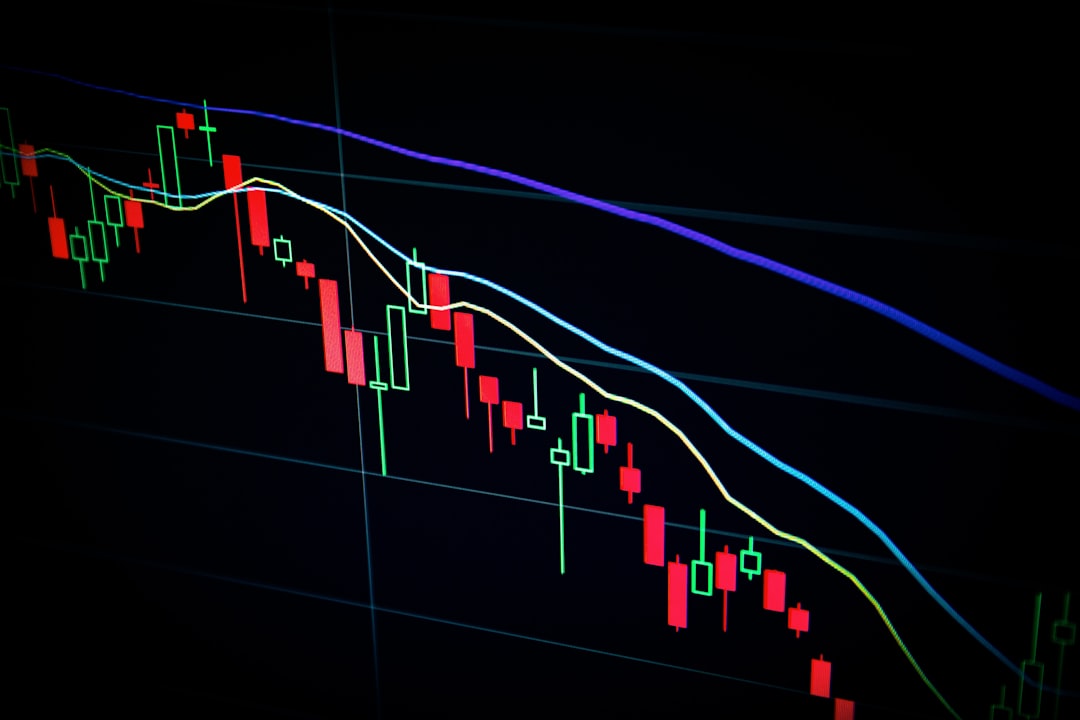
2. Draw the Fibonacci: Connect the most recent swing low to the swing high. The retracement levels will appear below the high.
3. Wait for the pullback: Let price drop to the 38.2% or 61.8% level. Avoid the 23.6% level—it’s too shallow and often leads to false breakouts.
4. Confirm the entry: Look for a bullish candlestick pattern (like a hammer or engulfing candle) at the Fibonacci level. Or wait for the Relative Strength Index (RSI) to show oversold conditions (below 30) at the same level.
5. Place your order: Enter a limit order at the Fibonacci level or a market order once the confirmation candle closes above the level.
For a short trade, reverse the process: draw the Fibonacci from a swing high to a swing low in a downtrend, and look for a bearish confirmation at a retracement level.
Risk Management
No strategy works without solid risk management. Here’s how to protect your capital:
- Set a stop loss: Place your stop just below the next Fibonacci level (e.g., if you enter at 61.8%, put the stop below 78.6%). For tighter stops, use the low of the confirmation candle.
- Take profit targets: Use the next Fibonacci extension levels (e.g., 127.2% or 161.8%) as partial profit targets. Or simply trail your stop as price moves in your favor.
- Position size: Never risk more than 1-2% of your account on a single trade. Calculate your position size based on the distance to your stop loss.
- Combine with volume: Higher volume on the bounce increases the probability of success. Low volume bounces are traps.
Remember, Fibonacci is a self-fulfilling prophecy because so many traders watch these levels. But it’s not perfect—always use it with other tools like support/resistance, trendlines, or moving averages.
Conclusion
Fibonacci retracement entries give you a structured way to buy low and sell high in trending markets. By combining these levels with price action confirmation and strict risk management, you can trade with confidence instead of emotion. Start practicing on a demo chart or with small sizes, and watch how often price respects these ancient numbers. The golden zone is waiting—go find it.
How to Spot a Honey Pot Scam: Safety Guide for Crypto Investors
Honey pot scams are one of the most insidious threats in decentralized finance (DeFi). They lure investors with the promise of easy profits, only to trap their funds permanently. This comprehensive guide will teach you how to identify honey pot scams, understand their mechanics, and protect your crypto assets.
Key Concepts
What Is a Honey Pot Scam?
A honey pot scam is a malicious smart contract designed to appear as a legitimate token or DeFi project. The scammer creates a token that can be bought but not sold—or sold only under impossible conditions. Once investors deposit funds, the scammer drains them using hidden functions or backdoors.
Common Red Flags
- No Sell Function: The contract lacks a sell function or makes selling prohibitively expensive.
- High Buy Tax, Zero Sell Tax: Unusually high transaction fees on buys but no sell tax—a classic trap.
- Owner-Only Functions: The contract includes functions like
setTax()ortransferOwnership()that only the owner can call. - Liquidity Lock Gone Wrong: Liquidity is locked for a very short period or not locked at all.
- Fake or Copied Code: The contract is a copy of a known scam or contains obfuscated code.
How Honey Pots Work
Scammers deploy a token with a hidden function that blocks sales after a certain number of buys or when the price reaches a threshold. They may also include a “blacklist” function to prevent specific addresses from selling. The scammer then promotes the token on social media, Telegram, or Discord, creating FOMO. Once enough investors buy, the scammer activates the trap and drains the liquidity pool.
Pro Tips
- Always Verify the Contract: Use blockchain explorers like Etherscan or BscScan to read the source code. Look for functions like
_beforeTokenTransfer,_transfer, or anyonlyOwnermodifiers. - Check Liquidity Locks: Use tools like RugDoc or TokenSniffer to verify that liquidity is locked for at least 6 months.
- Test with a Small Amount: Before investing significant funds, try to sell a tiny amount of the token. If it fails, you’ve found a honey pot.
- Use a Dedicated Wallet: Use a separate wallet with limited funds for testing new tokens.
- Monitor Social Signals: Be wary of projects with fake followers, low-quality websites, or anonymous teams. Real projects have transparent communities.
FAQ Section
What is the most common honey pot scam?
The most common type is the “reflection token” honey pot, where the token has a high buy tax that is supposedly redistributed to holders, but the sell function is disabled after a certain number of transactions.
Can I recover funds from a honey pot scam?
In most cases, no. Once funds are sent to a honey pot contract, they are controlled by the scammer. However, you can report the scam to the blockchain explorer and law enforcement. Always prioritize prevention over recovery.
How do I check a token for honey pot risks?
Use tools like Honeypot.is, RugDoc, or TokenSniffer. These platforms analyze the contract code and flag suspicious functions. Also, manually review the source code on Etherscan or BscScan.
Are honey pot scams only on Ethereum?
No, honey pots exist on any blockchain that supports smart contracts, including BNB Smart Chain, Polygon, Avalanche, and Solana. BSC is particularly notorious due to low deployment costs and high scam activity.
What should I do if I suspect a honey pot?
Do not invest. Report the project to the community (e.g., on RugDoc or Twitter). If you’ve already invested, do not send more funds. Document everything and consider reporting to local authorities.
For more details on this, check out our guide on Oracles in RWA: Chainlink CCIP for Tokenized Assets.
You might also be interested in reading about Why Is Bitcoin Falling? 5 Key Reasons Explained (2025 Guide).
Conclusion
Honey pot scams are a persistent threat in the crypto space, but with the right knowledge and tools, you can avoid them. Always verify smart contracts, test with small amounts, and stay skeptical of projects that promise guaranteed returns. Remember: if it looks too good to be true, it probably is. Stay safe, do your own research, and never invest more than you can afford to lose.
The Meme Coin Supercycle: How to Ride the Next Wave Without Getting Wrecked
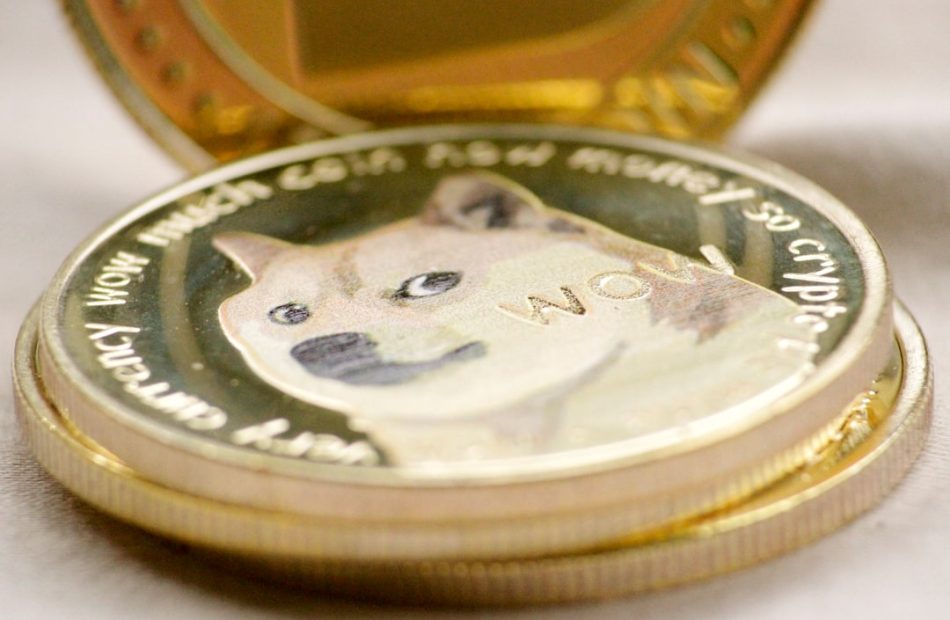
Let’s be real: meme coins aren’t going away. Every cycle, a new batch of dog-, frog-, or cat-themed tokens explodes, making overnight millionaires—and leaving latecomers holding the bag. The difference between those two groups? Timing and a strategy that understands the supercycle pattern. This isn’t about gambling on random tickers. It’s about recognizing the repeatable phases of meme coin mania and positioning yourself to profit safely.
How It Works: The Supercycle Phases
Meme coins move in predictable waves. A supercycle is just a compressed, high-volatility version of the classic market cycle. Here’s the breakdown:
1. The Genesis Phase – A new narrative emerges (e.g., “official” meme coin, animal theme, or pop culture reference). Early whispers on Twitter and Discord. Low market cap, low volume.
2. The Hype Phase – Influencers and KOLs (Key Opinion Leaders) jump in. Volume spikes. Price goes parabolic in days or hours. FOMO (Fear of Missing Out) kicks in.
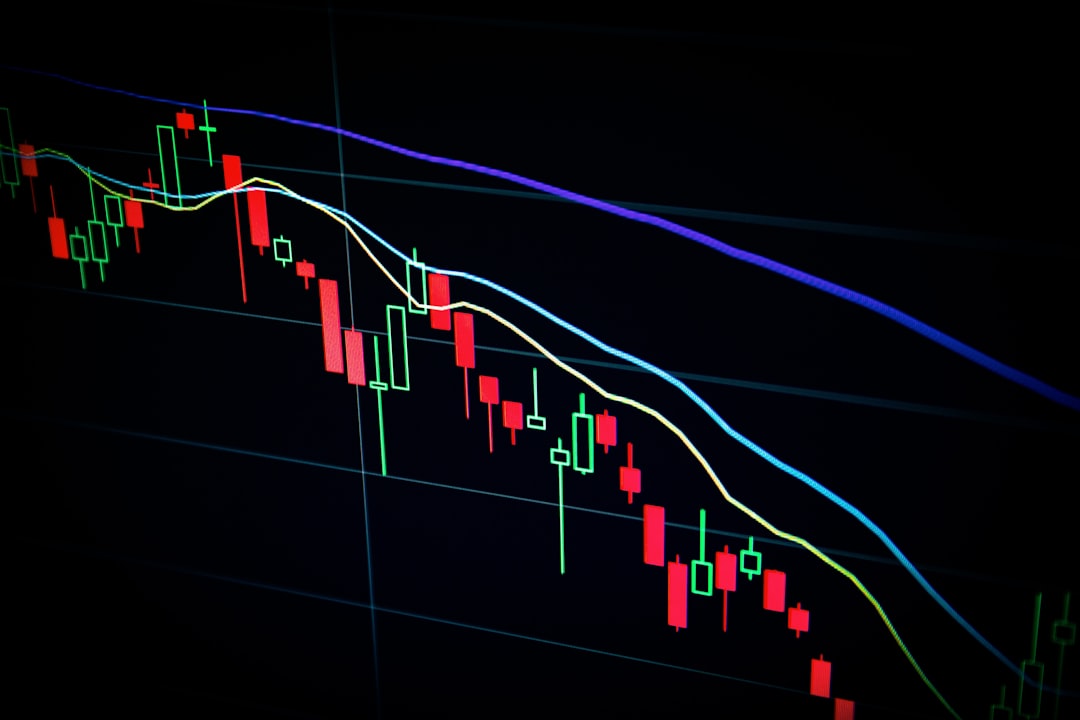
3. The Distribution Phase – Smart money starts selling into the hype. Price chops sideways or makes lower highs. New buyers get trapped.
4. The Crash Phase – The narrative dies. Price drops 70-90%. Only the earliest or most disciplined traders exit with profits.
Your goal? Enter during Genesis or early Hype. Exit before Distribution ends.
The Setup: How to Spot the Next Supercycle Candidate
You don’t need to be a degen. Use these filters:
- Fresh Narrative – The coin must have a story that’s easy to understand and share. Think “first meme coin on Solana” or “charity meme coin.” Avoid clones.
- Liquidity – Minimum $50k in locked liquidity (check on DexScreener or Dextools). Less than that is a rug pull risk.
- Social Proof – At least 5-10K Twitter followers on the official account, with real engagement (not bots). Check for a Telegram or Discord with active, non-spam chat.
- No Insider Dump – Look at the top 10 holders. If they own more than 20% combined, skip it. Use a blockchain explorer like Solscan or Etherscan.
Entry Trigger: Buy when price breaks above the first 1-hour resistance after a 24-hour consolidation, with increasing volume. Place your stop loss 10-15% below entry.
Risk Management: The Only Way to Survive
Meme coins can drop 50% in minutes. Protect yourself:
- Position Size – Never risk more than 2% of your total portfolio on a single meme coin trade.
- Take Profit in Stages – Sell 25% at 2x, 25% at 5x, 25% at 10x, and let the rest ride with a trailing stop.
- No Revenge Trading – If you get stopped out, don’t re-enter. The supercycle phase has moved on.
- Use a Separate Wallet – Keep meme coin funds in a hot wallet with only what you’re willing to lose. Never connect your main wallet to unverified dApps.
Final Thoughts
The meme coin supercycle isn’t a myth—it’s a pattern that repeats as long as human greed and fear exist. Your edge is discipline: enter early, manage risk ruthlessly, and exit before the crowd realizes the party is over. Stick to this framework, and you’ll be the one laughing (and stacking profits) when the next wave hits.
Remember: In crypto, the best trade is the one you survive to talk about. Trade smart.
Tokenized Real Estate: How to Invest with $50
Tokenized real estate is transforming how everyday investors access property markets. By converting physical real estate into digital tokens on a blockchain, platforms enable fractional ownership—meaning you can own a slice of a commercial building or rental property for as little as $50. This guide explains the mechanics, risks, and opportunities of this emerging asset class, and shows you how to start investing with a small budget.
What Is Tokenized Real Estate?
Tokenized real estate is a type of Real World Asset (RWA) where a physical property is represented by digital tokens on a blockchain. Each token corresponds to a fractional ownership stake in the underlying asset. The key difference between off-chain and on-chain real estate is liquidity: traditional property sales can take months, while tokenized shares can be traded 24/7 on secondary markets. Reports from BlackRock and data from RWA.xyz show that institutional interest in tokenized assets has surged, with total value locked exceeding $10 billion in 2024.
How It Works: The Technical Process
The process involves several steps to bridge the physical and digital worlds:
- Tokenization: A property is legally structured into a Special Purpose Vehicle (SPV). The SPV issues digital tokens representing ownership shares.
- Oracles: Smart contracts use oracles (e.g., Chainlink) to feed real-world data—like property valuations or rental income—onto the blockchain.
- Blockchain: Tokens are minted on a public blockchain (often Ethereum or a layer-2 network) and distributed to investors. Ownership is recorded immutably.
- Trading: Investors can buy, sell, or trade tokens on compliant exchanges, providing liquidity that traditional real estate lacks.
Investment Analysis: Pros, Cons, and Risks
Tokenized real estate offers compelling advantages but comes with unique risks.
Pros
- Low Entry Barrier: Start with $50 instead of thousands for a down payment.
- Liquidity: Trade tokens 24/7, unlike traditional property sales.
- Diversification: Spread small amounts across multiple properties or geographies.
- Transparency: All transactions and ownership records are on-chain and auditable.
Cons
- Regulatory Uncertainty: Securities laws vary by jurisdiction; some tokens may be classified as unregistered securities.
- Smart Contract Risk: Bugs or exploits in the token contract could lead to loss of funds.
- Illiquidity of Underlying Asset: If the property itself cannot be sold quickly, token prices may not reflect true value.
For a broader market view, check out our analysis on The Golden Cross: Your First Step to Riding Major Crypto Trends. Investors often compare this to How to Ride the Meme Coin Supercycle Without Getting Wrecked.
Tool Recommendation: Where to Buy Tokenized Real Estate
To invest with $50, you need a platform that offers fractional tokens with low fees. Several regulated platforms like RealT, Lofty AI, and Tangible allow direct purchases. For secondary trading, centralized exchanges with RWA listings are ideal. Low fees are crucial for this strategy. We recommend MEXC, which lists several tokenized real estate tokens and offers competitive trading fees. Start your journey at: MEXC.
FAQ
Q: Is tokenized real estate legal?
A: Yes, but it depends on the jurisdiction. Most platforms operate under Regulation D or Regulation S exemptions in the U.S., meaning tokens are only available to accredited investors in some cases. Always check local securities laws before investing.
Q: Can I lose more than my $50 investment?
A: No. Tokenized real estate is structured as a limited liability investment. Your maximum loss is the amount you put in, unless the platform itself is fraudulent. Smart contract risk is separate—always use audited protocols.
Q: How do I earn yield from tokenized real estate?
A: Most tokens distribute rental income as dividends (often in stablecoins or the native token). The yield (APY) varies by property and occupancy rates. Check the platform’s historical payout data before investing.
Conclusion
Tokenized real estate democratizes access to a traditionally exclusive asset class. With as little as $50, you can gain exposure to property markets, earn passive income, and trade with liquidity. However, regulatory and smart contract risks remain. Start small, diversify across properties, and use a reliable exchange like MEXC to minimize costs. This asset class is still early, but the trend toward on-chain RWAs is undeniable.
Cold Storage vs Hot Wallets: Which Should You Choose?
In the world of cryptocurrency, securing your digital assets is paramount. Two primary methods dominate the landscape: cold storage and hot wallets. Each offers distinct advantages and trade-offs, and the right choice depends on your specific needs, trading frequency, and risk tolerance. This comprehensive guide will break down the key differences, help you understand the pros and cons, and provide actionable advice to make an informed decision.
Key Concepts
What Are Hot Wallets?
Hot wallets are cryptocurrency wallets that are connected to the internet. They are designed for convenience and quick access, making them ideal for active trading, daily transactions, and interacting with decentralized applications (dApps). Examples include mobile wallets (e.g., Trust Wallet, MetaMask), desktop wallets, and exchange wallets (e.g., Binance, Coinbase). Because they are online, hot wallets are more vulnerable to hacking, phishing attacks, and malware. However, they offer seamless user experience and instant transaction capabilities.
What Is Cold Storage?
Cold storage refers to wallets that are not connected to the internet. They are used for long-term storage of large amounts of cryptocurrency, often referred to as “HODLing.” Common forms include hardware wallets (e.g., Ledger, Trezor), paper wallets, and offline software wallets. Cold storage is considered the most secure method because private keys are never exposed to online threats. The trade-off is reduced convenience—transactions require connecting the device to a computer or manually entering keys, making them unsuitable for frequent trading.
Key Differences at a Glance
- Security: Cold storage is far more secure; hot wallets are more exposed to cyber threats.
- Convenience: Hot wallets offer instant access; cold storage requires extra steps.
- Use Case: Hot wallets for active trading and small balances; cold storage for long-term holdings and large amounts.
- Cost: Hot wallets are often free; cold storage requires purchasing a hardware device (typically $50–$200).
Pro Tips
- Use a combination of both: Keep a small amount in a hot wallet for daily use and the majority of your funds in cold storage.
- Enable two-factor authentication (2FA): For hot wallets, always use 2FA and strong passwords.
- Backup your seed phrase: Write down your recovery phrase on paper and store it in a safe place (not digitally).
- Regularly update firmware: For hardware wallets, ensure the firmware is up to date to protect against vulnerabilities.
- Beware of phishing: Always double-check URLs and never share your private keys.
Frequently Asked Questions
1. Can I use both cold storage and hot wallets together?
Absolutely. In fact, this is the recommended approach. Use a hot wallet for small, frequent transactions and a cold storage wallet for your long-term savings. This balances security and convenience.
2. Is a hardware wallet worth the cost?
If you hold a significant amount of cryptocurrency (e.g., over $500), a hardware wallet is a wise investment. The cost is minimal compared to the potential loss from a hack.
3. What happens if I lose my hardware wallet?
As long as you have your seed phrase (recovery phrase), you can restore your funds on a new hardware wallet or compatible software wallet. Never lose your seed phrase!
4. Are exchange wallets safe for long-term storage?
No. Exchange wallets are hot wallets and are vulnerable to exchange hacks and insolvency. For long-term storage, always use a wallet where you control the private keys (cold storage).
5. Can I stake or earn yield from cold storage?
Some hardware wallets now support staking directly (e.g., Ledger Live). However, for more complex DeFi strategies, you may need to move funds to a hot wallet temporarily.
Conclusion
Choosing between cold storage and hot wallets doesn’t have to be an either/or decision. The smartest strategy is to use both: hot wallets for active trading and small balances, and cold storage for your core holdings. Always prioritize security by using reputable wallets, enabling 2FA, and safeguarding your seed phrase. Remember, in the crypto world, you are your own bank—so take the time to understand and implement proper security measures.
For more details on this, check out our guide on Mastering Supply and Demand Zones: The Trader’s Guide to High-Probability Entries.
You might also be interested in reading about The Rise of AI Agents in Crypto: A Complete Guide.

The Support and Resistance Flip: Your Secret Weapon for Trend Trading
Have you ever watched a level that was rock-solid resistance suddenly become a perfect launchpad for price to bounce higher? That’s not magic—it’s a support and resistance flip, one of the most powerful concepts in technical analysis. When a level that once stopped price from rising starts to hold it as support, it signals a major shift in market sentiment. This simple yet effective strategy can help you enter strong trends early and avoid buying at the top.
How it Works
In a trending market, old resistance often becomes new support (and vice versa). This happens because the traders who were previously selling at that level are now trapped or have changed their minds, while new buyers step in. The flip confirms that the bulls (in an uptrend) have taken control. The more times a level is tested as resistance before breaking, the stronger it often becomes as support afterward.
The Setup
1. Identify a strong resistance level on any timeframe (daily or 4-hour works well for swing trades). Look for at least two touches where price rejected the level.
2. Wait for a decisive breakout above that resistance. A clean daily close or a strong 4-hour candle above the level is ideal.

3. Watch for a retest of that same level from above. This is the “flip” moment. Price should touch or come very close to the old resistance (now support) and bounce.
4. Enter the trade on the bounce candle close (e.g., a bullish engulfing or a hammer at the flipped level).
5. Set a stop loss just below the flipped level (typically 1-2% below).
6. Take profit at the next logical resistance level or use a trailing stop to ride the trend.
Risk Management
- Never trade a flip that hasn’t been retested. A breakout that runs away without a retest often fails.
- Use a 2:1 risk-to-reward ratio minimum. If your stop is 2% below entry, aim for at least 4% profit.
- Watch for volume. A flip that happens on low volume is less reliable. Look for increasing volume on the retest bounce.
- Avoid flipping levels on very short timeframes (like 1-minute or 5-minute) unless you are a scalper—false flips are more common there.
- If price breaks back below the flipped level after your entry, exit immediately. The flip has failed.
Conclusion
The support and resistance flip is a timeless strategy that works across all markets—crypto, stocks, forex, or commodities. It helps you trade with the trend instead of against it, and it gives you a clear, objective entry point with a logical stop. Start by practicing on a demo chart: mark a few obvious resistance levels, wait for a breakout, and watch for the retest. Once you see it happen a few times, you’ll gain the confidence to use it in real trading. Remember, patience is key—the best flips are the ones you wait for.
Happy trading, and see you at CryptoSimplified.net!
Tax Loss Harvesting in Crypto: A Guide for Traders
Introduction
Tax loss harvesting is a powerful strategy that allows crypto traders to offset capital gains by selling assets at a loss. In the volatile world of cryptocurrency, price swings create frequent opportunities to reduce your tax liability. This guide explains how to implement tax loss harvesting effectively, stay compliant with IRS and other tax authorities, and maximize your after-tax returns.
Key Concepts
- Capital Loss Offset: You can use realized losses to offset realized gains, reducing your taxable income. If losses exceed gains, you can deduct up to $3,000 per year against ordinary income (in the US), with excess losses carried forward.
- Wash Sale Rule: In traditional markets, the wash sale rule prevents you from claiming a loss if you repurchase the same or substantially identical asset within 30 days. Currently, the IRS has not officially applied this rule to crypto, but it may in the future. Many traders still avoid repurchasing the same asset within 30 days to be safe.
- Specific Identification Method: When selling crypto, you can choose which specific lots (purchases) to sell. Selling lots with the highest cost basis first maximizes your realized loss.
- Realization Event: A loss is only realized when you sell or exchange crypto for fiat, another crypto, or goods/services. Simply holding a losing position does not create a tax benefit.
- Tax-Loss Harvesting Window: The end of the tax year (December 31 for most) is the deadline to realize losses for that year’s taxes. However, you can harvest losses year-round.
Pro Tips
- Track cost basis meticulously: Use crypto tax software like CoinTracker, Koinly, or TaxBit to automatically calculate gains/losses and identify harvest opportunities.
- Harvest losses before year-end: Review your portfolio in November and December to identify positions with unrealized losses that could offset gains from profitable trades.
- Consider the wash sale risk: Even though crypto wash sale rules are unclear, avoid repurchasing the same asset within 30 days. Instead, buy a correlated asset (e.g., sell ETH, buy a similar DeFi token) to maintain market exposure.
- Don’t let tax strategy drive bad investments: Only sell assets you are comfortable exiting. If you believe a coin will recover, you may prefer to hold rather than harvest a small tax benefit.
- Consult a tax professional: Crypto tax laws vary by jurisdiction and are evolving. A CPA with crypto expertise can help you optimize your strategy and avoid audits.
💡 Pro Tip
Looking for altcoin opportunities and smooth trading? Try KuCoin.
FAQ Section
What is tax loss harvesting in crypto?
Tax loss harvesting is the practice of selling crypto assets at a loss to offset capital gains from other trades, reducing your overall tax liability. The losses can also be used to offset up to $3,000 of ordinary income per year (in the US), with remaining losses carried forward to future years.
Does the wash sale rule apply to crypto?
As of 2025, the IRS has not officially applied the wash sale rule to cryptocurrencies. However, the IRS has indicated it may do so in the future. Many traders voluntarily avoid repurchasing the same asset within 30 days to stay conservative.
When should I harvest crypto losses?
The most common time is before the end of the tax year (December 31) to reduce that year’s tax bill. However, you can harvest losses at any time. It’s especially useful after a market downturn when many positions are in the red.
Can I harvest losses on NFTs or DeFi tokens?
Yes, tax loss harvesting applies to all crypto assets, including NFTs, DeFi tokens, and stablecoins (if sold at a loss due to de-pegging). The same rules for realizing losses apply.
Do I need to report tax loss harvesting on my tax return?
Yes, you must report all capital gains and losses on your tax return. In the US, this is done using Form 8949 and Schedule D. Accurate record-keeping of each trade is essential.
Conclusion
Tax loss harvesting is an essential tool for crypto traders to minimize taxes and maximize net returns. By understanding the key concepts—realization events, cost basis methods, and wash sale risks—you can strategically sell losing positions to offset gains. Always keep detailed records, consider using crypto tax software, and consult a professional to navigate complex rules. For more details on this, check out our guide on Bitcoin ETF Inflows Explained: Why $1.7 Billion Matters for Crypto Investors. You might also be interested in reading about Kraken Custody Lawsuit Explained: What the Etana $25m Fraud Case Means for You.