
Mastering the Fibonacci Retracement Entry: Your Guide to Precision Trading

Imagine buying a dip right as the market reverses, or catching a breakout before it explodes higher. That’s the power of the Fibonacci retracement entry. It’s one of the most reliable tools in a trader’s toolkit, helping you identify key support and resistance levels with mathematical precision. Whether you’re trading Bitcoin, Ethereum, or altcoins, Fibonacci retracements can turn guesswork into a clear, actionable plan. Let’s dive into how you can use this ancient sequence to modern crypto markets.
How it Works
Fibonacci retracement is based on the idea that markets often retrace a predictable portion of a move before continuing in the original direction. The key levels are 23.6%, 38.2%, 50%, 61.8%, and 78.6%. The most important are the 38.2% and 61.8% levels—often called the “golden zone.” When price pulls back to one of these levels, it often acts as a springboard for the next leg up (or down).
To use it, you simply draw the tool from a swing low to a swing high in an uptrend (or from high to low in a downtrend). The lines that appear are your potential entry zones. The magic happens when price touches a key Fibonacci level and shows a reversal signal, like a bullish candlestick pattern or a bounce off a moving average.
The Setup
Here’s a step-by-step setup for a long trade:
1. Identify the trend: Look for a clear uptrend on your timeframe (e.g., 1-hour or 4-hour chart).
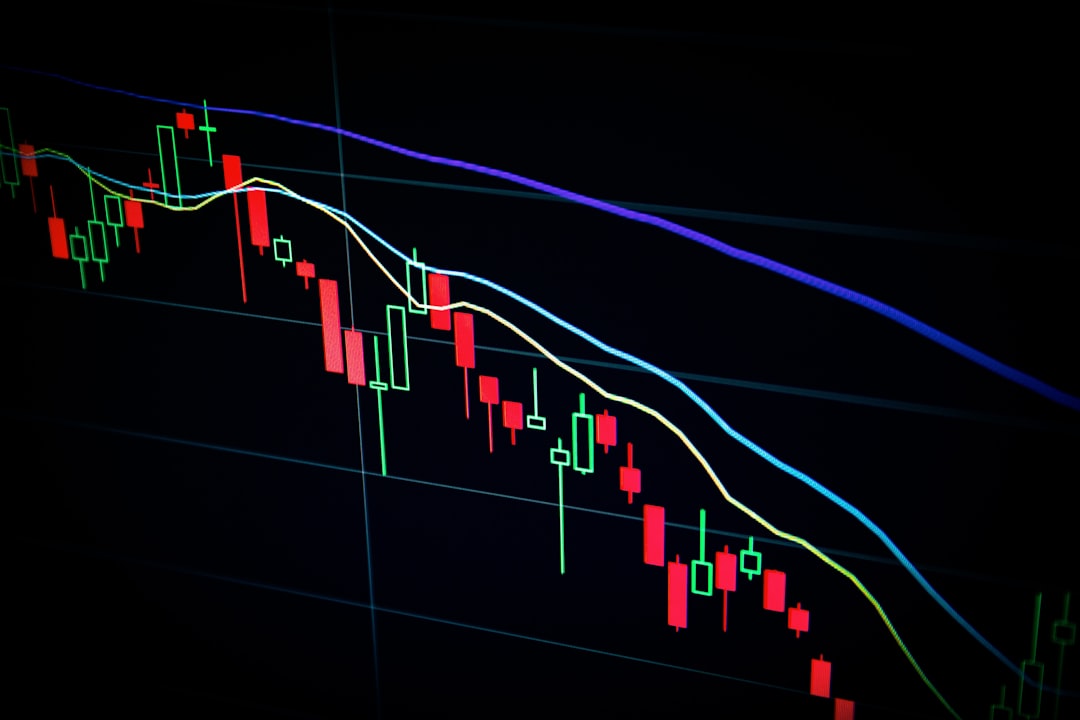
2. Draw the Fibonacci: Connect the most recent swing low to the swing high. The retracement levels will appear below the high.
3. Wait for the pullback: Let price drop to the 38.2% or 61.8% level. Avoid the 23.6% level—it’s too shallow and often leads to false breakouts.
4. Confirm the entry: Look for a bullish candlestick pattern (like a hammer or engulfing candle) at the Fibonacci level. Or wait for the Relative Strength Index (RSI) to show oversold conditions (below 30) at the same level.
5. Place your order: Enter a limit order at the Fibonacci level or a market order once the confirmation candle closes above the level.
For a short trade, reverse the process: draw the Fibonacci from a swing high to a swing low in a downtrend, and look for a bearish confirmation at a retracement level.
Risk Management
No strategy works without solid risk management. Here’s how to protect your capital:
- Set a stop loss: Place your stop just below the next Fibonacci level (e.g., if you enter at 61.8%, put the stop below 78.6%). For tighter stops, use the low of the confirmation candle.
- Take profit targets: Use the next Fibonacci extension levels (e.g., 127.2% or 161.8%) as partial profit targets. Or simply trail your stop as price moves in your favor.
- Position size: Never risk more than 1-2% of your account on a single trade. Calculate your position size based on the distance to your stop loss.
- Combine with volume: Higher volume on the bounce increases the probability of success. Low volume bounces are traps.
Remember, Fibonacci is a self-fulfilling prophecy because so many traders watch these levels. But it’s not perfect—always use it with other tools like support/resistance, trendlines, or moving averages.
Conclusion
Fibonacci retracement entries give you a structured way to buy low and sell high in trending markets. By combining these levels with price action confirmation and strict risk management, you can trade with confidence instead of emotion. Start practicing on a demo chart or with small sizes, and watch how often price respects these ancient numbers. The golden zone is waiting—go find it.