
Master the Clouds: A Beginner’s Guide to the Ichimoku Cloud Strategy

Imagine having a single chart indicator that tells you where support and resistance lie, what the trend is, and when momentum is shifting — all at a glance. That’s the power of the Ichimoku Cloud. It might look intimidating at first with its five lines and colored cloud, but once you break it down, it becomes one of the most versatile tools in your trading toolkit. In this guide, we’ll walk through how to read the cloud, set up your trades, and manage risk like a pro.
How It Works
The Ichimoku Cloud (or Ichimoku Kinko Hyo) is a comprehensive technical indicator developed by Japanese journalist Goichi Hosoda. It consists of five components:
- Tenkan-sen (Conversion Line): (9-period high + 9-period low) / 2. Think of it as a short-term moving average.
- Kijun-sen (Base Line): (26-period high + 26-period low) / 2. This is the medium-term trend line.
- Senkou Span A (Leading Span A): (Tenkan-sen + Kijun-sen) / 2, plotted 26 periods ahead.
- Senkou Span B (Leading Span B): (52-period high + 52-period low) / 2, plotted 26 periods ahead.
- Chikou Span (Lagging Span): Current closing price plotted 26 periods behind.
The area between Senkou Span A and Senkou Span B forms the cloud (Kumo). When Span A is above Span B, the cloud is bullish (green/blue). When Span A is below Span B, the cloud is bearish (red/pink).
The Setup: A Simple Bullish Trade
Let’s use a long trade example on a daily chart:
1. Check the Cloud Color: Look for a green cloud (bullish). This tells you the larger trend is up.
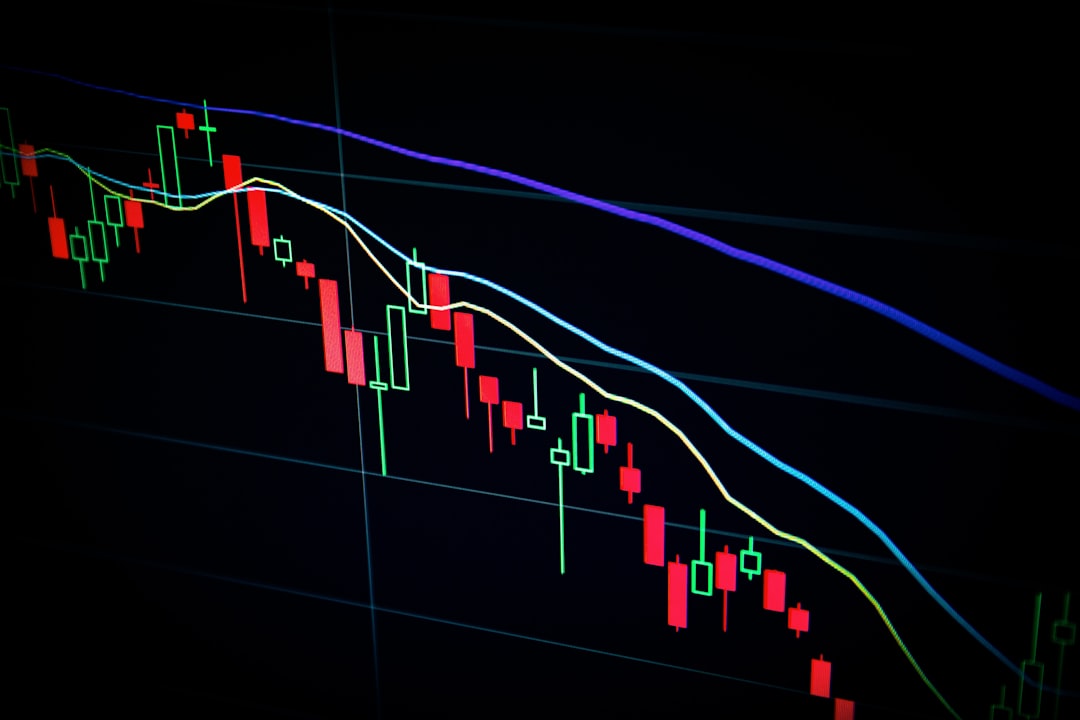
2. Price Above the Cloud: Wait for price to be trading above the cloud. This confirms bullish momentum.
3. Conversion Line Cross: The Tenkan-sen should cross above the Kijun-sen. This is a short-term bullish signal.
4. Lagging Span Confirmation: The Chikou Span should be above the price action from 26 periods ago. This confirms the strength of the move.
5. Entry: Enter on the next candle close after all conditions are met.
For a bearish trade, reverse these conditions: red cloud, price below the cloud, Tenkan-sen below Kijun-sen, and Chikou Span below price.
Risk Management
No strategy is complete without protecting your capital. Here’s how to manage risk with the Ichimoku Cloud:
- Stop Loss: Place your stop loss just below the cloud (for longs) or just above the cloud (for shorts). The cloud acts as dynamic support or resistance.
- Position Sizing: Never risk more than 1-2% of your account on a single trade. Calculate your position size based on the distance from entry to stop loss.
- Trailing Stops: As the trade moves in your favor, trail your stop along the cloud’s edge. If the cloud starts to flatten or change color, tighten your stop.
- Avoid Trading in Thin Cloud: When the cloud is very narrow (flat market), wait for it to expand. A narrow cloud often signals a range-bound market with low directional conviction.
Conclusion
The Ichimoku Cloud is a complete trading system in one glance. It removes the guesswork by combining trend, momentum, and support/resistance into a single visual. Start by practicing on a demo account — focus on the cloud color and price position first. Once you’re comfortable, add the cross signals. Remember, patience is key: wait for all components to align before pulling the trigger. Master the clouds, and you’ll see the market with new clarity.