
Tokenized Private Shares Explained: What Citi’s Latest Move Means for Crypto
What if you could own a piece of a private company—like SpaceX or Stripe—with the same ease as buying Bitcoin on an exchange? That’s exactly what Wall Street giants like Citigroup are working on. In June 2026, Citi launched a pilot program that turns shares of private companies into digital tokens on a regulated blockchain. This isn’t a crypto-native project—it’s a major bank using blockchain to solve a real problem in traditional finance. For crypto investors, this matters because it shows how tokenization could bridge the gap between Wall Street and DeFi. This guide breaks down what tokenized private shares are, how Citi’s system works, and why you should pay attention even if you can’t buy them yet.
Read time: 8-10 minutes
Understanding Tokenized Private Shares for Beginners
Tokenized private shares are digital representations of ownership in a private company, created and traded on a regulated blockchain. Think of it like converting a physical stock certificate into a digital file that can be transferred instantly. Instead of faxing paperwork or waiting days for settlement, you can trade these tokens in minutes.
Why were they created? Private company shares—like those of startups before they go public—have traditionally been hard to buy and sell. They require lawyers, paperwork, and personal connections. This creates a problem: investors who believe in a company can’t easily sell their stake, and new investors can’t easily buy in. Tokenization solves this by making private shares more liquid and accessible, at least for eligible investors.
A real-world example: Imagine you invested in a friend’s tech startup. Normally, you’d need to find a buyer, negotiate terms, and hire a lawyer to transfer ownership. With tokenized shares, that process might happen on your phone in minutes—but with the same legal protections as traditional investing.
The Technical Details: How Citi’s System Actually Works
Citi’s system, built with SIX Digital Exchange (SDX), uses a specific structure called Digital Depositary Receipts (DDRs). Here’s how it works:
1. Underlying Shares Are Held: Citi holds the actual private company shares in custody, like a bank vault for digital assets.
2. Tokens Are Issued: Citi creates DDR tokens on SDX’s regulated blockchain. Each token represents ownership of one underlying share.
3. Settlement Happens On-Chain: When a token is traded, the ownership record updates instantly on the blockchain, eliminating the 2-3 day wait for traditional settlement.
4. Custody Follows Regulation: The tokens are held within a regulated framework, not on a public, permissionless network like Ethereum.
Flow diagram suggestion (for infographic): “How a Tokenized Share Moves from Company to Investor: Company → Citi Custody → SDX Blockchain → Investor Wallet.”
Why this structure matters for users: It combines the speed and transparency of blockchain with the legal protections of regulated finance. Investors can hold tokenized private shares alongside their Apple stock in the same account—a convenience that wasn’t possible before.
Current Market Context: Why This Matters Now
As of June 2026, Citi’s pilot represents a significant step for institutional tokenization. The first transaction involved Kaleido, a tokenization platform, using DDRs. However, there are important limitations:
- Restricted Access: These tokens are only available to non-U.S. accredited investors under Regulation S of the Securities Act. U.S. investors can’t participate yet.
- Small Scale: This is a pilot, not a mass-market product. The first tokenized shares aren’t widely available.
- Institutional Focus: The target is wealthy individuals and institutions, not retail investors.
Despite these limits, the move signals something bigger. Citi’s own Tokenization 2030 report projects the global tokenized asset market could grow from $17 billion today to $5.5 trillion by 2030. That’s a massive shift, and major banks like Citi are building the infrastructure to capture it. For crypto investors, this means the line between traditional and decentralized finance is blurring faster than expected.
Competitive Landscape: How Citi’s Approach Compares
| Feature | Citi / SDX (Regulated Wall Street) | Permissionless DeFi (e.g., Ethereum) | Alternative Platforms (e.g., Securitize) |
|---|---|---|---|
| Access | Accredited investors only (non-U.S. initially) | Any internet user | Usually accredited investors |
| Settlement | On chain (minutes) | On chain (minutes, depending on gas) | On chain or off-chain |
| Regulation | Full SEC/SIX compliance, KYC/AML | Minimal to none | Compliance-oriented, varies by jurisdiction |
| Liquidity | Initially low; depends on issuer participation | Variable; depends on DEX and tokenomics | Variable; often low for private securities |
| User Benefit | Legal protection, institutional-grade security | Open access, composability (DeFi integrations) | Regulatory clarity but less flexibility |
Why this matters for users: Citi’s path is the slow, careful, regulated approach. It prioritizes safety and compliance over speed and access. For beginners, this means any tokenized assets they might eventually access through a bank will meet high standards—but it also means innovation will come from established players, not just crypto startups.
Practical Applications: Real-World Use Cases
Why should the average crypto user care about tokenized private shares?
- Portfolio Diversification: High-net-worth individuals can now access private company investments (like unicorns) with the liquidity of a public stock. This could eventually trickle down to retail investors through ETFs or managed products.
- Faster Settlement: Selling a tokenized share settles in minutes, not days. This reduces counterparty risk and frees up capital faster.
- Fractional Ownership: Tokenization allows for fractional shares, meaning smaller investors could eventually own a piece of a company that previously required a $100,000 minimum.
- Transparency: Blockchain records a transparent audit trail of ownership, reducing the risk of fraud or errors that plague paper-based systems.
Risk Analysis: Expert Perspective
Primary Risks:
1. Regulatory Risk: These tokens exist in a legal gray area. If regulators decide they violate securities laws, the entire system could be shut down or retroactively penalized.
2. Liquidity Risk: Just because something is tokenized doesn’t mean there are buyers. These private shares could trade so infrequently that you can’t sell when you want.
3. Market Risk: Private companies are riskier than public ones. They have less public information, often burn cash, and can fail without warning. The tokens themselves don’t change that.
4. Technical Risk: The blockchain system could have bugs, hacks, or failures. While Citi’s system is regulated and likely well-audited, no system is perfect.
Mitigation Strategies:
- Diversify: Don’t put all your funds into tokenized private shares.
- Understand the Fine Print: Read the legal documents. These tokens often come with warnings about limited trading, price volatility, and potential loss of principal.
- Use Regulated Platforms: Stick with banks or FINRA-registered platforms for tokenized assets.
Expert Consensus: The clear message from both Citi’s documentation and market analysts is that tokenization is real but early. It will take years of adoption, regulatory clarity, and market development before it becomes mainstream.
Future Outlook: What’s Next
The journey of tokenized private shares is just beginning. In the coming years, we can expect:
1. Expansion to U.S. Investors: Citi has stated it will seek approval to offer these tokens to U.S. investors after the 2026 pilot.
2. More Issuers: If Kaleido’s tokenization works, other private companies may follow, creating a network effect.
3. Interoperability: The system might eventually connect with DeFi protocols, allowing tokenized shares to be used as collateral for loans or yield generation.
4. Retail Access: Over time, ETFs or mutual funds based on tokenized shares could offer retail investors exposure without needing to hold the tokens directly.
The key word is “eventually.” For now, this is a proof of concept with massive implications. As Citi executive Artem Korenyuk put it, the goal is to let clients hold private shares “right next to their Apple stock.” That vision is now one step closer to reality.
Key Takeaways
- Citi’s tokenized private shares pilot marks a major step for regulated Wall Street blockchain adoption, using Digital Depositary Receipts on SDX.
- Access is currently limited to non-U.S. accredited investors, but expansion to U.S. investors and other issuers is planned.
- Tokenization doesn’t change the risk of private company investing—liquidity, volatility, and information gaps remain.
- The institutional signal is strong: Citi projects a $5.5 trillion tokenized asset market by 2030, showing that major banks are betting big on blockchain infrastructure.
,
“datePublished”: “2026-06-11”,
“dateModified”: “2026-06-11”,
“mainEntity”: {
“@type”: “Thing”,
“name”: “Tokenized Private Shares”
}
}
Cold Storage vs Hot Wallets: Which Should You Choose?
In the world of cryptocurrency, securing your digital assets is paramount. Two primary methods dominate the landscape: cold storage and hot wallets. Each offers distinct advantages and trade-offs, and choosing the right one depends on your needs, risk tolerance, and usage patterns. This comprehensive guide breaks down everything you need to know to make an informed decision.
Key Concepts
What Are Hot Wallets?
Hot wallets are cryptocurrency wallets that are connected to the internet. They include mobile apps, desktop software, and web-based platforms. Hot wallets offer convenience and speed, making them ideal for frequent transactions, trading, and daily use. However, because they are online, they are more vulnerable to hacking, phishing, and malware attacks.
What Is Cold Storage?
Cold storage refers to wallets that are not connected to the internet. This includes hardware wallets (like Ledger or Trezor), paper wallets, and even offline computers. Cold storage is considered the gold standard for long-term security because private keys never touch a networked device. The trade-off is reduced convenience—accessing funds requires extra steps.
Key Differences at a Glance
- Security: Cold storage is far more secure against online threats; hot wallets are more exposed.
- Convenience: Hot wallets allow instant transactions; cold storage requires manual steps.
- Use Case: Hot wallets for active trading and small balances; cold storage for long-term holdings and large amounts.
- Cost: Hot wallets are often free; cold storage requires purchasing hardware (typically $50–$200).
Pro Tips
- Never store all your crypto in one place. Use a combination: keep a small amount in a hot wallet for daily use and the majority in cold storage.
- Always enable two-factor authentication (2FA) on hot wallets and exchanges.
- Write down your seed phrase on paper and store it in a safe, offline location. Never share it online.
- Regularly update firmware on hardware wallets to protect against vulnerabilities.
- Consider multi-signature wallets for added security, especially for shared funds or larger portfolios.
💡 Pro Tip
Looking for altcoin opportunities and smooth trading? Try KuCoin.
FAQ Section
1. Is a hot wallet safe for large amounts?
Generally, no. Hot wallets are best for small, active balances. For large amounts, cold storage is strongly recommended to minimize risk of theft.
2. Can I use both cold storage and hot wallets together?
Absolutely. This is a common and recommended strategy. Use a hot wallet for daily transactions and a cold wallet for long-term savings.
3. What happens if I lose my hardware wallet?
If you have your seed phrase (recovery phrase), you can restore your funds on a new device. Without it, your crypto is lost forever. Always back up your seed phrase securely.
4. Are mobile wallets considered hot wallets?
Yes, most mobile wallets are hot wallets because they connect to the internet. However, some offer additional security features like biometric locks and encryption.
5. Which is better for beginners?
Hot wallets are easier to set up and use, making them a good starting point. As your portfolio grows, transition to cold storage for enhanced security.
For more details on this, check out our guide on Using Etherscan: Tracking Whales and Verifying Transactions – A Complete Guide.
You might also be interested in reading about Tether’s US-Focused Stablecoin USAT Surges 540% in April, Still Trails Rivals.
Conclusion
Choosing between cold storage and hot wallets isn’t about picking one over the other—it’s about finding the right balance for your lifestyle and security needs. Hot wallets offer unmatched convenience for active traders and small balances, while cold storage provides fortress-like protection for long-term holders. By combining both, you can enjoy the best of both worlds: easy access to funds when you need them, and peace of mind that your savings are safe from online threats. Start with a hot wallet for daily use, then invest in a hardware wallet as your crypto journey grows. Your future self will thank you.
Bitcoin RSI Plunges to Lowest Since 2018 as Traders Eye $64K Breakout
June 11, 2026 — Bitcoin rebounded 2.3% from a session low of $60,914 to reach $63,200 on June 11, 2026, as the Relative Strength Index (RSI) hit 30 — the lowest reading since November 2018. The oversold signal has traders watching closely for a potential breakout above $64,000 that could open the path toward $66,000–$68,000 resistance levels.
Immediate Details & Direct Quotes
Looking for altcoin opportunities and smooth trading? Try KuCoin.
Bitcoin’s intraday recovery pushed prices to approximately $62,780 at the time of analysis, with a market capitalization near $1.258 trillion and 24-hour trading volume of $29.66 billion. The $60,914 low served as the session’s key test, with buyers defending that level and pushing the price back toward the $62,800–$63,200 range.
The recovery follows a challenging month for the largest cryptocurrency. Bitcoin has declined 22.85% over the past 30 days and sits 27.93% below its year-to-date opening level.
The 1-hour chart shows the clearest bullish structure across timeframes analyzed. Price formed a series of higher highs and higher lows after establishing a low near $60,700, with buyers controlling intraday momentum. The 4-hour chart reveals a short-term bullish recovery structure taking shape after the $59,100 washout that defined the recent low.
Technical analysts note that Bitcoin touched its 200-week moving average during this period — a level that has historically preceded significant mean-reversion reactions.
Market Context & Reaction
Oscillator readings present a mixed but potentially bullish picture. The RSI registered 30, marking the lowest reading since November 2018 and signaling deep oversold conditions. Momentum flipped to a positive signal at negative 8,547, while the Moving Average Convergence Divergence (MACD) level printed at negative 4,047 — the sole bearish signal among oscillators.
The overall oscillator summary: 8 neutral, 2 bullish, and 1 bearish.
However, the moving average picture tells a different story. Thirteen of 15 tracked averages issued negative signals as Bitcoin trades below every major Exponential Moving Average (EMA) and Simple Moving Average (SMA) except the SMA(10) at $62,861. The EMA(10) stands at $64,046, slightly bearish, while the EMA(20) sits at $67,402. Key resistance levels include $68,000–$72,000.
Probability weighting from multi-timeframe analysis puts consolidation between $61,000–$64,000 at 45%, a breakout toward $66,000 at 35%, and a retest of $60,000 at 20%.
Background & Historical Context
Bitcoin sold off from approximately $82,800 to the $59,100 low with volume expanding during the decline, confirming distribution at higher levels. Recent candles show stabilization in the $60,000–$63,000 range, but the series of lower highs on the daily chart remains unbroken.
The daily trend is considered bearish until Bitcoin closes above the $66,000–$68,000 region. The current move reads as a relief rally within a corrective phase, not a confirmed trend reversal.
Bitcoin’s all-time high remains $126,272, with a circulating supply of 20.04 million BTC.
An aggressive long entry setup calls for a pullback into the $62,200–$62,500 zone with bullish candle confirmation, targeting $63,500, $64,000, and $65,000. A breakout entry above $63,300–$63,500 on an hourly close targets $64,500, $65,000, and $66,000, with the setup invalidated on a move back below $62,800.
What This Means
Bitcoin’s RSI at 30 marks the most oversold reading since November 2018 — a level that has historically preceded significant recoveries. The 1-hour chart structure shows higher highs and higher lows off the $60,700 low, while buyers defended $61,000 repeatedly on the 4-hour chart.
A 4-hour close above $63,500–$64,000 opens a clear path toward $65,000–$66,000 with defined risk below $61,800. However, until price reclaims and holds above $68,000, every rally into resistance carries downside risk.
Traders should watch the $64,000 level closely. A rejection near $64,000 followed by a loss of $61,500 would reopen the path toward $60,000 and a retest of the $59,100 critical support. For now, the technical picture remains divided — oversold signals on oscillators conflict with bearish moving average structures.
Not financial advice. Conduct your own research before trading.
—

Brick by Brick: How Real World Assets (RWA) Tokenization Is Reshaping Crypto Trading
Imagine owning a slice of a Manhattan skyscraper, a vintage Ferrari, or even a rare Picasso painting — all from your laptop, without a million-dollar bankroll. That’s the promise of Real World Asset (RWA) tokenization, and it’s quickly becoming one of the most exciting trends in crypto. For traders, this isn’t just another DeFi fad; it’s a bridge between traditional finance and the blockchain, opening up new liquidity pools and arbitrage opportunities. Let’s dive into what RWA tokenization means for your trading strategy.
How It Works
At its core, RWA tokenization is the process of converting ownership rights to a physical or traditional financial asset into a digital token on a blockchain. These tokens can represent anything from real estate and commodities to bonds and invoices. The key innovation is fractional ownership — instead of needing $500,000 to buy a property, you can buy 100 tokens representing 0.01% of that property.
For traders, this means:
- Increased liquidity: Illiquid assets like real estate can now be traded 24/7 on secondary markets.
- Lower barriers to entry: You can start with a small amount of capital.
- Transparency: All ownership records are on-chain, reducing fraud.
The Setup
Here’s how you can approach RWA tokenization as a trading idea:

1. Identify the Asset Class: Focus on tokenized real estate (e.g., on platforms like RealT or Lofty AI), tokenized commodities (like gold on Paxos), or tokenized bonds (like on Ondo Finance).
2. Find the Spread: RWA tokens often trade at a discount or premium compared to their underlying asset’s fair value. For example, a tokenized property might trade below its appraised value due to low liquidity. That’s your entry point.
3. Use DEXs and CEXs: Trade these tokens on decentralized exchanges (e.g., Uniswap) or centralized platforms that support RWAs (e.g., Binance for tokenized gold).
4. Monitor Yield: Many RWA tokens generate yield (rent, interest, dividends). This creates a “carry trade” opportunity where you earn passive income while waiting for price appreciation.
Risk Management
RWA tokenization isn’t risk-free. Here’s how to protect yourself:
- Counterparty Risk: The token is only as good as the issuer. Research the legal structure — is the asset held in a trust? Are there audits?
- Liquidity Risk: Some RWA tokens have thin order books. Avoid large positions in low-volume tokens unless you plan to hold long-term.
- Oracle Risk: If the token’s price is pegged to an off-chain value (e.g., real estate appraisal), a faulty oracle can cause mispricing. Stick to projects with reputable oracles like Chainlink.
- Regulatory Risk: Laws around tokenized assets vary by country. Ensure the platform complies with your local regulations.
- Diversify: Don’t put all your capital into one RWA token. Spread across different asset types and chains (Ethereum, Polygon, Solana).
Conclusion
RWA tokenization is more than a buzzword — it’s a paradigm shift that merges the stability of traditional assets with the efficiency of blockchain. For traders, it offers a new frontier of opportunities, from arbitrage to yield farming. Start small, do your due diligence, and remember: the real value lies in the asset behind the token. As always, trade smart, stay curious, and keep simplifying the complex.
How to Secure Your Crypto Wallet: A Step-by-Step Guide
Introduction
In the world of cryptocurrency, security is paramount. With billions of dollars lost to hacks, phishing attacks, and user errors each year, knowing how to properly secure your crypto wallet is not optional—it’s essential. Whether you’re a beginner holding your first Bitcoin or an experienced trader managing a diverse portfolio, this step-by-step guide will walk you through the best practices to protect your digital assets from thieves, malware, and even yourself.
Key Concepts
- Private Keys vs. Seed Phrases: Your private key is the password to your funds; your seed phrase (usually 12 or 24 words) is the master key to recover your wallet. Never share either.
- Hot Wallets vs. Cold Wallets: Hot wallets (e.g., MetaMask, Trust Wallet) are connected to the internet—convenient but vulnerable. Cold wallets (e.g., hardware wallets like Ledger or Trezor) store keys offline, offering maximum security.
- Two-Factor Authentication (2FA): Adds an extra layer of protection beyond your password. Use an authenticator app (like Google Authenticator) rather than SMS when possible.
- Phishing & Social Engineering: Scammers impersonate legitimate services to steal your credentials. Always double-check URLs and never enter your seed phrase on any website.
- Smart Contract Risks: Approving malicious contracts can drain your wallet. Only interact with verified and audited dApps.
Pro Tips
- Use a Hardware Wallet for Long-Term Storage: For any significant amount of crypto, invest in a hardware wallet. Keep it in a safe place, and never connect it to a compromised computer.
- Write Down Your Seed Phrase on Paper: Store it in a fireproof safe or a safety deposit box. Avoid digital copies (screenshots, cloud storage, emails).
- Enable 2FA Everywhere: On exchanges, wallets, and any crypto-related service. Prefer hardware-based 2FA (like YubiKey) for the highest security.
- Use a Dedicated Browser or Device: Consider using a separate browser (like Brave) or even a dedicated computer for crypto transactions to minimize exposure to malware.
- Regularly Revoke Token Approvals: Use tools like Etherscan’s Token Approval checker or Revoke.cash to remove permissions from unused dApps.
- Beware of Fake Apps & Extensions: Only download wallet apps from official sources (App Store, Google Play, or the project’s official GitHub). Check reviews and download counts.
FAQ Section
What is the safest type of crypto wallet?
Hardware wallets (cold wallets) like Ledger or Trezor are considered the safest because they store your private keys offline, making them immune to online hacking attempts.
Can I recover my wallet if I lose my phone?
Yes, if you have your seed phrase (recovery phrase). You can restore your wallet on any compatible device using that phrase. Never lose it—without it, your funds are gone forever.
Is it safe to keep crypto on an exchange?
Exchanges are convenient for trading, but they are custodial—meaning you don’t control the private keys. For long-term holdings, transfer your crypto to a wallet you control. For more details on this, check out our guide on Polymarket Insider Trading Explained: What Google Engineer Case Means for Prediction Markets.
What should I do if I think my wallet is compromised?
Immediately transfer your funds to a new wallet with a new seed phrase. Revoke any token approvals on the old wallet. Change passwords and 2FA on all associated accounts.
How often should I update my wallet software?
Always keep your wallet software, browser extensions, and hardware wallet firmware up to date. Updates often include critical security patches.
Conclusion
Securing your crypto wallet is an ongoing process, not a one-time setup. By following the steps in this guide—using hardware wallets, safeguarding your seed phrase, enabling 2FA, and staying vigilant against phishing—you can dramatically reduce the risk of losing your assets. Remember: in crypto, you are your own bank. Take that responsibility seriously. You might also be interested in reading about Stablecoin Yield Strategies: Low Risk Farming Guide for 2026.
BlackRock BUIDL: Institutional Crypto Entry via RWA Tokenization
BlackRock’s BUIDL fund marks a watershed moment for Real World Assets (RWAs) in crypto. As the world’s largest asset manager, BlackRock is tokenizing short-term U.S. Treasury bonds on the Ethereum blockchain, offering institutional investors a regulated, yield-bearing digital asset. This guide explains how BUIDL works, its investment implications, and why it bridges TradFi and DeFi.
What Are RWAs and Why BUIDL Matters
Real World Assets (RWAs) are tangible or intangible assets—such as real estate, bonds, commodities, or credit—tokenized on a blockchain. BUIDL specifically tokenizes U.S. Treasury bills, enabling fractional ownership, 24/7 liquidity, and on-chain transparency. The key difference: off-chain assets rely on traditional settlement (T+2, limited hours), while on-chain RWAs settle instantly, 365 days a year.
How BlackRock BUIDL Works
The technical process involves several steps:
- Tokenization: BlackRock creates digital tokens representing shares in a fund holding short-term U.S. Treasuries.
- SPV (Special Purpose Vehicle): A legal entity isolates the underlying assets from BlackRock’s balance sheet, ensuring investor protection.
- Oracle Integration: Price feeds (e.g., from Chainlink) provide real-time net asset value (NAV) data on-chain.
- Blockchain Settlement: Tokens are issued on Ethereum, allowing instant transfers and composability with DeFi protocols.
Investors can mint or redeem tokens 24/7, with BlackRock handling the off-chain fiat conversion. Reports from BlackRock indicate the fund targets a yield comparable to short-term T-bills, currently around 5% APY.
Investment Analysis: Pros, Cons, and Risks
BUIDL offers several advantages for institutional and retail investors:
- Pros: Regulatory compliance (SEC-registered), daily liquidity, low counterparty risk (backed by U.S. government debt), and potential for DeFi collateral use.
- Cons: Limited yield compared to riskier crypto assets, Ethereum gas fees, and reliance on BlackRock’s operational integrity.
- Risks: Regulatory changes (e.g., SEC reclassification), smart contract vulnerabilities in the tokenization layer, and oracle manipulation risks.
For a broader market view, check out our analysis on Bittensor Co-Founder: Bitcoin’s Compute Power Exceeds Top 100 Supercomputers by 600,000x. Investors often compare this to Unlocking the Future: How Real World Asset (RWA) Tokenization Is Changing Crypto Trading.
Tool Recommendation for RWA Analysis
To track BUIDL and other RWA tokens effectively, use a platform with robust charting and on-chain data. For the best charting tools to spot this pattern, try Bitget. Bitget offers real-time price feeds, order book depth, and historical data for tokenized assets. Start analyzing at https://partner.bitget.site/bg/SVJSDD.
Frequently Asked Questions
What is the minimum investment for BlackRock BUIDL?
BlackRock BUIDL requires a minimum investment of $100,000 for institutional investors, though secondary market purchases may allow smaller amounts via DeFi platforms.
How does BUIDL generate yield?
BUIDL earns yield by holding short-term U.S. Treasury bills. The fund distributes accrued interest daily to token holders, with the APY fluctuating based on Federal Reserve rates.
Is BUIDL available to retail investors?
Currently, BUIDL is primarily for accredited institutional investors. However, retail exposure is possible through DeFi protocols that accept BUIDL as collateral or via tokenized fund shares on secondary markets.
Conclusion
BlackRock BUIDL represents a pivotal step in institutional adoption of crypto, proving that regulated, yield-bearing RWAs can coexist with blockchain technology. While risks remain—especially around regulation and smart contract security—the fund’s backing by U.S. Treasuries and BlackRock’s reputation make it a low-risk entry point for TradFi investors. As tokenization matures, BUIDL could become a cornerstone of the on-chain economy.
BlackRock’s Bitcoin Income ETF Explained: A Beginner’s Guide to Selling Options
Ever wondered how to earn steady income from Bitcoin without selling your coins? BlackRock, the world’s largest asset manager, is launching a new fund that does exactly that. The iShares Bitcoin Premium Income ETF (ticker: BITA) works by holding Bitcoin and then selling call options on it, generating monthly premiums for investors. This guide explains how covered-call Bitcoin ETFs work, why BlackRock’s version is unique, and what it means for everyday investors looking to earn passive income from crypto.
Read time: 8-10 minutes
Understanding Bitcoin Income ETFs for Beginners
A Bitcoin income ETF is a fund that generates regular payouts to investors by selling call options on Bitcoin holdings. Think of it like owning a rental property: instead of hoping the property value goes up, you earn rent checks each month. Similarly, instead of hoping Bitcoin’s price rises, the ETF collects premiums from selling options contracts.
Why was this created? Many crypto investors want both Bitcoin exposure and regular income. Traditional Bitcoin ETFs only track price movements—you either gain or lose money when Bitcoin moves. Income ETFs give investors a different tool: consistent cash flow, even if Bitcoin prices stay flat or move slightly lower, in exchange for capping potential upside.
A real-world example: BlackRock’s new BITA fund holds Bitcoin and shares of its $47 billion IBIT spot Bitcoin ETF. Each month, it sells call options on 25% to 35% of its holdings. Investors receive the premiums from those options as income distributions.
The Technical Details: How Covered-Call ETFs Generate Income
The mechanism behind BITA is called a “covered-call options strategy.” Here’s how each component works:
1. Holding the Underlying Asset: The fund buys Bitcoin and shares of IBIT. This gives it direct Bitcoin exposure and serves as “coverage” for the options it sells.
2. Selling Call Options: Each month, the fund sells call options on 25-35% of its holdings. A call option gives the buyer the right to purchase IBIT shares at a specific price (strike price) on or before expiration.
3. Collecting Premiums: When the fund sells a call option, it receives an upfront payment called a premium. This premium is the income that gets distributed to investors.
4. Upside Cap: If Bitcoin’s price surges above the strike price, the fund must sell IBIT shares at that lower price. This caps the fund’s gains but guarantees steady premium income.
Why this structure matters: Investors trade unlimited upside potential for consistent monthly payouts. This strategy works best in sideways or slowly rising markets where Bitcoin doesn’t make sudden, dramatic moves upward.
Flow diagram suggestion: Visual of fund holding Bitcoin → selling call options → collecting premiums → distributing income to investors
Current Market Context: Why BlackRock’s Move Matters Now
As of June 2026, BlackRock is racing to launch BITA ahead of competitors. The fund’s sponsor fee of 0.65% is significantly lower than existing covered-call Bitcoin ETFs:
| Fund | Ticker | Expense Ratio |
|---|---|---|
| BlackRock iShares Bitcoin Premium Income | BITA | 0.65% |
| YieldMax Bitcoin Option Income Strategy | YBTC | 0.95% |
| Bitcoin Covered Call Strategy | BTCI | 0.99% |
Bloomberg analyst Eric Balchunas noted this fee advantage, calling it “higher than IBIT but lower than the two biggest ETFs in ‘covered call’ category.” The lower fee could attract investors seeking better net returns.
Timing is critical. BlackRock faces pressure to beat Goldman Sachs to market, with Goldman’s own Bitcoin fund scheduled for around July 1. BlackRock already dominates spot Bitcoin ETFs with IBIT, which regularly draws the largest inflows among all Bitcoin funds. Launching BITA would extend BlackRock’s leadership into income-generating products.
Competitive Landscape: How BlackRock’s BITA Compares
| Feature | BlackRock BITA | YieldMax YBTC | BTCI |
|---|---|---|---|
| Expense Ratio | 0.65% | 0.95% | 0.99% |
| Underlying Asset | Bitcoin + IBIT shares | Bitcoin futures | Bitcoin ETFs |
| Options Coverage | 25-35% monthly | Variable | Variable |
| Distribution Frequency | Monthly | Monthly | Monthly |
| AUM | Seeded, pre-launch | ~$500M | ~$350M |
Strengths of BITA:
- Lowest fee in category
- Backed by BlackRock’s distribution network and brand trust
- Uses IBIT, the most liquid Bitcoin ETF
Weaknesses:
- Capped upside potential in strong bull markets
- New product with no track record
- May underperform spot Bitcoin during rallies
Why this matters for users: Lower fees mean more income reaches investors’ pockets. Over time, a 0.30-0.34% fee difference compounds significantly.
Practical Applications: Real-World Use Cases
- Retirement Income Supplement: Retirees seeking regular cash flow from crypto exposure without selling principal assets.
- Sideways Market Income: Investors who expect Bitcoin to trade in a range can earn premiums while waiting for direction.
- Dollar-Cost Averaging Alternative: Instead of buying more Bitcoin during dips, earn income that can be reinvested.
- Portfolio Diversification: Adds an income component to crypto allocations that traditionally offer only capital appreciation.
- Tax-Efficient Income: Options premiums may receive different tax treatment than short-term capital gains.
Risk Analysis: Expert Perspective
Primary Risks:
1. Upside Limitation: If Bitcoin rallies 50% in a month, BITA will significantly underperform spot Bitcoin. The selling of call options caps gains at the strike price.
2. Premium Volatility: Options premiums vary with market volatility. During calm periods, income distributions may shrink.
3. Downside Exposure: Unlike some structured products, BITA still holds Bitcoin directly. If Bitcoin crashes, the fund’s value drops—though options premiums provide partial offset.
4. Regulatory Risk: Bitcoin ETFs face ongoing regulatory scrutiny. Changes in SEC policy could affect BITA’s operations.
Mitigation strategies:
- Only allocate a portion of crypto holdings to income strategies
- Understand that BITA is not a substitute for spot Bitcoin exposure
- Monitor distribution rates and compare with other income options
Expert Consensus: Most analysts view covered-call Bitcoin ETFs as suitable for income-focused investors who already own Bitcoin and want to generate cash flow, not for pure price appreciation plays.
Beginner’s Corner: Quick Start Guide
Step 1: Understand Your Goals — Determine if you want Bitcoin upside or steady income. BITA prioritizes income over growth.
Step 2: Choose a Brokerage — Open an account with any broker that offers ETF trading (Fidelity, Schwab, Vanguard, Robinhood).
Step 3: Wait for Launch — BITA is “seeded and close to being ready” according to SEC filings. Monitor BlackRock announcements for exact launch date.
Step 4: Purchase Shares — Once available, buy shares under ticker “BITA” on Nasdaq. Minimum purchase is one share.
Step 5: Collect Distributions — Income is typically paid monthly and deposited into your brokerage account automatically. Reinvest or withdraw as needed.
Common Mistakes:
- Confusing BITA with IBIT (IBIT tracks Bitcoin price; BITA generates income)
- Expecting Bitcoin-level returns during bull markets
- Not understanding that distributions vary month to month
Security Best Practice: Buy ETFs through regulated, well-known brokerages with SIPC insurance (covers brokerage insolvency, not market losses).
Future Outlook: What’s Next
The launch of BITA represents a significant step in Bitcoin’s evolution from pure speculation to income-producing asset. Expected developments include:
1. Immediate Launch: Analysts expect BITA to begin trading within days, as the fund is already seeded with Bitcoin and IBIT shares.
2. First-Mover Advantage: BlackRock’s lower fee and distribution network could quickly make BITA the largest Bitcoin income ETF, similar to IBIT’s dominance.
3. Category Expansion: Success could spur more Bitcoin income products, including options strategies on other crypto ETFs.
4. Institutional Adoption: As income-generating crypto products mature, pension funds and endowments may allocate to these vehicles.
5. Competition Intensifies: Goldman Sachs’ upcoming fund will create direct competition, potentially leading to further fee reductions.
The timeline for broad adoption depends on Bitcoin’s price stability and regulatory clarity. As of June 2026, the market appears ready for income-focused Bitcoin products.
Key Takeaways
- BlackRock’s BITA ETF generates monthly income by selling call options on Bitcoin holdings, providing investors with steady premiums instead of unlimited upside.
- The 0.65% fee undercuts rivals by 30-34 basis points, potentially delivering higher net returns to income-focused investors.
- This strategy works best in sideways or slowly rising markets and will significantly underperform spot Bitcoin during major rallies.
- BITA is not a replacement for spot Bitcoin exposure but rather a tool for investors seeking regular cash flow from their crypto allocation.
XRP Network Fees Plunge 91.5% as Transaction Demand Collapses
June 9, 2026 — XRP’s 90-day average network fee has cratered 91.5%, signaling a sharp contraction in organic transaction demand despite earlier price strength, according to blockchain analytics firm Glassnode. The drop from 5,900 XRP in February 2025 to just 500 XRP today reflects what analysts describe as a near-total collapse in real network usage since the speculative peak.
Immediate Details & Direct Quotes
Ready to act on this news? Open an account on Binance — the world’s largest crypto exchange.
Glassnode flagged the fee decline as a critical demand signal in a June 9 post on X. The firm tracks the 90-day simple moving average (90D-SMA) of total fees paid on the XRP network to measure sustained transaction activity.
“A drop of this magnitude is not a fee market adjustment. It reflects a near-total contraction in organic transaction demand on the network since the speculative peak,” Glassnode detailed in their analysis.
The accompanying chart shows fees falling steeply from their early 2025 highs, suggesting XRP’s previous price rally generated temporary speculative activity rather than sustainable network usage. The 91.5% decline raises fundamental questions about whether XRP’s broader utility can support its market valuation.
Market Context & Reaction
The fee collapse follows earlier warning signs of weakening market conditions beneath XRP’s elevated price. In November 2025, Glassnode reported that only 58.5% of XRP supply remained in profit, the lowest share since November 2024, despite XRP trading near $2.15.
Approximately 41.5% of supply—or roughly 26.5 billion XRP—was held at a loss, indicating many investors entered at elevated prices. This dynamic suggests significant buying pressure absorbed during the rally has yet to be profitable.
Further compounding concerns, Glassnode data from November 8, 2025, showed realized profit volume surging approximately 240%, from $65 million per day to $220 million per day, while XRP fell from $3.09 to $2.30. The analytics firm described this trend as “distribution into weakness,” where investors locked in gains during a decline rather than a strengthening advance.
Background & Historical Context
The current network activity contraction traces back to early 2025, when XRP experienced a speculative surge that temporarily drove fees and transaction volumes higher. Glassnode’s data indicates that sustained organic demand failed to keep pace with price levels once speculative fervor subsided.
The pattern mirrors broader crypto market dynamics where price rallies driven by anticipation often outpace underlying network utility. XRP’s case appears particularly stark, with fee metrics suggesting the gap between market price and real-world usage has widened considerably.
Notably, price data referenced in November 2025 showed XRP had already fallen from its $3.09 peak, with valuation declines preceding the full extent of the on-chain activity slowdown now evident in June 2026.
What This Means
The 91.5% fee collapse signals that XRP’s network faces a fundamental demand problem that price movements alone do not capture. For traders and investors, this suggests current XRP valuations may not reflect the asset’s actual transaction utility.
If organic network activity continues declining, questions will persist about XRP’s ability to support its market capitalization through real-world usage. The data indicates that speculative phases produce temporary activity spikes, but sustained adoption remains elusive.
The coming months will test whether new developments on the XRP Ledger—including tokenized real-world assets and expanded utility—can reverse the downward trend in transaction demand. Without a meaningful recovery in network fees, the divergence between price speculation and actual usage may intensify.
Not financial advice. Conduct your own research before making investment decisions.
—
The Hidden Power of Support and Resistance Flips
Have you ever watched a price level that was once a strong ceiling suddenly turn into a solid floor? That’s not magic—it’s a support and resistance flip, one of the most reliable concepts in technical analysis. When you understand how to spot and trade these flips, you unlock a whole new layer of market psychology. Let’s break it down.
How It Works
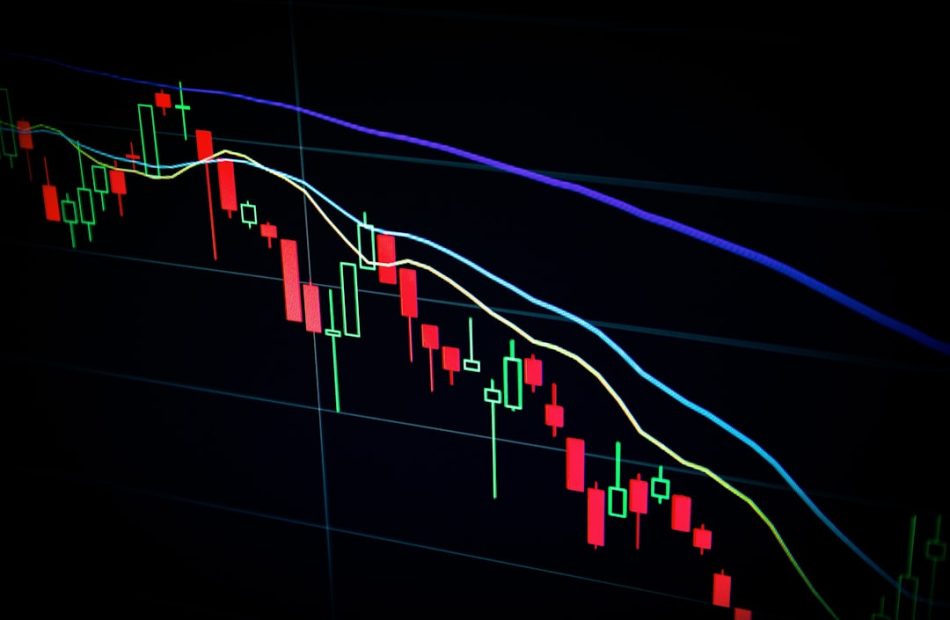
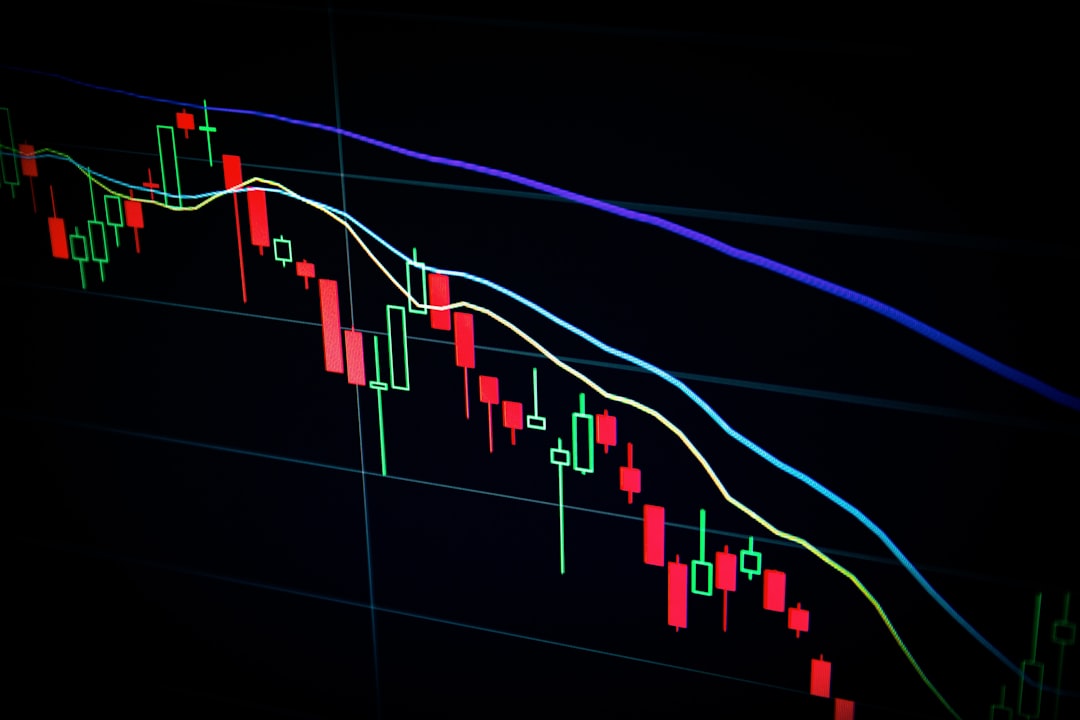
Support and resistance levels are not permanent walls. They are zones where buying or selling pressure has historically been strong. When price breaks through a resistance level, that level often becomes a new support zone. Why? Because traders who missed the breakout now see the level as a discounted entry point, and those who sold short there cover their positions. The opposite happens when support breaks: it turns into resistance.
Looking for altcoin opportunities and smooth trading? Try KuCoin.
The Setup
To trade a flip, you need a clear level that has been tested at least twice (ideally three times) as either support or resistance. Wait for a decisive break with increased volume—this confirms the flip is real, not a false breakout. For a resistance-to-support flip, price should close clearly above the level. Then, wait for a retest of that level from above. That retest is your entry. Place a stop-loss just below the flipped level (or above for a support-to-resistance flip).
Risk Management
No strategy works 100% of the time. Always use a stop-loss. For flips, a good rule is to place your stop about 1–2% below the flipped level (for a long trade) to give it breathing room. Position size should be small enough that a single loss doesn’t hurt your account. Remember: flips work best on higher timeframes (4H and above) where levels are more significant. On lower timeframes, noise can create fake flips.
Conclusion
Support and resistance flips are a trader’s edge because they reveal where the crowd is changing its mind. Practice identifying them on a demo chart first. Look for clean levels, wait for the retest, and manage your risk. Over time, you’ll see these flips happening everywhere—and you’ll know exactly how to profit from them.
Cold Storage vs Hot Wallets: Which Should You Choose?
When it comes to securing your cryptocurrency, the choice between cold storage and hot wallets is one of the most critical decisions you’ll make. Each option offers distinct trade-offs between security and convenience. This guide breaks down the differences, pros, and cons to help you decide which is right for your needs.
Key Concepts
Hot Wallets are connected to the internet, making them convenient for frequent transactions. Examples include mobile apps, browser extensions, and exchange wallets. They are ideal for active trading but are more vulnerable to hacks and malware.
Cold Storage keeps your private keys offline, typically on hardware devices or paper wallets. This makes them nearly immune to online attacks, but they require more effort to use for everyday spending. Cold storage is best for long-term holdings and large amounts.
Pro Tips
- Use hot wallets only for small amounts you need daily.
- Store the bulk of your crypto in cold storage, especially for investments.
- Always enable two-factor authentication (2FA) on hot wallets.
- Keep your recovery seed phrase offline and in a secure location.
- Consider a multi-signature setup for added security.
FAQ Section
What is the safest way to store crypto?
Cold storage, such as a hardware wallet, is the safest option because it keeps your private keys offline and away from potential online threats.
Can I use both hot and cold wallets together?
Yes, many users adopt a hybrid approach: a hot wallet for daily spending and a cold wallet for long-term savings.
Are exchange wallets considered hot wallets?
Yes, exchange wallets are a type of hot wallet because they are connected to the internet. They are convenient but carry higher risk due to potential exchange hacks.
How do I recover funds if I lose my cold storage device?
You can recover your funds using the recovery seed phrase that came with the device. Always store this phrase securely offline.
Conclusion
Choosing between cold storage and hot wallets depends on your specific needs. For active traders, hot wallets offer speed and ease. For long-term investors, cold storage provides unmatched security. A balanced approach—keeping small amounts in a hot wallet and the rest in cold storage—is often the best strategy. For more details on this, check out our guide on Kraken Custody Lawsuit Explained: What the Etana $25m Fraud Case Means for You. You might also be interested in reading about What the Senate Ban on Prediction Market Betting Means for Crypto Users.