
The Hidden Power of Support and Resistance Flips
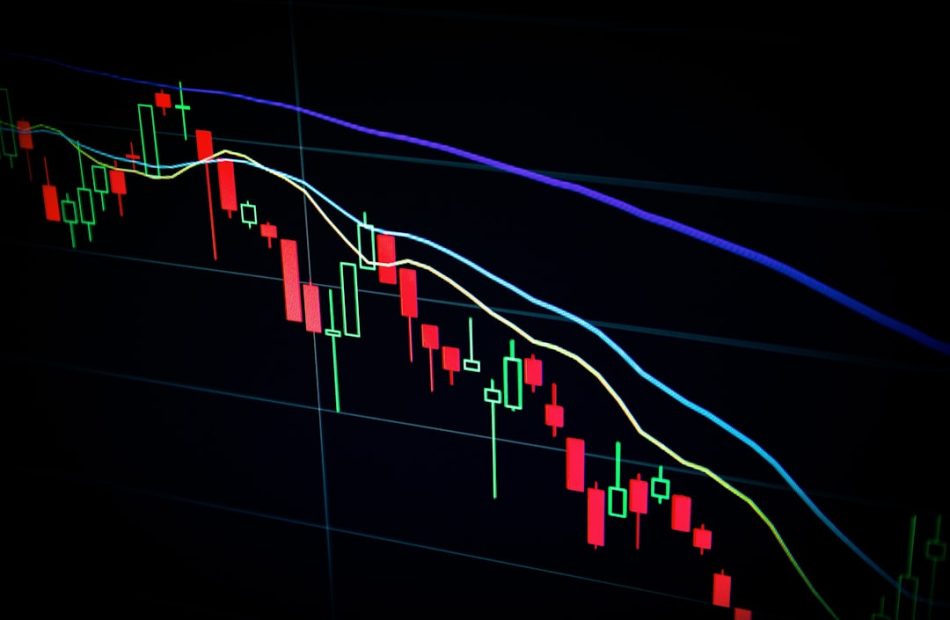
Have you ever watched a price level that was once a strong ceiling suddenly turn into a solid floor? That’s not magic—it’s a support and resistance flip, one of the most reliable concepts in technical analysis. When you understand how to spot and trade these flips, you unlock a whole new layer of market psychology. Let’s break it down.
How It Works
Support and resistance levels are not permanent walls. They are zones where buying or selling pressure has historically been strong. When price breaks through a resistance level, that level often becomes a new support zone. Why? Because traders who missed the breakout now see the level as a discounted entry point, and those who sold short there cover their positions. The opposite happens when support breaks: it turns into resistance.
Looking for altcoin opportunities and smooth trading? Try KuCoin.
The Setup
To trade a flip, you need a clear level that has been tested at least twice (ideally three times) as either support or resistance. Wait for a decisive break with increased volume—this confirms the flip is real, not a false breakout. For a resistance-to-support flip, price should close clearly above the level. Then, wait for a retest of that level from above. That retest is your entry. Place a stop-loss just below the flipped level (or above for a support-to-resistance flip).
Risk Management
No strategy works 100% of the time. Always use a stop-loss. For flips, a good rule is to place your stop about 1–2% below the flipped level (for a long trade) to give it breathing room. Position size should be small enough that a single loss doesn’t hurt your account. Remember: flips work best on higher timeframes (4H and above) where levels are more significant. On lower timeframes, noise can create fake flips.
Conclusion
Support and resistance flips are a trader’s edge because they reveal where the crowd is changing its mind. Practice identifying them on a demo chart first. Look for clean levels, wait for the retest, and manage your risk. Over time, you’ll see these flips happening everywhere—and you’ll know exactly how to profit from them.