

The Golden Cross: How to Spot a Major Bullish Trend Shift
If you’ve been around crypto trading for a while, you’ve probably heard someone say, “We just got a Golden Cross on Bitcoin!” and wondered what the big deal is. Is it a magic signal? Not exactly. But it is one of the most widely followed momentum indicators in the market — and for good reason.
A Golden Cross happens when a short-term moving average crosses above a long-term moving average. The most common pair traders use is the 50-period moving average crossing above the 200-period moving average. When this happens, it signals that the recent price trend is gaining strength and could be the start of a longer-term bullish phase.
How It Works
Moving averages smooth out price data to help you see the direction of the trend. The 50-period MA (often called the “fast” MA) reacts more quickly to price changes, while the 200-period MA (the “slow” MA) represents the bigger picture.
Looking for altcoin opportunities and smooth trading? Try KuCoin.
When the fast MA climbs above the slow MA, it tells you that short-term momentum is now stronger than the long-term average. This shift often attracts buyers and can lead to sustained upward movement.
The Setup
To trade the Golden Cross, you don’t need a complicated setup. Here’s a simple step-by-step:
1. Add two moving averages to your chart: 50-period and 200-period (both simple or exponential — your choice).

2. Wait for the 50-MA to cross above the 200-MA. This is your trigger.
3. Look for confirmation — a strong green candle or increased volume on the cross day.
4. Enter a long position after the cross is confirmed.
5. Set a stop-loss below the recent swing low or just under the 200-MA.
Pro tip: Golden Crosses work best on higher timeframes (daily or 4-hour) because they filter out noise.
Risk Management
No signal is perfect. The Golden Cross can produce false signals in choppy, sideways markets. Here’s how to protect yourself:
- Never go all-in. Use position sizing so that a single bad trade doesn’t wipe you out.
- Use a stop-loss. Place it below the 200-MA or the most recent support level.
- Take partial profits. Consider scaling out at key resistance levels or when the price gets extended from the moving averages.
- Watch for a “Death Cross” — the opposite signal where the 50-MA crosses below the 200-MA. That’s your cue to exit or go short.
Remember: The Golden Cross is a trend-following tool, not a crystal ball. It works best when combined with other indicators like RSI or volume analysis.
Conclusion
The Golden Cross is a classic bullish signal that has stood the test of time. While it’s not a guaranteed win, it gives you a clear, objective way to identify when momentum is shifting in your favor. Add it to your toolkit, use it with discipline, and you’ll be better prepared to catch the next big move.
Happy trading!
Private Credit on Blockchain: Earning High Yields
Private credit on blockchain represents a transformative shift in how investors access fixed-income markets. By tokenizing real-world assets (RWAs) such as corporate loans, trade finance, and real estate debt, blockchain technology enables fractional ownership, 24/7 liquidity, and transparent on-chain settlement. Unlike traditional private credit, which is illiquid, opaque, and limited to institutional investors, on-chain private credit opens the door to retail participants seeking high yields backed by tangible collateral.
What Is Private Credit on Blockchain?
Private credit refers to loans made by non-bank lenders to businesses or individuals. When tokenized, these loans are represented as digital tokens on a blockchain, allowing investors to buy, sell, and trade them in a decentralized marketplace. The key difference between off-chain and on-chain private credit lies in accessibility and efficiency. Off-chain private credit relies on intermediaries, manual paperwork, and limited secondary markets. On-chain private credit uses smart contracts, automated underwriting, and global liquidity pools, reducing costs and settlement times.
How It Works: The Technical Process
The tokenization of private credit follows a structured process to ensure legal compliance and asset integrity:
- Origination: A borrower applies for a loan through a regulated platform. The loan terms (amount, interest rate, maturity) are agreed upon.
- Special Purpose Vehicle (SPV): The loan is assigned to an SPV, a legal entity that isolates the asset from the platform’s balance sheet. The SPV holds the legal title to the loan.
- Tokenization: The SPV issues digital tokens representing fractional ownership of the loan. Each token entitles the holder to a proportional share of principal and interest payments.
- Oracle Integration: Oracles (e.g., Chainlink) feed real-world data—such as loan repayment status, interest rates, and collateral values—onto the blockchain to trigger smart contract actions.
- Blockchain Settlement: Investors purchase tokens via decentralized or centralized platforms. Smart contracts automatically distribute interest payments and manage defaults based on oracle inputs.
Investment Analysis: Pros, Cons, and Risks
Pros
- High Yields: On-chain private credit often offers APYs of 8–15%, significantly higher than traditional fixed-income products.
- Fractional Ownership: Investors can start with small amounts, diversifying across multiple loans.
- Transparency: All transactions and loan performance data are recorded on-chain, auditable by anyone.
- 24/7 Liquidity: Secondary markets allow investors to exit positions at any time, unlike traditional private credit.
Cons
- Regulatory Uncertainty: The legal status of tokenized credit varies by jurisdiction. Investors face risks from changing securities laws.
- Smart Contract Risk: Bugs or exploits in smart contracts can lead to loss of funds.
- Counterparty Risk: Borrower defaults remain a possibility, even with collateral.
- Illiquidity in Downturns: Secondary market liquidity can dry up during market stress.
Key Risks
- Regulation: The SEC and other regulators are increasingly scrutinizing tokenized securities. Non-compliance can lead to enforcement actions.
- Oracle Manipulation: If oracles provide incorrect data, smart contracts may execute improperly.
- Collateral Volatility: If loans are overcollateralized with volatile assets (e.g., crypto), sudden price drops can trigger liquidations.
For a broader market view, check out our analysis on Altcoin Rally Explained: Why SOL, LINK, and SUI Are Outperforming Bitcoin. Investors often compare this to US Treasury Bills on Blockchain: The Risk-Free Rate On-Chain.
Tool Recommendation
To participate in private credit markets, you need a reliable platform for trading tokenized assets and managing your portfolio. KuCoin offers a wide range of altcoin opportunities and smooth trading for both spot and futures. Whether you are looking to diversify into RWA tokens or simply want to trade high-yield assets, KuCoin provides the liquidity and tools you need. Try KuCoin today.
FAQ
What is the minimum investment for private credit on blockchain?
How are interest payments distributed to token holders?
Is private credit on blockchain regulated?
Conclusion
Private credit on blockchain offers a compelling opportunity for yield-seeking investors, combining the stability of real-world collateral with the efficiency of decentralized finance. While risks such as regulatory shifts and smart contract vulnerabilities exist, the asset class is maturing rapidly with institutional backing from firms like BlackRock and data providers like RWA.xyz. For those willing to conduct due diligence, on-chain private credit can be a valuable addition to a diversified portfolio. Start small, use reputable platforms, and stay informed on evolving regulations.
Real World Assets (RWA): How Tokenization Changes Investing
Real World Assets (RWA) tokenization is reshaping the investment landscape by bridging traditional finance with blockchain technology. This guide explores how tokenizing physical and financial assets—like real estate, bonds, commodities, and art—unlocks liquidity, fractional ownership, and global access for investors.
Introduction
For decades, investing in high-value assets such as commercial real estate, fine art, or private credit required significant capital, legal hurdles, and geographic proximity. Tokenization changes this by converting ownership rights into digital tokens on a blockchain. Each token represents a fractional stake in the underlying asset, enabling investors to buy, sell, and trade these tokens 24/7 with lower minimums and enhanced transparency. According to industry reports, the RWA market could exceed $10 trillion in tokenized assets by 2030, making it one of the most transformative trends in crypto and DeFi.
Key Concepts
- Tokenization: The process of issuing a blockchain token that digitally represents a real-world asset. Smart contracts govern ownership, transfers, and compliance.
- Fractional Ownership: Investors can purchase small portions of an asset (e.g., 1/1000th of a building) rather than the whole, lowering the barrier to entry.
- Liquidity: Tokenized assets can be traded on secondary markets or decentralized exchanges (DEXs), providing exit options that traditional private assets lack.
- Compliance & KYC: Many RWA platforms integrate identity verification and regulatory frameworks (e.g., SEC exemptions) to ensure legal compliance.
- Oracles & Valuation: Real-world data feeds (price feeds, rental income, property appraisals) are brought on-chain via oracles to maintain accurate token values.
Pro Tips
- Start with regulated platforms: Prioritize projects that have undergone legal audits and comply with local securities laws to avoid regulatory pitfalls.
- Diversify across asset classes: Don’t concentrate all capital in one type of RWA—mix real estate, private credit, and commodities to balance risk.
- Check liquidity pools: Before investing, verify that the token has sufficient trading volume or a reliable redemption mechanism to avoid being stuck.
- Understand the oracle risk: If the asset’s value depends on off-chain data, ensure the oracle network is decentralized and battle-tested.
- Watch for yield opportunities: Some RWA tokens generate passive income (e.g., rental yields, interest from tokenized bonds) that can compound over time.
💡 Pro Tip
Looking for altcoin opportunities and smooth trading? Try KuCoin.
For more details on this, check out our guide on Stablecoin Yield Strategies: Low Risk Farming Guide for 2025.
FAQ Section
What are Real World Assets (RWA) in crypto?
RWAs are tangible or financial assets (real estate, bonds, commodities, invoices) that are represented as digital tokens on a blockchain. This allows for fractional ownership, global trading, and programmable compliance.
How does tokenization change investing?
Tokenization lowers minimum investment amounts, increases liquidity by enabling 24/7 trading, reduces intermediaries, and provides transparent ownership records via blockchain.
Is RWA investing safe?
Safety depends on the platform’s legal structure, smart contract audits, and asset valuation methods. Always research the issuer’s regulatory status and the quality of the underlying asset.
Can I trade RWA tokens on any exchange?
Many RWA tokens are listed on specialized DeFi platforms or regulated security token exchanges. Some are also available on major centralized exchanges that support tokenized assets.
What are the risks of RWA tokenization?
Key risks include regulatory changes, oracle manipulation, illiquidity during market stress, and smart contract bugs. Due diligence and diversification are essential.
You might also be interested in reading about Trading the AI Agent Narrative in Crypto: A Step-by-Step Guide.
Conclusion
Real World Asset tokenization is not just a trend—it’s a fundamental shift in how value is created, stored, and exchanged. By combining the stability of traditional assets with the efficiency of blockchain, RWAs offer investors unprecedented access, liquidity, and transparency. Whether you’re a retail investor looking for fractional real estate or an institution seeking on-chain private credit, the RWA ecosystem is rapidly maturing. Start small, prioritize compliance, and stay informed as this sector continues to evolve.
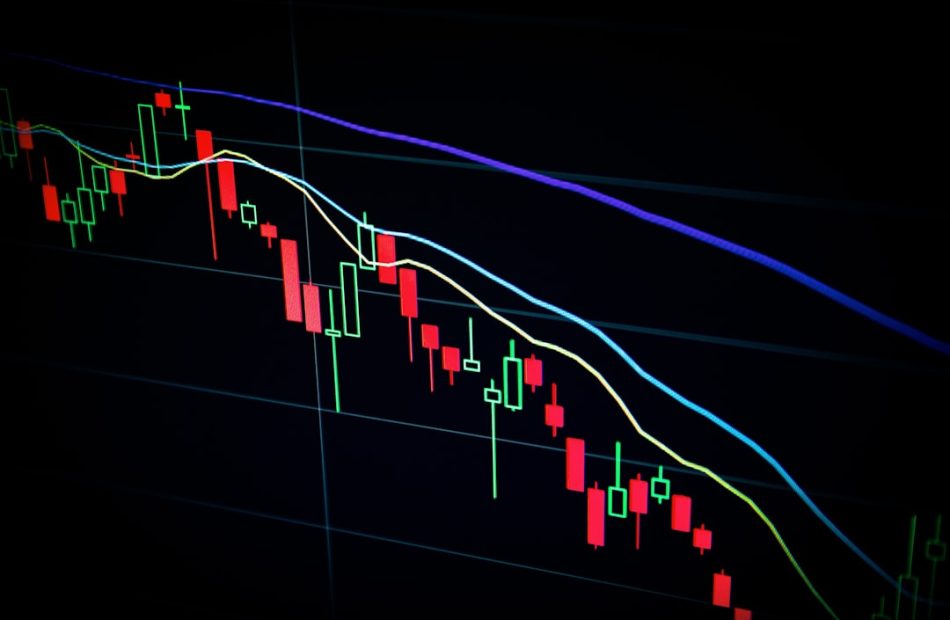
Mastering the Head and Shoulders Pattern: Your Guide to Reversal Trading
Imagine being able to spot a market top or bottom before it fully plays out. That’s the power of the Head and Shoulders pattern—one of the most reliable reversal formations in technical analysis. In this guide, I’ll break down exactly how this pattern works, how to trade it with confidence, and how to manage risk like a pro.
How it Works
The Head and Shoulders pattern signals that a trend is about to reverse. It forms after an uptrend and consists of three peaks: a left shoulder, a higher head, and a right shoulder that is roughly equal to the left. The neckline connects the lows of the two troughs between these peaks. When price breaks below the neckline, the trend is considered reversed from bullish to bearish.
The Setup
Here’s your step-by-step checklist for spotting and trading the pattern:
1. Identify the uptrend – The pattern must form after a clear upward move.
2. Look for three peaks – Left shoulder (peak 1), a higher head (peak 2), and a lower right shoulder (peak 3).

3. Draw the neckline – Connect the two swing lows between the peaks. This line can be horizontal or slightly sloped.
4. Wait for the breakout – Enter a short trade when price closes decisively below the neckline. Aggressive traders can enter on a retest of the neckline.
5. Set your target – Measure the distance from the head’s peak down to the neckline. Subtract that from the breakout point to estimate the price target.
For an inverse Head and Shoulders (bullish reversal), the same logic applies but flipped upside down—look for it at the end of a downtrend.
Risk Management
No pattern works 100% of the time, so protecting your capital is essential. Here’s how:
- Stop-loss placement: Place your stop just above the right shoulder (for bearish trades) or just below the right shoulder (for bullish trades). This gives the pattern room to breathe while limiting losses if it fails.
- Position sizing: Never risk more than 1-2% of your account on a single trade. Adjust your lot size accordingly.
- Avoid false breakouts: Wait for a confirmed close below (or above) the neckline. A candlestick close with increased volume adds confidence.
- Trail your stop: Once price moves in your favor, move your stop to breakeven or use a trailing stop to lock in profits.
Conclusion
The Head and Shoulders pattern is a timeless tool for identifying trend reversals. By mastering the setup and sticking to disciplined risk management, you can trade this pattern with clarity and confidence. Remember, no pattern is perfect—always use it in conjunction with other indicators like volume or RSI for confirmation. Start practicing on historical charts, and soon you’ll spot these formations like a seasoned pro.
Happy trading!
How to Spot a Honey Pot Scam: Safety Guide for Crypto Traders
Honey pot scams are one of the most insidious threats in decentralized finance (DeFi). These malicious smart contracts lure victims with the promise of easy profits, only to trap their funds permanently. This guide will teach you how to identify red flags, understand the mechanics, and protect your portfolio.
Key Concepts
- What is a Honey Pot? A smart contract designed to appear profitable but prevents users from withdrawing funds. Common in token sales, liquidity pools, and NFT mints.
- How It Works: The scammer deploys a contract with hidden code that blocks sell functions, imposes extreme fees, or whitelists only the creator’s address for withdrawals.
- Common Signs: Unusually high buy pressure, anonymous team, no audit, and code that uses functions like
transferFromwith restrictive modifiers. - Tools to Detect: Blockchain explorers (Etherscan, BscScan), token sniping tools, and honeypot detection bots like Honeypot.is or TokenSniffer.
Pro Tips
- Always verify the contract source code on Etherscan. Look for functions like
_transferwith hidden require statements that block sells. - Test with a small amount first. If you can’t sell even 1% of your position, it’s a honeypot.
- Check liquidity locks. If the liquidity is not locked or has a short lock period, be cautious.
- Use a dedicated honeypot checker tool before interacting with any new token.
FAQ Section
Q: Can a honeypot scam be reversed?
A: No. Once funds are sent to a honeypot contract, they are typically irretrievable because the contract code explicitly prevents withdrawal. Always verify before investing.
Q: Are all tokens with high buy taxes honeypots?
A: Not necessarily, but high buy taxes (e.g., 10%+) are a red flag. Legitimate projects often have transparent tax structures and utility. Always check the sell tax as well.
Q: How do I check if a token is a honeypot on BscScan?
A: Go to the contract address on BscScan, click ‘Contract’ > ‘Read Contract’, and look for functions like _transfer or sellFee. If you see hardcoded restrictions or only the owner can call certain functions, it’s likely a honeypot.
Q: What should I do if I suspect a token is a honeypot?
A: Do not invest. Report the contract address to community forums like RugDoc or BscScan’s token tracker. Warn others on social media.
Conclusion
Honeypot scams prey on greed and inexperience. By understanding the mechanics, using detection tools, and always testing with small amounts, you can avoid these traps. Remember: if it looks too good to be true, it probably is. Stay safe, stay skeptical, and always do your own research.
For more details on this, check out our guide on Tax Loss Harvesting in Crypto: A Guide for Traders.
You might also be interested in reading about Privacy Coins: The Regulatory Tightrope Every Trader Should Understand.
Private Credit on Blockchain: Earning High Yields
Private credit has long been a cornerstone of institutional finance, offering borrowers access to capital outside traditional banking and providing lenders with yields that often exceed public debt markets. Now, blockchain technology is transforming this asset class by tokenizing private credit—creating a new, accessible way for investors to earn high yields with greater transparency and liquidity. This guide explains how private credit on blockchain works, its risks and rewards, and how you can participate.
What Is Private Credit on Blockchain?
Private credit refers to loans made by non-bank lenders to companies or individuals, typically with higher interest rates than public bonds due to illiquidity and credit risk. On-chain private credit tokenizes these loan agreements, representing them as digital tokens on a blockchain. This bridges the gap between off-chain (traditional) lending and on-chain (DeFi) finance, enabling fractional ownership, 24/7 secondary trading, and real-time transparency of loan performance.
How It Works: From Off-Chain to On-Chain
The process involves several key steps to ensure legal and technical soundness:
- Origination: A borrower applies for a loan through a licensed platform. The loan terms—principal, interest rate, maturity, and collateral—are agreed off-chain.
- Special Purpose Vehicle (SPV): The loan is placed into an SPV, a legal entity that isolates the asset for investor protection.
- Tokenization: The SPV issues digital tokens representing fractional ownership of the loan. Each token entitles the holder to a pro-rata share of principal and interest payments.
- Oracles: Smart contracts use oracles (e.g., Chainlink) to feed off-chain data—such as payment status, defaults, or collateral values—onto the blockchain.
- Secondary Market: Tokens can be traded on decentralized or centralized exchanges, providing liquidity that traditional private credit lacks.
Investment Analysis: Pros, Cons, and Risks
Pros
- Higher Yields: On-chain private credit often offers APYs of 8–15% or more, compared to 4–6% for traditional private credit funds.
- Fractional Access: Minimum investments can be as low as $10, democratizing access to institutional-grade assets.
- Transparency: All loan data—collateral, payment history, defaults—is recorded on-chain and auditable.
- Liquidity: Tokens can be traded 24/7, unlike traditional private credit which locks capital for years.
Cons
- Regulatory Uncertainty: Jurisdictions vary on how tokenized securities are classified. Some platforms operate in legal gray areas.
- Smart Contract Risk: Bugs or exploits in the tokenization or oracle contracts could lead to loss of funds.
- Credit Risk: Borrower defaults remain a real possibility. Unlike DeFi overcollateralized loans, private credit often relies on borrower reputation or off-chain collateral.
Risks to Consider
- Illiquidity Premium: While secondary markets exist, they may be thin. You might not be able to sell tokens quickly at a fair price.
- Counterparty Risk: The SPV and loan originator must be trusted to enforce legal agreements.
- Market Risk: Interest rate changes or economic downturns can increase default rates.
For a broader market view, check out our analysis on Strategy CEO Shuts Down Rumors, Reaffirms Bitcoin Accumulation Goal. Investors often compare this to Stop Loss Placement Strategies: How to Protect Your Crypto Without Getting Stopped Out.
Tool Recommendation: Getting Started Safely
If you’re new to tokenized private credit, start by exploring platforms that offer regulated, audited products. Binance, as one of the largest and most trusted exchanges, provides access to tokenized real-world assets and DeFi yield products. You can practice this setup safely on Binance. Create an account here to begin learning about yield farming, staking, and tokenized credit pools.
FAQ Section
What is the typical yield on tokenized private credit?
Yields vary by platform and loan type, but many on-chain private credit pools offer annual percentage yields (APY) between 8% and 15%. Higher-risk loans can yield 20% or more, but carry greater default risk.
How is tokenized private credit regulated?
Regulation depends on the jurisdiction. In the US, tokenized securities often fall under SEC rules. Many platforms use SPVs and comply with KYC/AML requirements. Always verify a platform’s legal status before investing.
Can I lose my entire investment?
Yes. If the borrower defaults and the collateral (if any) is insufficient, token holders may lose principal. Additionally, smart contract bugs or platform insolvency could lead to total loss. Diversify and only invest what you can afford to lose.
Conclusion
Private credit on blockchain represents a compelling evolution in finance—offering higher yields, transparency, and accessibility that traditional markets cannot match. However, it is not without risks, including regulatory uncertainty, credit defaults, and technological vulnerabilities. For sophisticated investors willing to do due diligence, tokenized private credit can be a powerful portfolio diversifier. Start small, use regulated platforms, and always understand the underlying loan terms.
Private Key Compromise Explained: What Humanity Protocol’s $31M Exploit Teaches Us About Crypto Security
Did you know that a single compromised private key can wipe out over 80% of a token’s value in hours? That’s exactly what happened to Humanity Protocol’s H token on June 9, 2026, when attackers drained project-linked wallets and sold massive amounts of the token on the open market. The exploit erased a rally that had pushed H to an all-time high of $0.844 just days earlier, sending it crashing to $0.123.
For crypto users, this incident highlights a critical lesson: understanding how private key compromises happen—and how they differ from insider theft schemes—is essential for protecting your own digital assets. This guide explains what a private key compromise actually means, how on-chain investigators like ZachXBT analyze these incidents, and what practical steps you can take to secure your cryptocurrency holdings.
Read time: 8-10 minutes
Understanding Private Key Compromise for Beginners
A private key compromise occurs when an unauthorized party gains access to the secret cryptographic code that controls a cryptocurrency wallet. Think of it like losing the only key to a safety deposit box—anyone who finds it can open the box and take everything inside.
In cryptocurrency, your private key is essentially the password that proves you own your funds. Unlike a traditional bank password, however, there’s no “reset password” option. If someone steals your private key, they can move your coins anywhere, and those transactions are irreversible by design.
Why does this matter? The entire security model of blockchain technology relies on keeping private keys secret. When a project like Humanity Protocol stores tokens in wallets controlled by team members, a single compromised key can lead to catastrophic losses—not just for the project, but for every investor holding that token.
A real-world example: In this case, attackers used a compromised private key belonging to a Humanity Foundation member to drain over 17 project-linked wallets. The stolen funds included roughly $31 million worth of H tokens, which the attackers quickly sold on the open market, crashing the price.
The Technical Details: How This Exploit Actually Worked
Understanding how this exploit unfolded helps you recognize similar risks in other projects. Here’s the step-by-step breakdown based on blockchain investigator reports:
1. Private Key Theft: Attackers obtained the private key of a Humanity Foundation member. How this happened remains unclear—it could have been through phishing, malware, or a security breach on the member’s device.
2. Wallet Drain: Using the compromised key, attackers accessed more than 17 wallets connected to the Humanity Protocol project. On-chain analyst Specter first reported the wallet drain, initially estimating losses near $19 million before later tracking pushed the figure above $30 million.
3. Token Dumping: The attackers sold large amounts of H tokens on open markets, crashing the price from $0.844 to $0.123—an 81% drop. Trading volume surged above $605 million as panicked sellers and opportunistic buyers flooded exchanges.
4. Fund Conversion: Blockchain tracking showed the attacker converting most of the stolen H tokens into Ethereum. Approximately $23.7 million was swapped into ETH, while about $7.9 million remained in H.
5. Extended Attack on BSC: Separately, security firm Blockaid reported that the attacker obtained proxy administrator rights over the H token contract on BNB Smart Chain, minting an additional 100 million H tokens worth roughly $12.9 million.
Flow diagram suggestion: A visual showing “How a Private Key Compromise Leads to Token Price Crash” would help users understand this chain of events.
Why this structure matters for you: Recognizing these steps helps you understand the chain reaction that can follow a single security failure. It also shows why crypto projects need multiple layers of protection—not just depending on individual key security.
Current Market Context: Why This Matters Now
This incident comes at a time when crypto security remains a top concern for investors. As of mid-2026, the total value locked in DeFi protocols exceeds $80 billion, making them attractive targets for attackers.
The Humanity Protocol exploit erased most of H’s rally from earlier in June. After reaching an all-time high near $0.844 on June 2, the token fell to around $0.123 during the sell-off. The timing is particularly notable because Humanity Protocol was set to release additional tokens on June 25 under a revised investor vesting plan—some early backers had opted for a discounted immediate unlock rather than a longer vesting schedule.
Interestingly, on-chain investigator ZachXBT’s analysis revealed that suspicious market-making activity and over-the-counter transactions occurring before the June 25 token unlock were unrelated to the security breach. As ZachXBT put it: “After further analysis of the laundering it seems the sketchy MM / OTC & private key compromise are independent of one another and not related.”
This distinction matters because it shows how complex crypto markets can be. A project might have multiple seemingly suspicious activities happening simultaneously, but they aren’t always connected.
Competitive Landscape: How Security Incidents Compare
Security breaches happen across the crypto industry, but their impact varies significantly. Here’s how this type of exploit compares to other common attack vectors:
| Feature | Private Key Compromise (Humanity Protocol) | Smart Contract Exploit | Rug Pull (Insider Theft) |
|---|---|---|---|
| Cause | Stolen cryptographic key | Code vulnerability exploited | Team members intentionally steal funds |
| Victim | Project treasury and token holders | Protocol users and liquidity providers | All token investors |
| Recovery Potential | Very low—funds are gone forever | Moderate—sometimes funds can be recovered via audits | Zero—team disappears |
| Detectability | Hard to prevent, but traceable after the fact | Can be prevented with audits | Often revealed by suspicious patterns |
| Legal Recourse | Possible if attacker identity is discovered | Limited by jurisdiction | Possible if team is identified |
| ZachXBT’s Ruling | Genuine compromise (not insider theft) | N/A | Ruled out in this case |
Why this matters: Understanding these differences helps you evaluate project risk. A private key compromise doesn’t necessarily mean the project team is malicious—it could be a genuine security failure. But it still devastates token value.
Practical Applications: Real-World Use Cases
What can you learn from this exploit to protect your own crypto assets?
- Use Hardware Wallets for Large Holdings: Never store significant amounts of cryptocurrency on exchange wallets or software wallets connected to the internet. Hardware wallets keep private keys offline, making remote theft much harder.
- Enable Multi-Signature Wallets for Team Funds: Projects should require multiple private keys to authorize large transactions. This prevents a single compromised key from draining all funds.
- Monitor On-Chain Activity Regularly: Tools like Etherscan allow you to set alerts for suspicious transactions involving your wallets. Early detection can give you time to respond.
- Diversify Storage Across Multiple Wallets: Don’t keep all funds in one wallet. If one key is compromised, you only lose what’s in that specific wallet.
- Educate Team Members on Security Best Practices: Phishing attacks targeting individuals with access to project funds are common. Regular security training reduces risk.
Suggestion: For beginners, a “Security Checklist” graphic would help visualize these steps.
Risk Analysis: Expert Perspective
Primary Risks:
1. Single Point of Failure: When one private key controls large amounts of value, a single security lapse can be catastrophic. Humanity Protocol’s exploit demonstrates this clearly.
2. Market Manipulation Risk: ZachXBT’s analysis revealed “sketchy” market-making activity before the exploit, even though it was unrelated. Projects should be transparent about all trading activity to maintain investor trust.
3. Timing Risk: The exploit occurred just before a scheduled token unlock, suggesting attackers may have timed their theft to maximize profits from an already elevated token price.
Historical Precedent: Similar private key compromises have devastated other projects. In 2022, the Harmony Bridge exploit resulted in $100 million in losses after attackers compromised validator keys. More recently, various DeFi projects have lost millions through similar vectors.
Mitigation Strategies:
- Regular Security Audits: Projects should have their security infrastructure reviewed by independent firms.
- Insurance Coverage: Some protocols now offer insurance against smart contract and key compromise risks.
- Gradual Token Unlocks: Spreading token releases over time reduces the incentive for timed attacks.
Expert Consensus: Security experts consistently emphasize that private key management is the single most important security practice for both individuals and projects. The vulnerability isn’t in the blockchain technology itself—it’s in how humans store and protect their keys.
Disclaimer: Cryptocurrency investments carry substantial risk. This content is for educational purposes only and does not constitute financial, investment, or legal advice. Always conduct independent research and verify regulatory status in your jurisdiction.
Beginner’s Corner: Quick Start Guide to Crypto Security
Step 1: Get a Hardware Wallet – Purchase a Ledger or Trezor hardware wallet for storing any cryptocurrency worth more than $1,000. These devices keep your private keys offline.
Step 2: Write Down Your Seed Phrase – When setting up any wallet, you receive a 12-24 word recovery phrase. Write this down on paper (never type it online) and store it in a safe, fireproof location.
Step 3: Enable Two-Factor Authentication – On all exchange accounts, enable 2FA using an authenticator app (not SMS, which can be hacked).
Step 4: Never Share Private Keys – No legitimate service will ever ask for your private keys. Anyone who does is trying to steal your funds.
Step 5: Research Project Security – Before investing in any token, check if the project has had security audits, uses multi-signature wallets, and has a transparent team.
Common Mistakes to Avoid:
- Storing seed phrases in cloud storage (Google Drive, iCloud)
- Using the same password across multiple crypto accounts
- Clicking links in unsolicited crypto-related messages
Security Best Practice: Consider using a passphrase (an extra word added to your seed phrase) for additional protection on your hardware wallet.
Future Outlook: What’s Next
Humanity Protocol founder and CEO Terence Kwok confirmed on June 9 that private keys belonging to a Humanity Foundation member had been compromised. At the time, Kwok urged users not to interact with the project’s bridge or liquidity pools while security teams investigated.
The incident raises important questions about how crypto projects will evolve their security practices. In the coming months, we can expect:
1. Increased Multi-Signature Requirements: More projects will likely require multiple signatures for any transaction above a certain threshold.
2. Better Key Storage Solutions: Institutional-grade custody solutions may become more common for project treasuries.
3. Insurance Industry Growth: Crypto insurance products may expand to cover private key compromise scenarios.
4. Regulatory Attention: Regulators like the SEC and EU (under MiCA) may develop specific guidance for how projects must secure investor funds.
ZachXBT’s analysis ultimately dismissed the theory that the project team orchestrated the exploit themselves. As he explained: “I thought that initially due to the active MM & recent OTC before unlocks however the evidence shared points to otherwise.”
This ruling provides some reassurance that Humanity Protocol wasn’t running a deliberate scam—but for investors who lost money, the distinction offers little comfort. The token’s price remains dramatically lower, and recovery is uncertain.
Key Takeaways
- A private key compromise is a genuine security breach where an attacker gains access to the secret code controlling a wallet—not necessarily an insider theft scheme.
- On-chain investigators like ZachXBT can distinguish between real attacks and suspicious market activity by analyzing fund laundering patterns and timing.
- The $31 million exploit wiped out 81% of H’s value and shows how devastating a single key compromise can be for token prices.
- Protecting your own crypto requires hardware wallets, multi-signature setups, and never sharing private keys—these practices prevent similar losses.
Bitcoin Drops to Break-Even Level for Miners at $63.5K
June 9, 2026 — Bitcoin is trading near $63,500, a price that aligns with the average cost to mine one BTC, leaving miners operating at break-even margins, according to Capriole Investments founder Charles Edwards.
Immediate Details & Direct Quotes
Low fees are crucial when trading breaking news. We recommend MEXC for tight spreads and fast execution.
The leading cryptocurrency hit a 2026 low of $59,100 last Friday, briefly pushing its market capitalization below $1.2 trillion for the first time since October 2024. The selloff triggered liquidations across more than 351,000 traders in a single 24-hour period.
“Bitcoin is trading back at its Production cost,” Edwards posted on X. “Miners are now just breaking even on average.” He identified the network’s electrical-cost floor at $50,000, noting that the best long-term buying opportunities have historically emerged between the current price zone and that electrical-cost threshold.
Production cost represents the total expense of mining one Bitcoin, including hardware, electricity, and operational overhead. When Bitcoin’s market price reaches this figure, the least efficient mining operations begin running at a loss, forcing them to either absorb financial hits or shut down their machines.
Market Context & Reaction
Bitcoin’s year-to-date losses now stand at approximately 30%. While the asset has recovered to roughly $64,000, market momentum remains fragile.
U.S. spot Bitcoin exchange-traded funds experienced significant outflows during this period, bleeding an estimated $2.8 billion to $3.5 billion across a 10-to-11-session stretch in late May and early June. One week alone logged approximately $3.4 billion in redemptions, marking the largest single-week outflow since the funds launched in early 2024.
Strategy executed its first Bitcoin sale since 2022 during this downturn, though the company added 1,550 BTC to its holdings the following day and maintained that it remains committed to growing its Bitcoin reserves.
Background & Historical Context
Edwards argues that electrical cost has served as a hard floor for Bitcoin’s traded price over the past five years, an observation tied to Satoshi Nakamoto’s original theory that price gravitates toward production cost.
Mining profitability has slumped to a 14-month low, with several mining rigs approaching shutdown prices—the point where keeping a machine powered on costs more than the Bitcoin it generates. The 2024 halving intensified this pressure by cutting block rewards to 3.125 BTC per block while network difficulty continued climbing, squeezing miner margins from both directions.
In previous market cycles, Bitcoin traded below production cost during the 2019 and 2022 bear markets before gradually converging back toward it. Some public miners have diversified into artificial intelligence and high-performance computing, leasing data-center capacity to AI tenants whose revenue streams remain more stable than block rewards.
What This Means
The current price level presents a critical test for Bitcoin’s support structure. If history repeats, buying near production cost has rewarded investors who entered during previous bear market floors.
However, several external factors could influence whether this pattern holds. The trajectory of U.S. interest rates, the pace of ETF flows, and broader geopolitical tensions remain variables outside the mining math equation.
For miners operating at break-even or below, the coming weeks will determine whether weaker operators shut down operations or continue absorbing losses—a dynamic that could impact Bitcoin’s network hash rate and transaction processing capacity.
Not financial advice. Conduct your own research before making investment decisions.
—

Master the RSI Divergence Strategy for Crypto Trades
Have you ever watched a chart and felt like the price action was lying to you? The market pumps higher, but your gut says something’s off. That’s exactly where the RSI Divergence Strategy comes in—a powerful way to spot trend reversals before they happen. By comparing price movements with the Relative Strength Index (RSI), you can catch hidden momentum shifts and trade with confidence. Let’s break it down so you can start using it today.
How It Works
The RSI is an oscillator that measures the speed and change of price movements, ranging from 0 to 100. Normally, it moves in sync with price: when price goes up, RSI goes up; when price goes down, RSI goes down. Divergence happens when price and RSI disagree. This disagreement signals that the current trend is losing steam and a reversal might be near. There are two types:
- Bullish Divergence: Price makes a lower low, but RSI makes a higher low. This suggests selling pressure is weakening, and an upward move could follow.
- Bearish Divergence: Price makes a higher high, but RSI makes a lower high. This indicates buying momentum is fading, and a drop may be coming.
The Setup
To use this strategy, you need a reliable charting platform (like TradingView) and the RSI indicator set to the default 14 periods. Here’s a step-by-step setup:
1. Identify a clear trend. Look for a strong uptrend or downtrend on a higher timeframe (e.g., 1-hour or 4-hour chart).

2. Draw trendlines. Connect the swing highs or lows in price. Then do the same for RSI.
3. Look for disagreement. If price is making new highs but RSI is not, you have bearish divergence. If price is making new lows but RSI is not, you have bullish divergence.
4. Wait for confirmation. Don’t trade on divergence alone. Wait for a candlestick close that breaks a key level (like a trendline or support/resistance) or for the RSI to cross back above/below 50.
5. Enter the trade. For bullish divergence, enter long after the confirmation. For bearish divergence, enter short.
Risk Management
Divergence is a signal, not a guarantee. False divergences happen, especially in choppy markets. Protect your capital with these rules:
- Stop Loss: Place your stop just below the recent swing low (for long trades) or above the recent swing high (for short trades). This gives the trade room to breathe.
- Position Size: Never risk more than 1-2% of your account on a single trade. Use a position size calculator to stay disciplined.
- Take Profit: Target the previous swing high/low or use a risk-reward ratio of at least 1:2. You can also trail your stop once the trade moves in your favor.
- Avoid over-trading. Only take divergences that are clear and on higher timeframes. Lower timeframes often produce noise.
Conclusion
The RSI Divergence Strategy is a timeless tool that helps you read market psychology. By learning to spot when price and momentum disagree, you can anticipate reversals and trade with an edge. Start by practicing on a demo account, focus on high timeframe setups, and always respect your risk management. Consistent application will turn this strategy into a reliable part of your trading arsenal.
How to Bridge Assets Across Blockchains Safely: A Step-by-Step Guide
Introduction
Bridging assets across blockchains is a fundamental skill in the decentralized finance (DeFi) ecosystem. Whether you’re moving ETH from Ethereum to Arbitrum, or USDC from Polygon to Solana, cross-chain bridges allow you to transfer tokens between different networks. However, bridges are also prime targets for hacks and user errors. This guide will walk you through the safest methods, key concepts, and best practices to protect your funds.
Key Concepts
- Bridge Types: Custodial (centralized) vs. non-custodial (decentralized). Custodial bridges rely on a trusted party; non-custodial use smart contracts.
- Wrapped Tokens: When you bridge, you often receive a wrapped version of the original asset (e.g., wBTC on Ethereum).
- Liquidity Pools: Bridges use liquidity pools to facilitate swaps. Ensure the pool is deep enough to avoid slippage.
- Transaction Finality: Different blockchains have different confirmation times. Always wait for finality before assuming the bridge is complete.
- Smart Contract Risk: Bridges are complex smart contracts. Audits and track records matter.
Pro Tips
- Always double-check the destination address. A single typo can send your funds to a dead wallet.
- Start with a small test transaction. Send a tiny amount first to verify the bridge works correctly.
- Use bridges with proven security records. Look for multiple audits, bug bounties, and a long operational history.
- Avoid bridging during network congestion. High gas fees and slow confirmations increase the risk of failed transactions.
- Keep your private keys offline. Never enter your seed phrase into any bridge interface.
For more details on this, check out our guide on How to Spot a Honey Pot Scam: Safety Guide.
You might also be interested in reading about XRP Technical Analysis Explained: Understanding Key Support Levels and Market Structure.
FAQ Section
What is a blockchain bridge?
A blockchain bridge is a protocol that allows you to transfer tokens or data from one blockchain to another. It works by locking the original asset on the source chain and minting a wrapped version on the destination chain.
Are bridges safe?
Bridges carry inherent risks, including smart contract bugs, oracle manipulation, and custodial risk. Always use well-audited, reputable bridges and never bridge more than you can afford to lose.
How long does a bridge transaction take?
It depends on the networks involved. Ethereum to L2 can take minutes; cross-chain transfers between different ecosystems may take 10–30 minutes. Always check the bridge’s estimated time.
What are the fees for bridging?
Fees include network gas fees on both chains, plus a bridge fee (often a percentage of the amount). Some bridges charge a flat fee, others a variable rate.
Can I bridge any token?
Not all tokens are supported by every bridge. Check the bridge’s supported asset list before initiating a transfer. Native tokens (ETH, BTC) are usually supported; lesser-known tokens may not be.
Conclusion
Bridging assets across blockchains is a powerful tool for accessing DeFi opportunities, but it requires caution. By understanding the key concepts, following pro tips, and using trusted platforms like MEXC for low-fee trading, you can navigate cross-chain transfers safely. Always prioritize security over speed, and never skip the test transaction. Stay safe and happy bridging!