
How to Bridge Assets Across Blockchains Safely: A Step-by-Step Guide
Introduction
Bridging assets across blockchains is a fundamental skill in the decentralized finance (DeFi) ecosystem. Whether you’re moving ETH from Ethereum to Arbitrum, or USDC from Polygon to Solana, cross-chain bridges allow you to transfer tokens between different networks. However, bridges are also prime targets for hacks and user errors. This guide will walk you through the safest methods, key concepts, and best practices to protect your funds.
Key Concepts
- Bridge Types: Custodial (centralized) vs. non-custodial (decentralized). Custodial bridges rely on a trusted party; non-custodial use smart contracts.
- Wrapped Tokens: When you bridge, you often receive a wrapped version of the original asset (e.g., wBTC on Ethereum).
- Liquidity Pools: Bridges use liquidity pools to facilitate swaps. Ensure the pool is deep enough to avoid slippage.
- Transaction Finality: Different blockchains have different confirmation times. Always wait for finality before assuming the bridge is complete.
- Smart Contract Risk: Bridges are complex smart contracts. Audits and track records matter.
Pro Tips
- Always double-check the destination address. A single typo can send your funds to a dead wallet.
- Start with a small test transaction. Send a tiny amount first to verify the bridge works correctly.
- Use bridges with proven security records. Look for multiple audits, bug bounties, and a long operational history.
- Avoid bridging during network congestion. High gas fees and slow confirmations increase the risk of failed transactions.
- Keep your private keys offline. Never enter your seed phrase into any bridge interface.
For more details on this, check out our guide on How to Spot a Honey Pot Scam: Safety Guide.
You might also be interested in reading about XRP Technical Analysis Explained: Understanding Key Support Levels and Market Structure.
FAQ Section
What is a blockchain bridge?
A blockchain bridge is a protocol that allows you to transfer tokens or data from one blockchain to another. It works by locking the original asset on the source chain and minting a wrapped version on the destination chain.
Are bridges safe?
Bridges carry inherent risks, including smart contract bugs, oracle manipulation, and custodial risk. Always use well-audited, reputable bridges and never bridge more than you can afford to lose.
How long does a bridge transaction take?
It depends on the networks involved. Ethereum to L2 can take minutes; cross-chain transfers between different ecosystems may take 10–30 minutes. Always check the bridge’s estimated time.
What are the fees for bridging?
Fees include network gas fees on both chains, plus a bridge fee (often a percentage of the amount). Some bridges charge a flat fee, others a variable rate.
Can I bridge any token?
Not all tokens are supported by every bridge. Check the bridge’s supported asset list before initiating a transfer. Native tokens (ETH, BTC) are usually supported; lesser-known tokens may not be.
Conclusion
Bridging assets across blockchains is a powerful tool for accessing DeFi opportunities, but it requires caution. By understanding the key concepts, following pro tips, and using trusted platforms like MEXC for low-fee trading, you can navigate cross-chain transfers safely. Always prioritize security over speed, and never skip the test transaction. Stay safe and happy bridging!
Understanding Gas Fees: How to Save Money on Ethereum
Ethereum gas fees can be a major pain point for users, especially during periods of network congestion. This comprehensive guide will help you understand what gas fees are, why they fluctuate, and most importantly, how you can save money on every transaction.
Key Concepts
What Are Gas Fees? Gas fees are payments made by users to compensate for the computational energy required to process and validate transactions on the Ethereum blockchain. They are denominated in gwei (1 gwei = 0.000000001 ETH) and consist of a base fee plus a priority fee (tip) for validators.
How Gas Fees Are Calculated: Total fee = gas units (limit) × (base fee + priority fee). The base fee is burned (removed from circulation), while the priority fee goes to validators. Gas limits vary by transaction type — a simple ETH transfer uses 21,000 gas, while a complex DeFi swap can use 150,000+ gas.
Why Gas Fees Fluctuate: Network demand is the primary driver. When many users compete for block space, fees rise. Events like NFT mints, DeFi launches, or market volatility can spike fees. EIP-1559 introduced a base fee algorithm that adjusts based on network congestion, making fees more predictable but not necessarily lower.
Pro Tips
- Time Your Transactions: Use tools like Etherscan’s Gas Tracker to monitor fee trends. Fees are typically lower on weekends and during off-peak hours (midnight to early morning UTC). Avoid high-traffic periods like major NFT drops.
- Use Layer 2 Solutions: Arbitrum, Optimism, and Base offer significantly lower fees than Ethereum mainnet. You can bridge assets to these networks for a fraction of the cost. For more details on this, check out our guide on How to Bridge Assets Across Blockchains Safely: A Complete Guide.
- Set a Custom Gas Price: Most wallets (MetaMask, Rabby) allow you to adjust the priority fee. Choose ‘Slow’ or ‘Market’ for non-urgent transactions. For time-sensitive trades, use ‘Fast’ but avoid overpaying — check current gas prices first.
- Batch Transactions: Use tools like Multicall or DeBank to batch multiple actions (e.g., approvals + swaps) into one transaction, saving on total gas.
- Use Gas Tokens (Caution): Tokens like CHI or GST2 can be minted when gas is low and burned when gas is high to refund some fees. However, this strategy is complex and may not be profitable for small users.
- Explore Alternative Chains: For simple transfers or DeFi, consider Ethereum-compatible chains like Polygon, Avalanche, or BNB Chain. They offer lower fees but have different security trade-offs.
💡 Pro Tip
Looking for altcoin opportunities and smooth trading? Try KuCoin.
FAQ Section
What is the average gas fee on Ethereum?
Average fees vary widely — from $1–$5 during low congestion to $50–$100+ during NFT mania. Use real-time trackers like Etherscan or GasNow for current estimates.
Can I cancel a pending transaction with high gas?
Yes, you can ‘replace’ a pending transaction by sending a new transaction with the same nonce but a higher gas price (speed up) or a 0 ETH transfer with a higher gas price (cancel). MetaMask offers a built-in ‘Cancel’ option.
Why are my gas fees so high on Uniswap?
Uniswap swaps involve multiple steps (approve token, swap, update balances) and interact with complex smart contracts, requiring more gas than a simple ETH transfer. Consider using limit orders or aggregators like 1inch to optimize.
What is the best time to trade on Ethereum?
Generally, early morning UTC (2:00–6:00 AM) on weekends sees the lowest fees. Avoid major event times like NFT drops or protocol launches.
Conclusion
Understanding and managing gas fees is essential for anyone using Ethereum. By timing your transactions, leveraging Layer 2 solutions, and using smart wallet settings, you can significantly reduce costs. Remember that no single strategy works for all situations — combine these tips based on your urgency and transaction size. For deeper dives into scaling solutions, you might also be interested in reading about Bitcoin Layer 2s: Stacks, Lightning, and Runes Guide – Scaling Bitcoin for DeFi & Payments. Stay informed, stay efficient, and keep more ETH in your pocket.
How SPVs Protect RWA Investors: A Complete Guide
Real World Assets (RWAs) are tangible or intangible assets—such as real estate, bonds, commodities, and credit—that are tokenized on a blockchain. This process bridges the gap between Traditional Finance (TradFi) and Decentralized Finance (DeFi), enabling fractional ownership, 24/7 liquidity, and enhanced transparency. However, a critical question remains: how do investors ensure that the off-chain asset backing their token is legally and operationally secure? The answer lies in the Special Purpose Vehicle (SPV).
What Is an SPV in RWA Tokenization?
A Special Purpose Vehicle (SPV) is a legally distinct entity—often a trust or limited liability company—created to hold the underlying real-world asset. The SPV isolates the asset from the issuer’s balance sheet, protecting investors in case of issuer bankruptcy. The token on-chain represents a beneficial interest in the SPV, not a direct claim on the asset itself. This structure is standard in traditional securitization and has been adapted for tokenized RWAs.
How SPVs Protect RWA Investors
Legal Segregation and Bankruptcy Remoteness
By placing the asset in an SPV, the asset is legally separated from the issuer’s other liabilities. If the issuer goes bankrupt, the SPV’s assets are not part of the bankruptcy estate. This is a cornerstone of investor protection in RWA tokenization. Reports from BlackRock and other institutional players emphasize that SPVs are essential for regulatory compliance and investor confidence.
Transparent On-Chain Representation
The token on the blockchain represents a fractional ownership in the SPV. Oracles (e.g., Chainlink) provide real-time data on the asset’s value and status, ensuring that the on-chain token price reflects the off-chain asset’s fair market value. This transparency reduces information asymmetry between issuers and investors.
Regulatory Compliance and KYC/AML
SPVs are typically registered in jurisdictions with clear legal frameworks for asset tokenization (e.g., Luxembourg, Singapore, or Delaware). The SPV enforces Know Your Customer (KYC) and Anti-Money Laundering (AML) checks before allowing token transfers. This ensures that only verified investors can hold or trade the token, reducing fraud risk.
Investment Analysis: Pros, Cons, and Risks
Pros
- Fractional Ownership: Investors can buy small portions of high-value assets like commercial real estate or fine art.
- 24/7 Liquidity: Tokens can be traded on secondary markets, unlike traditional private placements.
- Transparency: On-chain data and regular audits provide clear visibility into asset performance.
Cons
- Regulatory Uncertainty: Different jurisdictions treat tokenized securities differently, creating compliance complexity.
- Smart Contract Risk: Bugs in the token contract or oracle could lead to loss of funds.
- Illiquidity of Underlying Asset: The token may trade at a discount if the underlying asset is hard to sell quickly.
Risks
- Counterparty Risk: The SPV manager or custodian could act maliciously or negligently.
- Oracle Manipulation: If the price feed is compromised, the token value may diverge from the asset’s true value.
- Regulatory Changes: New laws could retroactively affect the SPV’s legal status.
For a broader market view, check out our analysis on How to Bridge Assets Across Blockchains Safely: A Complete Guide.
Investors often compare this to Hyperliquid Prediction Markets Explained: A Beginner’s Guide to Validator-Based Trading.
Tool Recommendation
If you are looking for altcoin opportunities and smooth trading, try KuCoin. KuCoin offers a wide range of tokenized RWA assets and provides robust liquidity for trading these tokens. Their platform supports both spot and margin trading, making it easy to enter and exit positions. Visit KuCoin to explore their RWA offerings.
FAQ Section
What happens if the SPV issuer goes bankrupt?
The SPV is legally separate from the issuer. In bankruptcy, the SPV’s assets are not part of the issuer’s estate, so token holders retain their claim on the underlying asset. However, the SPV may still need to appoint a new manager or liquidate the asset to distribute proceeds.
How do I verify that an RWA token is backed by a real SPV?
Check the project’s legal documentation, which should include the SPV’s jurisdiction, registration number, and custodian details. Reputable projects also provide third-party audit reports and on-chain proof of reserves. Data from RWA.xyz tracks many tokenized assets and their legal structures.
Can SPVs be used for any type of real-world asset?
Yes, SPVs are flexible and can hold real estate, bonds, commodities, private credit, and even intellectual property. The key requirement is that the asset can be legally transferred to the SPV and valued transparently. However, illiquid assets may still face pricing challenges.
Conclusion
Special Purpose Vehicles are the backbone of secure RWA tokenization. They provide legal segregation, regulatory compliance, and transparency that protect investors from issuer default and fraud. While risks like smart contract bugs and regulatory changes remain, the SPV structure significantly reduces the gap between off-chain assets and on-chain tokens. As the RWA market grows—with billions in tokenized assets according to RWA.xyz—understanding SPVs is essential for any serious investor. For those ready to participate, platforms like KuCoin offer a gateway to this emerging asset class.
Tattoo Typo Turns Into $600,000 Memecoin Bounty
June 9, 2026 — A misspelled forehead tattoo has become a $600,000 Solana token, exposing the dark side of memecoin incentive systems. The token, BOUTYWORK, surged to a market cap exceeding $600,000 with over $3.5 million in 24-hour trading volume, attracting thousands of holders after a user named Arivu completed a Pump.fun GO bounty by tattooing the incorrect ticker on his forehead.
Immediate Details & Direct Quotes
Want to trade this news? Bitget offers professional charting tools and deep liquidity.
The controversy began when Arivu completed a Pump.fun GO bounty last week that required someone to tattoo “$boutywork” on their forehead and submit video proof. According to Arivu’s X posts, the task referenced a token called $Bountywork, but the bounty description itself contained the misspelled version.
“Guys I have followed everything exactly what the name mentioned in the line,” Arivu wrote on X. “Please i gave my life.”
Arivu insisted the mistake was not his fault, stating he tattooed the exact name specified by the bounty creator. Following the incident, a Solana token using the BOUTYWORK ticker began trading on PumpSwap, quickly reaching a $600,000 market cap with $43,000 in liquidity and 2,630 holders.
Arivu later confirmed receiving $20,000 from trading fees, thanking users for changing his life.
Market Context & Reaction
The incident highlights how Pump.fun GO, launched last week, allows users to create and complete bounties for nearly any task. The platform’s tagline — “pay anyone to do anything” — has drawn criticism as tasks become increasingly exploitative.
Nikita Bier, head of product at X, offered a blunt assessment: “It’s sad that all the rich people left crypto and it’s now the entire industry is just teenagers in America forcing poor people to do shameful things.”
CoinDesk reported that other open bounties included paying $663 to interview homeless individuals on camera, $266 to shave one’s head while screaming a token name, and dangerous alcohol consumption dares. Experts argue the system turns attention into content and content into token trades, with bounty creators capturing far more profit than those performing stunts.
Background & Historical Context
This marks the latest controversy for Pump.fun, which previously faced backlash over live streaming videos featuring extreme behavior, including suicidal content, death threats, and disturbing social experiments. The platform has active moderation teams, but critics argue the incentive structure encourages dangerous behavior.
The tattoo episode underscores how memecoin incentives can rapidly transform online jokes into irreversible real-world actions. While some view it as crypto’s wild side, others warn such stunts damage the industry’s reputation as a serious financial alternative.
What This Means
The incident raises urgent questions about platform responsibility and user exploitation. Critics argue Pump.fun’s bounty system rewards creators disproportionately while leaving performers with minimal upside. Regulatory scrutiny may increase as these cases highlight potential harms from unregulated incentive programs.
For traders, the event demonstrates how quickly memecoin hype can drive valuations based on viral content rather than fundamental value. Users are advised to exercise extreme caution with bounty-related tokens, as the ecosystem remains highly speculative and vulnerable to manipulation.
Risk disclaimer: This article does not constitute financial advice. Cryptocurrency investments carry high risk. Always conduct personal research before trading.
—
How to Participate in Governance Proposals (DAOs): A Complete Guide
Introduction
Decentralized Autonomous Organizations (DAOs) are reshaping how communities make decisions in the crypto space. By holding governance tokens, you gain the power to vote on proposals that shape a protocol’s future—from fee structures to treasury management. This guide walks you through the step-by-step process of participating in DAO governance, from acquiring tokens to casting your vote on-chain.
Key Concepts
- Governance Tokens: Digital assets (e.g., UNI, COMP, MKR) that grant voting rights proportional to your holdings.
- Proposals: Formal suggestions for changes, often submitted via platforms like Snapshot or Tally.
- Voting Power: Calculated based on token balance, sometimes with delegation options.
- Quorum: Minimum participation required for a vote to be valid.
- On-chain vs. Off-chain Voting: On-chain votes execute automatically; off-chain votes (e.g., Snapshot) signal sentiment without gas fees.
Pro Tips
- Research Before Voting: Read proposal discussions on forums like Discourse or Discord to understand implications.
- Delegate Wisely: If you lack time, delegate your voting power to a trusted community member or expert.
- Beware of Gas Costs: On-chain voting can be expensive during network congestion; use off-chain platforms when possible.
- Stay Updated: Follow DAO announcements on Twitter or Telegram to catch proposal deadlines.
For more details on this, check out our guide on How to Catch Dips Like a Pro: The Stochastic Oscillator Dip Buying Strategy.
You might also be interested in reading about Private Credit on Blockchain: Earning High Yields.
FAQ Section
What do I need to start voting in a DAO?
You need a Web3 wallet (e.g., MetaMask) and governance tokens. Connect your wallet to the DAO’s voting platform (like Snapshot or Tally) and sign a message to vote.
Can I vote without paying gas fees?
Yes, many DAOs use off-chain voting platforms like Snapshot, which require only a signature (no gas). On-chain votes, however, incur gas costs.
What happens if I delegate my voting power?
You transfer your voting rights to another address. The delegate can vote on your behalf, but you retain ownership of your tokens.
How do I find active proposals?
Check platforms like Snapshot, Tally, or the DAO’s official forum. Many DAOs also announce proposals on Twitter or Discord.
Conclusion
Participating in DAO governance is a powerful way to have a direct say in the evolution of decentralized protocols. By understanding the key concepts, following pro tips, and using the right tools, you can become an active and informed voter. Start small, research thoroughly, and join the communities that align with your interests. Happy voting!
The Beginner’s Guide to Airdrop Farming: Earn Free Crypto Without Trading
Imagine getting free tokens just for interacting with a new blockchain project. That’s the magic of airdrop farming. In the crypto world, airdrops are like surprise bonuses — projects distribute free tokens to early users to reward engagement and bootstrap their community. For traders, this can be a low-risk way to build a portfolio, especially when markets are choppy. But it’s not just about luck; there’s a strategy to maximize your chances. Let’s break it down step by step.
How It Works
Airdrop farming is the process of actively seeking out and completing tasks to qualify for token distributions. Projects use airdrops to reward users who test their platforms, provide liquidity, or simply hold a specific token. The key is to identify promising projects early and perform the required actions before the airdrop snapshot is taken.
The Setup
Step 1: Research Promising Projects
Look for projects that are still in testnet or early mainnet stages. Check platforms like Twitter, Discord, and crypto news sites for announcements. Focus on projects with strong fundamentals, a clear roadmap, and a history of delivering (or a reputable team).
Step 2: Prepare Your Wallet
You’ll need a compatible wallet (e.g., MetaMask, Phantom, or Keplr) and some gas tokens (like ETH or SOL) to pay for transaction fees. Keep a small amount of funds ready — never risk more than you can afford to lose.
Step 3: Complete the Tasks
Common tasks include:
- Swapping tokens on a decentralized exchange (DEX)
- Providing liquidity
- Bridging assets between chains
- Minting an NFT
- Participating in testnet activities (like reporting bugs)
Step 4: Track and Stay Active
Use tools like Dune Analytics or airdrop aggregators to monitor your progress. Some projects require ongoing activity over weeks or months. Stay consistent.
Risk Management
Airdrop farming is often advertised as “free money,” but it’s not without risks. Here’s how to stay safe:
- Never invest more than you can lose. Gas fees and small capital requirements can add up.
- Beware of scams. Only interact with verified contracts and official links. Never share your private keys.
- Diversify your farms. Don’t put all your effort into one project. Spread your activity across multiple promising protocols.
- Watch for tax implications. In many jurisdictions, airdrops are taxable as income. Keep records of your activities.
Conclusion
Airdrop farming is one of the most accessible ways for beginners to earn crypto without active trading. By researching early-stage projects, completing simple tasks, and managing risk carefully, you can build a portfolio of tokens that might skyrocket in value. Start small, stay curious, and remember: the best farms are the ones you plant with patience. Happy farming!
How to Secure Your Crypto Wallet: A Step-by-Step Guide
Introduction
In the world of cryptocurrency, security is paramount. With billions of dollars lost to hacks, scams, and user errors each year, knowing how to properly secure your crypto wallet is not optional—it’s essential. Whether you’re a beginner or a seasoned trader, this comprehensive guide will walk you through the critical steps to protect your digital assets from theft, loss, and unauthorized access. From choosing the right wallet type to implementing advanced security measures, we cover everything you need to know to keep your crypto safe.
Key Concepts
Before diving into the step-by-step process, it’s important to understand the foundational concepts of crypto wallet security:
- Private Keys vs. Seed Phrases: Your private key is like the password to your wallet—never share it. A seed phrase (usually 12 or 24 words) is a backup that can restore your wallet. Keep both offline and secure.
- Hot Wallets vs. Cold Wallets: Hot wallets (e.g., MetaMask, Trust Wallet) are connected to the internet and convenient for daily use but more vulnerable. Cold wallets (e.g., Ledger, Trezor) are offline hardware devices offering maximum security for long-term storage.
- Two-Factor Authentication (2FA): Adds an extra layer of security by requiring a second verification step, such as a code from Google Authenticator or a hardware key.
- Phishing Attacks: Scammers often create fake websites or emails that mimic legitimate services to steal your credentials. Always double-check URLs and never click suspicious links.
- Smart Contract Risks: When using DeFi or dApps, malicious smart contracts can drain your wallet. Only interact with audited and reputable protocols.
Pro Tips
Here are expert-level tips to elevate your wallet security:
- Use a Dedicated Device: Consider using a separate, clean computer or smartphone exclusively for crypto transactions to minimize exposure to malware.
- Enable Whitelisting: On exchanges and some wallets, whitelist only trusted withdrawal addresses to prevent funds from being sent to unknown addresses.
- Regularly Update Software: Keep your wallet app, browser extensions, and operating system updated to patch known vulnerabilities.
- Beware of Clipboard Hijackers: Malware can replace copied wallet addresses with the attacker’s address. Always verify the address before sending.
- Use Multi-Signature Wallets: For high-value accounts, require multiple private keys to authorize a transaction, adding a layer of protection against single-point failure.
FAQ Section
1. What is the safest type of crypto wallet?
Cold wallets (hardware wallets like Ledger or Trezor) are generally considered the safest because they store your private keys offline, making them immune to online hacking attempts.
2. Can I recover my wallet if I lose my phone?
Yes, if you have your seed phrase (recovery phrase) backed up securely. Without it, recovery is impossible. Store your seed phrase in a safe, offline location—never digitally.
3. Should I use the same wallet for trading and long-term storage?
No. Use a hot wallet for small amounts you trade frequently and a cold wallet for long-term holdings. This minimizes risk exposure.
4. What should I do if I suspect my wallet is compromised?
Immediately transfer your funds to a new wallet with a new seed phrase. Revoke any smart contract approvals using tools like Revoke.cash, and run a malware scan on your device.
5. Is it safe to store my seed phrase in a password manager?
Generally not recommended. Password managers can be hacked. Instead, write your seed phrase on paper and store it in a fireproof safe or bank deposit box.
Conclusion
Securing your crypto wallet is a continuous process that requires vigilance, education, and the right tools. By following the steps outlined in this guide—choosing the appropriate wallet, safeguarding your private keys, enabling 2FA, and staying aware of common threats—you can significantly reduce the risk of losing your assets. Remember, in crypto, you are your own bank, and with that power comes the responsibility of protecting your wealth. Start implementing these security measures today to ensure your digital future remains safe.
For more details on this, check out our guide on Carbon Credits Tokenization: Fixing a Broken Market.
You might also be interested in reading about Master the 1% Rule: The Golden Rule of Risk Management.
Master the Trend: How to Use the 200-Day Moving Average as Your Ultimate Filter
Ever felt like you’re buying into a rally just as it collapses, or selling a dip right before it rockets higher? You’re not alone. The secret many seasoned traders use to avoid these traps is a simple but powerful tool: the 200-Day Moving Average (200-MA). Think of it as the market’s long-term compass. When price is above it, the trend is your friend. When price is below it, caution is key.
How It Works
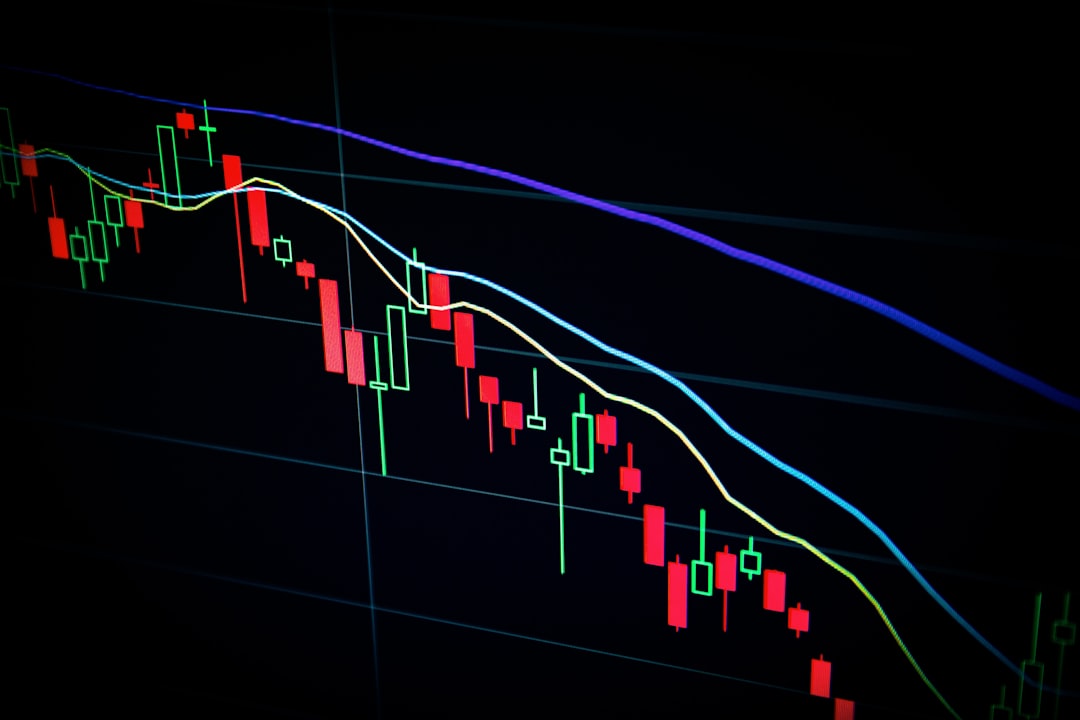
The 200-MA smooths out price data over the last 200 days, giving you a clear picture of the overall market direction. It acts like a dynamic support or resistance level. If the price is consistently above the 200-MA, the market is in a long-term uptrend. If it’s below, the market is in a downtrend. This filter helps you avoid buying into bear markets or shorting strong bull runs.
The Setup
1. Pick Your Asset: Any liquid crypto like Bitcoin, Ethereum, or major altcoins work well.
2. Add the Indicator: On your chart, apply a Simple Moving Average (SMA) with a period of 200.
3. Define Your Rules:
- Long Trades only when price is above the 200-MA (uptrend).
- Short Trades only when price is below the 200-MA (downtrend).
- No trades when price is chopping around the 200-MA—wait for a clear break.
For example, if Bitcoin is trading at $30,000 and the 200-MA is at $28,000, you only look for buy setups. If it drops below, you switch to shorts or stay in cash.
Risk Management
Even the best trend filter isn’t perfect. Always use stop-losses:
- For longs: Place a stop 2-3% below the 200-MA.
- For shorts: Place a stop 2-3% above the 200-MA.
- Position size: Never risk more than 1-2% of your account on a single trade.
Remember, the 200-MA is a lagging indicator—it reacts to price, not predicts it. Combine it with volume or RSI for confirmation.
Conclusion
The 200-Day Moving Average trend filter is your roadmap to trading with the wind at your back. By only taking trades that align with the long-term trend, you dramatically reduce your risk of getting caught in false breakouts or sudden reversals. Start by applying it to your favorite crypto chart today, and let the trend guide your decisions.
Identity on Chain: KYC and Compliance in DeFi
Real World Assets (RWAs) are tangible or intangible assets—such as real estate, bonds, commodities, and credit—tokenized on a blockchain. This guide explores how identity verification (KYC) and compliance are reshaping DeFi, enabling fractional ownership, 24/7 liquidity, and transparency while bridging the gap between Traditional Finance (TradFi) and decentralized markets.
Introduction: Off-Chain vs On-Chain Identity
In TradFi, identity is verified through centralized databases and physical documents. On-chain identity uses cryptographic proofs, decentralized identifiers (DIDs), and verifiable credentials to authenticate users without exposing sensitive data. This shift allows RWAs to comply with regulations like AML and KYC while maintaining user privacy and programmability.
How It Works: The Technical Process
The tokenization of RWAs with identity compliance follows a structured pipeline:
- Tokenization: The asset is digitized into tokens representing fractional ownership.
- SPV (Special Purpose Vehicle): A legal entity holds the off-chain asset, isolating risk and ensuring legal clarity.
- Oracle: Trusted oracles feed real-world data (e.g., asset valuations, identity status) onto the blockchain.
- Blockchain: Smart contracts enforce KYC/AML checks, allowing only verified wallets to interact with compliant pools.
For example, a tokenized real estate fund might require investors to pass KYC via a decentralized identity protocol before minting tokens.
Investment Analysis: Pros, Cons, and Risks
- Pros: Fractional ownership lowers barriers; 24/7 secondary markets improve liquidity; transparency reduces fraud; compliance attracts institutional capital.
- Cons: Regulatory fragmentation across jurisdictions; smart contract vulnerabilities; oracle manipulation risks; limited user adoption due to privacy concerns.
- Risks: Regulation changes (e.g., SEC rulings); smart contract bugs; reliance on centralized identity issuers; market volatility in tokenized assets.
For a broader market view, check out our analysis on Real World Assets (RWA): How Tokenization Changes Investing.
Investors often compare this to Top RWA Projects to Watch in 2026: Tokenized Assets Guide.
Tool Recommendation
To practice KYC-compliant DeFi safely, Binance offers a robust platform with integrated identity verification and access to tokenized RWA products. You can practice this setup safely on Binance. Start here.
FAQ Section
What is on-chain KYC?
On-chain KYC uses decentralized identity protocols to verify users without exposing personal data. It stores cryptographic proofs on the blockchain, enabling compliance while preserving privacy.
How do RWAs comply with regulations?
RWAs comply by using smart contracts that restrict token transfers to verified wallets, integrating oracles for real-world data, and holding assets in legal SPVs. Reports from BlackRock and data from RWA.xyz show growing institutional adoption.
What are the main risks of identity on chain?
Key risks include regulatory changes, smart contract bugs, oracle manipulation, and reliance on centralized identity issuers. Diversification and due diligence are essential.
Conclusion
Identity on chain is a critical enabler for compliant DeFi, allowing RWAs to attract institutional capital while maintaining decentralization. As regulation evolves, platforms that balance privacy with transparency will lead. Investors should start with trusted exchanges like Binance to explore this asset class safely.
DePIN Explained: Earning Passive Income with Infrastructure
Decentralized Physical Infrastructure Networks (DePIN) are reshaping how we think about infrastructure ownership and passive income. By tokenizing real-world assets like wireless hotspots, storage drives, and energy grids, DePIN allows anyone to contribute hardware and earn rewards. This guide breaks down the essentials, from key concepts to actionable tips, helping you tap into this emerging sector.
Key Concepts
What is DePIN? DePIN stands for Decentralized Physical Infrastructure Networks. It uses blockchain tokens to incentivize individuals to deploy and maintain physical infrastructure—such as internet connectivity, data storage, or computing power—in a decentralized manner. Instead of relying on a central provider, the network is owned and operated by its participants.
How Does Passive Income Work in DePIN? Participants earn tokens by providing a service. For example, Helium hotspot owners earn HNT tokens for covering wireless connectivity, while Filecoin miners earn FIL for storing data. The more reliable and high-quality your contribution, the higher your rewards.
Key Components
- Hardware: Physical devices like routers, sensors, or storage drives.
- Token Incentives: Native tokens distributed as rewards for network participation.
- Smart Contracts: Automate reward distribution and enforce network rules.
- Governance: Token holders vote on network upgrades and parameters.
Pro Tips
- Start Small: Invest in one device first to understand the operational costs and reward dynamics before scaling.
- Check Network Demand: Research if there is demand for your contribution in your area. Overcrowded networks yield lower returns.
- Monitor Tokenomics: Understand inflation rates, reward halving schedules, and token utility to gauge long-term sustainability.
- Secure Your Setup: Use dedicated hardware, keep firmware updated, and secure your wallet to prevent hacks.
- Diversify: Consider participating in multiple DePIN projects to spread risk and maximize income streams.
For more details on this, check out our guide on RWA vs Pure DeFi Yields: Which Is Safer?.
You might also be interested in reading about How to Read a Smart Contract Audit Report: A Complete Guide for Crypto Investors.
FAQ Section
What is the minimum investment to start earning with DePIN?
It varies by project. Some require purchasing a $50 sensor, while others need a $500+ hotspot. Always factor in electricity and internet costs.
Are DePIN earnings taxable?
Yes, in most jurisdictions, token rewards are considered income. Consult a tax professional to ensure compliance.
How do I choose the right DePIN project?
Look for active development, strong community, transparent tokenomics, and real-world demand. Avoid projects with unrealistic promises.
Can I lose money with DePIN?
Yes. Hardware costs, token price volatility, and network competition can lead to losses. Only invest what you can afford to lose.
Conclusion
DePIN offers a unique opportunity to earn passive income by contributing to decentralized infrastructure. By understanding the key concepts, following pro tips, and using the right tools, you can build a sustainable income stream. Start small, stay informed, and always prioritize security. The future of infrastructure is decentralized—and you can be part of it.