
How to Bridge Assets Across Blockchains Safely: A Step-by-Step Guide
Bridging assets across blockchains is a fundamental skill for any crypto user who wants to move tokens between networks like Ethereum, BNB Chain, Polygon, or Solana. However, cross-chain bridges are also prime targets for hacks and user errors. This guide will walk you through the safest methods, key risks, and best practices to protect your funds.
Key Concepts
- Cross-Chain Bridge: A protocol that locks tokens on one blockchain and mints equivalent tokens on another, enabling interoperability.
- Wrapped Tokens: Tokens like WETH or WBTC that represent an asset from another chain (e.g., Ethereum’s ETH wrapped on BNB Chain).
- Trustless vs. Custodial Bridges: Trustless bridges use smart contracts and validators; custodial bridges rely on a centralized entity to hold funds.
- Slippage & Fees: Always account for network fees (gas) on both chains and potential slippage during the swap.
Pro Tips
- Start with a small test transaction – Send a tiny amount first to confirm the bridge works and you have the correct destination address.
- Use reputable bridges – Stick to well-audited, widely used bridges like Stargate, Across, or the official bridge of the destination chain.
- Double-check the destination chain – Sending tokens to the wrong chain can result in permanent loss.
- Beware of phishing sites – Always verify the bridge URL and never connect your wallet to an unknown site.
FAQ Section
What is the safest way to bridge assets?
The safest way is to use a trusted, audited bridge with a proven track record. Always start with a small test transaction and never share your private keys or seed phrase.
Can I lose my tokens when bridging?
Yes, risks include smart contract bugs, hacks, or sending to the wrong address. Always double-check the destination chain and address before confirming.
Do I need gas on both chains?
Yes, you need the native token (e.g., ETH on Ethereum, BNB on BNB Chain) to pay for transaction fees on both the source and destination chains.
How long does a bridge transaction take?
It varies from seconds (for fast bridges) to several minutes, depending on network congestion and the bridge’s validation mechanism.
For more details on this, check out our guide on Fake CMC Token Alert: What Beginners Need to Know About Brand Impersonation Scams.
You might also be interested in reading about OKX Ventures Invests $53M for 19.6% Stake in Coinone.
Conclusion
Bridging assets across blockchains is a powerful tool for accessing DeFi, NFTs, and other opportunities. By understanding the key concepts, following pro tips, and using reputable tools, you can move your tokens safely. Always prioritize security over speed, and never skip the test transaction. Stay safe and bridge wisely.
Strategy CEO Shuts Down Rumors, Reaffirms Bitcoin Accumulation Goal
June 7, 2026 — Strategy (Nasdaq: MSTR) has reaffirmed its commitment to growing its bitcoin holdings after a rare sale of 32 BTC sparked speculation about a potential shift in the company’s long-term accumulation strategy.
Immediate Details & Direct Quotes
Low fees are crucial when trading breaking news. We recommend MEXC for tight spreads and fast execution.
Strategy CEO Phong Le directly addressed market speculation on June 7, posting on X: “Our corporate strategy is to increase net bitcoin and bitcoin per share over time. Rumors otherwise are just rumors.” The statement came after the company sold 32 BTC for approximately $2.5 million to fund preferred stock dividend obligations.
The sale represented a tiny fraction of Strategy’s massive 843,706 BTC holdings but attracted attention because it marked the company’s first bitcoin sale since 2022. Executive Chairman Michael Saylor reinforced the bullish outlook, sharing Strategy’s bitcoin holdings chart with the message: “A good time to add more dots.”
Saylor argued that recent bitcoin weakness reflects capital rotating into artificial intelligence investments rather than a fundamental deterioration in BTC’s long-term outlook. “This is a capital rotation, not a bitcoin impairment. Volatility creates opportunity,” Saylor said.
Market Context & Reaction
As of June 7, Strategy maintains an 11.50% annual dividend rate for STRC preferred shares and has reported a $900 million reserve designated for preferred dividends and debt-related payments. The 32 BTC sale proceeds are allocated to support dividend obligations tied to preferred shares.
An analysis shared by Cryptoquant indicated the transaction was not inherently bearish, citing modest exchange activity and limited distribution pressure. Some market observers questioned whether the sale signaled a strategic shift, while others viewed it as routine capital management.
The company’s bitcoin holdings chart, shared by Saylor, renewed speculation that another BTC purchase could be disclosed on Monday, continuing Strategy’s pattern of periodic accumulation announcements.
Background & Historical Context
Strategy has built its reputation as one of the largest corporate bitcoin holders, consistently accumulating BTC since adopting its treasury strategy. The company’s approach under former CEO Michael Saylor has been to acquire and hold bitcoin as a primary treasury reserve asset.
The dividend funding debate highlights Strategy’s evolving capital structure as it balances bitcoin acquisition with income-oriented securities. The company’s preferred stock offerings have provided additional capital for BTC purchases while creating ongoing dividend obligations.
The 32 BTC sale represents the first time Strategy has sold any of its bitcoin holdings since 2022, making it a notable departure from recent accumulation patterns despite the small size relative to total holdings.
What This Means
Strategy’s leadership has made clear the company intends to continue its bitcoin accumulation strategy, with CEO Le directly rejecting speculation about any change in direction. The dividend funding mechanism suggests Strategy may periodically sell small amounts to meet preferred stock obligations while maintaining its core accumulation focus.
Saylor’s comments about capital rotation into AI investments indicate he views current market weakness as a temporary opportunity rather than a structural shift. Investors should expect continued bitcoin purchases from Strategy, with potential disclosure of new acquisitions as early as next week.
The evolving capital structure, including preferred securities and dividend obligations, may influence how Strategy funds future bitcoin acquisitions while maintaining its commitment to increasing net bitcoin holdings and bitcoin per share over time.
—
Private Credit on Blockchain: Earning High Yields
Introduction: What Is Private Credit on Blockchain?
Private credit refers to loans made by non-bank lenders to businesses or individuals, typically offering higher yields than public debt markets. On blockchain, private credit is tokenized—meaning loan agreements, repayment streams, and collateral are recorded on a distributed ledger. This bridges the gap between off-chain (traditional) lending and on-chain (DeFi) liquidity. Off-chain private credit is illiquid, opaque, and requires intermediaries. On-chain, tokenized private credit enables fractional ownership, 24/7 secondary trading, and real-time transparency of loan performance.
How It Works: The Technical Process
The tokenization of private credit follows a structured workflow:
- Origination: A borrower (e.g., a real estate developer) applies for a loan through a regulated lending platform.
- SPV Creation: The loan is placed into a Special Purpose Vehicle (SPV) to isolate risk and ensure legal ownership.
- Tokenization: The SPV issues digital tokens representing fractional claims on the loan’s principal and interest payments.
- Oracle Integration: Oracles (e.g., Chainlink CCIP) feed off-chain loan data—such as repayment status, interest rates, and collateral values—onto the blockchain.
- Secondary Market: Investors trade these tokens on decentralized exchanges or specialized platforms, providing liquidity.
This process ensures that each token is backed by a real-world legal agreement, while blockchain provides immutable record-keeping and automated interest distribution via smart contracts.
Investment Analysis: Pros, Cons, and Risks
Pros
- High Yields: Private credit often yields 8–15% APY, significantly higher than traditional bonds or savings accounts.
- Fractional Access: Investors can participate with small capital, previously reserved for institutional players.
- Transparency: On-chain data allows anyone to verify loan performance and collateralization.
- Liquidity: Tokenized loans can be traded 24/7, unlike traditional private credit.
Cons
- Regulatory Uncertainty: Jurisdictions vary on how tokenized debt is classified—security or utility token.
- Smart Contract Risk: Bugs or exploits in the tokenization protocol can lead to loss of funds.
- Default Risk: Borrowers may fail to repay, and recovery processes are still evolving in DeFi.
Risks to Monitor
- Counterparty Risk: The SPV and originator must be vetted; due diligence is critical.
- Oracle Manipulation: If oracles provide incorrect data, loan terms may be mispriced.
- Market Liquidity: Secondary markets for tokenized credit can be thin, affecting exit strategies.
For a broader market view, check out our analysis on Oracles in RWA: Chainlink CCIP for Tokenized Assets.
Investors often compare this to Top RWA Projects to Watch in 2026: Tokenized Real-World Assets.
Tool Recommendation: Getting Started Safely
To explore private credit tokenization without risking large capital, you can practice this setup safely on Binance. Binance offers a regulated environment to trade tokenized assets and learn about yield opportunities. Start with small amounts and use their educational resources to understand the mechanics. Create your account here.
FAQ Section
Question: What is the minimum investment for tokenized private credit?
Answer: Minimums vary by platform but can be as low as $50–$500, thanks to fractional tokenization. Always check the specific offering’s terms.
Question: How are yields paid out on-chain?
Answer: Interest is typically distributed automatically via smart contracts in stablecoins (e.g., USDC or DAI) directly to your wallet, often on a monthly or quarterly basis.
Question: Is tokenized private credit regulated?
Answer: Regulation depends on jurisdiction. Many platforms operate under exemptions (e.g., Regulation D in the US) or are licensed in crypto-friendly countries. Always verify the legal framework before investing.
Conclusion
Private credit on blockchain represents a compelling evolution in finance—offering higher yields, transparency, and accessibility. However, it is not without risks: regulatory shifts, smart contract vulnerabilities, and borrower defaults require careful due diligence. For sophisticated investors willing to research platforms and understand the underlying legal structures, tokenized private credit can be a valuable portfolio diversifier. Start small, use regulated exchanges like Binance, and stay informed on market developments.
Why Is Bitcoin Falling? 5 Key Reasons Explained (2025 Guide)
Bitcoin dropping below $60,000 has left many crypto investors searching for answers. But according to Greg Cipolaro, global head of research at NYDIG, there’s no single cause. Instead, a “perfect storm” of converging headwinds—from AI stock mania to quantum computing fears—is weighing on prices. For beginner and intermediate crypto learners, understanding these complex market forces is crucial for making informed decisions. This guide breaks down the five key reasons behind Bitcoin’s recent slide, explains the on-chain signals that suggest a potential bottom, and helps you separate temporary noise from long-term trends. By the end, you’ll understand why experienced analysts see this correction as different from past crypto winters.
Read time: 10-12 minutes
Understanding Market Headwinds for Beginners
Market headwinds are forces that slow down price growth or push prices lower—like headwinds pushing against a cyclist. Think of them as weight on a backpack: one extra book is manageable, but five books suddenly make the climb much harder.
Bitcoin’s price doesn’t move in isolation. It competes for investor attention and capital with other assets. When multiple challenges appear at once—like today—the combined effect can trigger a significant selloff even if no single issue seems catastrophic.
Why does understanding this matter? Because blaming Bitcoin’s drop on “one thing” (like a hack or regulation) often misses the bigger picture. The real story is how different pressures compound, creating market weakness that may look confusing from the outside.
A real-world example: In 2022, the collapse of FTX alone didn’t cause the bear market—it was the final straw after rising interest rates, inflation fears, and regulatory uncertainty had already weakened the market.
The Technical Details: How Multiple Catalysts Converge
Bitcoin’s price is influenced by supply and demand, investor psychology, and competition from other markets. Here’s how the current headwinds interact:
1. Capital Competition: Investors have limited money to allocate. When AI stocks surge (like Nvidia, OpenAI, SpaceX), funds flow out of crypto into these “hot” sectors. The overlap between AI and crypto investors is larger than many assume.
2. IPO Liquidity Drain: Major IPOs (like SpaceX’s upcoming debut) prompt institutions to sell assets and raise cash to participate in new offerings. This reduces demand for Bitcoin.
3. Narrative Shifts: Fear about quantum computing breaking Bitcoin’s cryptography undermines confidence—even if the risk is years away.
4. Selling Pressure from Believers: When Strategy (formerly MicroStrategy)—the largest corporate Bitcoin holder—sells even a tiny amount, it shakes confidence. Their 32 BTC sale was psychologically significant, signaling that even the most loyal buyers might become sellers.
5. Regulatory Friction: Government actions (like seizing $1 billion in Iranian-linked crypto) remind investors that crypto isn’t beyond government reach, challenging the “censorship-resistant” narrative.
How they interact: None of these alone would cause a 53% drawdown from all-time highs. But together, they create a negative feedback loop where selling begets more selling, and bad news amplifies existing fears.
Why this structure matters for you: Understanding that markets are complex systems helps you avoid panicking during corrections. It also helps you identify when fear is overblown versus when genuine risks exist.
Current Market Context: Why This Matters Now
As of June 2026, Bitcoin has fallen roughly 53% from its peak of $126,000 in October 2025—a much shallower decline than the 75-90% drawdowns seen in prior cycles. The market has lost approximately $390 billion in value in just one week, with nearly $7 billion in leveraged positions liquidated.
Key metrics from NYDIG’s analysis:
- Bitcoin’s MVRV ratio has dropped to 1.2—historically a level associated with market bottoms where price converges with investors’ cost basis
- The percentage of supply held in profit has fallen below 50%, another classic capitulation signal
- However, the current bear market is only 242 days old—shorter than the year-long declines in 2014, 2018, and 2022
The key question: Has institutional adoption fundamentally changed Bitcoin’s cycle? Or has the market simply not reached true capitulation yet? NYDIG’s Greg Cipolaro suggests the answer determines whether we’ve seen the bottom.
Competitive Landscape: How This Correction Compares
Bitcoin’s current drawdown looks different from previous bear markets:
| Feature | 2014-2015 Bear | 2018-2019 Bear | 2022 Bear (FTX) | 2025-2026 Current |
|---|---|---|---|---|
| Peak-to-Trough Drop | ~85% ($1,150 to $170) | ~84% ($20,000 to $3,200) | ~77% ($69,000 to $15,500) | ~53% ($126,000 to $59,000) |
| Duration | ~410 days | ~364 days | ~370 days | ~242 days (ongoing) |
| Primary Cause | Mt. Gox collapse, regulatory uncertainty | ICO bubble burst, regulatory crackdown | FTX fraud, leverage unwinding | Multi-headwind convergence (AI, IPO, quantum, strategy sale) |
| Institutional Involvement | Minimal | Early (futures launch) | Significant (ETF approval) | Deep (ETF outflows, corporate holdings) |
| Recovery Pattern | Slow, ~2 years | Sharp V-shaped recovery | Gradual W-shaped recovery | Unknown |
Why this matters: Each bear market has been different. The current one is shallower but involves more complex external factors. If institutions have truly changed Bitcoin’s cycle, the bottom may already be in. If not, a deeper reset could still occur.
Practical Applications: Real-World Use Cases
What should you do with this information?
- Portfolio Diversification: If you’re heavily concentrated in crypto, consider rebalancing. The competition from AI and tech IPOs shows that crypto isn’t always the best growth play.
- Stop-Loss Management: Use on-chain metrics (like MVRV ratio below 1.3) as signals to tighten risk management rather than panic-selling.
- Dollar-Cost Averaging: Historical data shows that buying during capitulation phases (when supply in profit drops below 50%) has been profitable over 6-12 month horizons.
- News Literacy: Learn to distinguish between real risks (like AI competition) and overhyped fears (like quantum computing being an immediate threat).
- Tax Planning: Consider tax-loss harvesting if you’re holding at a loss—crypto losses can offset gains in other investments.
Risk Analysis: Expert Perspective
Primary Risks:
1. AI/IPO Capital Drain: This isn’t temporary. AI and tech IPOs could continue attracting massive capital for years, permanently changing crypto’s growth narrative.
2. Quantum Computing Uncertainty: While not an immediate threat, each new research paper showing faster cryptographic attacks adds to the fear. The consensus remains “no near-term danger,” but perception matters.
3. Institutional Selling: Strategy’s sale of 32 BTC was small, but it signals that even the most committed corporate buyer might reduce holdings. If more institutions follow, selling pressure could intensify.
4. Regulatory Overreach: The seizure of Iranian-linked crypto assets demonstrates government capability to trace and seize funds—challenging Bitcoin’s privacy narrative.
Mitigation Strategies:
- Diversify across asset classes—don’t put all your eggs in crypto
- Use hardware wallets and maintain strong security practices regardless of market conditions
- Set price alerts based on on-chain metrics (not just price)
- Stay educated—understand the difference between real technical threats and market FUD
Expert Consensus: Most analysts agree that Bitcoin’s fundamentals haven’t deteriorated. The network remains secure, adoption continues, and on-chain activity is healthy. The current weakness is primarily driven by capital flows and sentiment, not a flaw in Bitcoin itself.
Beginner’s Corner: Quick Start Guide
How to Navigate a Crypto Correction (5 Steps)
1. Step 1: Check your emotions. Corrections feel scary, but panic-selling locks in losses. Remember that Bitcoin has recovered from 53%+ drops six times before.
2. Step 2: Review your portfolio allocation. If crypto is more than 10-20% of your total investments, consider gradual rebalancing during any bounce.
3. Step 3: Follow on-chain metrics. Use tools like Glassnode to track MVRV ratio (below 1.3 = historically attractive), supply in profit (below 50% = capitulation zone), and exchange flows.
4. Step 4: Set a strategy, not a price target. Decide in advance: Will you dollar-cost average? Will you wait for a clear recovery signal? Write it down.
5. Step 5: Block out the noise. Ignore price predictions and “death of Bitcoin” narratives. Focus on fundamentals: developer activity, hash rate, and long-term adoption trends.
Common Mistakes to Avoid:
- Panic-selling at the bottom (selling when metrics show capitulation)
- FOMO-buying thinking “this is the bottom” (wait for confirmation)
- Ignoring diversification (crypto alone is risky)
- Believing every news headline (verify sources)
Future Outlook: What’s Next
Short-term (1-3 months):
- Continued volatility as AI and IPO capital flows remain strong
- Potential for further liquidation cascades if Bitcoin breaks below $55,000 support
- Monitoring of ETF flows—heavy outflows would signal institutional uncertainty
Medium-term (3-12 months):
- Resolution of the “institutional cycle” debate: If the 53% drop is enough, a gradual recovery could begin by Q4 2026
- If quantum computing fear escalates, it could trigger more selling—but most experts expect no immediate action
- Regulatory clarity (especially MiCA in Europe) could provide a floor for prices
Long-term (1-3 years):
- Bitcoin’s adoption trajectory remains intact—the network’s fundamental value proposition hasn’t changed
- Historical patterns suggest that post-capitulation recoveries have been strong within 6-12 months
- Integration with traditional finance (ETFs, institutional custody) continues to mature
What to watch: The key signal is whether on-chain metrics (MVRV, supply in profit) confirm a bottom, or whether a deeper capitulation is needed. NYDIG’s research suggests we’re close to a bottom—but not there yet.
Key Takeaways
- Bitcoin’s current slide is driven by multiple converging headwinds—AI stock mania, tech IPOs, quantum fears, regulatory actions, and Strategy’s sale—rather than a single cause.
- On-chain metrics suggest we’re approaching a potential bottom (MVRV ratio at 1.2, supply in profit below 50%), but the drawdown is shallower and shorter than historical bear markets.
- The key uncertainty is whether institutional adoption has fundamentally changed Bitcoin’s cycle or merely delayed a deeper reset—this will determine if we’ve seen the low.
- Use this correction as an opportunity to learn and plan rather than panic—diversify, set clear strategies, and focus on fundamentals over noise.
,
“datePublished”: “2026-06-07”,
“dateModified”: “2026-06-07”,
“mainEntity”: {
“@type”: “Thing”,
“name”: “Bitcoin price correction reasons”
}
}
DePIN Explained: Earning Passive Income with Infrastructure
Decentralized Physical Infrastructure Networks (DePIN) are revolutionizing how we think about infrastructure ownership and passive income. By leveraging blockchain technology, DePIN allows individuals to contribute real-world resources—like bandwidth, storage, computing power, or even wireless coverage—and earn cryptocurrency in return. This guide breaks down everything you need to know to start earning passive income with DePIN.
Key Concepts
- What is DePIN? DePIN stands for Decentralized Physical Infrastructure Networks. It uses token incentives to crowd-source the building and maintenance of physical infrastructure, such as wireless hotspots, data storage nodes, or energy grids.
- How It Works: Participants deploy hardware (e.g., a router, hard drive, or sensor) that provides a service to the network. The network verifies contributions via blockchain and rewards participants with native tokens.
- Passive Income Potential: Once set up, many DePIN devices operate autonomously, generating a steady stream of tokens that can be traded or held for appreciation.
- Examples: Helium (wireless hotspots), Filecoin (decentralized storage), and Render Network (GPU computing).
Pro Tips
- Start with a low-cost, proven project like Helium or DIMO to minimize risk.
- Research tokenomics: Ensure the project has a sustainable reward model and real-world demand for the service.
- Consider location: Some DePIN projects (e.g., wireless networks) reward based on coverage density—check if your area is underserved.
- Diversify across multiple DePIN projects to spread risk and maximize income streams.
💡 Pro Tip
Looking for altcoin opportunities and smooth trading? Try KuCoin.
FAQ Section
What hardware do I need for DePIN?
It depends on the project. Common hardware includes specialized routers (Helium), external hard drives (Filecoin), or even a smartphone app (DIMO for vehicle data).
Is DePIN passive income really passive?
Mostly yes—after initial setup and occasional maintenance, devices run autonomously. However, you may need to monitor uptime and update firmware.
How much can I earn with DePIN?
Earnings vary widely based on project, location, and network demand. Some users report $50–$500 per month per device, but always do your own research.
Are DePIN projects safe?
Like all crypto, there are risks: token volatility, project failure, or hardware obsolescence. Stick to established projects with active communities and transparent teams.
For more details on this, check out our guide on Vitalik Buterin Reveals 90% Net Worth in ETH During Foundation Restructuring.
You might also be interested in reading about Cold Storage vs Hot Wallets: Which Should You Choose?
Conclusion
DePIN represents a paradigm shift in infrastructure ownership, turning everyday hardware into income-generating assets. By understanding the key concepts, applying pro tips, and choosing the right projects, you can build a diversified passive income stream that grows with the decentralized economy. Start small, stay informed, and let your infrastructure work for you.
Bybit Launches Tokenized SpaceX Shares Via IPO Express Platform
June 7, 2026 — Bybit has entered the tokenized equity market with the launch of IPO Express, a new product offering blockchain-based exposure to private and public companies. The exchange introduced subscriptions for tokenized SpaceX shares through a partnership with xStocks, with spot trading expected to begin on June 12.
Immediate Details & Direct Quotes
Ready to act on this news? Open an account on Binance — the world’s largest crypto exchange.
Bybit announced IPO Express as an on-chain equity offering platform designed to bring traditional assets closer to crypto users. The first product available through the platform provides exposure to SpaceX through tokenized shares issued by xStocks.
According to Wu Blockchain, Bybit confirmed the tokens maintain a one-to-one linkage with the underlying equity exposure. “Tokenized SpaceX shares are fully backed by xStocks issuers,” Bybit said in its announcement.
The exchange added that the product is designed to offer regulated exposure rather than direct ownership of SpaceX common shares. This distinction matters for users seeking tokenized access without holding actual equity certificates.
SpaceX was selected as the first company available through IPO Express. The aerospace company remains one of the most valuable private firms globally, giving crypto users access to a market traditionally limited to venture investors and selected institutions.
Market Context & Reaction
Interest in private equity tokenization has increased over the past year. Market participants have increasingly looked for ways to connect blockchain infrastructure with traditional assets. Tokenized equities are part of the wider real-world asset (RWA) sector, which has become one of the fastest-growing segments in digital assets.
As of June 7, 2026, Bybit’s IPO Express represents another attempt to bring traditional finance products into crypto markets. The sector has seen rapid growth because blockchain settlement can provide faster transfers and broader accessibility.
Tokenized assets have attracted growing institutional attention. Financial firms have expanded efforts involving tokenized funds, Treasuries, and stablecoins. The XRP Ledger, Ethereum, and several other networks have also increased their focus on real-world asset infrastructure. Exchanges are now competing to build products around that demand.
Background & Historical Context
The launch comes months after Bybit worked to restore confidence following a record hack earlier this year. Crypto.news previously reported that the exchange managed to stabilize withdrawals and rebuild reserves after the attack.
Since then, Bybit has continued expanding its product lineup. The exchange has added new trading tools and pursued additional partnerships. IPO Express shows that exchanges are increasingly looking beyond cryptocurrencies alone.
As competition grows among trading platforms, tokenized equities could become another battleground between exchanges seeking new users and fresh sources of trading activity. The tokenized asset market continues to grow as traditional finance and blockchain infrastructure converge.
What This Means
In the short term, Bybit users gain access to SpaceX exposure through tokenized shares starting June 12. This opens private equity opportunities to retail crypto traders who previously lacked access to such investments.
Over the longer term, IPO Express signals growing exchange interest in real-world asset tokenization. Other platforms may follow with similar offerings as demand for blockchain-based traditional asset exposure increases.
Users should note this provides regulated exposure, not direct SpaceX share ownership. Conduct your own research before participating in tokenized equity offerings. Not financial advice.

Trading the AI Agent Narrative in Crypto: A Step-by-Step Guide
The AI Agent narrative is one of the hottest trends in crypto right now. From autonomous trading bots to decentralized AI marketplaces, projects leveraging artificial intelligence are capturing massive attention—and capital. If you’ve been watching tokens like FET, AGIX, or newer AI-agent protocols pump while you sit on the sidelines, this guide is for you. I’ll break down a simple, repeatable strategy for trading this narrative without getting wrecked by hype.
How It Works
AI Agent tokens are tied to projects that use AI to automate tasks, analyze data, or create value on-chain. The narrative cycle typically follows three phases:
1. Early Buzz: A new AI project launches or a major partnership is announced (e.g., integration with a layer-1 blockchain).
2. Hype Pump: Retail and influencers pile in, driving price up rapidly.
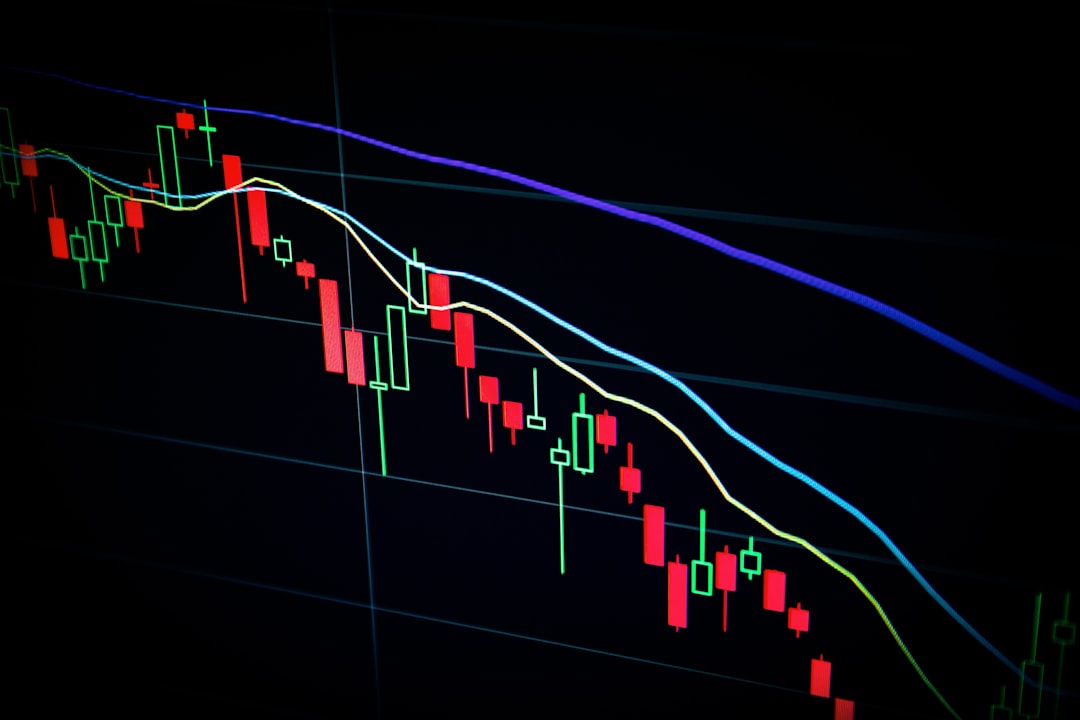
3. Reality Check: The market prices in expectations, and volatility spikes.
Our goal is to enter during the early buzz and exit before the hype peak, managing risk along the way.
The Setup
Here’s a repeatable framework for spotting and trading AI Agent tokens:
Step 1: Identify the Catalyst
- Follow AI-focused crypto news outlets (e.g., CoinDesk AI section, Twitter accounts of AI devs).
- Look for announcements like: mainnet launches, partnerships with AI giants (e.g., OpenAI, Nvidia), or token utility upgrades.
Step 2: Check the Chart
- Use a 1-hour or 4-hour timeframe.
- Look for a volume spike paired with a breakout above a key resistance level (e.g., the 20-day moving average).
- Avoid tokens that have already pumped 200%+ in a week—you’re too late.
Step 3: Enter with a Limit Order
- Place a buy order 5-10% above the breakout candle’s close. This confirms momentum.
- Example: If FET breaks $2.00 on high volume, set a buy at $2.10.
Step 4: Set a Target and Stop-Loss
- Target: 30-50% gain (based on historical AI narrative pumps).
- Stop-loss: 10-15% below entry. If the catalyst fizzles, you’re out with a small loss.
Risk Management
AI Agent tokens are notoriously volatile. Here’s how to protect your portfolio:
- Position Size: Limit each AI trade to 2-5% of your trading capital. Don’t go all-in on one narrative.
- Take Partial Profits: Sell 50% of your position at a 30% gain. Let the rest ride with a trailing stop-loss.
- Avoid FOMO: If you miss the initial breakout, skip it. There will always be another AI agent token next week.
- Monitor Sentiment: Use tools like LunarCrush or CoinGecko’s trending section to gauge hype. If everyone is shouting “AI gem,” it’s time to sell.
Conclusion
Trading the AI Agent narrative is about timing, discipline, and knowing when to fold. By entering on volume breakouts, targeting 30-50% gains, and sticking to strict risk management, you can profit from this mega-trend without getting burned. Remember: the narrative will shift—your strategy shouldn’t. Start small, track your trades, and adapt as the market evolves. Happy trading!
Stablecoin Yield Strategies: Low Risk Farming Guide for 2025
Stablecoin yield farming has emerged as one of the most accessible ways to earn passive income in decentralized finance (DeFi). Unlike volatile crypto assets, stablecoins are pegged to fiat currencies like the US dollar, offering a low-risk entry point for both beginners and seasoned investors. This guide explores the best stablecoin yield strategies, key concepts, and pro tips to help you maximize returns while minimizing risk.
Key Concepts
1. What Are Stablecoins?
Stablecoins are cryptocurrencies designed to maintain a stable value, typically pegged 1:1 to a fiat currency like USD. Examples include USDT (Tether), USDC (USD Coin), and DAI (a decentralized stablecoin). They are the backbone of DeFi lending, borrowing, and yield farming.
2. Yield Farming Basics
Yield farming involves lending or staking your crypto assets to earn rewards, often in the form of additional tokens or interest. With stablecoins, the risk is lower because the underlying asset doesn’t fluctuate in value. Common platforms include Aave, Compound, and Curve Finance.
3. Low-Risk Strategies
Low-risk stablecoin strategies focus on preserving capital while generating steady returns. These include:
- Lending on Aave or Compound: Deposit stablecoins to earn variable APY (annual percentage yield) from borrowers.
- Liquidity Pools on Curve Finance: Provide liquidity to stablecoin pools (e.g., USDT/USDC/DAI) to earn trading fees and CRV rewards.
- Yield Aggregators: Use platforms like Yearn Finance to auto-compound yields across multiple protocols.
- Savings Accounts: Some centralized exchanges offer high-yield savings accounts for stablecoins, with FDIC insurance in some cases.
Pro Tips
- Diversify Across Protocols: Don’t put all your stablecoins in one platform. Spread them across Aave, Compound, and Curve to mitigate smart contract risk.
- Watch for Impermanent Loss: While stablecoin pools have minimal impermanent loss, it’s not zero. Stick to pools with tightly pegged assets.
- Monitor Gas Fees: On Ethereum, gas fees can eat into small yields. Consider using Layer 2 solutions like Arbitrum or Optimism for lower costs.
- Check Audit Reports: Only use protocols that have been audited by reputable firms like Trail of Bits or Certik.
- Start Small: Test strategies with a small amount before committing larger capital.
💡 Pro Tip
Looking for altcoin opportunities and smooth trading? Try KuCoin.
FAQ Section
Q: What is the safest stablecoin yield strategy?
A: Lending stablecoins on Aave or Compound is considered one of the safest strategies, as these protocols have been battle-tested and have large liquidity reserves.
Q: Can I lose money with stablecoin yield farming?
A: Yes, risks include smart contract bugs, protocol insolvency, and de-pegging events. However, these risks are low compared to volatile crypto farming.
Q: What is a good APY for stablecoin farming?
A: Typical APYs range from 2% to 15%, depending on the platform and market demand. Higher APYs often come with higher risk.
Q: Do I need to pay taxes on stablecoin yields?
A: In most jurisdictions, yield farming rewards are taxable as income. Consult a tax professional for your specific situation.
Q: How do I start stablecoin yield farming?
A: First, acquire stablecoins on a centralized exchange (like KuCoin). Then, transfer them to a DeFi wallet (e.g., MetaMask) and deposit into a lending protocol or liquidity pool.
For more details on this, check out our guide on Strategy’s Bitcoin Sale Plan: What It Means for Dividends Explained.
You might also be interested in reading about Tokenized Real Estate: How to Invest with $50.
Conclusion
Stablecoin yield farming offers a compelling way to earn passive income with relatively low risk, especially when compared to volatile crypto assets. By understanding key concepts like lending, liquidity pools, and yield aggregators, and by following pro tips like diversification and gas fee monitoring, you can build a sustainable income stream. Always prioritize security and start small to test the waters. With the right approach, stablecoin farming can be a cornerstone of your DeFi portfolio.
Private Credit on Blockchain: Earning High Yields
Private credit—loans made outside the traditional banking system—has long been a lucrative but illiquid asset class reserved for institutional investors. Today, blockchain technology is democratizing access by tokenizing these loans, allowing retail investors to earn high yields with greater transparency and liquidity. This guide explains how private credit on blockchain works, its risks and rewards, and where to start.
What Is Private Credit on Blockchain?
Private credit refers to debt financing provided by non-bank lenders to businesses or individuals. On-chain private credit tokenizes these loan agreements, representing them as digital tokens on a blockchain. This bridges the gap between Traditional Finance (TradFi) and Decentralized Finance (DeFi), enabling fractional ownership, 24/7 secondary trading, and real-time transparency.
Off-chain vs On-chain: In traditional private credit, investors commit capital for fixed terms with limited liquidity. On-chain, tokenized loans can be traded on secondary markets, and smart contracts automate interest payments and collateral management. Data from RWA.xyz shows that on-chain private credit has grown to over $1.5 billion in total value locked, with yields often ranging from 8% to 15% APY.
How It Works
The process of bringing private credit on-chain involves several steps:
- Origination: A borrower (e.g., a real estate developer or fintech company) applies for a loan through a platform like Maple Finance or Centrifuge.
- Special Purpose Vehicle (SPV): The loan is structured into an SPV, which isolates the asset and protects investors.
- Tokenization: The SPV issues digital tokens (e.g., ERC-20) representing fractional ownership of the loan. Each token entitles the holder to a share of principal and interest.
- Oracles: Price oracles feed real-world data (e.g., interest rates, credit events) onto the blockchain to trigger smart contract actions.
- Blockchain: Tokens are listed on decentralized exchanges or platforms, allowing investors to buy, sell, or hold. Smart contracts automate interest distribution and loan repayments.
Investment Analysis
Pros
- High Yields: On-chain private credit often yields 8–15% APY, significantly higher than traditional fixed income.
- Liquidity: Tokenization allows secondary trading, reducing lock-up periods.
- Transparency: All loan terms, collateral, and payment histories are recorded on-chain.
- Fractional Ownership: Minimum investments can be as low as $100, opening access to retail investors.
Cons & Risks
- Regulatory Uncertainty: Jurisdictions vary on how tokenized securities are classified. The SEC has not yet provided clear guidance.
- Smart Contract Risk: Bugs or exploits in the underlying code can lead to loss of funds.
- Credit Risk: Borrowers may default. Unlike bank deposits, there is no FDIC insurance.
- Liquidity Risk: Secondary markets may be thin, making it hard to exit positions quickly.
For a broader market view, check out our analysis on Tokenized Real Estate & More: How to Trade Real World Assets (RWA) in Crypto.
Investors often compare this to What Caused the Crypto Crash of 2026? Bitcoin & Ether’s Worst Week Explained.
Tool Recommendation
To trade tokenized private credit tokens efficiently, choose an exchange with low fees and strong liquidity. Low fees are crucial for this strategy. We recommend MEXC. Start trading on MEXC to access a wide range of RWA tokens with competitive maker-taker fees.
FAQ
What is the minimum investment for on-chain private credit?
Minimum investments vary by platform but can be as low as $100, thanks to fractional tokenization. Some pools require a minimum of $1,000 or more, depending on the loan size and platform rules.
How are yields paid in tokenized private credit?
Yields are typically paid in stablecoins (e.g., USDC or DAI) directly to your wallet via smart contracts. Payments can be made weekly, monthly, or at maturity, depending on the loan terms.
Is on-chain private credit regulated?
Regulation varies by jurisdiction. In the US, tokenized loans may be classified as securities under the SEC. Platforms like Maple Finance and Centrifuge work with legal counsel to comply with local laws, but investors should conduct their own due diligence.
Conclusion
Private credit on blockchain offers a compelling opportunity for yield-seeking investors, combining the high returns of private lending with the transparency and liquidity of DeFi. However, it carries real risks—regulatory, credit, and technical—that require careful assessment. For those willing to do their homework, this asset class can be a powerful addition to a diversified portfolio. Start small, use reputable platforms, and always verify loan collateral and audit reports.

Master the VWAP Day Trading Strategy: A Simple Edge for Crypto Markets
Have you ever watched a crypto chart and wondered why price seems to bounce at certain invisible lines? Or why some traders can consistently catch intraday moves while others struggle? The secret often lies in Volume Weighted Average Price, or VWAP. Unlike simple moving averages that treat every price equally, VWAP gives more weight to periods with high trading volume. This makes it a powerful tool for day trading, especially in volatile crypto markets where institutional money flows dominate. In this guide, we’ll break down a simple VWAP day trading strategy that you can start using today.
How it Works
VWAP calculates the average price a asset has traded at throughout the day, adjusted for volume. Think of it as the “fair value” for the current trading session. When price is above VWAP, it signals bullish sentiment. When price is below VWAP, it signals bearish sentiment. Day traders use VWAP as a dynamic support and resistance level. Because large institutions often execute orders near VWAP, it can act as a magnet for price action.
The Setup
For this strategy, you’ll need a chart with VWAP indicator (available on most platforms like TradingView, Binance, or Bybit) and a 5-minute or 15-minute timeframe. Here’s the core setup:
1. Identify the Trend: If price is consistently above VWAP, we favor long trades. If below, we favor short trades.

2. Wait for a Pullback: Let price retrace back to VWAP. This is your entry zone.
3. Look for Confirmation: Use a candlestick pattern (like a bullish engulfing or hammer at VWAP) or a momentum indicator (like RSI showing oversold/overbought).
4. Enter the Trade: Once confirmed, enter in the direction of the trend.
5. Set a Target: Aim for a 1.5:1 or 2:1 risk-to-reward ratio. For example, if your stop loss is 2% below entry, target 3-4% above.
Risk Management
No strategy works 100% of the time, so risk management is crucial. Here are key rules:
- Stop Loss: Place your stop loss 1-2 ATR (Average True Range) below VWAP for longs, or above for shorts. This accounts for market noise.
- Position Size: Never risk more than 1-2% of your trading capital on a single trade.
- Avoid News Events: VWAP can break down during high-impact news. Consider sitting out during major announcements.
- Multiple Touch Points: If price touches VWAP but fails to bounce after two attempts, the level may be weakening. Exit early.
Conclusion
The VWAP day trading strategy is a staple for many professional traders because it aligns price action with real volume. It gives you a clear, objective framework for entries and exits, removing emotional guesswork. Start by practicing on a demo account, and you’ll soon notice how often price respects this level. Remember, consistency beats intensity in trading. Master the VWAP bounce, and you’ll have a reliable edge in the crypto markets.