
What Caused the Crypto Crash of 2026? Bitcoin & Ether’s Worst Week Explained
Did you know the crypto market lost nearly $390 billion in just one week? That’s more than the entire market cap of most traditional companies. For context, that’s roughly the combined value of all gold held by the Bank of England. In a brutal week for digital assets, Bitcoin (BTC) and Ether (ETH) suffered their largest weekly drops since the FTX collapse in November 2022. Bitcoin fell 17.3% to hover around $60,000, while Ether dropped 22% to roughly $1,550. But this wasn’t just about two coins—nearly $7 billion in leveraged positions were liquidated as a perfect storm of events hit the market. For crypto users, understanding this crash is crucial: it reveals how interconnected traditional finance, corporate actions, and new technologies like AI are becoming with digital assets. This guide breaks down exactly what happened, why it matters for your portfolio, and what it means going forward—without the hype or panic.
Read time: 10-12 minutes
Understanding Crypto Market Crashes for Beginners
A crypto market crash is a sudden, sharp decline in the value of digital assets, often triggered by multiple negative factors happening at once. Think of it like a traffic jam: one car breaking down causes a delay, but if multiple accidents, road closures, and bad weather all happen simultaneously, the entire highway comes to a standstill. In crypto, a single bad news event might cause a 5% dip. But when several “accidents” converge—like corporate sales, regulatory fears, and macroeconomic shifts—the result can be a coordinated sell-off that wipes out billions in hours.
Why do these crashes happen? Crypto markets are still relatively young and less regulated than traditional stock markets. This creates two key dynamics:
1. High leverage: Many traders borrow money to amplify their bets. When prices fall, these positions get automatically sold (liquidated), accelerating the downturn.
2. Emotional trading: Fear spreads faster than facts. A single whale selling millions can trigger panic selling from smaller holders.
A real-world example from this week: Strategy (formerly MicroStrategy) sold just 32 BTC—worth about $2.5 million. That’s a tiny fraction of their holdings. But because investors saw it as a “first time selling in four years,” it triggered psychological fear that rippled through the entire market.
The Technical Details: What Actually Happened This Week
This crash wasn’t caused by one single event. It was a “perfect storm” of five separate forces hitting the market simultaneously:
1. Strategy’s Bitcoin Sale (Monday): The largest corporate Bitcoin holder disclosed selling 32 BTC for the first time since 2022. While the amount was negligible, investors feared this could signal a broader sell-off to cover the company’s preferred equity obligations.
2. Massive ETF Outflows: Bitcoin ETFs saw continuous outflows throughout the week. Research firm K33 noted this reflected a broader rotation of capital away from crypto and into AI investments, which were hitting record highs.
3. AI Competition: With AI stocks surging and companies like OpenAI, Anthropic, and SpaceX preparing for IPOs, investors faced a stark choice: hold Bitcoin or chase AI gains. Many chose AI, creating selling pressure on crypto.
4. AI Crypto Vulnerability: Researchers used Anthropic’s AI model to find a critical vulnerability in Zcash’s (ZEC) privacy system. ZEC crashed 40% in response, raising fears that AI could expose flaws in other crypto protocols.
5. Fed Rate Hike Fears (Friday Trigger): A stronger-than-expected U.S. jobs report forced markets to reconsider interest rate expectations. Instead of cuts, traders now priced in possible rate hikes. This caused a massive sell-off in risk assets, including crypto.
Why this structure matters for you: Understanding that this crash had multiple causes—not just one—means you can better assess future risks. No single factor created the $390 billion loss; it was the combination that proved devastating.
Current Market Context: Why This Matters Now
As of early June 2026, the crypto market finds itself at a critical crossroads. Total market capitalization has fallen from its October peak of nearly $4.2 trillion to just over $2 trillion—a decline of more than 50% in roughly eight months.
Key numbers to know:
- $390 billion lost this week alone
- $7 billion in leveraged positions liquidated
- $5.7 billion of that were long (bullish) positions being wiped out
- Bitcoin trading just above $60,000, down 17.3% for the week
- Ether trading around $1,550, down 22% for the week
The timing matters because it comes amid:
- AI stock boom: The Nasdaq 100 suffered its worst day since April 2025, suggesting even traditional markets are feeling the pinch from rate hike fears
- Bond yield surge: U.S. Treasury yields spiked as investors priced in higher interest rates
- IPO pipeline: Major tech companies like SpaceX and OpenAI are expected to go public, drawing capital away from crypto
For context, this week’s crash is the worst since the FTX collapse in November 2022. That event wiped out billions and shook confidence in centralized exchanges. This week’s crash is different—it’s not about a single exchange failing, but about broader macroeconomic and competitive pressures.
Competitive Landscape: How This Crash Compares to History
| Feature | FTX Crash (Nov 2022) | This Week’s Crash (June 2026) | COVID Crash (March 2020) |
|---|---|---|---|
| Primary Cause | Exchange fraud & collapse | Multiple macro factors (AI competition, rates, ETF outflows) | Global pandemic panic |
| Bitcoin Drop | ~25% in a week | 17.3% in a week | ~50% in a day |
| Market Cap Loss | ~$200 billion | ~$390 billion | ~$150 billion |
| Liquidations | ~$1 billion | ~$7 billion | ~$1.5 billion |
| Recovery Time | ~2 years (BTC hit new ATH in 2024) | TBD | ~8 months (BTC hit new ATH Dec 2020) |
| Institutional Impact | Exchanges lost trust | ETFs and corporate holders questioned | Miners temporarily halted operations |
Why this matters for you: This week’s crash is unique because it’s driven by competition from AI and traditional markets, not by crypto-specific failure. That means recovery may depend on broader economic conditions (rate cuts, AI market cooling) rather than just crypto-native solutions.
Practical Applications: What This Means for Your Crypto Portfolio
How can you use this information to make better decisions?
- Risk Management: If you have leveraged positions, this week shows how quickly they can be wiped out. Consider reducing leverage during uncertain macro environments (rate decisions, jobs reports).
- Diversification Strategy: The “AI rotation” trend suggests crypto may not always be the best performing asset class. Consider balancing your portfolio with AI-related stocks or ETFs that might benefit from similar trends.
- Timing Entry Points: Historical data suggests that extreme fear (like “worst week since FTX”) often creates buying opportunities for long-term holders. But only if you believe the underlying technology and adoption trend remains intact.
- Tax Loss Harvesting: If you sold assets at a loss this week, you may be able to offset capital gains taxes. Consult a tax professional about “harvesting” these losses.
- Stablecoin Strategy: During crashes, stablecoins (USDC, USDT) preserve value. Having a stablecoin reserve allows you to buy assets at discounted prices when fear peaks.
Risk Analysis: Expert Perspective
Primary Risks Identified This Week:
1. Macroeconomic Risk (High): If the Fed actually raises rates, crypto could face sustained selling pressure. Higher rates make “risk assets” like Bitcoin less attractive compared to yield-bearing bonds.
2. Competitive Risk (Medium-High): AI investments are drawing capital away from crypto. If AI continues to outperform, crypto may struggle to regain its growth trajectory.
3. Leverage Risk (Medium): The $7 billion in liquidations shows the market remains highly leveraged. A further drop could trigger another cascade of forced selling.
4. Corporate Concentration Risk (Low-Medium): Strategy’s bitcoin sale (even small) highlights that large holders can influence market psychology. Watch for any major holder liquidations.
Mitigation Strategies:
- Dollar-cost average (DCA): Instead of trying to time the bottom, buy fixed amounts at regular intervals
- Set stop-losses: Protect against further downside if you’re holding leveraged positions
- Diversify: Don’t put all your crypto exposure into Bitcoin and Ether alone—consider stablecoins, DeFi yields, or other assets
- Stay liquid: Keep a portion of your portfolio in cash or stablecoins to take advantage of future opportunities
Expert Consensus: Most analysts view this as a sentiment-driven correction rather than a structural failure. The underlying technology (Bitcoin’s network, Ethereum’s ecosystem) remains functional. The key variable is whether macroeconomic conditions (rates, AI competition) improve.
Future Outlook: What’s Next for Crypto
Based on the current situation, here’s what we can expect:
1. Short-term (1-3 months): Continued volatility as markets digest the AI/rate hike fears. Bitcoin may test the $55,000-$58,000 support level before finding a bottom. ETF outflows could continue if AI stocks keep rallying.
2. Medium-term (3-6 months): Recovery depends on Fed policy. If inflation moderates and rate cuts become likely again, crypto could rebound strongly. The AI IPO cycle (OpenAI, Anthropic, SpaceX) will also determine where “risk capital” flows.
3. Long-term (6-12 months): Institutional adoption trends remain intact. Strategy, while selling a small amount, still holds over 200,000 BTC. Major banks are building digital currency networks (mentioned in the source article). The infrastructure for mainstream adoption is still being built.
Key milestones to watch:
- Fed meetings: Any language about future rate cuts or hikes
- AI IPOs: Their success or failure will affect where “growth capital” flows
- ETF flows: Sustained outflows = continued bearish pressure; inflows = potential recovery
- Corporate crypto actions: Watch for any major corporate bitcoin sales (beyond Strategy’s tiny sale)
Speculation boundary: Some analysts predict a “capitulation event” (panic selling) that creates a market bottom. Others argue the AI trend is different from past “narrative rotations” and may permanently alter crypto’s growth trajectory. Only time will tell.
Key Takeaways
- The $390 billion crash was caused by five converging factors: Strategy’s BTC sale, ETF outflows, AI competition, a crypto vulnerability, and rate hike fears—not a single event like FTX.
- Nearly $7 billion in leveraged positions were liquidated, mostly long (bullish) bets, highlighting the dangers of leverage in volatile markets.
- This crash is different from past crashes because it’s driven by competition with AI and macroeconomic fears, not crypto-specific failures.
- Recovery depends on macro conditions (Fed rate policy, AI market performance) rather than just crypto-native developments.
- For long-term holders, this may present a buying opportunity, but only if you believe in crypto’s fundamental value proposition beyond short-term price action.
Understanding Gas Fees: How to Save Money on Ethereum
Ethereum gas fees can be a significant cost for users, especially during network congestion. This guide explains what gas fees are, why they fluctuate, and provides actionable strategies to minimize them.
Key Concepts
- Gas: A unit measuring computational effort required to execute transactions or smart contracts on Ethereum.
- Gas Price: The amount of ETH you’re willing to pay per unit of gas, usually measured in Gwei (1 Gwei = 0.000000001 ETH).
- Gas Limit: The maximum gas you’re willing to use for a transaction. Simple transfers use 21,000 gas; complex DeFi interactions can use more.
- Base Fee + Priority Fee (EIP-1559): Since August 2021, Ethereum uses a base fee (burned) and an optional priority fee (tip to miners/validators) to set transaction costs.
Pro Tips
- Time Your Transactions: Use gas trackers (e.g., Etherscan Gas Tracker, ETH Gas Station) to transact during low-activity hours (typically weekends or late night UTC).
- Use Layer 2 Solutions: Optimism, Arbitrum, or zkSync offer significantly lower fees by processing transactions off-chain and settling on Ethereum.
- Set a Custom Gas Price: In wallets like MetaMask, you can manually set a lower gas price and wait for confirmation during less busy times.
- Batch Transactions: Combine multiple actions (e.g., approve + swap) into one transaction using DeFi aggregators like 1inch or Paraswap.
- Monitor Network Congestion: Avoid peak times like major NFT drops or DeFi launches. Use tools like Etherscan Gas Tracker.
For more details on this, check out our guide on DePIN Explained: Earning Passive Income with Infrastructure.
FAQ Section
What is a gas fee on Ethereum?
A gas fee is the cost required to successfully perform a transaction or execute a smart contract on the Ethereum blockchain. It compensates validators for the computational resources used.
Why are gas fees so high sometimes?
Gas fees rise when network demand exceeds capacity. Popular activities like NFT mints, DeFi yield farming, or market volatility can spike fees. The base fee adjusts algorithmically based on network congestion.
Can I avoid gas fees entirely?
Not on Ethereum mainnet, but you can use Layer 2 networks (e.g., Arbitrum, Optimism) where fees are a fraction of a cent, or use centralized exchanges for simple transfers (though they have their own fees).
How do I calculate gas fees before sending?
Most wallets (MetaMask, Trust Wallet) show estimated fees before confirmation. You can also use Etherscan Gas Tracker to see current average prices.
What happens if I set a gas price too low?
Your transaction may remain pending for hours or days until the network clears. Some wallets allow you to cancel or speed up (replace) the transaction with a higher fee.
Conclusion
Understanding gas fees is essential for any Ethereum user. By timing transactions, using Layer 2 solutions, and setting custom gas prices, you can significantly reduce costs. Stay informed with gas trackers and always double-check fees before confirming. For further reading, you might also be interested in reading about Tax Loss Harvesting in Crypto: A Guide for Traders.
Top RWA Projects to Watch in 2026: Real-World Asset Tokenization Guide
Real World Assets (RWAs) represent a paradigm shift in how we think about ownership, liquidity, and value transfer. By tokenizing tangible or intangible assets—such as real estate, bonds, commodities, and private credit—on a blockchain, RWAs bridge the gap between Traditional Finance (TradFi) and Decentralized Finance (DeFi). This guide explores the top RWA projects to watch in 2026, offering a professional, data-driven analysis for investors and analysts alike.
What Are Real World Assets (RWAs)?
RWAs are physical or financial assets that exist off-chain but are represented on-chain via tokens. The key difference between off-chain and on-chain assets is liquidity and accessibility. Off-chain assets (e.g., a commercial building) are illiquid, require intermediaries, and have high entry barriers. On-chain tokens enable fractional ownership, 24/7 trading, and transparent settlement. Reports from BlackRock and data from RWA.xyz show that the total value locked in RWA protocols has exceeded $15 billion as of early 2025, with projections for exponential growth through 2026.
How RWA Tokenization Works
The technical process involves several steps to ensure legal and operational integrity:
- Asset Identification & Valuation: The asset (e.g., a real estate property or corporate bond) is appraised by a third-party auditor.
- Special Purpose Vehicle (SPV): A legal entity is created to hold the asset, separating it from the issuer’s balance sheet.
- Tokenization: The SPV issues tokens on a blockchain (often Ethereum, Polygon, or Solana) representing fractional ownership.
- Oracle Integration: Oracles (e.g., Chainlink) feed real-world data—such as interest rates or property valuations—onto the blockchain.
- Secondary Market: Tokens trade on decentralized exchanges (DEXs) or regulated platforms, providing liquidity.
Top RWA Projects to Watch in 2026
1. Ondo Finance
Ondo Finance tokenizes U.S. Treasury bonds and money market funds. Its flagship product, OUSG, offers institutional-grade yields (currently ~5.2% APY) with daily liquidity. Ondo has partnered with BlackRock and Coinbase, making it a leader in regulated RWA DeFi.
2. Centrifuge
Centrifuge focuses on private credit and invoice financing. It connects real-world businesses (e.g., SMEs) with DeFi liquidity pools. The protocol has originated over $500 million in loans, with yields ranging from 8% to 15% APY, depending on risk tiers.
3. Maple Finance
Maple Finance provides undercollateralized lending for institutional borrowers. It tokenizes corporate credit and has expanded into real estate and infrastructure loans. Maple’s cash management pools offer stable yields (4–6% APY) backed by real assets.
4. RealT
RealT tokenizes residential real estate in the U.S. Investors can buy fractional ownership of rental properties and earn monthly rent distributions. The platform uses Ethereum and complies with SEC regulations, offering a simple entry point for real estate exposure.
5. Goldfinch
Goldfinch focuses on credit in emerging markets. It tokenizes loans to fintech companies and microfinance institutions, providing yields of 10–18% APY. The protocol uses a unique “trust through consensus” model to assess creditworthiness without traditional collateral.
Investment Analysis: Pros, Cons, and Risks
Pros:
- Fractional ownership lowers entry barriers (e.g., buy $100 of a $10M bond).
- 24/7 liquidity via secondary markets.
- Transparency through on-chain audit trails.
Cons:
- Regulatory uncertainty: Securities laws vary by jurisdiction.
- Smart contract risk: Bugs or exploits can lead to loss of funds.
- Oracle dependency: Incorrect data feeds can misprice assets.
Risks: Regulation remains the biggest headwind. The SEC has signaled stricter oversight of tokenized securities. Additionally, liquidity can dry up during market stress. For a broader market view, check out our analysis on Geopolitical Tensions Escalate as Second US Warplane Hit Over Iran. Investors often compare this to Stablecoin Yield Strategies: Low Risk Farming – A Complete Guide for 2025.
Tool Recommendation
For those looking to explore RWA tokenization safely, Binance offers a robust platform to trade tokenized assets and learn about DeFi. You can practice this setup safely on Binance. Create an account here to access educational resources and regulated trading pairs.
FAQ
Q: Are RWA tokens considered securities?
A: In most jurisdictions, yes. Tokenized assets that represent ownership in an underlying asset (e.g., real estate or bonds) are classified as securities. Always consult a legal professional before investing.
Q: What is the typical yield on RWA projects?
A: Yields vary widely. U.S. Treasury-backed tokens offer 4–6% APY, while private credit pools can yield 8–18% APY. Higher yields come with higher default and liquidity risks.
Q: How do I store RWA tokens?
A: Most RWA tokens are ERC-20 or similar standards. Use a non-custodial wallet (e.g., MetaMask, Ledger) for self-custody, or a regulated exchange wallet for convenience. Always verify the token contract.
Conclusion
RWA tokenization is reshaping finance by making illiquid assets accessible, transparent, and programmable. The top projects in 2026—Ondo, Centrifuge, Maple, RealT, and Goldfinch—offer diverse exposure to real estate, credit, and treasuries. However, investors must navigate regulatory and smart contract risks. For those ready to start, Binance provides a safe entry point. As the ecosystem matures, RWAs will likely become a core component of diversified portfolios.
Zcash Bug Debate Sparks Questions on Privacy Coin Risks
June 5, 2026 — Zcash (ZEC) faces renewed scrutiny after a critical vulnerability in the Orchard shielded pool was patched, sparking debate over whether users and investors remain exposed to hidden risks. Dragonfly Capital partner Haseeb Qureshi stated that the market may be overstating the immediate threat, arguing that counterfeit ZEC would likely remain confined to the shielded pool. Despite the controversy, Dragonfly continues to hold ZEC as developers, investors, and privacy advocates assess the flaw’s potential impact.
Immediate Details & Direct Quotes
Want to trade this news? Bitget offers professional charting tools and deep liquidity.
The patched vulnerability allowed an attacker to mint counterfeit ZEC within the Orchard shielded pool, according to Qureshi. However, he argued that exploiting the bug would face significant obstacles. “The bug could have allowed someone to create counterfeit ZEC inside the Orchard shielded pool,” Qureshi said, “but those coins would face a major obstacle once an attacker tried to sell them.”
Qureshi explained that an attacker would need to move counterfeit shielded ZEC into transparent ZEC before using major exchanges. Since transparent ZEC can be verified against the public supply, any attempt to move inflated amounts into visible circulation would be easier for the network to detect. He placed the largest risk on users who kept funds inside the shielded pool while the vulnerability existed.
“There’s a lot of confusion about the recently patched Zcash bug,” Qureshi tweeted. “If the bug had been exploited before the patch (very unlikely it was), it would have looked like the shielded pool getting drained.”
Zcash creator Wei Dai offered a different perspective. Dai argued that a sophisticated attacker could have kept fake ZEC inside the shielded environment and moved it slowly through private transfers. “A careful attacker could have kept fake ZEC inside the shielded environment and moved it slowly through private transfers,” Dai said.
Market Context & Reaction
ZEC’s shielded pool saw a modest decline in its share of total supply following the disclosure. Qureshi cited Zcash network data showing the shielded pool’s share fell from 31% to 30% over 48 hours after the vulnerability was made public. He described the move as modest rather than a sign of panic, while acknowledging that the bug created a serious debate around Zcash’s private transaction system.
Qureshi emphasized that regular exchange users and many traders likely had limited direct exposure. “The market may be treating the bug as a larger immediate threat than the available evidence supports,” he said, reiterating that Dragonfly continues to hold ZEC despite the controversy.
Dai also raised another possible risk scenario. If someone discovered the flaw before it became public, that person could have opened a large short position against ZEC on liquid perpetual futures markets. Dai argued that a trader could have profited from the later price reaction without leaving clear on-chain evidence of the original exploit.
As of June 5, 2026, market reaction details beyond the shielded pool data were not immediately available from the Zcash network.
Background & Historical Context
The Orchard shielded pool is a key component of Zcash’s privacy technology, designed to enable fully private transactions. The vulnerability, now patched, raised fundamental questions about the security of Zcash’s shielded transaction system.
The debate centers on whether an attacker could exploit the flaw to inflate the supply of ZEC without detection. Qureshi’s analysis suggests that while the vulnerability was serious, its real-world impact would likely be contained. “If the bug had been exploited before the patch (very unlikely it was), it would have looked like the shielded pool getting drained,” he said.
Dai’s counterargument highlights the complexity of detecting sophisticated attacks within privacy-focused systems. The game theory of exploiting the Zcash bug is “much more complex,” Dai stated, pushing back against simplified interpretations of the vulnerability’s potential consequences.
What This Means
For ZEC holders and traders, the immediate risk appears limited based on available evidence. Qureshi’s analysis suggests that while the Orchard vulnerability was serious, practical exploitation would face significant hurdles. Exchange users and most traders likely had minimal direct exposure.
The debate underscores ongoing questions about privacy coin security and transparency. Investors should monitor Zcash development updates, particularly regarding shielded pool security and any future vulnerabilities discovered.
Zcash’s ongoing governance and development decisions will be critical. The Orchard vulnerability, now patched, may influence how the community approaches future security audits and disclosure policies. Users considering shielded transactions should stay informed about the network’s security posture and any further vulnerabilities reported.
—
Stablecoin Yield Strategies: Low Risk Farming – A Comprehensive Guide
Stablecoin yield farming has become one of the most popular ways to earn passive income in the crypto space. By lending or staking stablecoins like USDT, USDC, or DAI, you can generate returns without the extreme volatility of other cryptocurrencies. This guide covers the key concepts, pro tips, and best practices for low-risk stablecoin farming.
Key Concepts
- Stablecoins: Cryptocurrencies pegged to a stable asset, typically the US dollar. Examples include USDT, USDC, DAI, and BUSD.
- Yield Farming: The practice of depositing crypto assets into DeFi protocols to earn rewards, often in the form of interest or governance tokens.
- APY (Annual Percentage Yield): The real rate of return on your deposit, accounting for compounding interest.
- Liquidity Pools: Smart contracts that hold funds from multiple users, enabling decentralized trading and lending.
- Impermanent Loss: A risk unique to liquidity provision where the value of your deposited assets changes relative to holding them separately. Stablecoin pairs minimize this risk.
- Smart Contract Risk: The possibility of bugs or exploits in the underlying code of a DeFi protocol.
Pro Tips
- Diversify across protocols: Don’t put all your stablecoins in one platform. Spread your deposits across multiple reputable protocols (e.g., Aave, Compound, Curve, Yearn Finance) to reduce smart contract risk.
- Look for real yield: Avoid protocols that offer unsustainable APYs (e.g., 50%+). These are often subsidized by inflationary token emissions and can drop sharply. Focus on organic yield from lending fees or trading volume.
- Use stablecoin-only pools: Pools that pair two stablecoins (e.g., USDC/USDT) have minimal impermanent loss and are ideal for low-risk farming.
- Monitor gas fees: On Ethereum, high gas fees can eat into your profits. Consider using Layer 2 solutions (Arbitrum, Optimism) or alternative chains (Polygon, BNB Chain) for cheaper transactions.
- Start small and test: Before committing a large amount, test the deposit and withdrawal process with a small sum to ensure you understand the mechanics and fees.
FAQ Section
What is the safest way to farm stablecoin yields?
The safest approach is to use established, audited lending protocols like Aave or Compound on Ethereum mainnet or Layer 2s. These platforms have been battle-tested and offer variable APYs based on supply and demand.
Can I lose money with stablecoin yield farming?
Yes, though the risk is lower than with volatile assets. Potential losses can come from smart contract exploits, protocol insolvency, or de-pegging events (though rare for major stablecoins).
How much can I earn from stablecoin farming?
Typical APYs range from 2% to 15% for low-risk strategies, depending on the platform and market conditions. Higher yields (20%+) usually involve more risk, such as using newer protocols or providing liquidity to volatile pairs.
Do I need to pay taxes on yield farming rewards?
In most jurisdictions, yield farming rewards are considered taxable income. You may also owe capital gains tax when you sell or swap the rewards. Consult a tax professional for your specific situation.
What is the best blockchain for stablecoin farming?
Ethereum has the most liquidity and established protocols, but gas fees can be high. BNB Chain, Polygon, Arbitrum, and Optimism offer lower fees and still have good stablecoin options. Choose based on your risk tolerance and transaction costs.
Conclusion
Stablecoin yield farming is an excellent way to earn passive income with lower risk compared to volatile crypto assets. By focusing on established protocols, diversifying your deposits, and keeping an eye on fees, you can build a reliable stream of returns. Always do your own research and never invest more than you can afford to lose.
For more details on this, check out our guide on Bitcoin Layer 2s: Stacks, Lightning, and Runes Guide – Scaling Bitcoin for the Future.
You might also be interested in reading about The MACD Histogram Strategy: Your Visual Guide to Market Momentum.

The 1% Rule: Your Golden Ticket to Surviving and Thriving in Crypto
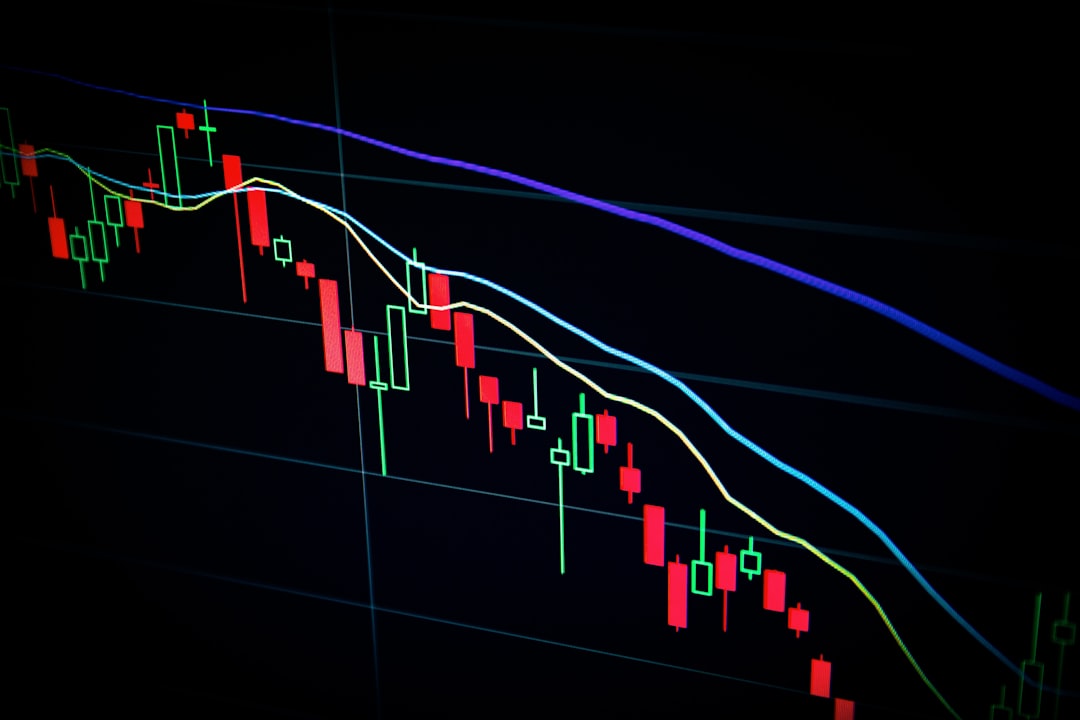
Let’s be real for a second: the crypto market is a rollercoaster. One moment you’re up 20%, the next you’re staring at a red candle that wipes out a week of gains. In this chaos, the difference between a successful trader and a burned-out gambler often comes down to one simple rule: The 1% Rule.
If you’ve ever felt the stomach-drop of losing more than you can afford, or if you’ve blown up an account chasing a single trade, this rule is your lifeline. It’s not glamorous, but it works. Let’s dive in.
How It Works
The 1% Rule is brutally simple: Never risk more than 1% of your total trading capital on a single trade.
This isn’t about how much you buy – it’s about how much you’re willing to lose. If your account is $10,000, your maximum risk per trade is $100. That includes the difference between your entry price and your stop-loss, plus any fees.
Here’s the magic: even if you lose 10 trades in a row (which happens to the best of us), you’ve only lost 10% of your capital. You’re still in the game, ready to trade another day. Compare that to someone risking 10% per trade who loses 10 in a row – their account is gone.
The Setup
To apply the 1% Rule, you need three things:
1. Your total capital. Let’s say $5,000.
2. Your 1% risk amount. That’s $50.
3. Your stop-loss distance. If you’re buying Bitcoin at $60,000 and your stop is at $58,500 (a $1,500 drop per coin), you calculate your position size: $50 risk / $1,500 stop distance = 0.033 BTC. That’s your max position size.
Pro tip: Use a position size calculator. Most trading platforms have one built-in, or you can find free ones online. Never guess.
Risk Management
The 1% Rule is the foundation, but it’s not a magic bullet. Pair it with these habits:
- Always use a stop-loss. Even if you’re 100% sure the trade will work. Pride comes before the fall.
- Don’t revenge trade. If you lose 1%, walk away. The market will be there tomorrow.
- Scale up slowly. As your account grows, your 1% grows too. A $100,000 account means $1,000 risk per trade – that’s real money, so treat it with respect.
Remember: The goal isn’t to win every trade. The goal is to stay in the game long enough to let your winning trades compound. The 1% Rule ensures you’ll never be knocked out.
Conclusion
The 1% Rule isn’t sexy. It won’t make you a millionaire overnight. But it will keep you from becoming a statistic. In a market that punishes overconfidence, discipline is your superpower.
Start today. Calculate your 1%, set your stop-losses, and trade with the confidence that comes from knowing you can survive any storm. Your future self will thank you.
Trade smart, stay safe, and keep simplifying.
How to Participate in Governance Proposals (DAOs): A Complete Guide
Decentralized Autonomous Organizations (DAOs) are reshaping how communities make decisions. By holding governance tokens, you can vote on proposals that shape a protocol’s future—from fee structures to treasury allocations. This guide walks you through every step, from acquiring tokens to casting your vote, with pro tips to maximize your impact.
Key Concepts
- Governance Tokens: Tokens that grant voting power. Examples include UNI (Uniswap), COMP (Compound), and MKR (MakerDAO).
- Proposals: Formal suggestions for changes, often requiring a minimum token threshold to submit.
- Voting Mechanisms: Common methods include token-weighted voting (1 token = 1 vote), quadratic voting, and delegation.
- Snapshot: A popular off-chain voting platform that uses gasless signatures.
- Quorum: The minimum participation required for a vote to be valid.
Pro Tips
- Always research proposals thoroughly before voting—read the full discussion on forums like Discourse or Discord.
- Delegate your voting power to trusted community members if you lack time to stay informed.
- Watch out for gas fees on Ethereum mainnet; consider using Layer 2 solutions or sidechains for cheaper votes.
- Set calendar reminders for proposal deadlines to avoid missing important votes.
FAQ Section
What is a DAO governance proposal?
A governance proposal is a formal suggestion submitted by a token holder to change or improve a DAO’s rules, parameters, or treasury management. It is voted on by the community.
How do I get governance tokens?
You can buy them on exchanges like MEXC, earn them through liquidity mining, or receive them via airdrops. For more details on this, check out our guide on DePIN Explained: Earning Passive Income with Infrastructure.
Can I vote without holding tokens?
Some DAOs allow delegation—you can assign your voting power to a representative without transferring tokens. You might also be interested in reading about Carbon Credits Tokenization: Fixing a Broken Market.
What happens after a proposal passes?
If quorum is met and the majority votes yes, the proposal is executed—often automatically via smart contracts or manually by the DAO’s multisig team.
Conclusion
Participating in DAO governance is a powerful way to have a say in the decentralized projects you believe in. Start small, stay informed, and leverage low-fee platforms to make your vote count. As the ecosystem grows, your voice can shape the future of Web3.
America’s Biggest Banks Launch Tokenized Deposit Network to Rival Stablecoins
June 6, 2026 — JPMorgan Chase, Bank of America, and Citigroup are building a shared tokenized deposit network through The Clearing House, targeting a first-half 2027 launch to compete directly with stablecoins like USDC and USDT for onchain cash dominance.
Immediate Details & Direct Quotes
Looking for altcoin opportunities and smooth trading? Try KuCoin.
The initiative, announced Friday, will enable round-the-clock blockchain-based settlement of bank deposits across multiple major lenders. The network allows customer deposits to be represented as digital tokens that move across blockchain rails while remaining inside the regulated banking system.
“Following the GENIUS Act, a competition seems to be emerging between stablecoins, tokenized deposits and tokenized money market funds to become the preferred onchain cash instrument,” said Reid Noch, vice president of U.S. equity market structure at TD Securities.
The project directly addresses long-standing inefficiencies in global payments. “Anyone who has ever wired money, especially internationally, knows the process can be expensive and often takes one or two business days to complete,” Noch added. Tokenized deposits could enable near-instant transfers around the clock while reducing costs.
Digital Chamber CEO Cody Carbone highlighted the significance: “The biggest banks in America are voluntarily coming onchain. When the country’s largest institutions decide the future of finance runs on blockchain, they’re proving exactly what our industry has been building toward all along.”
Market Context & Reaction
The banking sector’s move comes as stablecoins, particularly Circle’s USDC and Tether’s USDT, dominate the onchain cash market. These dollar-pegged tokens are widely used for crypto trading, cross-border payments, and increasingly for savings products.
Banks fear that mainstream stablecoin adoption could trigger significant deposit outflows. According to a March report from Jeffries, stablecoins could drive a 3% to 5% runoff in core deposits over the next five years, potentially shrinking average bank earnings by roughly 3%.
Noelle Acheson, author of “Crypto is Macro Now,” noted that banks have spent years testing private blockchain systems. While stablecoins offer greater liquidity and flexibility, she said many corporate clients may prefer a bank-backed system that fits within existing compliance frameworks.
The initiative represents a significant departure from earlier experimentation with isolated private blockchains. The planned Clearing House network expands tokenized deposits across multiple banks simultaneously while maintaining tighter control than public blockchain ecosystems.
Background & Historical Context
This announcement marks a direct escalation in the competition between traditional finance and crypto-native payment systems. Stablecoins have gained substantial traction for their speed and efficiency, prompting banks to develop comparable infrastructure while keeping funds within regulated channels.
The project builds on years of blockchain experimentation by major financial institutions, but represents the first major coordinated effort among America’s largest banks to create a shared tokenized deposit platform. The approach differs sharply from crypto’s vision of open, permissionless networks.
The initiative also reflects how blockchain technology has moved from fringe experiment to mainstream financial infrastructure. Rather than dismissing crypto innovations, major banks are now building competing products using the same underlying technology.
What This Means
If successful, the Clearing House network could emerge as a significant competitor to stablecoins for corporate payments and treasury operations. The 2027 timeline suggests banks are moving deliberately but seriously to counter the stablecoin threat.
The project could reshape how money moves on blockchain networks, offering regulated alternatives to dollar-pegged tokens while maintaining compliance with existing banking frameworks. Corporate customers may benefit from both the speed of blockchain settlement and the security of FDIC-insured deposits.
However, the network’s restricted access and bank-controlled governance will likely limit its appeal compared to open stablecoin systems. The outcome will depend on whether speed and compliance can overcome the flexibility and liquidity advantages of crypto-native alternatives.
Master the 1% Rule: The Golden Rule of Risk Management
Picture this: you’re staring at a chart, heart racing. Your finger hovers over the “Buy” button. You’re confident—this trade is going to moon. But deep down, a quiet voice whispers: What if it doesn’t? That’s where the 1% Rule becomes your anchor. It’s the single most important habit you can build to survive—and thrive—in the crypto markets.
How It Works
The 1% Rule is brutally simple: never risk more than 1% of your trading capital on a single trade. That’s it. If your account is $1,000, your maximum risk per trade is $10. If your account is $10,000, it’s $100. This isn’t about how much you invest—it’s about how much you could lose if the trade hits your stop-loss.
Why 1%? Because even a string of 10 consecutive losses would only drain about 9.6% of your capital. That keeps you in the game. Compare that to risking 10% per trade—10 losses in a row and you’re down 65%. Game over.
The Setup
Applying the 1% Rule requires three numbers: your account size, your entry price, and your stop-loss distance. Let’s walk through an example:

- Account: $5,000
- Max risk (1%): $50
- Trade: Buy Bitcoin at $60,000, stop-loss at $59,500 (risk $500 per unit)
- Position size: $50 max risk ÷ $500 risk per unit = 0.1 BTC
You’d buy 0.1 BTC. If stopped out, you lose exactly $50—1% of your account. No emotion, no regret. The math does the work.
Risk Management
Risk management isn’t just about the 1%—it’s about the system around it. Here are three pillars to lock in:
1. Always use a stop-loss. Never enter a trade without knowing exactly where you’ll exit if wrong. The 1% Rule is meaningless without it.
2. Scale down in volatile markets. During high volatility, widen your stop-loss but reduce position size to keep risk at 1%. Use the same formula above.
3. Track your risk-to-reward. A good rule of thumb: aim for at least a 1:2 risk-to-reward ratio. If you risk 1%, you target a 2% gain. Over time, even a 50% win rate becomes profitable.
Remember: the market doesn’t care about your hopes. The 1% Rule is your shield against the inevitable losses that every trader faces. It’s not sexy, but it’s what separates the survivors from the blow-ups.
Conclusion
The 1% Rule isn’t a strategy—it’s a mindset. It forces discipline, removes emotion, and ensures you live to trade another day. Start small. Calculate your risk before every trade. Watch your account grow steadily instead of gambling on moon shots. Crypto is a marathon, not a sprint. Build the habit now, and your future self will thank you.
Stay sharp, stay safe, and keep learning.
Security Tokens vs Utility Tokens: RWA Guide 2026
Introduction: Understanding Security Tokens in the RWA Era
Security tokens are digital representations of traditional financial assets—such as equity, debt, real estate, or commodities—issued on a blockchain. Unlike utility tokens, which grant access to a product or service, security tokens derive their value from an external, tradable asset and are subject to federal securities regulations. In the context of Real World Assets (RWAs), security tokens enable fractional ownership of high-value assets like commercial real estate or corporate bonds, bridging the gap between TradFi and DeFi. The key difference between off-chain and on-chain assets lies in settlement: off-chain assets rely on intermediaries and manual processes, while on-chain assets offer instant, transparent, and programmable transfers via smart contracts.
How Security Tokens Work: The Tokenization Process
The lifecycle of a security token involves four critical steps:
- Asset Selection & SPV Creation: A real-world asset (e.g., a $50 million office building) is placed into a Special Purpose Vehicle (SPV) to isolate legal ownership and liability.
- Token Issuance: The SPV issues digital tokens on a compliant blockchain (e.g., Ethereum, Polygon) representing fractional shares. Each token corresponds to a specific percentage of the underlying asset.
- Oracle Integration: Oracles (e.g., Chainlink) feed real-time off-chain data—such as property valuations, rental income, or interest rates—onto the blockchain to ensure token prices reflect the asset’s true market value.
- Secondary Trading & Compliance: Tokens are traded on regulated exchanges or AMMs that enforce KYC/AML checks. Smart contracts automate dividend distributions, voting rights, and regulatory reporting.
Investment Analysis: Pros, Cons, and Risks
Security tokens offer compelling advantages but come with distinct risks. For a broader market view, check out our analysis on KYC vs No-KYC Exchanges: Privacy Guide 2026.
Pros
- Fractional Ownership: Investors can buy a fraction of a $10 million property with as little as $100, democratizing access to institutional-grade assets.
- 24/7 Liquidity: Unlike traditional real estate or private equity, tokenized assets can be traded on secondary markets at any time, reducing lock-up periods.
- Transparency & Efficiency: All transactions are recorded on an immutable ledger, reducing fraud and administrative costs. Smart contracts automate compliance, cutting settlement times from days to minutes.
Cons & Risks
- Regulatory Uncertainty: Security tokens must comply with securities laws in each jurisdiction (e.g., SEC Regulation D in the US, MiCA in the EU). Non-compliance can lead to delisting or legal action.
- Smart Contract Risk: Bugs or exploits in token contracts or oracles can result in loss of funds. Audits are essential but not foolproof.
- Market Liquidity Risk: While 24/7 trading is possible, low trading volumes on some platforms can lead to wide bid-ask spreads and difficulty exiting positions.
Investors often compare this to The Secret Weapon of Profitable Traders: Your Trading Journal, as disciplined record-keeping is vital for tracking token performance and tax obligations.
Tool Recommendation: Where to Trade Security Tokens
For cost-effective trading of tokenized assets, low fees are crucial. We recommend MEXC, a leading exchange that supports a wide range of RWA and security token pairs with competitive maker-taker fees. MEXC provides robust liquidity, staking options for yield-bearing tokens, and a user-friendly interface for both spot and margin trading. Start your journey at: https://promote.mexc.co/a/PefPNW2g.
FAQ: Security Tokens vs Utility Tokens
Q: What is the main difference between a security token and a utility token?
A: A security token represents ownership in an external asset (e.g., equity, debt, real estate) and is regulated by securities laws. A utility token provides access to a product or service (e.g., file storage, network fees) and is not designed as an investment. Security tokens must pass the Howey Test, while utility tokens generally do not.
Q: Are security tokens legal in the United States?
A: Yes, but they must comply with SEC regulations. Most issuers use exemptions like Regulation D (accredited investors only) or Regulation A+ (public offerings with limits). Trading is restricted to registered exchanges or ATSs (Alternative Trading Systems) that enforce KYC/AML.
Q: How do I earn yield from security tokens?
A: Yield comes from the underlying asset: rental income from real estate, interest payments from bonds, or dividends from equity. Smart contracts automatically distribute these earnings to token holders, often in stablecoins or the native token. Some platforms also offer staking rewards for providing liquidity.
Conclusion: Final Verdict on Security Tokens
Security tokens represent the most significant innovation in asset tokenization, offering a regulated, transparent, and efficient way to invest in real-world assets. While regulatory hurdles and smart contract risks remain, the potential for fractional ownership and 24/7 liquidity is transformative. For investors seeking exposure to RWAs with lower fees, platforms like MEXC provide an accessible entry point. As the ecosystem matures, security tokens are poised to become a cornerstone of modern portfolio diversification.