
Using Etherscan: Tracking Whales and Verifying Transactions – The Ultimate Guide
Introduction
Etherscan is the leading blockchain explorer for the Ethereum network, providing transparency into every transaction, wallet, and smart contract. Whether you’re a trader looking to track whale movements or a developer verifying a transaction, Etherscan is an indispensable tool. This guide will walk you through the key features, pro tips, and best practices for using Etherscan effectively.
Key Concepts
1. Transaction Hash (TxHash) – A unique identifier for every transaction. Use it to look up details like sender, receiver, amount, gas used, and status.
2. Wallet Address – A public key (e.g., 0x1234…) that you can search to view all incoming/outgoing transactions, token balances, and interaction history.
3. Gas Tracker – Real-time gas prices (Low, Average, High) to help you decide when to submit transactions cost-effectively.
4. Token Tracker – View detailed info on ERC-20 tokens: total supply, holders, transfers, and top holders (whales).
5. Internal Transactions – Transactions triggered by smart contracts (e.g., DeFi swaps). These are not visible on the main transaction list but can be found under the ‘Internal Txns’ tab.
6. Whale Tracking – Use the ‘Top Holders’ list or set up alerts for specific wallets to monitor large movements that can signal market sentiment.
Pro Tips
- Use the ‘Advanced Filter’ – On the token page, filter by ‘From’ or ‘To’ to isolate whale transactions.
- Set up custom alerts – Use Etherscan’s ‘Watch List’ feature to get email notifications when a whale wallet moves funds.
- Check contract source code – Always verify a smart contract’s source code on Etherscan before interacting with it to avoid scams.
- Monitor pending transactions – Use the ‘Pending Txns’ page to see if a whale is about to execute a large trade.
- Cross-reference with DEX tools – Combine Etherscan data with DEX aggregators like DexScreener to confirm whale dumps or accumulation.
For more details on this, check out our guide on Bitcoin Layer 2s: Stacks, Lightning, and Runes Guide – Scaling Bitcoin for DeFi & Payments.
You might also be interested in reading about Restaking Explained: EigenLayer and Beyond – The Ultimate Guide to Crypto Yield Amplification.
FAQ Section
Q: How do I track a whale on Etherscan?
A: Go to the token page, click ‘Holders’, sort by balance, and note the top addresses. You can then add these addresses to your ‘Watch List’ for alerts.
Q: Can I see pending transactions on Etherscan?
A: Yes, click on ‘Pending Txns’ in the top menu to view unconfirmed transactions. You can also filter by gas price to spot urgent whale moves.
Q: What is the difference between a transaction and an internal transaction?
A: A standard transaction is initiated by an EOA (Externally Owned Account). An internal transaction is triggered by a smart contract (e.g., during a Uniswap swap) and is not recorded on the main ledger.
Q: Is Etherscan free to use?
A: Yes, basic features are free. Advanced features like API access and custom alerts may require a paid plan.
Conclusion
Etherscan is a powerful tool for anyone involved in Ethereum. By mastering transaction verification and whale tracking, you can make more informed trading decisions and avoid common pitfalls. Start exploring Etherscan today, and combine it with low-fee exchanges like MEXC to maximize your strategy.
Dormant Bitcoin Wallet Moves $2.54M After 14 Years, Responding to Massive $285B Lawsuit
June 6, 2026 — A Bitcoin address holding 35.55 BTC since March 2011 suddenly moved its coins this week, marking one of the first visible on-chain responses from a defendant named in a sweeping New York lawsuit seeking ownership of roughly 3.8 million BTC valued at approximately $285 billion.
Immediate Details & Direct Quotes
Looking for altcoin opportunities and smooth trading? Try KuCoin.
The wallet, identified as 1LwWtSs7tMCwcRczQd5kVMv3xpWw6w4Sxe, sent 15 BTC to a new address while retaining 20.55 BTC as change in transaction b90755b at 16:46 UTC on June 2, recorded in Bitcoin block 952,104, according to mempool.space data. The original coins were acquired on March 27, 2011, when Bitcoin traded below $1—meaning the current transfer represents a near-infinite return on cost basis.
The lawsuit, filed March 11, 2026 at the New York County Supreme Court under index number 153119/2026 and amended May 1, names a pseudonymous plaintiff identified as “Noah Doe” alongside two Wyoming LLCs, ABC Company and XYZ Company, holding assigned interests. The plaintiffs seek legal ownership of approximately 3.8 million Bitcoin under New York Personal Property Law Article 7-B, the state’s lost-property statute.
“Apparently, they were not, in fact, abandoned,” wrote Galaxy Research’s Alex Thorn on X Tuesday morning, identifying the wallet as the firm’s tracked Noah Doe defendant #38215.
The court authorized on-chain service of defendants through OP_RETURN messages, a Bitcoin transaction field allowing users to embed short text permanently on the blockchain. Noah Doe’s blockchain consultant, Salomon Brothers Strategic Advisors, broadcast 98 batches of dust transactions across Bitcoin blocks 950,446 to 950,576 in June and July 2025, each carrying 546 satoshis and a link to the abandonment notice. The 1LwWt wallet was served on July 31, 2025, with a 90-day window to respond.
Market Context & Reaction
The wallet’s move arrives nearly seven months after the 90-day response window expired and roughly three months after the lawsuit was formally filed. It comes during a sharp Bitcoin price slide that has pushed BTC near $70,000 for the first time in weeks, with Strategy’s first publicized Bitcoin sale, a record 10-session spot ETF outflow streak, and stalled U.S.-Iran ceasefire talks all weighing on the market.
Per Galaxy’s analysis, hundreds of wallets moved coins during the original notice campaign and were subsequently excluded from the final defendant list. The 1LwWt move, occurring after the lawsuit was already underway with the wallet named as a defendant, is among the first publicly visible responses from inside the active case.
Meanwhile, a separate 15-year-dormant wallet, 1CDSyXAQxro4FPUoqAQb81642ruqDsUiNp, moved 20 BTC ($1.48 million) to a SegWit address approximately 13 hours before the 1LwWt transfer, according to Arkham Intelligence data. That wallet received its original coins around the same 2011 window but does not appear to have been targeted by the notice campaign or named in the lawsuit.
Background & Historical Context
The legal action positions Noah Doe as a “finder” under abandoned-property doctrine, using New York’s lost-property statute to claim dormant Bitcoin wallets. The case covers 39,069 wallets in total, with the plaintiffs arguing that these long-inactive addresses constitute abandoned property subject to legal claims.
The wallet’s movement highlights a critical issue at the heart of the litigation: that so-called Satoshi-era coins targeted as abandoned are, in many cases, still controlled by their original holders. Satoshi-era coins were acquired before Bitcoin had a meaningful dollar price, meaning any sale at current levels would mark extraordinary gains on cost basis.
What This Means
– Short-term impact: The 1LwWt move signals that defendants are aware of the lawsuit and actively responding, potentially emboldening other wallet holders to come forward with claims of ownership rather than remaining silent.
– Long-term implications: If the court validates the plaintiffs’ arguments under New York’s lost-property statute, it could set a precedent for claiming other dormant cryptocurrency wallets, particularly those dating to Bitcoin’s earliest years.
– Upcoming milestones: The lawsuit’s progression will determine whether additional dormant wallet holders respond or whether the court proceeds with claims of abandonment. Legal observers will watch for further on-chain activity from named defendants.
The Bollinger Band Squeeze: How to Catch Explosive Breakouts Before They Happen
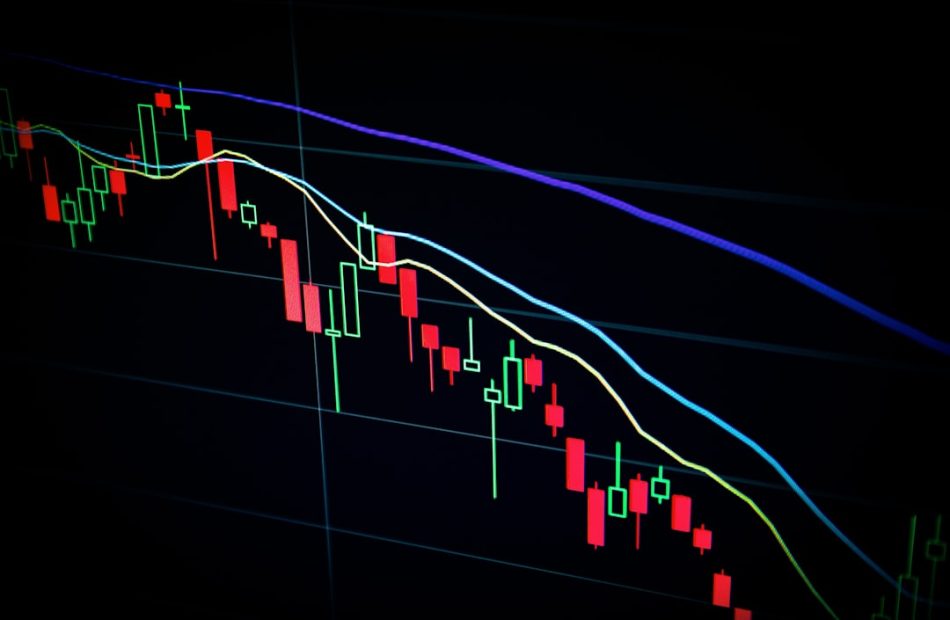
Imagine being able to spot when a market is coiling up like a spring, ready to explode in either direction. That’s exactly what the Bollinger Band Squeeze helps you do. It’s one of the most reliable setups for catching big moves early, and it works across crypto, stocks, forex, and more.
In this guide, I’ll walk you through exactly what the Bollinger Band Squeeze is, how to identify it, and how to trade it with confidence.
How It Works
Bollinger Bands consist of three lines: a middle simple moving average (usually 20-period), and an upper and lower band set two standard deviations away. When volatility is high, the bands widen. When volatility is low, they contract.
The “Squeeze” happens when the bands narrow significantly, indicating that price is consolidating and volatility is at a low point. History shows that low volatility is often followed by high volatility. The squeeze signals that a breakout is imminent, but it doesn’t tell you which direction.
The Setup
Here’s how to set up and trade the Bollinger Band Squeeze:
1. Add Bollinger Bands to your chart (20-period SMA, 2 standard deviations).

2. Look for a period where the bands contract and become almost parallel. The distance between the upper and lower band should be at a recent minimum.
3. Wait for a breakout candle that closes outside the upper or lower band. This confirms the direction.
4. Enter on the breakout – go long if price closes above the upper band, or short if it closes below the lower band.
5. Set a stop loss just inside the opposite band or below the recent swing low/high.
6. Take profit at 2x your risk, or trail the stop as the move develops.
Pro Tips for Better Results
- Combine with volume: A breakout with rising volume is much more reliable than one on low volume.
- Use a momentum indicator: The RSI or MACD can help confirm the breakout direction. For example, if price breaks above the upper band and RSI is above 50, it’s a strong bullish signal.
- Trade on higher timeframes: Squeezes on the 4-hour or daily chart tend to produce bigger, more sustainable moves than on 1-minute or 5-minute charts.
- Avoid fakeouts: Wait for the candle to close outside the band before entering. A wick that touches the band doesn’t count.
Risk Management
No strategy works 100% of the time, and the Bollinger Band Squeeze is no exception. Here’s how to protect your capital:
- Risk 1-2% per trade: Never risk more than a small fraction of your account on a single setup.
- Use a stop loss: Place it just below the recent swing low for longs, or above the recent swing high for shorts. Alternatively, use the middle band as a stop.
- Watch for false breakouts: Sometimes price breaks out, reverses, and goes the other way. If the breakout candle fails to follow through, exit quickly.
- Don’t chase: If you miss the breakout, don’t jump in late. Wait for the next squeeze.
Conclusion
The Bollinger Band Squeeze is a powerful tool for catching explosive moves before they happen. It turns quiet, boring markets into opportunities for big gains. Remember to always confirm with volume and momentum, manage your risk, and stay patient.
Start practicing on a demo account first. Once you’re comfortable spotting squeezes and executing entries, you’ll have a reliable edge in any market. Happy trading!
How to Read a Smart Contract Audit Report: A Complete Guide for Crypto Investors
Introduction
Smart contract audits are critical for ensuring the security and reliability of decentralized applications (dApps) and DeFi protocols. However, audit reports can be dense and technical, making it difficult for non-developers to interpret. This guide breaks down how to read a smart contract audit report, what to look for, and how to use this information to make safer investment decisions.
Key Concepts
Understanding the structure of an audit report is the first step. Most reports include:
- Executive Summary: A high-level overview of findings, including the number and severity of issues.
- Scope: Which contracts and functions were reviewed.
- Findings: Detailed descriptions of vulnerabilities, categorized by severity (Critical, High, Medium, Low, Informational).
- Recommendations: Suggested fixes for each issue.
- Conclusion: The auditor’s overall assessment of the contract’s security posture.
Pay special attention to Critical and High severity issues – these can lead to loss of funds or contract failure. Medium and Low issues may affect functionality or user experience but are less urgent. Informational items are suggestions for improvement, not vulnerabilities.
Pro Tips
- Check the auditor’s reputation: Look for reports from well-known firms like Trail of Bits, ConsenSys Diligence, or OpenZeppelin.
- Look for unresolved issues: If a report lists a Critical issue that was not fixed, consider that a red flag.
- Compare multiple audits: Some projects undergo several audits; cross-reference findings to see if all issues were addressed.
- Understand the scope: An audit that only covers a small portion of the code may miss vulnerabilities in other parts.
- Read the disclaimer: Audits are not a guarantee of security – they only test what was in scope.
FAQ Section
Q: What does ‘severity’ mean in an audit report?
A: Severity indicates the potential impact of a vulnerability. Critical means funds are at immediate risk, High means significant damage is possible, Medium means limited impact, Low means minor issues, and Informational are suggestions.
Q: Can I trust a project that has no audit?
A: Generally, no. Audits are a baseline security measure. Projects without audits are higher risk. For more details on this, check out our guide on Cold Storage vs Hot Wallets: Which Should You Choose?.
Q: How often should a project be audited?
A: Ideally, after every major code change or upgrade. Continuous auditing is a best practice.
Q: What if an audit report is outdated?
A: An outdated report may not reflect the current state of the code. Always check the date and whether the project has been updated since.
Conclusion
Reading a smart contract audit report is an essential skill for any crypto investor. By understanding the structure, focusing on severity levels, and verifying that issues have been resolved, you can significantly reduce your risk. Remember that audits are just one piece of the puzzle – always do your own research and consider the project’s overall transparency and community trust. You might also be interested in reading about Trading the AI Agent Narrative in Crypto: A Step-by-Step Guide.
Private Credit on Blockchain: Earning High Yields
Private credit has long been the domain of institutional investors, offering yields that far outpace public bond markets. Now, blockchain technology is opening this asset class to a broader audience through tokenization. In this guide, we break down how private credit on blockchain works, the risks and rewards, and how you can participate.
What Is Private Credit on Blockchain?
Private credit refers to loans made by non-bank lenders to businesses or individuals, typically with higher interest rates than traditional bank loans. On blockchain, these loans are tokenized—represented as digital tokens on a distributed ledger. This bridges the gap between off-chain (traditional) lending and on-chain (DeFi) liquidity.
The key difference: Off-chain private credit is illiquid, requires large minimum investments, and lacks transparency. On-chain private credit offers fractional ownership, 24/7 secondary market trading, and real-time visibility into loan performance via blockchain explorers.
How It Works: The Technical Process
The tokenization of private credit follows a structured workflow:
- Origination: A borrower (e.g., a fintech company) seeks a loan. A lender or SPV (Special Purpose Vehicle) underwrites the loan off-chain.
- Tokenization: The loan is packaged into a smart contract on a blockchain (e.g., Ethereum, Polygon). Each token represents a fractional claim on the loan’s principal and interest.
- Oracle Integration: Oracles like Chainlink CCIP feed real-world data (e.g., payment status, interest rates) onto the blockchain, ensuring the smart contract reflects reality.
- Secondary Market: Investors can buy and sell these tokens on decentralized exchanges (DEXs) or specialized platforms, providing liquidity that traditional private credit lacks.
Investment Analysis: Pros, Cons, and Risks
Pros
- High Yields: Private credit on blockchain often offers APYs of 8–15%, significantly higher than government bonds or savings accounts.
- Fractional Ownership: Invest with as little as $100, democratizing access to institutional-grade assets.
- Transparency: All loan terms, repayments, and defaults are recorded on-chain, auditable by anyone.
- Liquidity: Unlike traditional private credit, tokenized loans can be traded 24/7.
Cons & Risks
- Regulatory Uncertainty: Many jurisdictions have not yet clarified how tokenized credit is treated under securities law. This could affect tax treatment or enforceability.
- Smart Contract Risk: Bugs in the tokenization or oracle contracts could lead to loss of funds.
- Default Risk: The underlying borrower may fail to repay, and recovery mechanisms are still evolving.
- Liquidity Risk: While secondary markets exist, they can be thin, leading to slippage during large trades.
For a broader market view, check out our analysis on The Role of Oracles in Real World Assets (Chainlink CCIP). Investors often compare this to Risks of Investing in Real World Assets: A Candid Guide.
Tool Recommendation: Charting and Analysis
To track private credit token performance and identify yield opportunities, you need reliable charting tools. For the best charting tools to spot this pattern, try Bitget. Bitget offers advanced on-chain analytics, real-time price feeds, and customizable indicators—ideal for both novice and professional RWA investors.
FAQ
What is the minimum investment for tokenized private credit?
Minimums vary by platform but typically range from $50 to $1,000, making it far more accessible than traditional private credit funds that require $100,000+.
How are yields paid out?
Yields are usually distributed in stablecoins (e.g., USDC) directly to your wallet on a periodic basis (monthly or quarterly), as defined by the smart contract.
Is my investment insured?
Most tokenized private credit platforms do not offer FDIC or SIPC insurance. However, some use over-collateralization or reserve funds to mitigate default risk. Always review the platform’s risk disclosures.
Conclusion
Private credit on blockchain represents a compelling evolution in finance—combining the high yields of alternative lending with the transparency and accessibility of DeFi. While risks like regulation and smart contract bugs remain, the potential for portfolio diversification and passive income is significant. As the ecosystem matures, expect more institutional participation and clearer regulatory frameworks. For now, due diligence and platform selection are paramount.

Mastering Market Manipulation: The Wyckoff Method for Modern Traders
Ever felt like the market moved against you just as you entered a trade? You’re not imagining it. Smart money—institutions and professional traders—often accumulate or distribute positions before the crowd catches on. The Wyckoff Method, developed by Richard Wyckoff in the early 20th century, is a timeless framework to decode these moves. It’s not about indicators; it’s about reading price and volume to spot when the ‘big players’ are setting up a move. Let’s break it down so you can trade with the smart money, not against it.
How it Works: The Wyckoff Cycle
The Wyckoff Method is built on a simple cycle: Accumulation, Markup, Distribution, and Markdown. Think of it as the life cycle of a trend. During Accumulation, smart money buys quietly while the crowd is still bearish. Volume often increases, but price stays range-bound. Then comes Markup—a strong uptrend with rising volume. Distribution is the opposite: smart money sells to latecomers, and Markdown is the resulting downtrend. The key is identifying where we are in this cycle using price and volume clues.
The Setup: Key Wyckoff Schematics
Wyckoff identified specific patterns within the cycle. The most famous is the Spring (or shakeout) during Accumulation. Price briefly breaks below a support level, shaking out weak hands, then reverses sharply with high volume. This is a buy signal. Similarly, the Upthrust during Distribution sees a quick spike above resistance to trap bulls, followed by a reversal on high volume—a sell signal. To spot these, focus on three laws: Supply and Demand (volume confirms price), Cause and Effect (range builds momentum), and Effort vs Result (volume diverging from price warns of reversal).
How to Trade It: Step-by-Step
1. Identify a Trading Range: Look for a sideways market with at least two clear highs and lows. Mark the support and resistance.
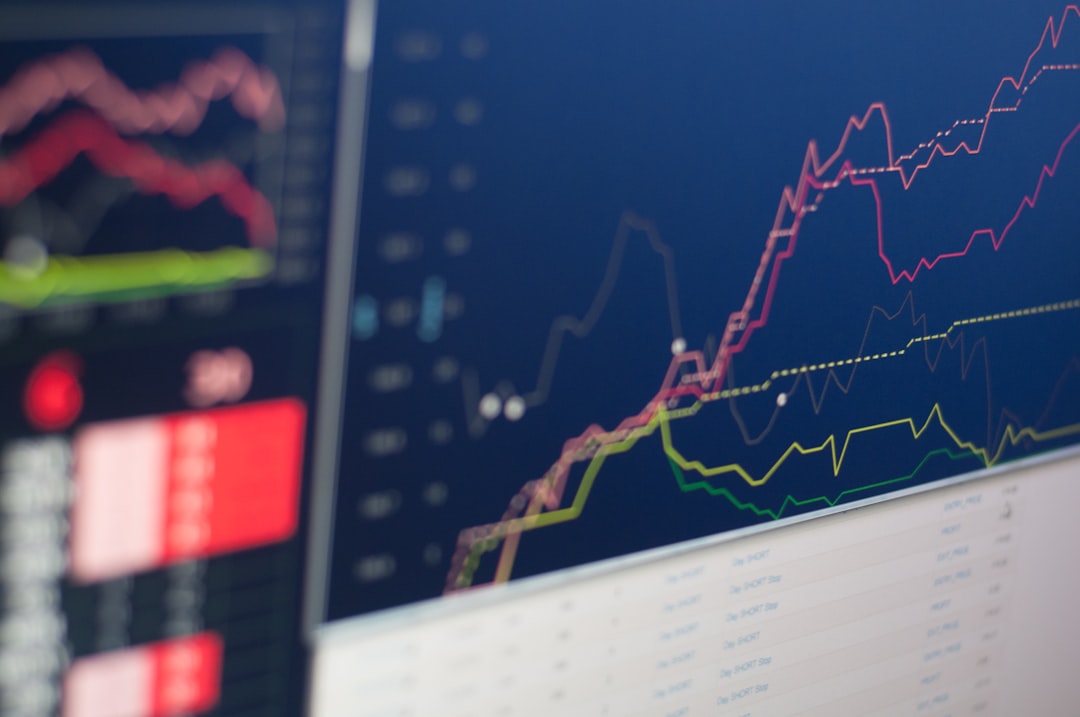
2. Watch for a Spring or Upthrust: A false breakout with high volume is your clue. For a Spring, price dips below support, then closes back inside the range with a bullish candle. For an Upthrust, it spikes above resistance, then closes back inside.
3. Enter on Confirmation: Wait for price to break the range in the intended direction with above-average volume. For a Spring, enter long above resistance. For an Upthrust, enter short below support.
4. Set a Stop Loss: Place it just below the Spring’s low (for longs) or above the Upthrust’s high (for shorts).
5. Take Profit: Target the next major support or resistance level, or measure the range height and project it from the breakout point.
Risk Management: Protect Your Capital
The Wyckoff Method is powerful, but false breakouts happen. Always use a stop loss—never risk more than 1-2% of your account on a single trade. Scale your position size based on the distance to your stop. Also, avoid trading during low-volume periods (like holidays) when patterns are less reliable. Remember, Wyckoff is about probabilities, not certainties. If the setup fails, accept the loss and move on. The smart money does.
Conclusion
The Wyckoff Method gives you an edge by revealing the hidden battle between smart money and the crowd. Start by practicing on historical charts—look for Springs and Upthrusts in Bitcoin or major altcoins. With patience, you’ll spot these setups in real-time and trade with confidence. The market may be manipulated, but now you know the game.
Tax Loss Harvesting in Crypto: A Guide for Traders
Tax loss harvesting is a powerful strategy that allows crypto traders to offset capital gains by selling assets at a loss. This guide explains how to implement it effectively while staying compliant with tax regulations.
Key Concepts
What is Tax Loss Harvesting? It involves selling a cryptocurrency that has decreased in value to realize a loss, which can be used to reduce your taxable capital gains from other profitable trades. The loss can also be carried forward to future tax years if it exceeds your gains.
Wash Sale Rule: Unlike stocks, the IRS has not yet applied the wash sale rule to cryptocurrencies in the U.S., meaning you can repurchase the same asset immediately after selling it at a loss and still claim the deduction. However, this may change, so consult a tax professional.
How to Identify Opportunities: Look for assets that have dropped significantly from your purchase price. Use portfolio tracking tools to monitor cost basis and current value. For more details on this, check out our guide on Understanding Gas Fees: How to Save Money on Ethereum – A Complete Guide.
Pro Tips
- Harvest losses before year-end to offset gains realized during the year.
- Prioritize high-loss assets to maximize your deduction.
- Keep detailed records of all transactions, including dates, amounts, and cost basis.
- Consider tax-loss harvesting bots that automate the process for frequent traders.
FAQ Section
Q: Can I harvest losses on any cryptocurrency?
A: Yes, as long as you have a realized loss from a sale or exchange. Unrealized losses (assets you still hold) do not count.
Q: How much can I deduct?
A: You can offset unlimited capital gains. If losses exceed gains, you can deduct up to $3,000 per year against ordinary income (or $1,500 if married filing separately) and carry forward the rest.
Q: Do I need to report every trade?
A: Yes, the IRS requires detailed reporting of all crypto transactions. Use tax software or a professional to ensure accuracy.
You might also be interested in reading about Stablecoin Yield Strategies: Low Risk Farming for Consistent Returns.
Conclusion
Tax loss harvesting is a legitimate way to reduce your crypto tax burden. By strategically selling underperforming assets, you can offset gains and potentially lower your tax bill. Always stay updated on regulatory changes and consult a tax advisor to maximize benefits.
Argentina’s Libra Probe Frozen: Why Lack of Tech Tools Stalled the Investigation
What happens when a government investigation into a $4.78 million cryptocurrency scandal grinds to a halt—not because of corruption or cover-ups, but because the prosecutors simply don’t have the right software?
That’s exactly the situation unfolding in Argentina right now. The country’s investigation into the Libra token—a cryptocurrency promoted by Argentine President Javier Milei—has stalled because the Specialized Cybercrime Prosecutor’s Office (UFECI) lacks the proper tools to trace blockchain transactions. A deputy in the case has called this situation “unacceptable.”
For crypto users and investors, this case highlights a critical but often overlooked reality: blockchain analysis is only as powerful as the tools and training behind it. Even government agencies can struggle to follow the money in the crypto world. This guide explains what happened, why it matters for the crypto ecosystem, and what it reveals about the ongoing challenge of regulating digital assets.
Read time: 9-11 minutes
Understanding Blockchain Forensics for Beginners
Blockchain forensics is the process of analyzing blockchain transaction data to trace the movement of funds, identify wallet addresses, and uncover connections between different actors. Think of it like a financial detective’s toolkit for the crypto world. Just as traditional investigators follow paper trails and bank records, blockchain forensic analysts follow transaction hashes and wallet addresses across public ledgers.
Why was this field created? As cryptocurrencies gained popularity for legitimate uses, they also attracted bad actors—scammers, hackers, and money launderers. Law enforcement needed ways to track illegal activity on transparent but pseudonymous networks. Blockchain forensics emerged to bridge this gap, turning public transaction data into actionable intelligence.
A real-world example: In 2022, blockchain forensic analysis helped the U.S. Department of Justice recover over $3.6 billion in stolen Bitcoin linked to the 2016 Bitfinex hack. Analysts traced the funds through thousands of transactions across multiple wallets and exchanges over six years.
The Technical Details: How an On-Chain Probe Actually Works
A forensic on-chain investigation involves several specialized steps. Here’s how a standard probe like the one requested for the Libra token would unfold:
1. Wallet Identification: Investigators first identify relevant wallet addresses tied to the case. For the Libra probe, this includes wallets active between February 3 and February 13—the period around the token’s launch.
2. Transaction Flow Mapping: Using blockchain explorers and specialized software, analysts trace the flow of funds between wallets. This creates a visual map showing where tokens originated, where they moved, and where they ended up.
3. Address Clustering: Advanced tools group multiple wallets that likely belong to the same entity. For example, if Wallet A and Wallet B both received funds from the same exchange account, they may be linked to the same person.
4. Exchange and Service Identification: Investigators connect wallet activity to known exchanges, mixing services, or other platforms where crypto converts to fiat currency. This step often requires cooperation from exchanges through legal requests.
5. Risk Scoring and Alerts: Many forensic tools automatically flag suspicious patterns—rapid movements, layering through multiple wallets, or connections to known scam addresses.
Why this structure matters for you: Understanding how blockchain analysis works helps you recognize that crypto transactions are rarely truly anonymous. This knowledge is essential for anyone concerned about privacy, compliance, or simply understanding how the system operates.
Current Market Context: Why This Matters Now
As of June 2026, the Libra investigation has been a major story in Argentina’s crypto community. The token, endorsed by President Javier Milei as a way to support local enterprises, has drawn scrutiny since its launch. The probe focuses on $4.78 million in token flows that occurred during the first two weeks of February.
The investigation is led by prosecutor Eduardo Taiano, who requested technical assistance from UFECI in April. UFECI responded that it could not fulfill the request because it lacked the required software licenses. The office had previously completed similar analyses using a limited-time demo version of forensic software—but that demo has since expired.
This limitation has frustrated lawmakers. A group of deputies sent a letter to Attorney General Eduardo Casal requesting immediate funding to resume the investigation. Maximiliano Ferraro, president of the former Libra Congressional Commission, called the situation “unacceptable” and emphasized that “the lack of means cannot become an excuse to paralyze a cause.”
Why timing matters: The stall comes as the Libra Trust—funded by Kelsier Ventures CEO Hayden Davis from Libra’s sale proceeds—has announced plans to deliver grants to Argentine companies before November. If the investigation cannot track where the initial funds went, it becomes harder to assess whether the Trust’s activities align with its stated purpose.
Competitive Landscape: How Argentina’s Crypto Forensics Compares
Argentina’s situation highlights a broader gap between technical capabilities and investigative needs. Here’s how different entities compare:
| Feature | Argentina (UFECI) | Major National Agencies (e.g., US, EU) | Private Blockchain Analytics Firms |
|---|---|---|---|
| Software Access | Limited; relying on expired demo versions | Full licensed access to Chainalysis, TRM Labs, CipherTrace | Proprietary tools developed for commercial use |
| Training Level | Basic; staff may lack specialized blockchain expertise | Dedicated training programs and specialized units | Highly specialized analysts with technical backgrounds |
| Budget Constraints | Severe; requesting additional funds from Attorney General | Typically allocated from national security budgets | Funded by private clients, venture capital |
| Investigation Speed | Stalled; cannot complete requested analysis | Days to weeks for complex cases | Hours to days for standard investigations |
| Coordination with Exchanges | Limited; may require lengthy legal processes | Established protocols for information requests | Direct partnerships with major exchanges |
Why this matters for users: When government agencies lack resources, investigations slow down. This can affect everything from stolen fund recovery to regulatory clarity. Countries with stronger forensic capabilities may respond faster to crypto-related crimes.
Practical Applications: Real-World Use Cases
Blockchain forensics serves several important functions in the crypto ecosystem:
- Fraud Investigation: Tracking funds from rug pulls, Ponzi schemes, or exchange hacks back to perpetrators. Essential for both law enforcement and victims seeking recovery.
- Regulatory Compliance: Helping exchanges and financial institutions identify suspicious transactions and meet Anti-Money Laundering (AML) requirements.
- Tax Enforcement: Tracing crypto transactions for tax reporting and auditing purposes. The IRS uses blockchain analysis to identify unreported gains.
- Asset Recovery: Locating and securing stolen or misappropriated crypto funds. In the Libra case, forensic analysis could help determine if token sale proceeds were used properly.
- Due Diligence: Investors and venture funds use blockchain forensics to verify project claims and assess risk before committing capital.
Risk Analysis: Expert Perspective
Primary Risks of Insufficient Forensic Resources:
1. Investigation Delays: As seen in Argentina, stalled probes allow time for fund movement and evidence destruction. Crypto transactions can cross borders in seconds.
2. Impunity Signals: When investigations fail, bad actors may feel emboldened to launch similar schemes elsewhere.
3. Market Confidence Erosion: High-profile cases that go unresolved can undermine trust in both the specific project and the broader crypto ecosystem.
4. Regulatory Overreaction: When governments cannot effectively investigate, they may resort to blanket restrictions rather than targeted enforcement.
Mitigation Strategies:
- International Cooperation: Agencies can partner with other countries’ cybercrime units that have better resources.
- Private Sector Partnerships: Collaborating with firms like Chainalysis or TRM Labs can provide temporary access to advanced tools.
- Training Investment: Even without expensive software, training analysts in manual blockchain exploration can yield results.
- Open-Source Alternatives: Some forensic tools are available as open-source projects, though they may lack the sophistication of commercial solutions.
Expert Consensus: Most crypto investigators agree that software is necessary but not sufficient. Human expertise in interpreting blockchain data and understanding criminal tactics is equally important. Argentina’s problem may be as much about training gaps as budget constraints.
Future Outlook: What’s Next
The Libra investigation’s future depends on several factors:
1. Budget Allocation: The Attorney General’s response to the deputies’ funding request will determine whether UFECI can resume work quickly. Without immediate funding, the probe could remain frozen for months.
2. Alternative Solutions: UFECI may pursue open-source blockchain analysis tools or seek assistance from international partners. Argentina has existing relationships with other Latin American cybercrime units.
3. Political Pressure: As the Libra Trust’s November grant deadline approaches, political pressure to resolve the investigation is likely to increase. President Milei’s involvement adds a high-profile dimension.
4. Broader Implications: This case could prompt Argentina to invest more heavily in cybercrime resources, potentially setting a precedent for other developing nations facing similar challenges.
The Libra investigation’s stall is more than a bureaucratic inconvenience—it’s a case study in how emerging technologies challenge traditional law enforcement structures. As crypto adoption grows, the gap between transaction speed and investigative capacity will only widen.
Key Takeaways
- Argentina’s Libra probe stalled because UFECI lacks the software to trace blockchain transactions, highlighting how technical resource gaps can derail crypto investigations.
- Blockchain forensics requires specialized tools that many government agencies, especially in developing nations, cannot afford or access.
- The $4.78 million investigation freeze impacts market trust and could affect the Libra Trust’s planned grant distribution before November.
- International cooperation and private sector partnerships offer potential solutions for agencies with limited resources.
- This case underscores the need for balanced regulation that provides law enforcement with tools without overreaching into legitimate crypto activity.
,
“datePublished”: “2026-06-06”,
“dateModified”: “2026-06-06”,
“mainEntity”: {
“@type”: “Thing”,
“name”: “Blockchain Forensics Investigation”
}
}
How to Participate in Governance Proposals (DAOs): A Complete Guide for Beginners
Decentralized Autonomous Organizations (DAOs) are reshaping how communities make decisions. By holding governance tokens, you gain the power to vote on proposals that determine a protocol’s future—from fee structures to treasury allocations. This guide walks you through every step of participating in DAO governance, from acquiring tokens to casting your vote.
Key Concepts
- Governance Tokens: Tokens (e.g., UNI, COMP, MKR) that grant voting rights. The more you hold, the more influence you have.
- Proposals: Formal requests for changes submitted by community members. They often require a minimum token threshold to create.
- Voting Power: Usually proportional to the number of tokens you stake or hold in a wallet.
- Quorum: The minimum number of votes required for a proposal to pass.
- Delegation: Assigning your voting power to another address without transferring tokens.
- Snapshot: A popular off-chain voting platform that uses signed messages to tally votes without gas fees.
Pro Tips
- Start small: Begin with a well-known DAO like Uniswap or Compound to learn the process.
- Use delegation wisely: If you lack time to research every proposal, delegate to a trusted community member or a delegation platform like Agora.
- Monitor deadlines: Proposals have specific voting windows. Use tools like Boardroom or Tally to track active votes.
- Understand the proposal lifecycle: Most DAOs follow a process: temperature check → formal proposal → voting → execution.
- Be aware of gas costs: On-chain voting can be expensive. Off-chain platforms like Snapshot are free to vote on.
For more details on this, check out our guide on The Bollinger Band Squeeze: How to Catch Explosive Breakouts Early.
You might also be interested in reading about How SPVs Protect RWA Investors: A Complete Guide.
FAQ Section
What is a DAO governance proposal?
A governance proposal is a formal suggestion submitted to a DAO for community voting. It can cover anything from protocol upgrades to treasury spending.
Do I need to pay gas fees to vote?
It depends. On-chain voting (e.g., Compound) requires gas fees. Off-chain voting (e.g., Snapshot) is free but still requires a signed message from your wallet.
Can I vote without holding governance tokens?
No, you must hold or be delegated governance tokens to vote. Some DAOs allow voting with staked tokens or LP tokens.
What happens after a proposal passes?
If the proposal meets quorum and passes, it is executed—either automatically via smart contract or manually by the DAO’s multisig team.
How do I find active proposals to vote on?
Use platforms like Tally, Boardroom, or Snapshot. Most DAOs also announce proposals on Discord or Twitter.
Conclusion
Participating in DAO governance is a powerful way to shape the future of decentralized protocols. By understanding the key concepts, following best practices, and using the right tools, you can become an active and informed voter. Start small, stay engaged, and always do your own research before casting your vote.
Tokenized Real Estate: How to Invest with $50
Tokenized real estate is transforming the way everyday investors access property markets. By converting physical real estate into digital tokens on a blockchain, this asset class allows you to own a fraction of a commercial building, apartment complex, or even a hotel for as little as $50. Unlike traditional real estate, which requires large down payments, lengthy paperwork, and illiquid holdings, tokenized real estate offers fractional ownership, 24/7 liquidity, and transparent on-chain records.
Off-Chain vs. On-Chain: The Core Difference
Traditional real estate is an off-chain asset: ownership is recorded on paper deeds, transfers take weeks, and liquidity is low. Tokenized real estate is on-chain: ownership is represented by digital tokens on a blockchain (e.g., Ethereum, Polygon). The underlying property remains off-chain, but the token acts as a legal claim to a share of the asset’s value and income. This bridge between the physical and digital worlds is what makes Real World Assets (RWA) so powerful.
How Tokenized Real Estate Works
The process involves several key steps to ensure legal and technical integrity:
- Tokenization: A property is valued, and a Special Purpose Vehicle (SPV) is created to hold the legal title. The SPV issues a fixed number of tokens (e.g., 100,000 tokens representing a $1 million property).
- Oracles: Smart contracts use oracles (like Chainlink) to feed property valuations, rental income, and market data onto the blockchain.
- Blockchain: Tokens are minted on a blockchain, enabling peer-to-peer trading on decentralized exchanges (DEXs) or specialized RWA platforms.
- Income Distribution: Rental yields or capital gains are distributed to token holders automatically via smart contracts, often in stablecoins or the native token.
Investment Analysis: Pros, Cons, and Risks
Pros
- Low Barrier to Entry: Start with $50 instead of $50,000.
- Liquidity: Trade tokens 24/7 on secondary markets, unlike traditional real estate.
- Diversification: Own fractions of multiple properties across geographies.
- Transparency: All transactions and ownership records are on-chain and auditable.
Cons
- Regulatory Uncertainty: Securities laws vary by jurisdiction; tokens may be classified as securities.
- Smart Contract Risk: Bugs or exploits in the token contract can lead to loss of funds.
- Illiquidity of Underlying Asset: If the property itself cannot be sold quickly, token price may diverge from true value.
- Limited Track Record: The market is still young; data from RWA.xyz shows total RWA market cap is under $10 billion as of 2025.
For a broader market view, check out our analysis on Real World Assets (RWA) Tokenization: The Bridge Between Traditional Finance and DeFi. Investors often compare this to Carbon Credits: How Tokenization Is Fixing the Market.
Tool Recommendation
If you’re looking to trade tokenized real estate tokens or other RWA altcoins, you need a reliable platform with deep liquidity. KuCoin is a great place to look for altcoin opportunities and smooth trading. It supports a wide range of RWA tokens and offers competitive fees. Start trading on KuCoin here.
Frequently Asked Questions
Is tokenized real estate legal?
Yes, but it depends on the jurisdiction. Most platforms operate under Regulation D or Regulation S exemptions in the U.S., meaning tokens are offered only to accredited investors or non-U.S. persons. Always check the legal framework of the platform and your country.
How do I earn money from tokenized real estate?
You earn through two main channels: rental income (distributed as dividends, often quarterly) and capital appreciation (selling tokens at a higher price than you bought). Some platforms also offer staking rewards for providing liquidity.
What happens if the property loses value?
Token prices are directly tied to the underlying property’s valuation. If the property declines in value, token prices will likely fall. However, because you own a fraction, your downside is limited to your initial investment. Diversifying across multiple properties can mitigate this risk.
Conclusion
Tokenized real estate is a legitimate, low-cost entry point into property investment for retail investors. While regulatory and smart contract risks remain, the technology is maturing, and institutional interest from firms like BlackRock signals long-term viability. With as little as $50, you can gain exposure to income-generating assets that were once reserved for the wealthy. Start small, diversify, and always verify the legal structure of the platform.