
The Bollinger Band Squeeze: How to Catch Explosive Breakouts Before They Happen
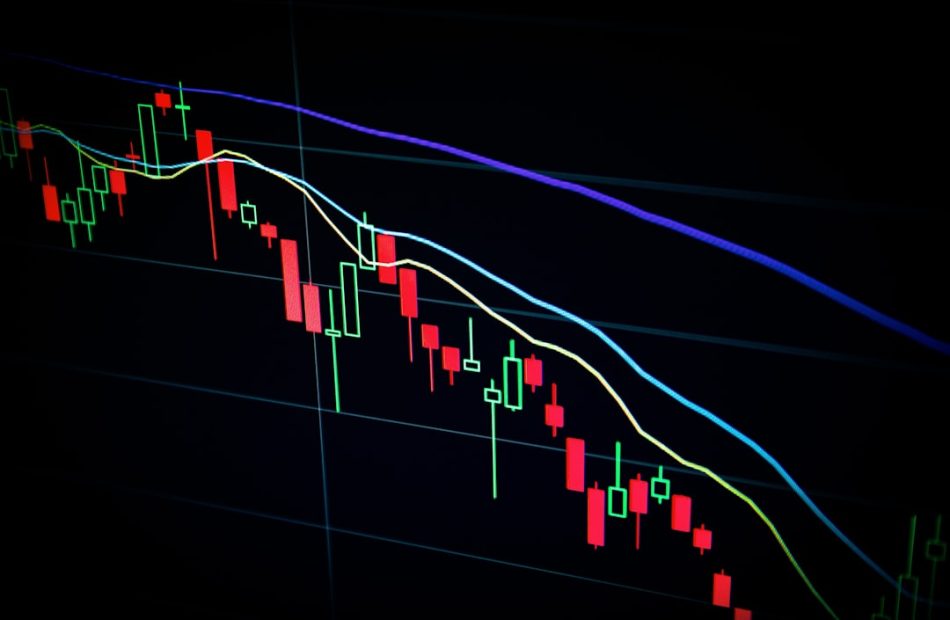
Imagine being able to spot when a market is coiling up like a spring, ready to explode in either direction. That’s exactly what the Bollinger Band Squeeze helps you do. It’s one of the most reliable setups for catching big moves early, and it works across crypto, stocks, forex, and more.
In this guide, I’ll walk you through exactly what the Bollinger Band Squeeze is, how to identify it, and how to trade it with confidence.
How It Works
Bollinger Bands consist of three lines: a middle simple moving average (usually 20-period), and an upper and lower band set two standard deviations away. When volatility is high, the bands widen. When volatility is low, they contract.
The “Squeeze” happens when the bands narrow significantly, indicating that price is consolidating and volatility is at a low point. History shows that low volatility is often followed by high volatility. The squeeze signals that a breakout is imminent, but it doesn’t tell you which direction.
The Setup
Here’s how to set up and trade the Bollinger Band Squeeze:
1. Add Bollinger Bands to your chart (20-period SMA, 2 standard deviations).

2. Look for a period where the bands contract and become almost parallel. The distance between the upper and lower band should be at a recent minimum.
3. Wait for a breakout candle that closes outside the upper or lower band. This confirms the direction.
4. Enter on the breakout – go long if price closes above the upper band, or short if it closes below the lower band.
5. Set a stop loss just inside the opposite band or below the recent swing low/high.
6. Take profit at 2x your risk, or trail the stop as the move develops.
Pro Tips for Better Results
- Combine with volume: A breakout with rising volume is much more reliable than one on low volume.
- Use a momentum indicator: The RSI or MACD can help confirm the breakout direction. For example, if price breaks above the upper band and RSI is above 50, it’s a strong bullish signal.
- Trade on higher timeframes: Squeezes on the 4-hour or daily chart tend to produce bigger, more sustainable moves than on 1-minute or 5-minute charts.
- Avoid fakeouts: Wait for the candle to close outside the band before entering. A wick that touches the band doesn’t count.
Risk Management
No strategy works 100% of the time, and the Bollinger Band Squeeze is no exception. Here’s how to protect your capital:
- Risk 1-2% per trade: Never risk more than a small fraction of your account on a single setup.
- Use a stop loss: Place it just below the recent swing low for longs, or above the recent swing high for shorts. Alternatively, use the middle band as a stop.
- Watch for false breakouts: Sometimes price breaks out, reverses, and goes the other way. If the breakout candle fails to follow through, exit quickly.
- Don’t chase: If you miss the breakout, don’t jump in late. Wait for the next squeeze.
Conclusion
The Bollinger Band Squeeze is a powerful tool for catching explosive moves before they happen. It turns quiet, boring markets into opportunities for big gains. Remember to always confirm with volume and momentum, manage your risk, and stay patient.
Start practicing on a demo account first. Once you’re comfortable spotting squeezes and executing entries, you’ll have a reliable edge in any market. Happy trading!