
Don’t Let FOMO Steal Your Profits: How to Trade with Discipline
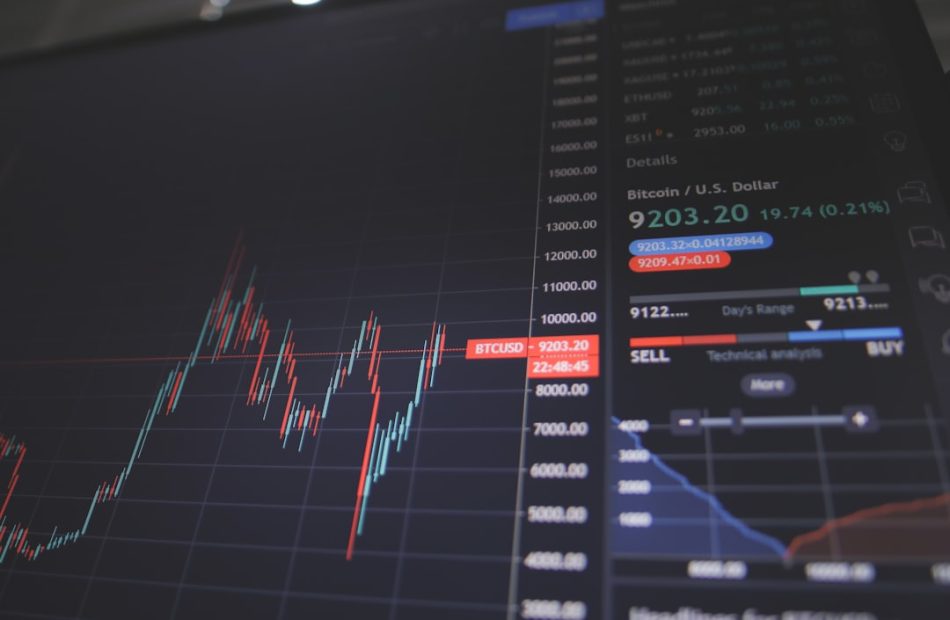
We’ve all been there. You’re watching the charts, and suddenly a coin goes vertical. Your heart races. You see others posting their gains on social media. The fear of missing out (FOMO) kicks in, and before you know it, you’ve bought at the top. Then comes the panic when the price drops.
FOMO is one of the most dangerous emotions in trading. It turns a rational plan into a reckless gamble. But here’s the good news: you can learn to recognize it and trade with discipline instead.
How it Works
FOMO is triggered by rapid price movements and the feeling that everyone else is making money except you. In crypto, this is amplified by 24/7 markets and endless hype. When you trade from FOMO, you’re not analyzing—you’re reacting. The result? Buying high, selling low, and watching your account shrink.
Looking for altcoin opportunities and smooth trading? Try KuCoin.
The Setup
To beat FOMO, you need a setup that replaces emotion with rules. Here’s a simple framework:
1. Set Your Entry Criteria – Before you trade, define exactly what conditions must be met. For example: price breaking above a key resistance level with high volume, or a pullback to a moving average.
2. Use a Watchlist – Don’t chase random coins. Stick to 3–5 assets you know well. When one moves, you’ll have context.
3. Wait for Confirmation – Never buy on the first green candle. Wait for a retest or a clear breakout. If you miss the move, so be it. There will always be another.
4. Set a Stop Loss – Know where you’re wrong before you enter. This limits the damage if FOMO creeps in anyway.
Risk Management
Risk management is your shield against FOMO. Always follow these rules:
- Never risk more than 1-2% of your account on a single trade.
- Take partial profits as the trade moves in your favor. Locking in gains reduces the emotional pressure.
- Journal your trades. Write down why you entered. If the reason was “I didn’t want to miss out,” highlight it in red. Learn from it.
- Step away from the charts when you feel the urge to chase. Go for a walk, breathe, and come back with a clear mind.
Conclusion
FOMO will always be part of trading—it’s human nature. But you don’t have to let it control your decisions. By building a solid setup, sticking to your risk rules, and practicing patience, you turn fear into a signal to pause. Remember: missing one trade is far better than losing your capital. Trade smart, not emotional.
How to Read a Smart Contract Audit Report: A Complete Guide for Crypto Investors
Smart contract audits are essential for verifying the security and reliability of decentralized applications (dApps) and DeFi protocols. However, audit reports can be dense and technical. This guide breaks down how to read a smart contract audit report, what to look for, and how to interpret findings to make informed investment decisions.
Key Concepts
1. What Is a Smart Contract Audit?
A smart contract audit is a systematic review of a blockchain-based program’s code by security experts. The goal is to identify vulnerabilities, logical errors, and inefficiencies that could lead to financial loss or exploitation. Audits are typically performed by specialized firms like CertiK, Trail of Bits, or OpenZeppelin.
2. Common Sections in an Audit Report
- Executive Summary: A high-level overview of findings, including the overall security posture and number of issues discovered.
- Scope: Which contracts and functions were reviewed, including version numbers and commit hashes.
- Findings: Detailed list of vulnerabilities, often categorized by severity (Critical, High, Medium, Low, Informational).
- Recommendations: Suggested fixes or improvements for each finding.
- Code Quality & Best Practices: Observations about coding standards, gas efficiency, and maintainability.
- Disclaimer: Notes that the audit does not guarantee absolute security and may not cover all attack vectors.
3. Severity Levels Explained
- Critical: Vulnerabilities that can lead to loss of funds or permanent contract failure. Must be fixed before deployment.
- High: Serious issues that could compromise security or functionality under certain conditions.
- Medium: Moderate risks that may affect performance or user experience.
- Low: Minor issues or deviations from best practices.
- Informational: Suggestions or observations that do not pose immediate risk.
4. How to Interpret Findings
Look at the status of each finding: Fixed, Acknowledged, or Partially Fixed. A responsible project will address all Critical and High issues before launch. If many Medium or Low issues remain unresolved, it may indicate a lack of diligence.
Pro Tips
- Check the Audit Firm’s Reputation: Not all audits are equal. Prefer reports from well-known firms with a track record in blockchain security.
- Look for the Commit Hash: Verify that the audited code matches the deployed contract. A mismatch could mean the audit is outdated or irrelevant.
- Read the Executive Summary First: It gives you a quick snapshot of the project’s security health without diving into technical details.
- Focus on Critical and High Issues: These are the most dangerous. If they are not fixed, consider the project high-risk.
- Watch for “Acknowledged” Issues: If the team acknowledges a vulnerability but does not fix it, understand the risk they are accepting.
FAQ Section
Q: Can I trust a project that has no audit?
A: Generally, no. Audits are a minimum requirement for any serious DeFi or dApp project. Without one, the risk of bugs or exploits is significantly higher.
Q: How often should a project be audited?
A: Ideally, after every major code update or upgrade. Some projects also perform periodic audits to catch new vulnerabilities.
Q: What if the audit report is from an unknown firm?
A: Be cautious. Unknown firms may lack the expertise or independence to conduct a thorough review. Cross-check the firm’s previous work and reputation.
Q: Does a clean audit mean the project is safe?
A: No. Audits reduce risk but cannot guarantee complete security. New attack vectors, economic exploits, or governance attacks may still exist.
Conclusion
Reading a smart contract audit report is a critical skill for any crypto investor or developer. By understanding the structure, severity levels, and key findings, you can better assess the security of a project before committing funds. Always combine audit results with other due diligence, such as team background, tokenomics, and community trust.
For more details on this, check out our guide on Gold-Backed Cryptos vs Physical Gold: Pros and Cons.
You might also be interested in reading about Master the Market’s Hidden Moves: Wyckoff Method Basics.
House Financial Services Committee Targets Tokenization as Next Crypto Policy Focus
May 31, 2026 — The House Financial Services Committee is turning its attention to tokenization as the next major legislative priority following progress on stablecoin and market structure bills, Chairman Rep. French Hill revealed in an exclusive interview with CoinDesk last month.
Immediate Details & Direct Quotes
Low fees are crucial when trading breaking news. We recommend MEXC for tight spreads and fast execution.
Rep. French Hill, who has led the House Financial Services Committee since former Chairman Patrick McHenry’s retirement, told CoinDesk at the Digital Assets and Emerging Tech Policy Summit in early April that tokenization represents the committee’s next major agenda item. The committee held a hearing on tokenization in late March aimed at helping lawmakers evaluate whether the SEC and bank regulators need additional authorities or rules to facilitate companies tokenizing real-world assets.
“Tokenization of an asset, such as a common stock, is really an exercise in changing systems,” Hill said. “It’s not changing the law. All the legal or regulatory requirements about common stock are also applied to a common stock token, right? And so in our view, that’s why these hearings bring up member awareness.”
Hill noted that the House and Senate, as overseers of regulatory agencies, can use hearings to explore how existing systems can adapt to blockchain-based frameworks. The chairman also revealed he is examining potential tokenization of deposits in the commercial banking industry, which could enable direct debit payments without intermediated stops.
“These are all things we dealt with in the House bill successfully and got 78 Democratic votes in the House last year,” Hill said, referencing bipartisan support for the Clarity Act. “So I don’t see any reason why they can’t find consensus in the Senate on the House bill.”
Market Context & Reaction
The committee’s pivot to tokenization comes as lawmakers make headway on other crypto legislation. Hill expressed confidence that the Clarity Act, which addresses market structure, would secure bipartisan consensus in the Senate after the House version garnered 78 Democratic votes.
“I think the Senate’s relied quite a bit on the House work on both FIT21 from the previous Congress and Clarity in this Congress,” Hill said. He added that Senate negotiators have kept House counterparts “apprised of the process,” and both he and Rep. Bryan Steil, chair of the House Subcommittee on Digital Assets, Financial Technology, and Artificial Intelligence, have remained in contact with senators working on the Clarity Act.
Hill emphasized that determining whether legislative action is needed for tokenization — or whether policymaking should remain at the regulator level — is a central question for the committee. “We’ll find out if there needs to be some legislative activity versus purely regulatory, and that’s good. That’s what Congress’s job is,” he said.
Background & Historical Context
The Financial Services Committee has been engaged in digital asset policy for over a decade, with Hill referencing the foundational work of former Rep. Patrick McHenry and Democratic Rep. Maxine Waters. The committee played a pivotal role in advancing both the stablecoin-focused GENIUS Act and the market structure-focused Clarity Act.
Hill noted the evolution of financial markets as context for tokenization discussions. “You think about going from call-out markets right to paper-based markets to digitization of that paper-based system, which took place in the 1970s and 1980s, and that’s increased accuracy, reduced fraud, increased speed, decreased the need for liquidity [and] improved settlement,” he said. “We went from T+5 on equities in the 1970s to T+1. So to me, this is an operating decision, and the interoperability of it is the biggest challenge.”
What This Means
Tokenized markets will require significant work on interoperability and compliance, according to Hill. The committee’s exploration could lead to either legislative action or purely regulatory guidance from agencies like the SEC.
“If we’re successful in GENIUS rulemaking, and we’re successful in passing Clarity, you’ll commence about a 12-month joint rulemaking process between the CFTC and SEC,” Hill said. “And I really think policy attention will track back into the regulatory agencies to try to make sure that our vision in the House of an integrated, common, fit-for-purpose approach is absolutely implemented.”
The upcoming 2026 midterm elections will also shape crypto policy, with Hill noting that the digital assets ecosystem has become increasingly politically engaged. “In the past four years, we’ve seen the digital assets ecosystem really engage, not only on policy points, but also politically,” he said. “And you saw that in the 2024 election. So I anticipate that the digital assets ecosystem, political activity will be important to the 2026 election.”
The House Ways and Means Committee is separately working on updating tax regulations around digital assets, with a bipartisan group of lawmakers reintroducing a crypto tax bill earlier this month.
—

Master the Market: A Beginner’s Guide to the Wyckoff Method
Have you ever looked at a chart and felt like the market was speaking a secret language? The Wyckoff Method is your decoder ring. Developed by Richard Wyckoff in the early 1900s, this time-tested approach reveals the footprints of smart money—the big players who move prices. Today, we’ll strip away the old-school jargon and show you how to spot accumulation, distribution, and the perfect entry point. Ready to trade with the whales instead of against them? Let’s dive in.
How It Works
The Wyckoff Method is built on three fundamental laws:
1. The Law of Supply and Demand – When demand exceeds supply, prices rise. When supply exceeds demand, prices fall. Simple, but powerful.
2. The Law of Cause and Effect – A period of accumulation (cause) leads to an uptrend (effect). A period of distribution (cause) leads to a downtrend (effect).
3. The Law of Effort vs. Result – If volume is high but price moves little, the trend may be about to reverse. Effort without result is a warning sign.
Wyckoff identified four market phases: Accumulation, Markup, Distribution, and Markdown. The magic happens in the accumulation and distribution zones—where smart money quietly builds or unloads positions.
The Setup
Here’s how to spot a classic Wyckoff accumulation pattern:
1. Preliminary Support (PS) – After a downtrend, heavy buying volume appears, creating a support level.
2. Selling Climax (SC) – A sharp sell-off on massive volume, followed by a quick bounce. This is panic selling by weak hands.
3. Automatic Rally (AR) – Prices rally from the SC, but the rally is met with selling, creating resistance.
4. Secondary Test (ST) – Price returns near SC lows on decreasing volume. This confirms that supply is drying up.
5. Spring (optional but powerful) – A brief dip below support that quickly reverses. It traps late sellers and is a strong buy signal.
For distribution, reverse the process: look for a Buying Climax (BC) followed by a Secondary Test on low volume, then a break below support (Upthrust After Distribution).
Entry Example: Once you see a Spring with rising volume and a close above the previous resistance, enter long. Stop loss below the Spring low.
Risk Management
No strategy is bulletproof. Wyckoff patterns can fail, so protect your capital:
- Position size: Never risk more than 1-2% of your account on a single trade.
- Stop loss: Place it just below the Spring low (for longs) or above the Upthrust high (for shorts).
- Take profit: Measure the height of the accumulation range and project it upward. Or scale out in thirds: 33% at first target, 33% at second, let the rest run.
- Volume confirmation: If volume doesn’t support the breakout, be cautious. Wait for a retest.
Remember: Wyckoff is a framework, not a crystal ball. Combine it with other tools like support/resistance and RSI for higher probability setups.
Conclusion
The Wyckoff Method gives you a lens to see what’s really happening beneath the surface. By understanding the battle between supply and demand, you can align with smart money instead of chasing hype. Start by practicing on historical charts—spot the accumulation and distribution phases. With patience and discipline, you’ll gain an edge that most traders miss. Happy trading, and may the volume be with you!
Oracles in RWA Tokenization: Chainlink CCIP Guide
Real World Assets (RWAs) represent a transformative asset class that bridges tangible or intangible assets—such as real estate, bonds, commodities, and credit—with blockchain technology. By tokenizing these assets, investors gain fractional ownership, 24/7 liquidity, and unprecedented transparency. However, the critical challenge lies in connecting off-chain data (e.g., property valuations, interest rates, credit scores) to on-chain smart contracts. This is where oracles, particularly Chainlink CCIP (Cross-Chain Interoperability Protocol), play a pivotal role.
Off-Chain vs On-Chain: The Oracle Problem
Blockchains are deterministic systems that cannot natively access external data. For RWAs to function, smart contracts require accurate, tamper-proof data about the underlying asset. Off-chain data includes property appraisals, bond yields, commodity prices, and regulatory status. On-chain data refers to token balances, transaction histories, and smart contract states. Oracles act as the bridge, fetching, verifying, and delivering off-chain data to on-chain environments. Without reliable oracles, RWAs would be vulnerable to manipulation, stale data, or outright fraud.
How It Works: The Technical Process
The tokenization of a real-world asset follows a structured process:
- Asset Identification & Legal Structuring: The asset (e.g., a commercial real estate property) is legally held by a Special Purpose Vehicle (SPV) to isolate risk and ensure compliance.
- Tokenization: The SPV issues digital tokens representing fractional ownership. These tokens are minted on a blockchain (e.g., Ethereum, Polygon).
- Oracle Integration: Chainlink CCIP is deployed to securely transmit off-chain data—such as the asset’s current market value, rental income, or regulatory updates—directly to the smart contract. CCIP ensures data integrity through decentralized node operators and cryptographic signatures.
- On-Chain Execution: The smart contract uses the oracle-fed data to automate functions like dividend distribution, collateral rebalancing, or redemption. For example, if a bond’s coupon payment is due, the oracle confirms the payment and triggers the smart contract to distribute yield to token holders.
Chainlink CCIP further enables cross-chain interoperability, meaning RWA tokens and their associated data can move seamlessly between different blockchains (e.g., from Ethereum to Avalanche) without losing data fidelity.
Investment Analysis: Pros, Cons, and Risks
Pros:
- Fractional Ownership: Lowers the barrier to entry for high-value assets like real estate or fine art.
- 24/7 Liquidity: Tokenized assets can be traded on decentralized exchanges, providing liquidity that traditional markets lack.
- Transparency: All transactions and data feeds are recorded on-chain, auditable by anyone.
Cons & Risks:
- Regulation: The legal status of tokenized assets varies by jurisdiction. Securities laws may apply, and compliance is complex.
- Smart Contract Risk: Bugs in the token contract or oracle logic can lead to loss of funds. Chainlink CCIP mitigates this with rigorous audits and decentralized verification.
- Oracle Manipulation: If an oracle provides false data (e.g., inflated asset price), the entire system can be exploited. Chainlink’s decentralized network reduces this risk but does not eliminate it entirely.
For a broader market view, check out our analysis on Cross-Chain Bridge Hacks Explained: Why $328M Was Lost in May 2026. Investors often compare this to Bitcoin Layer 2s: Complete Guide to Stacks, Lightning & Runes (2024).
Tool Recommendation: Practice RWA Investing Safely
If you are new to RWA tokenization, the best way to learn is by starting with a small, controlled investment. Binance offers a secure platform to buy, sell, and hold tokenized assets, including RWA tokens. You can practice this setup safely on Binance. Create your account here to explore real-world asset tokens with confidence.
FAQ Section
Question: What is the difference between Chainlink CCIP and traditional oracles?
Answer: Traditional oracles typically operate on a single blockchain and may rely on a centralized data provider. Chainlink CCIP is a cross-chain protocol that not only delivers off-chain data but also enables secure communication between different blockchains, making it ideal for multi-chain RWA ecosystems.
Question: How do oracles ensure data accuracy for RWAs?
Answer: Chainlink CCIP uses a decentralized network of independent node operators that fetch data from multiple premium sources (e.g., Reuters, Bloomberg). Data is aggregated and signed cryptographically before being delivered on-chain, reducing the risk of a single point of failure.
Question: Can RWA tokens be redeemed for the underlying physical asset?
Answer: Yes, but the process depends on the token’s legal structure. Typically, token holders can burn their tokens to claim the underlying asset through the SPV. The oracle verifies the redemption request and triggers the legal transfer. However, redemption may involve delays and legal fees.
Conclusion
Oracles, particularly Chainlink CCIP, are the backbone of the RWA ecosystem. They solve the fundamental off-chain/on-chain disconnect, enabling tokenized assets to function reliably and transparently. While risks such as regulation and smart contract vulnerabilities remain, the potential for fractional ownership and global liquidity is immense. For investors, starting with a regulated platform like Binance and understanding the oracle infrastructure is key to navigating this emerging asset class successfully.
What is Impermanent Loss? Liquidity Providing Explained
Impermanent loss is a key risk for liquidity providers in decentralized finance (DeFi). It occurs when the price of tokens in a liquidity pool changes compared to when they were deposited, leading to a temporary loss in value. This guide explains how impermanent loss works, why it happens, and how to manage it.
Key Concepts
- Liquidity Pools: Pools of tokens locked in smart contracts that enable decentralized trading. Providers earn fees but face impermanent loss.
- Price Divergence: When the price of one token in a pair moves significantly, the pool rebalances automatically, causing the provider to hold more of the depreciating token.
- Impermanent vs. Permanent: Loss is ‘impermanent’ if prices return to original levels; it becomes permanent if you withdraw at a loss.
- Volatility Impact: Higher volatility increases impermanent loss risk. Stablecoin pairs have minimal risk.
Pro Tips
- Choose pools with low volatility or correlated assets (e.g., stablecoin pairs).
- Use impermanent loss calculators to estimate potential losses before depositing.
- Consider yield farming strategies that offset loss with high fees or rewards.
- Monitor price movements and withdraw early if divergence becomes too large.
FAQ Section
What is impermanent loss in simple terms?
It’s a temporary loss in value when the price of tokens in a liquidity pool changes, compared to holding them outside the pool.
Can impermanent loss be avoided?
Not entirely, but it can be minimized by using stablecoin pairs, single-sided liquidity, or pools with low volatility.
Is impermanent loss permanent?
Only if you withdraw when prices are divergent. If prices return to original levels, the loss disappears.
How do I calculate impermanent loss?
Use online calculators or formulas that compare the value of your pool share vs. holding the tokens separately.
Conclusion
Impermanent loss is an inherent risk of liquidity providing, but understanding it helps you make informed decisions. By choosing the right pools, monitoring prices, and using tools like Bitget, you can manage this risk effectively. For more details on this, check out our guide on Carbon Credits Tokenization: Fixing a Broken Market. You might also be interested in reading about Master the Head and Shoulders Pattern: Your Guide to Reversal Trading.
How to Spot a Honey Pot Scam: Safety Guide for Crypto Investors
Introduction
Honey pot scams are one of the most deceptive and costly traps in the crypto space. In a honey pot scam, a malicious smart contract is deployed that appears to allow anyone to withdraw tokens, but actually contains hidden code that prevents the victim from selling or transferring the tokens they acquire. The scammer then drains funds from anyone who tries to interact with the contract. This guide will teach you how to identify honey pot scams, understand the key red flags, and protect your assets.
Key Concepts
- Honey Pot Contract: A smart contract designed to lure users with the promise of easy profits, but contains a trap that prevents withdrawals or transfers of tokens.
- Hidden Transfer Restrictions: The contract may allow you to buy tokens but blocks sell functions or imposes extreme fees on sales.
- Fake Liquidity Pools: Scammers often create fake liquidity pools on decentralized exchanges (DEXs) to make the token appear tradable.
- Owner Privileges: The contract owner retains special permissions, such as the ability to blacklist addresses, pause trading, or mint unlimited tokens.
- Honeypot Detection Tools: Specialized tools like Honeypot.is, Token Sniffer, and RugDoc can analyze a contract for known honey pot patterns.
Pro Tips
- Always verify the contract source code on Etherscan or BscScan before interacting. Look for suspicious functions like
blacklist,pause, ormint. - Test with a tiny amount first. Try to sell a small portion of the token immediately after buying. If the transaction fails or reverts, it’s likely a honey pot.
- Check the liquidity pool. Use a DEX like Uniswap or PancakeSwap to see if the token has real liquidity. A very low liquidity pool or one that is locked for only a short time is a red flag.
- Use a honeypot detection tool before any trade. These tools simulate a buy and sell to check if the contract blocks sells.
- Look for community red flags. If the project has no social presence, anonymous developers, or a website full of generic promises, be extremely cautious.
FAQ Section
What is a honey pot scam in crypto?
A honey pot scam is a type of smart contract fraud where the contract appears to allow token purchases but prevents the buyer from selling or transferring the tokens, trapping their funds.
How can I detect a honey pot contract?
You can detect honey pots by using tools like Honeypot.is or Token Sniffer, checking the contract source code for suspicious functions, and performing a small test trade to see if selling is possible.
Can I get my money back from a honey pot scam?
Unfortunately, once funds are sent to a honey pot contract, they are usually irrecoverable because the scammer controls the contract. Always verify before investing.
Are honey pot scams only on Ethereum?
No, honey pot scams exist on any blockchain that supports smart contracts, including Binance Smart Chain, Polygon, Solana, and others.
What should I do if I encounter a honey pot?
Do not interact with the contract. Report the address to blockchain explorers (e.g., Etherscan, BscScan) and community forums to warn others.
Conclusion
Honey pot scams are a serious threat in the crypto world, but with the right knowledge and tools, you can avoid them. Always verify contract code, use detection tools, test with small amounts, and stay skeptical of projects that promise guaranteed returns. For more details on this, check out our guide on The Rise of AI Agents in Crypto: A Complete Guide. You might also be interested in reading about Tax Loss Harvesting in Crypto: A Guide for Traders. Stay safe and trade smart.
The Role of Oracles in Real World Assets (Chainlink CCIP)
Real World Assets (RWAs) are tangible or intangible assets—such as real estate, bonds, commodities, and credit—that are tokenized on a blockchain. This process enables fractional ownership, 24/7 liquidity, and unprecedented transparency, effectively bridging the gap between Traditional Finance (TradFi) and Decentralized Finance (DeFi). However, a critical technical challenge persists: how do smart contracts securely access and verify data from off-chain sources? This is where oracles, particularly Chainlink’s Cross-Chain Interoperability Protocol (CCIP), play a pivotal role.
Understanding the Off-Chain vs On-Chain Divide
Blockchains are deterministic, closed systems. They cannot natively access external data—like real estate valuations, bond yields, or commodity prices—without a trusted intermediary. Oracles solve this by fetching, verifying, and delivering off-chain data onto the blockchain in a tamper-proof manner. Without oracles, tokenized RWAs would be isolated from the real-world economic data that underpins their value.
How It Works: The Technical Process
The tokenization of an RWA involves several steps, with oracles acting as the critical bridge:
- Tokenization & SPV Formation: The asset (e.g., a commercial real estate property) is legally transferred to a Special Purpose Vehicle (SPV). The SPV issues digital tokens representing fractional ownership.
- Oracle Integration: Chainlink CCIP provides a decentralized network of nodes that pull data from verified off-chain sources (e.g., property appraisals, interest rate feeds, credit ratings). This data is cryptographically signed and delivered to the smart contract.
- Blockchain Execution: The smart contract uses the oracle data to automatically execute actions—such as distributing rental yields, adjusting collateral ratios, or triggering margin calls—without human intervention.
Investment Analysis: Pros, Cons, and Risks
For a broader market view, check out our analysis on EU Crypto Firms Face July 1 Shutdown as MiCA Deadlines Already Passed. Investors often compare this to Missouri AG Sues Coinflip, Alleges 21.9% Hidden Fees on Bitcoin ATMs.
Pros
- Fractional Ownership: Lowers the barrier to entry for high-value assets like real estate or fine art.
- 24/7 Liquidity: Tokens can be traded on secondary markets, unlike traditional assets with limited trading hours.
- Transparency: All transactions and oracle data feeds are recorded on-chain, auditable by anyone.
Cons & Risks
- Regulatory Uncertainty: Jurisdictions like the EU and US are still defining how tokenized assets are classified and taxed.
- Smart Contract Risk: Bugs in the oracle or token contract could lead to loss of funds.
- Oracle Manipulation: If a malicious actor compromises the oracle network, false data could trigger incorrect smart contract executions.
Tool Recommendation
To safely explore tokenized RWAs and practice using oracle-based protocols, Binance offers a secure environment with a wide range of supported assets. You can practice this setup safely on Binance. Register here.
FAQ Section
What is Chainlink CCIP and why is it important for RWAs?
Chainlink CCIP (Cross-Chain Interoperability Protocol) is a decentralized oracle network that enables secure cross-chain communication and data delivery. For RWAs, it ensures that off-chain asset data (e.g., property prices, bond yields) is reliably transmitted to on-chain smart contracts, maintaining the integrity of tokenized assets.
How do oracles prevent data manipulation in RWA tokenization?
Oracles like Chainlink use multiple independent node operators to fetch the same data. They aggregate the results using consensus mechanisms, ensuring that no single node can falsify the data. Additionally, data is cryptographically signed and timestamped, creating an auditable trail.
What are the main risks of using oracles for RWAs?
The primary risks include oracle manipulation (where a malicious actor compromises data feeds), smart contract bugs, and regulatory changes that could affect how tokenized assets are treated. Diversifying oracle sources and using audited contracts can mitigate these risks.
Conclusion
Oracles, especially Chainlink CCIP, are the backbone of the RWA ecosystem. They solve the fundamental off-chain vs on-chain data problem, enabling tokenized assets to function reliably in DeFi. While risks like regulation and smart contract vulnerabilities remain, the technology is maturing rapidly. For investors, understanding oracle infrastructure is essential to evaluating the long-term viability of any RWA project.
Master the Dip: How to Use the Stochastic Oscillator for Precision Entries
Imagine watching a coin you’ve been eyeing suddenly drop 5% in an hour. Your heart races. Is this the start of a crash, or the perfect buying opportunity? If you’ve ever hesitated at that moment, you’re not alone. Today, we’re going to arm you with a proven, data-driven strategy that takes the guesswork out of dip buying: the Stochastic Oscillator.
How It Works
The Stochastic Oscillator is a momentum indicator that compares a cryptocurrency’s current closing price to its price range over a specific period (usually 14 periods). It tells you whether the asset is overbought (above 80) or oversold (below 20). The key insight? When a coin is oversold, it doesn’t mean it will bounce immediately—but when combined with a bullish crossover, it signals that selling pressure is exhausting and buyers are stepping in.
The Setup
Here’s the step-by-step plan for a Stochastic dip buy:
1. Set your chart: Use a 1-hour or 4-hour timeframe for swing trades. Add the Stochastic Oscillator (default settings: 14, 3, 3).
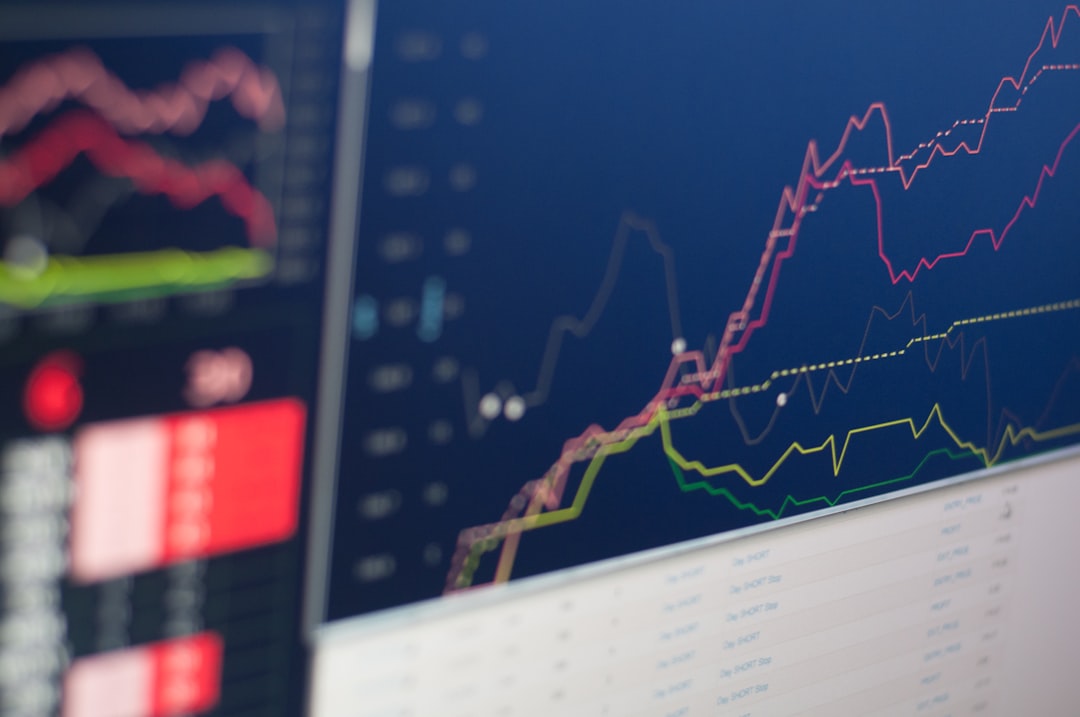
2. Wait for oversold: Look for the Stochastic lines to dip below 20. This tells you the asset is heavily oversold.
3. Look for the crossover: The magic happens when the %K line (fast) crosses back above the %D line (slow) while both are still below 20. This is your “go” signal.
4. Confirm with trend: For a higher probability trade, make sure the overall trend is still bullish (e.g., price above the 200-period moving average). Avoid buying dips in strong downtrends.
Example in Action
Let’s say Bitcoin is trading at $60,000 and drops sharply to $57,000. The Stochastic dips to 15. Then, moments later, the %K line curls up and crosses above %D at 18. You enter a long position. Within the next 12 hours, Bitcoin recovers to $59,500. You’ve caught the bounce.
Risk Management
No strategy is perfect. Always set a stop-loss just below the recent swing low (e.g., 1-2% below the dip). Limit your risk to 1-2% of your total portfolio per trade. And remember: the Stochastic works best in ranging or trending markets—avoid using it during major news events or low-volume periods.
Conclusion
The Stochastic Oscillator dip-buying strategy gives you a clear, repeatable framework for entering trades when fear is highest. It turns emotional decisions into calculated moves. Practice on a demo chart first, and soon you’ll be catching those bounces with confidence. Happy trading!
Real World Assets (RWA): How Tokenization Changes Investing – The Complete Guide
Imagine owning a fraction of a Manhattan skyscraper, a rare Picasso painting, or a barrel of premium Scotch whisky—all from your smartphone, with instant liquidity and global access. This is not a futuristic fantasy; it’s the reality of Real World Assets (RWA) tokenization. By bridging traditional finance with blockchain technology, RWA is reshaping how we invest in tangible assets. In this comprehensive guide, we’ll explore what RWA tokenization is, how it works, its benefits and risks, and actionable tips for getting started.
Key Concepts
What Are Real World Assets (RWA)?
Real World Assets are physical or financial assets that exist outside the blockchain—such as real estate, commodities, bonds, invoices, or intellectual property. Tokenization converts ownership rights of these assets into digital tokens on a blockchain, enabling fractional ownership, 24/7 trading, and global accessibility.
How Tokenization Works
The process typically involves:
- Asset Selection & Valuation: An asset (e.g., a commercial building) is professionally appraised.
- Legal Structuring: A legal entity (e.g., a Special Purpose Vehicle) holds the asset, and tokens represent shares in that entity.
- Minting Tokens: The asset is digitized into tokens on a blockchain (often Ethereum, Polygon, or Solana).
- Distribution & Trading: Tokens are sold to investors and can be traded on secondary markets or decentralized exchanges.
Benefits of RWA Tokenization
- Fractional Ownership: Invest in high-value assets with as little as $10.
- Liquidity: Trade tokenized assets 24/7, unlike traditional markets with limited hours.
- Global Access: Anyone with an internet connection can invest, bypassing geographical and regulatory barriers.
- Transparency & Security: Blockchain provides immutable records of ownership and transaction history.
- Programmability: Smart contracts can automate dividends, interest payments, or compliance.
Risks to Consider
- Regulatory Uncertainty: Laws around tokenized assets vary by jurisdiction and are still evolving.
- Custody & Legal Risks: The link between the token and the physical asset relies on legal agreements; if the custodian fails, token holders may lose value.
- Market Liquidity: Some tokenized assets may have thin trading volumes, making it hard to exit positions.
- Smart Contract Vulnerabilities: Bugs or exploits in the underlying code can lead to loss of funds.
Pro Tips
- Start with Established Platforms: Use reputable RWA platforms like Ondo Finance, Centrifuge, or RealT that have audited smart contracts and transparent asset backing.
- Diversify Across Asset Types: Don’t put all your capital into one tokenized asset. Mix real estate, treasury bills, and commodities to spread risk.
- Check Legal Documentation: Always read the offering memorandum or whitepaper to understand how the asset is legally structured and what rights token holders have.
- Monitor Regulatory Developments: Follow updates from the SEC, ESMA, or your local regulator to stay compliant and avoid scams.
- Use a Hardware Wallet: For long-term holdings, store your RWA tokens in a cold wallet to protect against hacks.
For more details on this, check out our guide on Gold-Backed Cryptos vs Physical Gold: Pros and Cons.
FAQ Section
What is the difference between RWA tokenization and traditional securitization?
Traditional securitization bundles assets into securities that trade on regulated exchanges with limited hours and high minimum investments. RWA tokenization uses blockchain to create digital tokens that can be traded 24/7, often with lower minimums and greater transparency, but with less regulatory oversight.
Are RWA tokens considered securities?
In many jurisdictions, yes. The U.S. SEC has indicated that most tokenized assets meet the Howey Test criteria and are thus securities. Always consult a legal professional before investing.
Can I buy RWA tokens with fiat currency?
Many platforms allow direct fiat purchases via bank transfer or credit card. Others require you to first buy a cryptocurrency (like USDC or ETH) and then swap it for the RWA token.
What are the most popular RWA categories?
Real estate (e.g., rental properties), U.S. Treasury bills (e.g., Ondo’s USDY), private credit (e.g., Centrifuge), commodities (e.g., tokenized gold), and carbon credits are among the most common.
How do I store RWA tokens safely?
Use a non-custodial wallet like MetaMask, Ledger, or Trezor. Never keep large amounts on an exchange. For added security, consider multi-signature wallets.
Conclusion
Real World Asset tokenization is not just a trend—it’s a paradigm shift in how we think about ownership, liquidity, and access to investments. By digitizing everything from office towers to government bonds, RWA opens doors that were previously locked to all but the wealthiest institutions. However, the space is still young, with regulatory and technical hurdles to overcome. Approach with caution, do your due diligence, and start small. As the ecosystem matures, RWA could become the backbone of a truly global, inclusive financial system.
You might also be interested in reading about Trading the AI Agent Narrative in Crypto: A Step-by-Step Guide.