
Bitcoin Halving Cycles Explained: Why Moonshot Predictions May Be Over
Did you know that Bitcoin’s price multiplied by 75 times during its 2013 cycle, but only 1.8 times in its most recent 2025 run? This dramatic slowdown challenges popular forecasts predicting Bitcoin could reach $300,000 to $500,000 by 2029. For crypto investors, understanding this trend is crucial for setting realistic expectations. As Bitcoin matures and attracts institutional investors, the era of parabolic “moonshot” rallies may be ending. This guide explains how Bitcoin’s four-year halving cycles work, why each cycle produces smaller gains than the last, and what this means for your investment strategy in 2026 and beyond.
Read time: 8-10 minutes
Understanding Bitcoin Halving Cycles for Beginners
Bitcoin halving cycles are the four-year market patterns driven by a programmed event that cuts Bitcoin’s mining rewards in half. Think of it like a company automatically reducing its stock issuance by 50% every four years—it creates scarcity, which historically has pushed prices higher over time.
Why was this created? Bitcoin’s creator, Satoshi Nakamoto, designed the halving to control inflation and mimic the scarcity of precious metals like gold. Unlike central banks that can print unlimited money, Bitcoin’s supply is capped at 21 million coins, and halvings ensure new coins enter circulation at a steadily decreasing rate.
A real-world example: The first halving in 2012 cut mining rewards from 50 BTC to 25 BTC per block. Within a year, Bitcoin’s price surged from around $12 to over $1,000. The fifth halving is scheduled for April 2028, which will reduce rewards from 3.125 BTC to 1.5625 BTC per block.
The Technical Details: How Bitcoin Halving Cycles Actually Work
Bitcoin’s price tends to follow a predictable pattern around each halving. Here’s how the cycle typically unfolds:
1. Pre-Halving Bottom (18 months before): Prices usually reach their lowest point about 18 months before the halving. This is when bear market sentiment is strongest.
2. Halving Event (Day zero): Mining rewards are cut in half. This doesn’t immediately spike prices, but it reduces the new supply entering the market.
3. Post-Halving Rally (16-18 months after): The bull run typically peaks about 16-18 months after the halving, driven by the cumulative effect of reduced supply.
4. Bear Market Decline (12 months after peak): Prices then fall for roughly a year before the cycle restarts.
Why this structure matters for you: Understanding this timeline helps you identify when we’re in a bull or bear phase. The next cycle peak, based on the April 2028 halving, is expected around mid-to-late 2029. This gives investors a clear timeframe for strategic planning—not timing the exact top, but understanding market phases.
> Visual suggestion: Flow diagram showing the four phases of a Bitcoin halving cycle—bottom, halving, peak, and decline—with approximate timeframes.
Current Market Context: Why This Matters Now
As of July 2026, Bitcoin is trading around $64,000, well below its 2025 peak of $126,000. The market is in a bearish phase following the 2024-2025 cycle, and analysts are already forecasting the next bull run.
However, the data tells a sobering story. Here’s how Bitcoin’s peak-to-peak multiples have shrunk with each cycle:
| Cycle | Peak Price | Multiple from Previous Peak |
|---|---|---|
| 2013 | $266 | – (Starting point) |
| 2017 | ~$20,000 | 75x |
| 2021 | ~$69,000 | 3.5x |
| 2025 | ~$126,000 | 1.8x |
If this trend continues, the next cycle peak could be well below the $300,000 to $500,000 forecasts. A rally to $300,000 would require a 2.4x multiple from the 2025 high—significantly higher than the previous cycle’s 1.8x.
Veteran trader Peter Brandt and Bernstein analysts have predicted $300,000-$500,000 targets, citing ETF demand and institutional adoption. But the math suggests these forecasts may be overly optimistic.
Competitive Landscape: How Bitcoin’s Maturity Compares
Bitcoin’s slowing returns reflect its transition from a speculative asset to a mature market. Here’s how it compares:
| Feature | Bitcoin (Now) | Bitcoin (2017) | Traditional Assets (Gold, S&P 500) |
|---|---|---|---|
| Market Cap | ~$1.2 trillion | ~$300 billion | Gold: ~$15 trillion |
| Daily Volume | $20-30 billion | $5-10 billion | Gold: $100+ billion |
| Volatility | Moderate (40-60% annual) | Extreme (100%+ annual) | Low (15-20% annual) |
| Institutional Access | ETFs, futures, options | Limited futures | Full institutional infrastructure |
| Price Predictability | More measured cycles | Manic-depressive swings | Generally stable |
Why this matters: Bitcoin is becoming “Wall Street-ized.” The same factors that make it more stable—ETFs, institutional trading, risk management tools—also limit its ability to produce the massive percentage gains of its early years.
Practical Applications: Real-World Use Cases
How should investors use halving cycle knowledge in 2026?
- Realistic Return Expectations: Instead of expecting 10x-100x gains, plan for 1.5x-2.5x returns per cycle. This helps avoid disappointment and reckless risk-taking.
- Cycle-Based Dollar-Cost Averaging: Accumulate during bear markets (like now) and take profits during bull runs. Knowing the cycle phase helps you make disciplined decisions.
- Risk Management: As volatility decreases, position sizes can be larger without extreme drawdown risk, but leverage should be minimal.
- Portfolio Allocation: Bitcoin may now be a “slow-growth” asset suitable for 5-10% of a diversified portfolio, rather than a high-risk moonshot bet.
Risk Analysis: Expert Perspective
Primary Risks:
1. Overly Optimistic Forecasts: Relying on $300,000-$500,000 predictions could lead to holding through a peak that never materializes.
2. Institutional Flow Reversal: ETF demand drove the 2025 peak. If institutional interest wanes, the next cycle might underperform even 1.8x.
3. Regulatory Headwinds: SEC actions, tax policy changes, or a potential U.S. CBDC ban could suppress demand.
Mitigation Strategies:
- Use historical cycle data (not predictions) as your primary planning tool.
- Set specific sell targets based on realistic multiples (e.g., 1.5x-2x from bear market lows).
- Maintain a cash reserve to buy during the next bear market bottom.
Expert Consensus: The consensus among data-driven analysts is that Bitcoin’s growth is slowing, not stopping. Even without moonshots, a measured rally to $150,000-$200,000 by 2029 would represent healthy returns.
Future Outlook: What’s Next
Bitcoin’s next major cycle is expected to begin with the April 2028 halving. Here’s what to watch:
1. ETF Flow Patterns: Continued institutional inflows through ETFs could provide steadier demand than retail-driven cycles.
2. Macro Economic Context: A potential Federal Reserve stimulus could boost all risk assets, including Bitcoin, in the 2028-2029 timeframe.
3. U.S. Reserve Asset Debate: If the Treasury buys BTC as a reserve asset, it could supercharge demand—but this remains speculative.
4. Diminishing Returns Trend: The data suggests the next peak will be between $150,000 and $200,000, not $300,000-$500,000.
The era of “moonshots” defined by 75x and 3.5x returns appears to be history. Bitcoin is becoming larger, more liquid, and less volatile—moving toward its destiny as “digital gold” with steady, reliable growth.
Key Takeaways
- Bitcoin halving cycles produce diminishing returns as the asset matures, with peak-to-peak multiples shrinking from 75x (2013) to just 1.8x (2025).
- The $300,000-$500,000 forecasts for 2029 are overly optimistic given historical data; a more realistic target is $150,000-$200,000.
- Bitcoin’s institutionalization through ETFs and derivatives makes it less volatile but also limits its upside percentage gains.
- Investors should set realistic expectations using cycle data and dollar-cost average during bear markets for the best risk-adjusted returns.
How to Bridge Assets Across Blockchains Safely: A Step-by-Step Guide for 2025
Bridging assets across blockchains is a fundamental skill for any crypto user who wants to move tokens between networks like Ethereum, BNB Chain, Polygon, or Solana. However, cross-chain transfers come with risks such as smart contract vulnerabilities, bridge hacks, and high fees. This guide will walk you through the safest methods, key concepts, and pro tips to protect your funds.
Key Concepts
- Cross-Chain Bridge: A protocol that locks tokens on one blockchain and mints equivalent tokens on another. Examples include Wormhole, Multichain, and Stargate.
- Wrapped Tokens: Tokens like WETH or WBTC that represent an asset from another chain. Always verify the official contract address.
- Liquidity Pools: Bridges rely on liquidity providers. Choose bridges with deep liquidity to avoid slippage and failed transactions.
- Security Audits: Only use bridges that have been audited by reputable firms like CertiK, Trail of Bits, or OpenZeppelin.
- Transaction Finality: Understand that some chains (e.g., Bitcoin) have slower finality. Wait for sufficient confirmations before considering a transfer complete.
Pro Tips
- Start with a small test transaction – Always send a tiny amount first to verify the bridge works and you have the correct destination address.
- Check the bridge’s TVL (Total Value Locked) – A higher TVL generally indicates more trust and liquidity.
- Avoid bridging during network congestion – Gas fees spike during peak times. Use tools like Etherscan Gas Tracker to pick low-fee windows.
- Use a dedicated wallet – Consider using a hardware wallet or a separate hot wallet for bridging activities to limit exposure.
- Double-check contract addresses – Scammers often create fake tokens. Always verify the official token address on the destination chain.
FAQ Section
What is the safest bridge to use?
There is no single safest bridge, but generally, bridges with multiple audits, a long track record, and high TVL (like Stargate or Wormhole) are considered more secure. Always do your own research.
How long does a cross-chain bridge take?
It varies by network. Ethereum to Polygon can take 10–30 minutes, while Solana to Ethereum might take 5–15 minutes. Delays can occur during congestion.
Can I lose my funds when bridging?
Yes, risks include smart contract bugs, bridge hacks, or sending to the wrong address. Always triple-check the destination address and use a test transaction.
Do I need native gas tokens on the destination chain?
Yes, you typically need the native token (e.g., ETH on Ethereum, MATIC on Polygon) to pay for transaction fees on the destination chain. Some bridges offer a gas fee service, but it’s safer to have a small amount ready.
Conclusion
Bridging assets across blockchains is a powerful tool for accessing DeFi, NFTs, and lower fees, but it requires caution. Always prioritize security over speed: use audited bridges, start with small test transactions, and keep your private keys safe. For more details on this, check out our guide on Risk Management 101: The 1% Rule Explained for Safer Trading. You might also be interested in reading about How to Secure Your Crypto Wallet: A Step-by-Step Guide.
US Treasury Bills on Blockchain: The Risk-Free Rate On-Chain
Tokenized US Treasury bills are reshaping how investors access the risk-free rate. By bringing government debt onto a blockchain, these instruments combine the safety of traditional finance (TradFi) with the efficiency and transparency of decentralized finance (DeFi). This guide explains what tokenized T-bills are, how they work, and what risks and rewards they offer.
What Are Tokenized US Treasury Bills?
Tokenized US Treasury bills are digital representations of short-term US government debt obligations. Each token represents a fractional ownership of an underlying T-bill held by a special purpose vehicle (SPV). Unlike traditional T-bills that trade only during market hours and settle in days, tokenized versions can be traded 24/7 on blockchain networks, with near-instant settlement.
The key difference between off-chain and on-chain T-bills is liquidity and accessibility. Off-chain T-bills require a brokerage account, minimum investments, and are subject to market hours. On-chain T-bills can be bought with stablecoins, have lower minimums, and offer continuous liquidity through decentralized exchanges (DEXs) or automated market makers.
How It Works: The Technical Process
The process of bringing US Treasury bills on-chain involves several steps:
- Tokenization: A regulated issuer (e.g., Ondo Finance, Backed Finance) creates a smart contract that mints tokens representing fractional ownership of a T-bill.
- Special Purpose Vehicle (SPV): The issuer sets up an SPV that holds the actual T-bills in a custodial account. The SPV ensures legal separation between the issuer’s assets and the token holders’ assets.
- Oracle Integration: Price oracles (e.g., Chainlink) feed the net asset value (NAV) of the underlying T-bills to the blockchain, ensuring token prices reflect real-world values.
- Blockchain Settlement: Investors buy tokens using stablecoins (USDC, USDT) on networks like Ethereum, Polygon, or Solana. The tokens can be transferred, traded, or used as collateral in DeFi protocols.
Investment Analysis: Pros, Cons, and Risks
Pros
- Accessibility: Low minimum investments (sometimes as low as $1) allow retail investors to access institutional-grade yields.
- 24/7 Liquidity: Tokens can be traded at any time, unlike traditional T-bills that only trade during market hours.
- Transparency: All transactions are recorded on a public blockchain, providing real-time auditability.
- Yield: Tokenized T-bills typically pass through the yield of the underlying T-bill, minus management fees (often 0.15%–0.50%).
Cons
- Regulatory Uncertainty: The legal status of tokenized securities varies by jurisdiction. The SEC has not yet provided clear guidance on all tokenized products.
- Smart Contract Risk: Bugs or exploits in the token contract could lead to loss of funds. Audits by firms like Trail of Bits or Certik are essential but not foolproof.
- Custodial Risk: The SPV holding the T-bills relies on a custodian. If the custodian fails or commits fraud, token holders may not have direct recourse.
For a broader market view, check out our analysis on How to Participate in Governance Proposals (DAOs): A Complete Guide for 2026.
Investors often compare this to Using Etherscan: Tracking Whales and Verifying Transactions – The Ultimate Guide.
Tool Recommendation
Looking for altcoin opportunities and smooth trading? Try KuCoin. KuCoin offers a wide range of tokenized assets and stablecoin pairs, making it easy to trade and manage your on-chain T-bill exposure. Start trading on KuCoin today.
FAQ Section
What is the yield on tokenized US Treasury bills?
Yield varies based on the current US Treasury rate. As of early 2025, short-term T-bills yield approximately 4.5%–5.0% APY. Tokenized products pass this yield to token holders after deducting management fees (typically 0.15%–0.50%). Always check the specific product’s prospectus for exact terms.
Are tokenized T-bills considered securities?
Yes, in most jurisdictions tokenized T-bills are classified as securities because they represent ownership of an underlying investment contract. Issuers must comply with securities laws, including registration or exemption requirements. Investors should verify the regulatory status of any tokenized product before purchasing.
How do I redeem tokenized T-bills for fiat currency?
Redemption processes vary by issuer. Most tokenized T-bills can be redeemed by burning the tokens on the blockchain, after which the issuer sends the equivalent fiat (or stablecoin) to your wallet. Redemption may take 1–5 business days, depending on the issuer’s settlement procedures. Some products also offer instant redemption through liquidity pools, but this may incur a small fee.
Conclusion
Tokenized US Treasury bills represent a significant step forward in bridging TradFi and DeFi. They offer retail and institutional investors a way to earn the risk-free rate with the benefits of blockchain technology: 24/7 liquidity, fractional ownership, and transparency. However, investors must remain aware of regulatory, smart contract, and custodial risks. As the ecosystem matures and regulation becomes clearer, tokenized T-bills could become a cornerstone of on-chain finance.
Meta Chief Data Officer: Agentic Commerce Is the ‘Next Tier of Business’
Jul 10, 2026 — Meta’s Chief Data Officer Alex Schultz declared agentic commerce the company’s “next tier of business,” revealing stablecoins are now assumed inside Meta’s infrastructure. Schultz detailed that over one million businesses are already running active Meta agents weekly, with the company betting conversational commerce will reshape global transactions.
Immediate Details & Direct Quotes
Low fees are crucial when trading breaking news. We recommend MEXC for tight spreads and fast execution.
In a CoinDesk Spotlight interview, Schultz outlined Meta’s vision where AI agents handle everyday coordination tasks. “We think it might be the next tier of business for our entire company,” he told host Sam Ewen.
The executive illustrated the concept with a deliberately simple example: coordinating a child’s birthday party through WhatsApp. Agents would book times, check calendars, find venues, and communicate with other parents’ AI agents automatically.
“You write that example large,” Schultz said, “and then if you’re us, you hope that you do it over WhatsApp.”
The payments layer enabling this vision is stablecoins. Schultz predicted physical wallets will become obsolete. “We completely believe in the future of there being no wallets and digital payments being the whole future,” he stated, citing WeChat’s red envelope model and Line’s commerce infrastructure in Asia as proof of concept.
“Stablecoins are a big part of the solution,” Schultz added.
Market Context & Reaction
Schultz framed the agentic economy the same way science fiction author William Gibson described the future: already present, but not yet mainstream.
“We are building business agents for all businesses,” Schultz said. “We have over a million weekly active businesses with Meta agents — from basically nothing at the start of the year.”
In Brazil and India, Schultz revealed Meta has more than one million small businesses conducting commerce through conversations on WhatsApp. He criticized the U.S. market’s reliance on iMessage, calling it “very backwards” and “such a lame platform in terms of its usage and what you can do with it.”
While American consumers primarily use tap-to-pay in stores, conversational commerce has become the standard across Asia, creating direct connections between consumers and merchants, often amplified by trusted creators and influencers.
Fortune Business Insights projects conversational commerce will grow to $39.53 billion by 2034, driven largely by AI integration.
Background & Historical Context
The conversation occurred on the seventh anniversary of Facebook’s Libra stablecoin announcement — a project Schultz acknowledged with a dry aside: “Maybe we said some stuff that annoyed some governments.”
Meta’s original attempt to launch its own global stablecoin triggered intense scrutiny from Congress and U.S. regulators over financial stability, privacy, and the company’s potential influence over global payments. The project rebranded to Diem before being abandoned entirely in 2022 under sustained regulatory pressure.
Today, Schultz emphasized a partnership-driven approach rather than proprietary currency. “The history of the company is that we tend to be a partnership company on these things,” he said.
Meta now positions itself as the interface layer — the messaging and commerce surface — while payment settlement operates underneath through regulated third-party stablecoin integration. This reflects both the changed regulatory landscape with stablecoin legislation now in place and the SEC’s more accommodating stance toward crypto.
What This Means
Schultz was notably candid about Meta’s interest in decentralized identity systems. “Decentralization, especially if we can take verification outside of our system — my God, it would be useful for us,” he said.
He acknowledged Meta hasn’t adopted such systems yet because no solution has achieved the necessary scale, reliability, or mainstream penetration. “Really smart people have tried, and it’s not there yet,” Schultz noted.
The verification challenge remains critical for agentic commerce. As Schultz wrote in a post on the topic: “For you to transact with an agent, you need to know it represents the business it says it represents.”
Inside Meta, agentic payments, decentralized identity, and stablecoin rails are no longer treated as distant possibilities. They are treated as current realities being built into the company’s core infrastructure.
—
Using Etherscan: Tracking Whales and Verifying Transactions – The Ultimate Guide
Etherscan is the leading blockchain explorer for Ethereum, providing real-time access to on-chain data. Whether you’re a retail investor looking to follow whale movements or a developer verifying a transaction, mastering Etherscan is essential for navigating the crypto landscape. This guide will walk you through the key features, pro tips, and tools to track whales and verify transactions like a pro.
Key Concepts
1. What is Etherscan?
Etherscan is a block explorer and analytics platform for the Ethereum blockchain. It allows users to search for transactions, addresses, tokens, and smart contracts. It’s the go-to tool for transparency in the Ethereum ecosystem.
2. Tracking Whales
Whales are large holders of cryptocurrency whose transactions can influence market prices. On Etherscan, you can track whale activity by monitoring addresses with high balances, following large transfers, and using token holder lists. Look for transactions over $100,000 or those involving known whale addresses.
3. Verifying Transactions
Transaction verification ensures that a transfer has been confirmed on the blockchain. On Etherscan, you can check transaction status, block confirmation count, gas fees paid, and the sender/receiver addresses. This is critical for confirming payments, airdrops, or smart contract interactions.
Pro Tips
- Use the Token Tracker: Search for a token by contract address to see top holders, transfers, and price data. This helps identify whale accumulation or distribution.
- Set Up Alerts: Etherscan offers email notifications for specific addresses or transactions. Use this to get real-time updates on whale movements.
- Check Internal Transactions: Some transfers happen via smart contracts. Use the ‘Internal Txns’ tab to see all activity, including DeFi interactions.
- Analyze Gas Prices: High gas fees often indicate urgent whale transactions. Monitor gas prices to spot potential market moves.
- Verify Smart Contracts: Before interacting with a new DeFi protocol, verify its contract on Etherscan to ensure it’s not a scam.
For more details on this, check out our guide on Understanding Gas Fees: How to Save Money on Ethereum.
You might also be interested in reading about How to Stop Revenge Trading and Protect Your Portfolio.
FAQ Section
Q1: How do I find whale addresses on Etherscan?
You can use the ‘Top Holders’ list for major tokens like USDT, ETH, or UNI. Also, follow known whale addresses shared on crypto Twitter or analytics platforms like Whale Alert.
Q2: Can I track a specific wallet’s activity?
Yes. Enter the wallet address in the search bar, then use the ‘Transactions’ and ‘Token Transfers’ tabs to see all activity. You can also bookmark the address for quick access.
Q3: How do I verify if a transaction is confirmed?
Look for the ‘Status’ field on the transaction page. ‘Success’ means confirmed. Also check the ‘Block’ number and confirmations (usually 12+ for finality).
Q4: What is the difference between a transaction hash and a block number?
A transaction hash is a unique identifier for a specific transfer. A block number indicates which block the transaction was included in. Both are searchable on Etherscan.
Q5: Is Etherscan free to use?
Yes, Etherscan is free for basic searches. Advanced features like API access or alerts may require a paid plan.
Conclusion
Etherscan is an indispensable tool for anyone serious about Ethereum. By tracking whales, you can anticipate market trends, and by verifying transactions, you ensure security and transparency. Combine these skills with low-fee exchanges like MEXC to maximize your trading efficiency. Start exploring Etherscan today and take control of your on-chain data.
Mastering the Market’s Secret Language: A Beginner’s Guide to Japanese Candlestick Patterns
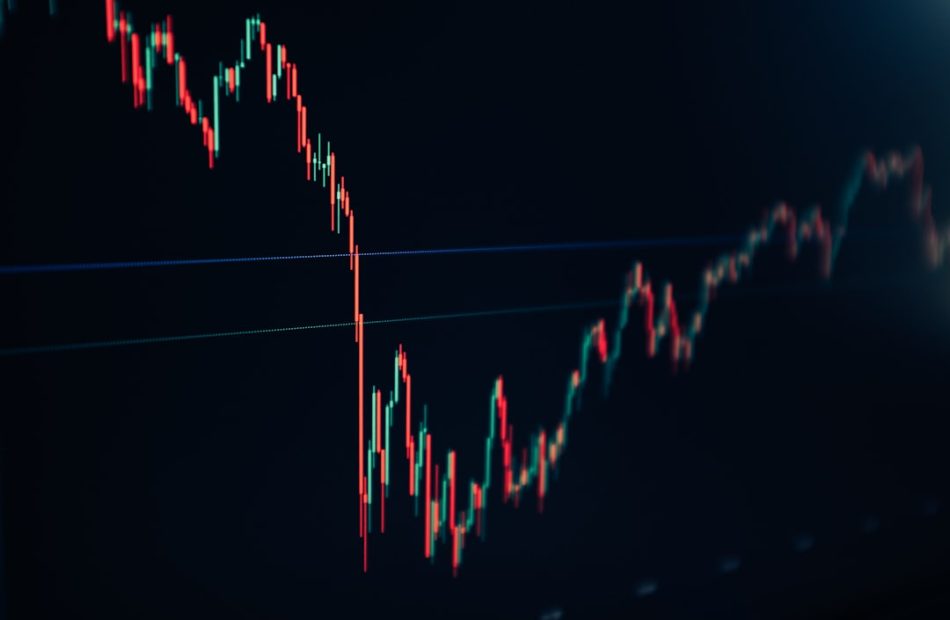
Imagine being able to glance at a chart and instantly understand the emotional tug-of-war between buyers and sellers. That’s the superpower Japanese candlestick patterns give you. Developed centuries ago by rice traders in Japan, these visual signals are still the foundation of modern technical analysis. Whether you’re a complete beginner or looking to sharpen your edge, this guide will help you decode the market’s secret language.
How It Works
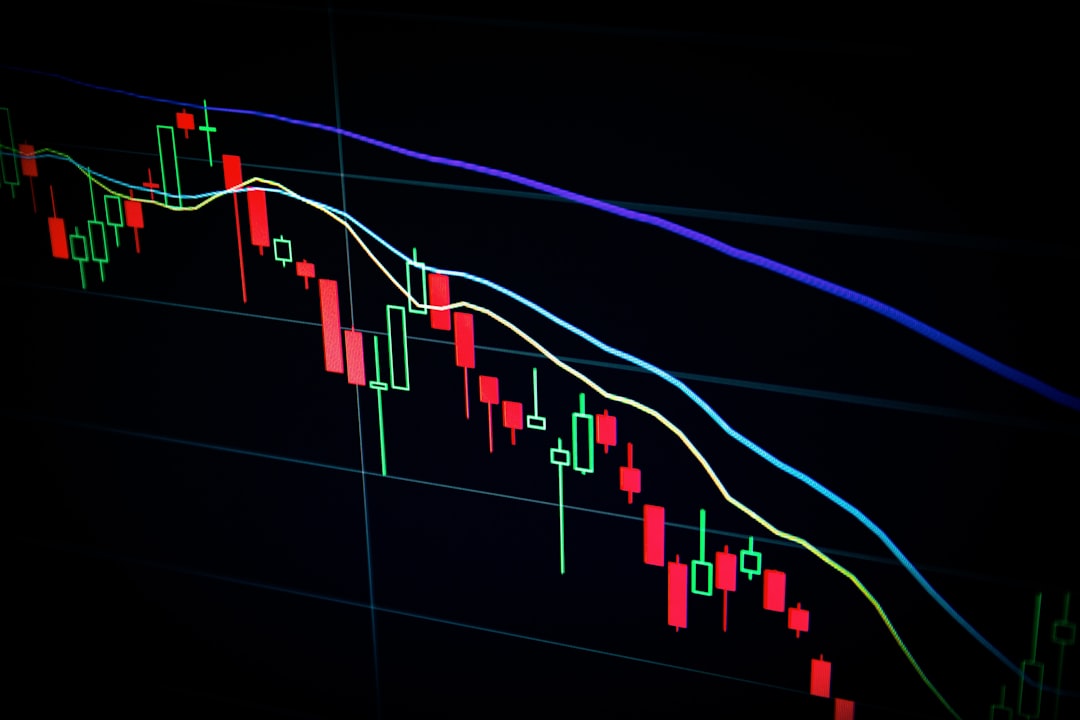
Each candlestick tells a story. The body shows the opening and closing price, while the wicks (or shadows) reveal the high and low. A green (or white) body means the price closed higher than it opened—bullish. A red (or black) body means it closed lower—bearish. But the real magic happens when you spot patterns formed by two or more candles. These patterns signal potential reversals or continuations in the market.
The Setup
Here are three essential patterns every trader should know:
1. The Hammer (Bullish Reversal)
- Appearance: A small body at the top with a long lower wick (at least twice the body length).
- Meaning: Sellers pushed the price down during the session, but buyers fought back and closed near the open. It often appears at the bottom of a downtrend, hinting at a potential reversal upward.
- How to trade: Wait for confirmation—a green candle closing above the hammer’s body. Enter long with a stop loss below the hammer’s low.
2. The Shooting Star (Bearish Reversal)
- Appearance: A small body at the bottom with a long upper wick.
- Meaning: Buyers drove the price up, but sellers took control and pushed it back down. This appears at the top of an uptrend and warns of a potential drop.
- How to trade: Wait for a red candle closing below the shooting star’s body. Enter short with a stop loss above its high.
3. The Engulfing Pattern (Strong Reversal)
- Appearance: A larger candle completely “engulfs” the previous smaller candle’s body.
- Bullish Engulfing: A green candle engulfs a red one. Buyers are taking over.
- Bearish Engulfing: A red candle engulfs a green one. Sellers are in charge.
- How to trade: Enter in the direction of the engulfing candle. For a bullish engulfing, go long with a stop below the low of the pattern. For bearish, go short with a stop above the high.
Risk Management
No pattern is 100% accurate. Always use a stop-loss order to protect your capital. A good rule of thumb is to risk no more than 1–2% of your account on any single trade. Also, look for patterns on higher timeframes (like 1-hour or daily charts)—they tend to be more reliable. Combine candlestick signals with support/resistance levels or trendlines for extra confirmation.
Conclusion
Japanese candlestick patterns give you a window into market psychology. By learning to spot the hammer, shooting star, and engulfing patterns, you’re not just reading lines on a chart—you’re reading the battle between fear and greed. Start practicing on a demo account, and soon these patterns will jump out at you like old friends. Happy trading!
South Korea Tests Government-Backed Stablecoin: What It Means for Crypto
Did you know that over $1 trillion in stablecoin transactions now settle on blockchain networks every month? These digital dollars are reshaping global finance, and now South Korea is taking a major step toward creating its own government-backed stablecoin.
Starting in August, Gyeonggi Province—South Korea’s most populous region—will launch the country’s first government blockchain stablecoin pilot. This eight-month proof-of-concept program, led by blockchain security firm ZKrypto, will test how stablecoins can work for regional currency and government payments. For crypto users worldwide, this signals that governments are seriously exploring stablecoin infrastructure.
This guide breaks down what’s happening in South Korea, why it matters for stablecoin adoption, and what everyday crypto users should know about government-backed digital currencies.
Read time: 8-10 minutes
Understanding Stablecoins for Beginners
A stablecoin is a type of cryptocurrency designed to maintain a stable value by being pegged to a reserve asset, like the U.S. dollar or gold. Think of it like a digital gift card from a major retailer—you know it’s always worth exactly what you paid for it. Unlike Bitcoin or Ethereum, which can swing 10% in a day, stablecoins aim to stay at $1.00.
Why were stablecoins created? They solve a critical problem: volatility. Before stablecoins, you couldn’t easily use crypto for everyday purchases or payments because the value might change before the transaction cleared. Stablecoins bridge the gap between traditional money and blockchain technology.
A real-world example is USDC or USDT, which are dollar-backed stablecoins used by millions for trading, sending money abroad, and earning yield in DeFi protocols. As of mid-2025, the total stablecoin market cap exceeds $180 billion, showing massive mainstream adoption.
The Technical Details: How This Government Pilot Actually Works
South Korea’s stablecoin pilot isn’t just a simple test—it’s a carefully structured program with multiple phases and specific technologies. Here’s how it breaks down:
1. Phase 1 (August-October): Core Functions Testing – The pilot will test how the stablecoin is issued, circulated, and settled. This involves creating digital tokens backed by real Korean won reserves, distributing them to users, and processing transactions between parties.
2. Phase 2 (October-December): Advanced Features – This stage examines fraud prevention measures, privacy protections, and how the stablecoin could work across public benefit programs like welfare payments or local subsidies.
3. Zero-Knowledge Proof Technology – ZKrypto will implement zero-knowledge proofs, a cryptographic technique that allows one party to prove to another that a statement is true without revealing any information beyond the validity of the statement itself. This prevents duplicate spending while protecting user privacy—like a cashier confirming you have enough money without seeing your bank balance.
4. Proof-of-Reserves Verification – The system will use proof-of-reserves technology to verify in real time that the stablecoin is fully backed by actual won reserves. This transparency mechanism helps ensure trust, similar to how a bank might publish its cash holdings.
Why this structure matters for you: This phased, security-first approach sets a precedent for how governments might adopt stablecoins responsibly. If successful, it could create a blueprint for other countries considering similar programs.
Current Market Context: Why This Matters Now
The global stablecoin landscape is evolving rapidly. As of mid-2025, dollar-denominated stablecoins like USDT and USDC dominate, but several countries are exploring alternatives to reduce reliance on the U.S. dollar.
South Korea’s move comes amid several significant developments:
- Private sector momentum: Just this week, financial super-app Toss signed a strategic agreement with Optimism and Sunnyside Labs to evaluate infrastructure for Korean won-linked stablecoins. This three-month proof-of-concept will test whether blockchain can support institutional payment systems while complying with South Korean financial regulations.
- Telecommunications giant enters: KT, South Korea’s largest telecom company, announced plans to invest 18 trillion won ($13.2 billion) over three years, including 6 trillion won for AI infrastructure and 12 trillion won for networks and cybersecurity. Critically, CEO Park Yoon-young confirmed the investment includes expanding into tokenization services and won-based stablecoin infrastructure.
- Global stablecoin adoption: The total stablecoin market cap has grown from $135 billion in early 2024 to over $180 billion as of June 2025, according to CoinGecko data. Monthly transaction volumes now regularly exceed $1 trillion.
Competitive Landscape: How South Korea’s Approach Compares
Different countries are taking very different paths toward digital currencies. Here’s how South Korea’s approach stacks up:
| Feature | South Korea (Gyeonggi Pilot) | China (Digital Yuan) | EU (MiCA Stablecoin Framework) | US (Private Stablecoins) |
|---|---|---|---|---|
| Backing | Korean won reserves | Chinese yuan (central bank) | Euro or fiat reserves | US dollar reserves |
| Control | Provincial government + private partners | Central government (PBOC) | Regulated private issuers | Private companies (Circle, Tether) |
| Privacy | Zero-knowledge proofs | Full government visibility | Privacy protections mandated | Varies by issuer |
| Timeline | Pilot through Feb 2027 | Already deployed | Framework active 2024+ | Already active |
| Primary Use Case | Regional currency, govt payments | Domestic retail payments | Regulated stablecoin issuance | Trading, remittances, DeFi |
Why this matters: South Korea’s hybrid approach—government-led but with private partners—offers a middle ground between China’s centralized model and the largely private US system. This could become a template for other nations seeking stablecoin adoption without full central bank control.
Practical Applications: Real-World Use Cases
How could South Korea’s stablecoin benefit everyday people?
- Government Benefits Distribution: Instead of paper checks or bank transfers that take days, welfare payments could be distributed instantly via stablecoin, reducing administrative costs and delays.
- Local Currency Programs: Provinces could issue their own digital currencies for local economic stimulus, similar to how some US cities experimented with local currencies but with blockchain efficiency.
- Cross-Border Remittances: South Korea has a large foreign worker population. Stablecoins could dramatically reduce the cost and time of sending money home compared to traditional remittance services that charge 6-7% fees.
- Merchant Payments: Small businesses could accept stablecoin payments with near-instant settlement and minimal fees, bypassing card network charges.
- Disaster Relief: In emergencies, funds could be distributed immediately to affected individuals without relying on damaged banking infrastructure.
Risk Analysis: Expert Perspective
Primary Risks:
1. Regulatory Uncertainty: South Korea’s financial regulators haven’t fully defined how stablecoins fit into existing laws. Changes in regulation could halt or alter the pilot.
2. Technical Challenges: Zero-knowledge proofs, while powerful, are complex to implement at scale. Bugs or vulnerabilities could compromise the system.
3. Adoption Risk: Even if the technology works, will citizens and merchants actually use a government stablecoin? User education and trust are significant hurdles.
4. Competition with Existing Systems: South Korea already has a highly efficient digital payment infrastructure. The stablecoin must offer clear advantages over existing options.
Mitigation Strategies:
- Phased rollout allows testing at each stage before scaling.
- Privacy-by-design with zero-knowledge proofs addresses surveillance concerns.
- Public-private partnerships spread risk and bring diverse expertise.
Expert Consensus: Most blockchain analysts view this as a positive development for stablecoin legitimacy. The cautious, multi-year approach suggests South Korea is prioritizing security and compliance over speed—a wise strategy for government-adjacent digital currency projects.
Beginner’s Corner: Quick Start Guide
Want to understand stablecoins better? Here’s how to get started:
1. Learn the basics: Understand that not all stablecoins are the same. Some are backed by fiat currency (USDC, USDT), others by crypto (DAI), and some are algorithmic (historically risky).
2. Check reserve transparency: Look for stablecoins that publish regular proof-of-reserves audits. Transparency is your best protection against counterparty risk.
3. Start small: If you want to try stablecoins, begin with a small amount on a reputable exchange. Buy USDC or USDT and experiment with sending it between wallets.
4. Understand tax implications: In most countries, stablecoin transactions may trigger taxable events. Keep records of all transactions.
5. Security best practice: Never share your private keys. Use hardware wallets for long-term stablecoin storage.
Common mistakes to avoid:
- Assuming all stablecoins are equally safe (they’re not)
- Keeping large amounts on exchanges for extended periods
- Ignoring regulatory changes in your jurisdiction
Future Outlook: What’s Next
The South Korea stablecoin pilot is just one piece of a larger puzzle. Here’s what to watch:
1. February 2027 Completion: The current pilot is scheduled to run until February 2027. Depending on results, it could expand to other provinces or even a national program.
2. Private Sector Acceleration: With Toss and KT both building stablecoin infrastructure, expect competing won-based stablecoins to emerge in the private sector.
3. Regulatory Framework: South Korea’s Financial Services Commission is expected to release more detailed stablecoin regulations, likely drawing from the pilot’s findings.
4. Global Implications: If successful, this model could influence how other developed economies approach government-backed stablecoins, particularly in Asia and Europe.
Key Takeaways
- South Korea is launching its first government-backed blockchain stablecoin pilot in August, led by ZKrypto and Gyeonggi Province, testing issuance, settlement, and fraud prevention.
- The pilot uses zero-knowledge proof technology to balance privacy with fraud prevention, setting a precedent for government digital currencies.
- Private sector companies like Toss and KT are also building won-based stablecoin infrastructure, showing broad industry momentum in South Korea.
- This phased, security-first approach could become a template for other nations exploring government-backed stablecoins.
How to Bridge Assets Across Blockchains Safely: A Complete Guide for 2025
As the crypto ecosystem expands into a multi-chain universe, moving assets between blockchains—known as bridging—has become an essential skill. Whether you’re chasing yield on a new DeFi protocol, accessing a cheaper gas fee environment, or exploring a different NFT marketplace, bridging allows you to transfer tokens like ETH, USDC, or SOL from one network to another. However, bridges are also prime targets for hacks and user errors. This guide will walk you through the safest methods, key risks, and best practices for bridging assets across blockchains in 2025.
Key Concepts
What is a Blockchain Bridge?
A blockchain bridge is a protocol that connects two independent blockchains, enabling the transfer of data and tokens between them. Most bridges work by locking assets on the source chain and minting a wrapped version on the destination chain. For example, when you bridge ETH from Ethereum to Arbitrum, your ETH is locked in a smart contract on Ethereum, and an equivalent amount of wrapped ETH (wETH) is minted on Arbitrum.
Types of Bridges
- Trusted Bridges: Rely on a central entity or federation to validate transactions. Examples include Binance Bridge and Celer cBridge. They are faster but introduce counterparty risk.
- Trustless Bridges: Use smart contracts and cryptographic proofs to operate without a central authority. Examples include Hop Protocol and Synapse. They are more secure but can be slower and more expensive.
- Liquidity Networks: Use atomic swaps and liquidity pools to facilitate transfers. Examples include Connext and Across. They offer fast, low-cost transfers but may have limited liquidity for certain pairs.
Common Risks
- Smart Contract Exploits: Bugs in bridge code can lead to loss of funds (e.g., Wormhole, Ronin Bridge hacks).
- Phishing Attacks: Fake bridge websites or malicious approvals can drain your wallet.
- Impermanent Loss: When providing liquidity to a bridge’s pool, price fluctuations can reduce your value.
- Reorgs and Finality Issues: Some chains have faster block times, leading to potential rollbacks.
Pro Tips
- Always double-check the bridge URL. Bookmark official links from the project’s documentation or trusted aggregators like DeFi Llama.
- Start with a small test transaction. Before bridging a large amount, send a small amount to confirm the destination address and network.
- Use a dedicated wallet for bridging. Avoid using your main wallet for frequent bridging to limit exposure to potential exploits.
- Check bridge liquidity. Ensure the destination chain has enough liquidity to mint your tokens; otherwise, your transaction may fail or get stuck.
- Monitor gas fees. Bridging can be expensive on congested networks. Use tools like GasNow or Etherscan to time your transaction.
- Revoke unnecessary approvals. After bridging, use a tool like Revoke.cash to remove token approvals from the bridge contract.
💡 Pro Tip
Looking for altcoin opportunities and smooth trading? Try KuCoin.
FAQ Section
What is the safest bridge to use?
There is no single ‘safest’ bridge, but trustless bridges like Hop Protocol, Synapse, and Across are generally considered more secure because they rely on decentralized validation. Always check the bridge’s audit history and TVL (Total Value Locked) as indicators of security.
How long does bridging take?
It varies by bridge and network. Optimistic bridges (e.g., Arbitrum, Optimism) can take 7 days for finality, while liquidity networks (e.g., Connext) can complete transfers in minutes. Always check the estimated time on the bridge interface.
Can I lose my funds while bridging?
Yes, if you send assets to the wrong address, use a malicious bridge, or if the bridge contract is exploited. Always verify the destination address and use reputable bridges.
Do I need gas on both chains?
Yes, you need the native token of the source chain (e.g., ETH on Ethereum) to pay for the transaction, and you may also need the native token on the destination chain (e.g., MATIC on Polygon) to claim or use the bridged assets.
What is a wrapped token?
A wrapped token is a representation of an asset on a different blockchain. For example, wBTC is Bitcoin wrapped on Ethereum. Wrapped tokens are pegged 1:1 to the original asset and can be redeemed through the bridge.
Conclusion
Bridging assets across blockchains is a powerful tool for navigating the multi-chain world, but it comes with significant risks. By understanding the types of bridges, following security best practices, and always verifying transaction details, you can minimize the chances of losing your funds. Start with small amounts, use trusted bridges, and stay informed about the latest security threats. For more details on this, check out our guide on Restaking Explained: EigenLayer and Beyond – The Ultimate Guide to Crypto Restaking. You might also be interested in reading about How to Bridge Assets Across Blockchains Safely: A Complete Guide for 2025.
Ride the Trend: How to Use the 200-Day Moving Average as Your Market Filter
Imagine trying to drive through a foggy mountain pass without guardrails. That’s what trading without a trend filter feels like. You might be right on a trade, but if the overall market is against you, the fog of volatility can push you off the cliff. The 200-Day Moving Average (200-MA) is your guardrail. It’s a simple, time-tested tool that helps you separate strong trends from noise, so you only take trades with the wind at your back.
How It Works
The 200-MA is the average price of an asset over the last 200 trading days. When the price is above the 200-MA, the long-term trend is considered bullish (up). When the price is below it, the trend is bearish (down). Think of it as a giant line in the sand that tells you whether the market’s big players are buying or selling.
For example, Bitcoin’s price has historically rallied when it holds above the 200-MA and struggled when it falls below. This isn’t magic—it’s psychology. Traders, institutions, and algorithms all watch this level. It becomes a self-fulfilling prophecy.
The Setup
Here’s how to set up your 200-MA trend filter in three steps:
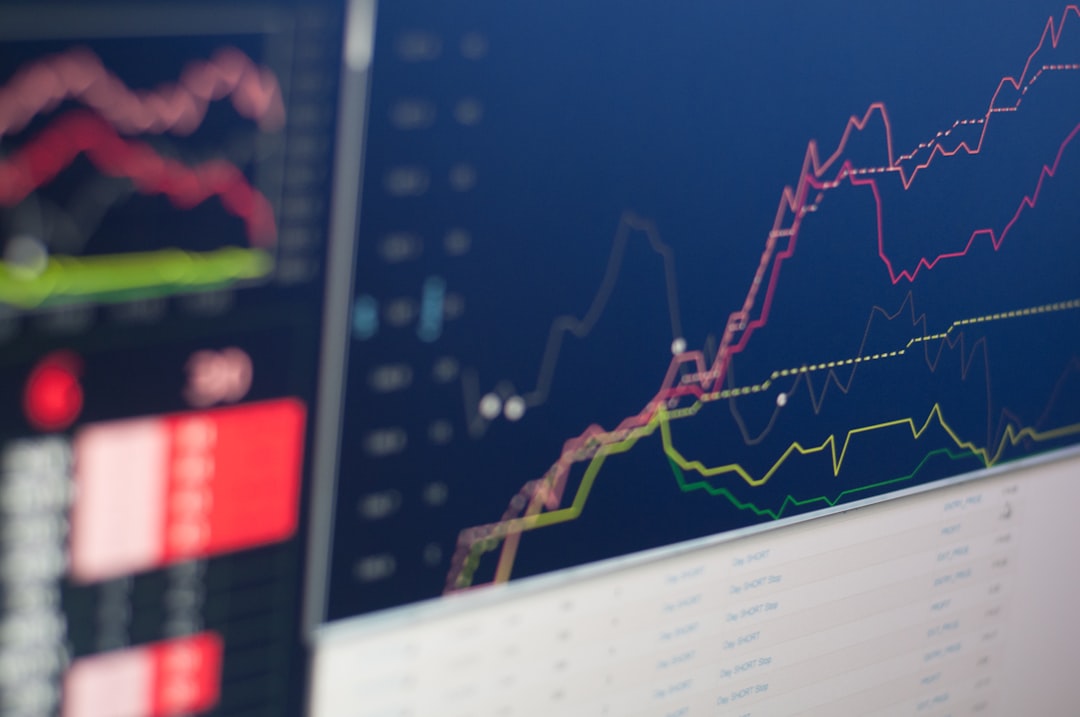
1. Add the indicator: On your chart (TradingView, Binance, etc.), add a Simple Moving Average (SMA) with a period of 200. Apply it to the closing price.
2. Define your bias:
- If price > 200-MA → Only take long (buy) trades.
- If price < 200-MA → Only take short (sell) trades.
3. Combine with entry signals: Use the 200-MA as a filter, not an entry trigger. For example, if you see a bullish candlestick pattern or RSI oversold signal, only act on it if price is above the 200-MA.
Pro Tip: The 200-MA works best on daily or weekly timeframes. Avoid using it on 1-minute charts—it’s too slow for that noise.
Risk Management
Even with a strong trend filter, no trade is guaranteed. Here’s how to protect your capital:
- Stop-loss placement: Place your stop-loss just below a recent swing low (for longs) or above a swing high (for shorts). If the price breaks the 200-MA, consider that a major warning sign to exit.
- Position sizing: Risk no more than 1-2% of your account per trade. The 200-MA filter reduces your trade frequency, so each trade should be sized conservatively.
- Avoid whipsaws: In sideways markets, the 200-MA can give false signals. Wait for a clear price rejection or a second confirmation (e.g., volume spike) before entering.
Remember: The 200-MA is a filter, not a crystal ball. It helps you stay on the right side of the market, but it won’t predict every twist. Always use a stop-loss.
Conclusion
The 200-Day Moving Average trend filter is one of the simplest ways to improve your win rate. By only trading with the long-term trend, you reduce the emotional rollercoaster and increase your probability of success. Start by adding it to your charts today, and watch how it changes your perspective. The market’s trend is your friend—let the 200-MA introduce you.
US Treasury Bills on Blockchain: The Risk-Free Rate On-Chain
Introduction: Bridging TradFi and DeFi with Tokenized T-Bills
US Treasury Bills (T-Bills) are short-term debt obligations backed by the full faith and credit of the U.S. government, traditionally considered the closest proxy to a ‘risk-free’ asset in global finance. Tokenizing these instruments on a blockchain brings the risk-free rate on-chain, allowing investors to earn yield from T-Bills through decentralized finance (DeFi) protocols. Off-chain, T-Bills trade in opaque, restricted markets with settlement delays. On-chain, they become programmable, divisible, and accessible 24/7, enabling fractional ownership and instant settlement. This guide explores how tokenized T-Bills work, their investment profile, and where to access them.
How It Works: The Tokenization Process
The process involves several steps to legally and technically bridge off-chain assets to a blockchain:
- Asset Selection & SPV Formation: A sponsor (e.g., BlackRock, Ondo Finance) creates a Special Purpose Vehicle (SPV) that holds the actual T-Bills in a custodial account.
- Tokenization: The SPV issues blockchain-based tokens (e.g., ERC-20) representing ownership of the underlying T-Bills. Each token corresponds to a fractional claim on the SPV’s assets.
- Oracle Integration: Oracles (e.g., Chainlink) feed real-time net asset value (NAV) and yield data on-chain to ensure token prices reflect the underlying T-Bill value.
- Secondary Market Trading: Tokens trade on decentralized exchanges (DEXs) or centralized platforms, providing liquidity and price discovery.
Investment Analysis: Pros, Cons, and Risks
Pros
- Accessibility: Fractional ownership lowers minimum investment barriers (e.g., $1 vs. $1,000+ for traditional T-Bills).
- 24/7 Liquidity: On-chain markets operate around the clock, unlike traditional bond markets.
- Transparency: All transactions and holdings are verifiable on public blockchains.
- Programmability: Tokens can be used as collateral in DeFi lending protocols, earning additional yield.
Cons
- Regulatory Uncertainty: Tokenized securities face evolving regulations across jurisdictions (e.g., SEC classification).
- Smart Contract Risk: Bugs or exploits in token contracts could lead to loss of funds.
- Custodial Risk: The SPV and custodian must be trusted to hold the underlying T-Bills securely.
- Yield Compression: Fees from tokenization and on-chain operations may reduce net returns compared to direct T-Bill ownership.
Risks
- Market Risk: T-Bill prices fluctuate with interest rate changes, though short maturities mitigate this.
- Liquidity Risk: Secondary markets for tokenized T-Bills may have thin order books during stress.
- Regulatory Risk: Future laws could restrict or ban tokenized securities.
For a broader market view, check out our analysis on <a href="https://cryptosimplified.net/us-treasury-bills-on-blockchain-the-risk-free-rate-on-chain/" title="Read more: US Treasury Bills on Blockchain: The Risk-Free Rate On-Chain” target=”_self”>US Treasury Bills on Blockchain: The Risk-Free Rate On-Chain.
Tool Recommendation: Accessing Tokenized T-Bills
To trade tokenized T-Bills or explore altcoin opportunities, consider using a reliable platform. KuCoin offers a wide range of digital assets, including tokenized real-world assets, with competitive fees and robust security. Looking for altcoin opportunities and smooth trading? Try KuCoin. Start trading on KuCoin here.
FAQ Section
What are tokenized US Treasury Bills?
Tokenized T-Bills are digital tokens that represent ownership of actual U.S. Treasury Bills held in a special purpose vehicle (SPV). They allow investors to earn the risk-free rate on-chain with fractional ownership and 24/7 liquidity.
How do tokenized T-Bills differ from stablecoins?
Stablecoins (e.g., USDC) aim to maintain a fixed $1 value and are often backed by cash or short-term Treasuries. Tokenized T-Bills, by contrast, fluctuate in value based on the underlying T-Bill’s NAV and yield, offering a variable return tied to the risk-free rate.
What are the main risks of investing in tokenized T-Bills?
Key risks include regulatory uncertainty, smart contract vulnerabilities, custodial risk (if the SPV fails), and potential liquidity issues in secondary markets. Always conduct due diligence on the issuer and platform.
Conclusion
Tokenized US Treasury Bills represent a significant innovation, merging the safety of government-backed debt with the efficiency of blockchain. They offer retail and institutional investors a new way to access the risk-free rate with enhanced flexibility. However, regulatory and technical risks remain. Investors often compare this to US Treasury Bills on Blockchain: The Risk-Free Rate On-Chain. As the ecosystem matures, tokenized T-Bills could become a cornerstone of on-chain finance, but careful selection of platforms and issuers is essential.