
Mark Cuban Sells Most Bitcoin Holdings After Losing Faith in Hedge Narrative
May 21, 2026 — Billionaire investor Mark Cuban revealed he has sold most of his bitcoin holdings after concluding the cryptocurrency failed to act as a hedge during recent geopolitical turmoil and dollar weakness, marking a dramatic reversal from his long-standing bullish stance on the asset.
Immediate Details & Direct Quotes
Ready to act on this news? Open an account on Binance — the world’s largest crypto exchange.
Cuban made the disclosure during an episode of Front Office Sports’ podcast “Portfolio Players,” where he discussed the performance of his cryptocurrency investments amid the recent Iran conflict. The Dallas Mavericks owner, whose net worth is approximately $10 billion, said bitcoin’s price behavior fundamentally challenged his core investment thesis.
“When all this shit hit the fan with the Iran war, bitcoin was always the best alternative to fiat currency losing its value and I always thought it was a better version of gold than gold. Well, gold just blew up… bitcoin dropped,” Cuban said on the podcast.
The billionaire investor described his decision as stemming from disappointment, stating: “Not the hedge I expected it to be, and that was really disappointing, and so I’d say I’m more disappointed in bitcoin, not as disappointed in Ethereum and the rest … garbage.”
Cuban’s comments represent a stark departure from his 2021 position, when he told The Delphi Podcast that his crypto portfolio was roughly “60% bitcoin, 30% Ethereum and 10% the rest.” At that time, he argued bitcoin’s scarcity made it a stronger store of value than gold and claimed he had “never sold it.”
Market Context & Reaction
The revelation comes as bitcoin trades at $77,640.65, with the broader crypto market continuing to debate the asset’s role in global portfolios. Cuban specifically pointed to gold’s recent surge during heightened tensions while bitcoin declined, undermining the “digital gold” narrative that many supporters have championed.
According to Cuban, “Every time the dollar dropped, bitcoin should’ve gone up … and it just didn’t do that.” This observed decoupling from traditional hedge behavior prompted his decision to exit most of his bitcoin position.
The investor contrasted his Ethereum holdings more favorably, noting he remains less disappointed in the second-largest cryptocurrency by market capitalization. He dismissed the majority of other cryptocurrencies as “garbage,” emphasizing a growing divide within the crypto space.
Background & Historical Context
Cuban had been one of the most prominent mainstream investors to publicly endorse bitcoin, frequently comparing blockchain technology and smart contracts to the early internet era. His previous praise for Ethereum focused on its ability to enable decentralized finance applications and NFTs.
His latest remarks underscore a broader debate within cryptocurrency markets. Supporters have long described bitcoin as “digital gold” capable of protecting wealth during inflation, geopolitical instability, or weakness in traditional currencies. However, the asset has frequently traded more like a high-risk technology investment, rising and falling alongside broader risk appetite.
The distinction between bitcoin’s store-of-value proposition and Ethereum’s utility-focused blockchain has become increasingly pronounced, with Cuban’s comments reflecting a wider investor reassessment.
What This Means
Cuban’s public exit from bitcoin could influence retail and institutional sentiment, particularly given his history as a vocal advocate. His move validates concerns among skeptics who argue bitcoin has not matured into the macro hedge its proponents claim.
For bitcoin investors, the development raises questions about whether the “digital gold” narrative can be restored or if the market needs to redefine the asset’s role. Traders should monitor whether other high-profile investors follow Cuban’s lead.
Ethereum may see renewed attention as Cuban’s comparatively positive outlook could shift focus toward blockchain networks supporting real-world applications rather than pure store-of-value propositions. However, the billionaire’s dismissal of most other cryptocurrencies signals continued skepticism across the broader altcoin market.
This is not financial advice. Readers should conduct their own research before making investment decisions.
Tax Loss Harvesting in Crypto: A Guide for Traders
Tax loss harvesting is a strategy that allows crypto traders to offset capital gains by selling assets at a loss, thereby reducing their overall tax liability. In the volatile crypto market, this technique can be particularly powerful—turning market downturns into tax-saving opportunities. This guide explains how tax loss harvesting works in crypto, key rules to follow, and pro tips to maximize your savings.
Key Concepts
- Capital Gains and Losses: When you sell a crypto asset for more than you paid, you realize a capital gain. Selling for less creates a capital loss. Losses can offset gains, reducing your taxable income.
- Wash Sale Rule: In traditional markets, the wash sale rule prevents you from claiming a loss if you repurchase the same asset within 30 days. However, the IRS has not yet applied this rule to cryptocurrencies, giving crypto traders more flexibility—but this could change.
- Harvesting Process: Identify underperforming assets, sell them to realize losses, and then use those losses to offset gains from profitable trades. You can also carry forward unused losses to future tax years.
- Specific Identification Method: If your exchange supports it, you can choose which lots of a cryptocurrency to sell (e.g., the highest-cost basis lots) to maximize losses.
Pro Tips
- Track Cost Basis Carefully: Use portfolio trackers or exchange reports to maintain accurate records of purchase prices, dates, and amounts.
- Harvest Before Year-End: Realize losses before December 31 to apply them to the current tax year.
- Avoid Accidental Wash Sales (for now): While not yet enforced for crypto, consider waiting 30 days before repurchasing the same asset to stay compliant if rules change.
- Consider Tax-Loss Harvesting Pairs: Sell a losing asset and buy a similar but not identical asset (e.g., sell ETH and buy SOL) to maintain market exposure while locking in a loss.
For more details on this, check out our guide on Stop Loss Secrets: How to Protect Your Crypto Profits Like a Pro.
FAQ Section
1. Can I use crypto losses to offset ordinary income?
Yes, in many jurisdictions (including the U.S.), you can deduct up to $3,000 ($1,500 if married filing separately) of net capital losses against ordinary income each year. Remaining losses can be carried forward indefinitely.
2. Does the wash sale rule apply to crypto?
As of now, the IRS has not explicitly applied the wash sale rule to cryptocurrencies. However, proposed legislation may change this, so consult a tax professional and consider waiting 30 days to be safe.
3. What if I trade on a decentralized exchange (DEX)?
You still need to report gains and losses. DEX trades are taxable events. Use blockchain explorers and transaction history to track your cost basis.
4. Can I harvest losses on NFTs?
Yes, NFTs are treated as property for tax purposes. Selling an NFT at a loss can offset gains from other crypto or NFT sales.
Conclusion
Tax loss harvesting is a smart, legal way to reduce your crypto tax bill. By understanding the key concepts, staying organized, and acting before year-end, you can turn market volatility into a strategic advantage. Always consult a tax professional to ensure compliance with your local laws.
You might also be interested in reading about US Treasury Bills on Blockchain: The Risk-Free Rate On-Chain.
The Stochastic Dip: How to Catch Fear-Driven Bounces Like a Pro
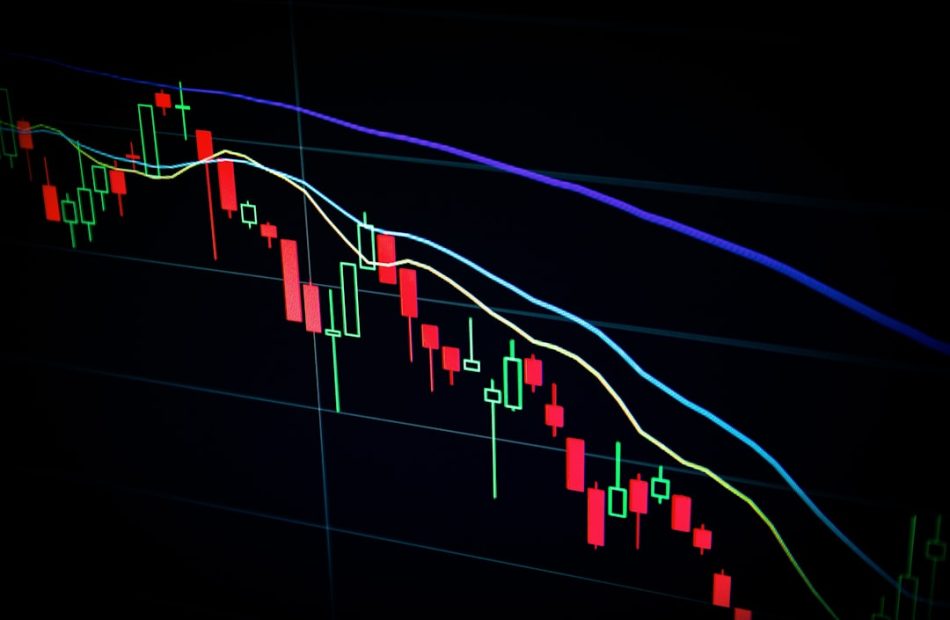
Imagine watching a coin you love drop 5% in an hour. Your first instinct might be panic, but what if I told you that very drop could be your golden entry? Welcome to the world of Stochastic Oscillator dip buying—a strategy that turns market fear into profit.
This isn’t about catching falling knives. It’s about using a proven momentum indicator to spot when a sell-off has gone too far and a bounce is statistically likely. Let’s break it down.
How It Works
The Stochastic Oscillator measures where the current price sits relative to its recent range (usually the last 14 periods). It outputs two lines: %K (fast) and %D (slow). When both lines dip below 20, the asset is considered oversold—meaning sellers have exhausted themselves and buyers might step in.
But here’s the key: Don’t buy the first touch of 20. Wait for the lines to cross back above 20. That cross is your confirmation that momentum is shifting from bearish to bullish.
The Setup
1. Timeframe: Use a 1-hour or 4-hour chart for swing trades. Lower timeframes (5-min) are too noisy for this strategy.
2. Indicator Settings: Standard 14,3,3 (periods, smoothing, signal).
3. The Trigger:
- Both %K and %D drop below 20.
- Wait for %K to cross above %D while still below 30 (the “oversold bounce zone”).
- Enter the trade on the next candle close after the cross.
4. Optional Filter: Check that the asset isn’t in a long-term downtrend. Use a 200-period moving average—price should be above it for higher success.
Risk Management
No strategy works 100% of the time. Here’s how to protect your capital:
- Stop Loss: Place it 2-3% below the recent swing low (the lowest point before the bounce).
- Take Profit: Aim for 1.5x to 2x your risk. If you risk 2%, target 3-4% profit.
- Position Size: Never risk more than 1-2% of your portfolio on a single trade.
- Avoid During News: Major announcements can break technical patterns. Stay out 30 minutes before and after high-impact news.
Common Mistakes
- Buying at 20 without a cross: The price can stay oversold and keep dropping. Patience pays.
- Ignoring the trend: In a strong downtrend, oversold can stay oversold. Always check the bigger picture.
- Over-leveraging: Dip buying is about precision, not gambling. Use small leverage (2x max) or spot trading.
Final Thoughts
The Stochastic Oscillator dip buying strategy is a beautiful blend of art and science. It doesn’t predict the future, but it gives you a statistical edge when fear is at its peak. Practice on a demo account first. Track your trades. Refine your entry.
Remember: The market rewards discipline, not desperation. When everyone else is panicking, you’ll be calmly setting your buy order. That’s the power of the Stochastic dip.
Protecting Satoshi’s Bitcoin: How Quantum-Resistant Crypto Works
Did you know that over $600 billion in crypto assets could be at risk from future quantum computers? While this sounds like a distant threat, a startup called AmericanFortress claims to have a solution that could protect even Satoshi Nakamoto’s legendary 1.1 million Bitcoin stash. The challenge is real: quantum computers may one day crack the cryptographic locks protecting billions in dormant crypto wallets. For anyone holding Bitcoin or other cryptocurrencies, understanding this quantum threat and the proposed fix is essential for long-term security planning. This guide explains quantum-resistant cryptography in plain language, breaks down AmericanFortress’s proposed solution, and shows what it means for your crypto holdings in 2026 and beyond.
Read time: 8-10 minutes
Understanding Quantum Attacks for Beginners
Quantum computing uses the strange properties of quantum physics to solve certain problems exponentially faster than classical computers. Think of it like this: a classical computer is like checking one library book at a time, while a quantum computer can read entire shelves simultaneously.
Why does this matter for crypto? Today’s blockchain security relies on mathematical puzzles that are incredibly hard for normal computers to solve. A sufficiently powerful quantum computer could solve these puzzles in minutes, potentially exposing private keys from public addresses. This is particularly dangerous for “dormant wallets”—old Bitcoin addresses created before modern security standards existed, like Satoshi’s original stash.
The threat isn’t immediate. Current quantum computers are too weak to break Bitcoin’s encryption (specifically the Elliptic Curve Digital Signature Algorithm or ECDSA). But researchers estimate that within 10-15 years, quantum machines could become powerful enough. The crypto industry is racing to build defenses before that day arrives.
Real-world example: When you receive Bitcoin, your public key is visible on the blockchain. If you later spend from that address, the public key is fully exposed. A future quantum computer could theoretically reverse-engineer your private key from that public key and steal your remaining funds.
The Technical Details: How AmericanFortress’s Solution Works
AmericanFortress claims to have developed a patent-pending post-quantum signature scheme that protects existing crypto without requiring users to move all their funds. Here’s how their multi-layer approach works:
1. Pre-BIP32 Raw Key Protection: Satoshi-era wallets use “Pre-BIP32” addresses—meaning they were created before the Bitcoin Improvement Proposal that introduced seed phrases. Because these wallets have no seed phrase to upgrade, AmericanFortress proposes a “defensive freeze” via a backward-compatible soft fork.
2. Standard BIP32 Quantum Protection: For newer wallets that do have seed phrases, the protocol uses zero-knowledge (ZK) proofs to verify ownership without exposing private keys. This happens in about 50 milliseconds via a simple wallet prompt.
3. QBIP32 Derivation Scheme: A high-speed quantum-resistant derivation system that works natively with existing cryptographic curves, causing no performance slowdown.
How the soft fork works: A “soft fork” is a backward-compatible upgrade to the blockchain’s rules. In this case, the upgrade would automatically freeze vulnerable pre-BIP32 addresses until the community votes on what to do next—move the funds, burn them, or redistribute them.
Why this structure matters: The key innovation is that users don’t need to migrate all their funds immediately. Instead, the protocol protects funds at the base layer, and governance decides the long-term path. This solves the “collective action problem” that has plagued other quantum-proofing attempts.
Current Market Context: Why This Matters Now
As of May 2026, the quantum computing debate has moved from theoretical conversations to real-world implementation. AmericanFortress’s announcement comes with an $8 million seed funding round co-led by SAVA Digital Asset Fund, Moon Pursuit Capital, and 0G Labs.
The market context is significant: AmericanFortress claims that over $600 billion in crypto assets are in a vulnerable state, including 100% of Solana addresses and roughly 5 million dormant Bitcoin (worth about $400 billion at current prices). This includes Satoshi’s 1.1 million BTC—the largest known concentration of Bitcoin.
Recent developments: This week, a standard quantum-security test on BNB Chain worked but slowed transaction throughput by 40%. AmericanFortress claims their approach avoids this performance impact entirely, citing their ability to integrate natively with existing cryptographic curves.
The timing is also regulatory. As frameworks like MiCA in Europe and potential SEC guidance in the US continue to evolve, quantum-proofing major assets could become a selling point for institutional adoption and regulatory compliance.
Competitive Landscape: How AmericanFortress Compares
| Feature | AmericanFortress | Other Quantum-Resistant Projects (e.g., Quantum Resistant Ledger, QANplatform) | No Action (Status Quo) |
|---|---|---|---|
| Approach | Soft-fork + ZK proofs + QBIP32 derivation | New blockchains or hard forks | Wait for quantum threat to materialize |
| User Impact | Minimal—node + wallet software update | Requires moving to entirely new blockchain | High—potential mass fund loss at Q-day |
| Timeline | Weeks to months for Bitcoin BIP discussion | Already operational on their own chains | Unknown—depends on quantum advances |
| Supported Chains | Bitcoin, Ethereum, Solana, Tron | Their native chains only | N/A |
| Performance Impact | Negligible (native integration) | Variable—some slower than legacy chains | No change until threat arrives |
Why this matters for users: AmericanFortress’s key advantage is backward compatibility. You don’t need to abandon your existing wallets or move to a new blockchain. The solution works with the coins and chains you already use.
Practical Applications: Real-World Use Cases
Why should the average crypto user care about quantum-resistant protocols?
- Protecting Long-Term Holdings: If you’re a “HODLer” with Bitcoin in cold storage for years, this solution could safeguard your funds without requiring you to manually migrate everything. The soft fork would automatically freeze vulnerable addresses.
- Securing Dormant Wallets: Think of inherited crypto, old mining rewards, or forgotten exchange accounts. These “dormant wallets” are prime targets for future quantum attacks because their public keys are exposed on-chain.
- Institutional Compliance: As regulatory frameworks evolve, banks and institutions holding crypto may need to demonstrate quantum resistance to meet security standards. Solutions like AmericanFortress’s could become compliance requirements.
- Exchange and Custody Upgrades: Exchanges and custody providers (like Coinbase or BitGo) could integrate the solution to protect billions in customer funds, reducing their long-term liability.
Risk Analysis: Expert Perspective
Primary Risks:
1. Technical Risk: The proposed cryptographic methods haven’t been battle-tested for years. History shows that quantum-resistant algorithms can have undiscovered weaknesses that only emerge after extensive real-world use.
2. Governance Risk: The soft fork would freeze Satoshi-era wallets until the community votes on what to do. This creates a messy debate—should the funds be redistributed? Burned? Held indefinitely? This could fracture the community.
3. Adoption Risk: The solution requires node operators and wallet providers to update their software. A significant portion of the network must adopt the upgrade for it to be effective, which takes time and coordination.
Mitigation Strategies:
- AmericanFortress is actively licensing their SDK to Layer 1 and Layer 2 blockchains in exchange for marketing positioning, which could accelerate adoption.
- The company says the cryptographic methods for Bitcoin will be ready for discussion within weeks, ahead of a June 2 presentation in Paris.
- The approach uses existing cryptographic curves, reducing the risk of introducing new vulnerabilities.
Expert Consensus: Leading developers agree there is no near-term quantum threat, but they also agree that proactive planning is wise. The debate is about how to prepare without disrupting existing networks.
Future Outlook: What’s Next
AmericanFortress has laid out a clear roadmap:
1. June 2026: Official presentation in Paris, where the cryptographic methods for Bitcoin will be formally discussed.
2. Weeks After: The company expects to submit a Bitcoin Improvement Proposal (BIP) that would implement the soft fork for pre-BIP32 wallets.
3. Ongoing: Licensing the SDK to Layer 1 and Layer 2 blockchains in exchange for marketing positioning. The company is also open to exclusive acquisitions.
The broader trend is clear: quantum resistance is moving from research topic to active implementation. Expect more projects, proposals, and debates as the industry prepares for Q-day—the day quantum computers become powerful enough to break current encryption.
Key Takeaways
- AmericanFortress claims to have a post-quantum solution that could protect Satoshi’s 1.1 million BTC and millions more dormant coins worth about $400 billion.
- The proposed fix uses a backward-compatible soft fork to freeze vulnerable pre-BIP32 wallets until the community decides their fate—no mass fund migrations required.
- Over $600 billion in crypto assets are potentially vulnerable because their public keys are exposed on-chain, including 100% of Solana addresses.
- The solution requires only simple node and wallet software updates with no performance degradation, unlike other quantum-security tests that slowed transaction throughput by 40%.
How to Bridge Assets Across Blockchains Safely: A Step-by-Step Guide
Bridging assets across blockchains is an essential skill for any crypto user who wants to move tokens between networks like Ethereum, Binance Smart Chain, Polygon, or Solana. However, the process carries risks such as hacks, slippage, and user error. This guide will walk you through the safest methods, key concepts, and pro tips to protect your funds.
Key Concepts
- Cross-Chain Bridge: A protocol that locks tokens on one chain and mints equivalent tokens on another.
- Wrapped Tokens: Tokens like WETH or WBTC that represent an asset from another chain.
- Liquidity Pool: A pool of funds that facilitates swaps across chains.
- Validator/Relayer: Entities that verify transactions between chains.
- Slippage: The difference between expected and actual price due to market movement.
Pro Tips
- Use Audited Bridges: Only use bridges that have been audited by reputable firms like CertiK or Trail of Bits.
- Start Small: Test with a small amount first to ensure the bridge works correctly.
- Check Network Congestion: High gas fees can eat into your transfer. Bridge during low-traffic hours.
- Verify Contract Addresses: Always double-check the token contract address on the destination chain.
- Enable Two-Factor Authentication (2FA): Secure your exchange and wallet accounts.
FAQ Section
What is a blockchain bridge?
A blockchain bridge is a protocol that allows you to transfer tokens or data from one blockchain to another.
Are bridges safe?
Bridges have been targeted by hackers (e.g., the Ronin Bridge hack). However, using well-audited, decentralized bridges with strong security measures reduces risk significantly.
How long does a bridge transfer take?
It varies from a few minutes to over an hour, depending on network congestion and the bridge’s design.
What are the fees involved?
You’ll pay gas fees on both the source and destination chains, plus a bridge fee (often 0.1%–1% of the amount).
Can I bridge any token?
Not all tokens are supported. Check the bridge’s supported assets list before initiating a transfer.
Conclusion
Bridging assets across blockchains is a powerful tool for DeFi users, but it requires caution. Always use audited bridges, start with small amounts, and keep your private keys secure. For more details on this, check out our guide on Iowa Signs Crypto ATM Licensing and Oversight Bill Into Law. You might also be interested in reading about Real World Assets (RWA): How Tokenization Changes Investing.
Missouri AG Sues Coinflip, Alleges 21.9% Hidden Fees on Bitcoin ATMs
May 21, 2026 — Missouri Attorney General Catherine Hanaway filed a lawsuit against Coinflip operator GPD Holdings LLC on May 20, 2026, accusing the company of hiding transaction fees reaching 21.9% while knowingly facilitating cryptocurrency fraud through its network of over 140 Bitcoin ATMs across the state.
Immediate Details & Direct Quotes
Looking for altcoin opportunities and smooth trading? Try KuCoin.
The lawsuit, filed in the Circuit Court of Jasper County, Missouri’s 29th Judicial Circuit, seeks up to $1,826,000 in civil penalties under the Missouri Merchandising Practices Act (MMPA). Coinflip operates more than 5,500 crypto ATMs nationwide, with over 140 kiosks placed in Missouri convenience stores, liquor stores, gas stations, and vape shops as of late 2025.
“Coinflip has become the getaway car for financial predators targeting Missouri residents,” Hanaway stated in the filing. “While scammers take the bulk of the victims’ money, Coinflip takes a large cut from every transaction and has hidden just how large that cut really is.”
The complaint details three victim cases. An 80-year-old veteran lost between $180,000 and $200,000 between September 2025 and March 2026 to a scammer posing as an investment advisor. The victim sold his vehicle, drained investment accounts, and nearly lost his apartment after being directed to deposit cash into Coinflip machines.
A second victim deposited $1,000 at a vape shop kiosk after a caller impersonating a Jefferson County sheriff’s deputy claimed she faced arrest warrants for missing jury duty. Coinflip refunded only $182.38 in fees. A third victim deposited $900 at a machine labeled “FDIC Police Monitored” after a similar fake warrant scam and reportedly recovered nothing.
Market Context & Reaction
The lawsuit alleges Coinflip displayed only a $2.99 flat network fee on its machines while burying a separate transaction fee of up to 21.9% inside its terms of service. Under that structure, a Missouri resident depositing $100 in cash would receive roughly $75.76 worth of Bitcoin. None of the three named victims recall any clear disclosure of the full fee amount.
Federal Trade Commission data cited in the complaint shows fraud losses at Bitcoin ATMs increased nearly tenfold from 2020 to 2023. In the first half of 2024 alone, reported losses topped $65 million, with a median reported loss of $10,000 per transaction. Reported losses by adults over 60 have risen more than twentyfold since 2020.
The complaint argues Coinflip had access to Elliptic blockchain analytics software capable of flagging suspicious wallet activity, and each kiosk is equipped with a remotely accessible video camera. The suit alleges Coinflip’s internal data from 2021 showed 99.64% of transactions involved purchases rather than sales—a pattern consistent with scam-driven one-way deposits.
Background & Historical Context
Hanaway’s office launched a statewide investigation in December 2025, issuing Civil Investigative Demands to five crypto ATM operators, including Coinflip, to examine anti-fraud policies and fee disclosures. This lawsuit is the first direct result of that investigation.
Similar actions have been brought in other states. Iowa previously sued Coinflip and other Bitcoin ATM operators on comparable grounds. The Missouri case fits a pattern of state attorneys general using consumer protection statutes to target cryptocurrency kiosk companies as fraud vectors.
Coinflip called the lawsuit “meritless” and described it as a “misguided attack” on a licensed operator. “The Attorney General is wrongfully targeting the company that championed the law that protects Missourians from criminal scammers,” the company said. “Rather than waste taxpayer money pursuing a licensed and regulated company, the Attorney General’s office should investigate, catch and stop those criminals preying on Missourians across the financial services ecosystem.”
What This Means
The state seeks civil penalties up to $1,826,000, calculated at $1,000 per MMPA violation over five years, along with restitution for victims statewide. The court is also asked to suspend Coinflip’s Missouri operations until effective fraud-prevention measures are implemented.
For crypto ATM users, this case highlights the importance of verifying fee disclosures and understanding that kiosks in public locations may charge significantly more than the advertised network fee. Regulators are increasingly scrutinizing ATM operators as fraud vectors, potentially leading to stricter state-level licensing requirements for crypto kiosk operators nationwide.
Not financial advice. Always conduct your own research before using cryptocurrency services.
—
The Golden Cross: Your First Step to Riding Major Crypto Trends
Imagine a signal that tells you, with a high degree of historical accuracy, when a major uptrend is about to begin. That’s the promise of the Moving Average Golden Cross. It’s one of the most respected and widely followed technical patterns in all of trading, and for good reason. While it’s not a crystal ball, understanding this simple crossover can help you filter out noise and align your trades with the market’s strongest momentum.
How it Works
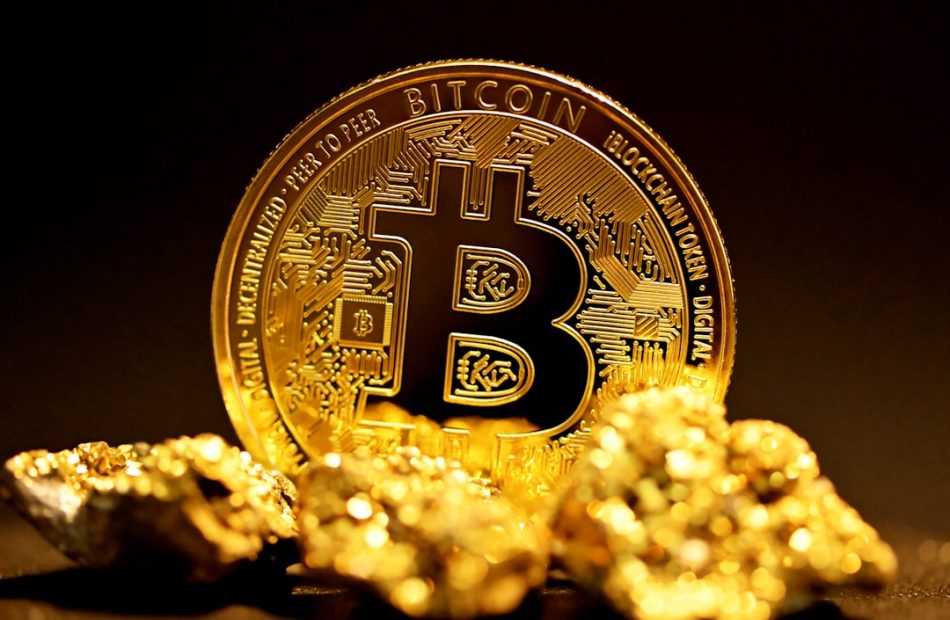
The Golden Cross is a bullish signal that occurs when a short-term moving average (like the 50-period MA) crosses above a long-term moving average (like the 200-period MA). This event signals that the recent average price is accelerating faster than the longer-term average, suggesting a shift in sentiment from bearish to bullish.
The Setup
To spot a Golden Cross, you only need two moving averages on your chart:
Looking for altcoin opportunities and smooth trading? Try KuCoin.

1. The 50-period Moving Average (Fast MA): This represents the short-term trend (roughly 2 months of daily data).
2. The 200-period Moving Average (Slow MA): This represents the long-term trend (roughly 8 months of daily data).
The Ideal Conditions:
- Trend Context: The price should ideally have been in a downtrend or sideways range for some time before the cross. The Golden Cross works best as a reversal signal.
- Volume Confirmation: Look for increasing trading volume on the day of the cross. Higher volume adds credibility to the signal.
- The Crossover: Wait for the 50 MA to clearly cross above the 200 MA. A close above is more reliable than an intraday cross.
Risk Management
Even the Golden Cross isn’t perfect. False signals happen, especially in choppy, sideways markets. Here’s how to protect yourself:
- Set a Stop-Loss: Place your stop-loss just below the most recent swing low before the cross, or just below the 200 MA itself. If the price breaks back below the 200 MA, the signal has likely failed.
- Wait for a Retest: Some traders wait for the price to pull back and “test” the newly formed support at the 200 MA before entering. This provides a better risk/reward ratio.
- Don’t Chase: If the price has already run 20%+ above the cross, the easy money is gone. Wait for the next pullback or a different setup.
Conclusion
The Moving Average Golden Cross is a classic, time-tested tool that helps you trade with the trend, not against it. It’s not a quick scalp, but a roadmap for medium to long-term moves. Add it to your toolkit, combine it with volume and support/resistance levels, and you’ll have a powerful edge in the crypto markets. Remember: patience is the trader’s greatest virtue—let the cross come to you.
Tokenized Real Estate: How to Invest with $50
Tokenized real estate is a groundbreaking application of Real World Assets (RWA) that allows investors to buy fractional ownership in income-generating properties using blockchain technology. Unlike traditional real estate, which requires large capital outlays and offers limited liquidity, tokenized real estate enables you to start investing with as little as $50. This guide explains the off-chain vs. on-chain difference, the technical process, and the risks and rewards of this emerging asset class.
What Is Tokenized Real Estate?
Tokenized real estate represents ownership of a physical property through digital tokens on a blockchain. Each token corresponds to a fraction of the property’s value and entitles the holder to a proportional share of rental income and capital appreciation. The key distinction lies in off-chain vs. on-chain: the underlying property (off-chain) is held by a Special Purpose Vehicle (SPV), while the tokens (on-chain) represent legal claims to that SPV. Oracles bridge the gap by feeding real-world data—such as property valuations and rental yields—onto the blockchain.
How It Works: The Technical Process
The process involves several steps to ensure legal compliance and transparency:
- Tokenization: A property is valued, and its ownership is divided into digital tokens (e.g., 10,000 tokens representing a $500,000 property).
- SPV Creation: A legal entity (SPV) is formed to hold the property title. Token holders own shares in the SPV.
- Oracles: Smart contracts use oracles to update token prices based on appraisals and market data.
- Blockchain: Tokens are issued on a blockchain (e.g., Ethereum, Polygon) and traded on secondary markets, providing 24/7 liquidity.
Investment Analysis: Pros, Cons, and Risks
Pros
- Low Entry Barrier: Start with $50 instead of tens of thousands.
- Liquidity: Trade tokens on exchanges instead of waiting months to sell a property.
- Transparency: All transactions and ownership records are on-chain and auditable.
Cons
- Regulatory Uncertainty: Securities laws vary by jurisdiction; tokens may be classified as securities.
- Smart Contract Risk: Bugs or exploits in the token contract could lead to loss of funds.
- Illiquidity of Secondary Markets: Not all tokens have active trading volumes.
For a broader market view, check out our analysis on The Stochastic Oscillator Dip-Buying Strategy: Catching Rallies Before They Start.
Investors often compare this to Real World Assets (RWA): How Tokenization Changes Investing | Complete Guide.
Tool Recommendation
If you’re ready to explore tokenized real estate, start by familiarizing yourself with the ecosystem on a trusted platform. You can practice this setup safely on Binance, which offers access to RWA-related tokens and educational resources. Create your Binance account here to begin.
FAQ
Is tokenized real estate legal?
Yes, but it must comply with securities regulations in your country. Most platforms use SPVs and accredited investor checks to remain compliant.
Can I lose my entire investment?
Yes. Like any real estate investment, property values can decline. Additionally, smart contract bugs or platform insolvency could result in total loss.
How do I earn yield from tokenized real estate?
Yield comes from rental income distributed proportionally to token holders, typically paid in stablecoins or the native token. APY varies by property and occupancy rates.
Conclusion
Tokenized real estate democratizes access to a traditionally exclusive asset class, offering fractional ownership, liquidity, and transparency. However, it carries regulatory and technical risks that require due diligence. For investors with a small budget and a long-term horizon, it represents a compelling way to diversify into real estate. Start small, research platforms, and always understand the legal structure behind the tokens.
How to Secure Your Crypto Wallet: A Step-by-Step Guide
Introduction
Securing your crypto wallet is the most critical step in protecting your digital assets. With billions of dollars lost to hacks, phishing, and user error each year, understanding wallet security is not optional—it’s essential. This guide walks you through every layer of protection, from choosing the right wallet to advanced security practices.
Key Concepts
- Private Keys vs. Seed Phrases: Your private key is the password to your funds; your seed phrase (12–24 words) is the master backup. Never share either.
- Hot vs. Cold Wallets: Hot wallets (e.g., MetaMask, Trust Wallet) are connected to the internet and convenient but riskier. Cold wallets (e.g., Ledger, Trezor) are offline and far more secure for long-term storage.
- Multi-Factor Authentication (MFA): Adds an extra layer of security beyond just a password. Use hardware-based MFA (like YubiKey) when possible.
- Smart Contract Risks: Approving tokens or interacting with dApps can expose your wallet to exploits. Always verify contracts and revoke unused permissions.
Pro Tips
- Write your seed phrase on paper or metal (never digitally) and store it in a fireproof safe or bank deposit box.
- Use a dedicated browser or device for crypto transactions to minimize exposure to malware.
- Regularly check and revoke token approvals using tools like Etherscan or Revoke.cash.
- Enable transaction simulation (e.g., via Blowfish or Pocket Universe) before signing any transaction.
FAQ Section
What is the safest type of crypto wallet?
Hardware wallets (cold storage) like Ledger or Trezor are considered the safest for holding significant amounts of crypto because they keep private keys offline.
Should I use a custodial or non-custodial wallet?
Non-custodial wallets (where you control the private keys) are generally safer for long-term storage. Custodial wallets (like exchange wallets) are more convenient but introduce counterparty risk.
How often should I back up my wallet?
Back up your seed phrase once when you create the wallet. If you generate new addresses or change wallets, create a fresh backup. Test your backup by restoring it on a separate device.
What should I do if my wallet is compromised?
Immediately transfer funds to a new wallet with a fresh seed phrase. Revoke all token approvals. Change passwords and enable MFA on all associated accounts. Report the incident to relevant platforms.
Conclusion
Securing your crypto wallet is a continuous process, not a one-time setup. By combining cold storage, strong backups, cautious dApp interactions, and regular security reviews, you can dramatically reduce the risk of losing your assets. For more details on this, check out our guide on Real World Assets (RWA): How Tokenization Changes Investing. You might also be interested in reading about US Treasury Bills on Blockchain: The Risk-Free Rate On-Chain.

Bridging the Gap: How to Trade Real World Assets (RWA) Tokenization
Imagine owning a piece of a Manhattan skyscraper, a rare Picasso, or a barrel of premium crude oil—all from your crypto wallet. That’s the promise of Real World Asset (RWA) tokenization, and it’s reshaping how we think about value, liquidity, and trading in the digital age.
For traders, RWAs aren’t just a buzzword; they represent a new frontier of opportunity. By bringing traditional assets like real estate, bonds, commodities, and even intellectual property onto blockchain networks, tokenization unlocks liquidity, fractional ownership, and 24/7 markets. In this post, we’ll break down what RWAs are, how you can trade them, and the key risks to manage.
How It Works
At its core, RWA tokenization converts the ownership rights of a physical or financial asset into a digital token on a blockchain. Each token represents a fraction of the underlying asset. For example, a $10 million commercial property might be tokenized into 10,000 tokens worth $1,000 each. These tokens can then be traded on decentralized exchanges (DEXs) or specialized RWA platforms.
The process involves three main steps:

1. Asset Selection & Valuation: An issuer selects a real-world asset and gets it professionally appraised.
2. Legal Structuring: A legal entity (like a trust or SPV) holds the asset, and smart contracts govern token issuance and compliance.
3. Minting & Listing: Tokens are minted on a blockchain (often Ethereum, Polygon, or a Layer 2) and listed on trading platforms.
The Setup
To start trading RWA tokens, you’ll need:
- A compatible wallet (e.g., MetaMask, Trust Wallet)
- Some ETH or stablecoins for gas fees and purchases
- Access to a DEX or RWA marketplace (e.g., Uniswap, Centrifuge, Ondo Finance)
Trade Example: Suppose you want exposure to tokenized U.S. Treasury bills. Platforms like Ondo Finance offer tokens like USDY (tokenized yield-bearing notes). You can buy them directly with USDC. The token price stays stable but accrues yield over time—similar to a bond ETF, but tradable 24/7.
Risk Management
RWA tokenization is exciting, but it’s not without risks. Here’s how to stay safe:
- Counterparty Risk: The asset is only as good as the issuer and legal structure. Stick to established platforms with audits and transparent custody.
- Liquidity Risk: Some RWA tokens have thin order books. Avoid large market orders; use limit orders and check liquidity before entering.
- Regulatory Risk: The legal status of RWAs varies by jurisdiction. Stay informed about securities laws in your region.
- Smart Contract Risk: Even audited contracts can have bugs. Diversify across different protocols and never invest more than you can afford to lose.
- Valuation Risk: Unlike pure crypto, RWAs rely on off-chain appraisals. Monitor the underlying asset’s health (e.g., property vacancy rates, bond ratings).
Conclusion
Real World Asset tokenization is more than a trend—it’s a paradigm shift that merges traditional finance with decentralized technology. For traders, it offers a way to diversify into stable, yield-generating assets without leaving the crypto ecosystem. Start small, prioritize due diligence, and treat each trade as a learning opportunity. The bridge between the physical and digital worlds is open, and the opportunities are just beginning to unfold.