
KYC vs No-KYC Exchanges: Privacy Guide 2026
In 2026, the debate between KYC (Know Your Customer) and no-KYC exchanges has never been more critical. As global regulations tighten and privacy concerns grow, traders must navigate a complex landscape where convenience, security, and anonymity often clash. This comprehensive guide breaks down everything you need to know about KYC vs no-KYC exchanges, helping you make an informed decision that aligns with your privacy needs and trading goals.
Key Concepts
What is KYC? KYC is a process where exchanges verify your identity by collecting personal information such as a government-issued ID, proof of address, and sometimes a selfie. This is mandatory for regulated platforms to comply with anti-money laundering (AML) and counter-terrorism financing (CTF) laws.
What are No-KYC Exchanges? No-KYC exchanges allow users to trade cryptocurrencies without submitting personal identification. These platforms prioritize user privacy and often operate in a decentralized or semi-decentralized manner. However, they may have lower liquidity, fewer features, and higher risks of scams.
Key Differences:
- Privacy: No-KYC offers full anonymity; KYC requires identity disclosure.
- Security: KYC exchanges are generally more secure and regulated; no-KYC platforms can be riskier.
- Features: KYC exchanges offer fiat on-ramps, higher limits, and advanced tools; no-KYC platforms may lack these.
- Regulation: KYC exchanges comply with local laws; no-KYC platforms operate in a legal gray area.
Pro Tips
1. Assess Your Privacy Needs: If you value absolute anonymity, consider no-KYC exchanges for small trades. For larger volumes, use KYC platforms with strong security measures.
2. Use a VPN: Regardless of your choice, always use a VPN to mask your IP address and add an extra layer of privacy.
3. Check Exchange Reputation: Research user reviews, security audits, and history of hacks before committing to any platform.
4. Diversify Your Strategy: Use a mix of KYC and no-KYC exchanges to balance privacy and functionality. For example, use a KYC exchange for fiat deposits and a no-KYC platform for anonymous trades.
5. Stay Updated on Regulations: Crypto laws evolve rapidly. In 2026, many countries are tightening KYC requirements, so monitor changes that may affect your chosen exchange.
💡 Pro Tip
Looking for altcoin opportunities and smooth trading? Try KuCoin.
FAQ Section
Q: Are no-KYC exchanges legal? A: It depends on your jurisdiction. In many countries, no-KYC exchanges operate in a legal gray area. Always check local laws before using them.
Q: Can I use a VPN to bypass KYC? A: While a VPN can hide your IP, most KYC exchanges require identity verification that cannot be bypassed. Attempting to do so may result in account suspension.
Q: Which is safer: KYC or no-KYC? A: KYC exchanges are generally safer due to regulatory oversight and security protocols. No-KYC platforms carry higher risks of scams and hacks.
Q: What are the best no-KYC exchanges in 2026? A: Popular options include Bisq, Hodl Hodl, and decentralized exchanges like Uniswap. However, always do your own research.
Q: How do I choose between KYC and no-KYC? A: Consider your privacy needs, trading volume, and risk tolerance. For most users, a hybrid approach works best.
Conclusion
Choosing between KYC and no-KYC exchanges in 2026 ultimately comes down to your personal priorities. If you value privacy above all, no-KYC platforms offer anonymity but come with trade-offs in security and features. On the other hand, KYC exchanges provide a safer, more regulated environment at the cost of personal data exposure. The smartest approach is often a balanced one: use KYC exchanges for large, regulated transactions and no-KYC platforms for smaller, privacy-sensitive trades. For more details on this, check out our guide on Carbon Credits: How Tokenization is Fixing the Market. You might also be interested in reading about Tokenizing the World: How Real World Assets (RWA) Are Reshaping Crypto Trading. Stay informed, stay safe, and trade wisely.

The Golden Cross: Your First Step into Trend-Following Trading
Let’s be honest—there are a million trading strategies out there, and most of them are overcomplicated. But the Golden Cross? It’s been around for decades, and it’s still one of the most reliable trend-following signals in crypto. Why? Because it’s simple, it works, and it helps you catch big moves before they explode.
How It Works
The Golden Cross happens when a short-term moving average crosses above a long-term moving average. The most common setup uses the 50-period moving average (short-term) and the 200-period moving average (long-term). When the 50 crosses above the 200, it signals that momentum is shifting from bearish to bullish. Think of it as the market saying, “Hey, the trend is turning up—time to pay attention.”
The Setup
Here’s how you set it up on your chart:
1. Add the 50-period SMA (Simple Moving Average) to your price chart.
2. Add the 200-period SMA to the same chart.
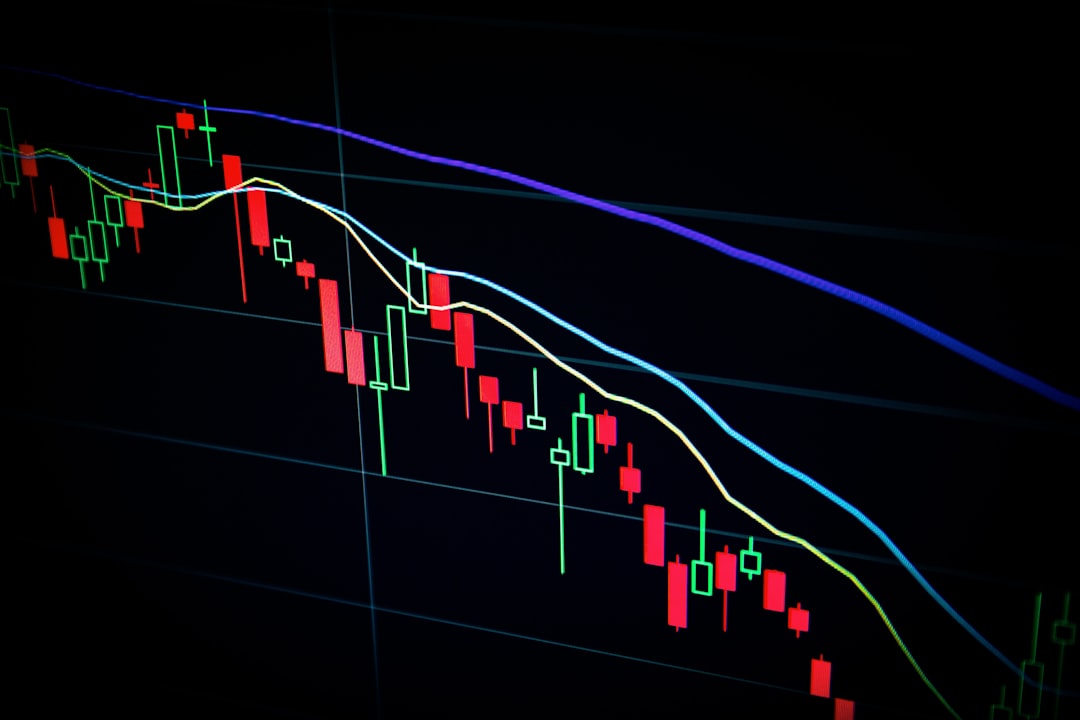
3. Wait for the 50 to cross above the 200. That’s your signal.
4. Look for confirmation—ideally, the price should also be above both moving averages, and volume should be increasing.
A real Golden Cross isn’t just a crossover; it’s a confluence of factors. If the crossover happens after a long downtrend, it’s much more powerful. If volume is low or the market is choppy, it might be a false signal.
Risk Management
No signal is perfect, and the Golden Cross can give false signals in sideways markets. Here’s how to protect yourself:
- Set a stop-loss below the 200-period moving average or below the most recent swing low.
- Take partial profits at key resistance levels or when the price gets extended (e.g., 20-30% above the moving averages).
- Don’t chase—if the crossover happened days ago and the price is already up 40%, wait for a pullback to enter.
Remember, the Golden Cross is a trend-following tool, not a crystal ball. It works best in strong trending markets (like Bitcoin in 2020-2021). In choppy or range-bound markets, it can lead to whipsaws. Always pair it with other indicators like RSI or volume for extra confirmation.
Final Thoughts
The Golden Cross is a classic for a reason. It’s easy to spot, easy to trade, and has a proven track record across stocks, crypto, and forex. Start by practicing on a demo chart or with small size. Once you see it in action—when a 50/200 crossover catches a massive uptrend—you’ll understand why it’s a staple in every trader’s toolkit.
Stay patient, stay disciplined, and let the trend be your friend.
Stablecoin Yield Strategies: Low Risk Farming Guide for 2025
Stablecoin yield farming has become one of the most popular ways to earn passive income in the crypto space without exposing yourself to the extreme volatility of assets like Bitcoin or Ethereum. By lending, staking, or providing liquidity with stablecoins (e.g., USDT, USDC, DAI), you can generate consistent returns while preserving your capital. This guide covers the safest strategies, key concepts, and actionable tips to help you get started with low-risk stablecoin farming.
Key Concepts
- Stablecoins: Cryptocurrencies pegged to a stable asset like the US dollar. Common examples include USDT (Tether), USDC (Circle), and DAI (MakerDAO).
- Yield Farming: The practice of locking up your crypto assets in decentralized finance (DeFi) protocols to earn rewards, often in the form of additional tokens or interest.
- Liquidity Pools: Smart contracts that hold funds from multiple users. By providing liquidity (e.g., depositing USDC and ETH), you earn trading fees and sometimes governance tokens.
- Lending/Borrowing: Platforms like Aave or Compound allow you to lend your stablecoins to borrowers and earn variable interest rates.
- Impermanent Loss: A risk when providing liquidity to volatile asset pairs. Using stablecoin-only pools (e.g., USDC/USDT) minimizes this risk.
- APY vs. APR: Annual Percentage Yield (APY) includes compounding, while APR does not. Higher APY often means more frequent compounding.
Pro Tips
- Start with centralized platforms: For beginners, using a reputable centralized exchange like Binance offers simpler interfaces and lower risk of smart contract bugs.
- Diversify across protocols: Spread your stablecoins across multiple platforms (e.g., Aave, Compound, Curve) to reduce protocol-specific risk.
- Monitor gas fees: On Ethereum, high gas fees can eat into small yields. Consider using Layer 2 solutions like Arbitrum or Optimism for lower costs.
- Check audit reports: Only use protocols that have been audited by top firms like Trail of Bits or Certik.
- Reinvest rewards: Compound your earnings by regularly claiming and redepositing rewards to maximize APY.
FAQ Section
What is the safest stablecoin yield strategy?
The safest strategy is lending your stablecoins on a well-audited platform like Aave or Compound, where you earn interest from borrowers. Alternatively, using a centralized exchange’s earn product (e.g., Binance Earn) offers similar safety with added convenience.
How much can I earn from stablecoin farming?
Returns vary widely based on market conditions. Typically, you can expect 2-8% APY from lending, while liquidity mining on stablecoin pools can yield 5-15% APY. Always be cautious of extremely high yields, as they often come with higher risk.
Is stablecoin farming taxable?
Yes, in most jurisdictions, rewards from yield farming are considered taxable income. You should consult a tax professional and keep detailed records of your transactions.
What are the risks of stablecoin farming?
Key risks include smart contract bugs, protocol insolvency, stablecoin de-pegging (e.g., UST collapse), and regulatory changes. Stick to established protocols and consider using insurance platforms like Nexus Mutual for added protection.
Can I lose my stablecoins?
While stablecoins themselves are designed to maintain their peg, you can lose funds if the protocol you use is hacked or if the stablecoin loses its peg. Using reputable platforms and diversifying can mitigate these risks.
Conclusion
Stablecoin yield farming offers a compelling way to earn passive income with lower risk compared to volatile crypto assets. By understanding key concepts like liquidity pools, impermanent loss, and APY, and by following pro tips such as diversifying across protocols and monitoring gas fees, you can build a sustainable low-risk farming strategy. For more details on this, check out our guide on Bitcoin Layer 2s: Stacks, Lightning, and Runes Guide. You might also be interested in reading about Private Credit on Blockchain: Earning High Yields. Start small, stay informed, and always prioritize security over chasing the highest returns.
US Treasury Bills on Blockchain: The Risk-Free Rate On-Chain
The concept of a ‘risk-free rate’ has long been a cornerstone of traditional finance, typically represented by the yield on short-term US Treasury Bills (T-Bills). Now, through the power of tokenization, this benchmark asset is being brought on-chain, allowing investors to access a stable, government-backed yield within the decentralized finance (DeFi) ecosystem. This guide explores how US Treasury Bills are being tokenized, the investment opportunities they present, and how to navigate this emerging asset class.
What Are Tokenized US Treasury Bills?
Tokenized US Treasury Bills are digital representations of actual US government debt obligations issued by the Department of the Treasury. Unlike traditional T-Bills, which are bought and sold through brokerages or directly from the government with settlement times of T+1 or T+2, tokenized T-Bills exist on a blockchain. This means they can be traded 24/7, settled instantly, and fractionalized, allowing smaller investors to access yields that were previously reserved for institutional players.
The key difference between off-chain and on-chain T-Bills lies in accessibility and liquidity. Off-chain, you need a brokerage account and a minimum investment of $100 or more. On-chain, you can buy a fraction of a T-Bill for as little as a few dollars, and you can trade it at any time, even on weekends. This bridges the gap between TradFi and DeFi, bringing a regulated, low-risk yield into the world of smart contracts.
How It Works: The Technical Process
The tokenization of US Treasury Bills involves a multi-step process that ensures the digital token is backed by a real-world asset. Here’s how it typically works:
- Asset Selection: A fund manager (e.g., BlackRock, Franklin Templeton, or a specialized RWA platform) purchases actual US Treasury Bills through a regulated custodian.
- Special Purpose Vehicle (SPV): The T-Bills are held in a legally separate SPV, which issues shares or units that represent ownership of the underlying asset. This structure protects investors in case the fund manager goes bankrupt.
- Tokenization: The SPV’s shares are then tokenized on a blockchain (often Ethereum, Polygon, or Solana) as ERC-20 or similar tokens. Each token represents a proportional claim on the underlying T-Bills.
- Oracle Integration: A trusted oracle (e.g., Chainlink) provides real-time pricing data for the T-Bills, ensuring the token’s value reflects the actual market price of the underlying asset. This data is used for minting and redemption.
- On-Chain Distribution: The tokens are distributed to investors via DeFi protocols, centralized exchanges, or directly through the fund manager’s platform. Investors can hold, trade, or use the tokens as collateral in DeFi lending markets.
Data from RWA.xyz shows that the total value locked (TVL) in tokenized US Treasury products has grown significantly, with major players like Ondo Finance, Maple Finance, and Backed Finance leading the charge.
Investment Analysis: Pros, Cons, and Risks
Tokenized US Treasury Bills offer a unique blend of safety and innovation, but they are not without risks. Here’s a balanced analysis:
Pros
- Low Risk: Backed by the full faith and credit of the US government, these are considered one of the safest investments available.
- 24/7 Liquidity: Unlike traditional T-Bills, which have limited trading hours, tokenized versions can be bought or sold at any time, providing instant access to funds.
- Fractional Ownership: Investors can start with small amounts, democratizing access to a yield that was previously only available to large institutions.
- Transparency: All transactions are recorded on a public blockchain, providing a clear audit trail of ownership and yield distribution.
Cons
- Smart Contract Risk: The tokenization process relies on smart contracts, which can have bugs or be exploited by hackers. This is a non-negligible risk.
- Regulatory Uncertainty: The legal status of tokenized securities varies by jurisdiction. Changes in regulation could impact the ability to trade or redeem tokens.
- Custodial Risk: The underlying T-Bills are held by a custodian. If the custodian fails or acts fraudulently, the tokens could lose value.
- Yield Compression: As more capital flows into these products, yields may compress due to increased competition and management fees.
For a broader market view, check out our analysis on The Ichimoku Cloud: Your All-in-One Trading Dashboard. Investors often compare this to Private Credit on Blockchain: Earning High Yields, as both offer fixed-income exposure in DeFi.
Tool Recommendation
To analyze the performance of tokenized T-Bills and track yield trends, you need reliable charting tools. For the best charting tools to spot this pattern, try Bitget. Their platform offers real-time data on RWA tokens, including price charts, volume, and yield history, making it easier to make informed investment decisions.
FAQ Section
What is the yield on tokenized US Treasury Bills?
The yield on tokenized T-Bills closely tracks the yield of the underlying US Treasury Bills, minus management fees (typically 0.15% to 0.50% annually). As of early 2025, yields range from 4% to 5% APY, depending on the duration and the platform. Always check the current yield on the specific token’s dashboard.
Are tokenized T-Bills regulated?
Yes, most reputable tokenized T-Bill products are issued by regulated entities. For example, Franklin Templeton’s OnChain US Government Money Fund (FOBXX) is registered with the SEC. However, the regulatory framework for tokenized securities is still evolving, and investors should verify the legal structure of any product before investing.
How do I redeem tokenized T-Bills for fiat currency?
Redemption processes vary by platform. Most allow you to sell the token on a secondary market (e.g., a DEX or CEX) for stablecoins, which can then be converted to fiat. Some platforms also offer direct redemption with the issuer, usually within 1-2 business days. Always check the redemption terms before investing.
Conclusion
Tokenized US Treasury Bills represent a significant step forward in the convergence of traditional finance and blockchain technology. They offer a low-risk, liquid, and accessible way to earn a stable yield, making them an attractive option for both retail and institutional investors. However, investors must remain vigilant about smart contract risks, regulatory changes, and custodial dependencies. As the RWA ecosystem matures, tokenized T-Bills are likely to become a core component of the DeFi landscape, providing a true ‘risk-free rate’ on-chain.
Polymarket UMA Exploit: What Happened and Are User Funds Safe?
A suspected exploit on a Polymarket contract on the Polygon network has created confusion and concern in the crypto community. Security researchers reported losses exceeding $520,000, with attackers rapidly draining funds. However, a Polymarket contributor quickly clarified that user funds and market resolutions remain safe. This guide explains the incident, what caused it, and what it means for prediction market users in 2025.
Read time: 8-10 minutes
Understanding Smart Contract Exploits for Beginners
A smart contract exploit occurs when an attacker finds and uses a weakness in a blockchain’s automated code to steal funds or manipulate outcomes. Think of it like finding a hidden backdoor in a bank’s security system that was never meant to be there.
Smart contracts are self-executing programs that run on blockchains like Polygon or Ethereum. They automatically execute agreements when conditions are met—no middleman required. But like any software, they can contain bugs or vulnerabilities.
Why do these exploits happen? The fundamental challenge is that blockchain code is public and immutable. Once deployed, it cannot be easily changed. This transparency is great for trust but also means attackers can study the code for weaknesses. The rise of decentralized finance (DeFi) has made smart contracts prime targets, with hundreds of millions of dollars stolen in 2024 alone.
A real-world crypto example is the 2024 KyberSwap exploit, where a sophisticated attacker manipulated contract logic to drain $50 million from liquidity pools. Most major DeFi protocols have experienced some form of security incident.
The Technical Details: How This Polymarket Incident Unfolded
The Polymarket UMA CTF Adapter contract on Polygon was the focus of a suspected exploit flagged by onchain analyst ZachXBT. Here’s what security researchers found:
1. Initial Detection: ZachXBT alerted the community that the Polymarket UMA CTF Adapter contract had “potentially been exploited,” with losses above $520,000. The attacker’s wallet address was identified as `0x8F98075db5d6C620e8D420A8c516E2F2059d9B91`.
2. Funds Drained: Security firm PeckShield confirmed two addresses—`0x871D…9082` and `0xf61e…4805`—were drained of approximately $520,000. Some stolen funds were already deposited into ChangeNOW, a cryptocurrency exchange.
3. Rapid Withdrawal Pattern: Blockchain analytics firm Bubblemaps warned that attackers were removing 5,000 POL (Polygon’s native token) every 30 seconds, with losses quickly rising to an estimated $600,000.
4. PolygonScan Verification: Data from PolygonScan showed repeated outgoing transfers of 5,000 POL from the drained address to a wallet tagged as Polymarket’s UMA CTF Adapter Admin, matching the pattern Bubblemaps identified.
Why this structure matters for you: Understanding the attack pattern helps users recognize warning signs. Rapid, automated withdrawals from a contract are a red flag that something is wrong. The real-time monitoring by security firms like PeckShield and Bubblemaps demonstrates why onchain analytics are essential for crypto safety.
Current Market Context: Why This Matters Now
The Polymarket incident arrives as prediction markets have exploded in popularity. According to recent reports, platforms like Polymarket and Kalshi have grown into one of finance’s fastest-moving sectors, with billions of dollars wagered on events from elections to sports and economic outcomes.
As of May 2026, Polymarket processes millions of dollars in weekly trading volume. The platform’s reliance on the UMA (Universal Market Access) protocol for dispute resolution makes this contract vulnerability particularly significant. The UMA CTF Adapter is responsible for connecting markets to UMA’s Optimistic Oracle, which provides resolution data for prediction markets.
This incident also comes amid increased regulatory scrutiny. Wisconsin recently filed a lawsuit against Polymarket, Kalshi, Coinbase, Robinhood, and entities linked to Crypto.com, arguing that some prediction markets function as unlicensed gambling products. A technical security incident adds another layer of concern for users and regulators alike.
The broader DeFi security landscape is concerning. Recent weeks saw Echo Protocol pause its bridge after unauthorized eBTC minting, while the Verus Ethereum bridge faced an $11.5 million forged-transfer attack (though the exploiter later returned 4,052 ETH).
Competitive Landscape: How Polymarket Compares
Polymarket operates in a growing prediction market ecosystem. Here’s how it compares to key competitors:
| Feature | Polymarket | Kalshi | Augur |
|---|---|---|---|
| Blockchain | Polygon | None (regulated CFTC) | Ethereum |
| Key Technology | UMA for dispute resolution | Centralized order book | REP token for reporting |
| Regulatory Status | Unregulated (US scrutiny) | CFTC-regulated | Unregulated |
| User Experience | Web3 wallet required | Traditional fiat on-ramp | Complex metamask flow |
| Security History | Multiple UMA-related controversies | No major exploits | Less active user base |
| Market Types | Crypto-native, politics, sports | US-focused (elections, economics) | Crypto-native, niche events |
Why this matters: Polymarket’s decentralized, crypto-native approach offers global access and censorship resistance but introduces smart contract risks. Kalshi’s regulated model provides legal clarity but limits market types and requires KYC. Augur, while pioneering, failed to achieve meaningful adoption due to complexity and liquidity issues.
Practical Applications: Real-World Use Cases for Prediction Markets
Despite security concerns, prediction markets serve valuable functions in the crypto ecosystem:
- Hedging Uncertainty: Users can hedge real-world risks by betting on political outcomes, economic events, or regulatory decisions. A crypto miner might bet against a bill that could ban mining.
- Information Aggregation: Prediction markets often forecast events more accurately than polls or experts. The “wisdom of the crowd” principle makes them powerful forecasting tools.
- Speculation: Traders can profit from accurately predicting outcomes, similar to sports betting but with broader event types.
- Testing Beliefs: Users can put money behind their convictions, creating accountability for their predictions about politics, technology, or economics.
Risk Analysis: Expert Perspective
Primary Risks:
1. Smart Contract Risk: As this incident shows, vulnerable contracts can lead to fund loss. Even audited code may contain undiscovered bugs.
2. Private Key Compromise: Polymarket contributor Shantikiran Chanal stated the exploit stemmed from “a private key compromise of a wallet used for internal operations, not contracts or core infrastructure.” This highlights how internal security practices can create vulnerabilities.
3. Regulatory Risk: US authorities increasingly view prediction markets as unlicensed gambling, creating potential legal exposure for users.
4. Resolution Manipulation: Earlier reports noted that a large UMA whale allegedly influenced a Polymarket market outcome, raising questions about oracle voting power.
Historical Precedent: This isn’t Polymarket’s first controversy. Earlier UMA-related incidents raised questions about market resolution trust. The platform has faced repeated questions about its regulatory compliance and market integrity.
Mitigation Strategies:
- Use hardware wallets and strong key management practices
- Research platforms’ security history and audit records
- Only risk funds you can afford to lose
- Monitor official communication channels for alerts
Expert Consensus: The immediate situation appears contained to internal operations, not core smart contracts. However, the incident reinforces that no DeFi platform is immune to security events. Users should always practice good security hygiene.
Beginner’s Corner: Quick Start Guide to Protecting Your Crypto
If you use DeFi platforms, here’s how to stay safer:
Step 1: Use a hardware wallet like Ledger or Trezor for significant holdings. Never store large amounts on exchange wallets or hot wallets.
Step 2: Before using any DeFi protocol, check its security history on platforms like DeFiLlama or Rekt.news for past exploits.
Step 3: Monitor official social media channels and Discord servers for security announcements. Follow reputable onchain analysts like ZachXBT.
Step 4: Never share your private keys or seed phrase with anyone. No legitimate platform will ever ask for them.
Step 5: Consider using separate wallets for different activities—one for daily DeFi interactions and another for long-term storage.
Common mistakes to avoid: Clicking links from unknown sources, approving unlimited token allowances for contracts, and ignoring security warnings from blockchain explorers.
Future Outlook: What’s Next for Polymarket
Following this incident, several developments are expected:
1. Improved Security Audits: Polymarket will likely accelerate security reviews of all contracts and internal wallet management practices.
2. Community Trust Rebuilding: The platform must transparently communicate about the incident and its resolution to maintain user confidence.
3. Regulatory Implications: Regulators may use this incident to argue that prediction markets require stronger oversight and security standards.
4. DeFi Security Evolution: Expect more platforms to implement real-time monitoring systems and automated pause mechanisms for suspicious activities.
The suspected exploit highlights the tension between decentralization and security. While Polymarket’s team acted quickly to reassure users that funds were safe, the incident demonstrates that even established platforms face ongoing security challenges.
Key Takeaways
- User funds and market resolutions on Polymarket remain safe following a suspected exploit limited to internal operations, not core smart contracts.
- The exploit involved the UMA CTF Adapter contract on Polygon, with attackers draining over $520,000 by compromising a private key used for internal operations.
- Security researchers tracked rapid fund movement of 5,000 POL every 30 seconds, demonstrating the importance of onchain monitoring.
- Prediction markets face ongoing security and regulatory risks, even as they grow in popularity and market influence.
,
“datePublished”: “2026-05-22T06:02:10.564-04:00”,
“dateModified”: “2026-05-22T06:02:10.564-04:00”,
“mainEntity”: {
“@type”: “Thing”,
“name”: “Polymarket UMA Exploit”
}
}
Polymarket Appoints Japan Representative, Targets 2030 Regulatory Approval
May 22, 2026 — Decentralized prediction market platform Polymarket has appointed Mike Eidlin as its Japan representative and launched a formal lobbying campaign aimed at securing government authorization by 2030. The move follows Polymarket’s record-breaking $10 billion monthly trading volume in March 2026 and signals the company’s long-term commitment to entering one of Asia’s most regulated financial markets.
Immediate Details & Direct Quotes
Ready to act on this news? Open an account on Binance — the world’s largest crypto exchange.
Polymarket’s Japan entry strategy involves engaging with the Financial Services Agency (FSA) and lawmakers to establish a new regulatory framework for prediction markets. According to a Bloomberg report published on May 22, the company’s 2030 timeline reflects the deliberate nature of Japan’s regulatory process, which requires extended review periods for new product categories tied to decentralized finance infrastructure.
“Polymarket sees Japan as a large, untapped opportunity given that the country has one of Asia’s most developed retail investor bases and a strong appetite for speculative trading products,” the Bloomberg report states. However, prediction markets currently sit in a legal grey area in Japan — neither explicitly authorized nor outright banned — meaning formal operations at scale would require either a new regulatory category or a legislative amendment.
Polymarket’s appointment of Mike Eidlin as Japan representative comes as the company pursues several major milestones. In April 2026, the platform attracted 678,342 unique users, more than eight times the implied user base of rival Kalshi. The company has also been in talks to raise $400 million at a $15 billion valuation.
Market Context & Reaction
Polymarket’s Japan push follows significant regulatory and product achievements earlier this year. The platform received Commodity Futures Trading Commission (CFTC) authorization to operate as a designated contract market (DCM) in the United States, a milestone that enabled it to launch perpetual futures trading.
In April 2026, Polymarket introduced Polymarket USD, a new stablecoin that replaced bridged USDC.e as its primary collateral. The company also completed a smart contract infrastructure upgrade that reduced gas fees for users.
Japan’s regulatory environment for crypto has been a bellwether for Asia since the 2014 collapse of Mt. Gox. The country was among the first globally to implement a formal licensing framework for crypto exchanges, requiring all platforms to register with the FSA. However, that framework has not yet addressed prediction markets as a distinct product class.
Polymarket’s decision to appoint a representative now and begin lobbying early signals a long-term institutional approach rather than opportunistic expansion. The company’s $10 billion monthly trading volume in March 2026 and subsequent user growth underscore its commercial momentum ahead of the Japan market entry.
Background & Historical Context
Japan’s crypto regulatory framework emerged after the Mt. Gox collapse in 2014, when the Tokyo-based exchange lost approximately 850,000 Bitcoin. The incident prompted the Japanese government to create one of the world’s first comprehensive licensing systems for cryptocurrency exchanges, overseen by the FSA.
Since then, Japan’s regulatory approach has expanded steadily but has not yet addressed prediction markets as a product class. The 2030 approval timeline reflects the meticulous nature of Japan’s regulatory process, which typically requires extended review periods for new product categories, especially those tied to decentralized finance infrastructure and crypto-collateralized markets.
Polymarket’s broader platform growth has accelerated significantly in 2026. The company’s CFTC authorization as a designated contract market earlier this year marked a major regulatory breakthrough in the United States, while its infrastructure upgrades have improved user experience and reduced transaction costs.
What This Means
The 2030 target indicates that Polymarket expects Japan’s regulatory process to take several years, consistent with the country’s methodical approach to financial innovation. The company’s early appointment of a local representative and initiation of lobbying efforts suggest a sustained commitment to navigating Japan’s regulatory landscape rather than seeking fast-track entry.
For Japan’s retail investors, Polymarket’s potential entry could provide access to prediction markets that are currently unavailable through regulated channels. However, any formal launch remains contingent on the FSA creating a new product classification or lawmakers amending existing financial regulations.
Polymarket’s ongoing product development — including the new Polymarket USD stablecoin and perpetual futures trading — positions the platform to offer diversified services if Japan approval is secured. The company’s $15 billion valuation discussions reflect investor confidence in the prediction market sector’s commercial potential, particularly as regulatory frameworks evolve globally.
—

The Hidden Power of Support and Resistance Flips: How Smart Traders Profit from Role Reversals
Ever watched a level that used to be rock-solid resistance suddenly turn into a springboard for price to launch higher? That’s not magic—it’s a support and resistance flip. This concept is one of the most reliable patterns in technical analysis, yet many beginners overlook it. In this post, we’ll break down exactly what a flip is, how to spot it, and how to trade it with confidence.
How It Works
Support and resistance levels are psychological zones where buying or selling pressure has historically been strong. A flip (also called a role reversal) occurs when a level that previously acted as resistance becomes support, or vice versa. This happens because market participants remember the level: traders who missed the breakout now want to buy the retest, while those who sold the resistance now cover their positions, creating new demand.
For example, imagine Bitcoin rallies to $30,000 and gets rejected multiple times. Then, it finally breaks above $30,000 on high volume. Later, it pulls back to $30,000—and instead of falling, it bounces. That level has flipped from resistance to support.
The Setup
To trade a flip, you need three things:

1. A clear horizontal level – Mark a zone where price has reversed at least twice.
2. A decisive breakout – Price must break through the level with conviction (strong candle close and increased volume).
3. A retest – Price returns to the broken level, which now acts as the opposite role.
Entry: Place a limit order at the retested level (or wait for a bullish/bearish candlestick confirmation).
Stop Loss: A few ticks below/above the flip level (depending on direction).
Target: Previous swing high/low, or a risk-reward ratio of at least 1:2.
Risk Management
Flipped levels are powerful, but they can fail. If the retest breaks through the level again, the flip is invalidated. Always use a stop loss. A good rule is to place your stop just beyond the level by 1-2% (or 1 ATR). Also, avoid trading flips on low timeframes (under 15 minutes) because noise can cause false breakouts. Combine the flip with a momentum indicator like RSI or MACD for extra confirmation.
Conclusion
Support and resistance flips are a trader’s edge because they reveal where the market’s memory is strongest. By waiting for a clean breakout and retest, you align yourself with the smart money. Practice spotting these flips on a daily chart first, then scale down. Remember: the best trades are the ones where the level is obvious, the breakout is clear, and the retest gives you a low-risk entry point. Now go find your next flip!
The Rise of AI Agents in Crypto: A Complete Guide
Introduction
Artificial intelligence is reshaping the cryptocurrency landscape. AI agents — autonomous programs that can analyze data, execute trades, and manage portfolios — are becoming essential tools for traders and investors. This guide explains what AI agents are, how they work in crypto, and how you can leverage them for better returns.
Key Concepts
- AI Agent: A software program that perceives its environment, makes decisions, and takes actions to achieve specific goals — all without human intervention.
- Smart Contract Integration: AI agents can interact with blockchain smart contracts to automate trading, lending, and yield farming.
- On-Chain Data Analysis: Agents analyze real-time blockchain data (transaction volume, wallet activity, liquidity pools) to identify profitable opportunities.
- Risk Management: Advanced agents use machine learning to adjust strategies based on market volatility and historical patterns.
- Decentralized AI: Some projects are building AI models directly on blockchain networks, ensuring transparency and censorship resistance.
Pro Tips
- Start with a small capital: Test any AI agent strategy with a minimal amount before scaling up.
- Monitor gas fees: High transaction costs can eat into profits. Choose platforms with low fees.
- Diversify agent strategies: Use different agents for different market conditions (trend following, arbitrage, mean reversion).
- Keep private keys secure: Never share API keys or wallet credentials with untrusted agents.
- Stay updated: AI models need regular retraining. Follow project updates and community discussions.
FAQ Section
What is an AI agent in crypto?
An AI agent is an autonomous program that uses machine learning and data analysis to make trading decisions, manage portfolios, or interact with DeFi protocols without human input.
Are AI agents profitable?
Profitability depends on market conditions, agent design, and fees. Many users report consistent returns, but no strategy is guaranteed. Always backtest and start small.
Do I need coding skills to use AI agents?
Not necessarily. Many platforms offer no-code interfaces where you can configure agents using drag-and-drop tools. However, custom strategies may require basic programming knowledge.
Which blockchain is best for AI agents?
Ethereum, Solana, and BNB Chain are popular due to their large DeFi ecosystems and low latency. For low fees, consider layer-2 solutions like Arbitrum or Optimism.
Can AI agents be hacked?
Like any software, AI agents can have vulnerabilities. Use audited platforms, limit API permissions, and never store large amounts in hot wallets connected to agents.
Conclusion
AI agents are transforming crypto trading and DeFi by enabling automation, speed, and data-driven decisions. While they offer exciting opportunities, success requires careful strategy selection, fee management, and security practices. Start small, stay informed, and leverage low-fee platforms to maximize your edge.
For more details on this, check out our guide on India’s FIU Mandates Live Selfies, Geolocation for Crypto Sign-Ups.
You might also be interested in reading about Top RWA Projects to Watch in 2026: Tokenized Assets Guide.
Ethereum Identity Crisis Explained: What the Brain Drain Means for ETH
The Ethereum Foundation has lost several high-profile researchers in recent weeks, but why should everyday crypto users care? When key talent leaves a project, it often signals deeper strategic issues. In Ethereum’s case, this “brain drain” has triggered a public debate about whether the foundation’s leadership and priorities are still aligned with the network’s long-term success. For ETH holders and decentralized application users, understanding this internal conflict is crucial—it directly impacts development speed, competitive positioning, and potentially the value of your holdings. This guide breaks down what’s happening at the Ethereum Foundation, why critics say the organization needs a radical restructuring, and what this means for the broader Ethereum ecosystem in 2025.
Read time: 10-12 minutes
Understanding the Ethereum Foundation’s Role for Beginners
The Ethereum Foundation (EF) is a non-profit organization that was created to support the development and growth of the Ethereum blockchain. Think of it as a research institute and grant-making body that funds core protocol development, organizes developer conferences, and helps steer the network’s technical direction.
Why was it created? When Ethereum launched in 2015, the EF was established to ensure the network had dedicated resources for ongoing development. Unlike a company, it wasn’t designed to control Ethereum—the blockchain is decentralized and open-source. Instead, the EF’s mission is to steward the ecosystem by funding critical work, from the proof-of-stake transition (The Merge) to scalability solutions (Layer 2 rollups).
A real-world crypto example: The EF funded the development of Solidity (Ethereum’s programming language) and continues to bankroll researchers like Dankrad Feist, who recently departed. The foundation’s role is akin to a university research department: it produces knowledge and talent, but it doesn’t own or operate the network it studies.
The Technical Details: Why Key Talent Matters to Ethereum
When a project loses core researchers, it’s not just about optics. These experts possess deep technical knowledge that directly impacts the network’s evolution. Here’s what their work involves:
1. Core Protocol Research: High-profile researchers like Dankrad Feist focus on fundamental improvements—things like sharding, data availability sampling, and consensus mechanism upgrades. Losing them means losing years of accumulated expertise on Ethereum’s most complex systems.
2. Innovation Pipeline: The EF funds and incubates experimental ideas that could become major upgrades. When talent leaves, the project’s future roadmap can slow down or shift direction entirely.
3. Community Trust Signals: The departure of respected figures is often interpreted by developers and investors as a warning sign. If the people who built the vision no longer believe in the mission, others question whether they should stay, too.
4. Organizational Knowledge: Much of Ethereum’s technical decision-making history lives in the minds of long-term contributors. Their departure creates gaps that are difficult to fill quickly, especially for a project as complex as Ethereum.
Why this matters for you: A project that can’t retain talent risks falling behind competitors. Just as a company’s stock price might drop when a CEO leaves, a blockchain’s development pace and market perception can suffer when key contributors exit.
Current Market Context: Why This Matters Now
As of May 2026, the Ethereum Foundation’s leadership crisis is reaching a boiling point. The departures of several core researchers and contributors have left the community demanding answers, but the EF has remained silent, fueling speculation and frustration.
Prominent figures are now publicly calling for radical change. Former EF researcher Dankrad Feist stated on X (formerly Twitter) that the ecosystem needs “an organization that’s economically aligned with Ethereum.” He points out that the foundation now holds less than 0.1% of all ETH and receives no direct revenue from staking or transaction fees—a structure he believes is fundamentally flawed.
Crypto journalist Laura Shin has gone further, calling Ethereum’s failure to consider tokenomics in its scaling roadmap an “original sin.” She refers to the “ultrasound money” narrative—the idea that ETH would become scarce through fee burns—which weakened after the Dencun upgrade in March 2024 dramatically reduced Layer 2 transaction fees.
The market implications are significant. Ethereum is facing increased competition from faster, cheaper blockchains like Solana and emerging Layer 1s. If the EF can’t articulate a compelling vision for growth, the network risks losing developer mindshare and market cap to rivals.
Competitive Landscape: How Ethereum’s Governance Compares
| Feature | Ethereum Foundation (Current) | Solana Foundation | Avalanche Foundation |
|---|---|---|---|
| Funding Structure | Non-profit, holds <0.1% of total supply, no direct staking revenue | Manages inflation rewards and ecosystem fund | Holds significant AVAX treasury for grants and incentives |
| Accountability Mechanism | Informal community oversight; no board with explicit financial incentives | Foundation team with clear mandates; token-based governance | Token-weighted governance with active treasury management |
| Talent Retention | Recently experiencing brain drain; high-profile exits | Relatively stable core contributor base | Mixed; some departures but ongoing ecosystem growth |
| Strategic Focus | Research-heavy, ideology-driven | Performance and adoption-driven | Interoperability and enterprise adoption |
| Transparency Level | Low; declining public communication after recent exits | Higher; frequent updates from leadership | Moderate; regular ecosystem reports |
Why this matters: Feist’s proposal for a new institution echoes what some competitors already have—an organization with permanent funding (through staking), explicit accountability, and leadership focused on growth. Ethereum’s current structure, critics argue, prioritizes ideological purity over competitiveness.
Practical Applications: Real-World Use Cases
What could the Ethereum Foundation’s restructuring mean for regular users?
- Staking ETH for Network Security: If a new institution is created that uses staking revenues to fund development, ETH holders might benefit from a more aligned incentive structure—where the organization’s success depends on ETH’s price appreciation, not just philosophical goals.
- Using Layer 2 Solutions: The ongoing debate about tokenomics could affect how fees work on Layer 2 rollups. If the community reconsiders the economic model, users might see changes in transaction costs or incentive structures.
- Building on Ethereum: Developers considering building decentralized applications on Ethereum need to know whether the ecosystem’s leadership will prioritize growth and competitiveness. A more aggressive, business-focused EF could attract more projects.
- Evaluating Investment Decisions: For ETH holders, the Foundation’s direction directly impacts price potential. A revitalized, growth-oriented leadership could improve market confidence, while ongoing dysfunction might accelerate the shift to competing chains.
Risk Analysis: Expert Perspective
Primary Risks:
1. Talent Exodus Accelerates: If more core researchers follow Feist out the door, Ethereum’s development pipeline could slow dramatically. The “brain drain” may become a cascade, not a trickle.
2. Competitive Erosion: While Ethereum has ecosystem advantages (developer tooling, established DeFi, strong brand), competitors are gaining traction. If Ethereum’s internal conflicts persist, it may lose market share to faster-moving chains.
3. Community Fracture: The current debate could lead to forks or splinter groups. Feist’s call for a new, economically-aligned institution hints at the possibility of a more drastic organizational break.
Mitigation Strategies:
- New Institutional Structure: Feist’s proposed “$1 billion treasury funded by staking” could create an organization with stronger incentives for growth and accountability. This would mirror what some competitors already have.
- Improved Communication: The EF’s silence is hurting more than helping. A clear statement about the departures and future plans could calm speculation and rebuild trust.
- Renewed Focus on Tokenomics: The community may revisit how fee structures, inflation, and staking rewards affect ETH’s investment thesis. A new “ultrasound money” narrative could emerge.
Expert Consensus: Most observers agree that Ethereum’s core technology remains strong, but its governance and leadership need modernization. The question isn’t if change should happen, but what form that change should take.
Future Outlook: What’s Next
The immediate future will likely involve intense debate within the Ethereum community about whether to reform or replace the EF. Key developments to watch:
1. New Institution Proposal: Dankrad Feist’s call for a new organization will gain traction if the EF continues its silence. Expect formal proposals with specific funding models and governance structures.
2. EF Leadership Response: The EF can still course-correct by issuing a public statement, clarifying recent departures, and outlining strategic changes. The longer it stays quiet, the more momentum builds for alternative structures.
3. Competitive Landscape Shifts: If Ethereum’s internal turmoil continues, expect more developers to explore competing chains. However, Ethereum’s massive network effects—DeFi TVL, developer count, established projects—give it significant runway to resolve these issues.
4. Tokenomics Discussion: The “ultrasound money” narrative may evolve rather than disappear entirely. The community could develop new mechanisms for making ETH scarcer or more valuable, even with lower base-layer fees.
Temporal Clarity: These debates are happening in real-time, with new developments expected in the coming months. The recent departures occurred in May 2026, and the community is still processing the implications.
Key Takeaways
- The Ethereum Foundation’s brain drain has exposed deeper questions about leadership, strategy, and economic alignment that directly affect the network’s competitiveness and ETH’s value proposition.
- Critics argue the EF has prioritized ideology over growth and tokenomics, weakening the “ultrasound money” narrative that once drove ETH’s investment thesis.
- The proposed solution is a new institution with permanent funding from staking revenue, explicit accountability, and a board incentivized to see ETH appreciate.
- Ethereum’s future depends on how the community resolves this governance crisis—either through EF reform or the creation of a new, more economically-aligned organization.
,
“datePublished”: “2026-05-21T10:56:00.000Z”,
“dateModified”: “2026-05-22T00:01:12.349-04:00”,
“mainEntity”: {
“@type”: “Thing”,
“name”: “Ethereum Foundation Brain Drain”
}
}
Cold Storage vs Hot Wallets: Which Should You Choose? A Complete Crypto Security Guide
In the world of cryptocurrency, securing your digital assets is paramount. Two primary methods dominate the landscape: cold storage (offline wallets) and hot wallets (online wallets). Each offers distinct advantages and trade-offs in terms of security, convenience, and accessibility. This comprehensive guide breaks down everything you need to know to make an informed decision.
Key Concepts
What Are Hot Wallets?
Hot wallets are cryptocurrency wallets that are connected to the internet. They include software wallets (like MetaMask, Trust Wallet, or exchange wallets), mobile apps, and browser extensions. Their main advantage is convenience — you can send, receive, and trade crypto instantly. However, because they are online, they are more vulnerable to hacking, phishing attacks, and malware.
What Is Cold Storage?
Cold storage refers to wallets that are completely offline. Examples include hardware wallets (like Ledger or Trezor), paper wallets, and even offline computers. Cold storage is considered the gold standard for security because private keys never touch an internet-connected device. The trade-off is reduced convenience — transactions require connecting the device to a computer or scanning a QR code.
Key Differences at a Glance
- Security: Cold storage is far more secure against remote attacks.
- Convenience: Hot wallets allow instant access and trading.
- Use Case: Hot wallets for daily spending and trading; cold storage for long-term holdings and large amounts.
- Cost: Hot wallets are usually free; cold storage requires purchasing a hardware device.
Pro Tips
- Never store all your crypto in one place. Use a combination of hot and cold wallets based on your needs.
- Enable two-factor authentication (2FA) on all hot wallets and exchange accounts.
- Write down your seed phrase on paper and store it in a safe, offline location. Never share it online.
- For large holdings, always use cold storage. Only keep small amounts in hot wallets for daily use.
- Regularly update your hardware wallet firmware to patch security vulnerabilities.
FAQ Section
1. Is a hot wallet safe for large amounts?
Generally, no. Hot wallets are more exposed to online threats. For large amounts, cold storage is strongly recommended. If you must use a hot wallet, consider using a multi-signature setup and keep only what you need for active trading.
2. Can I use both cold storage and hot wallets together?
Absolutely. This is a common and recommended strategy. Use a hot wallet for small, frequent transactions and a cold wallet for your long-term savings. This balances security with convenience.
3. What happens if I lose my hardware wallet?
If you have your seed phrase (recovery phrase) backed up, you can restore your funds on a new hardware wallet or compatible software wallet. The seed phrase is the master key — keep it safe and offline.
4. Are exchange wallets considered hot wallets?
Yes, exchange wallets (like those on Binance, Coinbase, or MEXC) are hot wallets because they are connected to the internet. While exchanges implement security measures, you do not control the private keys, so there is counterparty risk.
5. Which is better for beginners?
For beginners, starting with a reputable hot wallet (like MetaMask or Trust Wallet) is easier. As your portfolio grows, transition to cold storage for larger amounts. For more details on this, check out our guide on How to Turn FOMO from a Liability into a Trading Strategy.
Conclusion
Choosing between cold storage and hot wallets ultimately depends on your individual needs. If you prioritize security and plan to hold crypto long-term, cold storage is the way to go. If you need quick access for trading or daily spending, a hot wallet is more practical. The best approach is often a hybrid one — using both to maximize security and convenience. You might also be interested in reading about Ronin Ethereum Migration Goes Live on May 12.