
Tokenizing the World: How Real World Assets (RWA) Are Reshaping Crypto Trading
Imagine being able to trade a piece of a Manhattan skyscraper, a barrel of premium crude oil, or a rare Picasso painting – all from your crypto wallet. That’s the promise of Real World Assets (RWA) tokenization, and it’s quickly becoming one of the most transformative trends in decentralized finance. For traders, this isn’t just a buzzword; it’s a new asset class that bridges the stability of traditional markets with the liquidity and 24/7 accessibility of crypto. Let’s break down what RWA tokenization means for your trading strategy.
How it Works
At its core, RWA tokenization is the process of representing ownership of a physical or traditional financial asset as a digital token on a blockchain. Each token acts like a digital share certificate, proving you own a fraction of the underlying asset. Think of it like buying a share of stock, but instead of a company, you’re buying a piece of a real estate property, a government bond, or a commodity. The blockchain ensures transparency, immutability, and fractional ownership, making previously illiquid assets tradeable 24/7.
The Setup
To trade RWAs effectively, you need to understand the key players and platforms. Major projects like Ondo Finance, Centrifuge, and Maple Finance are leading the charge, offering tokenized versions of US Treasuries, private credit, and real estate. The setup is simple:
1. Choose a Platform: Connect your wallet (e.g., MetaMask) to a reputable RWA protocol. Look for projects with audited smart contracts and transparent asset backing.
2. Select Your Asset: Decide which RWA you want exposure to. For beginners, tokenized US Treasuries (like Ondo’s USDY or OUSG) offer a low-risk entry point with yields often higher than traditional savings accounts.
3. Execute Your Trade: Just like swapping any token, you can buy or sell RWA tokens on decentralized exchanges (DEXs) like Uniswap or directly through the protocol’s interface. Remember, you’re trading the token, not the physical asset itself.
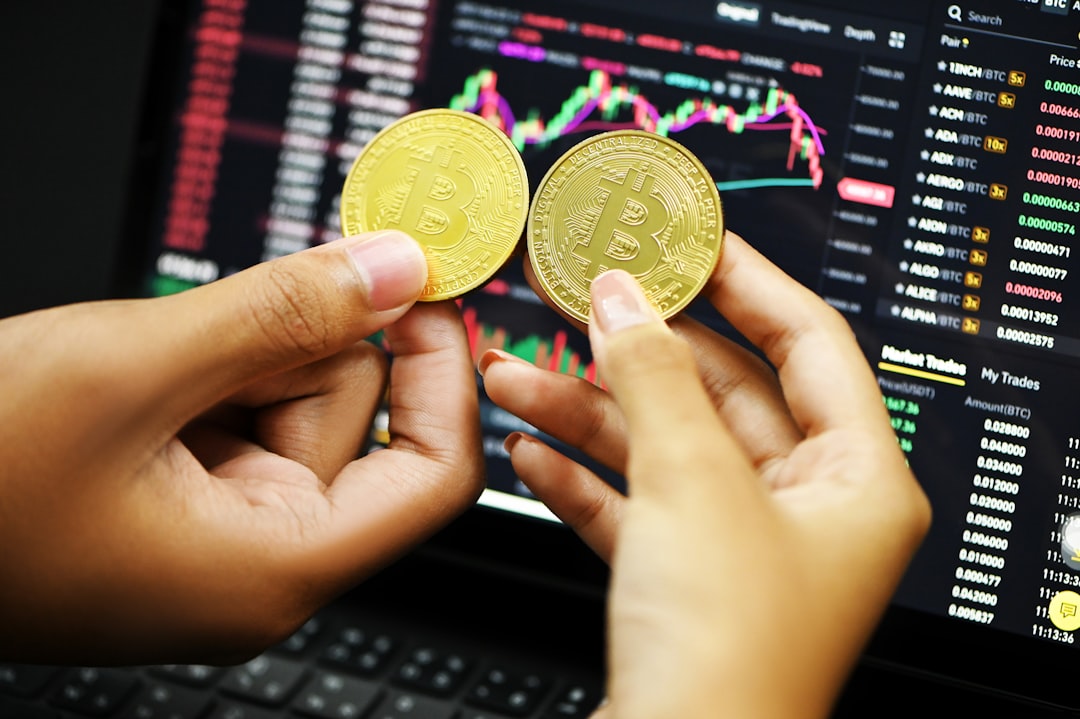
4. Monitor Fundamentals: Unlike meme coins, RWAs are tied to real-world performance. Keep an eye on interest rates for bonds, occupancy rates for real estate, or commodity prices. This is where traditional market analysis meets crypto trading.
Risk Management
RWA tokenization is exciting, but it’s not without risks. Here are five essential guardrails:
1. Counterparty Risk: The asset is only as good as the entity holding it. If the real estate developer defaults or the bank backing the bond fails, your token could lose value. Always research the issuer.
2. Smart Contract Risk: Despite audits, bugs can happen. Diversify across different protocols and never invest more than you can afford to lose.
3. Liquidity Risk: While better than traditional real estate, some RWA tokens may have thin order books. Stick to larger, established tokens for easier entry and exit.
4. Regulatory Risk: The legal status of tokenized assets is still evolving. Stay updated on regulations in your jurisdiction, especially regarding securities laws.
5. Oracles and Pricing: RWAs rely on oracles to feed real-world prices onto the blockchain. A faulty oracle can cause mispricing. Use platforms with multiple, decentralized oracle sources.
Conclusion
Real World Assets tokenization is more than a trend – it’s the convergence of traditional finance and crypto. For traders, it offers a way to diversify beyond volatile cryptocurrencies and tap into stable, yield-bearing assets with the speed of DeFi. Start small, focus on transparent projects, and always prioritize risk management. The world is being tokenized, and your portfolio can be, too.