

Tame the Beast: How to Turn FOMO into Your Trading Edge
We’ve all felt it. That sudden spike in your chest when you see a coin pumping 20% in an hour. Your mind races: ‘I’m missing out! This is the one! Get in NOW!’ This is the Fear Of Missing Out, or FOMO, and it’s one of the most powerful—and dangerous—emotions in trading. But what if I told you that FOMO isn’t your enemy? When understood and channeled correctly, it can become a signal, not a trigger. Let’s break down how to turn that frantic energy into a calculated edge.
How it Works: The Psychology of the Missed Train
FOMO thrives on two things: social proof and perceived scarcity. You see others making money, and your brain’s reward system lights up. You fear being left behind. The problem? By the time retail traders feel FOMO, the smart money is often already positioned. You’re not catching the wave; you’re chasing the whitewash.
The Setup: Using FOMO as a Contrarian Signal
Instead of acting on FOMO, use it as a data point. When you feel that urge to buy a screaming green candle, ask yourself:
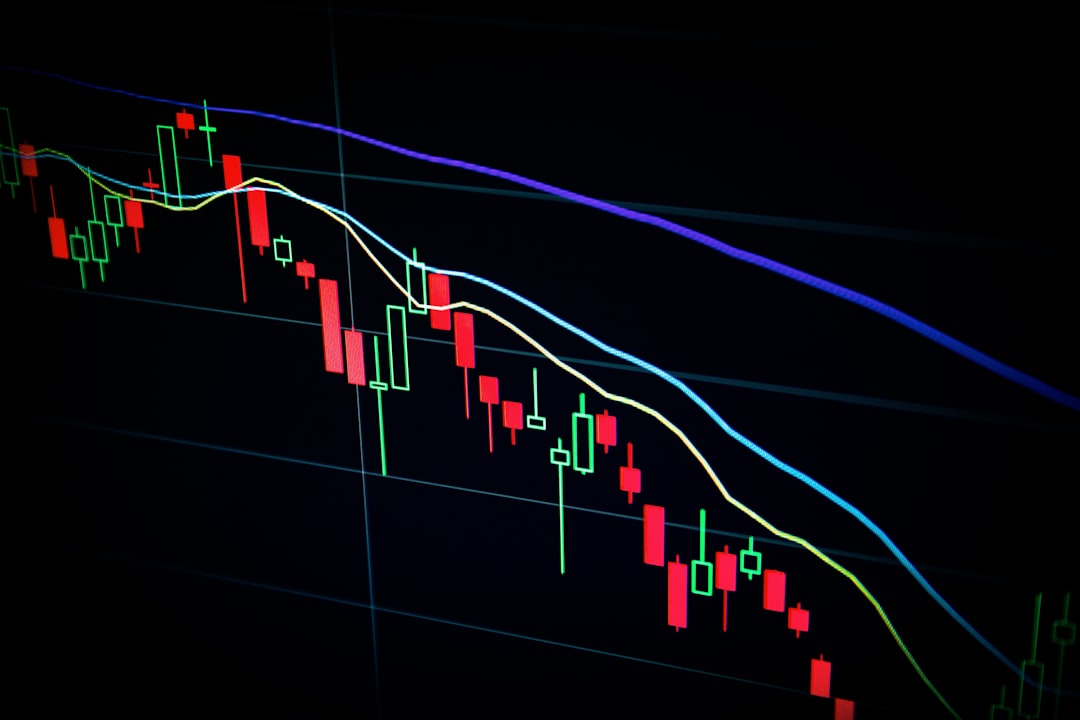
1. Who is buying? If it’s a coin trending on social media with no fundamental news, it’s likely retail FOMO.
2. Where is the volume? Is volume spiking after a huge move, or did it precede it? Late volume often signals distribution (smart money selling to eager buyers).
3. What is the timeframe? On a 5-minute chart, a 10% pump is noise. On a daily chart, it might be a breakout. Zoom out.
The FOMO Flip Strategy: Wait for the FOMO-driven move to cool off. Look for a retest of a key support level (like the 20-period moving average or a previous resistance-turned-support). This is where you can enter with a much better risk/reward ratio, buying the dip after the FOMO buyers have been shaken out.
Risk Management: Your Anti-FOMO Shield
FOMO makes you throw risk management out the window. To fight it, you need rigid rules:
- The 24-Hour Rule: If you feel FOMO, set an alert and walk away. Come back in 24 hours. If the setup still looks good (and you’re not emotional), consider a small position.
- Position Sizing: Never risk more than 1% of your account on a single trade. This ensures that even if you catch a falling knife, you live to trade another day.
- Stop Losses: Place a stop loss immediately when you enter. For a FOMO trade, a wider stop (e.g., 5% below entry) can account for volatility, but never trade without one.
Remember: There will always be another trade. The market isn’t going anywhere. The biggest profits come from patience, not panic. Next time FOMO whispers in your ear, thank it for the signal, then calmly check your checklist. The market rewards discipline, not desperation.
Oracles in Real World Assets: Chainlink CCIP Guide
Real World Assets (RWAs) represent a paradigm shift in finance, bridging the gap between tangible, off-chain assets—such as real estate, bonds, commodities, and credit—and the on-chain world of decentralized finance (DeFi). By tokenizing these assets, investors gain fractional ownership, 24/7 liquidity, and unprecedented transparency. However, the critical challenge lies in reliably transferring data about these assets from the physical world to the blockchain. This is where oracles, specifically Chainlink CCIP (Cross-Chain Interoperability Protocol), play a pivotal role.
What Are Oracles and Why Do RWAs Need Them?
Oracles are middleware that securely fetch, verify, and deliver off-chain data to smart contracts on a blockchain. For RWAs, oracles provide essential information such as asset valuations, interest rates, compliance status, and proof of reserves. Without oracles, a tokenized bond or real estate token would be blind to the real-world events that determine its value and legal standing.
Chainlink CCIP extends this capability by enabling secure cross-chain communication. This means that RWA data can be verified on one blockchain (e.g., Ethereum for settlement) and then relayed to another (e.g., Polygon for trading) without compromising security or decentralization.
How It Works: The Technical Process
The tokenization of an RWA involves several steps, with oracles acting as the critical bridge:
- Asset Origination: A real-world asset (e.g., a commercial property) is legally structured into a Special Purpose Vehicle (SPV) or a legal trust.
- Tokenization: The SPV issues digital tokens representing fractional ownership. These tokens are minted on a blockchain.
- Oracle Integration: Chainlink CCIP oracles are configured to pull data from trusted off-chain sources—such as property appraisals, bond yield feeds, or credit ratings—and push it onto the blockchain.
- Smart Contract Execution: The on-chain smart contract uses this data to automate actions like distributing rental yields, adjusting interest payments, or triggering collateral liquidations.
- Cross-Chain Settlement: If the RWA token is traded on multiple blockchains, CCIP ensures that the same verified data is available across all chains, preventing arbitrage or data discrepancies.
Investment Analysis: Pros, Cons, and Risks
Pros
- Fractional Ownership: Investors can buy a fraction of a high-value asset (e.g., a $10 million building) with as little as $100.
- 24/7 Liquidity: Tokenized assets can be traded on decentralized exchanges, providing liquidity that traditional real estate or bonds lack.
- Transparency: All data—asset valuation, yield history, and compliance—is recorded on-chain and verifiable.
Cons
- Oracles as a Single Point of Failure: If the oracle is compromised or provides incorrect data, the entire RWA protocol can be exploited.
- Regulatory Uncertainty: The legal status of tokenized assets varies by jurisdiction, and KYC/AML requirements can be complex.
- Smart Contract Risk: Bugs in the tokenization or oracle contracts can lead to loss of funds.
Risks
- Regulation: Governments are still defining how RWAs are taxed and regulated. Sudden changes can impact liquidity or legality.
- Smart Contract Risk: Even with audited code, vulnerabilities can emerge.
- Oracle Manipulation: Attackers may try to manipulate off-chain data feeds to trigger false liquidations or inflate asset values.
For a broader market view, check out our analysis on Japan’s Crypto ETF Plan Explained: What JPX’s Move Means for Investors.
Investors often compare this to Identity on Chain: KYC and Compliance in DeFi.
Tool Recommendation
To trade tokenized RWAs efficiently, you need a platform with low fees and high liquidity. We recommend MEXC, which offers competitive trading fees and a wide selection of RWA tokens. Start trading today at: https://promote.mexc.co/a/PefPNW2g.
FAQ Section
What is the difference between an oracle and a bridge?
An oracle brings off-chain data onto a blockchain, while a bridge transfers assets or data between two blockchains. Chainlink CCIP combines both functions, acting as a secure oracle network that also enables cross-chain communication for RWAs.
How does Chainlink CCIP ensure data accuracy for RWAs?
CCIP uses a decentralized network of independent node operators to fetch and verify data from multiple sources. It also employs a risk management network that monitors for anomalies, ensuring that only accurate and tamper-proof data reaches the smart contract.
Are tokenized real estate investments safe?
Tokenized real estate carries risks similar to traditional real estate (market fluctuations, property damage) plus additional risks from smart contracts and oracles. However, using a robust oracle like Chainlink CCIP significantly reduces the risk of data manipulation. Always conduct due diligence on the issuer and the oracle infrastructure.
Conclusion
Oracles, particularly Chainlink CCIP, are the backbone of the RWA ecosystem. They enable the secure, transparent, and automated transfer of real-world data onto blockchains, unlocking fractional ownership and global liquidity for assets that were previously illiquid. While risks remain—especially around regulation and smart contract security—the technology is maturing rapidly. For investors seeking exposure to this asset class, using a reliable exchange like MEXC and staying informed about oracle developments is essential.
DePIN Explained: Earning Passive Income with Infrastructure
Introduction
Decentralized Physical Infrastructure Networks (DePIN) represent a groundbreaking shift in how we build, maintain, and profit from real-world infrastructure. By leveraging blockchain technology, DePIN allows individuals to contribute physical resources—such as internet bandwidth, storage space, computing power, or even energy—to a decentralized network and earn passive income in return. This guide will walk you through the fundamentals of DePIN, how it works, and actionable strategies to start earning today.
Key Concepts
- What is DePIN? DePIN stands for Decentralized Physical Infrastructure Networks. It uses token incentives to crowdsource the deployment of physical infrastructure, replacing centralized providers with a global, community-owned network.
- How It Works: Participants (node operators) deploy hardware (e.g., routers, sensors, storage drives) that provides a specific service. The network verifies contributions via blockchain oracles and rewards operators with native tokens.
- Common DePIN Categories:
- Wireless Networks: Helium (HNT) for IoT and 5G coverage.
- Storage Networks: Filecoin (FIL) and Arweave for decentralized file storage.
- Compute Networks: Render Network (RNDR) for GPU rendering, Akash Network (AKT) for cloud computing.
- Energy Networks: Powerledger for peer-to-peer energy trading.
- Tokenomics: Most DePIN projects reward contributors with native tokens. These tokens can be staked, traded, or used to pay for network services, creating a circular economy.
- Risks: Hardware costs, regulatory uncertainty, token volatility, and network adoption risks are key considerations.
Pro Tips
- 💡 Start Small: Begin with low-cost hardware like a Helium hotspot or a used hard drive for Filecoin. Scale up as you understand the network dynamics.
- 📈 Monitor Tokenomics: Check emission schedules and token supply. Early adopters often earn more, but dilution can reduce rewards over time.
- 🔍 Diversify: Don’t put all your capital into one DePIN project. Spread across wireless, storage, and compute to hedge against network-specific risks.
- 🛡️ Security First: Use dedicated hardware wallets for storing earned tokens. Never share private keys or API credentials.
- 📶 Community Engagement: Join Discord/Telegram groups of your chosen DePIN project. Early insights on upgrades or token burns can boost your earnings.
💡 Pro Tip
Looking for altcoin opportunities and smooth trading? Try KuCoin.
FAQ Section
What is the minimum investment to start earning with DePIN?
It varies. Some projects like Helium require a hotspot costing $200–$500, while others like Filecoin let you start with a used hard drive (under $50) plus collateral. Always check the project’s minimum hardware requirements.
Is DePIN passive income really passive?
Mostly yes, but some maintenance is required: firmware updates, internet connectivity checks, and occasional hardware troubleshooting. Networks like Helium are designed for plug-and-play, while others like Render require active GPU availability.
How are DePIN rewards taxed?
Tax treatment varies by jurisdiction. In many countries, token rewards are considered income at the time of receipt. Consult a tax professional familiar with crypto. For more details on this, check out our guide on Bitcoin Layer 2s: Stacks, Lightning, and Runes Guide – Scaling BTC for the Future.
Can I lose money in DePIN?
Yes. Hardware costs, token price drops, network obsolescence, and regulatory changes can lead to losses. Only invest what you can afford to lose, and start with a small test deployment.
Which DePIN project has the highest ROI?
ROI depends on timing, location, and network demand. Helium hotspots in dense urban areas have historically performed well, but newer projects like Render and Akash are gaining traction. You might also be interested in reading about $292M Kelp DAO Hack Exposes Critical DeFi Security Gaps.
Conclusion
DePIN is reshaping the infrastructure landscape by turning everyday hardware into income-generating assets. Whether you’re a tech enthusiast or a passive investor, the opportunity to earn while contributing to decentralized networks is compelling. Start small, stay informed, and diversify your hardware portfolio to maximize returns. As the sector matures, DePIN could become a cornerstone of the Web3 economy—and your chance to be part of it starts now.

Real World Assets (RWA) Tokenization: The Bridge Between Traditional Finance and DeFi
Imagine owning a piece of a Manhattan skyscraper or a share of a rare art collection without needing millions of dollars or a lawyer. That’s the promise of Real World Asset (RWA) tokenization. In 2024, this trend is reshaping crypto trading by bringing tangible, income-generating assets onto the blockchain. For traders, it opens up a new frontier of stable yields, diversification, and institutional-grade opportunities. Let’s break down how you can trade this emerging sector.
How it Works
RWA tokenization converts physical or financial assets—like real estate, bonds, commodities, or invoices—into digital tokens on a blockchain. Each token represents fractional ownership or a claim on the underlying asset. Smart contracts handle distribution, custody, and compliance, making these tokens tradable 24/7 on decentralized exchanges (DEXs) or specialized platforms.
Key examples include:
- Treasury-backed tokens (e.g., Ondo Finance’s USDY) that pay yield from U.S. Treasury bills.
- Real estate tokens (e.g., RealT) that distribute rental income.
- Commodity tokens (e.g., Pax Gold) pegged to physical gold.
The core idea: bring the stability and cash flows of traditional assets into crypto’s liquidity and programmability.
The Setup
To trade RWAs, you don’t need to buy the underlying asset. Instead, you trade the tokens on platforms like Uniswap, Curve, or dedicated RWA marketplaces. Here’s a simple strategy for beginners:
1. Identify yield-bearing RWA tokens: Look for tokens with verifiable backing (audited reserves) and a track record of stable returns. Examples: USDC (backed by cash/T-bills), sDAI (Savings DAI from MakerDAO), or stUSDT (Tron-based RWA).
2. Buy on dips in liquidity pools: RWAs often trade at a slight discount or premium to their net asset value (NAV). Use DEX analytics to spot when a token trades below its NAV—this is your entry.
3. Hold for yield: Many RWA tokens auto-compound or pay dividends. Staking them in liquidity pools can boost returns via trading fees.
4. Exit at premium: When market sentiment shifts, RWAs can trade above NAV. Sell into strength for a capital gain plus yield.
For intermediate traders, consider basis trading between the RWA token and its synthetic or futures counterpart on centralized exchanges (CEXs) like Binance or Bybit.
Risk Management
RWAs are not risk-free. Key dangers include:
- Counterparty risk: The token is only as good as the issuer’s custody and audit. Stick to projects with transparent reserves and third-party audits.
- Liquidity risk: Some RWA tokens have thin order books. Avoid large market orders; use limit orders and check slippage.
- Regulatory risk: Governments may classify tokens as securities. Diversify across jurisdictions and stay updated on SEC/ESMA rulings.
- Smart contract risk: Use well-audited protocols and consider insurance options like Nexus Mutual.
Rule of thumb: Never allocate more than 10-15% of your portfolio to experimental RWA tokens. Start with blue-chip ones like USDC or sDAI.
Conclusion
Real World Asset tokenization is more than a buzzword—it’s the convergence of traditional stability and crypto innovation. For traders, it offers a way to earn passive income while diversifying away from pure crypto volatility. Start small, do your due diligence, and watch for the next wave of tokenized treasuries and real estate. The bridge between old finance and new is being built right now, and you can be an early traveler.
Using Etherscan: Tracking Whales and Verifying Transactions – A Complete Guide
Etherscan is the most widely used blockchain explorer for Ethereum. Whether you’re a beginner trying to verify a transaction or a seasoned trader tracking whale movements, mastering Etherscan can give you a significant edge. This guide covers everything you need to know about using Etherscan to track whales and verify transactions.
Key Concepts
- Blockchain Explorer: A tool that allows you to search and navigate blockchain data, including transactions, addresses, and blocks.
- Whale Tracking: Monitoring large wallet addresses (whales) to anticipate market moves based on their transaction activity.
- Transaction Verification: Confirming that a transaction has been processed, including its status, gas used, and block confirmation.
- Token Transfers: Viewing ERC-20 token movements, which is essential for tracking whale activity in specific projects.
- Internal Transactions: Transactions that occur between smart contracts, often used by whales to move funds without directly appearing on the main chain.
Pro Tips
- Use the ‘Advanced Filter’ on the Token Transfers tab to filter by amount, time, and token type – perfect for spotting large movements.
- Set up custom alerts for specific addresses using Etherscan’s ‘Watch List’ feature to get notified when a whale moves funds.
- Check the ‘Internal Txns’ tab on a whale’s address page – many whales use DeFi protocols that generate internal transactions, which can reveal hidden activity.
- Verify contract addresses before interacting with any token – scams often use fake contracts that look similar to real ones.
- Use the ‘Gas Tracker’ to understand network congestion and estimate transaction fees before sending funds.
FAQ Section
How do I track a whale on Etherscan?
Go to the ‘Token Transfers’ tab, use the ‘Advanced Filter’ to set a minimum amount (e.g., $100,000), and sort by time. You can also add specific whale addresses to your ‘Watch List’ for real-time alerts.
How can I verify a transaction on Etherscan?
Enter the transaction hash (TXID) in the search bar. The page will show the status (Success, Pending, or Failed), block number, gas used, and the exact amount transferred.
What is a whale in crypto?
A whale is an individual or entity that holds a large amount of cryptocurrency, often enough to influence market prices through their trades.
Can I see internal transactions on Etherscan?
Yes. On any address page, click the ‘Internal Txns’ tab to view transactions that occur between smart contracts, which are often used by whales for DeFi activities.
Is Etherscan free to use?
Yes, Etherscan is completely free for basic use. Advanced features like API access and custom alerts may require a paid plan.
Conclusion
Etherscan is an indispensable tool for anyone serious about crypto. Whether you’re verifying a simple transaction or tracking whale movements to inform your trading strategy, the platform offers all the data you need. Start by exploring the key features mentioned above, and soon you’ll be navigating the blockchain like a pro. For more details on this, check out our guide on Evil Twin WiFi Attacks Explained: A Complete Guide to Crypto Security. You might also be interested in reading about Stochastic Oscillator Dip Buying: Your Guide to Smart Crypto Entries.
Risks of Investing in Real World Assets: A Candid Guide
Real World Assets (RWAs) represent a transformative bridge between traditional finance (TradFi) and decentralized finance (DeFi). By tokenizing tangible or intangible assets—such as real estate, bonds, commodities, and private credit—on a blockchain, RWAs enable fractional ownership, 24/7 liquidity, and enhanced transparency. However, this innovation comes with a unique set of risks that every investor must understand before committing capital.
Off-Chain vs On-Chain: The Core Difference
The fundamental distinction in RWA investing lies between the off-chain asset (the physical or legal title) and the on-chain token (the digital representation). The off-chain asset retains its traditional legal and economic characteristics, while the on-chain token provides programmable ownership and transferability. This duality introduces both opportunities and vulnerabilities, as the token’s value depends entirely on the integrity of the underlying asset and the legal framework that connects them.
How RWA Tokenization Works
The technical process typically follows a structured pipeline:
- Asset Origination: A real-world asset (e.g., a commercial building) is identified and legally documented.
- Special Purpose Vehicle (SPV): The asset is placed into a legal entity (SPV) that isolates it from the issuer’s bankruptcy risk.
- Tokenization: The SPV issues tokens on a blockchain (e.g., Ethereum, Polygon) representing fractional ownership or debt claims.
- Oracle Integration: Off-chain data (e.g., property valuations, interest rates) is fed on-chain via oracles to maintain accurate pricing and compliance.
- Secondary Market: Tokens trade on decentralized or centralized exchanges, providing liquidity to investors.
Investment Analysis: Pros, Cons, and Risks
Pros
- Fractional Ownership: Investors can access high-value assets with minimal capital.
- Liquidity: 24/7 trading on global markets, unlike traditional real estate or private credit.
- Transparency: On-chain records of ownership, transactions, and asset performance.
- Diversification: Exposure to asset classes previously reserved for institutions.
Cons
- Regulatory Uncertainty: Jurisdictional fragmentation—what is a security in one country may be a commodity in another.
- Smart Contract Risk: Bugs or exploits in token contracts can lead to total loss.
- Oracle Dependency: Incorrect or manipulated off-chain data can misprice tokens.
- Liquidity Mismatch: While tokens trade 24/7, the underlying asset may take months to sell in a downturn.
Key Risks to Watch
- Counterparty Risk: The SPV or asset manager may default, mismanage funds, or commit fraud.
- Legal Enforceability: If the issuer goes bankrupt, token holders may have no direct claim on the asset.
- Market Risk: Token prices can deviate from net asset value due to speculation or low trading volume.
- Technology Risk: Blockchain forks, network congestion, or wallet vulnerabilities can freeze or lose tokens.
For a broader market view, check out our analysis on Understanding Gas Fees: How to Save Money on Ethereum – A Complete Guide.
Investors often compare this to Art & Collectibles: Fractional Ownership via Tokenization.
Tool Recommendation
For the best charting tools to spot this pattern, try Bitget. Bitget offers advanced on-chain analytics, real-time RWA token prices, and portfolio tracking features that help you monitor your exposure and identify trends before they become mainstream. Their platform is designed for both retail and institutional investors seeking reliable data in the RWA space.
FAQ Section
What happens if the underlying asset is damaged or destroyed?
In most RWA structures, the asset is insured, and the SPV holds the insurance policy. Token holders typically have a pro-rata claim on insurance payouts. However, the terms vary by issuer—always review the offering documents for force majeure clauses.
Are RWA tokens considered securities?
It depends on the jurisdiction and the token’s economic rights. In the U.S., many RWA tokens fall under SEC regulations as securities, requiring registration or an exemption. In the EU, MiCA provides a clearer framework. Always consult a legal advisor before investing.
How can I verify that the off-chain asset actually exists?
Reputable issuers provide third-party audits, legal opinions, and public registrations (e.g., land titles, bond ISINs). On-chain oracles like Chainlink can also feed verified data. Avoid projects that lack transparent documentation or independent verification.
Conclusion
Real World Assets offer a compelling opportunity to merge the stability of traditional investments with the efficiency of blockchain technology. However, the risks—regulatory, legal, technological, and market—are real and require careful due diligence. Investors should start with small allocations, prioritize projects with strong legal foundations and audited smart contracts, and stay informed about evolving regulations. When used wisely, RWAs can be a powerful addition to a diversified portfolio, but they are not a substitute for traditional asset management.
Cross-Chain Bridge Hacks Explained: Why $328M Was Lost in May 2026
Did you know that cross-chain bridges—tools that let you move assets between different blockchains—have become the most attacked infrastructure in crypto? In May 2026 alone, security firm PeckShield tracked eight major bridge exploits that drained a staggering $328.6 million from protocols. This adds to what experts are calling the worst period on record for decentralized finance (DeFi) losses, with total hack losses surpassing $750 million through mid-April. For anyone using crypto across multiple networks, understanding why bridges are targeted—and how to protect your funds—is essential knowledge. This guide breaks down the recent attacks, explains how bridges actually work, and shows you what to watch for as a user.
Read time: 10-12 minutes
Understanding Cross-Chain Bridges for Beginners
A cross-chain bridge is a protocol that allows you to transfer digital assets from one blockchain to another. Think of it like a currency exchange booth at an international airport. If you have US dollars but need euros, the exchange booth takes your dollars, holds them in a vault, and gives you an equivalent amount of euros. A bridge does the same thing with crypto: it locks your tokens on one blockchain (like Ethereum) and mints equivalent “wrapped” tokens on another (like Solana).
Why were bridges created? Blockchains are fundamentally separate networks—they can’t talk to each other natively. Bitcoin can’t send messages to Ethereum, and Ethereum can’t interact with Solana without help. Bridges solve this by acting as intermediaries, enabling DeFi users to access different ecosystems. For example, you might want to use your Ethereum-based USDC on Solana’s faster and cheaper DeFi protocols. A bridge makes that possible.
A real-world crypto example is the Wormhole bridge, which allows users to move assets between Solana, Ethereum, and other networks. When you send ETH through Wormhole to Solana, you receive “wrapped ETH” on Solana that represents your original tokens. The bridge holds the real ETH in a smart contract on Ethereum.
The Technical Details: How Bridge Exploits Actually Work
Understanding how attackers drain bridges requires knowing the key components. Here’s how a typical bridge operates—and what goes wrong:
1. Locking Mechanism: Users deposit tokens into a smart contract on the source chain. This contract “locks” the tokens, making them unusable there.
2. Validator Network: A set of validators or oracles monitors the source chain for deposit events. When they confirm a deposit, they sign a message authorizing the minting of equivalent tokens on the destination chain.
3. Minting on Destination: Once enough validators sign off, the bridge’s smart contract on the destination chain mints new “wrapped” tokens for the user.
4. Redemption Process: To move back, users burn the wrapped tokens, validators confirm, and the original tokens are unlocked on the source chain.
Where attacks happen: The most common vulnerability is compromising the validator network. If an attacker can control enough validators (or exploit a weak quorum threshold), they can authorize fraudulent messages to mint tokens without locking anything on the source chain.
A flow diagram showing the bridge process—locking tokens on Chain A, validator confirmation, and minting wrapped tokens on Chain B—would help visualize this.
Why the April-June 2026 Period Was Unprecedented
The recent surge in attacks isn’t random. Here’s what made this period uniquely dangerous:
- KelpDAO’s Layerzero Exploit ($300M): On April 18, an attacker extracted 116,500 rsETH from Ethereum’s OFT adapter without burning tokens on the source chain. A review by Chainalysis revealed that Layerzero had set a low 1-of-1 RPC quorum default—meaning a single compromised node could authorize fraudulent cross-chain messages. This is like a bank having only one person sign off on a $300 million wire transfer.
- Drift Protocol ($200M+): Days later, attackers exploited Solana-based Drift Protocol’s infrastructure. CertiK analysts noted this reflected a shift in attacker strategy, with exploiters becoming more sophisticated at identifying bridge verification weaknesses.
- Smaller but Significant: Other incidents included IoTeX’s bridge ($2M via private key exploit), TAC Protocol ($2.8M, later classified as white hat), Transit Finance ($1.88M on May 13), and the Verus-Ethereum bridge ($11.5M) with the attacker’s wallet traced to a Tornado Cash seed.
Current Market Context: Why This Matters Now
As of mid-May 2026, the total losses from bridge exploits have pushed the year’s DeFi hack total well beyond $750 million—and that’s through only mid-April. May’s incidents add another $328.6 million, putting 2026 on track to eclipse all previous records for DeFi losses.
Why does this matter for crypto users? Because bridges are essential infrastructure. If trust in bridges erodes, the entire DeFi ecosystem suffers. The Crypto Fear and Greed Index currently sits at 28 (Fear), reflecting heightened anxiety about market stability and security. When major protocols lose hundreds of millions, it shakes confidence across the board—even for users who weren’t directly affected.
The regulatory implications are significant too. Regulators in the US (SEC) and EU (under MiCA) are watching these attacks closely. Expect increased scrutiny of cross-chain protocols and potentially stricter requirements for security audits and insurance reserves.
Competitive Landscape: How Bridge Security Compares
| Feature | Layerzero (Compromised) | Chainlink CCIP | Wormhole |
|---|---|---|---|
| Quorum Requirement | 1-of-1 RPC (single node) | Multiple oracles + decentralized network | 13-of-19 guardians |
| Security Track Record | Multiple exploits in 2026 | No major exploits to date | $326M exploit in 2022 (since patched) |
| Insurance/Backstop | None publicly disclosed | $1.5M developer bounty program | $300M from Jump Crypto backstop |
| Verification Model | “Optimistic” (assumes honest by default) | “Conservative” (requires multiple confirmations) | “Active” (guardians sign every message) |
Why this matters: The Layerzero exploit highlights the danger of low quorum thresholds. Chainlink’s CCIP (Cross-Chain Interoperability Protocol) uses a more robust multi-oracle verification system, while Wormhole learned from its 2022 hack and now requires a supermajority of guardians. For users, choosing protocols with higher security standards—even if they’re slower or more expensive—is often the safer bet.
Practical Applications: Real-World Use Cases
Why should you care about bridge security beyond sensational headlines?
- Moving Funds Between Networks: If you use multiple blockchains (Ethereum, Solana, Arbitrum, etc.), bridges are unavoidable. Knowing which ones have strong security records helps you choose safer paths.
- Yield Farming Across Chains: Many DeFi strategies involve moving assets between chains to chase the best yields. A compromised bridge could lock your funds or leave you with worthless wrapped tokens.
- Staking and Restaking: Protocols like KelpDAO (which lost $300M) offer liquid staking derivatives. If the bridge supporting your staked assets is exploited, you could lose your entire position.
- NFT Trading: Some NFT marketplaces use bridges to allow cross-chain trading. A bridge hack could leave your NFTs stranded or worthless.
Risk Analysis: Expert Perspective
Primary Risks:
1. Technical Risk: Bridge code is notoriously complex and hard to audit. The Layerzero exploit showed that even seemingly minor configuration choices (like quorum thresholds) can have catastrophic consequences.
2. Liquidity Risk: If a bridge is exploited, the wrapped tokens you hold may lose their peg to the underlying asset. You could be stuck with tokens you can’t redeem.
3. Regulatory Risk: As hacks mount, regulators may restrict or even ban certain bridge protocols, potentially freezing user funds.
Historical Precedent: The $326M Wormhole exploit in 2022 was the largest DeFi hack at the time. Jump Crypto covered the losses, but that’s not guaranteed for future incidents. The 2026 attacks are larger and more frequent.
Mitigation Strategies:
- Use Established Bridges Only: Stick with protocols that have been audited by multiple firms and have a track record of security.
- Check Quorum Requirements: Avoid bridges that rely on a single validator (like Layerzero’s default).
- Diversify Across Bridges: Don’t keep all your cross-chain assets in one protocol.
- Monitor Security News: Follow firms like PeckShield and CertiK for real-time alerts on vulnerabilities.
Expert Consensus: Most security researchers agree that bridges are the current weakest link in DeFi. Until the industry standardizes strong verification mechanisms, users should assume every bridge carries risk.
Beginner’s Corner: Quick Start Guide to Safer Bridge Use
Here’s how to use bridges more safely, step by step:
1. Research the Bridge: Before using any bridge, check its security history on sites like DefiLlama or PeckShield’s tracker. Look for past exploits, audit reports, and insurance coverage.
2. Start Small: When trying a new bridge, test with a small amount first. This limits your exposure if something goes wrong.
3. Verify Wrapped Tokens: After bridging, confirm that the wrapped tokens you received are the official version (e.g., “WETH” on Solana vs. a fake contract). Use block explorers like Etherscan or Solscan to verify.
4. Check Bridge Status: Before moving large amounts, check if the bridge is operational and if there are any reported issues (use social media or monitoring tools).
5. Use Hardware Wallets: For large bridge transactions, consider using a hardware wallet (Ledger, Trezor) to protect your private keys.
Common Mistakes to Avoid:
- Sending tokens directly to a bridge contract address (always use the official interface).
- Assuming all bridges are equally secure.
- Ignoring withdrawal delays (some bridges have timelocks on refunds).
Future Outlook: What’s Next
The pace of bridge exploits shows no signs of slowing. Here’s what to expect:
1. Improved Verification Standards: After the Layerzero debacle, expect more protocols to adopt multi-signature or multi-oracle verification (like Chainlink CCIP).
2. Regulatory Action: The EU’s MiCA framework is already being updated to address cross-chain risks. The US may follow with more specific guidance.
3. Insurance Products: “Bridge insurance” or “slashing insurance” may become standard, allowing protocols to compensate users in case of exploits.
4. Layer 2 Solutions: Some projects are exploring native cross-chain messaging (e.g., using zero-knowledge proofs) that could make bridges obsolete.
Scheduled for late 2026: Several major protocols have announced plans to migrate to more secure verification models. Expect announcements from KelpDAO (already moved to Chainlink’s standard) and others.
Key Takeaways
- Cross-chain bridges are the most attacked infrastructure in crypto, with $328.6M lost in May 2026 alone across eight incidents—and total 2026 losses exceeding $750M.
- Weak verification mechanisms are the root cause, as seen in Layerzero’s single-node quorum that allowed a $300M exploit.
- Users should prioritize security over convenience, choosing established bridges with multi-signature verification and a clean audit record.
- Diversifying across multiple bridges and starting with small test amounts helps limit exposure to any single protocol failure.
Trading Breakouts vs Fakeouts: How to Spot the Real Move
Every trader knows the feeling: you spot a breakout, jump in, and then watch in horror as the price reverses. That’s a fakeout—a false breakout that traps buyers or sellers. But here’s the truth: breakouts are where big trends begin, and fakeouts are where disciplined traders get rewarded for patience. In this guide, we’ll break down how to distinguish a genuine breakout from a trap, so you can trade with confidence.
How It Works
A breakout occurs when price moves decisively above a resistance level or below a support level, often on increased volume. It signals that the market has enough momentum to continue in that direction. A fakeout, on the other hand, is a brief move beyond a key level that quickly reverses. Fakeouts often happen because of low liquidity, stop hunts by large players, or a lack of real buying/selling pressure.
The Setup
To trade breakouts effectively, you need a clear structure:
Looking for altcoin opportunities and smooth trading? Try KuCoin.
1. Identify a strong support or resistance level – Look for areas where price has reversed multiple times. The more touches, the stronger the level.

2. Wait for a close beyond the level – A candle that closes above resistance (or below support) confirms the breakout. A wick that pokes through and then closes back inside is a warning sign.
3. Check volume – A genuine breakout usually comes with higher-than-average volume. Low volume suggests a fakeout.
4. Look for a retest – Often, price will return to the broken level (now acting as new support/resistance) before continuing. This retest is a safer entry point.
For example, imagine Bitcoin has been stuck at $30,000 resistance for weeks. If it breaks above on high volume and then pulls back to $30,000 without closing below, that’s a high-probability breakout trade.
Risk Management
Even with the best setup, fakeouts happen. Protect your capital with these rules:
- Set a stop loss just below the breakout level – If you’re long after a breakout above resistance, place your stop a few percentage points below that level. If price slips back, you’re out with a small loss.
- Use a 2:1 risk-to-reward ratio – Aim for a profit target that is at least twice the distance of your stop loss. This ensures one win covers two losses.
- Don’t chase – If you miss the initial breakout, wait for a retest or the next level. FOMO leads to buying at the top of a fakeout.
- Scale in – Enter half your position on the breakout and half on the retest. This averages your entry and reduces risk.
Conclusion
Breakouts and fakeouts are two sides of the same coin. The key is not to predict which one will happen, but to have a plan that profits from real moves and limits losses from traps. By waiting for confirmation, watching volume, and managing risk, you turn the chaos of the market into a repeatable edge. Practice on a demo account first, and soon you’ll spot the difference like a pro.
Real World Assets (RWA): How Tokenization Changes Investing
Real World Assets (RWA) tokenization is reshaping the investment landscape by bringing tangible assets like real estate, commodities, and bonds onto the blockchain. This guide explores how tokenization democratizes access, enhances liquidity, and introduces new efficiencies to traditional investing.
Key Concepts
- Tokenization: The process of converting ownership rights of a physical asset into a digital token on a blockchain. Each token represents a fractional share, enabling smaller investments.
- Liquidity: Tokenized RWAs can be traded 24/7 on decentralized exchanges, reducing the traditional lock-up periods associated with assets like real estate or fine art.
- Fractional Ownership: Investors can buy a fraction of a high-value asset (e.g., a commercial building) for as little as $100, lowering the barrier to entry.
- Smart Contracts: Automate compliance, dividend distribution, and transfer of ownership, cutting out intermediaries and reducing costs.
- Regulatory Compliance: Many RWA projects incorporate KYC/AML checks and adhere to securities laws to ensure legal operation.
Pro Tips
- Always verify the legal structure of the tokenized asset—ensure it’s backed by a real-world entity and compliant with local regulations.
- Look for projects with audited smart contracts and transparent custody solutions for the underlying assets.
- Diversify across different RWA categories (real estate, debt, commodities) to mitigate sector-specific risks.
- Use decentralized or centralized platforms that offer insurance or reserve funds to protect against hacks or defaults.
💡 Pro Tip
Looking for altcoin opportunities and smooth trading? Try KuCoin.
FAQ Section
What are Real World Assets (RWA) in crypto?
RWAs are physical or financial assets (e.g., real estate, bonds, commodities) that are represented as digital tokens on a blockchain. This allows for fractional ownership, easier transfer, and global trading.
How does tokenization change investing?
Tokenization lowers minimum investment amounts, increases liquidity by enabling 24/7 trading, reduces intermediaries, and automates compliance through smart contracts. It opens up previously illiquid markets to a broader audience.
Is RWA tokenization legal?
Yes, but it depends on jurisdiction. Most legitimate projects comply with securities laws, perform KYC/AML checks, and work with regulated custodians. Always check the legal framework of the asset and platform.
What are the risks of investing in tokenized RWAs?
Risks include regulatory changes, smart contract vulnerabilities, custody issues (if the underlying asset is lost or damaged), and market illiquidity. Due diligence on the project and its legal structure is essential.
Can I trade tokenized RWAs on any exchange?
Many tokenized RWAs are available on decentralized exchanges (DEXs) or specialized platforms. Some are also listed on centralized exchanges that support security tokens. Availability varies by project.
Conclusion
Tokenization of Real World Assets is a transformative force in investing, offering greater accessibility, liquidity, and efficiency. As the ecosystem matures and regulatory clarity improves, RWAs are poised to bridge traditional finance with decentralized technology. For more details on this, check out our guide on Master the RSI Divergence Strategy: Catch Reversals Before the Crowd. You might also be interested in reading about What the Senate Ban on Prediction Market Betting Means for Crypto Users.
Quantum Threats Explained: Why Crypto Networks Are Racing to Fix Security
Is your cryptocurrency wallet safe from future quantum computers? It’s a question that sounds like science fiction, but major blockchain projects are already testing defenses. Recent reports from CNN have revived concerns about “Q-Day”—the unknown future moment when quantum computers become powerful enough to crack today’s encryption. For crypto users, this isn’t just a distant theoretical problem. Solana’s validator clients Anza and Firedancer are already testing new quantum-resistant signatures called Falcon. NEAR researchers warn that quantum attacks could create ownership disputes over stolen funds. And the U.S. National Institute of Standards and Technology (NIST) has released new encryption standards, urging organizations to migrate now. This guide explains what Q-Day means for your crypto, how blockchains are preparing, and what you need to know to stay secure.
Read time: 10-12 minutes
Understanding Q-Day and Post-Quantum Security for Beginners
Q-Day refers to the hypothetical future date when a quantum computer becomes powerful enough to break the public-key cryptography that secures most internet traffic and cryptocurrency wallets. Think of it like the day a master locksmith invents a tool that can open any existing lock in seconds. Today’s encryption systems rely on mathematical problems that are easy to do one way (multiply large numbers) but extremely hard to reverse (factor those numbers). Quantum computers, using principles of quantum mechanics, could solve these problems exponentially faster.
Why does this matter? Almost all blockchains—including Bitcoin, Ethereum, and Solana—use public-key cryptography to protect wallet addresses and verify transactions. Your private key is mathematically linked to your public address. A sufficiently powerful quantum computer could theoretically derive your private key from your public key, allowing someone to steal your funds.
The threat isn’t hypothetical tomorrow. Bad actors may already be collecting encrypted data for “harvest now, decrypt later” attacks—storing information now that future quantum computers could unlock. This makes preparing for Q-Day a present-day concern, not just a future one.
The Technical Details: How Blockchains Are Testing Quantum Defenses
Blockchain networks are taking different approaches to prepare for quantum threats. Here’s how the technology works:
1. Post-quantum signature schemes: These are new cryptographic algorithms designed to resist attacks from both classical and quantum computers. The most prominent are those selected by NIST after years of evaluation.
2. Falcon signatures: Solana’s validator clients Anza and Firedancer are testing early versions of Falcon, a post-quantum signature tool. Falcon is notable because it has smaller signature sizes than other NIST-selected standards, which helps maintain blockchain speed and storage efficiency.
3. CRYSTALS-Dilithium (FIPS-204): NEAR is preparing a testnet rollout using this NIST-standardized quantum-safe signature scheme, targeting completion by Q2 2026.
4. Phased activation: Solana’s teams designed Falcon so it can be activated if needed without creating a major performance burden. This “switch-ready” approach allows networks to prepare without rushing.
Why this structure matters: The challenge isn’t just finding quantum-resistant algorithms—it’s integrating them into live blockchain networks handling billions in value. Developers must ensure new signatures work with existing wallets, validators, exchanges, and smart contracts without breaking functionality.
Current Market Context: Why Quantum Threats Matter Now
As of mid-2026, the quantum computing conversation has moved from academic papers to active blockchain development. Recent developments show this is no longer theoretical:
- Solana’s Anza and Firedancer have added Falcon signature support, making Solana one of the first major blockchains with concrete quantum defense plans.
- NEAR’s research team has raised unique concerns about ownership disputes—if an attacker uses quantum computing to steal funds and move them on-chain quickly, networks could struggle to determine whether a transaction came from the real owner or an attacker.
- NIST has released three official post-quantum encryption standards and is urging organizations to begin migration immediately. The agency specifically warns that “harvest now, decrypt later” attacks are a real risk.
The U.S. government’s cybersecurity agency NIST says organizations should identify where weak algorithms are used and plan upgrades to quantum-resistant systems. For crypto, this means wallets, validators, exchanges, bridges, and custody firms need long-term migration plans before Q-Day becomes an active threat.
Competitive Landscape: How Major Blockchains Compare on Quantum Readiness
| Feature | Solana | NEAR | Bitcoin | Ethereum |
|---|---|---|---|---|
| Current Status | Testing Falcon signatures on validator clients | Preparing FIPS-204 (Dilithium) testnet rollout | Research phase; developers estimate 5-10 year timeline | Active research (STARKs, account abstraction) |
| Approach | “Switch-ready” – activate when needed | Planned testnet Q2 2026 | Collective consensus upgrade needed | Gradual integration via protocol upgrades |
| Key Innovation | Falcon’s smaller signature size preserves efficiency | Focus on preventing ownership disputes | Decentralized user migration at scale | Multiple research paths being evaluated |
| Timeline | Already testing | Testnet target: Q2 2026 | 5-10 years estimated | No fixed timeline |
| User Impact | Low – happens behind the scenes | Requires wallet upgrades | High – every user must migrate funds | Moderate – depends on upgrade path |
Practical Applications: Real-World Use Cases
Why should the average crypto user care about quantum threats today?
- Long-term portfolio security: If you hold crypto for 5+ years, your holdings could be at risk if quantum computing advances faster than expected. Understanding which networks are preparing helps you choose where to store value.
- Evaluating project credibility: Networks actively testing quantum defenses (like Solana and NEAR) signal technical maturity and forward-thinking security. This matters for investment decisions.
- Timing hardware wallet upgrades: When major networks adopt quantum-resistant signatures, you’ll need to generate new wallet addresses. Being aware now helps you plan.
- Understanding “harvest now, decrypt later” risks: If you’ve ever sent transactions from a public address, that data could be vulnerable in the future. This affects privacy considerations today.
- Regulatory compliance: As frameworks like MiCA and SEC guidance evolve, quantum-readiness may become a factor in institutional adoption.
Risk Analysis: Expert Perspective
Primary Risks:
1. Technical risk: Rushing a flawed quantum-resistant algorithm could be worse than waiting. New cryptography needs years of testing to ensure it can’t be broken.
2. Coordination risk: For decentralized networks like Bitcoin, getting everyone to upgrade is a massive challenge. Some users may not migrate in time.
3. “Harvest now, decrypt later” risk: Data being collected today could be vulnerable tomorrow. This affects privacy and security of past transactions.
Mitigation Strategies:
- Gradual, optional upgrades: Networks like Solana are making quantum-resistant signatures available without forcing immediate migration.
- Testnet implementation: Before any major upgrade, networks test on testnets (parallel blockchains with no real value) to catch issues.
- Industry standards: Following NIST-approved algorithms ensures compatibility and rigorous testing.
Expert Consensus: Leading developers agree there is no imminent threat from quantum computers. Current quantum machines are far too weak to break blockchain cryptography. However, the migration process itself—coordinating upgrades across global networks—takes years. Starting now is prudent, not panicked.
Beginner’s Corner: Quick Start Guide
Step 1: Understand what you’re protecting. Your crypto wallet uses a public key (your address) and a private key (your password). Quantum computers could reverse-engineer the private key from the public key if they become powerful enough.
Step 2: Use wallets that support or plan to support quantum-resistant addresses. Hardware wallet manufacturers like Ledger and Trezor are monitoring developments.
Step 3: If you hold crypto long-term in cold storage, be prepared to migrate to new quantum-resistant addresses when major networks upgrade. This will involve generating a new wallet and transferring funds.
Step 4: For active trading, stick with major networks that have clear quantum-readiness roadmaps (Solana, NEAR, Ethereum, Bitcoin).
Step 5: Never share your private keys or seed phrases. Quantum or not, this is the most common way people lose crypto.
Common mistake to avoid: Don’t panic-sell based on quantum FUD. The threat is real but distant. Smart preparation beats fear-driven decisions.
Future Outlook: What’s Next
The path to quantum-resistant crypto involves several milestones:
1. Near-term (2026-2027): More testnet implementations from Solana, NEAR, and other networks. Expect NIST to update standards as research progresses.
2. Medium-term (2027-2029): First major blockchain upgrades to quantum-resistant signatures on mainnet. Likely opt-in initially.
3. Long-term (2029-2035): Full migration of major networks. This requires coordinated upgrades across wallets, exchanges, and infrastructure providers.
NIST recently warned that the “harvest now, decrypt later” threat means organizations should begin migration now. However, for individual crypto users, the most important action is staying informed and using wallets from reputable providers that are actively planning for quantum security.
The timeline for Q-Day itself remains uncertain. Estimates range from 10-30 years for a quantum computer powerful enough to break Bitcoin’s encryption. But as the old saying goes: the best time to prepare was yesterday. The second best time is now.
Key Takeaways
- Q-Day is the hypothetical future when quantum computers break today’s encryption – it’s not imminent, but “harvest now, decrypt later” attacks make preparation urgent.
- Solana and NEAR are leading blockchain quantum-readiness with Falcon signatures and FIPS-204 testnets respectively.
- The main challenge isn’t technology – it’s coordination. Upgrading decentralized networks requires years of planning and user migration.
- NIST has released official quantum-resistant standards and urges immediate migration planning for all sensitive systems.
- Individual users should stay informed and use wallets from networks with clear quantum roadmaps – no action needed today beyond awareness.
,
“datePublished”: “2025-12-21”,
“dateModified”: “2025-12-21”,
“mainEntity”: {
“@type”: “Thing”,
“name”: “Q-Day and Post-Quantum Cryptography”
}
}