
Tame the Beast: How to Turn FOMO into Your Trading Edge

We’ve all felt it. That sudden spike in your chest when you see a coin pumping 20% in an hour. Your mind races: ‘I’m missing out! This is the one! Get in NOW!’ This is the Fear Of Missing Out, or FOMO, and it’s one of the most powerful—and dangerous—emotions in trading. But what if I told you that FOMO isn’t your enemy? When understood and channeled correctly, it can become a signal, not a trigger. Let’s break down how to turn that frantic energy into a calculated edge.
How it Works: The Psychology of the Missed Train
FOMO thrives on two things: social proof and perceived scarcity. You see others making money, and your brain’s reward system lights up. You fear being left behind. The problem? By the time retail traders feel FOMO, the smart money is often already positioned. You’re not catching the wave; you’re chasing the whitewash.
The Setup: Using FOMO as a Contrarian Signal
Instead of acting on FOMO, use it as a data point. When you feel that urge to buy a screaming green candle, ask yourself:
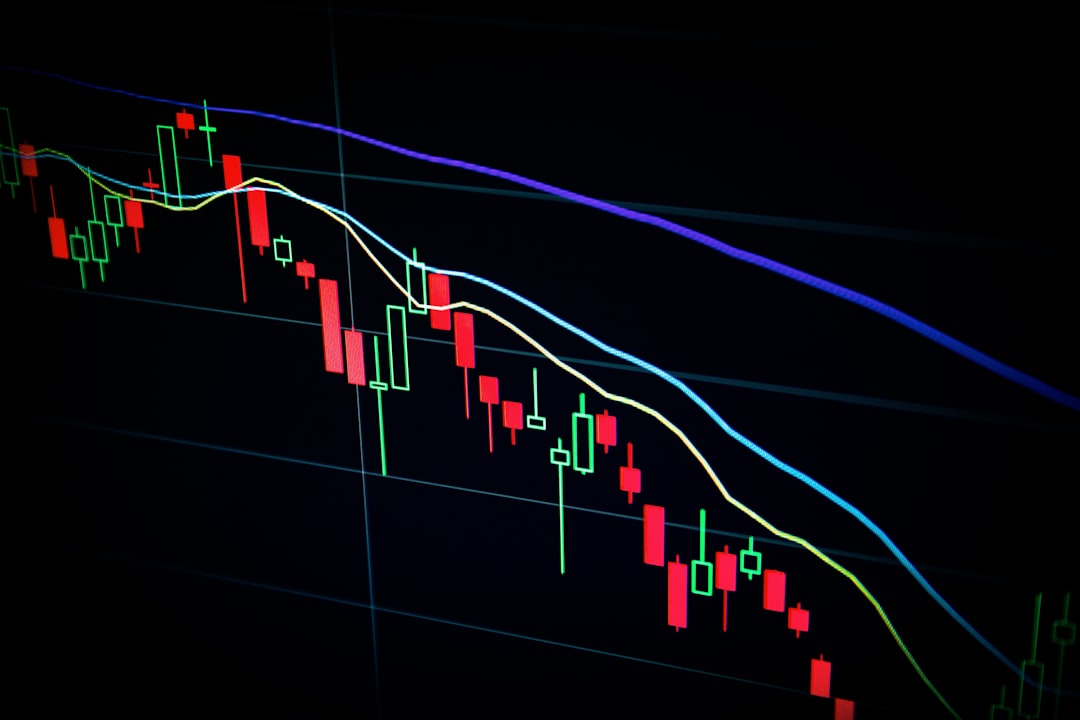
1. Who is buying? If it’s a coin trending on social media with no fundamental news, it’s likely retail FOMO.
2. Where is the volume? Is volume spiking after a huge move, or did it precede it? Late volume often signals distribution (smart money selling to eager buyers).
3. What is the timeframe? On a 5-minute chart, a 10% pump is noise. On a daily chart, it might be a breakout. Zoom out.
The FOMO Flip Strategy: Wait for the FOMO-driven move to cool off. Look for a retest of a key support level (like the 20-period moving average or a previous resistance-turned-support). This is where you can enter with a much better risk/reward ratio, buying the dip after the FOMO buyers have been shaken out.
Risk Management: Your Anti-FOMO Shield
FOMO makes you throw risk management out the window. To fight it, you need rigid rules:
- The 24-Hour Rule: If you feel FOMO, set an alert and walk away. Come back in 24 hours. If the setup still looks good (and you’re not emotional), consider a small position.
- Position Sizing: Never risk more than 1% of your account on a single trade. This ensures that even if you catch a falling knife, you live to trade another day.
- Stop Losses: Place a stop loss immediately when you enter. For a FOMO trade, a wider stop (e.g., 5% below entry) can account for volatility, but never trade without one.
Remember: There will always be another trade. The market isn’t going anywhere. The biggest profits come from patience, not panic. Next time FOMO whispers in your ear, thank it for the signal, then calmly check your checklist. The market rewards discipline, not desperation.