
Bitcoin Halving Cycles: The Blueprint for Your Next Big Move

If you’ve been around crypto for more than a few months, you’ve probably heard the word ‘halving’ whispered like a secret handshake. But here’s the truth: the Bitcoin halving isn’t magic—it’s math. And understanding its historical cycles can give you a massive edge as a trader. Let’s break down exactly how these cycles work and how you can use them to plan your next move.
How It Works
Every four years, the reward Bitcoin miners receive for validating transactions is cut in half. This reduces the rate at which new Bitcoin enters circulation. In simple terms: less supply, steady (or growing) demand = upward pressure on price. Since 2012, we’ve seen three halvings, and each one has sparked a new bull run roughly 12–18 months later.
The Setup
Here’s the pattern that history has shown us:
1. Pre-Halving Rally (6–12 months before) – Traders front-run the event, pushing prices up.
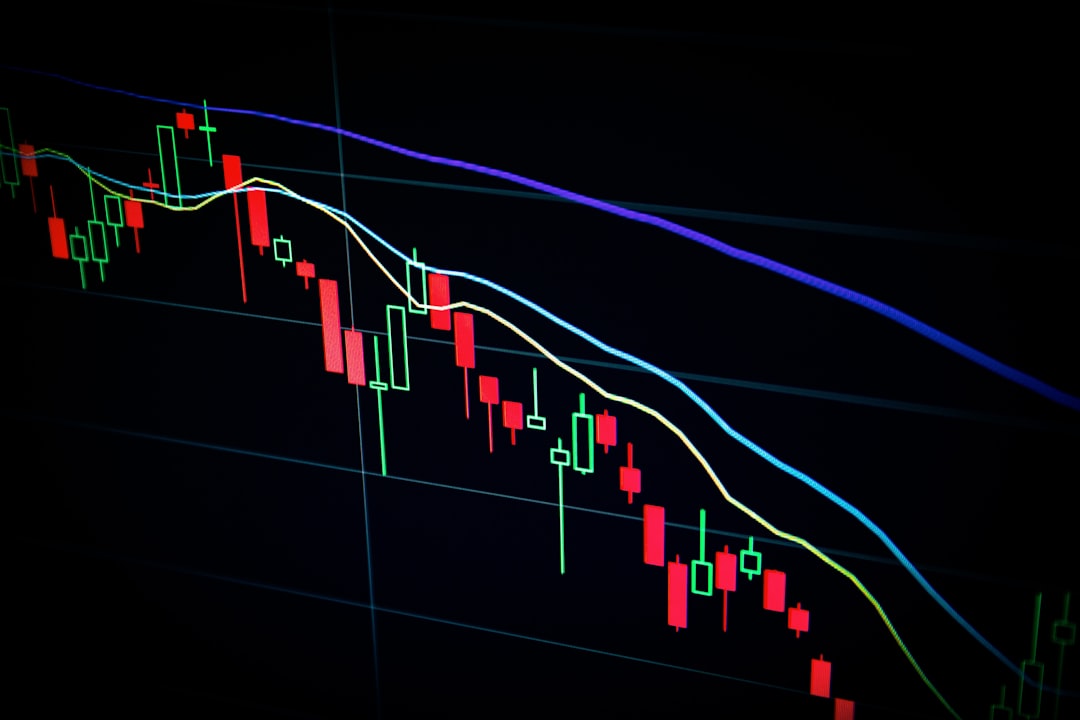
2. Halving Day – Often a ‘sell the news’ dip or sideways action.
3. The Accumulation Zone (3–6 months after) – Price consolidates. This is where patient traders build positions.
4. The Parabolic Phase (12–18 months after) – Price explodes to new all-time highs.
The key takeaway? The biggest gains don’t come on halving day. They come in the year that follows.
Risk Management
Cycles are patterns, not guarantees. Here’s how to stay safe:
- Don’t go all-in on one event. Use dollar-cost averaging (DCA) to enter during the accumulation zone.
- Set trailing stop-losses once price starts moving up. Protect your gains.
- Watch for diminishing returns. Each cycle’s peak has been lower in percentage gain than the last. Adjust your expectations.
- Keep a cash reserve. The parabolic phase always ends with a deep correction. Be ready to buy the dip.
Conclusion
The Bitcoin halving cycle is one of the most reliable patterns in all of finance. It won’t predict the exact top or bottom, but it gives you a roadmap. Use it to stay disciplined, manage risk, and position yourself ahead of the crowd. The next halving is coming—are you ready?