
Trading Breakouts vs Fakeouts: How to Spot the Real Move
Every trader knows the feeling: you spot a breakout, jump in, and then watch in horror as the price reverses. That’s a fakeout—a false breakout that traps buyers or sellers. But here’s the truth: breakouts are where big trends begin, and fakeouts are where disciplined traders get rewarded for patience. In this guide, we’ll break down how to distinguish a genuine breakout from a trap, so you can trade with confidence.
How It Works
A breakout occurs when price moves decisively above a resistance level or below a support level, often on increased volume. It signals that the market has enough momentum to continue in that direction. A fakeout, on the other hand, is a brief move beyond a key level that quickly reverses. Fakeouts often happen because of low liquidity, stop hunts by large players, or a lack of real buying/selling pressure.
The Setup
To trade breakouts effectively, you need a clear structure:
Looking for altcoin opportunities and smooth trading? Try KuCoin.
1. Identify a strong support or resistance level – Look for areas where price has reversed multiple times. The more touches, the stronger the level.

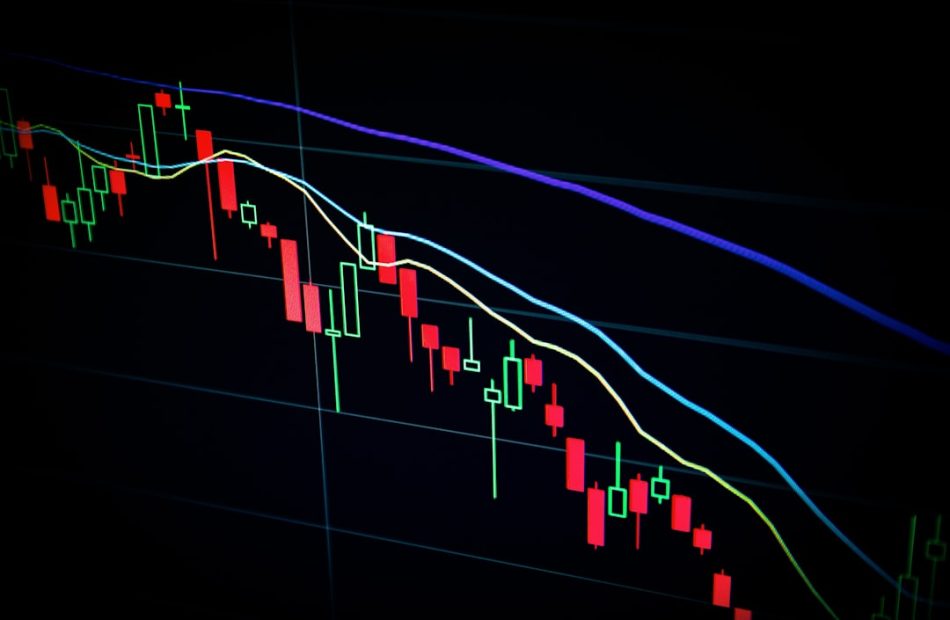
2. Wait for a close beyond the level – A candle that closes above resistance (or below support) confirms the breakout. A wick that pokes through and then closes back inside is a warning sign.
3. Check volume – A genuine breakout usually comes with higher-than-average volume. Low volume suggests a fakeout.
4. Look for a retest – Often, price will return to the broken level (now acting as new support/resistance) before continuing. This retest is a safer entry point.
For example, imagine Bitcoin has been stuck at $30,000 resistance for weeks. If it breaks above on high volume and then pulls back to $30,000 without closing below, that’s a high-probability breakout trade.
Risk Management
Even with the best setup, fakeouts happen. Protect your capital with these rules:
- Set a stop loss just below the breakout level – If you’re long after a breakout above resistance, place your stop a few percentage points below that level. If price slips back, you’re out with a small loss.
- Use a 2:1 risk-to-reward ratio – Aim for a profit target that is at least twice the distance of your stop loss. This ensures one win covers two losses.
- Don’t chase – If you miss the initial breakout, wait for a retest or the next level. FOMO leads to buying at the top of a fakeout.
- Scale in – Enter half your position on the breakout and half on the retest. This averages your entry and reduces risk.
Conclusion
Breakouts and fakeouts are two sides of the same coin. The key is not to predict which one will happen, but to have a plan that profits from real moves and limits losses from traps. By waiting for confirmation, watching volume, and managing risk, you turn the chaos of the market into a repeatable edge. Practice on a demo account first, and soon you’ll spot the difference like a pro.
Real World Assets (RWA): How Tokenization Changes Investing
Real World Assets (RWA) tokenization is reshaping the investment landscape by bringing tangible assets like real estate, commodities, and bonds onto the blockchain. This guide explores how tokenization democratizes access, enhances liquidity, and introduces new efficiencies to traditional investing.
Key Concepts
- Tokenization: The process of converting ownership rights of a physical asset into a digital token on a blockchain. Each token represents a fractional share, enabling smaller investments.
- Liquidity: Tokenized RWAs can be traded 24/7 on decentralized exchanges, reducing the traditional lock-up periods associated with assets like real estate or fine art.
- Fractional Ownership: Investors can buy a fraction of a high-value asset (e.g., a commercial building) for as little as $100, lowering the barrier to entry.
- Smart Contracts: Automate compliance, dividend distribution, and transfer of ownership, cutting out intermediaries and reducing costs.
- Regulatory Compliance: Many RWA projects incorporate KYC/AML checks and adhere to securities laws to ensure legal operation.
Pro Tips
- Always verify the legal structure of the tokenized asset—ensure it’s backed by a real-world entity and compliant with local regulations.
- Look for projects with audited smart contracts and transparent custody solutions for the underlying assets.
- Diversify across different RWA categories (real estate, debt, commodities) to mitigate sector-specific risks.
- Use decentralized or centralized platforms that offer insurance or reserve funds to protect against hacks or defaults.
💡 Pro Tip
Looking for altcoin opportunities and smooth trading? Try KuCoin.
FAQ Section
What are Real World Assets (RWA) in crypto?
RWAs are physical or financial assets (e.g., real estate, bonds, commodities) that are represented as digital tokens on a blockchain. This allows for fractional ownership, easier transfer, and global trading.
How does tokenization change investing?
Tokenization lowers minimum investment amounts, increases liquidity by enabling 24/7 trading, reduces intermediaries, and automates compliance through smart contracts. It opens up previously illiquid markets to a broader audience.
Is RWA tokenization legal?
Yes, but it depends on jurisdiction. Most legitimate projects comply with securities laws, perform KYC/AML checks, and work with regulated custodians. Always check the legal framework of the asset and platform.
What are the risks of investing in tokenized RWAs?
Risks include regulatory changes, smart contract vulnerabilities, custody issues (if the underlying asset is lost or damaged), and market illiquidity. Due diligence on the project and its legal structure is essential.
Can I trade tokenized RWAs on any exchange?
Many tokenized RWAs are available on decentralized exchanges (DEXs) or specialized platforms. Some are also listed on centralized exchanges that support security tokens. Availability varies by project.
Conclusion
Tokenization of Real World Assets is a transformative force in investing, offering greater accessibility, liquidity, and efficiency. As the ecosystem matures and regulatory clarity improves, RWAs are poised to bridge traditional finance with decentralized technology. For more details on this, check out our guide on Master the RSI Divergence Strategy: Catch Reversals Before the Crowd. You might also be interested in reading about What the Senate Ban on Prediction Market Betting Means for Crypto Users.
Quantum Threats Explained: Why Crypto Networks Are Racing to Fix Security
Is your cryptocurrency wallet safe from future quantum computers? It’s a question that sounds like science fiction, but major blockchain projects are already testing defenses. Recent reports from CNN have revived concerns about “Q-Day”—the unknown future moment when quantum computers become powerful enough to crack today’s encryption. For crypto users, this isn’t just a distant theoretical problem. Solana’s validator clients Anza and Firedancer are already testing new quantum-resistant signatures called Falcon. NEAR researchers warn that quantum attacks could create ownership disputes over stolen funds. And the U.S. National Institute of Standards and Technology (NIST) has released new encryption standards, urging organizations to migrate now. This guide explains what Q-Day means for your crypto, how blockchains are preparing, and what you need to know to stay secure.
Read time: 10-12 minutes
Understanding Q-Day and Post-Quantum Security for Beginners
Q-Day refers to the hypothetical future date when a quantum computer becomes powerful enough to break the public-key cryptography that secures most internet traffic and cryptocurrency wallets. Think of it like the day a master locksmith invents a tool that can open any existing lock in seconds. Today’s encryption systems rely on mathematical problems that are easy to do one way (multiply large numbers) but extremely hard to reverse (factor those numbers). Quantum computers, using principles of quantum mechanics, could solve these problems exponentially faster.
Why does this matter? Almost all blockchains—including Bitcoin, Ethereum, and Solana—use public-key cryptography to protect wallet addresses and verify transactions. Your private key is mathematically linked to your public address. A sufficiently powerful quantum computer could theoretically derive your private key from your public key, allowing someone to steal your funds.
The threat isn’t hypothetical tomorrow. Bad actors may already be collecting encrypted data for “harvest now, decrypt later” attacks—storing information now that future quantum computers could unlock. This makes preparing for Q-Day a present-day concern, not just a future one.
The Technical Details: How Blockchains Are Testing Quantum Defenses
Blockchain networks are taking different approaches to prepare for quantum threats. Here’s how the technology works:
1. Post-quantum signature schemes: These are new cryptographic algorithms designed to resist attacks from both classical and quantum computers. The most prominent are those selected by NIST after years of evaluation.
2. Falcon signatures: Solana’s validator clients Anza and Firedancer are testing early versions of Falcon, a post-quantum signature tool. Falcon is notable because it has smaller signature sizes than other NIST-selected standards, which helps maintain blockchain speed and storage efficiency.
3. CRYSTALS-Dilithium (FIPS-204): NEAR is preparing a testnet rollout using this NIST-standardized quantum-safe signature scheme, targeting completion by Q2 2026.
4. Phased activation: Solana’s teams designed Falcon so it can be activated if needed without creating a major performance burden. This “switch-ready” approach allows networks to prepare without rushing.
Why this structure matters: The challenge isn’t just finding quantum-resistant algorithms—it’s integrating them into live blockchain networks handling billions in value. Developers must ensure new signatures work with existing wallets, validators, exchanges, and smart contracts without breaking functionality.
Current Market Context: Why Quantum Threats Matter Now
As of mid-2026, the quantum computing conversation has moved from academic papers to active blockchain development. Recent developments show this is no longer theoretical:
- Solana’s Anza and Firedancer have added Falcon signature support, making Solana one of the first major blockchains with concrete quantum defense plans.
- NEAR’s research team has raised unique concerns about ownership disputes—if an attacker uses quantum computing to steal funds and move them on-chain quickly, networks could struggle to determine whether a transaction came from the real owner or an attacker.
- NIST has released three official post-quantum encryption standards and is urging organizations to begin migration immediately. The agency specifically warns that “harvest now, decrypt later” attacks are a real risk.
The U.S. government’s cybersecurity agency NIST says organizations should identify where weak algorithms are used and plan upgrades to quantum-resistant systems. For crypto, this means wallets, validators, exchanges, bridges, and custody firms need long-term migration plans before Q-Day becomes an active threat.
Competitive Landscape: How Major Blockchains Compare on Quantum Readiness
| Feature | Solana | NEAR | Bitcoin | Ethereum |
|---|---|---|---|---|
| Current Status | Testing Falcon signatures on validator clients | Preparing FIPS-204 (Dilithium) testnet rollout | Research phase; developers estimate 5-10 year timeline | Active research (STARKs, account abstraction) |
| Approach | “Switch-ready” – activate when needed | Planned testnet Q2 2026 | Collective consensus upgrade needed | Gradual integration via protocol upgrades |
| Key Innovation | Falcon’s smaller signature size preserves efficiency | Focus on preventing ownership disputes | Decentralized user migration at scale | Multiple research paths being evaluated |
| Timeline | Already testing | Testnet target: Q2 2026 | 5-10 years estimated | No fixed timeline |
| User Impact | Low – happens behind the scenes | Requires wallet upgrades | High – every user must migrate funds | Moderate – depends on upgrade path |
Practical Applications: Real-World Use Cases
Why should the average crypto user care about quantum threats today?
- Long-term portfolio security: If you hold crypto for 5+ years, your holdings could be at risk if quantum computing advances faster than expected. Understanding which networks are preparing helps you choose where to store value.
- Evaluating project credibility: Networks actively testing quantum defenses (like Solana and NEAR) signal technical maturity and forward-thinking security. This matters for investment decisions.
- Timing hardware wallet upgrades: When major networks adopt quantum-resistant signatures, you’ll need to generate new wallet addresses. Being aware now helps you plan.
- Understanding “harvest now, decrypt later” risks: If you’ve ever sent transactions from a public address, that data could be vulnerable in the future. This affects privacy considerations today.
- Regulatory compliance: As frameworks like MiCA and SEC guidance evolve, quantum-readiness may become a factor in institutional adoption.
Risk Analysis: Expert Perspective
Primary Risks:
1. Technical risk: Rushing a flawed quantum-resistant algorithm could be worse than waiting. New cryptography needs years of testing to ensure it can’t be broken.
2. Coordination risk: For decentralized networks like Bitcoin, getting everyone to upgrade is a massive challenge. Some users may not migrate in time.
3. “Harvest now, decrypt later” risk: Data being collected today could be vulnerable tomorrow. This affects privacy and security of past transactions.
Mitigation Strategies:
- Gradual, optional upgrades: Networks like Solana are making quantum-resistant signatures available without forcing immediate migration.
- Testnet implementation: Before any major upgrade, networks test on testnets (parallel blockchains with no real value) to catch issues.
- Industry standards: Following NIST-approved algorithms ensures compatibility and rigorous testing.
Expert Consensus: Leading developers agree there is no imminent threat from quantum computers. Current quantum machines are far too weak to break blockchain cryptography. However, the migration process itself—coordinating upgrades across global networks—takes years. Starting now is prudent, not panicked.
Beginner’s Corner: Quick Start Guide
Step 1: Understand what you’re protecting. Your crypto wallet uses a public key (your address) and a private key (your password). Quantum computers could reverse-engineer the private key from the public key if they become powerful enough.
Step 2: Use wallets that support or plan to support quantum-resistant addresses. Hardware wallet manufacturers like Ledger and Trezor are monitoring developments.
Step 3: If you hold crypto long-term in cold storage, be prepared to migrate to new quantum-resistant addresses when major networks upgrade. This will involve generating a new wallet and transferring funds.
Step 4: For active trading, stick with major networks that have clear quantum-readiness roadmaps (Solana, NEAR, Ethereum, Bitcoin).
Step 5: Never share your private keys or seed phrases. Quantum or not, this is the most common way people lose crypto.
Common mistake to avoid: Don’t panic-sell based on quantum FUD. The threat is real but distant. Smart preparation beats fear-driven decisions.
Future Outlook: What’s Next
The path to quantum-resistant crypto involves several milestones:
1. Near-term (2026-2027): More testnet implementations from Solana, NEAR, and other networks. Expect NIST to update standards as research progresses.
2. Medium-term (2027-2029): First major blockchain upgrades to quantum-resistant signatures on mainnet. Likely opt-in initially.
3. Long-term (2029-2035): Full migration of major networks. This requires coordinated upgrades across wallets, exchanges, and infrastructure providers.
NIST recently warned that the “harvest now, decrypt later” threat means organizations should begin migration now. However, for individual crypto users, the most important action is staying informed and using wallets from reputable providers that are actively planning for quantum security.
The timeline for Q-Day itself remains uncertain. Estimates range from 10-30 years for a quantum computer powerful enough to break Bitcoin’s encryption. But as the old saying goes: the best time to prepare was yesterday. The second best time is now.
Key Takeaways
- Q-Day is the hypothetical future when quantum computers break today’s encryption – it’s not imminent, but “harvest now, decrypt later” attacks make preparation urgent.
- Solana and NEAR are leading blockchain quantum-readiness with Falcon signatures and FIPS-204 testnets respectively.
- The main challenge isn’t technology – it’s coordination. Upgrading decentralized networks requires years of planning and user migration.
- NIST has released official quantum-resistant standards and urges immediate migration planning for all sensitive systems.
- Individual users should stay informed and use wallets from networks with clear quantum roadmaps – no action needed today beyond awareness.
,
“datePublished”: “2025-12-21”,
“dateModified”: “2025-12-21”,
“mainEntity”: {
“@type”: “Thing”,
“name”: “Q-Day and Post-Quantum Cryptography”
}
}
The Rise of AI Agents in Crypto: A Complete Guide
Introduction
Artificial intelligence is reshaping the crypto landscape. From automated trading bots to decentralized decision-making, AI agents are becoming essential tools for traders, developers, and investors. This guide explores what AI agents are, how they work in crypto, and how you can leverage them for smarter investing.
Key Concepts
- AI Agent: An autonomous program that perceives its environment, makes decisions, and executes actions to achieve specific goals.
- DeFi Automation: AI agents can manage liquidity, rebalance portfolios, and execute arbitrage strategies without human intervention.
- On-chain Analytics: Agents analyze blockchain data in real-time to detect patterns, predict price movements, and identify opportunities.
- DAO Governance: AI agents can vote on proposals, analyze community sentiment, and optimize treasury management.
- NFT & Gaming: Agents can create, trade, and manage NFTs or act as non-player characters (NPCs) in blockchain games.
Pro Tips
- Start small: Test AI agents with minimal capital to understand their behavior and risk.
- Monitor performance: Even autonomous agents need oversight—set alerts for unusual activity.
- Diversify strategies: Use multiple agents with different algorithms to spread risk.
- Stay updated: AI models evolve fast; follow developer updates and community feedback.
- Security first: Only use agents from reputable sources and audit smart contracts if possible.
FAQ Section
What is an AI agent in crypto?
An AI agent is a software program that uses machine learning to autonomously perform tasks like trading, data analysis, or governance voting on blockchain networks.
Are AI agents safe to use?
They can be safe if sourced from trusted developers and audited. Always test with small amounts and never grant excessive permissions.
Do I need coding skills to use an AI agent?
Not necessarily. Many platforms offer no-code interfaces for setting up AI agents, though advanced customization may require programming knowledge.
Can AI agents replace human traders?
They can automate many tasks, but human oversight remains important for strategy, risk management, and adapting to market changes.
What is the future of AI agents in crypto?
Expect more integration with DeFi, DAOs, and metaverse projects, as well as improved decision-making through federated learning and on-chain data.
Conclusion
AI agents are revolutionizing crypto by enabling automation, efficiency, and new forms of interaction. Whether you’re a trader, developer, or investor, understanding and using AI agents can give you a competitive edge. For more details on this, check out our guide on DePIN Explained: Earning Passive Income with Infrastructure. You might also be interested in reading about Tokenized Real Estate: How to Invest with $50.
Carbon Credits: How Tokenization Is Fixing a Broken Market
Carbon credits have long been hailed as a critical tool in the fight against climate change, yet the market has been plagued by opacity, double-counting, and illiquidity. Tokenization—the process of representing real-world assets (RWAs) on a blockchain—is emerging as the solution that can restore trust and efficiency. By bridging the gap between off-chain environmental projects and on-chain transparency, tokenized carbon credits offer verifiable provenance, fractional ownership, and 24/7 liquidity. This guide explains how the technology works, the investment case, and the risks you need to know.
What Are Carbon Credits? Off-Chain vs. On-Chain
A carbon credit represents one metric ton of carbon dioxide equivalent (CO₂e) that has been avoided, reduced, or removed from the atmosphere. In the traditional off-chain market, credits are issued by registries such as Verra or Gold Standard, traded over-the-counter (OTC), and tracked via spreadsheets. This leads to inefficiencies: settlement delays, high transaction costs, and a lack of price discovery. On-chain tokenization transforms each credit into a digital token—typically an ERC-20 or similar standard—that lives on a blockchain. The token is backed 1:1 by a verified credit held in a special purpose vehicle (SPV) or registry account. Oracles continuously report the credit’s status (retired, pending, or active) to the blockchain, ensuring that no two tokens claim the same underlying credit. This creates a transparent, immutable ledger of ownership and retirement.
How Tokenization Works: The Technical Process
The process involves four key steps:
- Origin & Verification: A project developer (e.g., a reforestation or renewable energy project) has its emissions reductions verified by an accredited third-party standard (e.g., Verra, Gold Standard).
- SPV Issuance: The verified credits are deposited into a Special Purpose Vehicle (SPV) or a dedicated registry account. This legal wrapper ensures that the off-chain asset is ring-fenced and cannot be double-sold.
- Token Minting: The SPV authorizes a smart contract to mint a corresponding number of tokens on a blockchain (often Ethereum or a layer-2 solution). Each token is uniquely linked to the serial number of the underlying credit.
- Oracle & Retirement: Oracles (e.g., Chainlink or Tellor) feed real-time data about the credit’s status. When a buyer retires a credit (to offset their emissions), the oracle triggers a burn function on the smart contract, permanently removing the token from circulation. This prevents double-counting.
Investment Analysis: Pros, Cons, and Risks
Pros
- Liquidity: Tokenized credits can be traded 24/7 on decentralized exchanges (DEXs) and centralized platforms, unlike OTC markets that require brokers and days to settle.
- Fractional Ownership: Investors can buy a fraction of a credit (e.g., 0.1 ton), lowering the barrier to entry for retail participants.
- Transparency: Every transaction is recorded on-chain, making it easy to audit the lifecycle of a credit from issuance to retirement.
- Programmability: Smart contracts can automate retirement, compliance reporting, and even integrate with carbon accounting software.
Cons & Risks
- Regulatory Uncertainty: Regulators in the EU, US, and Asia are still defining how tokenized carbon credits fit under securities or commodity laws. A sudden regulatory shift could impact market access.
- Smart Contract Risk: Bugs in the minting, burning, or oracle contracts could lead to loss of funds or creation of unbacked tokens. Audits are essential but not foolproof.
- Quality of Underlying Credits: Tokenization does not fix the problem of low-quality or fraudulent credits. If the underlying project is later found to be invalid, the token’s value collapses.
- Oracle Manipulation: If an oracle reports false data (e.g., claiming a credit is retired when it is not), the entire system’s integrity is compromised.
For a broader market view, check out our analysis on Tokenized Stocks vs. Synthetics: What the NYSE Warning Means for Retail Investors.
Investors often compare this to Real World Assets (RWA): How Tokenization Changes Investing | Complete Guide.
Tool Recommendation
For the best charting tools to spot price trends and liquidity patterns in tokenized carbon markets, try Bitget. Their advanced order books and on-chain data integration make it easier to track real-time supply and demand dynamics.
FAQ
How do tokenized carbon credits prevent double-counting?
Double-counting is prevented through a combination of legal SPVs and on-chain oracles. The SPV holds the underlying credit in a registry account, and the smart contract only mints tokens equal to the number of credits held. When a credit is retired, the oracle triggers a burn, permanently removing the token from circulation. The blockchain’s immutable ledger ensures that no two parties can claim the same credit.
What are the main regulatory risks for tokenized carbon credits?
The main regulatory risks include classification as a security or commodity, which would subject tokens to different compliance frameworks. Additionally, cross-border trading may trigger anti-money laundering (AML) and know-your-customer (KYC) requirements. The EU’s MiCA regulation and the US SEC’s stance on digital assets are key developments to watch. Projects that fail to register or comply could face enforcement actions.
Can I retire a tokenized carbon credit to offset my personal emissions?
Yes, most tokenized carbon credit platforms allow retail investors to retire tokens directly through a dApp or exchange interface. When you retire a token, the smart contract burns it and updates the oracle, permanently removing it from circulation. You will typically receive a certificate or NFT as proof of retirement. However, ensure the underlying credit is certified by a reputable standard like Verra or Gold Standard to guarantee its environmental integrity.
Conclusion
Tokenization is not a silver bullet for the carbon credit market, but it addresses its most critical flaws: opacity, illiquidity, and double-counting. By combining legal SPVs, oracles, and smart contracts, the on-chain model offers a transparent, efficient, and accessible alternative to traditional OTC trading. Investors should approach with caution, focusing on projects with audited contracts, high-quality underlying credits, and clear regulatory compliance. As the market matures, tokenized carbon credits could become a cornerstone of both climate finance and the broader RWA ecosystem.
How to Secure Your Crypto Wallet: A Step-by-Step Guide
Introduction
In the world of cryptocurrency, security is paramount. With billions of dollars lost to hacks, phishing, and user errors each year, knowing how to properly secure your crypto wallet is not optional—it’s essential. Whether you’re a beginner or a seasoned investor, this comprehensive guide will walk you through the best practices to protect your digital assets. From choosing the right wallet to backing up your keys, we cover everything you need to know to keep your crypto safe.
Key Concepts
- Private Keys vs. Seed Phrases: Your private key is the password to your funds; your seed phrase (12-24 words) is the master key to recover your wallet. Never share either.
- Hot Wallets vs. Cold Wallets: Hot wallets (e.g., MetaMask, Trust Wallet) are connected to the internet, convenient but riskier. Cold wallets (e.g., Ledger, Trezor) are offline and much more secure for long-term storage.
- Two-Factor Authentication (2FA): Adds an extra layer of security beyond your password. Use authenticator apps (like Google Authenticator) instead of SMS when possible.
- Phishing Attacks: Fake websites, emails, or DMs that trick you into revealing your private keys or seed phrase. Always double-check URLs and never click suspicious links.
- Smart Contract Risks: When using DeFi or dApps, malicious smart contracts can drain your wallet. Only interact with audited and reputable protocols.
Pro Tips
- Use a Hardware Wallet for Large Amounts: If you hold significant value, invest in a hardware wallet like Ledger or Trezor. Keep it in a safe place.
- Never Store Seed Phrases Digitally: Write your seed phrase on paper or metal and store it in a fireproof safe. Avoid screenshots, cloud storage, or email.
- Enable Whitelisting on Exchanges: Some platforms allow you to whitelist withdrawal addresses, preventing funds from being sent to unknown wallets.
- Keep Software Updated: Regularly update your wallet app, browser extensions, and device OS to patch vulnerabilities.
- Use a Separate Browser for Crypto: Dedicate a browser (or even a device) solely for crypto transactions to minimize exposure to malware.
FAQ Section
What is the safest type of crypto wallet?
Hardware wallets (cold wallets) are generally considered the safest because they keep your private keys offline, away from hackers and malware.
Can I recover my wallet if I lose my phone?
Yes, if you have your seed phrase. Simply download the same wallet app on a new device and use the seed phrase to restore access.
Is it safe to keep crypto on an exchange?
Exchanges are convenient but risky—they are prime targets for hackers. Only keep small amounts for trading; store the rest in a wallet you control.
What should I do if I think my wallet is compromised?
Immediately transfer your funds to a new wallet with a new seed phrase. Revoke any smart contract approvals using tools like Revoke.cash.
Conclusion
Securing your crypto wallet doesn’t have to be complicated, but it does require diligence. By following the steps in this guide—using cold storage, protecting your seed phrase, enabling 2FA, and staying vigilant against phishing—you can dramatically reduce the risk of losing your assets. Remember: in crypto, you are your own bank. Take security seriously from day one.
For more details on this, check out our guide on Key Crypto Market Structure Bill Delayed, Pushed to February.
You might also be interested in reading about DePIN Explained: Earning Passive Income with Infrastructure.
The 1% Rule: The One Risk Management Secret That Keeps You in the Game
Let’s be real for a second: trading is hard. You can have the best strategy in the world—perfect entries, solid technical analysis, and a crystal-clear market bias—but none of it matters if you blow up your account on one bad trade. That’s where the 1% Rule comes in. It’s not glamorous, it’s not exciting, and it won’t make you a millionaire overnight. But it is the single most important risk management principle that separates pros from gamblers.
How It Works
The 1% Rule is simple: never risk more than 1% of your total trading capital on a single trade.
If you have a $10,000 account, your maximum risk per trade is $100. That’s it. No exceptions. This isn’t about how much you could make—it’s about how much you’re willing to lose before you close the trade.
Looking for altcoin opportunities and smooth trading? Try KuCoin.
The Setup
To apply the 1% Rule, you need three things:
1. Account Size – Your total trading capital.
2. Entry Price – Where you buy or sell.

3. Stop Loss – The price at which you exit if the trade goes against you.
Here’s the math:
Position Size = (Account Balance × 1%) ÷ (Entry Price – Stop Loss Price)
Example: You have $5,000. You want to buy Bitcoin at $30,000 with a stop loss at $29,500. Your risk per trade is $50 (1% of $5,000). The price difference is $500. So your position size = $50 ÷ $500 = 0.1 BTC. That’s a $3,000 position.
See? You’re not risking $3,000—you’re risking $50. The position size is just the vehicle.
Risk Management
The 1% Rule isn’t just about math—it’s about psychology. When you know you can only lose 1% per trade, you stop panicking. You stop revenge trading. You stop holding losing positions hoping they’ll come back.
- Survival first: If you lose 10 trades in a row (it happens), you’ve only lost 10% of your account. You’re still in the game.
- Compound gains: Winning trades add up. A 2% win on a $10,000 account is $200. Do that consistently, and you grow steadily.
- No emotion: Risking 1% means you don’t care if the trade goes wrong. You just move to the next setup.
Pro tip: Never increase your risk after a win. Keep it at 1% until your account grows. If your account hits $12,000, your new 1% is $120. Let the math do the work.
Conclusion
The 1% Rule is boring. It won’t make you feel like a hero. But it will keep you trading tomorrow, next month, and next year. In crypto, where volatility is king, survival is the ultimate edge. Start using the 1% Rule today, and you’ll thank yourself the next time the market drops 20%.
Remember: You don’t need to be right all the time—you just need to stay in the game long enough to be right when it counts.
Bitcoin Insurance for Persian Gulf Cargo: What Iran’s Hormuz Safe Platform Means for Crypto Users
Imagine a shipping container crossing the Strait of Hormuz, and its insurance policy is issued, paid for, and verified instantly on the Bitcoin blockchain. That’s the vision behind Iran’s newly launched “Hormuz Safe” platform, announced by state-affiliated media on May 16, 2026. The platform claims it will use Bitcoin (BTC) to settle maritime insurance policies for cargo passing through one of the world’s most critical oil shipping chokepoints, projecting over $10 billion in annual revenue. For crypto learners, this story isn’t just about geopolitics—it’s a real-world example of how governments are exploring Bitcoin as a tool for bypassing traditional financial systems. This guide explains what Hormuz Safe is, how it works, why it matters for crypto users, and the significant risks involved, all in plain language.
Understanding Bitcoin-Powered Insurance for Beginners
Bitcoin-powered insurance means using the Bitcoin blockchain to issue, verify, and settle insurance policies automatically, without relying on traditional banks or insurance companies. Think of it like a smart vending machine: instead of selling snacks, it sells insurance coverage. You pay with Bitcoin, and the machine issues a digital receipt that proves you’re covered—instantly and without human intervention.
Why was this created? It solves a problem for countries like Iran that face heavy financial sanctions from the U.S. and other nations. Traditional insurance companies use the dollar-based banking system, which Iran can’t easily access. By using Bitcoin, Iran can offer insurance services that operate outside that system, potentially earning revenue without needing permission from global financial authorities.
A real-world crypto example is how decentralized insurance protocols like Nexus Mutual work on Ethereum—you pool funds with others and get coverage for smart contract failures. Hormuz Safe applies a similar concept but to maritime cargo in a geopolitically sensitive region.
The Technical Details: How Hormuz Safe Actually Works
According to reports from Iran’s Fars News Agency, Hormuz Safe uses Bitcoin to streamline the insurance process for cargo transiting the Persian Gulf and Strait of Hormuz. Here’s how the system reportedly functions:
1. Cargo Owner Requests Coverage: A shipping company or cargo owner applies for insurance through the Hormuz Safe platform website (hormuzsafe.ir, currently showing a “Coming Soon” landing page).
2. Policy Issued via Bitcoin Blockchain: Once approved, the platform creates a digital insurance policy and records it on the Bitcoin blockchain. This makes the policy tamper-proof and verifiable by anyone.
3. Payment in Bitcoin: The cargo owner pays the insurance premium in Bitcoin (BTC). The payment is processed through a blockchain transaction, bypassing traditional banking channels.
4. Instant Coverage & Digital Receipt: From the moment the Bitcoin transaction is confirmed on the blockchain, the cargo is insured. The owner receives a signed digital receipt as proof.
5. Claims Process (Still Evolving): How claims would be handled—especially for war damage or cargo loss—remains unclear. The platform’s full terms haven’t been publicly disclosed.
Why this structure matters: For regular crypto users, this demonstrates how Bitcoin can function as a payment rail for real-world services, not just trading. The blockchain provides transparency (everyone can see the policy) and automation (instant coverage without middlemen).
Current Market Context: Why This Matters Now
As of May 2026, this announcement comes at a time of heightened tension in the Strait of Hormuz. The waterway handles roughly 20% of global oil trade, and Iran has periodically threatened to close it during conflicts. Meanwhile, President Trump declared in recent weeks that the U.S. Navy has “total control” over the strait.
Iran’s reported move toward a Bitcoin-based insurance platform is part of a broader trend. According to reports, discussions about using Bitcoin, stablecoins, and China’s yuan for safe passage through Hormuz started surfacing as early as April 2026. Iran has increasingly turned to cryptocurrency in recent years to conduct cross-border commerce outside the dollar-denominated financial system, as sanctions restrict its access to traditional banking.
The projected $10 billion in annual revenue is a staggering figure—but it comes from Iran’s state media, not independent analysis. For context, the global marine insurance market was valued at roughly $35 billion in 2025. If Hormuz Safe captures even a fraction of that, it would represent a significant shift in how insurance services are provided in geopolitically sensitive regions.
Competitive Landscape: How Hormuz Safe Compares
Here’s how Iran’s Hormuz Safe platform stacks up against traditional and crypto-based alternatives:
| Feature | Hormuz Safe (Iranian State Platform) | Traditional Marine Insurance (Lloyd’s, etc.) | Decentralized Crypto Insurance (Nexus Mutual) |
|---|---|---|---|
| Payment Method | Bitcoin (BTC) only | USD/EUR via banks | ETH, stablecoins, or native tokens |
| Regulatory Status | Not recognized by U.S./EU | Fully regulated in most jurisdictions | Varies; often unregulated or self-regulated |
| Geographic Scope | Strait of Hormuz, Persian Gulf | Global | Global (but limited to crypto risks) |
| Sanctions Compliance | High risk of U.S. sanctions violations | Compliant with OFAC/Sanctions | Typically compliant but evolving |
| Claims Transparency | Unknown; platform details scarce | Established legal frameworks | Smart contract-based, automated |
| User Trust | Low international trust due to Iranian state affiliation | High trust (established brands) | Moderate trust (community-governed) |
Why this matters: For a cargo operator, choosing Hormuz Safe means accepting high regulatory risk and uncertainty. For crypto learners, it illustrates how blockchain can be used to create alternative financial systems that challenge existing power structures—but also carry significant legal consequences.
Practical Applications: Real-World Use Cases
Beyond the Strait of Hormuz, the concept of Bitcoin-powered insurance could apply in other scenarios:
- Sanctions-Prone Countries: Nations like Russia, Venezuela, or North Korea could theoretically launch similar platforms to circumvent financial restrictions.
- Cross-Border Cargo Insurance: Shipping companies wanting to avoid bank delays or currency conversion fees might pay premiums in Bitcoin for faster settlement.
- War Zone Coverage: Traditional insurers often exclude war damage. A Bitcoin-based system could offer specialized policies for high-risk areas.
- Emergency Coverage: In situations where traditional banking is unavailable (natural disasters, conflicts), Bitcoin insurance could provide immediate coverage.
- Decentralized Alternative to State Systems: For users who distrust government-backed insurance, blockchain-based policies offer transparency and self-custody.
Risk Analysis: Expert Perspective
Primary Risks
1. U.S. Sanctions Violations: The most significant risk. The U.S. Office of Foreign Assets Control (OFAC) has long warned that payments to Iranian entities, including state-backed financial platforms, may trigger sanctions violations. Any cargo operator or insurer interacting with Hormuz Safe could face severe penalties, including fines and legal action.
2. Lack of Transparency: The platform was announced by Iran’s state media, not independent sources. The website is a “Coming Soon” landing page. Full technical and legal specifications haven’t been disclosed. There’s a real possibility this could be a rumor or propaganda tool rather than a fully operational platform.
3. Cybersecurity Risks: Prior crypto scams have impersonated Iranian government authorities, collecting “safe passage” fees from vessel operators. While Hormuz Safe appears to be a distinct, state-sanctioned initiative, the risk of copycat scams or phishing attacks is high.
4. Limited Claims Support: Without established legal frameworks or a transparent process for filing claims, cargo owners may find it difficult to recover losses. If the platform is operated by a sanctioned state, pursuing legal recourse in international courts would be nearly impossible.
5. Geopolitical Instability: The Strait of Hormuz is a flashpoint for military conflict. Any platform tied to Iran’s government could become a target during hostilities, potentially leading to frozen assets or loss of coverage.
Mitigation Strategies
- Consult legal and sanctions counsel before any interaction with Hormuz Safe.
- Verify the platform’s authenticity through independent sources, not just state media reports.
- Consider using decentralized insurance protocols like Nexus Mutual for truly neutral coverage.
- Never share private keys or wallet information with unknown platforms.
Expert Consensus: Western compliance experts universally advise against engaging with Iranian state-backed financial platforms without explicit OFAC guidance.
Beginner’s Corner: Quick Start Guide
If you’re curious about Bitcoin-powered insurance (not Hormuz Safe specifically), here’s a safe way to explore the concept:
1. Learn the Basics of Smart Contracts: Understand how blockchains can automate agreements. Start with our guide on Ethereum smart contracts.
2. Explore Decentralized Insurance Protocols: Check out platforms like Nexus Mutual or InsurAce to see how crypto insurance works in practice.
3. Set Up a Non-Custodial Wallet: Use a wallet like MetaMask or Ledger to store your crypto safely. Never share your seed phrase.
4. Research Regulatory Implications: Before using any crypto insurance product, check your local regulations. In the EU, MiCA rules apply; in the US, state insurance laws vary.
5. Start Small: If you decide to buy crypto insurance, begin with a small amount to understand the process.
6. Consult a Professional: For significant coverage, speak with a legal or financial advisor who understands both crypto and insurance law.
Common Mistakes to Avoid:
- Don’t assume all crypto insurance is safe or regulated.
- Don’t use a platform that asks for your private keys.
- Don’t engage with sanctioned entities (like Hormuz Safe) without expert legal advice.
Future Outlook: What’s Next
Hormuz Safe is still in its early stages. The platform’s website shows a “Coming Soon” page as of this report, and details are likely to evolve quickly. Here’s what to watch for:
1. Clarification of Terms: Iran may release full policy terms, including war-damage exclusions and claims processes.
2. Regulatory Response: The U.S., EU, and other nations may issue formal warnings or sanctions guidance regarding the platform.
3. Adoption by Cargo Operators: If major shipping companies (or smaller regional operators) start using Hormuz Safe, it would mark a significant shift in maritime insurance.
4. Copycat Platforms: Other sanctioned countries may launch similar Bitcoin-based insurance platforms.
5. Technical Rollout: If Hormuz Safe becomes operational, its use of Bitcoin for settling policies could set a precedent for blockchain-based trade finance.
The platform is currently a state-media announcement, not a proven product. Whether it becomes a functioning insurance market remains to be seen. But for crypto learners, it’s a powerful example of how blockchain technology intersects with geopolitics, sanctions, and real-world commerce.
Key Takeaways
- Iran’s Hormuz Safe platform aims to use Bitcoin for maritime insurance in the Strait of Hormuz, claiming $10 billion in projected annual revenue, but faces severe U.S. sanctions compliance risks.
- The platform is in early stages with a “Coming Soon” website and few disclosed technical details, making it difficult to verify claims.
- Bitcoin-powered insurance offers instant, transparent coverage outside traditional banking systems, but carries significant regulatory and geopolitical risks.
- Cargo operators must consult legal counsel before any interaction with Hormuz Safe to avoid sanctions violations.
,
“datePublished”: “2026-05-17T18:01:36.473-04:00”,
“dateModified”: “2026-05-17T18:01:36.473-04:00”,
“mainEntity”: {
“@type”: “Thing”,
“name”: “Hormuz Safe Bitcoin Insurance”
}
}
Restaking Explained: EigenLayer and Beyond – The Ultimate Guide to Crypto Restaking
Introduction
Restaking is one of the most transformative innovations in decentralized finance (DeFi) since liquid staking. By allowing users to reuse staked ETH (or other assets) to secure additional protocols, restaking unlocks new layers of capital efficiency and economic security. EigenLayer, the pioneer in this space, has sparked a wave of restaking protocols that promise to reshape how we think about blockchain security and yield generation. In this guide, we break down what restaking is, how EigenLayer works, and what lies beyond.
Key Concepts
- Restaking: The process of taking already-staked assets (like ETH) and using them to secure multiple protocols simultaneously, earning additional rewards without unstaking.
- EigenLayer: A protocol built on Ethereum that enables restaking by allowing validators to opt into securing third-party services (called Actively Validated Services or AVSs) in exchange for extra yield.
- Liquid Restaking Tokens (LRTs): Tokens like rETH or stETH that represent restaked positions, providing liquidity and composability across DeFi.
- Slashing Conditions: Penalties imposed on validators who misbehave while securing an AVS, ensuring economic security for all parties.
- AVSs (Actively Validated Services): Any protocol or service that requires decentralized validation, such as bridges, oracles, sidechains, or data availability layers.
Pro Tips
- Understand the risks: Restaking amplifies slashing risk. If you restake ETH via EigenLayer, a misbehavior on one AVS could penalize your entire staked position. Always diversify across AVSs and monitor their security track records.
- Start small: If you’re new to restaking, begin with a small amount to understand the mechanics and reward dynamics before committing significant capital.
- Use LRTs for flexibility: Liquid restaking tokens let you maintain liquidity while earning restaking rewards. They can be used in other DeFi protocols for compounding yields.
- Stay updated on AVS launches: Early participation in new AVSs often yields higher rewards. Follow EigenLayer’s official channels and community forums for announcements.
- Consider restaking aggregators: Platforms like Renzo, Ether.fi, and Kelp DAO simplify restaking by managing multiple AVSs and optimizing yields automatically.
💡 Pro Tip
Looking for altcoin opportunities and smooth trading? Try KuCoin.
FAQ Section
What is restaking in simple terms?
Restaking lets you take crypto you’ve already staked (like ETH) and use it to help secure other protocols. In return, you earn extra rewards—like getting paid twice for the same deposit.
How does EigenLayer work?
EigenLayer allows Ethereum validators to opt into new services (AVSs) by restaking their staked ETH. If a validator misbehaves while securing an AVS, their restaked ETH can be slashed. This creates a shared security model where AVSs benefit from Ethereum’s validator set without launching their own.
Is restaking safe?
Restaking introduces additional slashing risks beyond normal staking. However, the risk can be managed by choosing reputable AVSs, diversifying, and using LRTs that spread risk across multiple operators.
What are liquid restaking tokens (LRTs)?
LRTs are tokens that represent your restaked position. They can be traded, lent, or used in DeFi protocols, giving you liquidity while you continue to earn restaking rewards.
What comes after EigenLayer?
Beyond EigenLayer, restaking is expanding to other blockchains (like Solana, Cosmos, and Polkadot) and into new asset classes (like BTC and stablecoins). Projects like Babylon, Picasso, and LayerZero are building cross-chain restaking solutions.
For more details on this, check out our guide on Prediction Markets vs. US Gambling: What the AGA Exodus Means for Crypto Users.
You might also be interested in reading about How Diverse Voices in Crypto Change Product, Policy, and Hiring Outcomes.
Conclusion
Restaking, led by EigenLayer, is redefining capital efficiency in crypto. By enabling staked assets to secure multiple networks, it creates a win-win for validators and emerging protocols. However, with greater rewards come greater risks—especially around slashing and protocol complexity. As the restaking ecosystem matures, expect more cross-chain solutions, better risk management tools, and a surge in innovative AVSs. Whether you’re a validator, a DeFi power user, or a curious investor, understanding restaking is essential for navigating the next wave of crypto innovation.
Peter Schiff Warns US Economy Faces ‘Worst Inflation Yet’ at VRIC Media Interview
May 17, 2026 — Longtime gold advocate and Euro Pacific Asset Management chairman Peter Schiff told VRIC Media this week that the U.S. economy is far weaker than markets realize, warning that inflation is accelerating and the Federal Reserve’s policies are making the problem worse.
Immediate Details & Direct Quotes
Want to trade this news? Bitget offers professional charting tools and deep liquidity.
Schiff pointed to the year-over-year Consumer Price Index reading of 3.8%, up from 3.3% the prior month, and said the annualized April figure is running closer to 7.2%. He noted oil prices have already climbed above where they were when those calculations were made.
“The markets are really set up for a major disappointment,” Schiff told host Darrell Thomas. He warned that 30-year Treasury yields could break above 8%, a level that would inflict serious damage on U.S. government finances given the current debt load. The 20-year high currently sits around 5.1%.
Schiff also flagged the Fed’s balance sheet as a direct concern. He said it has expanded by more than $200 billion so far this year, and that the money supply is growing at a rate of at least 5%—which he called incompatible with a 2% inflation target.
Market Context & Reaction
The Fed, Schiff argued, is still holding an easing bias while inflation worsens, and markets are pricing in rate cuts that will not arrive. He expects the Fed to accelerate bond purchases, particularly if the 10-year yield breaks decisively above 4.5%. The result, he said, will be a much larger balance sheet and more inflation, not less.
On the federal debt, Schiff said the official figure of roughly $39.2 trillion understates the real problem. When unfunded liabilities like Social Security, Medicare, and pension commitments are factored in, he puts the total closer to $150 trillion. He called the U.S. “completely insolvent” as a nation and said foreign central banks have already started drawing the same conclusion, which is why gold has been moving higher.
Schiff described Social Security as a Ponzi scheme structured around government IOUs. The trust fund, he said, holds nothing but U.S. Treasury bonds, meaning the government would simply have to sell new bonds when it runs out of old ones. He advised younger Americans to exclude Social Security from any retirement planning.
Background & Historical Context
Schiff offered a straightforward comparison on gold. In 1971, an ounce of gold cost $35. Today it trades near $5,000. Burying $35 in the ground that year and digging it up today leaves someone with $35. Burying gold leaves someone with $5,000. He said the same forces driving that move over the past 50 years remain in place.
He projected gold could reach $20,000 over the next decade. Schiff said mining stocks offer better upside than the physical metal for investors with higher risk tolerance, though physical gold and silver remain essential for everyone.
Beyond his macro outlook, Schiff has been targeting Strategy Inc. chairman Michael Saylor and the company’s perpetual preferred stock, STRC. Strategy issues STRC as a high-yield product paying roughly 11.5% annually, marketed in part to income-seeking investors, including retirees.
After Saylor suggested in an early May interview at Consensus Miami that Strategy might sell bitcoin to cover STRC dividends, Schiff called the product “a pure Ponzi” on X. He posted that if Strategy ever had to choose between selling bitcoin or suspending STRC dividends, Saylor would sacrifice the dividend and crash the stock.
What This Means
Schiff’s warnings carry specific implications for investors. He sees gold, silver, and mining stocks as the primary hedge through 2026, with 30-year Treasury yields potentially hitting 8%. For those in their 20s or 30s, he said Social Security payments—if they come at all—will not carry enough purchasing power to matter.
He manages the Euro Pacific Gold Fund (EPGIX) and separately managed mining portfolios through Europac.com. He also operates schiffgold.com, where clients can take physical delivery or hold metal in storage through a program called T-Gold. Schiff has accused Saylor of violating SEC marketing rules by describing STRC as appropriate for retirees seeking low-risk wealth preservation, warning that retirees who lose money could win lawsuits against Strategy.
Not financial advice. Conduct your own research before making investment decisions.