
Tax Loss Harvesting in Crypto: A Guide for Traders
Introduction
Tax loss harvesting is a strategy used by traders to reduce their taxable capital gains by selling assets at a loss. In the volatile world of cryptocurrency, this technique can be particularly powerful. This guide explains how crypto traders can leverage tax loss harvesting to optimize their tax liability, stay compliant, and potentially increase after-tax returns.
Key Concepts
- Capital Gains and Losses: When you sell a crypto asset for more than you paid, you have a capital gain. Selling for less creates a capital loss. These are classified as short-term (held ≤1 year) or long-term (held >1 year) for tax purposes.
- Wash Sale Rule: In traditional markets, the wash sale rule prevents you from claiming a loss if you repurchase the same or substantially identical asset within 30 days. Important: The IRS has not yet applied this rule to cryptocurrencies, but this could change. Always consult a tax professional.
- Netting Gains and Losses: You can offset capital gains with capital losses. If losses exceed gains, you can deduct up to $3,000 ($1,500 if married filing separately) against ordinary income per year, with remaining losses carried forward.
- Cost Basis Tracking: Accurate records of purchase price, sale price, and dates are essential. Use a crypto tax software or maintain detailed logs.
Pro Tips
- Harvest losses before year-end: To use losses for the current tax year, sell before December 31.
- Consider repurchasing after 30 days: Even though the wash sale rule may not apply to crypto yet, it’s prudent to wait 30 days to avoid potential future rule changes.
- Use losses to offset high-tax short-term gains: Short-term gains are taxed as ordinary income (up to 37%), so offsetting them with losses yields the greatest tax benefit.
- Don’t let tax strategy drive all decisions: Only sell if it aligns with your investment thesis. Avoid selling a promising asset just for a tax break.
FAQ Section
What is tax loss harvesting in crypto?
It’s the practice of selling crypto assets at a loss to offset capital gains from other sales, reducing your overall tax liability.
Does the wash sale rule apply to crypto?
As of now, the IRS has not explicitly applied the wash sale rule to cryptocurrencies, but it may in the future. Consult a tax advisor.
How much can I deduct if my losses exceed gains?
You can deduct up to $3,000 ($1,500 if married filing separately) against ordinary income per year. Excess losses can be carried forward indefinitely.
Do I need to report every crypto trade?
Yes, the IRS requires reporting of all taxable events, including trades, sales, and disposals of cryptocurrency.
Can I harvest losses on stablecoins?
Yes, if you sell a stablecoin at a loss (e.g., due to depegging), you can harvest that loss. However, stablecoins rarely fluctuate significantly.
Conclusion
Tax loss harvesting is a valuable strategy for crypto traders to minimize taxes and maximize after-tax returns. By understanding the rules, tracking your cost basis, and acting strategically before year-end, you can turn market downturns into tax advantages. Always stay updated on regulatory changes and consult a tax professional for personalized advice.
For more details on this, check out our guide on The Complete Beginner’s Guide to Airdrop Farming Strategies.
You might also be interested in reading about CLARITY Act Explained: What New Crypto Rules Mean for Regulation.
Tokenized Real Estate: How to Invest with $50
Tokenized real estate is transforming the way everyday investors access property markets. By converting real-world assets (RWAs) like commercial buildings, residential complexes, or land into digital tokens on a blockchain, investors can buy fractional ownership for as little as $50. This guide explains the off-chain vs. on-chain difference, the technical process, and the risks and rewards of this emerging asset class.
What Is Tokenized Real Estate?
Tokenized real estate represents a physical property through digital tokens issued on a blockchain. Each token corresponds to a share of the underlying asset, giving the holder proportional rights to rental income, capital appreciation, or voting on property decisions. The key distinction is off-chain vs. on-chain: the physical property remains off-chain (registered with a legal entity like a Special Purpose Vehicle or SPV), while the token ownership is recorded on-chain. This structure bridges traditional finance (TradFi) with decentralized finance (DeFi), enabling 24/7 liquidity and transparent ownership records.
How It Works: The Technical Process
The tokenization process involves several steps to ensure legal and technical integrity:
- Asset Selection & Valuation: A property is appraised by a licensed third-party. Reports from BlackRock and JPMorgan highlight that institutional-grade assets are increasingly being tokenized.
- SPV Formation: A legal entity (Special Purpose Vehicle) holds the property title. Tokens represent shares in this SPV, not direct ownership of the land.
- Token Issuance: The SPV issues tokens on a blockchain (e.g., Ethereum, Polygon, or a regulated platform). Each token typically represents a fraction of the property value.
- Oracle Integration: Oracles feed real-world data (rental income, property valuations) onto the blockchain to calculate yields and trigger smart contract actions.
- Secondary Trading: Tokens can be traded on decentralized exchanges (DEXs) or specialized RWA platforms, providing liquidity that traditional real estate lacks.
Investment Analysis: Pros, Cons, and Risks
Pros
- Low Entry Barrier: Invest with as little as $50, compared to traditional real estate requiring tens of thousands.
- Liquidity: Tokens can be traded 24/7, unlike physical property that takes months to sell.
- Diversification: Spread small amounts across multiple properties globally.
- Transparency: All transactions and ownership records are on-chain and auditable.
Cons
- Regulatory Uncertainty: Many jurisdictions lack clear rules for tokenized real estate. The SEC and ESMA are still developing frameworks.
- Smart Contract Risk: Bugs or exploits in the token contract could lead to loss of funds.
- Illiquidity of Underlying Asset: While tokens trade, the property itself remains illiquid. If the SPV fails, token holders may face losses.
- Valuation Challenges: Property appraisals can be subjective, and oracles may not always reflect accurate market prices.
For a broader market view, check out our analysis on Tokenized Real Estate: How to Invest with $50. Investors often compare this to How to Bridge Assets Across Blockchains Safely: A Complete Guide for 2025.
Tool Recommendation
To trade tokenized real estate tokens and other RWA assets, you need a reliable exchange with strong liquidity and security. Looking for altcoin opportunities and smooth trading? Try KuCoin. KuCoin offers a wide range of tokenized assets, low fees, and a user-friendly interface for both beginners and advanced traders. Sign up here to start investing with as little as $50.
FAQ Section
Is tokenized real estate legal?
Yes, but legality varies by jurisdiction. Most tokenized real estate projects use an SPV structure that complies with securities laws. Always verify that the platform is registered with relevant regulators (e.g., SEC in the US, FCA in the UK).
What happens if the property loses value?
Token holders bear the same risk as traditional property owners. If the property depreciates, the token value declines proportionally. However, diversification across multiple tokens can mitigate this risk.
Can I sell my tokens at any time?
Yes, provided there is liquidity on the secondary market. Some platforms have lock-up periods or limited trading pairs. Data from RWA.xyz shows that secondary market liquidity for tokenized real estate is growing but still lower than for major cryptocurrencies.
Conclusion
Tokenized real estate democratizes access to a traditionally exclusive asset class. With as little as $50, you can own a fraction of income-generating property, enjoy 24/7 liquidity, and benefit from blockchain transparency. However, regulatory risks, smart contract vulnerabilities, and valuation challenges remain. For investors willing to do their due diligence and start small, tokenized real estate offers a compelling way to diversify into RWAs. As the ecosystem matures—with major players like BlackRock and JPMorgan entering the space—this asset class is poised for significant growth.
BIS Says Stablecoins Resemble ETFs, Not Real Money
June 29, 2026 — The Bank for International Settlements (BIS) has declared that stablecoins function more like exchange-traded funds than genuine money, warning that their price deviations from par and redemption delays undermine their role as reliable payment tools. The global central bank umbrella group’s latest annual report argues that dollar-pegged tokens are accelerating dollarization in vulnerable economies while evading traditional capital controls.
Immediate Details & Direct Quotes
Ready to act on this news? Open an account on Binance — the world’s largest crypto exchange.
The BIS report draws a sharp distinction between stablecoins and traditional money. True currency, the report states, is accepted “with no questions asked” at face value — whether as physical cash or a bank deposit. Stablecoins, however, frequently trade at slight premiums or discounts to their $1 peg on secondary markets, mirroring ETF share price behavior.
“Redemption frictions are common, indicating that current stablecoin designs resemble exchange-traded fund shares rather than means of payment,” the BIS report states. Unlike bank deposits ultimately backed by central bank money, stablecoin transfers “settle neither directly nor indirectly on central bank balance sheets,” and “they cannot currently ensure exchange at par across issuers and blockchains under all conditions.”
The report highlights that stablecoins also fail the “cash-in-advance” money model. Issuers mint new tokens only after users deposit equivalent fiat currency — a 100% pre-funding requirement that prevents flexible supply expansion. Commercial banks, by contrast, create new deposit money through lending without waiting for cash deposits.
Market Context & Reaction
The BIS warns that dollar-pegged stablecoins are accelerating dollarization in emerging economies, particularly during periods of high inflation or sovereign debt stress. Rising flows from non-dollar currencies into US dollar stablecoins can weaken domestic currencies in spot markets, the report found.
This phenomenon mirrors traditional deposit dollarization — where households create foreign-currency bank deposits during domestic instability — but with added complications. “Such measures are likely to be imperfect given the digital bearer-like nature of tokens and the availability of unhosted wallets,” the BIS notes, suggesting that capital controls effective on bank deposits fail to constrain self-custodied, borderless tokens.
The report identifies friction between crypto markets and conventional foreign exchange markets, potentially raising dollar acquisition costs through FX swap markets. Once stablecoin-driven dollarization takes hold, the BIS observes, it tends to persist for years.
Background & Historical Context
The crypto industry has long promoted stablecoins as the future of blockchain-based payments, touting them as frictionless digital cash. Major stablecoins like USDT and USDC have grown to tens of billions in market capitalization, with total stablecoin supply exceeding $160 billion.
The BIS, representing 63 central banks globally, has consistently taken a cautious stance toward crypto assets. Previous reports have warned about stablecoin run risks, operational vulnerabilities, and regulatory gaps. This year’s analysis adds specificity by formally comparing stablecoin mechanics to ETF structures rather than monetary instruments.
Several emerging economies have already restricted cross-border stablecoin use. The BIS acknowledges these efforts but questions their effectiveness given stablecoins’ pseudonymous and decentralized nature.
What This Means
The BIS report signals a hardening of regulatory attitudes toward stablecoins globally. Policymakers in both advanced and developing economies may use this framework to justify tighter oversight, potentially requiring stablecoin issuers to pursue banking licenses or central bank reserves backing.
For stablecoin holders and traders, the analysis underscores redemption risk — converting tokens back to fiat may involve delays or costs, particularly during market stress. Users should verify issuer reserve transparency and redemption mechanisms.
The report’s emphasis on dollarization pressures suggests that capital controls targeting stablecoins could expand, especially in vulnerable economies. Traders operating across jurisdictions should monitor regulatory developments closely.
Long-term, the BIS comparison to ETFs rather than money undermines stablecoins’ primary value proposition. Failure to achieve true money status could accelerate central bank digital currency development as an alternative.
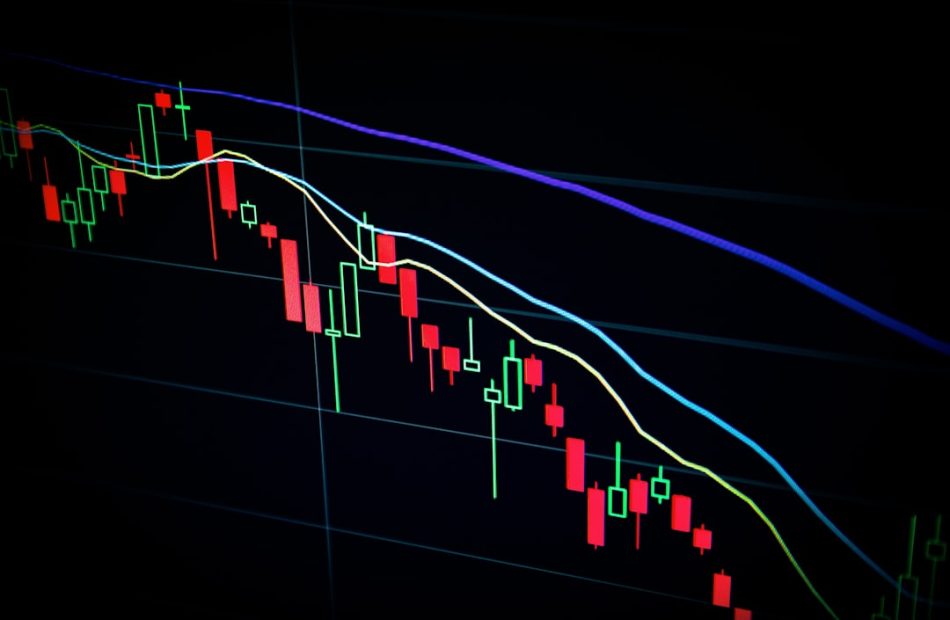
FOMO in Trading: How to Turn Fear of Missing Out into Your Secret Weapon
You’ve seen it happen—a coin pumps 20% in an hour, your chat group is buzzing, and your finger hovers over the “Buy” button. That rush, that panic of being left behind, is FOMO. It’s one of the most powerful emotions in trading, but it’s also the fastest way to blow up your account. The good news? You can learn to master it.
The Strategy Explained
FOMO isn’t just a weakness—it’s a signal. When you feel that urgent pull to buy, it usually means the market has already moved. Smart traders use that feeling as a warning, not a green light. Instead of chasing, they prepare.
How it Works
FOMO-driven trades are typically impulsive, based on price action alone without a plan. The antidote is a simple pre-trade checklist:
1. Check the trend – Is this move part of a larger uptrend, or just a random spike?
2. Look for volume – A real breakout has high volume. Low volume pumps are traps.

3. Wait for a retest – Instead of buying the breakout, wait for price to pull back to support. If it holds, you get a better entry.
4. Set a stop-loss – Know exactly where you’re wrong before you enter.
The Setup
Here’s a practical FOMO-busting setup for any crypto or stock:
- Timeframe: 1-hour or 4-hour chart
- Indicator: RSI (Relative Strength Index) – when RSI is above 70, the asset is overbought. FOMO peaks here.
- Action: Do NOT buy when RSI > 70. Instead, add the asset to your watchlist. Wait for RSI to drop back below 60 and price to find support at a moving average (like the 20 EMA).
- Entry: Buy only after a confirmed bounce from support with increasing volume.
This simple rule turns you from a chaser into a hunter.
Risk Management
FOMO is dangerous because it makes you ignore risk. To protect yourself:
- Never risk more than 1-2% of your account on a single trade.
- Use a hard stop-loss – place it just below the nearest support level.
- Scale in – instead of going all-in, buy 1/3 of your position at the first signal, add another 1/3 if price confirms, and leave the last 1/3 for a potential dip.
- Journal every FOMO urge – write down what you felt, what the chart looked like, and whether acting on it would have been profitable. This builds self-awareness.
Conclusion
FOMO isn’t going away—it’s part of being human. But you can train yourself to treat it as a red flag, not a green light. By using a checklist, waiting for the right setup, and managing risk, you’ll stop chasing tops and start catching waves. The market will always have another opportunity. The key is to be ready when it comes.
Remember: discipline beats adrenaline every time.
Cold Storage vs Hot Wallets: Which Should You Choose? A Complete Guide for 2025
In the world of cryptocurrency, one of the most critical decisions you’ll make is how to store your digital assets. The choice between cold storage and hot wallets can mean the difference between keeping your funds safe and losing them to hackers or your own mistakes. This guide breaks down everything you need to know to make an informed decision.
Key Concepts
What is a Hot Wallet?
A hot wallet is a cryptocurrency wallet that is connected to the internet. Examples include mobile apps, browser extensions, and exchange wallets. They are convenient for frequent transactions and trading but are more vulnerable to online attacks.
What is Cold Storage?
Cold storage refers to wallets that are not connected to the internet. This includes hardware wallets (like Ledger or Trezor), paper wallets, and even offline computers. They offer superior security but are less convenient for daily use.
Key Differences at a Glance
- Security: Cold storage wins hands-down. Hot wallets are exposed to malware, phishing, and exchange hacks.
- Convenience: Hot wallets are instant and easy to use. Cold storage requires extra steps to access funds.
- Cost: Hot wallets are usually free. Cold storage often requires purchasing a hardware device.
- Use Case: Hot wallets for spending and trading; cold storage for long-term holding (HODLing).
Pro Tips
- Use both: Keep a small amount in a hot wallet for daily transactions and store the bulk of your assets in cold storage.
- Never share your seed phrase: Your recovery phrase is the key to your funds. Store it offline, in a safe place.
- Enable 2FA: For hot wallets and exchanges, always use two-factor authentication.
- Test small amounts first: Before moving large sums, send a tiny test transaction to confirm the address.
- Keep your hardware wallet firmware updated: Manufacturers release security patches regularly.
FAQ Section
Q: Can I lose my crypto if my hot wallet provider goes bankrupt?
A: Yes, if you use a custodial hot wallet (like an exchange wallet), the provider controls your private keys. If they go bankrupt or get hacked, you could lose your funds. Non-custodial hot wallets (where you hold the keys) are safer in that regard.
Q: Is a hardware wallet 100% secure?
A: No wallet is 100% secure. Hardware wallets can still be compromised if you buy a tampered device, share your seed phrase, or connect it to an infected computer. However, they are the most secure option for most users.
Q: Which is better for beginners?
A: Beginners often start with a hot wallet (like MetaMask or Trust Wallet) to learn the basics. Once they accumulate significant value, they should move to cold storage.
Q: Can I use both cold and hot wallets together?
A: Absolutely. This is the recommended approach. Use a hot wallet for small, frequent transactions and a cold wallet for your long-term savings.
Conclusion
Choosing between cold storage and hot wallets doesn’t have to be an either/or decision. The smartest strategy is to use both: a hot wallet for everyday spending and a cold wallet for your long-term holdings. Your choice should depend on your risk tolerance, transaction frequency, and the amount of crypto you own.
For more details on this, check out our guide on Gold-Backed Cryptos vs Physical Gold: Pros and Cons.
You might also be interested in reading about Identity on Chain: KYC and Compliance in DeFi.
How to Secure Your Crypto Wallet: A Step-by-Step Guide
Introduction
Cryptocurrency offers financial freedom, but with great power comes great responsibility. Unlike traditional banks, there’s no customer support to reverse a fraudulent transaction or recover lost funds. Securing your crypto wallet is not optional—it’s essential. This comprehensive guide walks you through every critical step to protect your digital assets from hackers, scams, and human error. Whether you’re a beginner or a seasoned trader, these best practices will help you sleep soundly at night.
Key Concepts
- Private Keys vs. Seed Phrases: Your private key is the password to your crypto. A seed phrase (12–24 words) is a human-readable backup of all private keys in a wallet. Never share either with anyone.
- Hot Wallets vs. Cold Wallets: Hot wallets (e.g., browser extensions, mobile apps) are connected to the internet—convenient but vulnerable. Cold wallets (hardware devices, paper wallets) are offline and far more secure for long-term storage.
- 2FA (Two-Factor Authentication): Adds an extra layer of security beyond your password. Use an authenticator app (like Google Authenticator) rather than SMS, which is susceptible to SIM-swapping attacks.
- Phishing: Fake websites, emails, or messages that trick you into revealing your private keys or seed phrase. Always double-check URLs and never click suspicious links.
- Smart Contract Risks: When using DeFi or dApps, you grant permissions to smart contracts. Revoke unnecessary approvals regularly using tools like Etherscan’s Token Approval checker.
Pro Tips
- Use a Hardware Wallet for Large Holdings: Ledger or Trezor devices keep your private keys offline. Even if your computer is compromised, your funds remain safe.
- Write Down Your Seed Phrase on Paper: Store it in a fireproof safe. Never store it digitally (no screenshots, no cloud storage, no email).
- Enable Whitelisting on Exchanges: Only allow withdrawals to pre-approved addresses. This prevents hackers from sending funds to unknown wallets.
- Keep Software Updated: Wallet apps, browser extensions, and your operating system should always run the latest versions to patch known vulnerabilities.
- Use a Dedicated Device for Crypto: Consider a separate phone or computer solely for crypto transactions to minimize exposure to malware.
💡 Pro Tip
Looking for altcoin opportunities and smooth trading? Try KuCoin.
FAQ Section
What is the safest type of crypto wallet?
Hardware wallets (cold storage) are considered the safest for holding significant amounts of crypto because they keep private keys offline. For everyday small transactions, a reputable hot wallet with strong security features can suffice.
Can I recover my crypto if I lose my wallet?
Yes, if you have your seed phrase. The seed phrase can restore your wallet on any compatible device. Without it, recovery is nearly impossible. Always back up your seed phrase securely.
Is it safe to store crypto on an exchange?
Exchanges are convenient for trading, but they are custodial—you don’t control the private keys. For long-term storage, transfer funds to a wallet you control. For more on this, check out our guide on What is Impermanent Loss? Liquidity Providing Explained.
What should I do if I think my wallet is compromised?
Immediately transfer your funds to a new wallet with a new seed phrase. Revoke any smart contract approvals. Change passwords and enable 2FA on all related accounts. You might also be interested in reading about KYC vs No-KYC Exchanges: Privacy Guide 2026.
Conclusion
Securing your crypto wallet is a continuous process, not a one-time setup. By understanding key concepts like private keys, seed phrases, and wallet types, and by implementing the pro tips above, you drastically reduce the risk of losing your assets. Start with the basics: use a hardware wallet for large sums, never share your seed phrase, and stay vigilant against phishing. Your crypto journey should be rewarding, not stressful—take security seriously from day one.
Carbon Credits: How Tokenization is Fixing the Market
The global carbon credit market, valued at over $900 billion in notional offsets, has long been plagued by opacity, double-counting, and illiquidity. Tokenization—the process of representing real-world assets (RWAs) on a blockchain—offers a structural fix. By moving carbon credits from fragmented off-chain registries to transparent on-chain tokens, the market gains verifiable provenance, fractional ownership, and 24/7 liquidity. This guide explains how tokenization is transforming carbon credits into a credible, investable asset class.
Off-Chain vs. On-Chain Carbon Credits
Traditional carbon credits exist as certificates issued by registries like Verra or Gold Standard. Off-chain, they suffer from manual verification delays, high transaction costs, and limited secondary market access. On-chain, each credit is minted as a non-fungible token (NFT) or fungible token representing a verified ton of CO2 equivalent. Smart contracts enforce retirement (permanent removal from circulation), while oracles feed real-time registry data to the blockchain. The result: immutable audit trails, instant settlement, and global accessibility.
How Tokenization Works
The technical process involves four key steps:
- Tokenization & SPV: A Special Purpose Vehicle (SPV) holds the underlying carbon credit registry certificates. The SPV issues blockchain tokens that represent fractional ownership of those credits.
- Oracle Integration: Decentralized oracles (e.g., Chainlink) bridge off-chain registry data—such as credit vintage, methodology, and retirement status—onto the blockchain.
- Minting & Compliance: Smart contracts mint tokens only after verifying the credit’s authenticity via the oracle. Tokens can be programmed to comply with specific standards (e.g., CORSIA for aviation offsets).
- Secondary Market: Tokenized credits trade on decentralized exchanges (DEXs) or regulated platforms, enabling fractional sales and real-time price discovery.
Investment Analysis: Pros, Cons, and Risks
Pros
- Transparency: Every credit’s lifecycle—from issuance to retirement—is recorded on-chain, eliminating double-counting.
- Liquidity: Fractionalization allows retail investors to buy small portions of high-quality credits, unlocking a previously institutional-only market.
- Programmability: Smart contracts can automate retirement, compliance reporting, and even yield generation (e.g., staking credits for carbon removal projects).
Cons & Risks
- Regulatory Uncertainty: Jurisdictions like the EU and US are still defining how tokenized credits fit under securities or commodity laws. Regulatory shifts could impact market structure.
- Smart Contract Risk: Bugs in minting or retirement logic could lead to loss of funds or invalid credits. Audited contracts reduce but do not eliminate this risk.
- Oracle Dependency: If oracles provide stale or manipulated data, the on-chain representation may diverge from the real-world credit. Decentralized oracle networks mitigate this but add complexity.
For a broader market view, check out our analysis on KYC vs No-KYC Exchanges: Privacy Guide 2026.
Investors often compare this to How to Secure Your Crypto Wallet: A Step-by-Step Guide, as both involve managing digital assets with unique security considerations.
Tool Recommendation
If you’re ready to explore tokenized carbon credits, start with a secure, regulated exchange that supports RWA tokens. You can practice this setup safely on Binance, which offers a dedicated carbon trading marketplace and educational resources for new investors.
FAQ
Are tokenized carbon credits legally recognized?
Recognition varies by jurisdiction. Some countries (e.g., Singapore, UAE) have introduced regulatory sandboxes for tokenized carbon credits. In the EU, they may fall under the Markets in Crypto-Assets (MiCA) framework if they qualify as asset-referenced tokens. Always consult local regulations before investing.
How do I verify the quality of a tokenized carbon credit?
Look for tokens backed by credits from established registries (Verra, Gold Standard) and audited by third-party validators. On-chain explorers should show the credit’s vintage, methodology, and retirement status. Platforms like Toucan and KlimaDAO provide transparency dashboards.
Can I retire tokenized carbon credits to offset my emissions?
Yes. Most tokenized credit protocols include a “retire” function in their smart contract. When you retire a token, it is permanently removed from circulation and recorded on-chain. You receive a certificate with a unique ID that can be used for corporate or personal offset reporting.
Conclusion
Tokenization addresses the carbon market’s core inefficiencies—opacity, illiquidity, and fraud—by bringing credits on-chain. While regulatory and technical risks remain, the convergence of RWA tokenization with climate finance creates a compelling opportunity for both institutional and retail investors. For those willing to navigate the learning curve, tokenized carbon credits offer a transparent, liquid, and impactful asset class. Data from RWA.xyz shows that carbon credit tokenization volumes grew over 300% in 2025, signaling strong market validation.
Understanding Gas Fees: How to Save Money on Ethereum
Ethereum gas fees can be a major pain point for users, especially during periods of network congestion. This guide breaks down what gas fees are, why they fluctuate, and most importantly, how you can minimize them to save money on every transaction.
Key Concepts
What is Gas? Gas is a unit that measures the computational effort required to execute operations on the Ethereum network. Each transaction (sending ETH, interacting with a smart contract, minting an NFT) requires a certain amount of gas.
Gas Price vs. Gas Limit: The gas price is the amount you’re willing to pay per unit of gas (in gwei). The gas limit is the maximum amount of gas you’re willing to use for a transaction. Total fee = gas units used × (base fee + priority fee).
EIP-1559: Implemented in August 2021, this upgrade introduced a base fee (burned) and a priority fee (tip to miners/validators). It made fees more predictable but didn’t lower them.
Pro Tips to Save on Gas
- Time Your Transactions: Gas fees are typically lower on weekends and during off-peak hours (e.g., late night UTC). Use tools like Etherscan Gas Tracker to monitor.
- Use Layer 2 Solutions: Networks like Arbitrum, Optimism, and Base offer significantly lower fees. Bridge your assets and transact there.
- Set a Custom Gas Price: Most wallets allow you to adjust the gas price. Choose a slower speed if you’re not in a hurry.
- Batch Transactions: If you need to perform multiple actions (e.g., approve and swap), use a dApp that batches them into one transaction.
- Avoid Peak Times: Major NFT mints, DeFi launches, or market crashes can spike fees. Wait for the network to cool down.
FAQ
Q: Why are gas fees so high on Ethereum?
A: High demand for block space, especially during DeFi and NFT activity, drives up fees. Each block has a limited gas capacity.
Q: Can I cancel a pending transaction with high gas?
A: Yes, you can send a new transaction with the same nonce and a higher gas price to replace it, or use the wallet’s cancel feature.
Q: What is gwei?
A: Gwei is a denomination of ETH (1 ETH = 1,000,000,000 gwei). Gas prices are typically quoted in gwei.
Q: Do Layer 2 solutions have their own gas fees?
A: Yes, but they are usually a fraction of Ethereum mainnet fees. For example, Arbitrum fees can be 10-50x cheaper.
For more details on this, check out our guide on Consensys and Joe Lubin Commit 30,000 ETH to DeFi United Recovery.
You might also be interested in reading about Risks of Investing in Real World Assets: A Candid Guide.
Conclusion
Understanding gas fees is essential for anyone using Ethereum. By timing your transactions, leveraging Layer 2s, and using smart wallet settings, you can significantly reduce costs. Stay informed and always check current network conditions before hitting send.

How to Trade the AI Agent Narrative in Crypto: A Step-by-Step Guide
If you’ve been watching the crypto markets lately, you’ve probably noticed a new buzzword taking over: AI Agents. These are autonomous programs that execute tasks, manage wallets, or even trade on your behalf — all powered by artificial intelligence. But beyond the tech hype, there’s a real trading opportunity here. The AI Agent narrative is creating waves of volatility, and if you know how to spot the cycle, you can ride those waves profitably. In this guide, I’ll break down a simple, repeatable strategy to trade this narrative without getting caught in the hype trap.
The Strategy Explained
Trading a narrative like AI Agents isn’t about predicting the future — it’s about following the crowd’s attention. Here’s the core idea: narratives go through predictable phases. First, a new concept emerges (like AI Agents). Then, early adopters pile in, prices spike, and FOMO kicks in. Finally, the hype fades, and prices correct. Our goal is to enter early in the hype phase and exit before the peak.
How it Works
1. Identify the Narrative Trigger: Look for a catalyst — a major announcement, a viral tweet from a crypto influencer, or a new protocol launching. For AI Agents, this could be a project like Fetch.ai or Autonolas announcing a partnership or a new use case.
2. Monitor Social Sentiment: Use tools like LunarCrush or simple Twitter/X searches to track how often “AI Agent” is mentioned. When mentions spike sharply, the narrative is heating up.

3. Check the Price Action: Look for coins that are already up 10-20% in a single day. This confirms momentum. Don’t chase if it’s already up 100% — you’re likely too late.
The Setup
Here’s the exact setup I use:
- Asset Selection: Pick 3-5 AI Agent-related tokens (e.g., FET, AGIX, OCEAN, or newer ones like VIRTUAL). Avoid micro-caps unless you’re prepared for high risk.
- Entry Point: Wait for a pullback after the initial spike. For example, if a coin jumps 30% in 24 hours, wait for it to retrace to 10-15% gain. Enter there with a limit order.
- Exit Target: Aim for a 25-40% gain from your entry. Use a trailing stop loss once you’re up 15% to lock in profits if the trend reverses.
- Timeframe: Hold for 3-7 days. AI narratives burn out fast — rarely more than two weeks.
Example: In early 2024, when AI Agents first gained traction, FET went from $0.50 to $1.20 in a week. If you entered at $0.60 after a pullback and sold at $1.00, you’d have a 66% gain. The key? You didn’t buy the top.
Risk Management
Trading narratives is exciting, but it’s also risky. Here’s how to stay safe:
- Position Size: Never allocate more than 5% of your portfolio to a single narrative play. Spread across 3-5 coins.
- Stop Loss: Set a hard stop loss at 10% below your entry. If the hype dies overnight, you want out quickly.
- Don’t Get Married: These are short-term trades, not investments. If the narrative fizzles, sell even at a small loss. Don’t hold hoping for a rebound — it rarely comes.
- Avoid Leverage: Leverage amplifies losses. Stick to spot trading for narrative plays.
Remember: The AI Agent narrative will likely have multiple waves. If you miss one, wait for the next. There’s always another trade.
Conclusion
Trading the AI Agent narrative isn’t about understanding the tech deeply — it’s about reading the crowd and moving fast. By following the three-step process of identifying triggers, monitoring sentiment, and executing a disciplined setup, you can capture gains while managing risk. Start small, practice with paper trading if needed, and soon you’ll be riding narrative waves like a pro. The AI revolution is just getting started — and so are the trading opportunities.
Bitcoin at $60K: Why 8 Forces Are Pushing and Pulling the Market
Bitcoin is trading near $60,000 in late June 2026—more than 50% below its 2025 all-time high of $126,000. For investors wondering what’s causing this dramatic pullback, the answer isn’t simple. Eight competing forces are currently battling for control of Bitcoin’s price direction. On one side, four bullish catalysts could drive prices higher. On the other, four bearish factors are creating downward pressure. Understanding these dynamics helps you make informed decisions rather than reacting emotionally to market swings. This guide breaks down each force in plain language, shows what real-world data says, and explains what to watch next.
Read time: 12-15 minutes
Understanding Bitcoin’s Current Market Position
Bitcoin’s price is a tug-of-war between structural demand and short-term headwinds. Think of it like a heavyweight boxing match. One fighter represents long-term buyers—institutions, ETFs, and believers in Bitcoin’s scarcity. The other fighter represents near-term sellers—geopolitical fears, regulatory uncertainty, and profit-taking.
Why does this matter now? Because Bitcoin has entered one of its longest corrective phases of the current market cycle. Unlike previous downturns where crypto was mostly retail-driven, this time institutional infrastructure is far more developed. Yet prices still haven’t recovered.
A real-world example: In early 2025, U.S. spot Bitcoin ETFs had accumulated over $50 billion in net inflows. But by June 2026, those same ETFs saw $1.72 billion in weekly outflows—the largest since early 2025. This shows that even sophisticated institutional money isn’t immune to shifting sentiment.
Bitcoin institutional adoption remains in its early stages. Less than 0.5% of advised U.S. wealth is currently allocated to Bitcoin. That suggests enormous potential upside if the bullish forces win—but also significant downside if bearish forces dominate.
The Four Bullish Catalysts Explained
1. The CLARITY Act Could Transform U.S. Regulation
The Digital Asset Market Clarity Act (CLARITY Act) is a proposed U.S. law that would establish clear rules for crypto regulation. It passed the House in July 2025 and cleared the Senate Banking Committee with a 15-9 bipartisan vote in May 2026.
What this means: Currently, crypto companies struggle with unclear jurisdiction between the SEC and CFTC. The CLARITY Act would:
- Define when digital assets transition from securities to commodities
- Create safe harbors for decentralized finance (DeFi)
- Establish clear custody rules
If passed, this opens the door for pension funds, banks, and financial advisors to participate more actively. Regulatory clarity is often cited as the single biggest factor holding back mainstream institutional adoption.
2. Institutional Accumulation Continues Despite Price Drops
Despite the current downturn, institutional buying hasn’t stopped entirely. Key developments include:
- U.S. Strategic Bitcoin Reserve: Established via executive order in 2025 with a no-sale policy on forfeited coins
- Corporate treasuries: Companies like Strategy (formerly MicroStrategy) continue adding to holdings
- ETF infrastructure: Despite June outflows, the overall net position remains positive
The strategic reserve is particularly significant. It provides sovereign validation—essentially, the U.S. government treating Bitcoin as a strategic asset rather than ignoring or banning it.
3. Bitcoin Scarcity Intensifies With Every Block
Bitcoin’s supply is fixed at 21 million coins. Approximately 1.2 million BTC remain to be mined. The 20 millionth coin was mined in March 2026. Daily issuance now runs near 450 BTC—down from 900 BTC before the 2024 halving.
Why this matters: When demand recovers, the reduced supply creates natural upward pressure. Long-term holders continue accumulating, and ETF and institutional buying has absorbed the majority of new supply. This supports a multi-year scarcity argument.
4. A Potential Hard Fork Airdrop Could Drive Buying
Developer Paul Sztorc of Layertwo Labs has proposed a Bitcoin hard fork targeting activation around block 964,000 in August 2026. The fork includes a 1:1 airdrop to all Bitcoin holders at the time of the chain split.
How this works: Traders typically accumulate Bitcoin in self-custody wallets to qualify for airdrops. They also sometimes buy on exchanges that will honor the forked coin’s listing. This speculative accumulation effect could create measurable buying pressure before the snapshot.
Note: This project has drawn criticism and creates name confusion with the existing XEC token. But historically, fork-related airdrops have generated meaningful accumulation dynamics.
The Four Bearish Forces Explained
1. Hawkish Federal Reserve Policy
Federal Reserve Chair Kevin Warsh was confirmed in May 2026. At his first FOMC meeting, the Fed held the policy rate at 3.50% to 3.75% and removed forward guidance on future cuts. Roughly half of dot-plot participants now project the possibility of rate increases by year-end.
Why this matters for Bitcoin: Higher interest rates make traditional investments (bonds, savings accounts) more attractive relative to riskier assets like crypto. The hawkish posture is driven in part by energy shocks from the ongoing U.S.-Iran conflict.
2. Institutional Outflows and Capital Rotation
U.S. spot Bitcoin ETFs experienced significant outflows in June 2026. One week alone saw $1.72 billion in net redemptions—the largest since early 2025. BlackRock’s IBIT led outflows during some periods. Multi-week outflow streaks have totaled between $4.3 billion and $5.4 billion.
Where is the money going? Capital has reportedly rotated toward artificial intelligence (AI) exposure and technology equities following the 2025 Bitcoin ETF rally. This is a classic “risk-on rotation” where investors chase the hottest narrative.
3. Geopolitical Uncertainty From U.S.-Iran Conflict
The U.S.-Iran conflict, which began with strikes in early 2026, has triggered massive Bitcoin price drops of 7% to 8% in individual sessions. A 60-day ceasefire window opened in mid-June following a Memorandum of Understanding (MoU), but talks remain strained, and Strait of Hormuz tensions persist.
What happens next: Any renewed escalation introduces risk-off flows, energy supply disruptions, and broader volatility. Bitcoin is often treated as a risky asset during geopolitical crises, not yet functioning as a reliable safe haven.
4. Extended Sell Pressure From Dormant Holders
Overhead supply from early investors, miners, and long-term holders who accumulated during the 2024 to 2025 rally continues to weigh on price. Onchain distribution metrics reflect this profit realization phase. Without fresh demand catalysts, that selling pressure limits recovery attempts.
What to Watch Next
The variables most likely to move Bitcoin in the next one to three months include:
1. Senate action on the CLARITY Act—regulation remains the biggest potential catalyst
2. Weekly ETF flow data—continued outflows signal caution; inflows signal renewed confidence
3. Fed communications under Chair Warsh—rate decisions directly impact risk asset valuation
4. Timing of the eCash fork snapshot—could create a short-term buying window
5. U.S.-Iran negotiation trajectory—geopolitical stability reduces risk-off pressure
Risk Analysis: Expert Perspective
Primary risks to consider:
- Regulatory risk: Even if the CLARITY Act passes, implementation takes time. Partial progress could create temporary uncertainty.
- Geopolitical risk: Oil price shocks from Middle East tensions could force more aggressive Fed tightening.
- Market structure risk: The Bitcoin ETF outflows may signal deeper institutional unease that persists beyond short-term factors.
Mitigation strategies:
- Dollar-cost averaging: Rather than timing the bottom, regular small purchases reduce timing risk.
- Diversification: Don’t put all your crypto exposure in Bitcoin alone.
- Research funded assets: Understand which projects have real institutional backing versus speculative hype.
Regulatory context: In the U.S., the SEC continues to apply the Howey Test to determine which digital assets qualify as securities. The CLARITY Act would modernize this framework.
Future Outlook: What’s Next
Expected developments in H2 2026:
- August 2026: eCash hard fork snapshot (block 964,000)
- Q3-Q4 2026: Potential Senate vote on CLARITY Act
- Ongoing: Fed meetings with rate decision announcements
- Continuous: ETF inflow/outflow data releases
Expert assessment: Bitcoin’s position at $60,000 reflects a market caught between structural long-term buyers and near-term macro and geopolitical headwinds. Both sides have real data behind them. The direction likely depends on which catalyst—regulatory clarity or macro uncertainty—moves first in a meaningful way.
Key Takeaways
- Bitcoin faces four bullish catalysts—regulatory clarity, institutional accumulation, supply scarcity, and a potential fork airdrop— that could drive prices higher if they materialize.
- Four bearish forces—hawkish Fed policy, ETF outflows, geopolitical uncertainty, and seller pressure— are currently creating downward pressure.
- Institutional adoption is still in early stages, with less than 0.5% of advised U.S. wealth allocated to Bitcoin.
- The outcome depends on which catalyst breaks first: regulatory progress or macro/geopolitical headwinds.
,
“datePublished”: “2026-06-28T16:53:00-04:00”,
“dateModified”: “2026-06-28T18:02:50-04:00”,
“mainEntity”: {
“@type”: “Thing”,
“name”: “Bitcoin Price Analysis and Market Forecast”
}
}