
FOMO in Trading: How to Turn Fear of Missing Out into Your Secret Weapon
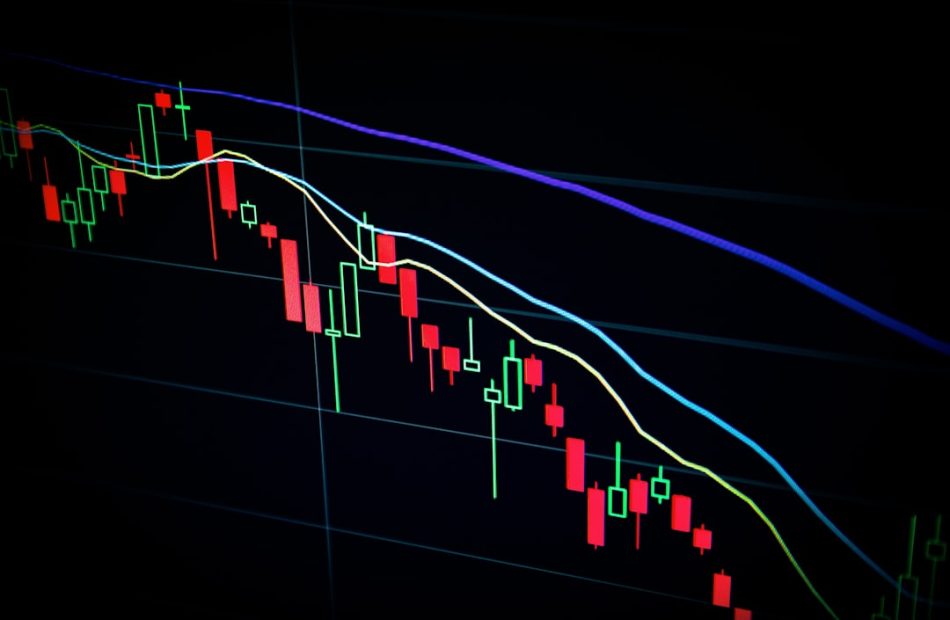
You’ve seen it happen—a coin pumps 20% in an hour, your chat group is buzzing, and your finger hovers over the “Buy” button. That rush, that panic of being left behind, is FOMO. It’s one of the most powerful emotions in trading, but it’s also the fastest way to blow up your account. The good news? You can learn to master it.
The Strategy Explained
FOMO isn’t just a weakness—it’s a signal. When you feel that urgent pull to buy, it usually means the market has already moved. Smart traders use that feeling as a warning, not a green light. Instead of chasing, they prepare.
How it Works
FOMO-driven trades are typically impulsive, based on price action alone without a plan. The antidote is a simple pre-trade checklist:
1. Check the trend – Is this move part of a larger uptrend, or just a random spike?
2. Look for volume – A real breakout has high volume. Low volume pumps are traps.
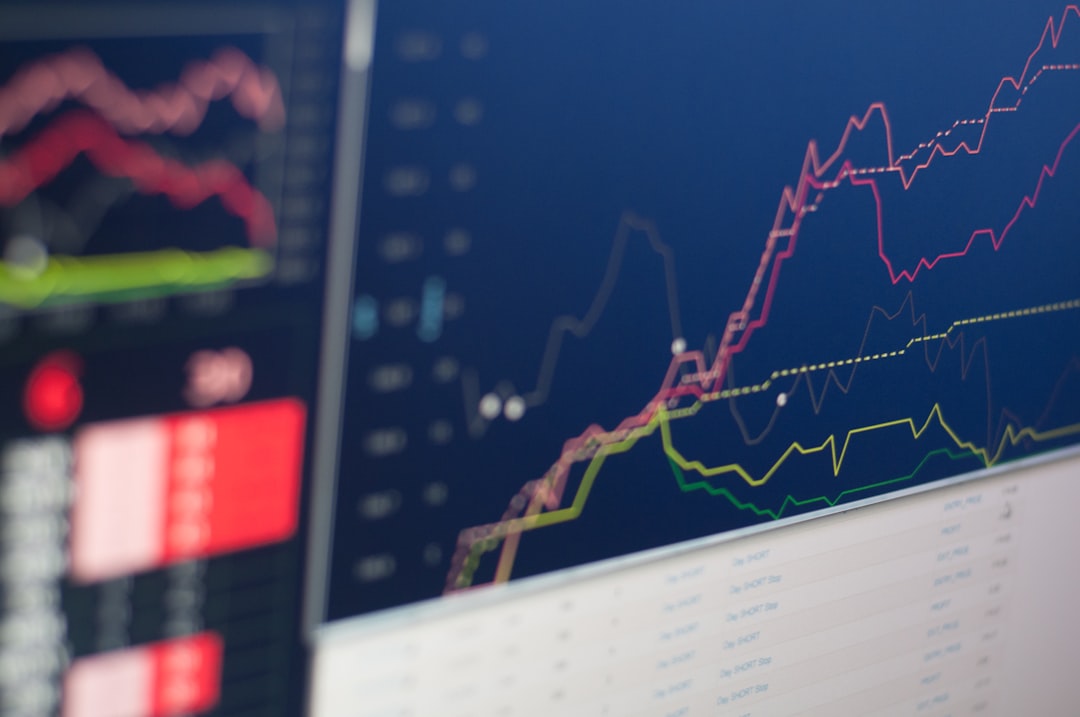
3. Wait for a retest – Instead of buying the breakout, wait for price to pull back to support. If it holds, you get a better entry.
4. Set a stop-loss – Know exactly where you’re wrong before you enter.
The Setup
Here’s a practical FOMO-busting setup for any crypto or stock:
- Timeframe: 1-hour or 4-hour chart
- Indicator: RSI (Relative Strength Index) – when RSI is above 70, the asset is overbought. FOMO peaks here.
- Action: Do NOT buy when RSI > 70. Instead, add the asset to your watchlist. Wait for RSI to drop back below 60 and price to find support at a moving average (like the 20 EMA).
- Entry: Buy only after a confirmed bounce from support with increasing volume.
This simple rule turns you from a chaser into a hunter.
Risk Management
FOMO is dangerous because it makes you ignore risk. To protect yourself:
- Never risk more than 1-2% of your account on a single trade.
- Use a hard stop-loss – place it just below the nearest support level.
- Scale in – instead of going all-in, buy 1/3 of your position at the first signal, add another 1/3 if price confirms, and leave the last 1/3 for a potential dip.
- Journal every FOMO urge – write down what you felt, what the chart looked like, and whether acting on it would have been profitable. This builds self-awareness.
Conclusion
FOMO isn’t going away—it’s part of being human. But you can train yourself to treat it as a red flag, not a green light. By using a checklist, waiting for the right setup, and managing risk, you’ll stop chasing tops and start catching waves. The market will always have another opportunity. The key is to be ready when it comes.
Remember: discipline beats adrenaline every time.