
Understanding Gas Fees: How to Save Money on Ethereum
Ethereum gas fees can be a significant barrier for users, especially during periods of network congestion. This guide explains what gas fees are, how they work, and most importantly, how you can minimize them to keep more of your money.
Key Concepts
What Are Gas Fees?
Gas fees are payments made by users to compensate for the computational energy required to process and validate transactions on the Ethereum blockchain. They are denominated in gwei (a small unit of ETH) and consist of a base fee plus a priority fee (tip) for validators.
How Gas Fees Are Calculated
Gas fees = gas units (limit) × (base fee + priority fee). The base fee is algorithmically adjusted based on network demand, while the priority fee incentivizes validators to include your transaction faster.
Why Gas Fees Fluctuate
Network congestion is the primary driver. When many users compete for block space, fees rise. Events like NFT mints, DeFi launches, or market volatility can spike fees dramatically.
Pro Tips to Save on Gas Fees
- Time Your Transactions: Use tools like Etherscan Gas Tracker to monitor fee trends. Fees are often lower on weekends and during late-night hours (UTC).
- Use Layer 2 Solutions: Networks like Arbitrum, Optimism, and Base offer significantly lower fees by processing transactions off-chain and settling on Ethereum.
- Set a Custom Gas Limit: For simple ETH transfers, you can often lower the gas limit from the default 21,000 to 21,000 (no change needed), but for contract interactions, use a conservative estimate.
- Batch Transactions: Combine multiple actions (e.g., approve and swap) into one transaction using tools like DeBank or Zapper.
- Use Gas Tokens (Legacy): While less effective post-EIP-1559, some protocols still allow you to store gas when fees are low and use it later.
For more details on this, check out our guide on Tokenized Real Estate: How to Invest with $50.
You might also be interested in reading about U.S. CBDC Ban Explained: What the Senate Housing Bill Means for Digital Dollars.
FAQ Section
What is the average gas fee on Ethereum?
Average fees vary widely. In 2024, they range from $1 to $30 for simple transfers, but can exceed $100 during peak congestion. Always check current rates before transacting.
Can I cancel a pending transaction with high gas fees?
Yes. You can use the same nonce with a higher gas fee to speed up the transaction, or send a zero-value transaction to yourself with a higher fee to replace it (if your wallet supports it).
Are gas fees the same on all Ethereum-based networks?
No. Layer 2 networks like Arbitrum and Optimism have fees that are 10-100x lower than Ethereum mainnet. Always consider using L2 for frequent transactions.
Do gas fees go to miners or validators?
Since Ethereum’s transition to Proof of Stake (The Merge), base fees are burned (removed from circulation), and priority fees go to validators. This deflationary mechanism helps manage supply.
Conclusion
Understanding and managing gas fees is essential for anyone using Ethereum. By timing your transactions, leveraging Layer 2 solutions, and using the right tools, you can significantly reduce costs. Start applying these strategies today to keep more of your crypto.
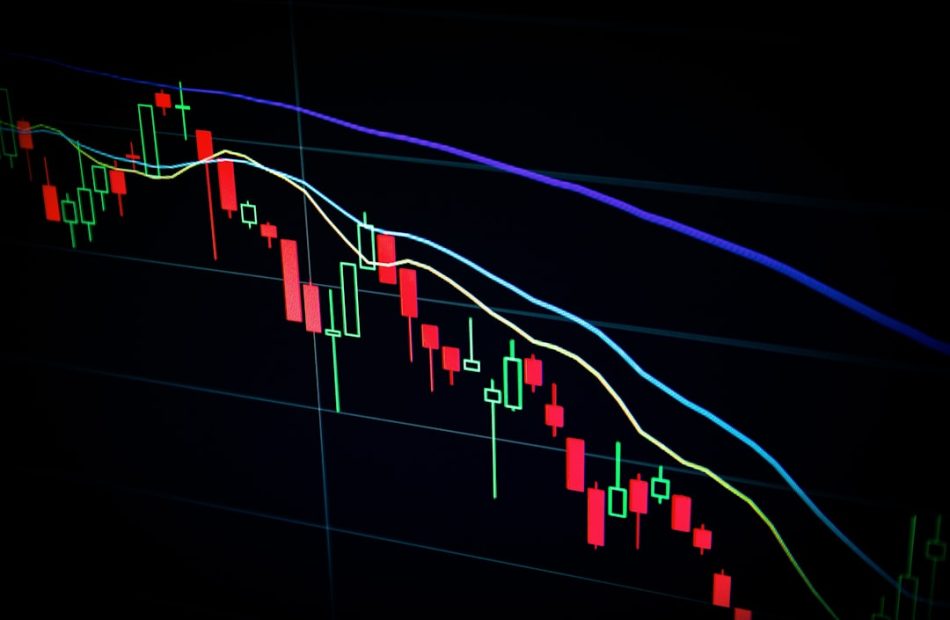
The Silent Portfolio Killer: How to Stop Revenge Trading and Start Winning
You just took a bad loss. Maybe it was a sudden market dump, a broken support level, or a stop-loss that got triggered by a single candle wick. Your heart is pounding, your screen is glowing, and the only thought racing through your mind is: I need to get that money back right now.
Welcome to the danger zone. This is the birthplace of revenge trading — one of the most destructive psychological traps in crypto trading. It’s the silent portfolio killer that turns disciplined traders into emotional gamblers. But here’s the good news: once you understand the psychology, you can build a mental firewall to protect your capital.
How It Works
Revenge trading is a cycle that usually starts with an unexpected loss. Instead of accepting the loss and stepping away, your ego takes over. You feel a burning need to “get even” with the market. You skip your usual analysis, increase your position size, and enter a trade that has no edge — all driven by anger, frustration, or a bruised ego.
Here’s the typical sequence:
1. Trigger: You lose money (often more than you planned).
2. Emotion: Anger, frustration, or a sense of injustice.
3. Action: You immediately open a new trade, often larger than normal, without a proper setup.

4. Result: The market moves against you again, amplifying the loss.
5. Repeat: The cycle intensifies until your account is severely damaged.
The Setup
The “setup” for revenge trading isn’t a chart pattern — it’s a mental state. You can spot it coming when you notice these warning signs:
- You feel physically tense or angry after a loss.
- You start checking prices obsessively, looking for a quick entry.
- You ignore your trading plan or risk rules.
- You think “I can’t end the day red” or “The market owes me.”
The antidote is awareness. Before you click “Buy” or “Sell” after a loss, pause and ask yourself: Am I trading this setup because it’s valid, or because I’m trying to recover my last loss? If the answer is the latter, close the chart and walk away.
Risk Management
Revenge trading is a risk management failure at its core. Here’s how to protect yourself:
1. Set a Daily Loss Limit: Decide beforehand how much you’re willing to lose in a single day. When you hit that limit, shut down the platform. No exceptions.
2. Use a Pre-Trade Checklist: Before every trade, run through a simple list: Is there a clear setup? Am I following my strategy? Is my position size within my risk parameters?
3. Implement a “Timeout” Rule: After any losing trade, take at least 15–30 minutes away from the screen. Go for a walk, drink water, or do anything that resets your emotional state.
4. Keep a Trading Journal: Write down not just your trades, but your emotions. Over time, you’ll spot patterns that lead to revenge trading and can address them.
Conclusion
Revenge trading is not a strategy — it’s a psychological trap. The market doesn’t care about your feelings, your account balance, or your desire to get even. Every trade should be a standalone decision based on probability and risk, not emotion.
Remember this: One bad trade never ruined a portfolio. But revenge trading can. The moment you feel the urge to “get back at the market,” you’ve already lost control. Step back, breathe, and come back tomorrow with a clear head. That’s how you win in the long run.
How to Secure Your Crypto Wallet: A Step-by-Step Guide
Introduction
In the world of cryptocurrency, security is paramount. With billions of dollars lost to hacks, phishing scams, and user errors each year, knowing how to properly secure your crypto wallet is not just a best practice—it’s a necessity. Whether you’re a beginner or a seasoned trader, this step-by-step guide will walk you through the essential measures to protect your digital assets from theft and loss.
Key Concepts
Private Keys vs. Seed Phrases: Your private key is like the password to your wallet, while your seed phrase (usually 12 or 24 words) is the master key that can restore your entire wallet. Never share either with anyone.
Hot Wallets vs. Cold Wallets: Hot wallets are connected to the internet (e.g., mobile apps, browser extensions) and are convenient but more vulnerable. Cold wallets (hardware devices like Ledger or Trezor) store keys offline and are far more secure for long-term holdings.
Two-Factor Authentication (2FA): Adding a second layer of verification (via authenticator app or hardware key) significantly reduces the risk of unauthorized access.
Pro Tips
- Always write down your seed phrase on paper and store it in a fireproof safe. Never store it digitally or take a screenshot.
- Use a dedicated, secure device for crypto transactions—avoid using public Wi-Fi or shared computers.
- Regularly update your wallet software and enable all available security features.
- Consider using a multi-signature wallet for high-value accounts, requiring multiple approvals for transactions.
FAQ Section
What is the safest type of crypto wallet?
Hardware wallets (cold storage) are widely considered the safest for storing large amounts of crypto because they keep your private keys offline.
Can I recover my wallet if I lose my phone?
Yes, if you have your seed phrase. Simply download the same wallet app on a new device and use the seed phrase to restore access.
Is it safe to use a browser extension wallet?
Browser wallets are convenient but more exposed to online threats. Use them only for small amounts and always enable 2FA and anti-phishing measures.
For more details on this, check out our guide on MiCA Stablecoin Rules Explained: Why Euro Tokens Lag Behind USD Peers.
You might also be interested in reading about The MACD Histogram Strategy: Catch Trend Shifts Before the Crowd.
Conclusion
Securing your crypto wallet doesn’t have to be complicated, but it does require diligence. By following the steps outlined above—using cold storage for long-term holdings, safeguarding your seed phrase, enabling 2FA, and staying vigilant against phishing—you can dramatically reduce your risk of losing your assets. Remember: in crypto, you are your own bank. Take security seriously from day one.
Strategy Director Jarrod Patten Sells More MSTR Shares as Stock Hits New Low
June 27, 2025 — Strategy director Jarrod Patten sold another 1,500 MSTR shares after exercising stock options on June 23, extending a months-long insider selling streak as the company’s stock plunged to a fresh 52-week low near $86. The sale comes amid mounting investor scrutiny over Strategy’s Bitcoin treasury strategy and a new shareholder investigation by Rosen Law Firm.
Immediate Details & Direct Quotes
Low fees are crucial when trading breaking news. We recommend MEXC for tight spreads and fast execution.
According to a filing with the U.S. Securities and Exchange Commission, Patten exercised options to acquire 1,500 Strategy Class A shares at a strike price of $18.236 per share before selling the entire position the same day at $106.08 per share. The options cost approximately $27,354 to exercise, while the sale generated roughly $159,120, leaving an estimated pre-tax gain of approximately $131,766.
The latest transaction extends a selling streak that has continued for months. SEC records show Patten has sold 55,750 Strategy shares during the past three months, producing roughly $9 million in proceeds. Earlier this month, Patten completed another options exercise using the same $18.236 strike price before selling shares at around $134 each, generating more than $200,000 in profit.
The insider sales have coincided with growing criticism from some investors over the company’s financing strategy and the potential impact of additional share issuance. Rosen Law Firm recently announced it is investigating whether Strategy made materially misleading business disclosures, evaluating possible securities claims on behalf of shareholders.
Market Context & Reaction
Strategy stock has faced intensifying selling pressure in recent trading. Yahoo Finance data shows MSTR fell below the $100 mark earlier this week before sliding to around $86 on Thursday, leaving the stock down more than 6.5% on the day and roughly 23% over the past week.
The decline has unfolded alongside another sharp move lower in Bitcoin, which briefly slipped below $59,000 after stronger-than-expected U.S. inflation data reinforced expectations that interest rates could stay higher for longer. As cryptocurrency prices weakened, investors also reassessed companies with large Bitcoin holdings, including Strategy.
Market criticism has also expanded beyond the stock’s recent decline. In a June 25 post on X, longtime Bitcoin critic Peter Schiff argued that Strategy’s falling share price was adding pressure to the cryptocurrency market. Schiff wrote, “As I warned, MSTR’s death spiral has pricked the Bitcoin bubble,” before adding that both MSTR and the company’s STRC preferred shares had suffered steep losses while Bitcoin fell toward $58,000.
Background & Historical Context
Two Prime CEO Alexander Blume said investor confidence, rather than dividend payments, has become Strategy’s biggest challenge. As reported by CoinDesk, Blume argued that repeated changes to Michael Saylor’s stated plans have weakened trust among retail investors, potentially making it harder for the company to regain market confidence even if its financial obligations remain intact.
The insider selling streak by Patten has raised questions about the board’s confidence in Strategy’s current direction. The director has now sold tens of thousands of shares over several months, even as the company’s stock has declined significantly from higher levels reached earlier in the year.
Strategy’s Bitcoin-heavy treasury strategy has long been a subject of debate among analysts and investors. While the approach has generated substantial returns during crypto bull markets, it has also exposed the company to the cryptocurrency’s notorious volatility.
What This Means
The combination of insider selling, legal scrutiny, and Bitcoin’s price weakness suggests Strategy faces a challenging period ahead. Investors should monitor whether the SEC filing reveals additional insider transactions in the coming weeks, which could signal further concerns about the company’s near-term outlook.
The Rosen Law Firm investigation adds another layer of uncertainty. If the probe finds evidence of misleading disclosures, Strategy could face securities claims that impact its ability to raise capital through share issuance — a key component of its Bitcoin acquisition strategy.
Trust remains the central issue, as Blume noted. Until Strategy demonstrates consistent execution and transparent communication, retail and institutional investors alike may remain cautious, potentially keeping pressure on MSTR shares regardless of Bitcoin’s price movements.
—

Valuing the Invisible Infrastructure: A Trader’s Guide to DePIN Projects
Imagine a world where your smartphone, your car, or even your home router earns you passive income. That’s the promise of DePIN (Decentralized Physical Infrastructure Networks). But as a trader, the big question isn’t if they’re cool—it’s how do you value them before the market does?
DePIN projects blend crypto incentives with real-world hardware. Think of them as the Airbnb for infrastructure: you provide a resource (like storage, bandwidth, or compute power), and you get tokens in return. But unlike a traditional stock, these tokens are tied to network usage, hardware costs, and community growth. So how do you spot a gem before it moons?
How It Works
DePIN valuation isn’t about hype—it’s about network utility. The core metric is Revenue per Device. If a project like Helium (HNT) or Filecoin (FIL) has devices generating consistent fees, the token has a fundamental floor. Compare this to the token’s circulating supply. A high revenue-to-supply ratio suggests undervaluation.
Another key factor is Cost of Deployment. Hardware is expensive. If the token price drops below the cost of a new mining device (the “breakeven price”), miners stop joining. This creates a natural price floor. Watch for projects where the token is trading near or below hardware breakeven—that’s often a contrarian buy signal.

The Setup
Here’s a simple framework for your next DePIN trade:
1. Find the Revenue Data – Use on-chain dashboards (like Dune or project-specific explorers) to check daily fees earned by the network.
2. Calculate the P/E Ratio – Divide the project’s fully diluted market cap by annualized network revenue. A P/E below 10 is cheap for a growing DePIN; above 30 is frothy.
3. Check the Hardware Margin – Look up the cost of a node (e.g., a Helium hotspot or a Filecoin miner). If the token’s daily reward covers the hardware cost in under 12 months, adoption will likely accelerate.
4. Monitor Token Unlocks – Many DePIN projects have large vesting schedules. Avoid buying right before a major unlock—dilution can crush price.
Pro Tip: DePIN tokens often follow a “valley of death” pattern. They launch high, drop as early miners sell, then stabilize as real usage kicks in. Your best entry is often 6–12 months after launch, when the FUD is loudest and the network is actually being used.
Risk Management
DePIN is not a set-and-forget trade. Here’s how to protect yourself:
- Hardware Risk: If the physical hardware becomes obsolete (e.g., a better antenna or cheaper storage), your token’s value can plummet. Always check the project’s upgrade roadmap.
- Regulatory Risk: Some DePIN projects involve telecommunications or energy grids. A single government ruling can kill demand. Diversify across different verticals (e.g., wireless, storage, compute).
- Liquidity Traps: Many DePIN tokens have thin order books. Use limit orders, not market orders. Slippage can eat 5–10% of your trade.
- Position Sizing: Allocate no more than 5–10% of your portfolio to any single DePIN play. The sector is still early—volatility is the norm.
Conclusion
DePIN projects are building the backbone of a decentralized world. As a trader, your edge lies in understanding the economics behind the hardware. Forget the memes—focus on revenue per device, hardware margins, and unlock schedules. When you find a project where the numbers make sense and the community is actually building, that’s your signal. The infrastructure of tomorrow is being built today. Position yourself early, manage your risk, and let the network effects do the heavy lifting.
How Special Purpose Vehicles (SPVs) Protect RWA Investors
Real World Assets (RWAs) represent a paradigm shift in investing. By tokenizing tangible assets like real estate, bonds, commodities, and credit on a blockchain, RWAs enable fractional ownership, 24/7 liquidity, and unprecedented transparency. However, bridging the gap between Traditional Finance (TradFi) and DeFi introduces a critical question: how do you protect investors from the legal and operational risks of holding off-chain assets on-chain? The answer lies in the Special Purpose Vehicle (SPV).
What Is an SPV and Why Does It Matter for RWAs?
A Special Purpose Vehicle (SPV) is a legally distinct entity—often a trust or limited liability company—created to isolate financial risk. In the RWA context, the SPV holds the actual off-chain asset (e.g., a commercial building or a bond portfolio) while the blockchain token represents a fractional ownership interest in that SPV. This structure ensures that the token holder’s claim is legally enforceable, even if the asset issuer or platform faces bankruptcy.
Off-Chain vs. On-Chain: The Critical Distinction
Without an SPV, a token is merely a promise—a smart contract with no legal backing. With an SPV, the token becomes a legal instrument: the SPV owns the asset, and the token is a digital certificate of that ownership. This separation protects investors from “off-chain” risks such as asset seizure, fraud, or issuer insolvency.
How the SPV + Tokenization Process Works
The technical process involves several layers, each designed to maintain integrity and trust:
- Asset Selection & Due Diligence: The asset (e.g., a real estate property) is appraised and legally verified.
- SPV Formation: A legal entity is created to hold the asset. This SPV is registered with relevant authorities and has its own bank account, tax ID, and legal agreements.
- Tokenization: The SPV issues a fixed number of tokens on a blockchain (e.g., Ethereum or Polygon). Each token represents a proportional ownership stake in the SPV.
- Oracle Integration: Oracles (such as Chainlink) feed real-world data—like property valuations, rental income, or bond yields—onto the blockchain. This ensures the token price reflects the underlying asset’s performance.
- Secondary Trading: Investors can trade tokens on decentralized exchanges (DEXs) or regulated platforms, providing liquidity that the underlying asset itself lacks.
Investment Analysis: Pros, Cons, and Risks
Pros
- Legal Protection: The SPV ring-fences the asset from the issuer’s other liabilities.
- Fractional Ownership: Investors can buy into high-value assets with minimal capital.
- Transparency: On-chain records of ownership and SPV financials are auditable by anyone.
- Liquidity: Tokens can be traded 24/7, unlike traditional real estate or bonds.
Cons
- Regulatory Uncertainty: SPV structures must comply with securities laws in multiple jurisdictions, which can be costly.
- Smart Contract Risk: Bugs in the token contract or oracle could lead to loss of funds.
- Operational Complexity: Managing an SPV requires legal, accounting, and custodial services.
Risks to Consider
- Regulation: Reports from BlackRock and the SEC indicate that RWA tokens may be classified as securities, triggering compliance burdens.
- Counterparty Risk: The SPV’s custodian or asset manager could act negligently.
- Market Risk: The underlying asset’s value can decline, and token liquidity may dry up during market stress.
For a broader market view, check out our analysis on Real World Assets (RWA): How Tokenization Changes Investing – The Complete Guide.
Investors often compare this to The Rise of AI Agents in Crypto: A Complete Guide.
Tool Recommendation
Looking for altcoin opportunities and smooth trading? Try KuCoin. With a wide selection of RWA tokens and low fees, it’s a reliable platform for both new and experienced investors. Start trading on KuCoin here.
Frequently Asked Questions
What happens if the SPV goes bankrupt?
Because the SPV is a separate legal entity, its bankruptcy does not affect the underlying asset held in trust. Token holders retain their proportional claim on the asset, though the process of recovering value may involve legal proceedings.
Are RWA tokens considered securities?
In many jurisdictions, yes. If the token represents an ownership stake in an SPV that generates profits or dividends, it likely falls under securities regulation. Always consult a legal professional before investing.
How do oracles ensure accurate pricing for RWA tokens?
Oracles aggregate data from multiple trusted sources—such as appraisals, market indices, and rental income reports—and publish it on-chain. Decentralized oracle networks like Chainlink use cryptographic proofs to prevent tampering.
Conclusion
Special Purpose Vehicles are the backbone of secure RWA investing. They provide the legal and operational framework that transforms a simple token into a legally enforceable ownership claim. While risks remain—particularly around regulation and smart contract security—the SPV model offers the best available protection for investors seeking to bridge TradFi and DeFi. As the ecosystem matures, expect SPVs to become the standard for all tokenized real-world assets.
Strategy (MSTR) Trust Crisis Explained: Why Retail Investors Are Losing Faith
Did you know that Strategy’s preferred stock (STRC) was designed to trade at $100 but has now fallen to $75—a 25% discount? This isn’t just about price drops. It’s about broken trust. Michael Saylor’s bitcoin treasury firm still has 10 months of cash reserves to pay dividends, so the company isn’t about to collapse. But the real damage isn’t financial—it’s psychological. Retail investors who bought STRC as a retirement income product are now watching their investments lose value, and many are questioning whether they can trust the company’s leadership again. This guide explains what’s happening with Strategy (formerly MicroStrategy), why its stock and preferred shares are falling, and what the broader implications are for bitcoin-focused investment products. You’ll learn the difference between solvency risk and trust risk, and how to evaluate similar investments in the future.
Read time: 8-10 minutes
Understanding Perpetual Preferred Stocks for Beginners
A perpetual preferred stock is a type of investment that pays fixed dividends forever—with no maturity date. Think of it like a rental property that pays you the same rent check every month, but you can never sell the property back to the developer. You just keep collecting checks indefinitely.
Why were these created? Companies issue perpetual preferred stocks to raise capital without diluting common shareholders or taking on traditional debt. For investors, they offer higher yields than bonds (often 6% or more above Treasury rates) in exchange for taking on more risk. The trade-off is that if the company struggles, the preferred stock price can fall well below its face value—just like we’re seeing with STRC.
A real-world example: In 2021, many financial institutions issued perpetual preferred stocks yielding 4-5%. When interest rates rose, those stocks dropped 20-30% in value. STRC was marketed as a “low volatility income product” that would stay near $100, but market forces and loss of confidence have pushed it far from that target.
The Technical Details: How Strategy’s Funding Engine Works
Understanding why STRC’s price matters requires looking at how Strategy funds its bitcoin purchases. Here’s the mechanism:
1. Capital Raising: Strategy issues common stock (MSTR) or preferred stock (STRC) to raise cash. Investors buy these securities, giving the company money.
2. Bitcoin Acquisition: Strategy uses that cash to buy bitcoin. Michael Saylor has famously turned the company into a bitcoin treasury, holding over 200,000 BTC.
3. The Premium Engine: For this model to work efficiently, Strategy’s stock needs to trade at a premium to its net asset value (NAV). When MSTR traded at 2x or 3x NAV, the company could issue new shares, buy bitcoin, and immediately create value for existing shareholders.
4. The STRC Advantage: STRC was supposed to be a lower-volatility way to raise funds. At $100 par value, Strategy could issue STRC at or near that price, getting cheaper capital than issuing common stock.
5. The Breakdown: Now MSTR trades at just 1.05x NAV—almost no premium. STRC trades at $75, a 25% discount. Strategy can’t issue new shares or preferred stock on attractive terms, making its bitcoin buying engine far less efficient.
Why this matters for investors: A broken funding engine means Strategy may be a less aggressive bitcoin buyer going forward. This reduces the “bitcoin amplification” effect that made MSTR attractive to investors who wanted leveraged bitcoin exposure without using derivatives.
Current Market Context: Why This Matters Now
As of June 2026, the situation is concerning but not catastrophic. Here are the key numbers:
- MSTR stock: Fell 8% to $86 on Thursday—its lowest level since February 2024
- STRC preferred stock: Dropped to $75, trading at a 25% discount to its $100 target
- Enterprise multiple to NAV (mNAV): Just 1.05, down from the 2-3x premiums that fueled the bull thesis
- Cash runway: Still 10 months of dividend payments covered
The company has enough cash to pay dividends for almost a year. The current price doesn’t put those payments at immediate risk. But the damage is to investor confidence—not the company’s solvency.
Alexander Blume, CEO of investment adviser Two Prime, has been warning about this for months. In March 2026, he cautioned: “There’s no free lunch. A product that pays more than 6% over Treasuries must come with additional risk.” That risk has now materialized, hitting retail buyers hardest.
Competitive Landscape: How Strategy Compares
Strategy isn’t the only way to get bitcoin exposure. Here’s how it stacks up against alternatives:
| Feature | Strategy (MSTR) | Bitcoin Spot ETF | Direct Bitcoin Purchase |
|---|---|---|---|
| Bitcoin Exposure | Amplified (through leverage/premium) | Direct (1:1 tracking) | Direct (1:1 ownership) |
| Volatility | Higher than BTC (amplifier effect) | Similar to BTC | Similar to BTC |
| Dividend Potential | Yes (STRC preferred stock) | No | No |
| Management Risk | Michael Saylor’s decisions matter | Low (passive product) | None |
| Regulatory Status | Public company (SEC reporting) | SEC-approved ETF | Self-custody |
| Best For | Bullish investors wanting leverage | Simple, direct exposure | Maximum control & security |
Why this matters: The comparison shows that Strategy offers unique risks and rewards. The current crisis highlights the management risk that ETFs and direct purchases don’t have.
Practical Applications: Real-World Use Cases
Why should you care about Strategy’s problems? Here are the practical takeaways:
- Evaluating Income Products: When a company markets a “low volatility” product that pays high yields, ask: “What’s the catch?” STRC paid 6% over Treasuries—that’s a red flag for hidden risk. Always understand the downside before buying.
- Diversifying Bitcoin Exposure: If you want leveraged bitcoin exposure, consider whether the complexity and management risk of Strategy (MSTR) is worth it. A simpler alternative might be using a small amount of leverage on a bitcoin ETF, with clearer risk parameters.
- Trust as an Asset: Blume’s key insight is that “markets are about trust.” When a CEO repeatedly changes plans, trust erodes. For long-term investors, management reliability matters as much as balance sheet strength.
- Recognizing Saylor’s Incentives: As Blume noted, Saylor’s incentives differ from retail investors. He’s compensated for big bets and bold moves. Retail investors who bought STRC for retirement income had very different goals. Always align your investments with your own objectives, not a charismatic leader’s vision.
Risk Analysis: Expert Perspective
Primary Risks:
1. Trust Risk (The Real Problem): Saylor’s “repeated pivots and deviations from his stated plans” have shattered investor confidence. When trust breaks, recovery is difficult even if fundamentals are sound.
2. Funding Engine Risk: With MSTR at 1.05x NAV and STRC at $75, Strategy can’t raise capital efficiently. This limits its ability to buy more bitcoin and grow the treasury.
3. Retail Investor Pain: “Ironically, the human foibles of arrogance and emotion, and the persuasiveness of a charismatic leader, are what the cold, algorithmic functions of Bitcoin were designed to protect people from,” Blume said. Retail buyers sold on STRC as retirement income are paying the price.
Mitigation Strategies:
- Monitor Strategy’s ability to issue new securities at reasonable prices
- Watch for management changes or strategic pivots that could restore confidence
- Consider alternative bitcoin exposure methods (ETFs, direct purchase, self-custody)
Expert Consensus: Blume says Strategy looks “highly unlikely” to be a meaningful bitcoin buyer for the foreseeable future. The company isn’t facing insolvency—but it has lost the trust that made its model work.
Beginner’s Corner: 5 Steps to Evaluate Similar Investments
If you’re considering products like STRC or MSTR, here’s a quick checklist:
1. Understand the Product Structure: Is it common stock, preferred stock, or something else? Each has different rights, risks, and tax implications.
2. Check the Premium/Discount: Look at how the product trades compared to its underlying assets. A large discount (like STRC’s 25%) signals investor concern.
3. Research Management Track Record: Has the CEO consistently executed on stated plans? One pivot might be strategic—repeated pivots suggest poor planning.
4. Diversify Exposure: Don’t put all your bitcoin exposure into a single company product. Combine MSTR with ETFs or direct holdings to spread risk.
5. Set Realistic Expectations: Products promising high yields with low volatility deserve extra scrutiny. Remember Blume’s warning: “There’s no free lunch.”
Common Mistakes to Avoid:
- Assuming a product will trade at its par value indefinitely
- Trusting charismatic leaders without verifying their track record
- Buying complex products without understanding the downside scenarios
Future Outlook: What’s Next
The road ahead for Strategy depends on rebuilding trust—not just balance sheet strength. Here’s what to watch:
1. Restoring STRC to $100: For the funding engine to work again, STRC needs to climb back toward its par value. This requires a credible plan from management and renewed investor confidence.
2. Potential Strategic Pivot: Saylor may need to adjust his bitcoin-first strategy or communicate a clearer, more consistent vision. Analysts expect some kind of announcement in the coming months.
3. Market Conditions: A sustained bitcoin rally could help both MSTR and STRC recover, as the underlying assets increase in value. But structural trust issues would remain.
4. Regulatory Developments: Any SEC or regulatory actions regarding preferred stock products could impact the broader market for similar offerings.
The key question isn’t whether Strategy will survive—it’s whether investors will trust it enough to give it capital again.
Key Takeaways
- Strategy isn’t facing insolvency—it has 10 months of dividend cash—but it has a serious trust problem that makes its funding model less efficient.
- STRC’s 25% discount to par value shows that retail investors sold on a “low volatility” income product are suffering losses even though dividend payments aren’t at risk.
- Michael Saylor’s repeated strategy changes have broken investor confidence, creating a gap between the company’s financial health and its market valuation.
- For beginners, the lesson is to always match investment products to your goals, not a charismatic leader’s vision, and to be skeptical of high-yield “low volatility” offerings.
,
“datePublished”: “2026-06-25T12:45:00-04:00”,
“dateModified”: “2026-06-25T12:45:00-04:00”,
“mainEntity”: {
“@type”: “Thing”,
“name”: “Strategy MSTR Trust Crisis”
}
}
Using Etherscan: Tracking Whales and Verifying Transactions – The Ultimate Guide
Introduction
Etherscan is the most widely used blockchain explorer for Ethereum. Whether you’re a DeFi enthusiast, a trader, or a developer, mastering Etherscan allows you to track whale movements, verify transaction details, and gain a competitive edge in the crypto market. This guide will walk you through everything you need to know about using Etherscan effectively, from basic transaction verification to advanced whale tracking techniques.
Key Concepts
1. What is Etherscan?
Etherscan is a block explorer and analytics platform for the Ethereum blockchain. It provides a user-friendly interface to search for transactions, addresses, tokens, and smart contracts. It is the go-to tool for transparency and on-chain analysis.
2. How to Verify a Transaction
To verify a transaction on Etherscan, simply paste the transaction hash (TxHash) into the search bar. You’ll see details like sender/receiver addresses, gas fees, block confirmation, and token transfers. This is essential for confirming payments, checking if a token swap went through, or auditing a contract interaction.
3. Tracking Whales
Whales are large holders or traders whose movements can influence the market. Use Etherscan’s ‘Token Tracker’ and ‘Top Holders’ sections to identify whale addresses. You can also set up alerts for large transactions using third-party tools or Etherscan’s own watchlist feature. Look for sudden inflows/outflows from exchanges or large transfers to unknown wallets.
4. Reading Smart Contract Interactions
Etherscan decodes smart contract calls. Under the ‘Internal Txns’ tab, you can see how a transaction interacts with multiple contracts. This is crucial for verifying DeFi actions like staking, swapping, or lending.
Pro Tips
- Use the ‘Advanced Filter’ – Filter transactions by value, token, or time range to spot whale activity quickly.
- Bookmark Whale Wallets – Create a list of known whale addresses and check them daily for early signals.
- Check Gas Price History – High gas fees often indicate network congestion or whale activity. Use Etherscan’s Gas Tracker to time your transactions.
- Verify Token Approvals – Use the ‘Token Approvals’ section to see which contracts can spend your tokens. Revoke suspicious approvals to stay safe.
- Monitor New Token Launches – Etherscan’s ‘New Tokens’ list helps you find early-stage projects. Combine with whale tracking to spot accumulation.
FAQ Section
Q: Is Etherscan free to use?
A: Yes, Etherscan is free for basic searches and analytics. Advanced API access may require a paid plan.
Q: Can I track Bitcoin whales on Etherscan?
A: No, Etherscan only supports Ethereum and ERC-20 tokens. For Bitcoin, use a Bitcoin block explorer like Blockchain.com.
Q: How do I set up whale alerts?
A: Use Etherscan’s ‘Watch List’ feature to add addresses. You can also use third-party bots on Telegram or Discord that monitor Etherscan for large transactions.
Q: What is a ‘pending’ transaction?
A: A pending transaction has been broadcast but not yet included in a block. You can speed it up by replacing it with a higher gas fee using Etherscan’s ‘Speed Up’ feature.
Q: How do I verify a smart contract?
A: Go to the contract address page, click ‘Contract’, then ‘Verify and Publish’. You’ll need the source code and compiler version. This helps you audit the contract’s logic.
Conclusion
Etherscan is an indispensable tool for anyone serious about crypto. By learning to verify transactions and track whale movements, you can make more informed trading decisions, avoid scams, and stay ahead of market trends. Start exploring Etherscan today, and combine it with low-fee exchanges like MEXC to maximize your strategy.
For more details on this, check out our guide on The Rise of AI Agents in Crypto: A Complete Guide.
You might also be interested in reading about CLARITY Act Explained: What the Crypto Ethics Showdown Means for You.
SushiSwap Launches Decentralized Stop-Loss Orders Powered by Orbs
November 15, 2024 — SushiSwap has integrated dSLTP, an Orbs-powered protocol enabling decentralized stop-loss and take-profit orders across four blockchain networks. The feature goes live today on Ethereum, Base, Arbitrum, and Katana, giving traders automated risk management tools while maintaining full asset custody and on-chain transparency.
Immediate Details & Direct Quotes
Want to trade this news? Bitget offers professional charting tools and deep liquidity.
The integration introduces automated stop-loss and take-profit functionality directly within SushiSwap’s decentralized trading interface. Traders can now set trigger prices, optional limit prices, order expiration periods, and percentage-based strategies without relying on centralized servers or exchanges.
“Stop-loss and take-profit orders are among the most widely used tools in trading, yet they’ve largely been unavailable in a decentralized environment,” said Ran Hammer, Vice President of Business Development at Orbs. “By bringing dSLTP to SushiSwap, we’re giving traders the ability to automate risk management and execution without sacrificing the transparency and self-custody that make DeFi unique.”
The feature builds on SushiSwap’s existing use of Orbs-powered dLIMIT and dTWAP protocols, expanding the exchange’s advanced order type offerings. Users can monitor, adjust, or cancel orders directly from the SushiSwap interface.
Market Context & Reaction
As of today’s announcement, the dSLTP integration launches simultaneously on Ethereum, Base, Arbitrum, and Katana, broadening access for traders across multiple blockchain ecosystems. Specific price movements or trading volume impacts were not disclosed in the announcement.
The Orbs Layer-3 technology underpinning dSLTP operates without centralized infrastructure, custodians, or off-chain execution systems. This design maintains the transparency and composability central to decentralized finance while enabling advanced trading functions typically associated with centralized exchanges.
The launch adds to Orbs’ broader suite of decentralized trading protocols, including dLIMIT, dTWAP, Liquidity Hub, and Perpetual Hub — all designed to bring sophisticated execution tools to on-chain markets.
Background & Historical Context
SushiSwap has gradually expanded its trading capabilities beyond basic token swaps through its partnership with Orbs. The dSLTP integration follows previous implementations of dLIMIT and dTWAP protocols on the platform.
The development addresses a long-standing gap in decentralized finance: stop-loss and take-profit orders, among the most widely used trading tools in traditional and centralized finance, have remained largely unavailable in decentralized environments due to technical challenges around on-chain execution and latency.
As decentralized exchanges evolve beyond simple swapping, advanced order types are becoming increasingly important for traders seeking precision, efficiency, and control. SushiSwap’s latest integration represents another step toward closing the functionality gap between centralized and decentralized trading experiences.
What This Means
Short-term, SushiSwap users on Ethereum, Base, Arbitrum, and Katana gain immediate access to automated risk management tools that previously required centralized exchange usage. Traders can now execute stop-loss and take-profit strategies while maintaining self-custody of their assets.
Long-term, this integration signals continued maturation of decentralized finance infrastructure. The availability of advanced order types on DEXs could attract more sophisticated traders who have historically relied on centralized platforms for these features. Users should understand that while dSLTP automates execution, market conditions and network congestion may still affect order fulfillment. As with all DeFi protocols, traders should conduct their own research before deploying capital.
—
Restaking Explained: EigenLayer and Beyond – A Complete Guide
Introduction
Restaking is one of the most transformative innovations in decentralized finance (DeFi) and blockchain security. By allowing users to reuse staked assets (like ETH) to secure multiple protocols simultaneously, restaking unlocks new capital efficiency and expands the security budget of the entire ecosystem. This guide explains how restaking works, the role of EigenLayer, and what lies beyond.
Key Concepts
What is Restaking?
Restaking is the process of taking already-staked tokens (e.g., staked ETH on Ethereum) and using them to secure additional protocols or services. Instead of locking up new capital, restakers can allocate their existing staked positions to multiple networks, earning extra rewards while maintaining their original staking yield.
EigenLayer: The Pioneer
EigenLayer is a protocol built on Ethereum that introduces “restaking” as a primitive. It allows ETH stakers to opt into securing new modules called Actively Validated Services (AVSs). These AVSs can be rollups, data availability layers, oracles, or any other service that requires economic security. By restaking, users contribute to the security of these services while earning additional fees.
How Does EigenLayer Work?
- Stakers deposit their liquid staking tokens (e.g., stETH) or native ETH into EigenLayer smart contracts.
- Operators run nodes for AVSs and are responsible for validation tasks.
- AVSs pay fees to operators, who share rewards with stakers.
- If an operator misbehaves, the staked ETH can be slashed, ensuring economic security.
Beyond EigenLayer: The Restaking Ecosystem
Other projects are building on the restaking concept. Examples include:
- Symbiotic – A permissionless restaking protocol.
- Karak – A multi-chain restaking platform.
- Renzo – A liquid restaking token (LRT) protocol that simplifies restaking.
Pro Tips
- Understand slashing risks: Restaking increases your exposure. Choose reliable operators and AVSs.
- Use liquid restaking tokens (LRTs): LRTs like ezETH or rsETH let you restake without locking your ETH, giving you flexibility.
- Monitor gas costs: Restaking involves multiple transactions. Optimize by batching or using L2s.
- Diversify AVSs: Don’t put all your restaked ETH into one service. Spread risk across multiple AVSs.
FAQ Section
What is the difference between staking and restaking?
Staking locks tokens to secure a single blockchain (e.g., Ethereum). Restaking reuses those same staked tokens to secure additional protocols, earning extra rewards.
Is restaking safe?
Restaking introduces slashing risk. If the operator of an AVS misbehaves, your staked ETH can be partially or fully slashed. Choose reputable operators and AVSs carefully.
Can I restake any token?
Currently, restaking is primarily designed for ETH and liquid staking tokens (like stETH, rETH). Some protocols are expanding to other assets, but ETH remains the dominant collateral.
What are liquid restaking tokens (LRTs)?
LRTs are tokens that represent your restaked position. They can be traded, used in DeFi, or redeemed for the underlying ETH. Examples include ezETH (Renzo) and rsETH (Kelp).
Do I need to run a node to restake?
No. You can delegate your restaked ETH to an operator who runs the node. You earn rewards minus a small operator fee.
Conclusion
Restaking, led by EigenLayer, is reshaping blockchain security by making capital more productive. It enables a new wave of decentralized services without requiring massive new capital inflows. As the ecosystem matures, restaking will likely become a standard primitive in crypto. For more details on this, check out our guide on How SPVs Protect RWA Investors: A Complete Guide. You might also be interested in reading about Animoca Brands Chairman Declares Metaverse Over, Predicts 100 Billion AI Agents.