
The Silent Portfolio Killer: How to Stop Revenge Trading and Start Winning
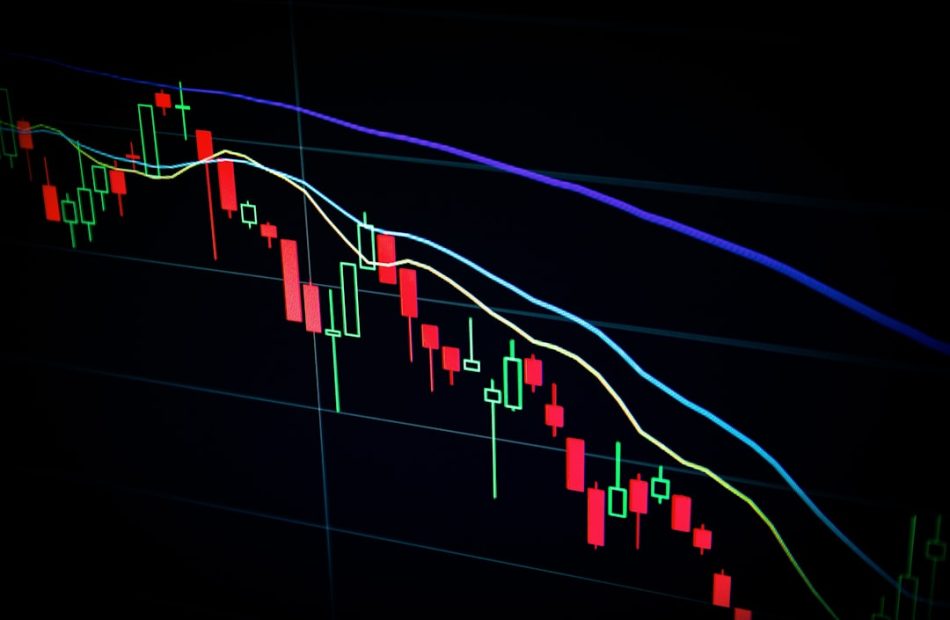
You just took a bad loss. Maybe it was a sudden market dump, a broken support level, or a stop-loss that got triggered by a single candle wick. Your heart is pounding, your screen is glowing, and the only thought racing through your mind is: I need to get that money back right now.
Welcome to the danger zone. This is the birthplace of revenge trading — one of the most destructive psychological traps in crypto trading. It’s the silent portfolio killer that turns disciplined traders into emotional gamblers. But here’s the good news: once you understand the psychology, you can build a mental firewall to protect your capital.
How It Works
Revenge trading is a cycle that usually starts with an unexpected loss. Instead of accepting the loss and stepping away, your ego takes over. You feel a burning need to “get even” with the market. You skip your usual analysis, increase your position size, and enter a trade that has no edge — all driven by anger, frustration, or a bruised ego.
Here’s the typical sequence:
1. Trigger: You lose money (often more than you planned).
2. Emotion: Anger, frustration, or a sense of injustice.
3. Action: You immediately open a new trade, often larger than normal, without a proper setup.

4. Result: The market moves against you again, amplifying the loss.
5. Repeat: The cycle intensifies until your account is severely damaged.
The Setup
The “setup” for revenge trading isn’t a chart pattern — it’s a mental state. You can spot it coming when you notice these warning signs:
- You feel physically tense or angry after a loss.
- You start checking prices obsessively, looking for a quick entry.
- You ignore your trading plan or risk rules.
- You think “I can’t end the day red” or “The market owes me.”
The antidote is awareness. Before you click “Buy” or “Sell” after a loss, pause and ask yourself: Am I trading this setup because it’s valid, or because I’m trying to recover my last loss? If the answer is the latter, close the chart and walk away.
Risk Management
Revenge trading is a risk management failure at its core. Here’s how to protect yourself:
1. Set a Daily Loss Limit: Decide beforehand how much you’re willing to lose in a single day. When you hit that limit, shut down the platform. No exceptions.
2. Use a Pre-Trade Checklist: Before every trade, run through a simple list: Is there a clear setup? Am I following my strategy? Is my position size within my risk parameters?
3. Implement a “Timeout” Rule: After any losing trade, take at least 15–30 minutes away from the screen. Go for a walk, drink water, or do anything that resets your emotional state.
4. Keep a Trading Journal: Write down not just your trades, but your emotions. Over time, you’ll spot patterns that lead to revenge trading and can address them.
Conclusion
Revenge trading is not a strategy — it’s a psychological trap. The market doesn’t care about your feelings, your account balance, or your desire to get even. Every trade should be a standalone decision based on probability and risk, not emotion.
Remember this: One bad trade never ruined a portfolio. But revenge trading can. The moment you feel the urge to “get back at the market,” you’ve already lost control. Step back, breathe, and come back tomorrow with a clear head. That’s how you win in the long run.