
Stablecoin Yield Strategies: Low Risk Farming – A Complete Guide for 2025
Stablecoin yield farming has become one of the most popular ways to earn passive income in the crypto space without exposing yourself to the wild price swings of Bitcoin or Ethereum. By lending, staking, or providing liquidity with stablecoins like USDC, USDT, or DAI, you can generate consistent returns while keeping your principal relatively safe. In this guide, we’ll walk you through the best low-risk strategies, key concepts, and pro tips to maximize your yields.
Key Concepts
What are Stablecoins? Stablecoins are cryptocurrencies pegged to a stable asset, usually the US dollar. They maintain a 1:1 value through collateralization (e.g., USDC, USDT) or algorithmic mechanisms (e.g., DAI). Because they don’t fluctuate in price, they are ideal for yield farming without market risk.
Yield Farming Basics: Yield farming involves depositing your stablecoins into decentralized finance (DeFi) protocols to earn interest, fees, or governance tokens. Common strategies include lending on platforms like Aave or Compound, providing liquidity on decentralized exchanges (DEXs) like Uniswap or Curve, and staking in vaults or savings accounts.
Low-Risk vs. High-Risk Strategies: Low-risk strategies focus on established protocols with audited smart contracts, insured deposits, and stable yields. High-risk strategies often involve newer protocols, high APYs, and impermanent loss. For stablecoins, low-risk options include lending on blue-chip platforms, using yield aggregators like Yearn Finance, or depositing into centralized finance (CeFi) savings accounts.
Pro Tips
- Diversify Across Protocols: Don’t put all your stablecoins in one platform. Spread your deposits across Aave, Compound, Curve, and a CeFi option like KuCoin to mitigate smart contract risk.
- Watch Out for Impermanent Loss: When providing liquidity on DEXs, stablecoin pairs (e.g., USDC/USDT) have minimal impermanent loss, but it’s still possible if one peg breaks. Stick to deep liquidity pools.
- Use Yield Aggregators: Platforms like Yearn Finance automatically optimize your yield by moving funds between protocols. This saves gas fees and boosts returns.
- Consider CeFi for Simplicity: Centralized exchanges like KuCoin offer fixed or flexible savings accounts for stablecoins with competitive APYs and no gas fees. They are ideal for beginners.
- Reinvest Your Earnings: Compound your yields by reinvesting interest or rewards. Many protocols offer auto-compounding vaults.
💡 Pro Tip
Looking for altcoin opportunities and smooth trading? Try KuCoin.
FAQ Section
What is the safest stablecoin yield strategy?
The safest strategy is lending stablecoins on top-tier DeFi protocols like Aave or Compound, or using a CeFi savings account on a reputable exchange like KuCoin. These platforms have undergone multiple audits and have large liquidity reserves.
Can I lose money with stablecoin yield farming?
Yes, though the risk is low. Potential risks include smart contract bugs, protocol hacks, de-pegging events, and impermanent loss (minimal for stablecoin pairs). Always do your own research and only invest what you can afford to lose.
How much yield can I expect from stablecoin farming?
Yields vary by platform and market conditions. As of 2025, typical APYs range from 2% to 12% for low-risk strategies. Higher yields (15%+) often come with additional risk, such as locking periods or newer protocols.
Do I need to pay gas fees for stablecoin farming?
Yes, on Ethereum and other Layer 1 blockchains, you’ll pay gas fees for deposits, withdrawals, and claiming rewards. To save on fees, consider using Layer 2 solutions like Arbitrum or Optimism, or use a CeFi platform that covers transaction costs. For more details on this, check out our guide on Understanding Gas Fees: How to Save Money on Ethereum – A Complete Guide.
Is stablecoin yield farming taxable?
In most jurisdictions, yield earned from stablecoin farming is considered taxable income. You may also owe capital gains tax if you sell rewards tokens. Consult a tax professional for your specific situation.
Conclusion
Stablecoin yield strategies offer a compelling way to earn passive income with minimal risk, especially for those who want to avoid crypto volatility. By sticking to established protocols, diversifying your deposits, and using tools like yield aggregators or CeFi savings accounts, you can build a reliable income stream. Start small, monitor your positions, and always prioritize security over chasing the highest APY. You might also be interested in reading about Understanding Gas Fees: How to Save Money on Ethereum.
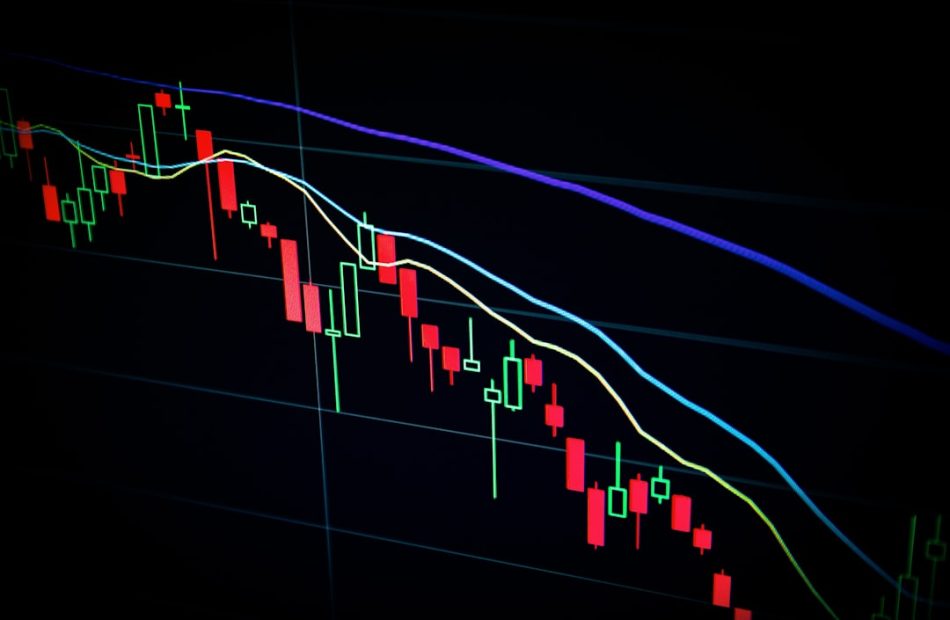
ETH vs SOL: How to Trade the Ratio Like a Pro
If you’ve been watching the crypto markets lately, you’ve seen the battle brewing between Ethereum and Solana. It’s not just a debate about which blockchain is better—it’s a live, tradable signal. Welcome to ratio trading, where you don’t pick a winner; you trade the relationship between two giants.
How It Works
Ratio trading is simple: instead of betting on one coin’s price going up or down, you bet on one coin outperforming the other. You create a pair (ETH/SOL) and track its value. When the ratio rises, ETH is beating SOL. When it falls, SOL is winning. This removes the need to guess the overall market direction—you just need to be right about the relative strength.
The Setup
Here’s how to set up an ETH/SOL ratio trade:
1. Find the ratio: On exchanges like Binance or Bybit, look for the ETHSOL perpetual or spot pair. The price you see is how many SOL it takes to buy 1 ETH.
2. Identify the trend: Draw a simple trendline on the ratio chart. If the ratio is making higher highs and higher lows, ETH is in favor. Lower highs and lower lows? SOL is leading.
3. Enter the trade:
- Long the ratio (buy ETH, sell SOL) when you think ETH will outperform.
- Short the ratio (sell ETH, buy SOL) when you think SOL will outperform.
4. Set your target: Look for key support/resistance levels on the ratio chart. For example, if the ratio bounces off a support zone, target the next resistance.
Risk Management
Ratio trading isn’t risk-free. Here are three rules to keep you safe:
- Use stops: Always set a stop loss on the ratio level, not just on one coin. A 5% move against you on the ratio can be a 10%+ loss in one leg.
- Size wisely: Because you’re trading two assets, margin requirements can be higher. Keep position sizes small—1-2% of your portfolio per trade.
- Watch for catalysts: Ethereum upgrades (like EIP-4844) or Solana network outages can flip the ratio fast. Stay updated on news for both chains.
Conclusion
Trading the ETH/SOL ratio is a powerful way to profit from the blockchain rivalry without betting on the entire market. It forces you to think like a comparative analyst, not a gambler. Start small, track the ratio daily, and soon you’ll see opportunities others miss. The next time someone asks “ETH or SOL?”, you’ll know your answer: “It depends on the ratio.”
Satoshi’s Lost Bitcoin Explained: A Complete Guide to Scarcity and Supply
Did you know that researchers estimate over 3 million Bitcoin—worth hundreds of billions of dollars—may be permanently lost? That’s roughly 15% of all the Bitcoin that will ever exist. On June 21, 2010, Bitcoin’s mysterious creator, Satoshi Nakamoto, addressed this very topic in a now-famous forum post. A user worried that forgotten wallets would shrink the network over time. Satoshi’s reply became legendary: “Lost coins only make everyone else’s coins worth slightly more. Think of it as a donation to everyone.” Sixteen years later, this quote remains central to understanding Bitcoin’s unique scarcity. For crypto learners, grasping how lost coins impact supply is essential for evaluating Bitcoin’s long-term value. This guide explains the concept of lost Bitcoin without jargon, breaks down how researchers estimate lost coins, explores real-world examples, and clarifies what this means for your portfolio.
Read time: 8-10 minutes
Understanding Lost Bitcoin for Beginners
Lost Bitcoin refers to coins that exist on the blockchain but cannot be spent because their private keys (the digital passwords needed to move them) have been permanently destroyed, forgotten, or otherwise made inaccessible. Think of it like cash locked in a safety deposit box where you’ve lost the key and the bank has no copy. The cash still exists, but nobody can use it.
Why does this matter? Bitcoin’s total supply is capped at 21 million coins. When coins become permanently lost, the effective circulating supply shrinks. This creates additional scarcity beyond the hard cap. Satoshi recognized this as a feature, not a bug: fewer available coins means each remaining coin could become more valuable over time, assuming demand stays constant or grows.
A real-world crypto example: An early Bitcoin miner mined 50 BTC in 2009 but stored the private keys on a now-defunct hard drive that was thrown away. Those 50 BTC are permanently lost. The blockchain shows they exist, but nobody can spend them. They’ve effectively been removed from circulation.
The Technical Details: How Researchers Estimate Lost Coins
Unlike traditional finance, blockchain data provides transparent but incomplete answers about lost coins. Here’s how researchers approach the problem:
1. Provably Burned Coins: Some coins are sent to “burn addresses”—wallet addresses with no known private keys. The 2025 study by El Khatib and Legout identified only 3,197.61 BTC as provably burned through block 840,682 (April 2024). This is a tiny fraction of the total.
2. Dormancy Analysis: Blockchain explorers like Glassnode track how long coins have remained unmoved. As of June 2026, roughly 5.25 million BTC had been dormant for over seven years. Researchers treat coins inactive beyond seven years as “Inert Supply”—likely lost.
3. Self-Custody Losses: River’s 2025 custody report estimated 1.57 million BTC were permanently lost through self-custody errors. 98% of these losses occurred before 2020, when wallet technology was less user-friendly and backup practices were poorly understood.
4. Exchange Failures: Events like the Mt. Gox collapse (originally 740,000 BTC lost) show how exchange failures can lead to losses. However, some coins were later recovered, making this loss figure less permanent than self-custody errors.
Visual cue: Flow diagram showing “Mined Bitcoin → Circulating Supply → Lost Coins (Burn Addresses, Forgotten Keys, Dead Hardware)”
Current Market Context: Why This Matters Now
As of July 2026, the debate over lost Bitcoin has intensified. Researchers estimate between 2.7 million and 3.9 million BTC are permanently lost, with a midpoint of 3.1 million BTC. Against the current circulating supply of approximately 20.05 million BTC (tracked by Glassnode), that midpoint represents roughly 15.5% of all mined Bitcoin.
This isn’t just an academic question. The “lost coin” narrative directly impacts Bitcoin’s scarcity narrative—a key selling point for investors. In recent months, several high-profile cases have highlighted the stakes:
- The James Howells Case: A Welsh IT engineer accidentally discarded a hard drive containing 7,000-8,000 BTC. After years of legal battles, the High Court dismissed his challenge in January 2025 to excavate the landfill. At current prices, that cache is valued at nearly half a billion dollars.
- Patoshi Pattern Debate: Sergio Demian Lerner’s research identified a single early miner (nicknamed “Patoshi”) who mined roughly 1.1 million BTC in 2009-2010. Whether those coins are lost, dormant, or simply unattributed swings lost-coin estimates by hundreds of thousands of BTC.
Competitive Landscape: How Different Estimates Compare
Different sources use different methodologies, leading to varying figures:
| Feature | El Khatib & Legout (2025 Study) | Glassnode (Dormancy Analysis) | River (2025 Report) |
|---|---|---|---|
| Methodology | Entropy filtering & machine learning on burn addresses | Supply-by-age data (coins dormant 7+ years) | Self-custody loss analysis |
| Estimate | 3,197.61 BTC (provably burned) | ~5.25 million BTC (likely lost) | 1.57 million BTC (self-custody) |
| Certainty Level | Very high (onchain proof) | Medium (probabilistic) | Medium-High (survey-based) |
| Key Limitation | Misses non-burn losses (forgotten keys, dead hardware) | Old coins can still move | Relies on self-reported data |
Why this matters for you: Different estimates lead to different conclusions about Bitcoin’s effective supply. A trader using Glassnode’s 5.25 million figure would see much tighter scarcity than someone relying on the El Khatib study.
Practical Applications: Real-World Use Cases
Understanding lost Bitcoin has practical implications:
- Long-Term Investment Strategy: If you’re a “HODLer,” knowing that 15%+ of Bitcoin may be permanently gone strengthens the scarcity thesis. It means the true “available” supply is lower than the headline 21 million cap.
- Risk Assessment for Self-Custody: The River report’s finding that 98% of self-custody losses occurred before 2020 highlights how far wallet technology has come. Modern hardware wallets with seed phrase backups dramatically reduce loss risk.
- Evaluating Market Narratives: When media reports “X million BTC lost,” check the methodology. Is it provably burned (tiny), dormant (probabilistic), or estimated (speculative)? This helps you separate hype from reality.
- Estate Planning for Crypto: The Howells case illustrates why Bitcoin inheritance planning matters. Without clear documentation for heirs, even large holdings can become permanently lost.
Risk Analysis: Expert Perspective
Primary Risks:
1. Overcounting Losses: Treating every dormant coin as “lost” overstates the case. Old coins do move—Satoshi’s own coins could theoretically be spent if the creator returned.
2. Undercounting Losses: The provable burn figure (3,197 BTC) is likely far lower than actual losses, misleading those who think lost coins don’t matter.
3. Market Narrative Manipulation: Both bullish narratives (higher scarcity) and bearish narratives (uncertain supply) can be exaggerated by selectively citing different estimates.
Mitigation Strategies:
- Use multiple sources (Glassnode, River, academic studies) for a balanced view
- Focus on ranges (2.7-3.9 million) rather than single numbers
- Consider both best-case and worst-case scenarios for portfolio planning
Expert Consensus: The debate is unlikely to be resolved soon. Burn-address proof remains tiny, dormancy metrics remain probabilistic, and the Patoshi-era coins remain untouched. Many believe Nakamoto’s coins will never move, but that remains opinion, not fact.
Beginner’s Corner: Quick Start Guide
How to protect your Bitcoin from being lost:
1. Use a hardware wallet (Ledger, Trezor, or Coldcard) for long-term storage
2. Write down your seed phrase on paper (never digitally) and store it in a safe
3. Create a backup copy stored in a separate secure location (e.g., a safety deposit box)
4. Test your recovery process by restoring your wallet on a different device
5. Document your holdings for heirs (include wallet type, seed phrase location, and basic instructions)
6. Avoid single points of failure—don’t rely solely on one hardware wallet or one backup location
Common mistakes to avoid:
- Storing seed phrases in cloud storage, email, or password managers
- Using software wallets on phones without backups
- Trusting third-party custody without understanding the risks
Future Outlook: What’s Next
The lost-Bitcoin debate will continue to evolve as new research emerges:
1. Improved Forensic Tools: Machine learning and blockchain analytics will refine estimates, potentially narrowing the uncertainty range.
2. Regulatory Clarity: As Bitcoin becomes more institutional, courts may establish clearer rules for “lost” versus “abandoned” coins. The Howells case could set precedents for future claims.
3. Recovery Attempts: Companies specializing in Bitcoin recovery may develop new techniques for accessing dormant wallets, though success remains rare.
4. Market Impact: If a significant dormant wallet (e.g., Patoshi coins) were to move, it could temporarily affect market sentiment by increasing perceived circulating supply.
The fundamental question—“how many Bitcoin are truly lost?”—will likely remain unanswered. That uncertainty is itself a feature of Bitcoin’s design, reinforcing the importance of user responsibility and the value of scarcity.
Key Takeaways
- Lost Bitcoin reduces effective supply beyond the 21 million cap, with estimates ranging from 2.7-3.9 million BTC permanently gone
- Most losses come from self-custody errors (forgotten passwords, dead hardware), not exchange hacks
- Only ~3,200 BTC can be provably confirmed as lost via burn addresses; all other estimates are probabilistic
- Modern wallet technology and security practices dramatically reduce the risk of losing your own Bitcoin
Using Etherscan: Tracking Whales and Verifying Transactions – The Ultimate Guide
Introduction
Etherscan is the leading blockchain explorer for Ethereum, offering unparalleled transparency into on-chain activity. Whether you’re a retail investor trying to follow smart money moves or a developer verifying a transaction, mastering Etherscan is essential. This guide will walk you through how to track whale wallets, verify transactions, and use advanced features to stay ahead in the crypto market.
Key Concepts
1. What is Etherscan?
Etherscan is a block explorer and analytics platform for the Ethereum blockchain. It allows users to search for transactions, addresses, tokens, and smart contracts in real time.
2. Tracking Whales
Whales are large holders of cryptocurrency whose moves can influence market prices. To track them on Etherscan:
- Use the Top Accounts page to see the richest Ethereum addresses.
- Monitor Token Transfers for large amounts moving to or from exchanges.
- Set up watchlists for specific whale addresses to get alerts on their activity.
3. Verifying Transactions
To verify a transaction on Etherscan:
- Copy the transaction hash (TXID) from your wallet or exchange.
- Paste it into the Etherscan search bar.
- Check the status (Success, Failed, or Pending), block confirmation, and gas used.
Pro Tips
- Use the ‘Internal Transactions’ tab: Many DeFi interactions happen via internal transactions. Always check this tab to see the full flow of funds.
- Look for ‘Verified’ contracts: A verified smart contract means the source code is public, reducing the risk of scams. For more details on this, check out our guide on How to Spot a Honey Pot Scam: Safety Guide for Crypto Investors.
- Track ‘Gas Tracker’: Use Etherscan’s Gas Tracker to see current gas prices and optimize your transaction fees.
FAQ Section
Q: Is Etherscan free to use?
A: Yes, Etherscan is free for basic use. Advanced features like API access and alerts may require a paid plan.
Q: Can I track whale wallets in real time?
A: Yes, you can use Etherscan’s watchlist feature or third-party tools like Whale Alert to get real-time notifications.
Q: How do I know if a transaction is confirmed?
A: On the transaction page, look for the ‘Status’ field. ‘Success’ means confirmed, while ‘Pending’ means it’s still waiting for block inclusion.
Conclusion
Etherscan is an indispensable tool for anyone involved in Ethereum. By learning to track whales and verify transactions, you can make more informed decisions and avoid common pitfalls. Start exploring today and take control of your on-chain intelligence. You might also be interested in reading about How to Ride the Meme Coin Supercycle Without Getting Wrecked.
Tokenized Stocks: 24/7 Equity Trading Guide
Tokenized stocks represent a transformative asset class within the Real World Assets (RWA) ecosystem. By converting traditional equity shares into blockchain-based tokens, investors gain the ability to trade stocks 24/7, access fractional ownership, and benefit from enhanced liquidity. Unlike off-chain equities that rely on centralized exchanges with limited trading hours, on-chain tokenized stocks operate on decentralized networks, enabling global, round-the-clock trading. This guide explores the mechanics, investment considerations, and tools for navigating this emerging market.
How Tokenized Stocks Work
The process of tokenizing a stock involves several key steps that bridge traditional finance (TradFi) with decentralized finance (DeFi):
- Tokenization: A Special Purpose Vehicle (SPV) holds the underlying stock shares. The SPV issues digital tokens on a blockchain (e.g., Ethereum, Polygon) that represent ownership of those shares.
- Oracles: Price oracles (e.g., Chainlink) feed real-time stock prices from traditional exchanges (NYSE, NASDAQ) onto the blockchain, ensuring token prices mirror the underlying asset.
- Smart Contracts: Automated contracts manage token minting, burning, and redemption. Investors can buy or sell tokens directly on decentralized exchanges (DEXs) without intermediaries.
- Regulatory Compliance: Platforms often implement Know Your Customer (KYC) and Anti-Money Laundering (AML) checks to comply with securities laws.
Investment Analysis: Pros, Cons, and Risks
Pros
- 24/7 Liquidity: Trade stocks anytime, including weekends and holidays, unlike traditional markets.
- Fractional Ownership: Buy a fraction of a high-priced stock (e.g., Amazon) with minimal capital.
- Global Access: Investors from any jurisdiction can participate, subject to local regulations.
- Transparency: All transactions are recorded on-chain, providing immutable audit trails.
Cons
- Regulatory Uncertainty: Securities laws vary by country, and tokenized stocks may face compliance hurdles.
- Smart Contract Risk: Bugs or exploits in smart contracts can lead to loss of funds.
- Counterparty Risk: The SPV holding the underlying shares must be trusted; insolvency could affect token value.
- Limited Adoption: Not all stocks are tokenized, and liquidity may be thin for lesser-known assets.
Risks
- Regulation: Authorities like the SEC may classify tokenized stocks as securities, imposing strict rules.
- Oracle Manipulation: If price feeds are compromised, token prices may deviate from real-world values.
- Market Volatility: Crypto market volatility can spill over into tokenized stock prices, especially during market stress.
For a broader market view, check out our analysis on Stablecoin Yield Strategies: Low Risk Farming for Consistent Returns. Investors often compare this to Unlocking Bitcoin’s Next Frontier: How to Trade the Layer-2 Ecosystem.
Tool Recommendation
To effectively analyze tokenized stock trends and price movements, you need reliable charting tools. For the best charting tools to spot this pattern, try Bitget. Bitget offers advanced trading interfaces, real-time data, and support for tokenized assets, making it a great platform for both beginners and experienced traders.
FAQ
What are tokenized stocks?
Tokenized stocks are digital tokens that represent ownership of traditional equity shares. They are issued on a blockchain and can be traded 24/7, offering fractional ownership and global accessibility.
Are tokenized stocks legal?
Legality varies by jurisdiction. In many countries, tokenized stocks must comply with securities regulations, including KYC/AML requirements. Always consult local laws before investing.
How do tokenized stocks differ from traditional stocks?
Traditional stocks trade on centralized exchanges during set hours, while tokenized stocks trade on blockchain networks 24/7. Tokenized stocks also enable fractional ownership and lower entry barriers.
Conclusion
Tokenized stocks are a compelling evolution in the RWA space, offering unprecedented flexibility and accessibility for equity investors. While regulatory and technical risks remain, the potential for 24/7 trading and fractional ownership makes this asset class worth monitoring. As adoption grows, platforms like Bitget provide the tools needed to navigate this market effectively. Always conduct thorough due diligence and consider your risk tolerance before investing.
Restaking Explained: EigenLayer and Beyond – The Ultimate Guide to Crypto Restaking
Restaking is one of the most innovative primitives to emerge in crypto since liquid staking. It allows users to reuse their staked ETH (or other assets) to secure additional networks, earning extra rewards while amplifying capital efficiency. This guide breaks down how restaking works, the role of EigenLayer, and what lies beyond.
Key Concepts
- Restaking: The process of taking already-staked tokens (e.g., stETH) and committing them to secure other protocols or services (AVSs) in exchange for additional yield.
- EigenLayer: A protocol built on Ethereum that enables restaking. It acts as a marketplace where stakers can opt-in to validate new services without unbonding their original stake.
- Actively Validated Services (AVSs): Any system requiring decentralized validation – from sidechains to data availability layers – that can be secured by restaked ETH.
- Liquid Restaking Tokens (LRTs): Tokens like ezETH or rsETH that represent restaked positions, allowing users to trade or use their restaked capital in DeFi.
- Slashing Conditions: Penalties imposed on restakers if the AVS they secure misbehaves, creating a trust-minimized security model.
Pro Tips
- Diversify AVS exposure: Don’t restake all your ETH into a single AVS – spread risk across multiple services to mitigate slashing impact.
- Monitor slashing risk: Understand each AVS’s slashing conditions. Some are more aggressive than others.
- Use LRTs for composability: Liquid restaking tokens can be deposited into lending protocols or yield farms, compounding your returns.
- Start small: Test restaking with a small amount first to understand the mechanics and withdrawal delays.
💡 Pro Tip
Looking for altcoin opportunities and smooth trading? Try KuCoin.
FAQ Section
What is restaking in simple terms?
Restaking means taking tokens you’ve already staked (e.g., ETH on Ethereum) and using them to also secure other networks or services, earning extra rewards without unstaking first.
Is restaking safe?
Restaking introduces slashing risk – if the service you help secure misbehaves, you can lose a portion of your stake. Choose reputable AVSs and diversify to manage risk.
How does EigenLayer differ from traditional staking?
Traditional staking secures one network (e.g., Ethereum). EigenLayer lets you reuse that stake to secure many services simultaneously, increasing capital efficiency and yield potential.
What are liquid restaking tokens (LRTs)?
LRTs are tokens that represent your restaked position. They can be traded or used in DeFi, giving you liquidity while your underlying ETH remains restaked.
Can I restake non-ETH assets?
Yes. EigenLayer and other platforms are expanding to support restaking of liquid staking tokens (like stETH) and eventually other PoS assets.
For more details on this, check out our guide on US Treasury Bills on Blockchain: The Risk-Free Rate On-Chain.
You might also be interested in reading about Restaking Explained: EigenLayer and Beyond – The Ultimate Guide to Crypto Restaking.
Conclusion
Restaking, led by EigenLayer, is reshaping crypto security models by unlocking the latent value of staked assets. It offers higher yields and enables new decentralized services, but comes with added slashing risks. As the ecosystem matures, restaking will likely become a core DeFi primitive – just remember to do your own research and manage risk carefully.
Stop Loss Placement Strategies: Protect Your Portfolio Like a Pro
You’ve entered a trade. Your analysis is solid, your conviction is high, but the market does what markets do—it moves against you. Without a stop loss, that small dip can turn into a devastating loss. Stop losses aren’t just safety nets; they are the foundation of disciplined trading. Let’s explore how to place them strategically so you can survive and thrive in volatile markets.
How It Works
A stop loss is an order placed with your exchange to automatically sell (or buy) an asset when it reaches a specific price. Its purpose is to limit your loss on a trade. But where you set that price is crucial. If it’s too tight, you’ll get stopped out by normal market noise. If it’s too wide, you risk losing too much capital. The sweet spot balances technical analysis with your personal risk tolerance.
The Setup
1. Support and Resistance Levels
The most common method is placing your stop loss just below a key support level (for long trades) or just above a key resistance level (for short trades). This gives the trade room to breathe while protecting you if the level breaks. For example, if Bitcoin is trading at $30,000 with support at $29,500, set your stop at $29,400 to account for wicks.

2. Moving Averages
Use a moving average like the 50-day or 200-day MA as a dynamic stop loss. As the price trends upward, trail the stop below the MA. This keeps you in the trade during normal pullbacks but exits if the trend reverses. For instance, if Ethereum is above its 50-day MA, place your stop just below it.
3. Volatility-Based Stops (ATR)
The Average True Range (ATR) indicator measures market volatility. Multiply the ATR by 1.5 or 2 and subtract that from your entry price for a long trade. This adjusts your stop to current market conditions—wider stops in volatile markets, tighter ones in calm markets. Example: If ATR is $500 and you’re long at $20,000, set stop at $19,000 (2 x $500).
4. Percentage-Based Stops
A simple yet effective approach: risk a fixed percentage of your capital per trade, typically 1-2%. If your account is $10,000 and you risk 1%, your maximum loss is $100. If your position size is $1,000, your stop loss should be 10% below entry. This method ensures consistency and prevents emotional decisions.
Risk Management
Stop losses are only effective if you use them consistently. Never move your stop loss further away to avoid getting stopped out—that defeats its purpose. Instead, you can trail it upward as the trade moves in your favor to lock in profits. Also, always account for slippage in fast-moving markets; a stop loss doesn’t guarantee execution at your exact price. Use limit orders when possible, or accept that a market order may fill slightly worse. Finally, never risk more than 2% of your account on a single trade. This keeps you in the game even after a series of losses.
Conclusion
Stop loss placement is both an art and a science. Whether you use support levels, moving averages, ATR, or a fixed percentage, the key is to have a plan and stick to it. A well-placed stop loss protects your capital, reduces emotional stress, and allows you to focus on your next winning trade. Start with one strategy, backtest it, and refine as you gain experience. Remember: in crypto, survival is success. Trade safe!
Cold Storage vs Hot Wallets: Which Should You Choose?
Introduction
In the world of cryptocurrency, securing your digital assets is paramount. The choice between cold storage and hot wallets is one of the most critical decisions you’ll make as a crypto investor. Cold storage refers to offline wallets that are not connected to the internet, offering maximum security against hacks. Hot wallets, on the other hand, are connected to the internet, providing convenience for frequent transactions but exposing you to higher risks. This guide will help you understand the differences, pros and cons, and ultimately decide which option suits your needs.
Key Concepts
- Cold Storage: Offline wallets (hardware wallets, paper wallets, or air-gapped devices) that store private keys without internet access. Ideal for long-term holdings and large amounts.
- Hot Wallets: Online wallets (mobile apps, desktop software, or exchange wallets) that are connected to the internet. Best for daily transactions, trading, and small balances.
- Private Keys: The secret codes that prove ownership of your crypto. Whoever holds the private key controls the funds.
- Security vs. Convenience: Cold storage prioritizes security at the cost of convenience; hot wallets prioritize ease of use at the cost of security.
Pro Tips
- Use a combination: Keep the majority of your funds in cold storage and only a small amount in hot wallets for daily expenses.
- Enable 2FA: Always enable two-factor authentication on hot wallets and exchange accounts.
- Backup your seed phrase: Write down your recovery seed phrase and store it in a safe, offline location. Never share it online.
- Update firmware: If using a hardware wallet, regularly update its firmware to protect against vulnerabilities.
FAQ Section
1. Is cold storage 100% secure?
No storage method is 100% secure. Cold storage is highly resistant to online attacks but can still be compromised through physical theft, social engineering, or user error (e.g., losing the seed phrase).
2. Can I use both cold storage and hot wallets together?
Yes, this is a common strategy. Use a hot wallet for small, frequent transactions and a cold wallet for long-term savings. This balances security and convenience.
3. What happens if I lose my hardware wallet?
If you have your recovery seed phrase, you can restore your funds on a new wallet. Without the seed phrase, the funds are permanently lost.
4. Are exchange wallets considered hot wallets?
Yes, exchange wallets are a type of hot wallet because they are connected to the internet. However, the exchange holds the private keys, meaning you don’t have full control over your funds.
Conclusion
Choosing between cold storage and hot wallets depends on your specific needs. For long-term investors holding significant amounts, cold storage is the safer choice. For active traders or those who need quick access to funds, hot wallets offer the necessary convenience. A hybrid approach—using both—is often the best strategy. Remember to always prioritize security best practices, such as backing up your seed phrase and enabling 2FA. For more details on this, check out our guide on Security Tokens vs Utility Tokens: RWA Guide 2026. You might also be interested in reading about BlackRock BUIDL: Institutional Crypto Entry via RWA Tokenization.
Security Tokens vs Utility Tokens: The Complete RWA Guide
Security tokens represent a transformative bridge between traditional finance (TradFi) and blockchain-based decentralized finance (DeFi). Unlike utility tokens, which grant access to a product or service, security tokens are digital representations of ownership in an underlying real-world asset (RWA)—such as real estate, corporate bonds, commodities, or private credit. This guide explains the critical differences between security and utility tokens, how tokenization works, and what investors need to know about regulation, liquidity, and risk.
What Are Security Tokens?
A security token is a blockchain-based digital asset that derives its value from an external, tradable asset. Under the U.S. Securities and Exchange Commission (SEC) framework, a token is classified as a security if it passes the Howey Test: an investment of money in a common enterprise with a reasonable expectation of profits derived from the efforts of others. Security tokens are subject to federal securities laws, requiring registration or an exemption (e.g., Regulation D, Regulation A+).
Off-Chain vs On-Chain: The Core Difference
The key distinction lies in where the asset’s value originates. Off-chain assets (real estate, bonds, gold) exist in the physical or legal world. Tokenization brings them on-chain by creating a digital representation that can be traded 24/7, fractionally owned, and settled instantly. On-chain assets (native cryptocurrencies, utility tokens) exist solely within the blockchain ecosystem and have no direct claim to an external asset.
Utility Tokens vs Security Tokens: Key Differences
- Purpose: Utility tokens provide access to a platform or service (e.g., Filecoin for storage, Ethereum for gas fees). Security tokens represent ownership or profit-sharing in an underlying asset.
- Regulation: Utility tokens are generally not considered securities if they are sufficiently decentralized and functional. Security tokens are strictly regulated by bodies like the SEC, FINRA, and ESMA.
- Investor Rights: Security token holders may receive dividends, interest payments, or voting rights. Utility token holders typically have no such rights.
- Liquidity: Security tokens often trade on regulated alternative trading systems (ATS) or specialized exchanges. Utility tokens trade on centralized and decentralized exchanges with higher liquidity.
How Tokenization Works: The Technical Process
The process of converting an RWA into a security token involves several steps:
- Asset Selection & Valuation: The asset (e.g., a commercial real estate property) is appraised by a third-party auditor.
- Special Purpose Vehicle (SPV): A legal entity (SPV) is created to hold the asset, isolating it from the issuer’s balance sheet.
- Token Issuance: The SPV issues tokens on a blockchain (typically Ethereum or a permissioned chain) representing fractional ownership. Each token corresponds to a specific share of the asset’s value.
- Oracle Integration: Oracles (e.g., Chainlink) feed off-chain data—such as property valuations, rental income, or interest rates—onto the blockchain to ensure transparency.
- Secondary Trading: Tokens are listed on compliant exchanges or ATS platforms, enabling peer-to-peer trading with KYC/AML checks.
Investment Analysis: Pros, Cons, and Risks
Pros
- Fractional Ownership: Investors can buy a fraction of a high-value asset (e.g., $100 worth of a $10 million building).
- 24/7 Liquidity: Unlike traditional real estate or private equity, tokens can be traded around the clock on secondary markets.
- Transparency: All transactions and asset data are recorded on an immutable ledger, reducing fraud.
- Global Access: Investors from any jurisdiction can participate, subject to local regulations.
Cons
- Regulatory Uncertainty: Laws vary by country; a token may be a security in the U.S. but not in Singapore.
- Smart Contract Risk: Bugs in the token contract or oracle can lead to loss of funds.
- Illiquidity Premium: Many security tokens still trade on thin order books, leading to wider spreads.
Risks
- Regulatory Risk: A change in securities law could render a token non-compliant, forcing delisting.
- Counterparty Risk: The SPV or asset manager may default or mismanage the underlying asset.
- Market Risk: The value of the underlying RWA (e.g., real estate prices) can decline.
For a broader market view, check out our analysis on What Is Impermanent Loss? Liquidity Providing Explained – A Complete Guide.
Investors often compare this to DeFi Coins Explained: Why Smart Contract Tokens Are Falling With Bitcoin.
Where to Trade Security Tokens
While security tokens are not yet as widely listed as utility tokens, several platforms are emerging. For investors seeking exposure to tokenized RWAs with low fees and high liquidity, we recommend MEXC. MEXC offers a curated selection of RWA tokens and security token-like assets, with competitive trading fees and a user-friendly interface. Start trading on MEXC today.
Frequently Asked Questions
What is the difference between a security token and a utility token?
A security token represents ownership in an external asset (e.g., real estate, bonds) and is subject to securities regulation. A utility token provides access to a blockchain-based product or service and is generally not considered a security if it is sufficiently decentralized.
Are security tokens legal?
Yes, security tokens are legal when issued and traded in compliance with applicable securities laws. In the U.S., they must be registered with the SEC or qualify for an exemption (e.g., Regulation D for accredited investors).
Can I buy security tokens on a regular crypto exchange?
Most major crypto exchanges (e.g., Binance, Coinbase) do not list security tokens due to regulatory complexity. However, specialized platforms like MEXC and regulated ATSs (e.g., tZERO, Securitize) offer compliant trading.
Conclusion
Security tokens are a powerful innovation that bridges the gap between TradFi and DeFi, offering fractional ownership, global liquidity, and transparency for real-world assets. However, investors must navigate a complex regulatory landscape and understand the risks—including smart contract vulnerabilities and illiquidity. As the RWA market matures, security tokens are poised to become a cornerstone of modern portfolio allocation. For those ready to explore, platforms like MEXC provide a low-fee entry point into this emerging asset class.
Microsoft Warns of New USB Malware Targeting Crypto Users
June 21, 2026 — Microsoft has issued a security alert about a new malware strain that spreads through USB flash drives and uses Windows shortcut files to infect devices. The so-called “clipper” malware targets cryptocurrency users by scanning clipboard data and replacing wallet addresses with attacker-controlled addresses, putting Bitcoin, Tron, and Monero funds at risk.
Immediate Details & Direct Quotes
Want to trade this news? Bitget offers professional charting tools and deep liquidity.
Microsoft Defender’s security team identified the malware, which propagates through removable media by replacing files with shortcut (.lnk) files. When users execute these shortcuts, the infection triggers and installs persistent monitoring on the device.
The malware operates through anonymized Tor-powered communications to avoid detection. It continuously scans memory every 500 milliseconds for cryptocurrency addresses and BIP39 seed phrases—both 12-word and 24-word formats.
“This malware family shows how lightweight, script-based stealers can deliver outsized impact when paired with anonymized communications and runtime tasking,” the Microsoft Defender team emphasized.
Once infected, the malware captures five screenshots to provide context about wallet contents and the funds they hold. It then transmits this data, along with any detected seed phrases, to attackers’ servers.
Market Context & Reaction
As of June 21, 2026, Microsoft recommends immediate defensive measures for all Windows users who handle cryptocurrency transactions. The primary propagation vector—USB drives—makes this threat particularly dangerous for crypto users who transfer funds between offline and online devices.
The malware targets Bitcoin, Tron, and Monero addresses specifically, though its seed phrase harvesting capability threatens wallets across multiple blockchain networks. By substituting clipboard addresses with attacker-controlled ones, victims unknowingly send funds to hackers instead of intended recipients.
Microsoft’s security team identified that the malware employs countermeasures against antivirus scanning and deletion attempts, making detection and removal more challenging for standard security tools.
Background & Historical Context
This threat represents an evolution in crypto-targeting malware, combining traditional USB propagation with sophisticated real-time clipboard monitoring. Previous clipper malware variants existed but typically lacked the persistent memory scanning and Tor-based anonymization seen in this strain.
Microsoft Defender’s analysis reveals that the infection process is entirely script-based, requiring no compiled executables to spread. This lightweight approach allows the malware to evade signature-based detection methods commonly used by antivirus software.
The malware’s ability to detect “high-value financial artifacts” in clipboard data marks a significant escalation in targeting precision. Instead of broadly harvesting credentials, it specifically seeks out cryptocurrency-related information.
What This Means
Users should immediately disable autorun for content on all removable media devices. Microsoft specifically recommends blocking the execution of shortcut files from removable drives, as these have been identified as the malware’s primary propagation method.
For crypto traders and investors, the safest practice involves using hardware wallets for transaction signing and avoiding USB transfers between devices. Seed phrases should never be stored in clipboard memory or copied on potentially compromised systems.
The security team will likely release updated Defender signatures to detect this specific malware variant. Users should ensure automatic updates remain enabled and consider running manual scans after connecting any USB device.
Coin holders should verify all withdrawal addresses manually before confirming transactions, even if the address appears correct in their clipboard. This practice remains the most effective defense against address substitution attacks.