
Unlocking Bitcoin’s Next Frontier: How to Trade the Layer-2 Ecosystem

Bitcoin is no longer just digital gold. With the rise of Layer-2 solutions like the Lightning Network, Stacks, Rootstock, and Liquid, Bitcoin is evolving into a programmable, scalable ecosystem. For traders, this means new opportunities—and new risks. In this post, we’ll explore how you can navigate the Bitcoin Layer-2 (L2) ecosystem to find trading ideas that go beyond simply holding BTC.
The Strategy Explained
How It Works
Bitcoin Layer-2s are protocols built on top of the Bitcoin blockchain to improve transaction speed, reduce costs, and enable smart contracts. As these L2s grow, they create tradable assets—native tokens (e.g., STX, RBTC), wrapped BTC, and even DeFi tokens. The strategy here is to track L2 adoption metrics and trade the corresponding tokens during network upgrades, major integrations, or TVL (Total Value Locked) milestones.
The Setup
1. Identify the L2s with traction: Focus on those with active development, strong communities, and real use cases. Examples: Stacks (smart contracts), Lightning (payments), and Rootstock (EVM-compatible).
Looking for altcoin opportunities and smooth trading? Try KuCoin.
2. Monitor key events: Upgrades, exchange listings, or partnerships often trigger price moves. Set alerts for news from official channels.
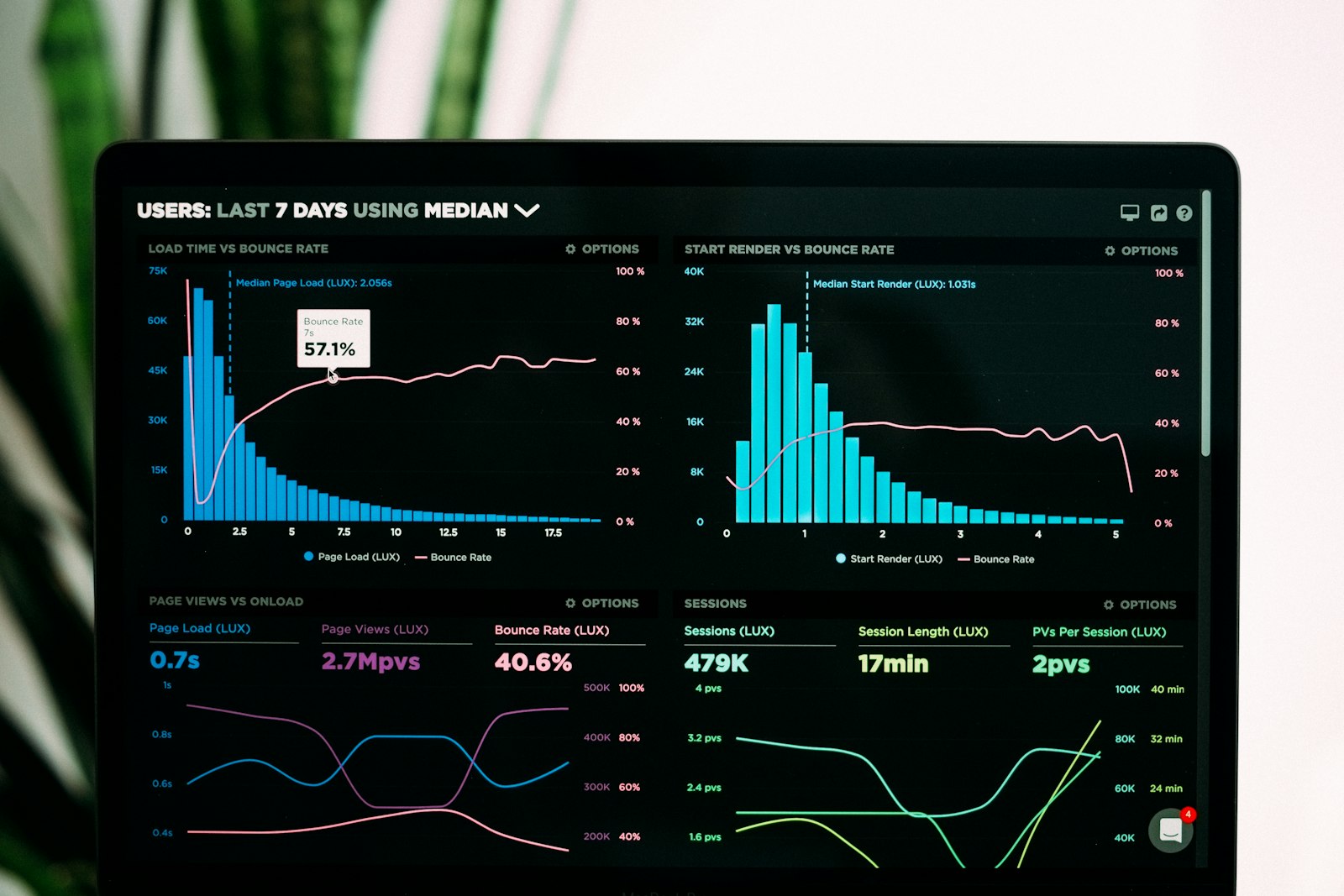
3. Use on-chain data: Check TVL on sites like DefiLlama or the number of active channels on Lightning. Rising TVL or user growth is a bullish signal.
4. Enter on pullbacks: After a bullish event, wait for a 10-20% retracement before buying. This avoids buying the top.
5. Exit on hype: When mainstream media covers an L2 heavily, it’s often time to take partial profits.
Example Trade
- Asset: Stacks (STX)
- Event: Nakamoto upgrade announcement
- Entry: After a 15% pullback from the initial pump
- Target: 30% gain from entry
- Stop-loss: 8% below entry
Risk Management
Trading L2 tokens is higher risk than trading Bitcoin itself. These tokens are often more volatile and less liquid. Here’s how to stay safe:
- Position size: Limit each L2 trade to 2-5% of your portfolio.
- Diversify across L2s: Don’t bet all on one project.
- Use stop-losses: Always set a stop-loss at a level that invalidates your thesis (e.g., below the recent low).
- Avoid leverage: These tokens can swing 30% in a day—leverage amplifies losses.
- Stay updated: L2 tech evolves fast; a failed upgrade can crash a token.
Conclusion
Bitcoin’s Layer-2 ecosystem is still in its early days, but it offers exciting trading opportunities for those willing to do the research. By focusing on adoption metrics, timing entries around events, and managing risk carefully, you can potentially profit from this emerging sector. Remember: not every L2 will succeed, so trade smart, stay disciplined, and keep learning. The future of Bitcoin is layered—and so can be your trading strategy.