

The Base Chain Rotation Playbook: How to Surf the Next Wave of L2 Altcoins
If you’ve been watching crypto markets lately, you’ve probably noticed something: Ethereum’s Layer 2s are stealing the spotlight. And among them, Base Chain – Coinbase’s brainchild – is growing faster than a DeFi summer meme. But here’s the thing most traders miss: it’s not just about buying the biggest token on Base. The real edge comes from understanding ecosystem rotations – the predictable flow of capital from one sector to another within a single chain.
Think of it like a beach. The first wave (DeFi) breaks, then the second (NFTs), then the third (gaming). If you know how to read the tide, you can catch each wave before it crashes. Let’s dive into the strategy.
How It Works
Ecosystem rotations happen when liquidity moves from one category of projects to another on the same blockchain. On Base, this usually follows a pattern:
Looking for altcoin opportunities and smooth trading? Try KuCoin.
1. Infrastructure first – DEXs, lending protocols, and bridges get the initial hype and TVL.
2. DeFi yield farms – Capital flows into high-APY pools and liquid staking tokens.
3. NFTs & memes – Speculative energy shifts toward collectibles and community tokens.
4. Gaming & social – Late-cycle plays where user engagement matters more than TVL.
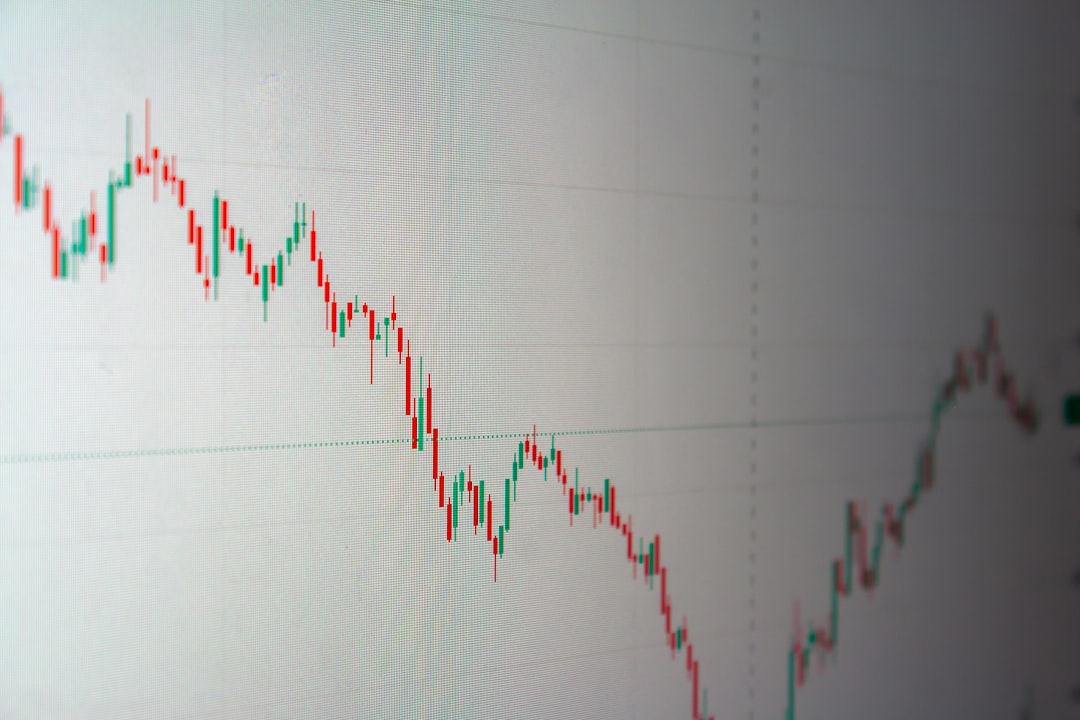
Why does this happen? Because early adopters take profits from the first movers and redeploy into newer, riskier assets with higher potential upside. It’s a capital rotation, and you can anticipate it.
The Setup
Here’s a simple 3-step framework to spot and trade Base Chain rotations:
Step 1: Track the “Money Flow” Metrics
Watch these on-chain signals daily:
- Total Value Locked (TVL) on Base (DeFiLlama)
- Daily active addresses (Dune Analytics)
- Volume on top DEXs like Aerodrome or Uniswap
When TVL plateaus but active addresses keep climbing, capital is about to rotate out of DeFi into other sectors.
Step 2: Identify the Next Sector
Once you see the signal, look for:
- New projects launching in a different category (e.g., a gaming testnet going live)
- Social buzz around a specific niche (check Twitter and Discord)
- Whales moving funds from established DeFi tokens into smaller caps
Step 3: Enter Early, Scale In
Don’t go all-in at once. Buy a small position when you spot the rotation beginning. Add to it if the trend confirms (rising volume, price breaking resistance). Take partial profits when the sector peaks in hype.
Risk Management
Rotations are powerful, but they can reverse fast. Here’s how to stay safe:
- Position size: Never risk more than 2-5% of your portfolio on a single rotation trade.
- Stop-losses: Set a stop at 10-15% below entry. If the rotation fizzles, cut losses quickly.
- Take profits in stages: Sell 25% at 2x, another 25% at 3x, and let the rest ride with a trailing stop.
- Avoid FOMO: If a sector has already pumped 100%+ in a week, you’re likely late. Wait for the next rotation.
Also, remember that Base is still early. Some projects will rug or fail. Stick to tokens with verified contracts, locked liquidity, and active teams.
Conclusion
Ecosystem rotations are one of the most repeatable patterns in crypto – and Base Chain is the perfect playground right now. By tracking on-chain metrics, anticipating sector shifts, and managing risk like a pro, you can surf these waves without getting wiped out.
Start small. Observe the flow. And when you see the tide turning, paddle hard. The next rotation is always just around the corner.
Cold Storage vs Hot Wallets: Which Should You Choose?
Introduction
When it comes to securing your cryptocurrency, one of the most fundamental decisions you’ll make is choosing between cold storage and hot wallets. Both serve the same purpose—keeping your digital assets safe—but they operate in vastly different ways. Cold storage refers to offline wallets that are not connected to the internet, offering maximum security against online threats. Hot wallets, on the other hand, are connected to the internet, providing convenience and quick access for trading and transactions. In this guide, we’ll break down the key differences, pros and cons, and help you decide which option is best for your needs.
Key Concepts
Cold Storage: Cold storage includes hardware wallets (like Ledger or Trezor), paper wallets, and even offline software wallets. Because they are never connected to the internet, they are immune to hacking, phishing, and malware attacks. However, they are less convenient for frequent transactions and require careful backup of seed phrases.
Hot Wallets: Hot wallets are software-based wallets that run on internet-connected devices—desktop apps, mobile apps, or web-based platforms (like MetaMask or Trust Wallet). They offer instant access and are ideal for active trading, but they are more vulnerable to cyber threats.
Key Differences: Security vs. convenience. Cold storage is best for long-term holding (HODLing), while hot wallets are suited for daily use and trading. Many users adopt a hybrid approach: keep most funds in cold storage and a small amount in a hot wallet for spending.
Pro Tips
- Never store large amounts in hot wallets: Only keep what you need for immediate transactions.
- Use a hardware wallet for cold storage: It’s the most user-friendly and secure option for beginners.
- Always write down your seed phrase offline: Never store it digitally or in the cloud.
- Enable two-factor authentication (2FA) on all hot wallet accounts and exchanges.
- Consider a multi-signature wallet for added security on both cold and hot setups.
FAQ Section
Q: Can I use both cold storage and hot wallets together?
A: Absolutely. This is called a hybrid strategy. Use a hot wallet for daily transactions and a cold wallet for long-term savings.
Q: Are hardware wallets 100% safe?
A: No wallet is 100% safe, but hardware wallets are among the most secure options. Risks include physical loss, damage, or social engineering attacks.
Q: What happens if I lose my cold storage device?
A: If you have your seed phrase backed up, you can recover your funds on a new device. Without it, your crypto is lost forever.
Q: Which hot wallet is best for beginners?
A: MetaMask is widely recommended for Ethereum and EVM-compatible chains, while Trust Wallet supports multiple blockchains.
Conclusion
Choosing between cold storage and hot wallets ultimately depends on your individual needs. If you’re a long-term investor who values security above all, cold storage is the way to go. If you’re an active trader who needs quick access, a hot wallet is more practical. For most users, a balanced approach—using both—offers the best of both worlds. For more details on this, check out our guide on The MACD Histogram Strategy: How to Catch Momentum Shifts Early. You might also be interested in reading about BlackRock BUIDL: Institutional Crypto Entry via Tokenized Assets.
Art & Collectibles: Fractional Ownership via Tokenization
Introduction: What is Fractional Ownership of Art and Collectibles?
Fractional ownership of art and collectibles allows multiple investors to own a share of a high-value asset—such as a painting by Monet, a rare baseball card, or a vintage Ferrari—without needing to buy the whole item. Traditionally, owning a masterpiece required millions of dollars and access to exclusive auction houses. Tokenization changes this by representing ownership rights as digital tokens on a blockchain.
Off-chain vs On-chain: In the off-chain world, ownership is recorded in physical deeds or centralized registries, making it illiquid and difficult to trade. On-chain, each token represents a verifiable, transferable fraction of the asset, recorded on a public ledger. This shift enables 24/7 liquidity, global access, and transparent provenance tracking.
How It Works: The Technical Process
Tokenizing an artwork or collectible involves several steps to bridge the physical asset with the digital token:
- Asset Selection & Valuation: A reputable appraiser values the asset. For example, a Banksy print might be valued at $100,000.
- Special Purpose Vehicle (SPV): A legal entity (SPV) is created to hold the physical asset. This protects token holders by separating the asset from the platform operator’s balance sheet.
- Tokenization: The SPV issues a fixed number of tokens (e.g., 10,000 tokens at $10 each) on a blockchain like Ethereum or Polygon. Each token represents a proportional ownership claim.
- Oracle Integration: Oracles (e.g., Chainlink) feed real-world data—such as insurance status, storage conditions, or new auction prices—onto the blockchain to keep token holders informed.
- Secondary Market Trading: Tokens can be traded on decentralized exchanges (DEXs) or specialized platforms, providing liquidity that traditional art markets lack.
Investment Analysis: Pros, Cons, and Risks
Fractional ownership democratizes access to alternative assets, but it is not without pitfalls.
Pros
- Lower Barrier to Entry: Invest in a Picasso for as little as $50.
- Liquidity: Trade tokens 24/7 instead of waiting months for an auction.
- Diversification: Build a portfolio of multiple high-value collectibles.
- Transparency: Blockchain records provenance and ownership history.
Cons & Risks
- Regulatory Uncertainty: Securities laws vary by jurisdiction. Tokens may be classified as securities, requiring compliance with the SEC or equivalent bodies.
- Smart Contract Risk: Bugs or exploits in the token contract could lead to loss of funds. Audits by firms like CertiK are essential.
- Valuation Volatility: Art prices are subjective and can swing wildly based on trends or market sentiment.
- Storage & Insurance: The physical asset must be stored securely and insured. If the artwork is damaged or lost, token value may drop to zero.
For a broader market view, check out our analysis on The Rise of AI Agents in Crypto: A Complete Guide.
Investors often compare this to Art & Collectibles: Fractional Ownership via Tokenization.
Tool Recommendation: Where to Trade Tokenized Art Tokens
To analyze price trends and trade tokenized art tokens efficiently, you need a reliable platform with advanced charting tools. For the best charting tools to spot this pattern, try Bitget. Bitget offers real-time order books, technical indicators, and a user-friendly interface for both spot and derivatives trading. Start trading on Bitget here.
FAQ Section
What happens if the physical artwork is stolen or destroyed?
Most reputable platforms require the SPV to hold comprehensive insurance. In case of loss, insurance payouts are distributed proportionally to token holders. The token contract may also include a kill switch to freeze trading and initiate a redemption process.
Can I redeem my tokens for the physical artwork?
Usually, no. Token holders own a fractional share of the SPV, not the physical object itself. Redemption typically requires a majority vote to sell the asset and distribute proceeds. Some platforms allow token holders to bid on the physical item in a secondary auction.
Are tokenized art tokens regulated by the SEC?
It depends on the structure. If the token represents an investment contract (e.g., profit from the artwork’s appreciation), it likely qualifies as a security under the Howey Test. Many platforms work with legal counsel to register tokens or operate under exemptions like Regulation D (accredited investors only). Always verify the platform’s compliance status.
Conclusion
Fractional ownership of art and collectibles via tokenization is a powerful innovation that bridges the gap between Traditional Finance (TradFi) and DeFi. It unlocks liquidity, transparency, and accessibility for assets that were once reserved for the ultra-wealthy. However, investors must navigate regulatory risks, smart contract vulnerabilities, and the inherent volatility of art markets. As the RWA sector matures—with reports from RWA.xyz showing over $15 billion in tokenized assets—this asset class offers a compelling, albeit speculative, addition to a diversified portfolio. Start small, use audited platforms, and always verify the legal structure behind the tokens.
Trading Breakouts vs Fakeouts: How to Tell the Difference and Profit
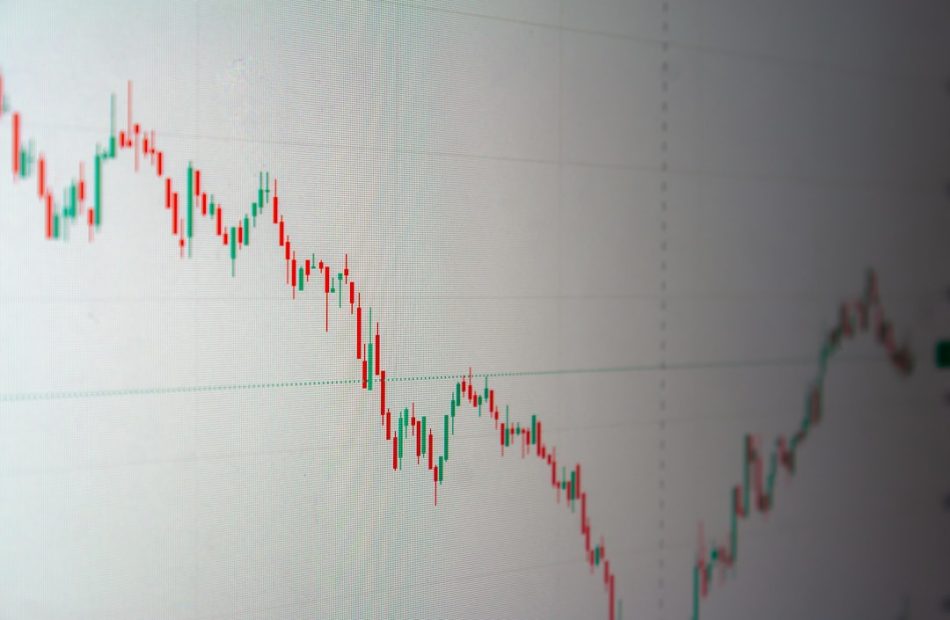
Imagine watching a stock or crypto price surge past a key resistance level. Your heart races. You jump in, only to watch it reverse and crash moments later. That’s the classic fakeout—a painful trap that separates beginners from pros. But here’s the good news: with the right strategy, you can learn to distinguish real breakouts from false moves and trade with confidence. In this guide, we’ll break down the mechanics of breakouts and fakeouts, share a simple setup to catch genuine momentum, and cover risk management to protect your capital.
How It Works
A breakout occurs when price moves decisively above a resistance level or below a support level, often accompanied by increased volume and momentum. It signals that the market has enough strength to continue in that direction. A fakeout, on the other hand, is a price spike that pierces a level but quickly reverses, trapping traders who entered too early. The key difference lies in volume, confirmation, and context.
The Setup
To trade breakouts effectively, wait for three conditions:
1. Key Level: Identify a clear horizontal support or resistance level on a higher timeframe (e.g., 1-hour or 4-hour chart).

2. Volume Spike: Look for a significant increase in trading volume as price approaches the level. Fakeouts often have low or declining volume.
3. Candle Confirmation: Wait for a candle to close beyond the level. For a long trade, the close should be above resistance; for a short, below support. This avoids entering on a wick.
Example: If Bitcoin is testing $30,000 resistance, wait for a 1-hour candle to close above $30,000 with volume at least 1.5x the average. Then enter on the next candle’s retest or immediate continuation.
Risk Management
Even with a solid setup, fakeouts happen. Protect yourself with these rules:
- Stop Loss: Place it just below the breakout level (for longs) or above it (for shorts). A common distance is 1-2% below resistance.
- Position Sizing: Risk no more than 1-2% of your account on a single trade.
- Trailing Stop: Once price moves 1.5x your initial risk, move your stop to breakeven. This locks in a risk-free trade.
- Avoid Chasing: If price runs 5% past the level without a pullback, skip it. The best entries come on retests.
Conclusion
Breakouts and fakeouts are two sides of the same coin. By waiting for volume confirmation and a close beyond the level, you tilt the odds in your favor. Remember: discipline beats impulse. Master this setup, and you’ll stop getting trapped and start capturing real trends. Now go practice on a demo account—your future self will thank you.
Using Etherscan: Tracking Whales and Verifying Transactions – The Ultimate Guide
Introduction
Etherscan is the leading blockchain explorer for Ethereum, providing a transparent window into all on-chain activity. Whether you’re a seasoned trader or a DeFi newcomer, mastering Etherscan allows you to track whale movements, verify transaction details, and make informed decisions. This guide will walk you through the essential techniques for using Etherscan like a pro.
Key Concepts
1. Understanding the Dashboard
The Etherscan homepage shows live blocks, pending transactions, and network stats. The search bar is your gateway to any address, transaction hash, block number, or token.
2. Tracking Whales
Whales are large holders whose moves can influence markets. Use Etherscan’s “Top Accounts” page to see the largest ETH holders. For token whales, use the token’s own holder list. You can also set up alerts for specific addresses using Etherscan’s watchlist feature.
3. Verifying Transactions
Every transaction has a unique hash. Paste it into the search bar to see sender, receiver, value, gas used, and status (Success/Fail). Click the “Internal Txns” tab to see internal calls (e.g., DeFi swaps).
4. Reading Smart Contracts
Verified contracts show source code. Use the “Read Contract” and “Write Contract” tabs to interact with or audit a contract. This is critical for spotting malicious code or verifying tokenomics.
5. Token Approvals
Use the “Token Approvals” feature (under “More”) to see which contracts have permission to spend your tokens. Revoke suspicious approvals to protect your wallet.
Pro Tips
- Use the Advanced Filter: On the “Transactions” tab of any address, filter by date, value, or token type to spot whale accumulation or distribution.
- Monitor Pending Transactions: Watch the mempool for large pending transactions that could signal an incoming price move.
- Leverage the API: Developers can use Etherscan’s free API to automate whale tracking and transaction verification.
- Check for Phishing: Always verify the contract address on Etherscan before interacting with a new token or dApp.
FAQ Section
Q: Is Etherscan free to use?
A: Yes, Etherscan is free for basic use. Advanced features like API access and alerts may require a paid plan.
Q: Can I track whale movements in real time?
A: Yes, using the “Pending Transactions” tab and third-party tools that integrate with Etherscan’s API.
Q: How do I know if a transaction is legitimate?
A: Check the sender/receiver addresses, verify the contract source code, and look for a green checkmark on verified contracts.
Q: What is a “failed” transaction?
A: A failed transaction means the smart contract reverted. You still pay gas fees, so always double-check parameters before submitting.
Q: Can I use Etherscan for other blockchains?
A: Etherscan is Ethereum-only. For other chains, use BscScan (BSC), Polygonscan (Polygon), or similar explorers.
Conclusion
Etherscan is an indispensable tool for anyone serious about crypto. By tracking whales, verifying transactions, and auditing contracts, you gain a significant edge in the market. Start small, explore the features, and soon you’ll be navigating the blockchain with confidence.
For more details on this, check out our guide on What Is Impermanent Loss? Liquidity Providing Explained.
You might also be interested in reading about Don’t Let FOMO Wreck Your Portfolio – How to Trade Smart When Everyone Else Is Panicking.
The Clarity Act Explained: Why Senate Odds Are Dropping in 2025
Why are traders suddenly more skeptical that a major US crypto bill will pass this year? In July 2025, prediction market Polymarket reported that the odds of the Clarity Act becoming law fell to just 32%, a record low since the market launched in January. That’s a dramatic drop from an 82% peak in February, reflecting growing uncertainty over Senate negotiations. For crypto users in the US, this matters directly: the Clarity Act would establish clear rules for whether the SEC or CFTC regulates digital assets, replacing years of confusing enforcement actions with a formal legal framework. This guide explains the Clarity Act without the jargon, breaks down why Senate delays are happening, and shows what this means for your investments. You’ll learn the key sticking points, how the bill would change crypto regulation, and what the odds tell us about the broader political landscape.
Read time: 10-12 minutes
Understanding the Clarity Act for Beginners
The Clarity Act is a proposed US federal law that would create a clear legal framework for digital asset markets by defining which cryptocurrencies are securities (regulated by the SEC) and which are commodities (regulated by the CFTC). Think of it like a highway with clearly marked lanes: today, crypto companies drive without knowing which lane they’re supposed to be in, risking a ticket (or lawsuit) from either regulator. The Clarity Act would paint those lane lines.
Why was this created? Since 2017, the US has regulated crypto largely through “regulation by enforcement”—where agencies like the SEC sue companies after the fact, creating legal precedents but no clear rules. This approach has driven crypto companies overseas, cost the US jobs and tax revenue, and left investors uncertain about which assets might be deemed illegal securities. The Clarity Act solves this by giving Congress, not courts, the power to write the rules.
A real-world example: the SEC’s lawsuit against Nova Labs (operator of the Helium wireless network) was eventually settled, but the company’s CEO testified that the years of uncertainty delayed investment by hundreds of millions of dollars. The Clarity Act would prevent such situations by providing upfront clarity.
The Technical Details: How Crypto Regulation Actually Works Today
To understand the Clarity Act, you first need to understand the current mess. Here’s how US crypto regulation functions without the bill:
1. The Howey Test: The SEC uses a 1946 Supreme Court case (SEC v. W.J. Howey Co.) to determine if something is a “security.” An asset is a security if it involves an investment of money in a common enterprise with a reasonable expectation of profits from the efforts of others.
2. The SEC vs. CFTC Divide: The SEC regulates securities (stocks, bonds, investment contracts). The CFTC regulates commodities (gold, wheat, oil). Bitcoin and Ethereum are considered commodities, but most other tokens exist in a legal gray zone.
3. Enforcement Actions: Without clear laws, the SEC has sued dozens of crypto companies (Coinbase, Ripple, Kraken) using the Howey Test, arguing their tokens or staking services were unregistered securities.
4. The “Gray Zone” Problem: Most crypto tokens don’t fit neatly into either category. A token might start as a security (fundraising) but later become a commodity (fully decentralized network). The Clarity Act would define this transition process legally.
Why this structure matters for you: Without clear rules, you risk investing in an asset that could be labeled an illegal security tomorrow, causing its value to crash. The Clarity Act would protect investors by creating predictable, transparent standards.
Current Market Context: Why This Matters Now
As of July 2025, the Clarity Act’s odds on Polymarket have fallen to 32%, down from 82% in February. This isn’t just a random tick—it reflects real political headwinds.
The Senate’s main obstacle is a bipartisan ethics provision demanded by Senator Ruben Gallego (D-Arizona). Gallego, one of only two Democrats who voted to advance the bill out of the Senate Banking Committee, has repeatedly stated he won’t support the legislation without rules addressing conflicts of interest involving public officials and digital assets. Other Democrats share similar concerns.
The timing is tight. Congress is approaching its August recess, with only a limited number of legislative weeks remaining in 2025. President Trump met with Senate Republicans in mid-July to discuss the bill, but as of late July, no public readout emerged and no bipartisan ethics language had been proposed.
Industry leaders remain vocal. During a July 2025 House hearing, executives from Nova Labs, Bullish (CoinDesk’s parent company), WisdomTree, and Coin Center all urged passage. “Clarity is not a call for deregulation; it is a call for the right regulation from the right regulator,” said Nova Labs’ Sarah Aberg.
Competitive Landscape: How US Crypto Regulation Compares Globally
The US currently lags behind other major economies in crypto regulation. Here’s how the Clarity Act would change that:
| Feature | US (Without Clarity Act) | US (With Clarity Act) | EU (MiCA) | UK (Proposed Framework) |
|---|---|---|---|---|
| Rule Source | Court rulings (Howey Test, Ripple case) | Congressional statute | EU regulation (MiCA) | UK Treasury/FCA framework |
| Regulator Clarity | Ambiguous SEC/CFTC jurisdiction | Clear split: SEC for securities, CFTC for commodities | Clear split: ESMA/NCAs for assets, EBA for stablecoins | FCA for most assets, Bank of England for systemic stablecoins |
| Legal Certainty | Low (case-by-case litigation) | High (written rules) | High (implemented in 2024-2025) | Medium (consultation phase) |
| Innovation Impact | Companies flee abroad (e.g., Coinbase to Bermuda) | Companies stay in US | Companies choose EU as legal hub | Companies choose UK as hub |
| Investor Protection | Weak (reactive lawsuits) | Strong (proactive rules) | Strong (proactive rules) | Strong (proactive rules) |
Why this matters: Without the Clarity Act, the US risks falling behind the EU’s MiCA framework, which went into full effect in 2025. Crypto companies are already moving to Europe for regulatory clarity, costing the US jobs and tax revenue.
Practical Applications: Real-World Use Cases
How would the Clarity Act affect an average crypto user?
- Investing in Tokens: You’d know upfront which tokens are legal securities vs. commodities, reducing the risk of investing in something that could be retroactively deemed an unregistered security.
- Using DeFi Platforms: Clear rules for decentralized exchanges and lending protocols would mean less risk of platforms suddenly shutting down due to SEC enforcement.
- Tax Reporting: Clearer classifications would mean simpler tax treatment. Securities and commodities have different tax rules, and the Clarity Act would eliminate the current ambiguity.
- Staking and Yield: The bill would clarify whether staking services are securities (like the SEC argued against Kraken) or commodities, giving investors confidence they won’t face legal action for earning yield.
- International Transfers: US-based crypto companies could legally serve international customers without fear of domestic lawsuits, making cross-border crypto payments and remittances easier.
Risk Analysis: Expert Perspective
The Clarity Act faces several real risks:
Primary Risks:
1. Political Stalemate: The ethics provision could remain unresolved through 2025. If Congress doesn’t pass the bill this year, it may need to restart entirely in 2026—an election year with even less certainty.
2. Overly Restrictive Rules: Some critics worry the bill could be too favorable to industry, while others fear it could impose burdensome registration requirements that kill innovation.
3. State vs. Federal Conflict: The bill creates federal standards, but states like New York (BitLicense) have their own rules. Conflicts could emerge.
Mitigation Strategies:
- The bill’s current draft includes a “transition period” allowing existing projects time to comply.
- Industry groups are actively lobbying for provisions that protect smaller developers and decentralized projects.
Expert Consensus: Most legal experts agree some form of federal crypto regulation is inevitable. The question is when, not if. The immediate odds may be low, but the long-term trajectory favors eventual passage.
Beginner’s Corner: Quick Start Guide to Tracking Crypto Legislation
Want to follow the Clarity Act yourself? Here’s a simple system:
1. Check Polymarket: Search “Clarity Act” on Polymarket for real-time odds.
2. Follow Key Senators: Track Senators Tim Scott (R-SC, Banking Committee Chair), Sherrod Brown (D-OH, Banking Committee Ranking Member), and Ruben Gallego (D-AZ) for updates.
3. Monitor the Congressional Calendar: Congressional recesses (August, October) reduce chances. Action usually happens before breaks.
4. Read Industry Updates: CoinDesk and CoinCenter publish regular legislative trackers.
5. Watch for Bipartisan Ethics Language: This is the single biggest unresolved issue. Once language emerges, odds will likely jump.
Common Mistake to Avoid: Don’t assume odds are predictive. Polymarket reflects trader sentiment, not guaranteed outcomes. The 32% chance means most traders think it won’t pass, but 32% is still substantial.
Future Outlook: What’s Next
The Clarity Act’s timeline remains fluid. Here’s what to expect:
1. July-August 2025: Senate negotiations continue behind closed doors. A revised bill text is expected but hasn’t been released.
2. September 2025: If no progress by September, odds may drop further. Congress must prioritize government funding and other must-pass bills.
3. Late 2025: If ethics language emerges, the bill could still move quickly. Senator Gallego’s support would bring other Democrats on board.
4. 2026 Outlook: If the bill fails in 2025, it would need to be reintroduced in January 2026—with the added challenge of midterm election politics.
Scheduled milestones: The bill’s House sponsors have indicated they’re ready to negotiate. President Trump’s meeting with Senate Republicans suggests White House interest, but the lack of a public readout raises questions about the administration’s level of commitment.
Key Takeaways
- The Clarity Act would create a clear US legal framework for crypto, defining SEC vs. CFTC jurisdiction and replacing regulation by enforcement.
- Polymarket odds dropped to 32% due to Senate delays over a bipartisan ethics provision, the bill’s biggest unresolved obstacle.
- Time is running out in 2025 with Congress approaching August recess and limited remaining legislative weeks.
- Without the Clarity Act, the US risks falling behind the EU’s MiCA framework, losing crypto businesses and tax revenue to more crypto-friendly jurisdictions.
,
“datePublished”: “2026-07-18T00:00:47.644-04:00”,
“dateModified”: “2026-07-18T00:00:47.644-04:00”,
“mainEntity”: {
“@type”: “Thing”,
“name”: “Clarity Act”
}
}
Real World Assets (RWA): How Tokenization Changes Investing – The Complete Guide
Introduction
Real World Assets (RWA) tokenization is reshaping the investment landscape by bridging traditional finance with blockchain technology. By converting physical assets like real estate, commodities, and art into digital tokens, RWA opens up liquidity, fractional ownership, and global access to markets that were once reserved for institutional investors. This guide explores how tokenization changes investing, the key concepts behind RWA, and practical tips for getting started.
Key Concepts
- Tokenization: The process of representing ownership of a real-world asset as a digital token on a blockchain. Each token corresponds to a fraction of the underlying asset, enabling fractional ownership.
- Liquidity: Traditional assets like real estate or fine art are illiquid. Tokenization allows them to be traded 24/7 on secondary markets, increasing liquidity and price discovery.
- Smart Contracts: Self-executing contracts that automate compliance, revenue distribution, and transfers, reducing the need for intermediaries like lawyers or brokers.
- Regulatory Compliance: RWA tokens often incorporate KYC/AML checks and are issued under securities regulations, making them legally compliant investment vehicles.
- Stablecoins & DeFi: RWA can be used as collateral in decentralized finance (DeFi) protocols, enabling lending, borrowing, and yield generation without selling the asset.
Pro Tips
- Verify the issuer: Always check the legal structure, audit reports, and custody of the underlying asset before investing in any RWA token.
- Understand the valuation: Real-world assets require regular appraisals. Look for projects that provide transparent, third-party valuations.
- Diversify across asset classes: Don’t put all your capital into one type of RWA. Consider a mix of real estate, commodities, and private credit to spread risk.
- Use on-chain analytics: Monitor token trading volume, holder distribution, and liquidity pools to gauge market sentiment and potential risks.
FAQ Section
What are Real World Assets (RWA) in crypto?
RWA refers to physical or financial assets that exist outside the blockchain, such as real estate, bonds, commodities, or invoices, that are represented as digital tokens on a blockchain.
How does tokenization change investing?
Tokenization lowers barriers to entry by allowing fractional ownership, increases liquidity through secondary trading, reduces costs by removing intermediaries, and enables global access to previously exclusive markets.
Is RWA investing safe?
RWA investing carries risks including regulatory changes, asset valuation disputes, and smart contract vulnerabilities. Always conduct due diligence and invest only what you can afford to lose.
Can I trade RWA tokens on any exchange?
Not all exchanges list RWA tokens. Major centralized exchanges like Binance, Coinbase, and Bitget offer select RWA tokens, while decentralized exchanges (DEXs) like Uniswap may have a wider variety.
What is the future of RWA tokenization?
The market for tokenized assets is projected to reach trillions of dollars in the coming years, with increasing adoption by traditional financial institutions and governments.
For more details on this, check out our guide on Understanding Gas Fees: How to Save Money on Ethereum – A Complete Guide.
You might also be interested in reading about Real World Assets (RWA): How Tokenization Changes Investing.
Conclusion
Real World Assets tokenization is not just a trend—it’s a fundamental shift in how we think about ownership, liquidity, and access to capital. By converting tangible assets into programmable digital tokens, blockchain technology democratizes investing, reduces friction, and unlocks new financial opportunities. Whether you’re a retail investor looking for fractional real estate or an institution seeking efficient settlement, RWA offers a compelling path forward. Start small, stay informed, and leverage the right tools to navigate this evolving space.
Tokenization of Stocks: 24/7 Equity Trading Guide
The tokenization of stocks represents a paradigm shift in equity markets, enabling 24/7 trading, fractional ownership, and seamless integration between traditional finance (TradFi) and decentralized finance (DeFi). By converting real-world equity into blockchain-based tokens, investors can trade stocks outside traditional exchange hours, access global liquidity pools, and benefit from reduced settlement times.
What Is Stock Tokenization?
Stock tokenization is the process of issuing a digital representation of a traditional equity security on a blockchain. Each token is backed 1:1 by the underlying stock, held in a special purpose vehicle (SPV) or custodian. The key difference between off-chain (traditional) and on-chain (tokenized) stocks lies in accessibility and operational efficiency:
- Off-chain (Traditional): Limited to exchange hours (e.g., 9:30 AM – 4:00 PM EST), requires a brokerage account, and settlement takes T+2 days.
- On-chain (Tokenized): Available 24/7, accessible via any DeFi wallet, and settlement occurs in near real-time via smart contracts.
How It Works: The Technical Process
The tokenization of stocks involves several critical steps to ensure legal compliance and price accuracy:
- 1. Asset Sourcing: A regulated entity (e.g., a broker-dealer) purchases the underlying stock and places it in a bankruptcy-remote SPV.
- 2. Token Minting: The SPV issues an equivalent number of tokens on a blockchain (e.g., Ethereum, Polygon) representing fractional ownership of the stock.
- 3. Oracle Integration: Decentralized oracles (e.g., Chainlink) feed real-time stock prices from exchanges like Nasdaq or NYSE onto the blockchain to maintain price parity.
- 4. Secondary Trading: Tokens are traded on decentralized exchanges (DEXs) or specialized platforms, allowing users to buy/sell 24/7.
- 5. Redemption: Token holders can redeem their tokens for the underlying stock (or cash equivalent) through the issuer, subject to KYC/AML checks.
Investment Analysis: Pros, Cons, and Risks
Tokenized stocks offer compelling advantages but also carry unique risks that investors must understand.
Pros
- 24/7 Liquidity: Trade equities at any time, including weekends and holidays, without waiting for market open.
- Fractional Ownership: Buy a fraction of a high-priced stock (e.g., $500,000 Berkshire Hathaway) for as little as $1.
- Global Access: Non-U.S. investors can gain exposure to U.S. equities without a traditional brokerage account.
- Transparency: All token supply and transactions are verifiable on-chain, reducing counterparty risk.
Cons
- Regulatory Uncertainty: Tokenized stocks may be classified as securities in many jurisdictions, requiring compliance with local laws.
- Smart Contract Risk: Bugs or exploits in the token contract can lead to loss of funds.
- Limited Redemption: Some issuers restrict redemption to accredited investors or impose minimum amounts.
Risks
- Price Divergence: On-chain prices may deviate from the underlying stock due to low liquidity or oracle delays.
- Custody Risk: The SPV holding the underlying stock must be trustworthy; insolvency could affect token value.
- Regulatory Crackdown: Authorities like the SEC may challenge the legality of tokenized equities, potentially freezing assets.
For a broader market view, check out our analysis on Chart Patterns 101: Spotting Reversals with Head & Shoulders & Double Bottoms.
Investors often compare this to What Is Impermanent Loss? Liquidity Providing Explained.
Tool Recommendation
For traders seeking exposure to tokenized stocks and other altcoin opportunities, KuCoin offers a robust platform with high liquidity, low fees, and a wide range of trading pairs. Whether you are a beginner or an experienced investor, KuCoin provides the tools needed to navigate the RWA market efficiently. Start trading on KuCoin today.
FAQ Section
Are tokenized stocks legal?
Yes, but they must comply with securities regulations in the jurisdiction of the issuer. Most reputable tokenized stock platforms operate under exemptions like Regulation S (offshore) or Regulation D (accredited investors) in the U.S. Always verify the legal status before investing.
How do tokenized stocks maintain price accuracy?
Price accuracy is maintained through decentralized oracles that fetch real-time data from traditional exchanges. Additionally, arbitrageurs help keep on-chain prices aligned by trading when deviations occur. However, during extreme volatility, temporary price gaps can happen.
Can I redeem my tokenized stock for the real share?
Yes, most issuers allow redemption, but terms vary. Some require a minimum number of tokens (e.g., 1 full share equivalent), while others only offer cash redemption. Always read the issuer’s redemption policy before purchasing.
Conclusion
The tokenization of stocks is a transformative innovation that bridges the gap between TradFi and DeFi, offering 24/7 liquidity, fractional ownership, and global accessibility. While regulatory and technical risks remain, the potential for increased market efficiency and democratized access makes this asset class highly compelling for forward-looking investors. As the ecosystem matures, tokenized equities could become a standard component of diversified portfolios.
How to Bridge Assets Across Blockchains Safely: A Step-by-Step Guide
As the crypto ecosystem expands across dozens of blockchains—Ethereum, Solana, Polygon, Arbitrum, and more—the ability to move assets between networks has become essential. But bridging assets comes with risks: hacks, slippage, and permanent loss. This guide will walk you through the safest methods to bridge your tokens, what to watch out for, and how to avoid common pitfalls.
Key Concepts
What Is a Blockchain Bridge?
A blockchain bridge is a protocol that allows you to transfer tokens or data from one blockchain to another. Instead of moving the actual token, the bridge locks your asset on the source chain and mints a wrapped version on the destination chain. When you bridge back, the wrapped token is burned and the original is unlocked.
Types of Bridges
- Centralized Bridges: Operated by a single entity (e.g., Binance Bridge, Bitget Bridge). Fast but require trust.
- Decentralized Bridges: Use smart contracts and liquidity pools (e.g., Stargate, Across). Trustless but can have higher fees.
- Native Bridges: Built by the blockchain itself (e.g., Arbitrum Bridge, Polygon PoS Bridge). Most secure but limited to specific chains.
Common Risks
- Smart contract exploits: Bugs in bridge code can lead to loss of funds.
- Liquidity issues: If the destination chain lacks liquidity, your transaction may fail or incur high slippage.
- Phishing attacks: Fake bridge websites steal your private keys.
- Permanent loss: Some bridges use liquidity pools where you might lose value due to impermanent loss.
Pro Tips
- Always verify the bridge URL. Bookmark official links from the project’s documentation or trusted aggregators like DeFi Llama.
- Start with a small test transaction. Send a tiny amount first to confirm the bridge works and you have the correct destination address.
- Check gas fees on both chains. High gas on Ethereum can make small bridges uneconomical. Consider using L2s like Arbitrum or Optimism.
- Use bridges with audited smart contracts. Look for audits from firms like Trail of Bits, OpenZeppelin, or CertiK.
- Monitor bridge TVL (Total Value Locked). Higher TVL generally means more liquidity and lower risk of exploits.
- Never share your private keys or seed phrase. Legitimate bridges will never ask for them.
For more details on this, check out our guide on Mastering Market Manipulation: The Wyckoff Method for Modern Traders.
FAQ Section
1. What is the safest way to bridge assets?
The safest method is to use a native bridge built by the blockchain itself (e.g., Arbitrum Bridge for moving ETH to Arbitrum). These bridges are typically more battle-tested and have fewer attack vectors. Always double-check the official URL.
2. Can I lose my funds when bridging?
Yes. Risks include smart contract bugs, phishing sites, and liquidity issues. To minimize risk, use well-known bridges with high TVL and start with a small test transaction.
3. How long does a bridge transaction take?
It varies. Centralized bridges can be instant, while decentralized bridges may take minutes to hours depending on network congestion and confirmation requirements on both chains.
4. Do I need gas on both chains?
Yes. You need the native token of the source chain to pay for the transaction, and you need the native token of the destination chain to pay for any subsequent transactions (e.g., swapping or sending).
5. What is a wrapped token?
A wrapped token is a representation of an asset on a different blockchain. For example, Wrapped Bitcoin (WBTC) on Ethereum is an ERC-20 token backed 1:1 by Bitcoin held in a custodial vault.
You might also be interested in reading about Real World Assets (RWA): How Tokenization Changes Investing.
Conclusion
Bridging assets across blockchains is a powerful tool for accessing DeFi, NFTs, and lower fees, but it must be done with caution. Always verify the bridge, start small, and keep your private keys secure. By following the tips in this guide, you can move your assets safely and take full advantage of the multi-chain ecosystem.

How to Trade the Gap Fill Strategy Like a Pro
Have you ever looked at a chart and noticed a sudden empty space between two price bars? That’s a gap—and for many traders, it’s not just a quirk of the market. It’s a signal. The Gap Fill Strategy is one of the most reliable, beginner-friendly ways to anticipate price movement. In this guide, we’ll break down exactly how it works, how to set it up, and how to manage risk so you can trade gaps with confidence.
How It Works
A gap occurs when a financial instrument opens significantly higher or lower than its previous close, with little to no trading in between. This often happens overnight due to news events, earnings reports, or macroeconomic data. The core idea behind the Gap Fill Strategy is that markets tend to “fill” these gaps over time—meaning price will often return to the area of the gap to test it again before continuing in the original direction.
Why does this happen? Gaps represent areas of strong sentiment imbalance. When a gap forms, there are usually unfilled orders or traders who missed the move. As the dust settles, price naturally gravitates back to fill that void, creating a tradable opportunity.
The Setup
To trade the Gap Fill Strategy, follow these steps:
1. Identify the gap: Look for a clear gap on your chart (daily or 4-hour timeframes work best). The gap should be visible as a space between the previous day’s close and the current day’s open.

2. Assess the gap type: Common gaps (not breakaway or exhaustion gaps) are best for this strategy. Common gaps usually fill quickly. You can confirm by checking volume—low volume gaps are more likely to fill.
3. Wait for confirmation: Don’t jump in immediately. Wait for price to show signs of reversing toward the gap. This could be a candlestick pattern, a small pullback, or a break of a short-term trendline.
4. Enter the trade: For a gap up (bullish gap), look to short the market as price begins to fall back toward the gap. For a gap down (bearish gap), look to buy as price begins to rise back toward the gap. Your target is the fill level (the previous close).
5. Set your stop loss: Place your stop loss just beyond the gap’s opposite side. For a gap up, that means above the gap’s high. For a gap down, below the gap’s low.
6. Take profit: Your take profit should be at the gap fill level. If the gap is large, you can take partial profits at 50% fill and let the rest run.
Risk Management
No strategy works 100% of the time, and gaps don’t always fill immediately. Here’s how to protect your capital:
- Position size: Risk no more than 1-2% of your account on any single gap trade. Gaps can be volatile, so keep your size small.
- Stop loss tightness: A stop loss placed just beyond the gap’s edge gives the trade room to breathe without taking excessive risk.
- Avoid news gaps: If a gap is caused by a major event (like a Fed decision or earnings), it may not fill for days or weeks. Stick to smaller, technical gaps.
- Don’t force it: If the gap is massive (e.g., 5%+), it’s often better to wait for a partial fill or skip the trade entirely. The risk of a blow-off move is higher.
- Use a trailing stop: Once price moves in your favor by 1-2x your stop distance, trail your stop to lock in profits.
Conclusion
The Gap Fill Strategy is a simple yet powerful tool for traders of all levels. By understanding why gaps form and how price tends to react, you can spot high-probability setups with clear entry, target, and stop levels. Remember: not every gap will fill, but with proper risk management, this strategy can become a consistent part of your trading arsenal. Start by scanning daily charts for gaps, and practice on a demo account first. Happy trading!