
The Base Chain Rotation Playbook: How to Surf the Next Wave of L2 Altcoins

If you’ve been watching crypto markets lately, you’ve probably noticed something: Ethereum’s Layer 2s are stealing the spotlight. And among them, Base Chain – Coinbase’s brainchild – is growing faster than a DeFi summer meme. But here’s the thing most traders miss: it’s not just about buying the biggest token on Base. The real edge comes from understanding ecosystem rotations – the predictable flow of capital from one sector to another within a single chain.
Think of it like a beach. The first wave (DeFi) breaks, then the second (NFTs), then the third (gaming). If you know how to read the tide, you can catch each wave before it crashes. Let’s dive into the strategy.
How It Works
Ecosystem rotations happen when liquidity moves from one category of projects to another on the same blockchain. On Base, this usually follows a pattern:
Looking for altcoin opportunities and smooth trading? Try KuCoin.
1. Infrastructure first – DEXs, lending protocols, and bridges get the initial hype and TVL.
2. DeFi yield farms – Capital flows into high-APY pools and liquid staking tokens.
3. NFTs & memes – Speculative energy shifts toward collectibles and community tokens.
4. Gaming & social – Late-cycle plays where user engagement matters more than TVL.
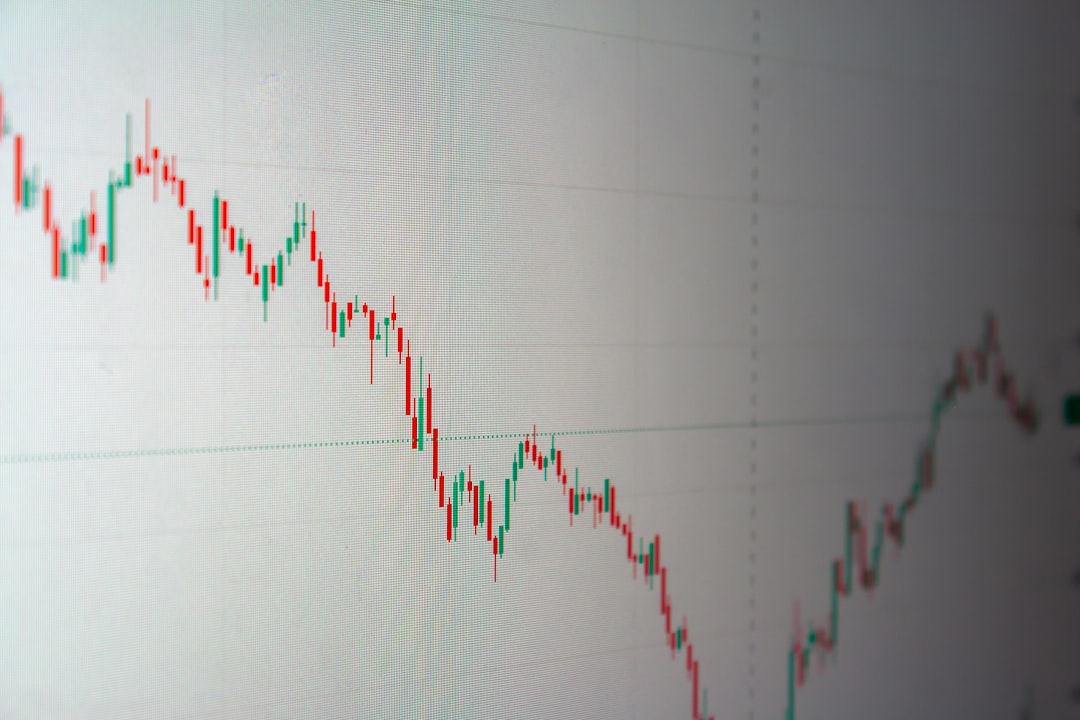
Why does this happen? Because early adopters take profits from the first movers and redeploy into newer, riskier assets with higher potential upside. It’s a capital rotation, and you can anticipate it.
The Setup
Here’s a simple 3-step framework to spot and trade Base Chain rotations:
Step 1: Track the “Money Flow” Metrics
Watch these on-chain signals daily:
- Total Value Locked (TVL) on Base (DeFiLlama)
- Daily active addresses (Dune Analytics)
- Volume on top DEXs like Aerodrome or Uniswap
When TVL plateaus but active addresses keep climbing, capital is about to rotate out of DeFi into other sectors.
Step 2: Identify the Next Sector
Once you see the signal, look for:
- New projects launching in a different category (e.g., a gaming testnet going live)
- Social buzz around a specific niche (check Twitter and Discord)
- Whales moving funds from established DeFi tokens into smaller caps
Step 3: Enter Early, Scale In
Don’t go all-in at once. Buy a small position when you spot the rotation beginning. Add to it if the trend confirms (rising volume, price breaking resistance). Take partial profits when the sector peaks in hype.
Risk Management
Rotations are powerful, but they can reverse fast. Here’s how to stay safe:
- Position size: Never risk more than 2-5% of your portfolio on a single rotation trade.
- Stop-losses: Set a stop at 10-15% below entry. If the rotation fizzles, cut losses quickly.
- Take profits in stages: Sell 25% at 2x, another 25% at 3x, and let the rest ride with a trailing stop.
- Avoid FOMO: If a sector has already pumped 100%+ in a week, you’re likely late. Wait for the next rotation.
Also, remember that Base is still early. Some projects will rug or fail. Stick to tokens with verified contracts, locked liquidity, and active teams.
Conclusion
Ecosystem rotations are one of the most repeatable patterns in crypto – and Base Chain is the perfect playground right now. By tracking on-chain metrics, anticipating sector shifts, and managing risk like a pro, you can surf these waves without getting wiped out.
Start small. Observe the flow. And when you see the tide turning, paddle hard. The next rotation is always just around the corner.