
Ethereum vs Solana Ratio Trading: A Beginner’s Guide to Smart Crypto Pairs

Have you ever looked at the crypto market and felt overwhelmed by the noise? Bitcoin dips, altcoins crash, and everyone’s screaming about the next big thing. But what if there was a way to trade that didn’t depend on the overall market direction? That’s where ratio trading comes in. Instead of betting on whether the whole market goes up or down, you’re betting on which asset will outperform the other. Today, we’re looking at the classic showdown: Ethereum vs Solana. This isn’t just about picking a winner; it’s about understanding a powerful strategy that can help you profit in any market condition.
How it Works
Ratio trading, also known as pairs trading, involves taking a long position in one asset and a short position in another, simultaneously. The goal isn’t to make money from the absolute price movement, but from the relative performance. You’re betting that one asset will strengthen against the other.
In our case, we’re looking at the ETH/SOL ratio. This ratio is simply the price of Ethereum divided by the price of Solana. When this ratio goes up, Ethereum is outperforming Solana. When it goes down, Solana is the stronger performer.
The Setup
Here’s how you can set up a ratio trade between Ethereum and Solana:
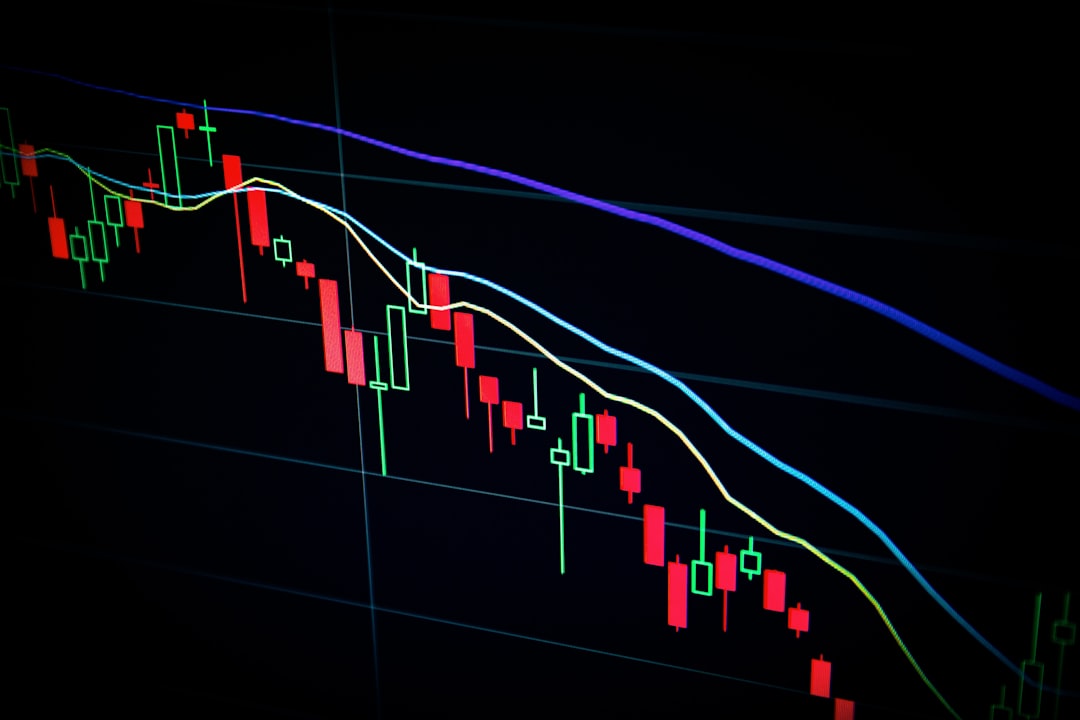
1. Pick Your Direction: First, you need to decide which asset you think will outperform. Are you bullish on Ethereum’s stability and DeFi dominance? Or do you believe Solana’s speed and lower fees will drive its price higher? Your view determines your trade.
2. Enter the Trade: If you think Ethereum will outperform, you would go long on ETH and short on SOL. If you think Solana will outperform, you would do the opposite: short ETH and go long on SOL.
3. Monitor the Ratio: Keep an eye on the ETH/SOL ratio. You can find this on many charting platforms (like TradingView) by using the symbol ETHSOL. Look for trends, support and resistance levels, or moving averages to time your entry.
4. Exit the Trade: You close the trade when your target ratio is reached or when your stop-loss is triggered. For example, if you went long on ETH/SOL at a ratio of 0.05, you might set a target at 0.06 and a stop-loss at 0.045.
Risk Management
Risk management is crucial in any trade, and ratio trading is no exception. Here are some key points to keep in mind:
- Use Stop-Losses: Always set a stop-loss on the ratio. This protects you if your thesis is wrong. Decide on a maximum loss you’re willing to accept and stick to it.
- Mind the Slippage: When trading two assets, you need to consider slippage on both legs of the trade. Use limit orders when possible to minimize this.
- Understand the Risks: Ratio trading isn’t risk-free. A sudden market crash can affect both assets, but if they both drop, your short leg might not fully hedge your long leg. Also, funding rates on perpetual futures can eat into your profits if you hold positions for a long time.
- Start Small: If you’re new to this, start with a small amount of capital to get a feel for how the strategy works in real-time.
Conclusion
Ethereum vs Solana ratio trading is a fantastic way to engage with the crypto market without being at the mercy of the overall trend. It’s a strategy that rewards research and understanding of the underlying assets. Remember, you’re not just betting on a coin; you’re betting on a relationship. Keep your risk management tight, stay curious, and always keep learning. The market is full of opportunities, and with ratio trading, you have a new tool to capture them. Happy trading!