
FOMO in Trading: How to Spot It, Stop It, and Profit From It
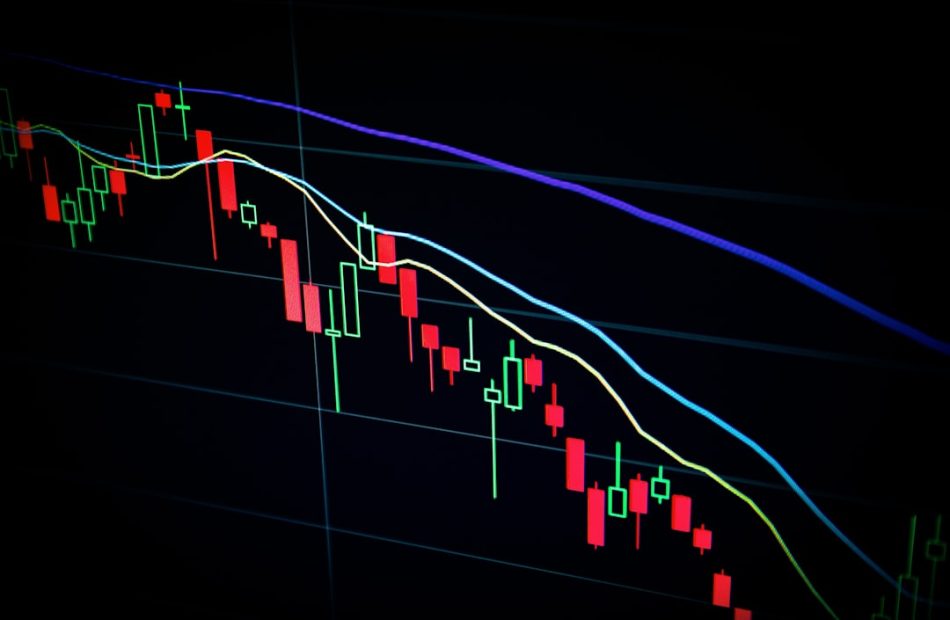
Have you ever watched a coin pump 20% in an hour and felt your stomach drop because you weren’t in? That’s FOMO—the Fear Of Missing Out. It’s the most dangerous emotion in trading, and it’s the reason most beginners blow their accounts. But here’s the secret: once you understand FOMO, you can actually use it to your advantage.
How It Works
FOMO is a psychological trigger. When prices surge, your brain releases dopamine—the same chemical that makes you crave sugar or gambling. You start thinking, “If I don’t buy now, I’ll miss the moon.” But the truth is, most pumps driven by FOMO are traps. Smart money (whales) use retail FOMO to sell into liquidity. By the time you buy, they’re already dumping.
The Setup
To beat FOMO, you need a system. Here’s a simple 3-step setup:
1. Set a pre-trade checklist – Before any trade, confirm: trend (higher highs/lows on 1H chart), volume (above average), and a clear entry zone (support or breakout retest). If any check fails, skip.
2. Use a delay rule – When you feel FOMO, wait 15 minutes. Write down your trade plan. If the setup still looks good after the delay, consider it. Most FOMO trades look terrible after a short pause.
3. Scale in, don’t all-in – Instead of dumping your whole stack, buy 25% of your intended size. If price pulls back to your original plan, add another 25%. This reduces emotional pressure and improves your average entry.
Risk Management
FOMO makes you ignore risk. So build a safety net:
- Hard stop-loss: Always place a stop at 2-3% below your entry. If FOMO was wrong, you lose a little, not everything.
- Position size: Never risk more than 1-2% of your total account on a single trade. If you fear missing out on a “life-changing move,” you’re risking too much.
- Journal every FOMO urge: Write down when you felt FOMO and what you did. Over time, you’ll spot patterns and learn to pause.
Conclusion
FOMO isn’t a weakness—it’s a signal. When you feel it, the market is at a peak of emotional noise. That’s often the best time to be a seller, not a buyer. Train yourself to see FOMO as a red flag, and you’ll stop chasing tops. Remember: the best trades are boring. They sit and wait for the perfect setup. Be boring. Be profitable.