
From Wall Street to Your Wallet: Why Real World Assets (RWA) Are the Next Big Crypto Trade
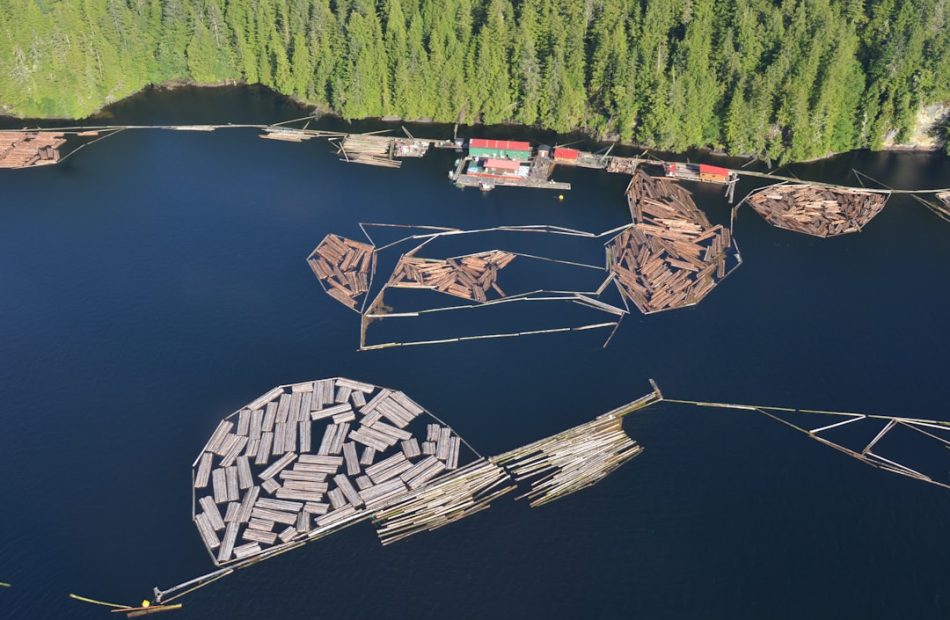
Imagine being able to trade a piece of a Manhattan skyscraper, a rare Picasso painting, or a barrel of oil – all from your crypto wallet. That’s the promise of Real World Assets (RWA) tokenization, and it’s rapidly becoming one of the most exciting trends in crypto. For traders, this isn’t just a tech upgrade; it’s a whole new asset class with unique opportunities.
How It Works
RWA tokenization is the process of creating a digital token (usually on a blockchain like Ethereum or Polygon) that represents ownership or rights to a physical or traditional financial asset. Think of it like a digital deed. Instead of buying an entire building, you can buy 1,000 tokens that represent 0.1% ownership of that building. The actual asset is held by a custodian, while the token circulates freely on-chain.
The Setup
For traders, the setup is surprisingly simple. You don’t need to become a real estate agent or art collector. Here’s how to approach it:
1. Identify the RWA platforms: Look for protocols like Ondo Finance, Centrifuge, or Maple Finance. These are the marketplaces where tokenized assets are listed.
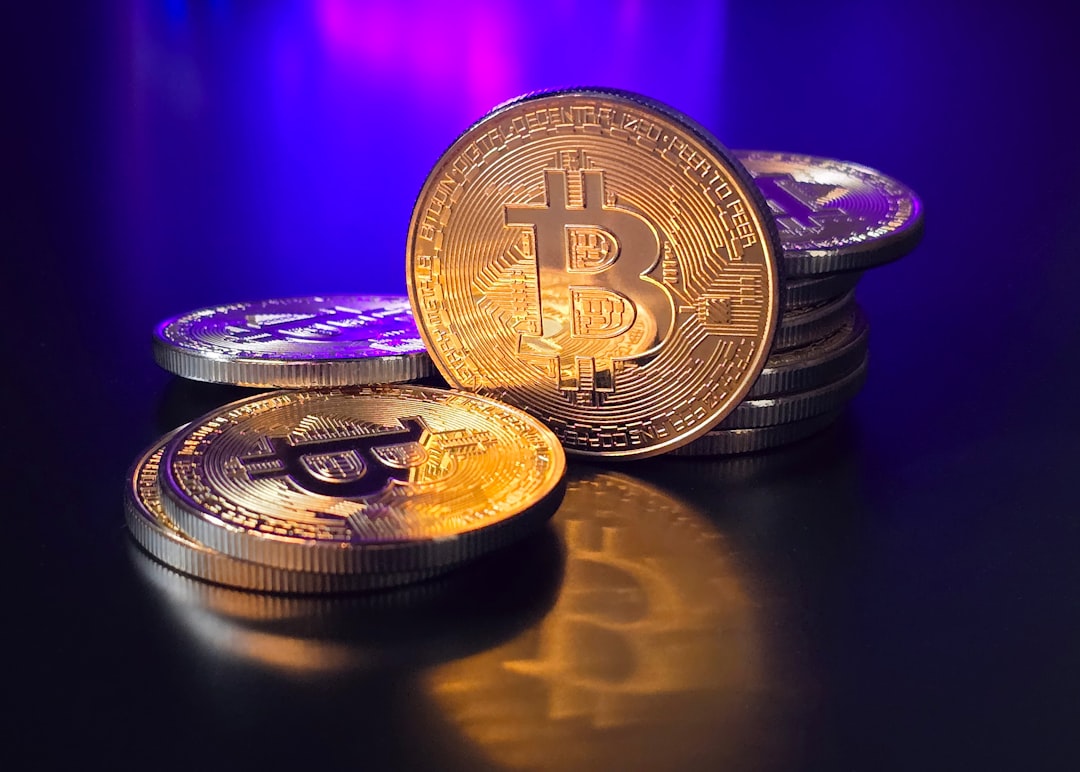
2. Focus on yield-bearing assets: The most popular RWAs are US Treasury bills (like Ondo’s OUSG) and private credit. These offer stable yields (often 5-10%) that are paid out in stablecoins or the token itself.
3. Trade the liquidity pools: Many RWAs are paired with stablecoins (e.g., OUSG/USDC). You can trade these pairs, taking advantage of price fluctuations caused by demand for yield.
4. Look for arbitrage: Because RWAs are priced off-chain (based on the real asset’s value), but traded on-chain, small pricing discrepancies can occur. This creates quick arbitrage opportunities for sharp-eyed traders.
Risk Management
RWA tokenization is not without its risks, and as a trader, you must respect them:
- Counterparty Risk: The token is only as good as the custodian holding the real asset. If the custodian fails, the token can become worthless. Stick with well-audited, established platforms.
- Regulatory Risk: Governments are still figuring out how to regulate tokenized assets. A sudden law change could freeze or devalue tokens. Diversify across jurisdictions.
- Liquidity Risk: Some RWA tokens have thin order books. Avoid placing large market orders; use limit orders and check the trading volume first.
- Smart Contract Risk: Even though the asset is real, the token is code. A bug in the smart contract could lead to a hack. Only use protocols that have undergone multiple security audits.
- Don’t over-leverage: RWAs are often seen as “safer” because they’re backed by real things. This can lead to complacency. Treat them like any other volatile crypto asset – never risk more than you can afford to lose.
Conclusion
Real World Assets are bridging the gap between traditional finance and the crypto world, offering traders a unique blend of stability and innovation. By understanding the mechanics, focusing on yield-bearing tokens, and managing the distinct risks, you can position yourself ahead of the curve. The future of trading isn’t just digital – it’s real.