
Master the VWAP Day Trading Strategy: A Simple Guide for Beginners
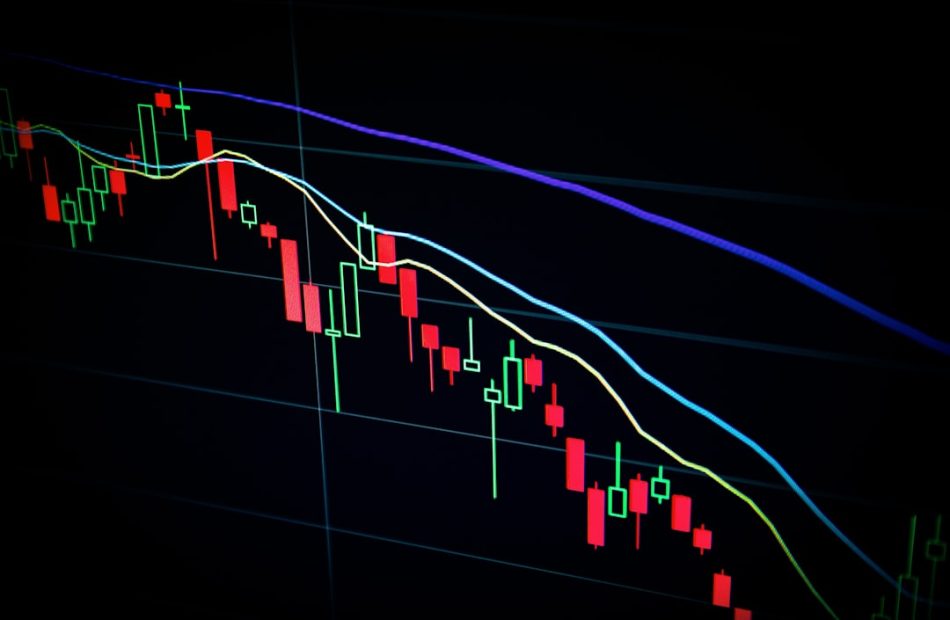
If you’ve ever watched a stock chart and wondered why some traders seem to know exactly when to jump in and out, the answer often lies in a single indicator: VWAP. Short for Volume-Weighted Average Price, VWAP is a favorite among day traders for its ability to reveal the true average price of an asset, factoring in both price and volume. It’s not just a line on a chart—it’s a dynamic level that can guide your entries, exits, and overall trading confidence. In this guide, we’ll break down the VWAP day trading strategy in simple terms, so you can start using it like a pro.
What is VWAP?
VWAP stands for Volume-Weighted Average Price. Unlike a simple moving average that treats every price equally, VWAP gives more weight to periods with higher trading volume. This means it reflects the price at which the majority of shares were traded during the day. Institutional traders and market makers often use VWAP to benchmark their trades, and as a retail trader, you can leverage it too.
How it Works
The VWAP line starts at the opening price and adjusts throughout the day based on the volume traded at each price. Here’s the core idea:
- When price is above VWAP, it suggests that buyers are in control. The average buyer is in profit, and sentiment is bullish.
- When price is below VWAP, sellers are dominating. The average buyer is losing, and sentiment is bearish.
Think of VWAP as the “fair value” for the day. If price is above, it’s expensive; if below, it’s cheap. This makes VWAP a powerful reference point for day trading.
The Setup
To use this strategy, you’ll need a chart with VWAP plotted. Most trading platforms (like TradingView, Thinkorswim, or MetaTrader) have VWAP as a built-in indicator. Set your time frame to a 5-minute or 15-minute chart for intraday trading. Here’s a simple setup:
1. Identify the trend: Look at the overall direction of the market. Is price above or below VWAP? If above, focus on long setups; if below, focus on shorts.
2. Wait for a pullback: In an uptrend (price above VWAP), wait for the price to dip back to the VWAP line. In a downtrend, wait for a bounce up to VWAP.
3. Enter on a reaction: When price touches VWAP and shows signs of rejection (like a bullish candlestick pattern in an uptrend), enter your trade. Set a stop loss just below VWAP (for longs) or above VWAP (for shorts).
This is often called “buying the dip at VWAP” or “selling the rally at VWAP.” The idea is that VWAP acts as a magnet and a support/resistance level.
Advanced Twist: VWAP Bands
For more precision, you can add VWAP bands (standard deviation bands above and below VWAP). These bands can help you identify overextended moves. For example, if price moves far above the upper band, it might be overbought, and a pullback to VWAP is likely. Conversely, if price hits the lower band, it might be oversold, and a bounce upward is possible. This gives you more opportunities to enter trades at better prices.
Risk Management
No strategy works 100% of the time, so risk management is crucial. Here are key rules to follow:
- Set a stop loss: Always place a stop loss. If you’re buying at VWAP, put your stop just below it. If the price closes significantly below VWAP, the trade idea is invalid.
- Use a risk-reward ratio: Aim for at least 1:2, meaning your potential profit is twice your risk. For example, if you risk $50, target $100.
- Don’t overtrade: Only take trades when the setup is clear. If price chops around VWAP, stay out.
- Position size: Never risk more than 1-2% of your trading capital on a single trade.
- Time of day matters: VWAP is most reliable during the first few hours after the open and the last hour before close. Midday can be choppy.
Conclusion
The VWAP day trading strategy is a versatile and effective tool for traders of all levels. By understanding the relationship between price and VWAP, you can align your trades with the dominant sentiment and improve your timing. Remember, VWAP is not a crystal ball—it’s a guide. Combine it with other indicators like volume or trendlines, and always prioritize risk management. Start by practicing on a demo account, then apply it to live markets with confidence. Happy trading!