
Master the VWAP Day Trading Strategy: Ride the Institutional Wave
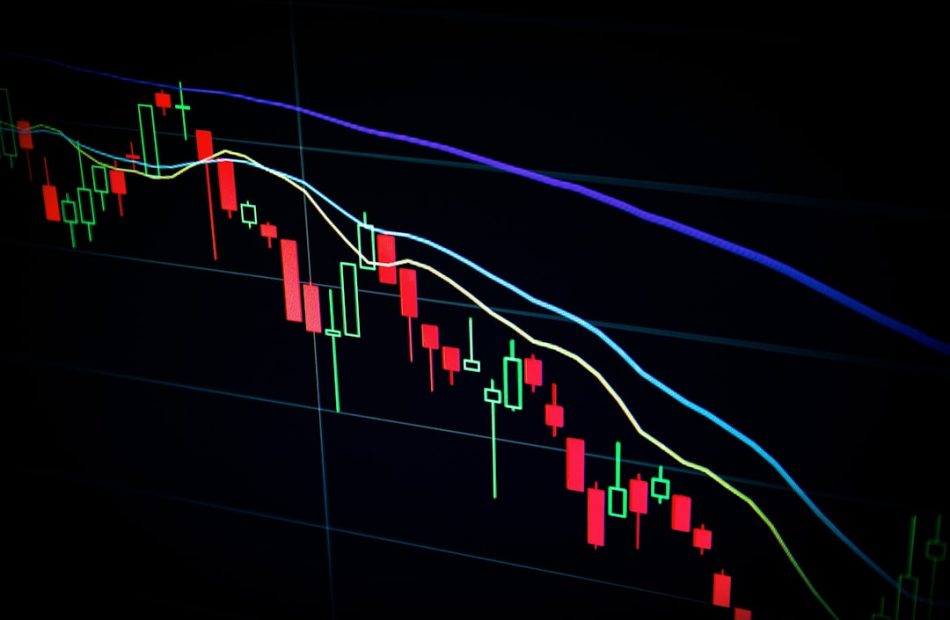
If you’ve ever watched a stock or crypto chart and wondered why price seems to bounce off a certain invisible line, you’ve likely seen the power of VWAP (Volume-Weighted Average Price). This isn’t just another indicator—it’s the tool institutions use to gauge fair value and execute massive orders without moving the market. Today, I’m going to show you how to use VWAP as a day trading strategy that can help you enter and exit with more confidence.
How It Works
VWAP calculates the average price of an asset, weighted by volume, from the opening bell to the current point in time. Think of it as the “true” average price that accounts for every trade. When price is above VWAP, buyers are in control; when below, sellers dominate. The magic happens when price interacts with this line—it often acts as dynamic support or resistance.
The Setup
For this strategy, you’ll need:
- A chart with VWAP indicator (most platforms like TradingView, ThinkorSwim, or Binance have it built-in).
- A 5-minute or 15-minute timeframe for intraday trades.
- Volume bars to confirm moves.
Bullish Trade Example:
1. Price is below VWAP and starts to rise toward it.
2. Wait for price to break above VWAP with a strong bullish candle and increasing volume.
3. Enter a long position as price pulls back slightly to retest VWAP (now acting as support).
4. Set your stop loss just below the recent swing low or below VWAP by 0.5%.
5. Take profit at the next resistance level, or trail your stop as price moves up.
Bearish Trade Example:
1. Price is above VWAP and starts to fall toward it.
2. Wait for price to break below VWAP with a bearish candle and rising volume.
3. Enter a short position on a retest of VWAP (now acting as resistance).
4. Stop loss above the recent swing high or above VWAP by 0.5%.
5. Take profit at the next support level.
Pro Tip: Avoid trading during the first 15 minutes of the session—VWAP needs time to stabilize. The best setups often occur between 10:00 AM and 11:30 AM EST.
Risk Management
This strategy is powerful, but it’s not a crystal ball. Always follow these rules:
- Position Size: Never risk more than 1-2% of your account on a single trade.
- Stop Loss: Place a hard stop loss at a logical level (e.g., 1% below VWAP for longs). If price whipsaws, you’re out with a small loss.
- Volume Confirmation: If price breaks VWAP but volume is low, the move is weak. Wait for volume to confirm.
- News Events: Avoid trading during major news releases—VWAP can get distorted by sudden spikes.
Remember, VWAP works best in trending markets. In choppy, sideways conditions, it can give false signals. Use it alongside other indicators like RSI or moving averages for extra confirmation.
Conclusion
The VWAP day trading strategy is a favorite among professionals because it aligns you with the dominant intraday trend. By waiting for price to react to VWAP with volume, you’re essentially following the money. Start by paper trading this strategy for a week, then apply it with small size. Over time, you’ll develop an intuition for when to pull the trigger. Happy trading!