
Mastering Order Blocks and Fair Value Gaps: The Smart Trader’s Edge
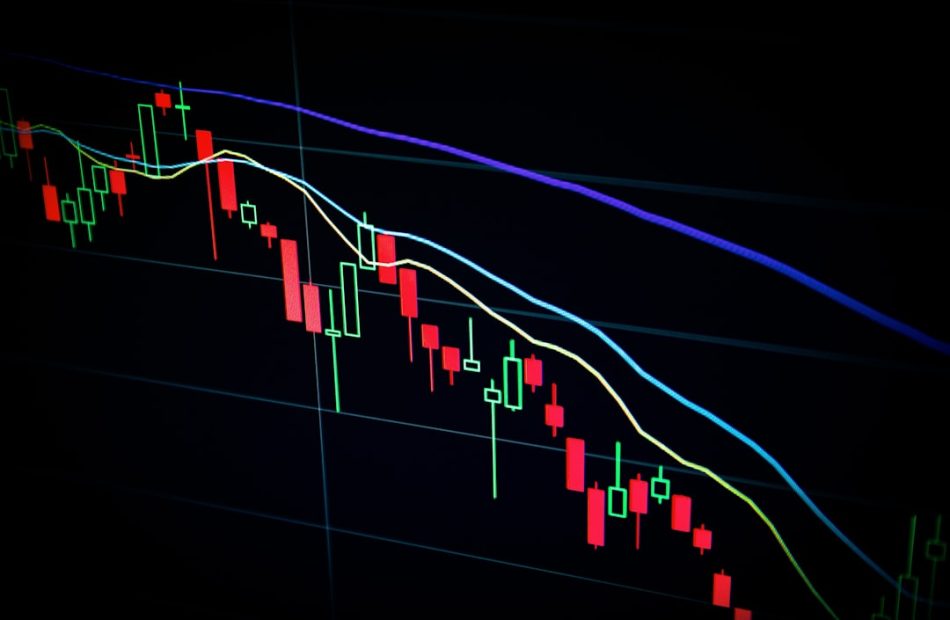
Ever feel like the market moves just to spite you? You enter a trade, and price immediately reverses, hitting your stop loss before continuing in your original direction. It’s frustrating, but there’s a reason it happens: you’re likely trading against the footprints of institutional money. In this post, we’ll demystify two powerful concepts that reveal these footprints – Order Blocks and Fair Value Gaps. By the end, you’ll have a clear, actionable strategy to spot high-probability setups and finally get on the right side of the move.
The Strategy Explained
How It Works
Think of the market as a battlefield between buyers and sellers. When a large institution (like a bank or hedge fund) wants to build a massive position, it doesn’t just hit one button. It places a flurry of orders over time, creating a distinct ‘footprint’ on the chart. Two of the most reliable footprints are:
- Order Blocks (OB): These are the last down-candle before a strong upward move (for a bullish OB) or the last up-candle before a strong downward move (for a bearish OB). They represent the area where institutional orders were placed, and price often returns to this zone before continuing its trend.
- Fair Value Gaps (FVG): Also known as ‘imbalances,’ these are three-candle patterns where the wick of the first candle and the wick of the third candle leave a gap in price (e.g., the high of the first candle is lower than the low of the third). This gap indicates an aggressive, one-sided move, and price often retraces to ‘fill’ this gap before resuming the trend.
The Setup
Here’s a step-by-step process to trade these concepts:
1. Identify the Trend: Use a higher timeframe (like the 4-hour or daily chart) to determine the overall direction. Are we making higher highs and higher lows? Focus on buying in an uptrend, selling in a downtrend.

2. Spot the OB or FVG: In an uptrend, look for the last bearish candle before a strong bullish impulse – that’s your bullish order block. For a fair value gap, find a three-candle sequence where price jumps up aggressively, leaving a gap below the third candle’s low.
3. Wait for the Retest: Do NOT chase price. Wait for price to return to your OB or FVG zone. This is your entry area. Imagine price is a rubber band – it stretches too far, then snaps back to its origin.
4. Enter with Confirmation: Once price enters your zone, look for a reversal signal on a lower timeframe (like the 15-minute chart). This could be a bullish engulfing candle, a hammer, or a simple bounce off the zone with strong momentum. Enter your trade at the close of the confirmation candle.
5. Set Your Targets: Your first target can be the recent swing high (for a long) or swing low (for a short). For a larger move, you can trail your stop and target the next major structural level.
Risk Management
No strategy works 100% of the time, and that’s okay. The key to long-term profitability is protecting your capital. Here’s how:
- Stop Loss Placement: Always place your stop loss just beyond the order block or fair value gap. For a bullish setup, place it a few pips below the OB or FVG low. This gives your trade room to breathe while limiting losses if the zone fails.
- Position Sizing: Risk no more than 1-2% of your trading account on any single trade. This ensures that even a losing streak won’t wipe you out. A common formula: Position Size = (Account Balance × Risk %) / (Stop Loss Distance).
- Risk-to-Reward Ratio: Aim for at least a 1:2 risk-to-reward ratio. This means for every dollar you risk, you aim to make two. This way, you can be wrong 50% of the time and still be profitable.
- Patience is a Risk Tool: Only take trades that meet all your criteria. Skipping a low-quality setup is a risk management decision in itself.
Conclusion
Order blocks and fair value gaps are not magic formulas, but they give you a profound insight into where institutional money is likely to step in. By combining these zones with trend direction and strict risk management, you transform from a gambler into a strategist. Remember, the market rewards discipline. Start by practicing on a demo account, mark these zones on your charts, and watch how price respects them time and again. The edge is there – now go claim it.