
Stop Loss Placement Strategies: Protect Your Crypto Like a Pro

You’ve entered a trade. The chart looks perfect. Your heart is pounding. But then—the market drops. Suddenly, you’re staring at a loss that wipes out three winning trades. Sound familiar? That’s where a smart stop loss placement strategy comes in. It’s not just about setting a stop loss; it’s about placing it where it protects your capital without getting knocked out by normal market noise. Let’s break down the most effective strategies for beginners and intermediate traders.
How It Works
A stop loss is an order that automatically sells your position when the price hits a certain level. The goal is to limit your downside risk. But placing it too close can get you stopped out by random wicks, while placing it too far can leave you with a huge loss. The trick is to find a balance based on market structure and volatility.
The Setup
1. Support and Resistance Levels
Look for key support levels below your entry (for long trades) or resistance levels above (for short trades). Place your stop loss just below support or above resistance. This gives the trade room to breathe while respecting the market’s natural boundaries.
2. Average True Range (ATR) Method
Use the ATR indicator to measure volatility. Set your stop loss at a multiple of ATR (e.g., 1.5x or 2x) below your entry. For example, if ATR is 50 points and you’re trading Bitcoin, place the stop 75–100 points below. This adapts to changing market conditions.
3. Moving Average Stop
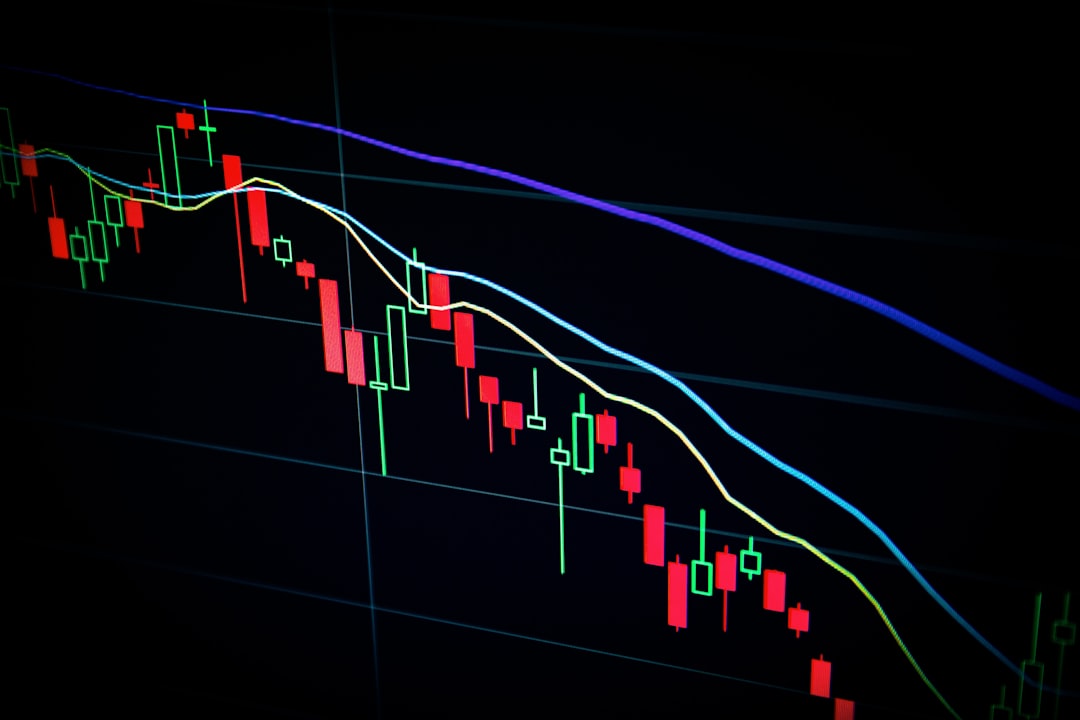
Place your stop loss below a key moving average (like the 20 EMA or 50 SMA) in an uptrend. As the trend rises, trail your stop higher. This keeps you in the trade during pullbacks but exits if the trend truly reverses.
4. Fixed Percentage Stop
A simple approach: risk 1–2% of your trading capital per trade. Calculate the stop distance based on your position size. For example, if you have a $1,000 account and risk 2% ($20), set the stop loss at a price level where the loss equals $20.
Risk Management
Never risk more than 1–2% of your total account on a single trade. This ensures one bad trade doesn’t sink you. Also, always calculate your position size before entering. Use this formula: Position Size = (Account Risk %) / (Stop Loss Distance in % of entry price). For example, if you risk 2% and your stop is 5% away, your position size is 2% / 5% = 40% of your account. Adjust accordingly.
Conclusion
Stop loss placement is an art, not a guess. Whether you use support/resistance, ATR, moving averages, or fixed percentages, the key is consistency. Backtest your strategy on historical data and refine it. Remember: a good stop loss keeps you in the game for the next winning trade. Start small, stay disciplined, and watch your trading transform.