
Stop Loss Placement Strategies: Where to Draw the Line for Safer Trades

You’ve done your analysis, spotted a promising setup, and clicked ‘Buy.’ But as the price starts to dip, that familiar knot tightens in your stomach. Where do you get out? Without a clear stop loss, you’re gambling—not trading. Let’s fix that.
Stop losses are your safety net. They protect your capital from emotional decisions and sudden market moves. But placing them correctly is an art. Put them too tight, and you get stopped out by normal noise. Put them too wide, and you risk losing too much. Here’s how to find the sweet spot.
How It Works
A stop loss is an order to sell (or buy) an asset when it reaches a specific price, limiting your loss on a trade. The key is to place it at a level that invalidates your trading thesis—meaning if price hits that point, your original reason for entering is wrong.
The Setup
There are three common strategies for placing stop losses:
1. Support and Resistance Levels
Place your stop just below a key support level (for longs) or just above a key resistance level (for shorts). This gives the trade room to breathe while protecting you if the level breaks. For example, if Bitcoin is bouncing off $60,000 support, set your stop at $59,500—below the level but not too far.
2. Volatility-Based (ATR)
Use the Average True Range (ATR) indicator to set a stop at a multiple of ATR from your entry. For instance, if ATR is 200 points, set your stop 1.5x ATR (300 points) below entry. This adapts to market conditions—wider in volatile markets, tighter in calm ones.
3. Moving Average
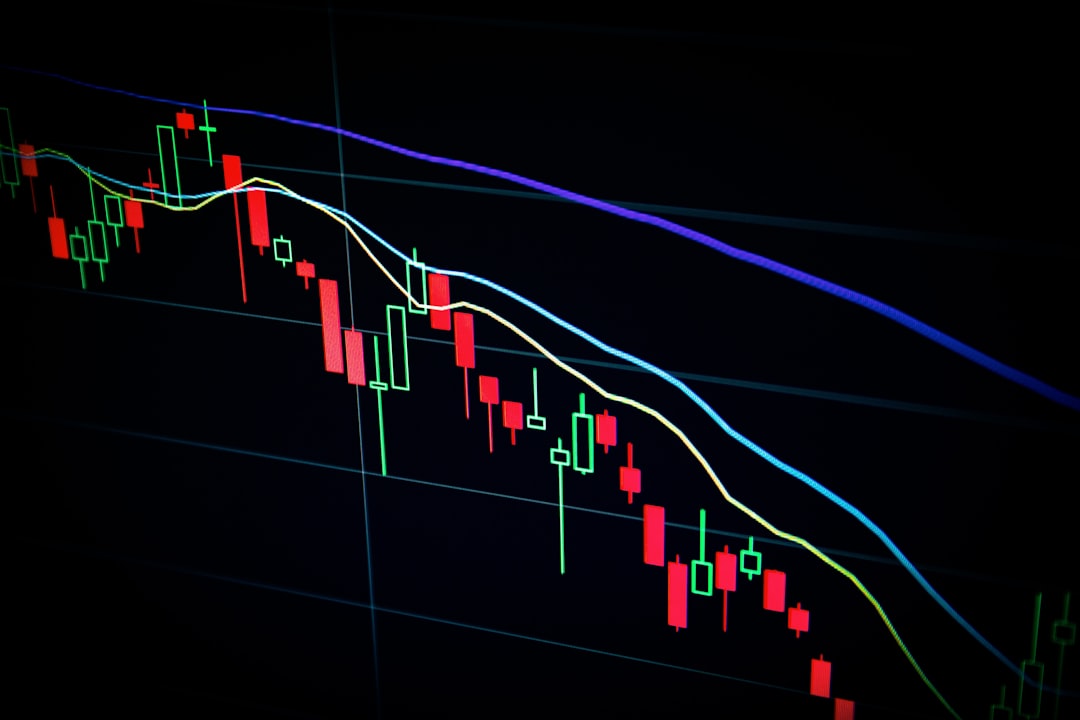
Place your stop below a key moving average like the 20 EMA or 50 SMA. This works well in trending markets. If price closes below the MA, your trend thesis is broken. Adjust the MA period based on your timeframe (e.g., 20 EMA for short-term, 50 SMA for swing trades).
Risk Management
Never risk more than 1-2% of your account on a single trade. Calculate your position size so that if your stop loss is hit, the loss stays within that limit. For example, with a $10,000 account and 1% risk ($100), if your stop is $0.50 away from entry, you can buy 200 units ($100 / $0.50). This keeps your losses consistent and your psychology stable.
Also, avoid placing stops at obvious round numbers (like $60,000 exactly). Markets often sweep these levels before reversing. Place them a few ticks below or above to avoid being picked off.
Conclusion
Stop losses aren’t about being right—they’re about staying in the game. By using support/resistance, ATR, or moving averages, you can place stops that respect market structure and protect your capital. Start with one strategy, test it in a demo account, and refine. Remember: a well-placed stop loss is the difference between a setback and a disaster. Trade safe.