
Stop Loss Placement Strategies: Your Safety Net in the Crypto Wild West

Imagine you’re on a boat, fishing in the ocean. You wouldn’t cast your line without a net, right? In crypto trading, your stop loss is that net. It’s not about being pessimistic; it’s about being smart. Today, we’re going to talk about where to place that net so you catch profits and avoid sinking your portfolio.
The Strategy Explained
Stop loss placement isn’t just about picking a random percentage. It’s a strategic decision based on market behavior and your risk tolerance. Here are the most effective methods, from simple to advanced.
How it Works: The Basics
A stop loss is an order that automatically sells your asset when its price drops to a certain level. It limits your loss on a trade. The key is to place it at a level that gives your trade room to breathe, but not so far that you lose too much if you’re wrong.
Looking for altcoin opportunities and smooth trading? Try KuCoin.
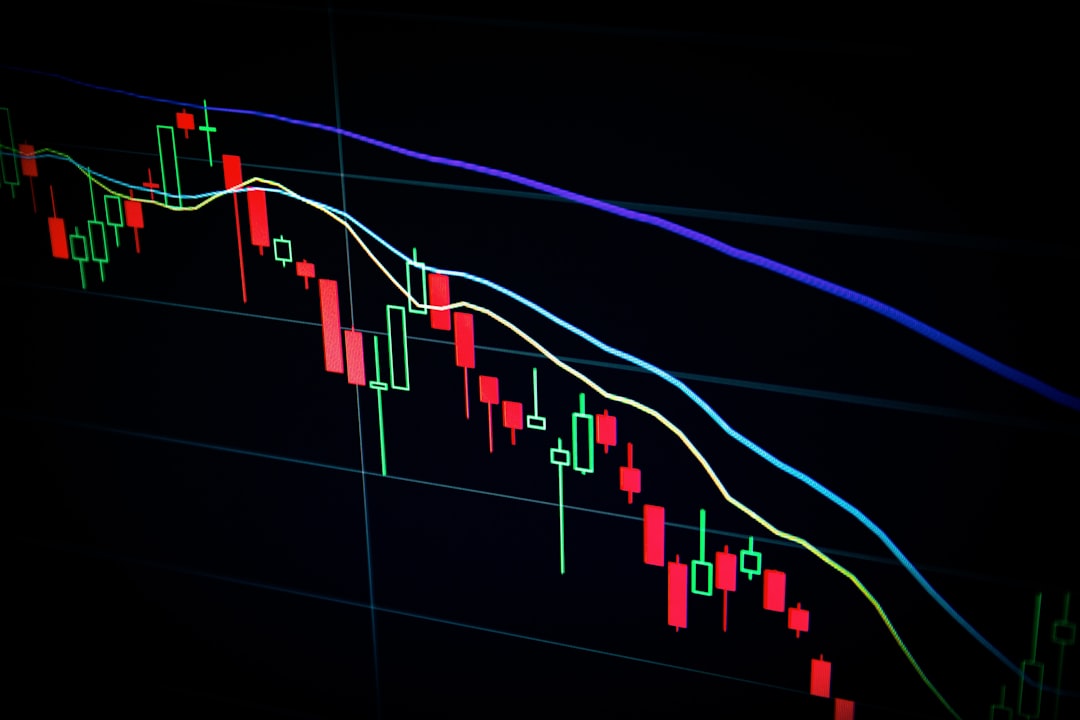
The Setup: Three Proven Placement Strategies
1. The Volatility Stop (ATR Method)
This is a favorite among professional traders. Instead of guessing, you use the Average True Range (ATR) indicator to measure how much an asset typically moves in a given period.
- How to do it: Calculate the ATR (e.g., 14-period). Place your stop loss at a multiple of the ATR below your entry price. For example, if you enter Bitcoin at $30,000 and the ATR is $1,000, you might place your stop at $28,500 (1.5 x ATR). This gives the trade enough room to avoid being stopped out by normal market noise.
2. The Structure Stop (Support/Resistance)
This method relies on technical analysis. You look at the chart and identify key levels where price has historically bounced (support) or stalled (resistance).
- How to do it: When buying, place your stop loss just below a recent support level. For example, if Ethereum is trading at $2,000 and has bounced off $1,950 twice, place your stop at $1,930. This way, if the support breaks, you know the trade idea is invalid, and you exit before things get worse.
3. The Percentage Stop (Risk-First Approach)
This is the simplest and is great for beginners. You decide how much of your account you’re willing to lose on a single trade (e.g., 1-2%). Then, you calculate the stop loss distance based on that.
- How to do it: If you have a $10,000 account and risk 2% ($200), and you buy a coin at $10, your stop loss would be at $9 if you’re buying 200 coins. This method ensures you never risk more than you can afford, regardless of market volatility.
Risk Management
No strategy is perfect, and that’s why risk management is your best friend. Here are the golden rules:
- Never move your stop loss further away from your entry to avoid a loss. This is called ‘averaging down’ and it’s a recipe for disaster. If your stop is hit, accept the loss and move on.
- Always use a stop loss – even for short-term trades. The market can gap, especially in crypto, and you don’t want to be caught without protection.
- Position sizing matters. Your stop loss distance and your position size work together to determine your risk. Use the percentage method to keep your risk consistent.
- Consider trailing stops once your trade is in profit. This locks in gains and lets your winners run.
Conclusion
Stop loss placement is an art and a science. It’s about protecting your capital while giving your trades room to succeed. Start with the percentage method to get comfortable, then graduate to ATR or structure stops as you gain experience. Remember, a stop loss is not a sign of weakness – it’s a sign of a disciplined trader. So, set your net, fish safely, and may your profits be plentiful!