
Stop Loss Placement: The Trader’s Safety Net, Perfected

Imagine you’re sailing. You wouldn’t set off without a life jacket, would you? In crypto trading, a stop loss is that life jacket. It’s your automatic exit plan, designed to limit losses if the market moves against you. But placing a stop loss isn’t just about picking a random number. It’s an art and a science. Get it right, and you protect your capital while giving your trades room to breathe. Get it wrong, and you might get stopped out prematurely or face devastating losses. Let’s dive into the strategies that will help you place your stops like a pro.
How It Works
A stop loss is an order you place with your exchange to automatically sell (or buy, if you’re short) an asset when it reaches a certain price. This price is your ‘stop level’. When the market hits that level, your position is closed, locking in your loss (or protecting your profit) before things get worse. The key is to place it at a level that invalidates your trading thesis. If the price hits your stop, it means the market is telling you that your analysis was wrong. So, you exit and live to trade another day.
The Setup
There are several proven methods for placing stop losses. Each has its own logic and suits different trading styles. Here are the most effective ones:
1. The Volatility Stop (ATR Method)
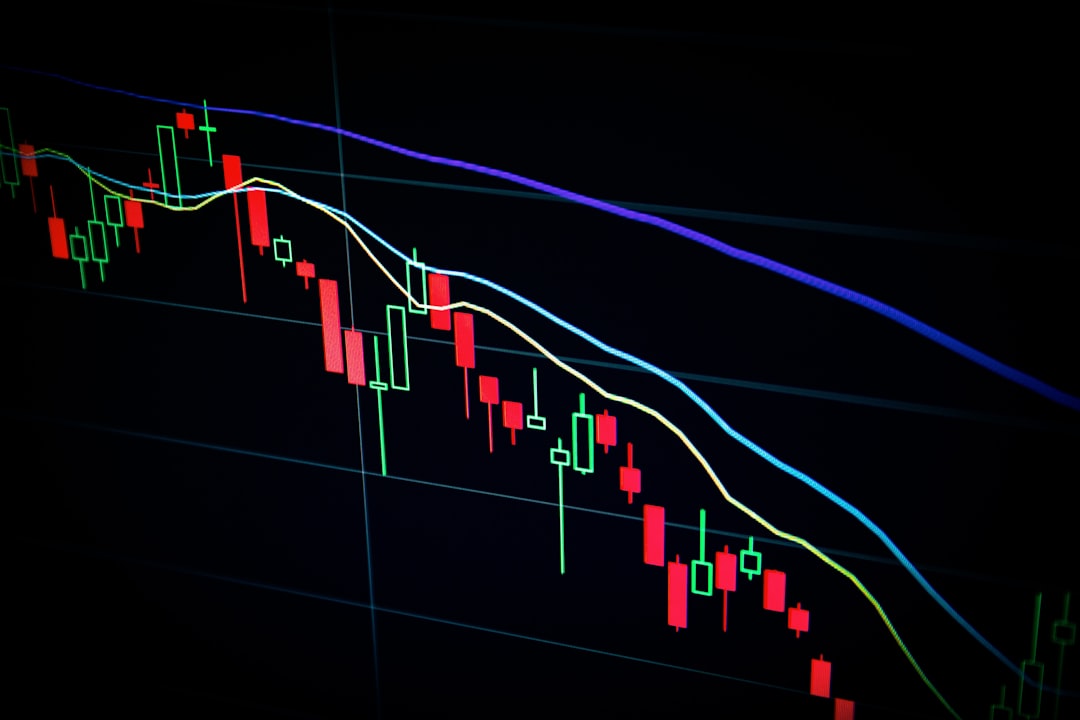
Volatility is the enemy of precise stops. A sudden price spike can trigger your stop even if the trend is still intact. The Average True Range (ATR) indicator measures how much an asset typically moves in a given period. By placing your stop at 1.5 to 2 times the ATR away from your entry price, you give your trade enough room to breathe. For example, if BTC’s 14-day ATR is $500, you might place your stop $750 to $1,000 away from entry. This method is excellent for riding trends without getting shaken out by normal market noise.
2. The Structure Stop (Swing High/Low)
This is a favorite among technical analysts. You identify key support and resistance levels on your chart. If you’re buying, you place your stop just below the most recent swing low (a point where price bounced up). If you’re selling short, you place it just above the most recent swing high. This method ensures that your stop is at a logical point where the market has shown it can reverse. It’s based on the principle that if price breaks that level, the structure is broken, and your trade idea is invalid.
3. The Percentage Stop
Simple and effective for beginners. You decide on a maximum loss you’re willing to take, usually a percentage of your trading capital, and set your stop accordingly. For instance, if you have $10,000 and you’re willing to risk 2% ($200) on a trade, you place your stop at $200 below your entry price. This method is great for risk management but can be too rigid if the asset is volatile. It’s often combined with other methods to find a level that fits both your risk tolerance and the market’s behavior.
4. The Moving Average Stop
Moving averages (like the 50-day or 200-day) are dynamic support and resistance levels. Many traders place their stops just below a key moving average. If price closes below the 50-day MA, it might signal a trend change, so you exit. This method is excellent for trailing your stop as the trend progresses. As the MA moves up, you can move your stop up with it, locking in profits while staying in the trade.
Risk Management
No matter which strategy you use, the golden rule is: never risk more than 1-2% of your total trading capital on a single trade. This ensures that a string of losses won’t wipe out your account. Also, consider the risk-to-reward ratio. Aim for at least 1:2, meaning your potential profit is at least double your potential loss. For example, if you’re risking $100, your target profit should be at least $200. This way, even if you win only 40% of your trades, you’re still profitable in the long run.
Another crucial aspect is adjusting your stop loss as the trade moves in your favor. This is called ‘trailing your stop’. Move your stop to break-even once the price has moved a sufficient distance from your entry, then continue to trail it along key levels or using the ATR method. This locks in profits and reduces risk, turning a good trade into a great one.
Conclusion
Stop loss placement is not a one-size-fits-all solution. It requires a mix of technical analysis, self-awareness, and discipline. Start with one method, like the percentage stop, and practice it until you’re comfortable. Then, experiment with volatility and structure stops to find what works best for your trading style. Always remember: the goal is to protect your capital, not to be right. A well-placed stop loss is the difference between a minor setback and a catastrophic loss. So, take the time to master it. Your future self will thank you.
Now, go place those stops with confidence, and may your trades be ever in your favor!