
The 1% Rule: The Golden Principle of Trading Survival
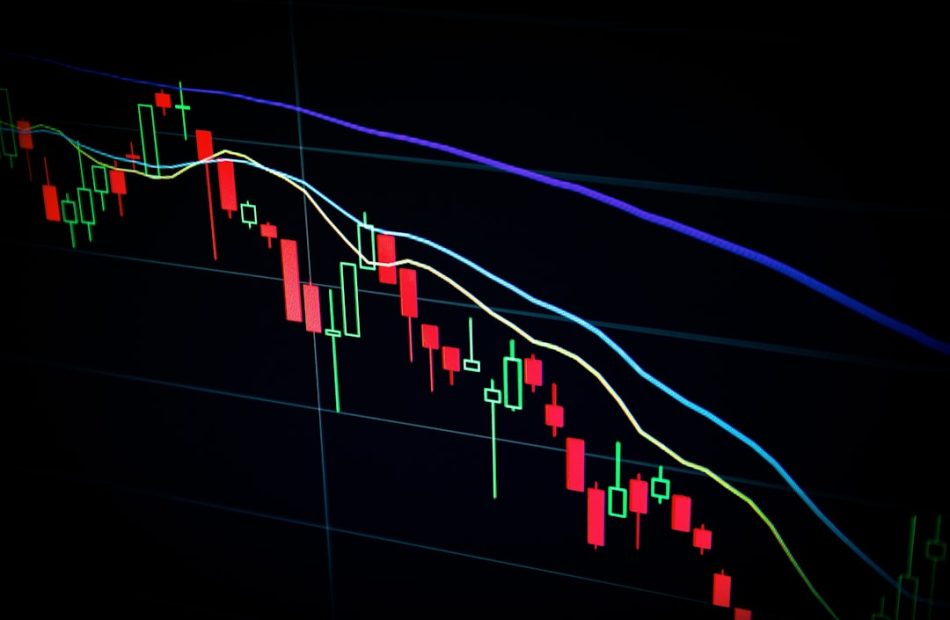
If there’s one rule that separates professional traders from gamblers, it’s the 1% Rule. It’s simple, proven, and non-negotiable if you want to stay in the game long-term. In a world where a single bad trade can wipe out weeks of gains, the 1% Rule is your safety net—your trading survival instinct.
How It Works
The 1% Rule states that you should never risk more than 1% of your total trading capital on any single trade. That means if you have a $10,000 account, your maximum loss per trade is $100. Not $500, not $1,000—just $100. This keeps your losses small and your account alive, even during a losing streak.
The Setup
To apply the rule, you need three things:
1. Your account size – Your total liquid trading capital.
2. Your entry price – Where you buy or sell.
3. Your stop-loss level – The price at which you exit if the trade goes against you.
Here’s the formula:
Position Size = (Account Size × 1%) ÷ (Entry Price – Stop-Loss Price)
Let’s say you have $10,000, want to buy Bitcoin at $30,000, and set a stop-loss at $29,500 (a $500 risk per coin). Your position size would be:
($10,000 × 0.01) ÷ $500 = 0.2 BTC.
If the trade hits your stop, you lose exactly $100—1% of your account. No more, no less.
Risk Management
The 1% Rule isn’t just about math—it’s about psychology. By capping your risk per trade, you:
- Remove emotional decision-making – You know exactly how much you can lose before you enter.
- Survive losing streaks – Even 10 consecutive losses only draw down your account by ~9.6%, not 50% or more.
- Trade with confidence – Small losses are part of the game; big losses end it.
Remember: The goal isn’t to be right all the time. It’s to be profitable over time. The 1% Rule ensures that one wrong trade doesn’t end your trading career.
Conclusion
The 1% Rule is the foundation of every successful trader’s risk management. It’s boring, it’s simple, and it works. Start applying it today—calculate your position size before every trade, and watch your consistency grow. Protect your capital, and the profits will take care of themselves.