
The Head and Shoulders Pattern: Spotting Trend Reversals Like a Pro
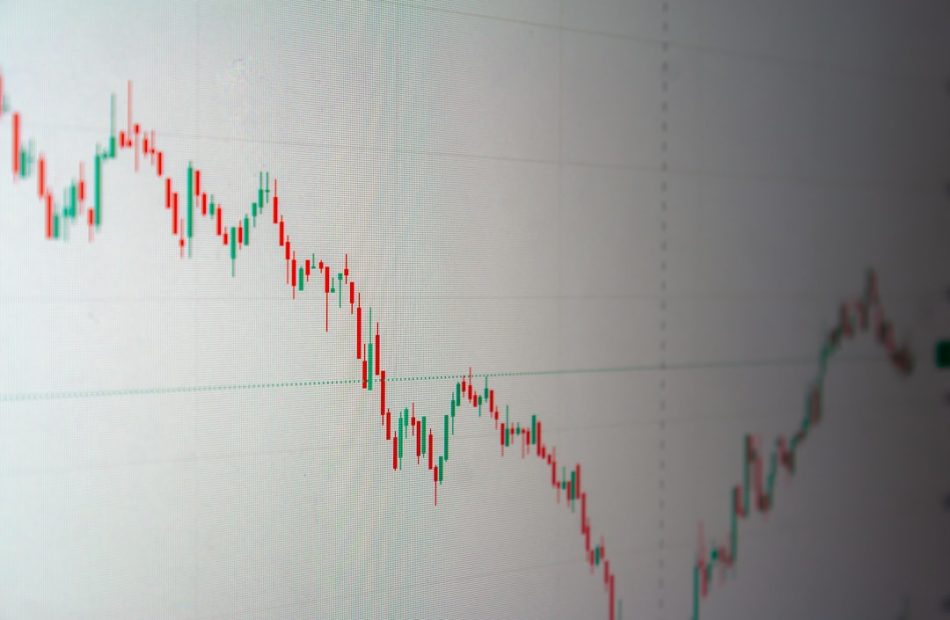
Imagine you’re watching a chart, and the price makes three distinct peaks. The middle one is the highest, the two on the sides are lower and roughly equal. That’s the classic Head and Shoulders pattern—one of the most reliable reversal signals in technical analysis. Whether you’re trading Bitcoin, Ethereum, or traditional stocks, this pattern can help you catch major trend changes before they happen.
How it Works
The Head and Shoulders pattern forms after an uptrend. It signals that buying pressure is weakening and sellers are starting to take control. The pattern consists of:
- Left Shoulder: A rally to a new high, followed by a pullback.
- Head: An even stronger rally to a higher high, then another pullback.
- Right Shoulder: A weaker rally that fails to reach the head’s high, followed by a decline.
The key is the neckline—a support level drawn by connecting the lows of the two pullbacks. When price breaks below this neckline, the reversal is confirmed.
The Setup
Here’s how to trade it step by step:

1. Identify the pattern: Look for three peaks with the middle one highest. The shoulders should be roughly at the same height.
2. Draw the neckline: Connect the lows of the left and right shoulder pullbacks. It can be horizontal or slightly sloped.
3. Wait for the breakout: Enter a short (sell) trade when the price closes decisively below the neckline. A common filter is to wait for a 3% or 5% break to avoid fakeouts.
4. Set a price target: Measure the distance from the head’s peak to the neckline. Project that distance downward from the breakout point. That’s your target.
Example: If the head is at $100 and the neckline is at $80, the height is $20. If the neckline breaks at $78, your target is $58 ($78 – $20).
Risk Management
No pattern is 100% accurate, so protect your capital:
- Stop-loss: Place it just above the right shoulder’s high (or above the head if the right shoulder is very close). This limits losses if the breakout fails.
- Position size: Risk no more than 1-2% of your trading account on a single trade.
- Confirmation: Use volume as a filter. Volume should be highest on the left shoulder, lower on the head, and lowest on the right shoulder—confirming weakening momentum. The breakout should come with increased volume.
- Inverse pattern: The inverse Head and Shoulders works the same way but at the bottom of a downtrend, signaling a bullish reversal.
Conclusion
The Head and Shoulders pattern is a timeless tool that gives you an edge in spotting trend reversals. Practice identifying it on historical charts, and soon you’ll see it forming in real-time. Remember: patience is key. Wait for the neckline break, manage your risk, and let the pattern work for you. Happy trading!