
The Hidden Engine of Bitcoin: How Layer-2 Ecosystems Are Reshaping Trading

If you’ve been trading Bitcoin for a while, you’ve probably heard the term “Layer 2” thrown around—but what does it actually mean for your trading decisions? Think of Bitcoin’s main chain as the secure, heavy-duty foundation, like a bank vault. Layer-2 solutions are like express lanes built on top of that vault, allowing transactions to happen faster, cheaper, and with more flexibility. For traders, this opens up a whole new playground of opportunities, from yield farming on Bitcoin to arbitrage across scaling networks. In this post, we’ll break down the Bitcoin Layer-2 ecosystem, show you how to spot trading setups, and keep your risk in check.
How It Works
Bitcoin Layer-2 ecosystems are networks built on top of the Bitcoin blockchain to handle transactions off the main chain while still benefiting from its security. The most famous example is the Lightning Network, which enables instant, low-cost payments. But newer players like Stacks, RSK, and Liquid are adding smart contract functionality, allowing decentralized finance (DeFi) on Bitcoin. For traders, this means you can now move BTC into these Layer-2 networks to trade tokens, provide liquidity, or even stake—all while keeping your core Bitcoin holdings safe on Layer 1.
The key is understanding that each Layer-2 has its own token (like STX for Stacks) and its own market dynamics. When activity on a Layer-2 spikes—say, due to a new DeFi app or a network upgrade—the token price often moves in tandem with increased usage. This creates a correlation play: if Bitcoin is trending up, Layer-2 tokens might amplify those gains, but they can also drop faster during corrections.
The Setup
Here’s a straightforward trading idea for beginners: the “Layer-2 Momentum Play.”
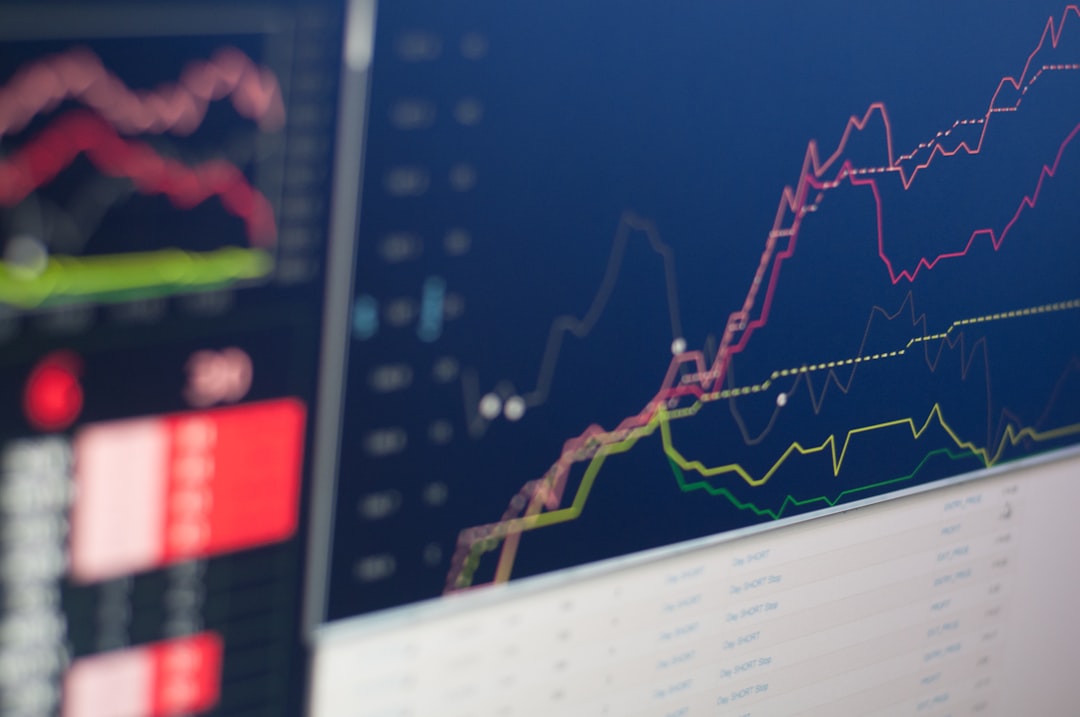
1. Identify the Leader: Track the top Bitcoin Layer-2 tokens by market cap (e.g., STX, RIF for RSK, or L-BTC on Liquid). Use a screener like CoinGecko or TradingView to see which one has the highest 24-hour volume increase.
2. Check Bitcoin’s Trend: Look at Bitcoin’s daily chart. If BTC is above its 50-day moving average and showing bullish momentum (higher highs, higher lows), it’s a green light for Layer-2 plays.
3. Enter on Breakout: Wait for the selected Layer-2 token to break above its 20-day simple moving average (SMA) with above-average volume. This signals that capital is flowing into that ecosystem.
4. Set a Target: Aim for a 10-15% gain over 3-7 days, as these tokens are more volatile than Bitcoin itself. Use a trailing stop-loss at 5% below the entry price to lock in profits as the trade moves.
For example, if Stacks (STX) breaks out while Bitcoin is strong, you might buy at $1.50, target $1.72, and set a stop at $1.42.
Risk Management
Layer-2 tokens are exciting, but they carry extra risks. Because they’re built on Bitcoin, they inherit some of its stability, but they’re also subject to network-specific issues like hacks, low liquidity, or regulatory scrutiny. Here’s how to stay safe:
- Position Sizing: Never allocate more than 5% of your portfolio to any single Layer-2 token. These are speculative plays, not core holdings.
- Use Stop-Losses: Always set a hard stop-loss at 8-10% below entry. Layer-2 tokens can gap down if the underlying network has a technical glitch.
- Watch Bitcoin First: If Bitcoin drops 5% in a day, Layer-2 tokens often fall 10-15%. Consider closing all Layer-2 positions if Bitcoin breaks below a key support level, like its 200-day moving average.
- Stay Updated: Follow the official channels of the Layer-2 project you’re trading. A delayed upgrade or a security audit can cause sudden price swings.
Conclusion
Bitcoin Layer-2 ecosystems are no longer just a technical curiosity—they’re a real trading frontier. By understanding how these networks work and using simple momentum setups, you can tap into moves that often outpace Bitcoin itself. Remember, the key is to treat them as tactical trades, not long-term holds, and always manage your risk with tight stops and small positions. Start by watching one Layer-2 token this week, and see how it behaves relative to Bitcoin. You might just discover a new edge in your trading toolkit.